- Chinese
- French
- German
- Portuguese
- Spanish
- Russian
- Japanese
- Korean
- Arabic
- Irish
- Greek
- Turkish
- Italian
- Danish
- Romanian
- Indonesian
- Czech
- Afrikaans
- Swedish
- Polish
- Basque
- Catalan
- Esperanto
- Hindi
- Lao
- Albanian
- Amharic
- Armenian
- Azerbaijani
- Belarusian
- Bengali
- Bosnian
- Bulgarian
- Cebuano
- Chichewa
- Corsican
- Croatian
- Dutch
- Estonian
- Filipino
- Finnish
- Frisian
- Galician
- Georgian
- Gujarati
- Haitian
- Hausa
- Hawaiian
- Hebrew
- Hmong
- Hungarian
- Icelandic
- Igbo
- Javanese
- Kannada
- Kazakh
- Khmer
- Kurdish
- Kyrgyz
- Latin
- Latvian
- Lithuanian
- Luxembou..
- Macedonian
- Malagasy
- Malay
- Malayalam
- Maltese
- Maori
- Marathi
- Mongolian
- Burmese
- Nepali
- Norwegian
- Pashto
- Persian
- Punjabi
- Serbian
- Sesotho
- Sinhala
- Slovak
- Slovenian
- Somali
- Samoan
- Scots Gaelic
- Shona
- Sindhi
- Sundanese
- Swahili
- Tajik
- Tamil
- Telugu
- Thai
- Ukrainian
- Urdu
- Uzbek
- Vietnamese
- Welsh
- Xhosa
- Yiddish
- Yoruba
- Zulu
- Kinyarwanda
- Tatar
- Oriya
- Turkmen
- Uyghur


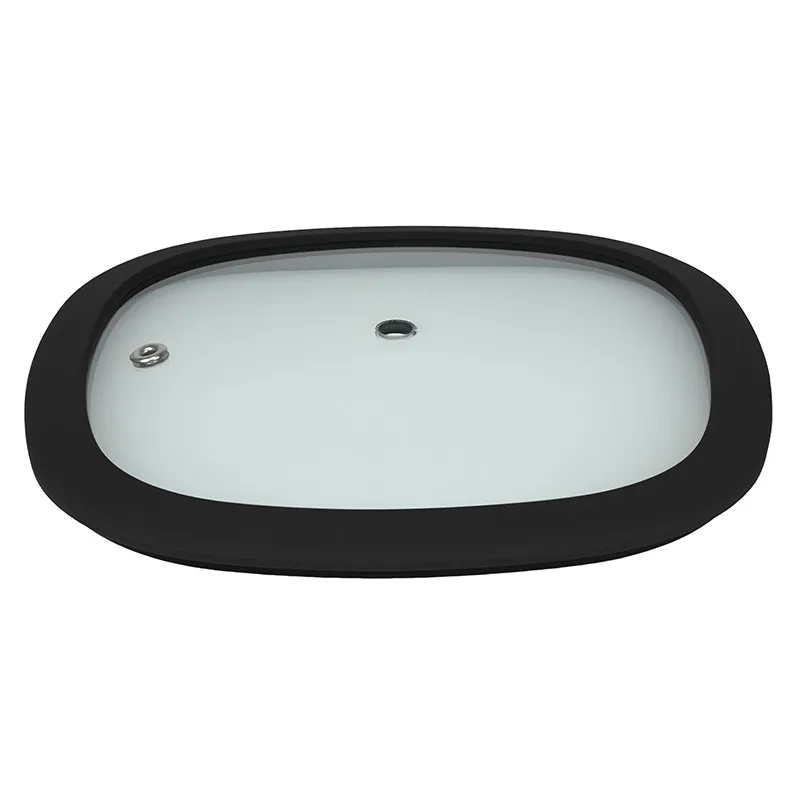
tempered glass cover distribution
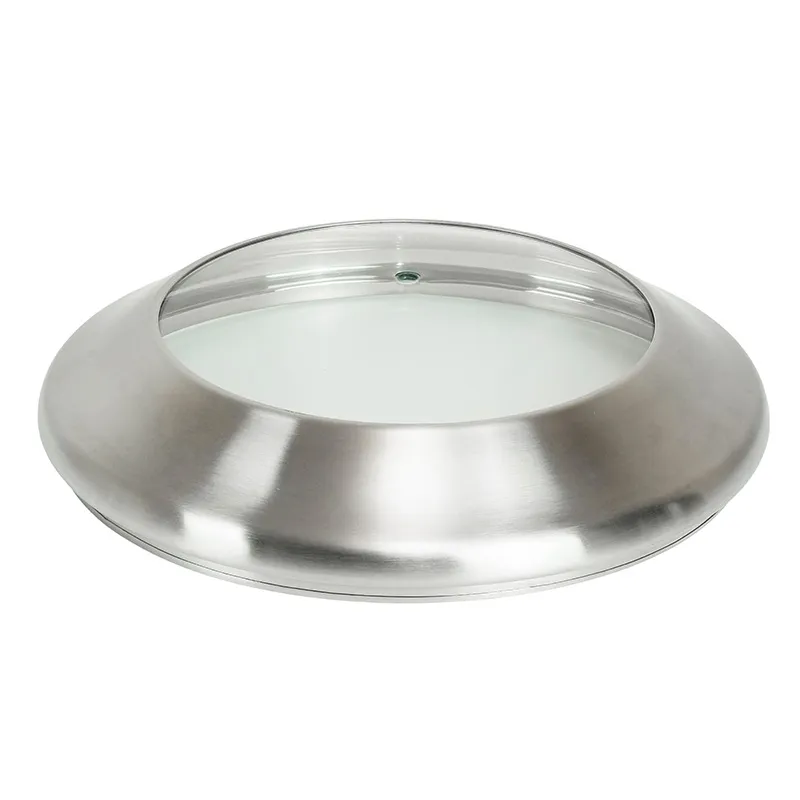
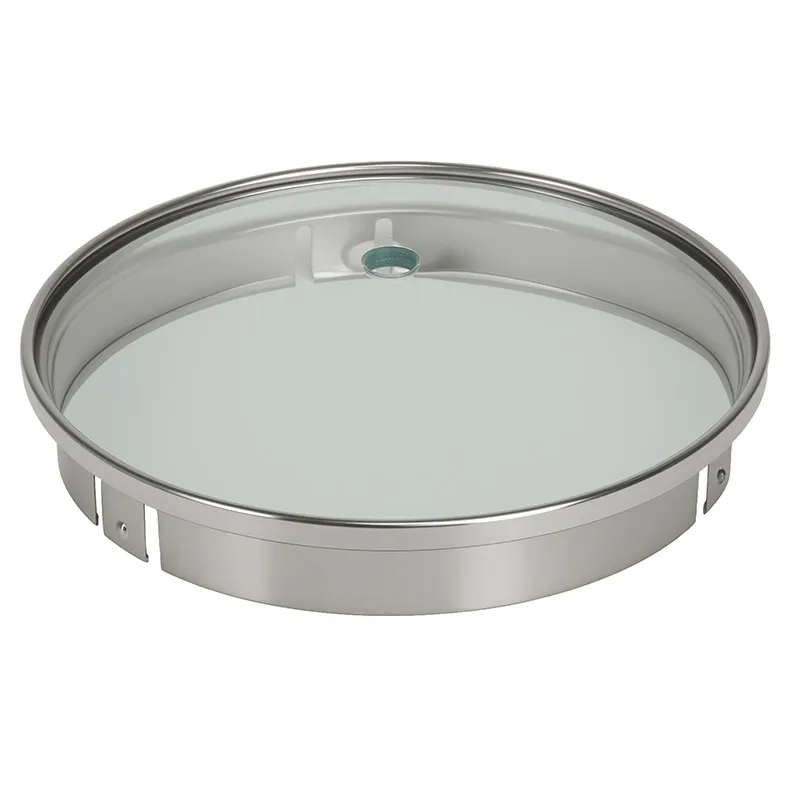
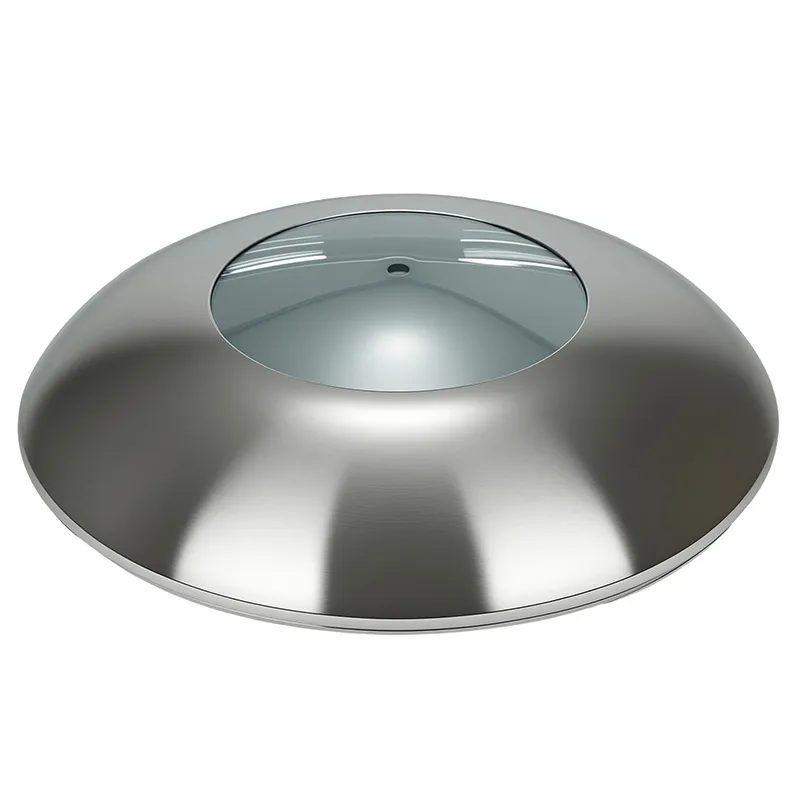
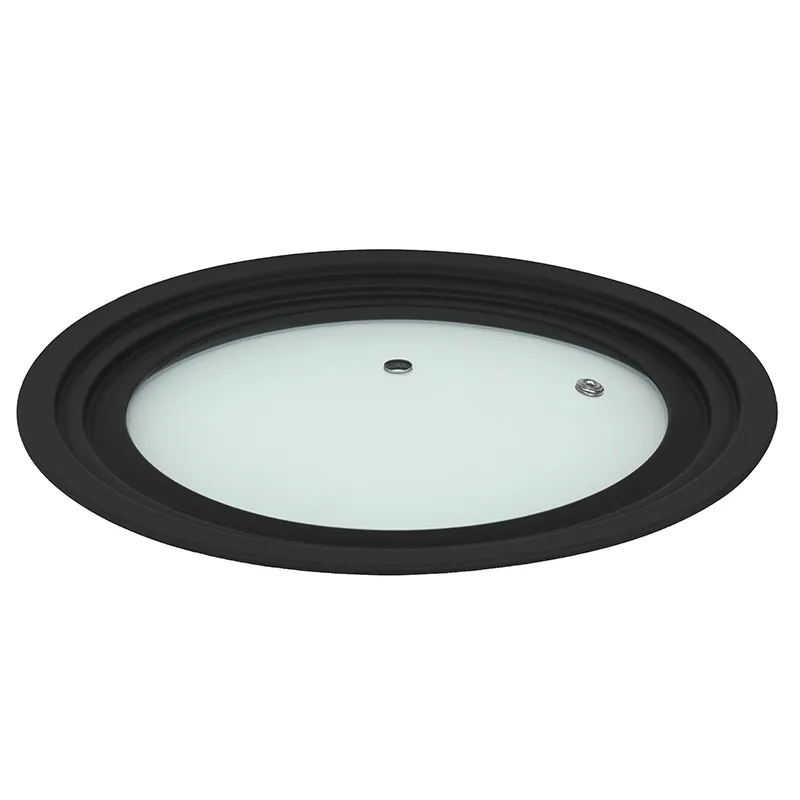
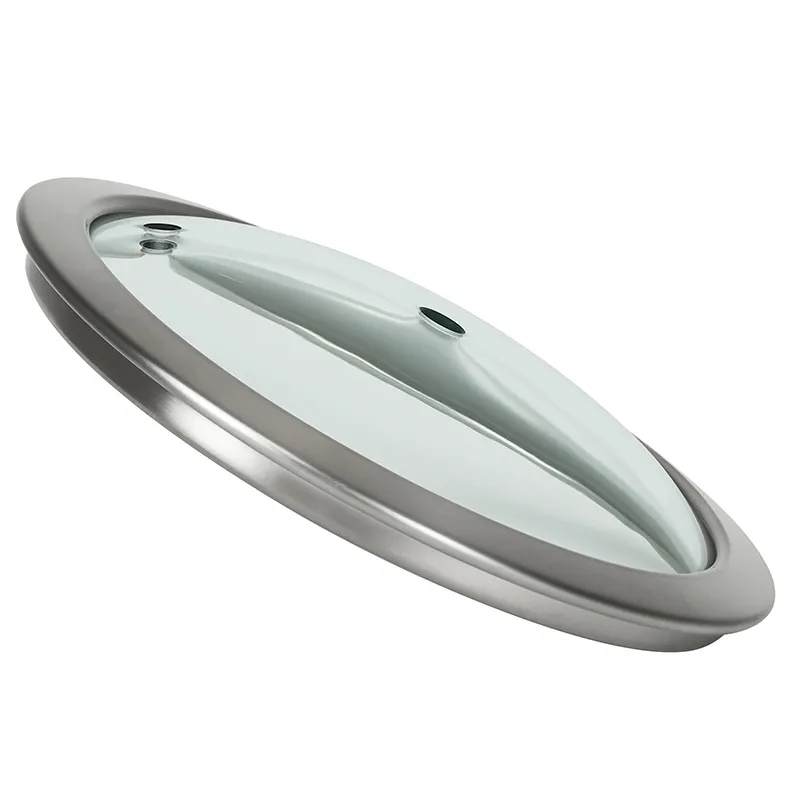
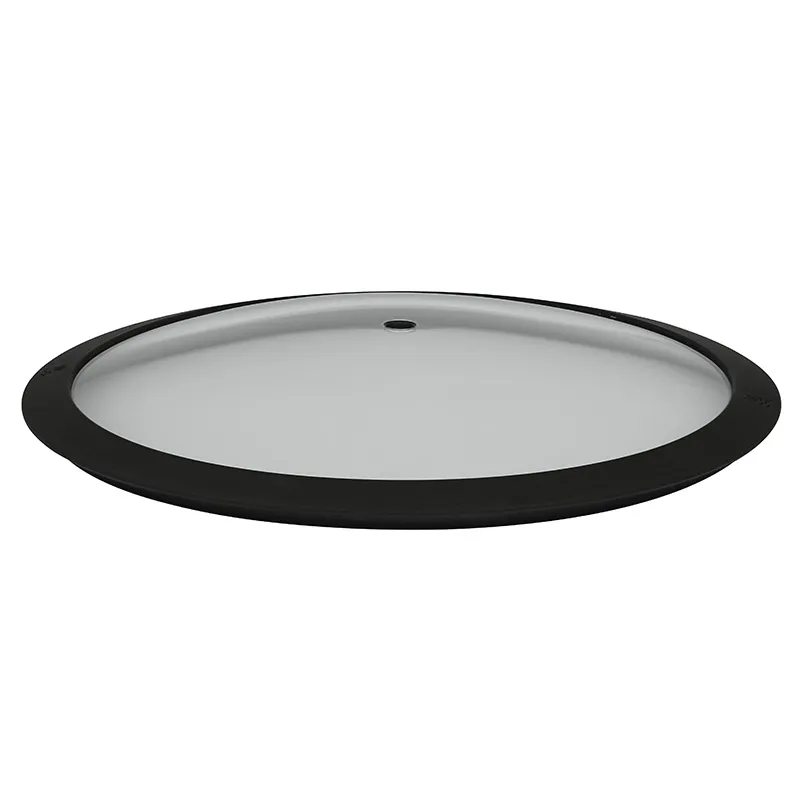
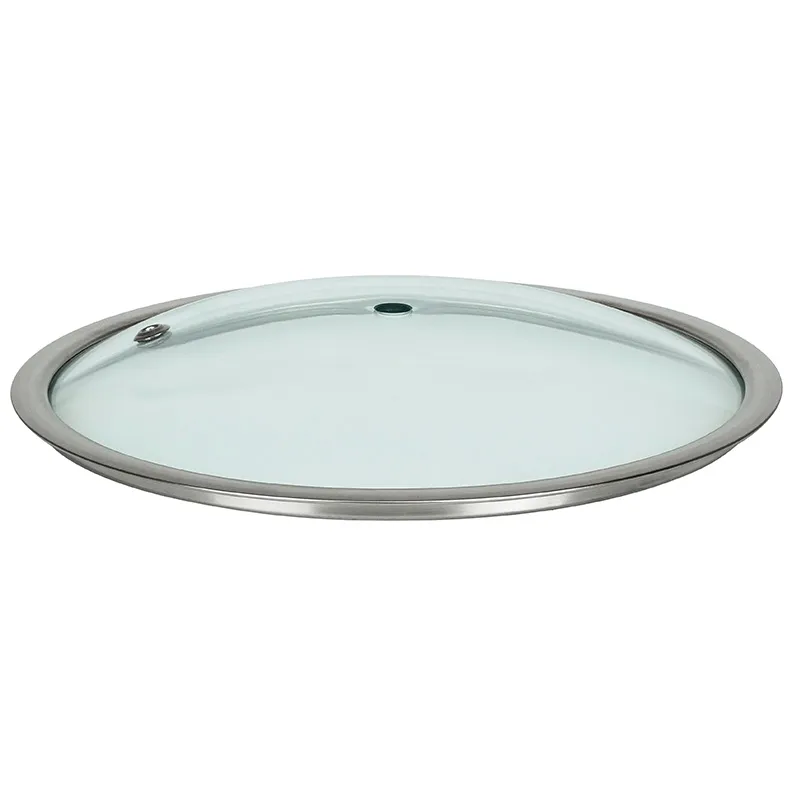
When people hear 'tempered glass cover distribution,' they often picture a simple pipeline: factory makes it, truck moves it, store sells it. That's the first mistake. The reality is a tangled web of specs, fragility, and cultural preferences in kitchens from Hamburg to S?o Paulo. It's not just about moving boxes; it's about moving the right boxes that won't end up as a pile of glass dust in a warehouse in Rotterdam. The term itself sounds clean, but the process is anything but.
Specs Aren't Just Numbers on a Page
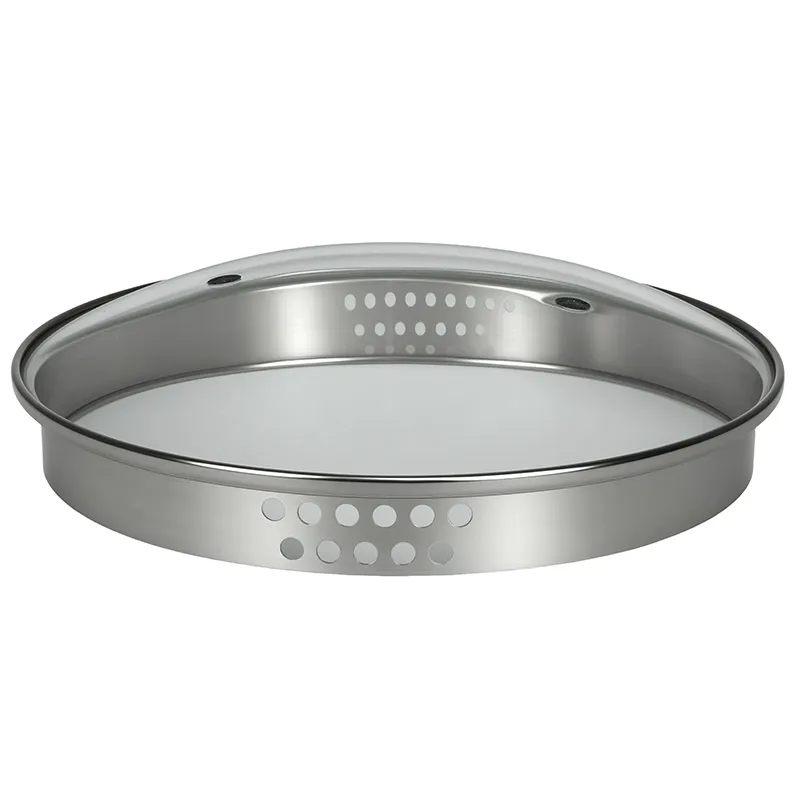
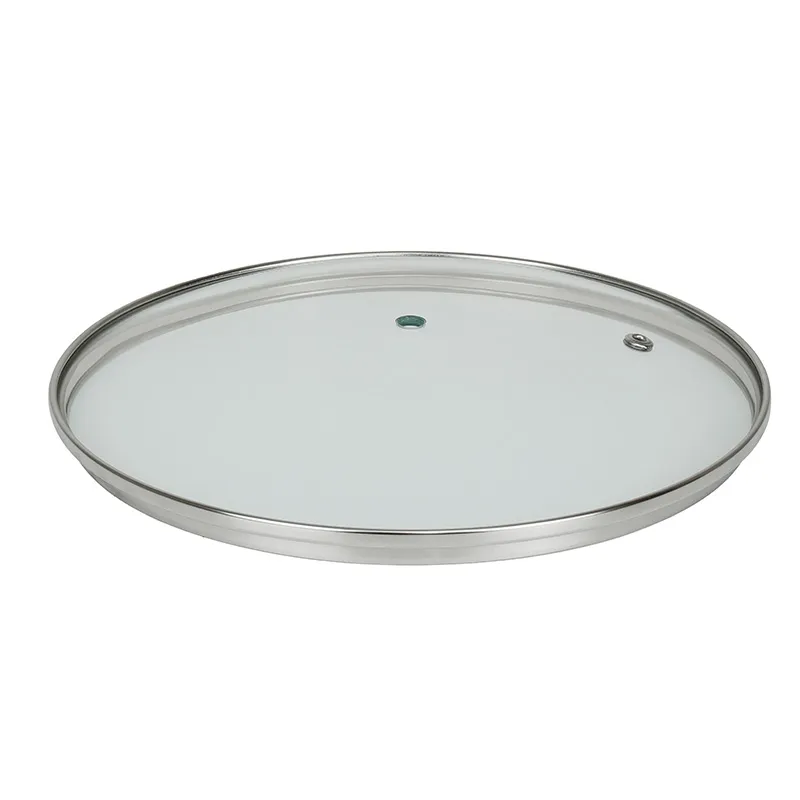
You can't just ship a universal 'glass lid.' A distributor's headache starts with the product codes. Take a company like EUR-ASIA COOKWARE CO.,LTD. Their site, glass-lid.com, lists a range, but the real detail is in the OEM sheets. A lid for a German casserole dish might need a 3mm thickness with a specific edge grind for a silicone gasket, while the same diameter for the Brazilian market might be 4mm with a polished edge for a different clamping mechanism. Get that wrong, and the entire container load is rejected. I've seen it happen.
The assumption that tempered glass is indestructible is another pitfall. Yes, it's stronger than annealed glass, but it has a kryptonite: impact on the edges. The distribution chain must account for this in packaging design. We learned the hard way. Early on, we used standard corner protectors. A shipment to Poland arrived with a 15% breakage rate. The issue? The cardboard inserts allowed just enough lateral shift during sea freight for edges to tap against each other. The solution wasn't more foam, but a redesign of the internal partition—a cost that eats directly into the margin of tempered glass cover sales.
Then there's the volume. EUR-ASIA mentions an output of 15 million pieces annually. That number is staggering until you break it down across dozens of clients. A single large European buyer might order 300,000 pieces across 20 SKUs for their spring collection. Managing that pull, ensuring the Taian production line has the correct tint (clear vs. low-iron), handle type (stainless steel knob, phenolic, or no handle), and packaging language on the insert card is a logistical ballet. It's not mass distribution; it's mass customization.
The On-the-Ground Reality of International Logistics
Exporting over 90% of goods, as EUR-ASIA does, means your distribution network is only as strong as its weakest customs broker. For glass, the HS code is critical, but more so is the certificate. Each market has its own safety standard—CE marking for the EU, GCC for Russia, KC for South Korea. The documentation must travel physically with the shipment, often in a waterproof pouch attached to the container door. A missing or smudged ink stamp can delay clearance for weeks, turning a 30-day sea voyage into a 60-day capital freeze.
Port handling is the silent killer. The romantic notion of containers being gently moved is fiction. We once tracked a shipment to Italy where the container was dropped during offloading at Gioia Tauro. The shock didn't shatter every lid, but it created microscopic surface flaws. The customer, a high-end brand, performed their routine QC and found a significant batch with compromised tensile strength. The entire lot was scrapped. The insurance claim took nine months. The loss wasn't just in product, but in trust. This is the unglamorous core of tempered glass cover distribution: managing invisible risks.
Warehousing at destination is another layer. These aren't pallets of books. You need dry, stable environments. In Turkey, a partner warehouse had humidity spikes. Over time, this caused corrosion on the metal components of some assembled lids (the ones with stainless steel rims). The product was functionally fine, but cosmetically rejected. The lesson? Your distribution agreement must specify not just storage, but climate control parameters, and you need to audit it. Personally. I've spent days in warehouses in M?yny checking hygrometers.
Why Local Partnerships Make or Break You
You cannot manage European distribution from China. Full stop. You need boots on the ground. A good local partner isn't just a sales agent; they are your cultural interpreter. For instance, the preference in France is often for very clear, low-iron glass (like EuroKera style) for aesthetic presentation, while in parts of Eastern Europe, a slight green tint from the standard soda-lime glass is acceptable for cost-sensitive lines. A local partner feeds this back to the factory, shaping production planning.
These partners also handle the returns and complaints. A tempered glass lid can fail in the field due to thermal shock if a user takes it from a 200°C oven and places it on a cold granite counter. Is that a manufacturing defect? Technically no, if it's within specified thermal shock resistance (say, ΔT of 150°C). But the retailer will get the angry customer. A good distributor works with the factory (like EUR-ASIA) to create clearer user instruction graphics, and sometimes, as a goodwill gesture, manages a replacement program to protect the brand relationship. This cost is buried in the distribution margin but is essential for long-term business.
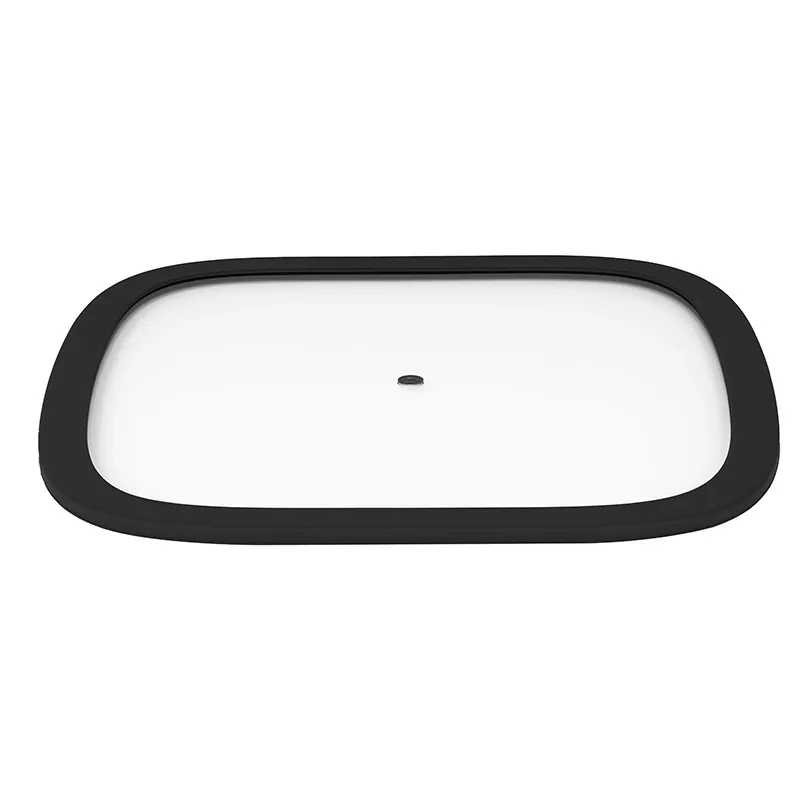
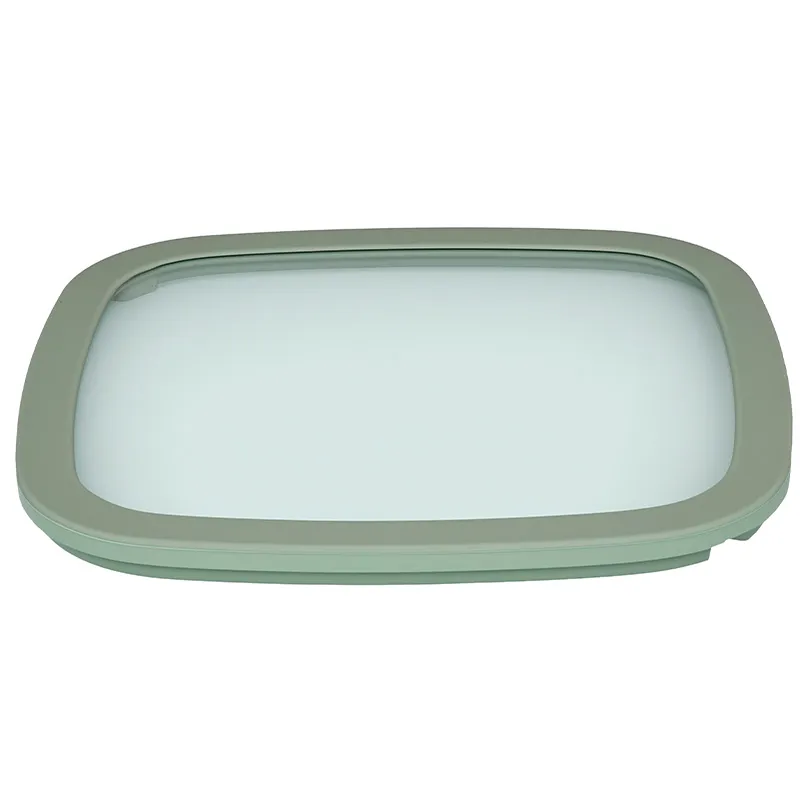
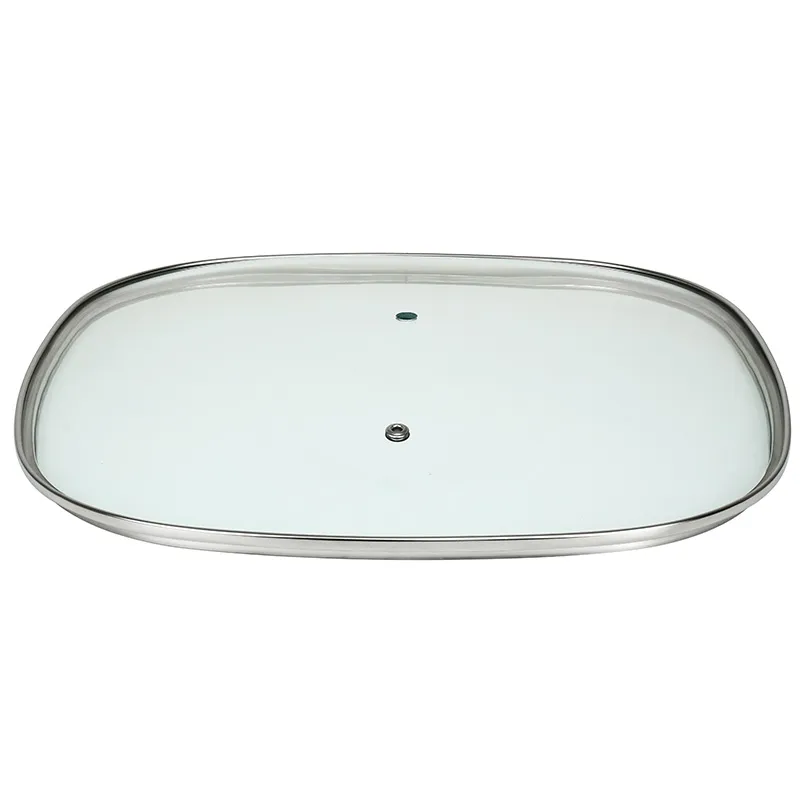
I recall a specific case with a Danish client who ordered a batch of square lids. The production was perfect, but upon arrival, they didn't sit flush on the pots. After a frantic investigation, we found the issue: The client's own pot supplier had changed the flange curvature by half a millimeter. Our specs were right, but the ecosystem was wrong. The local distributor facilitated a meeting, we adjusted the curvature for future batches, and the Danish client covered the cost of re-tooling. Without that local intermediary playing diplomat, the deal would have collapsed in blame.
The Illusion of Standardization and the Need for Flexibility
Walking through a production facility like the one in Taian National High-tech Development Zone is enlightening. You see the rows of cutting, edging, tempering furnaces, and assembly lines. It looks standardized. But the magic—and the challenge for distribution—happens at the changeover. Switching from producing 24cm round lids for Switzerland to 10cm small skillets lids for Japan requires recalibrating machines, changing molds, and cleaning lines. This downtime is a hidden cost. A distributor's order forecast needs to align with production cycles to minimize these changeovers, or the unit cost creeps up.
Flexibility is also about payment terms. Large retailers demand 90 or 120-day payment terms. For a distributor, that means financing the inventory from the point it leaves EUR-ASIA's factory until the point the retailer pays. With a container of tempered glass covers valued at, say, $80,000, that's a significant cash flow burden. Your profit isn't just on the spread; it's on how efficiently you manage that financial pipeline. Many small distributors fail here, not because they can't sell, but because they can't float the money.
The rise of e-commerce has added another twist. Now, we're dealing with single-piece fulfillment for direct-to-consumer brands. The packaging for a single lid being shipped by courier is completely different from a bulk pallet. It needs to be retail-ready, protective against parcel service abuse, and lightweight. We've had to develop a second, entirely different distribution protocol for these D2C shipments, working with fulfillment centers in key markets. It's a different beast altogether.
Looking Ahead: Sustainability as a Distribution Driver
The conversation in Europe is increasingly about carbon footprint. A tempered glass cover shipped from Shandong to Hamburg has a tangible emissions cost. We're now being asked by buyers for Life Cycle Assessment data. This isn't just a PR exercise; it's becoming a sourcing criterion. This pressures the entire distribution chain to optimize. Can we consolidate shipments more efficiently? Can we use slower but lower-emission sea freight over air? Can the packaging be reduced or made from recycled material without compromising protection?
This is where a manufacturer's scale helps. A firm like EUR-ASIA, with its 15,000㎡ facility and volume, can invest in more efficient furnaces that lower the carbon footprint per lid at the source. As a distributor, that's a selling point we can leverage. We're starting to include this in our pitches—not as a vague green claim, but with specific data provided by the factory on energy use per batch. It resonates in markets like Germany and Denmark.
Ultimately, tempered glass cover distribution is moving from being a purely transactional, cost-focused game to one where reliability, transparency, and sustainability form the new basis of competition. The company that just moves boxes the cheapest will lose to the one that moves the right boxes, with the right data, at the right time, and manages the relationship fallout when, inevitably, something goes wrong. It's a gritty, detail-obsessed business. The shine is only on the glass itself; the rest is hard, unglamorous work.
Related Products
Related Products