- Chinese
- French
- German
- Portuguese
- Spanish
- Russian
- Japanese
- Korean
- Arabic
- Irish
- Greek
- Turkish
- Italian
- Danish
- Romanian
- Indonesian
- Czech
- Afrikaans
- Swedish
- Polish
- Basque
- Catalan
- Esperanto
- Hindi
- Lao
- Albanian
- Amharic
- Armenian
- Azerbaijani
- Belarusian
- Bengali
- Bosnian
- Bulgarian
- Cebuano
- Chichewa
- Corsican
- Croatian
- Dutch
- Estonian
- Filipino
- Finnish
- Frisian
- Galician
- Georgian
- Gujarati
- Haitian
- Hausa
- Hawaiian
- Hebrew
- Hmong
- Hungarian
- Icelandic
- Igbo
- Javanese
- Kannada
- Kazakh
- Khmer
- Kurdish
- Kyrgyz
- Latin
- Latvian
- Lithuanian
- Luxembou..
- Macedonian
- Malagasy
- Malay
- Malayalam
- Maltese
- Maori
- Marathi
- Mongolian
- Burmese
- Nepali
- Norwegian
- Pashto
- Persian
- Punjabi
- Serbian
- Sesotho
- Sinhala
- Slovak
- Slovenian
- Somali
- Samoan
- Scots Gaelic
- Shona
- Sindhi
- Sundanese
- Swahili
- Tajik
- Tamil
- Telugu
- Thai
- Ukrainian
- Urdu
- Uzbek
- Vietnamese
- Welsh
- Xhosa
- Yiddish
- Yoruba
- Zulu
- Kinyarwanda
- Tatar
- Oriya
- Turkmen
- Uyghur


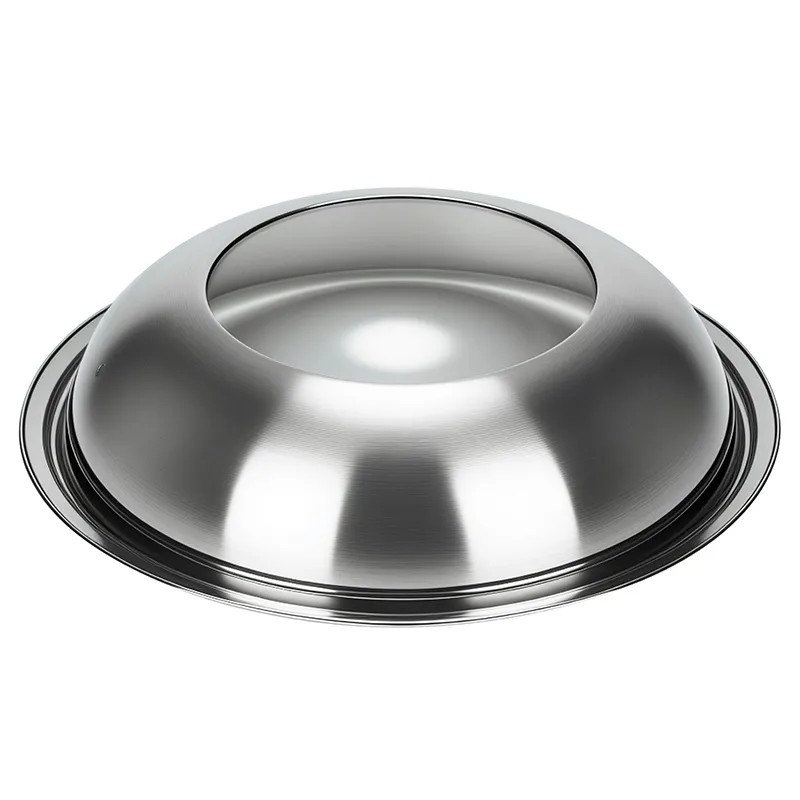
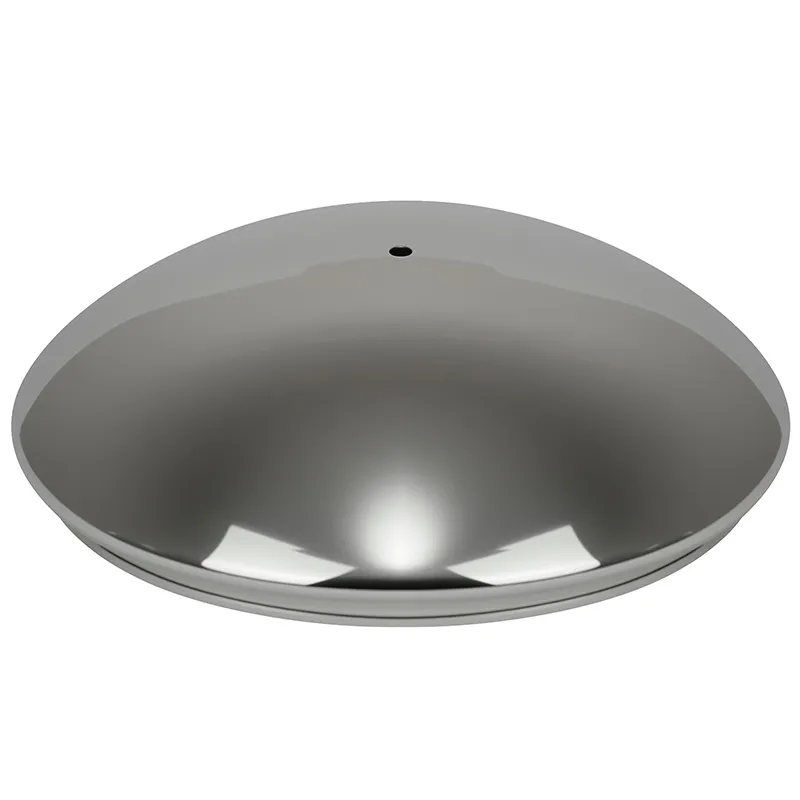
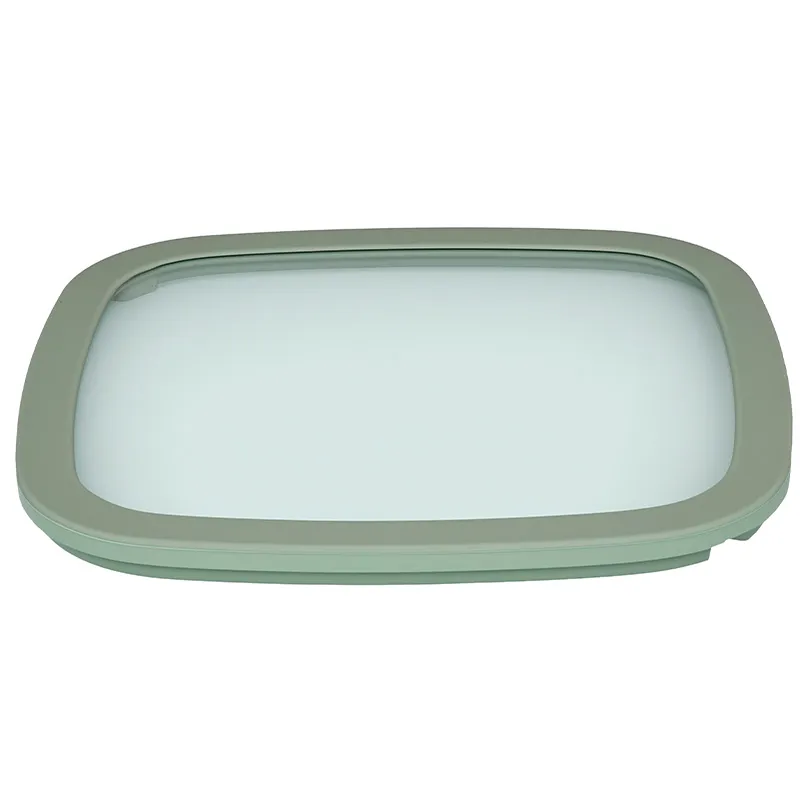
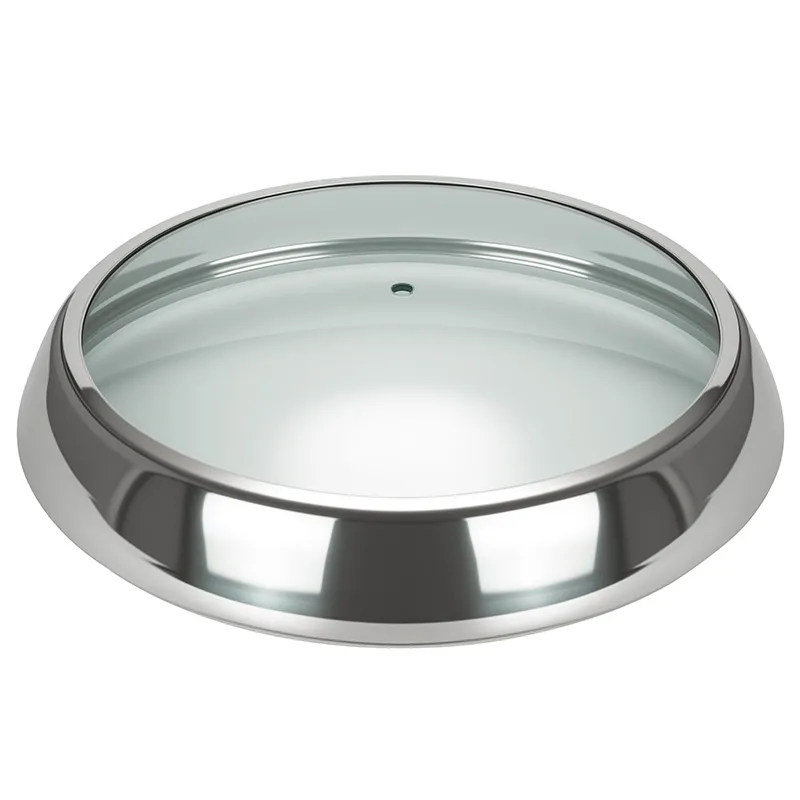
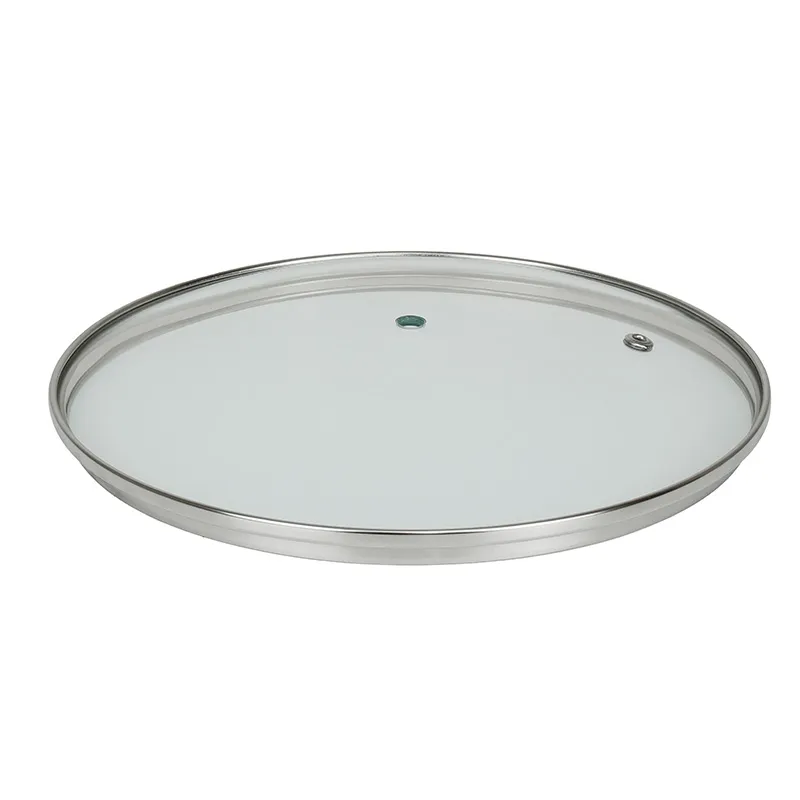
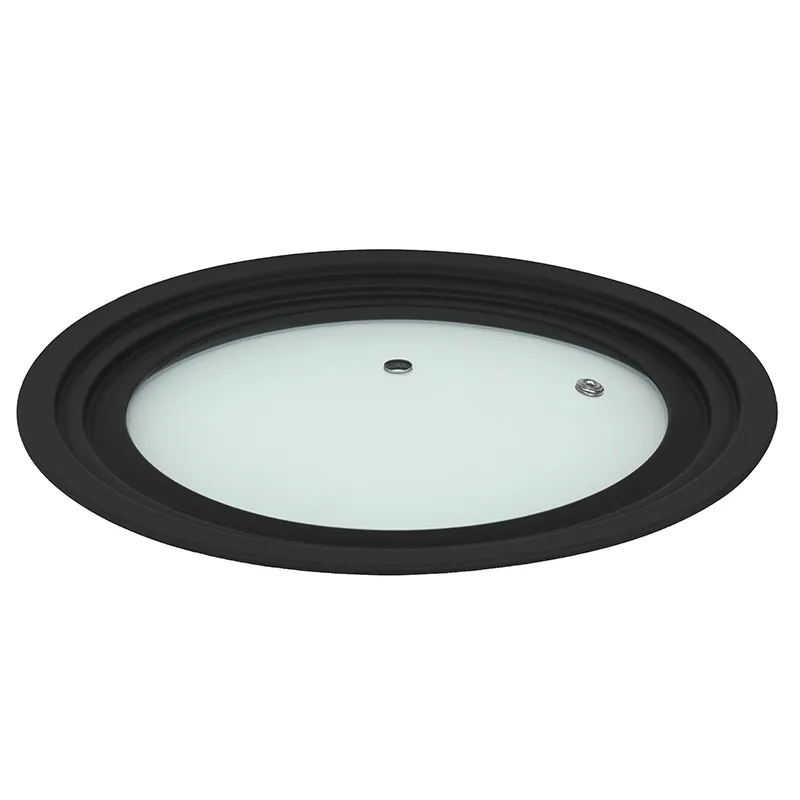
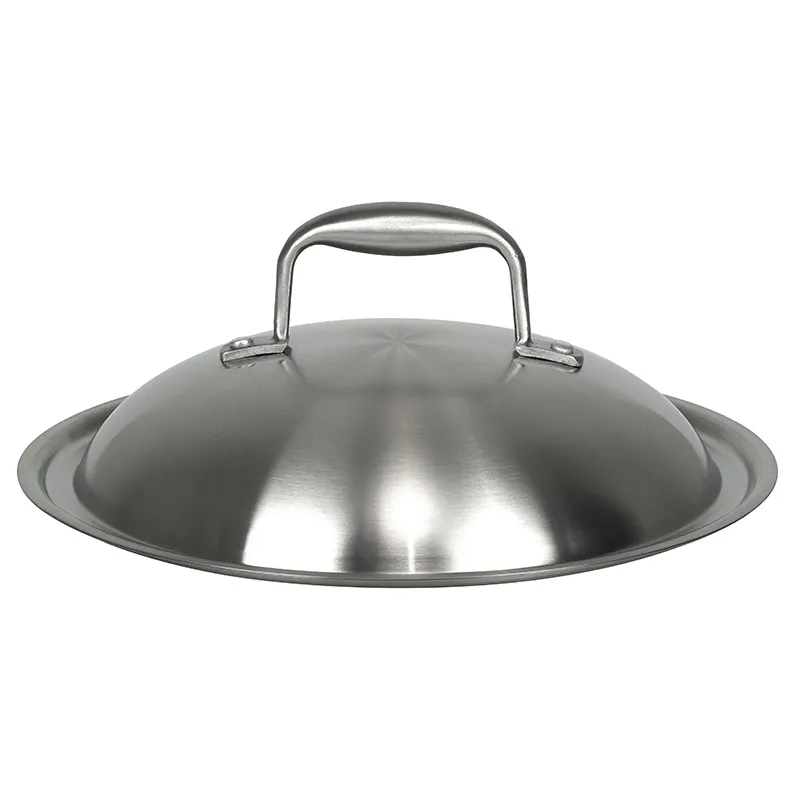
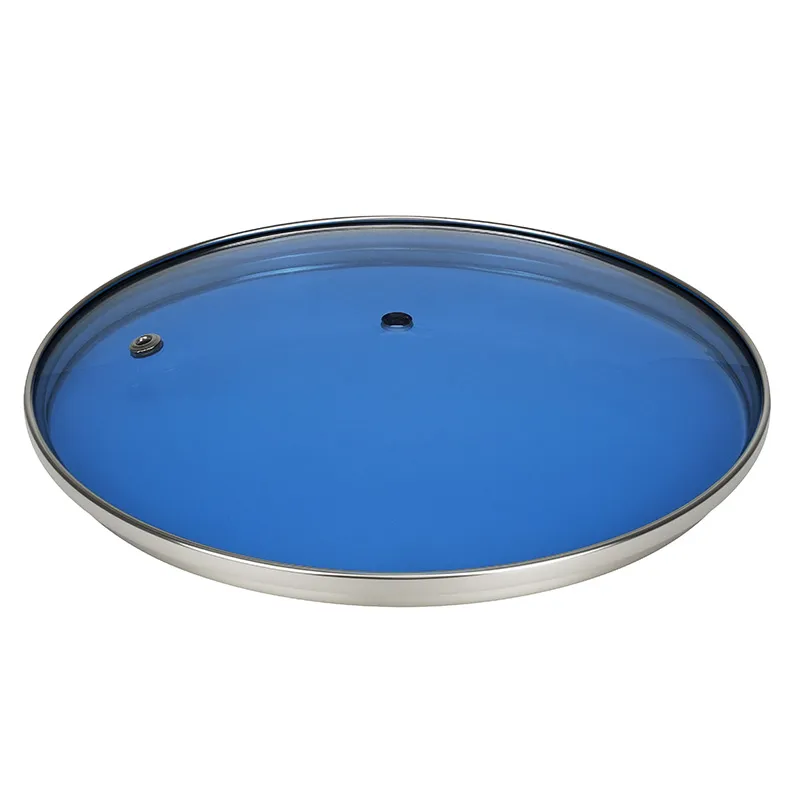
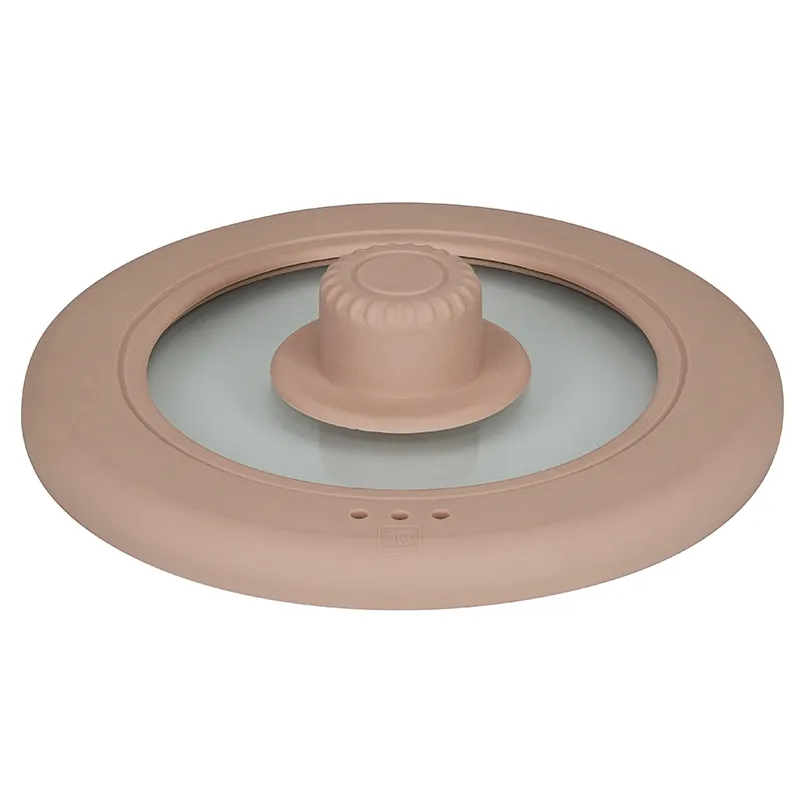
tempered glass cover distributior
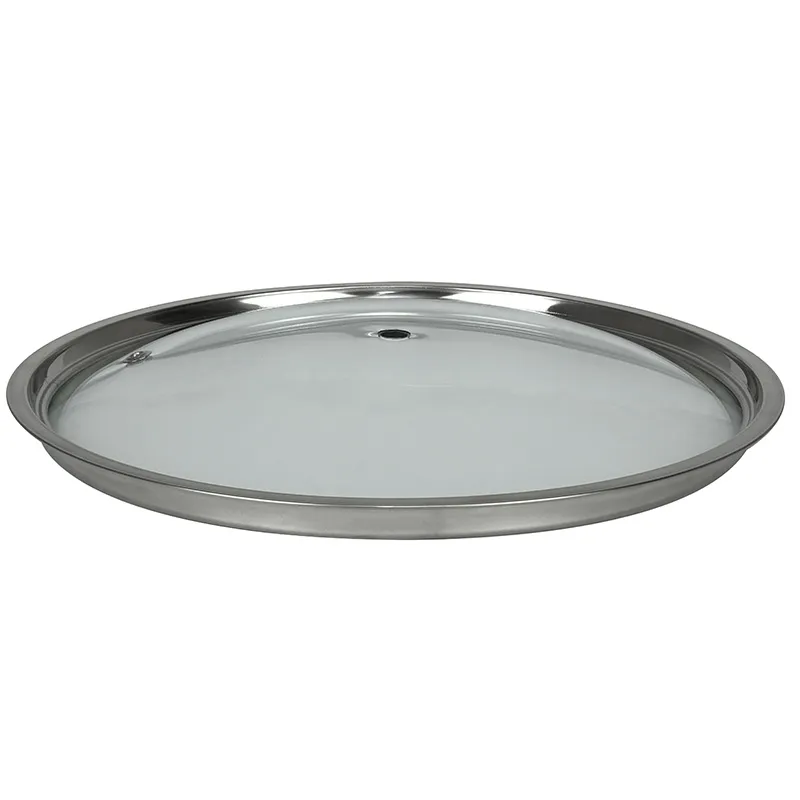
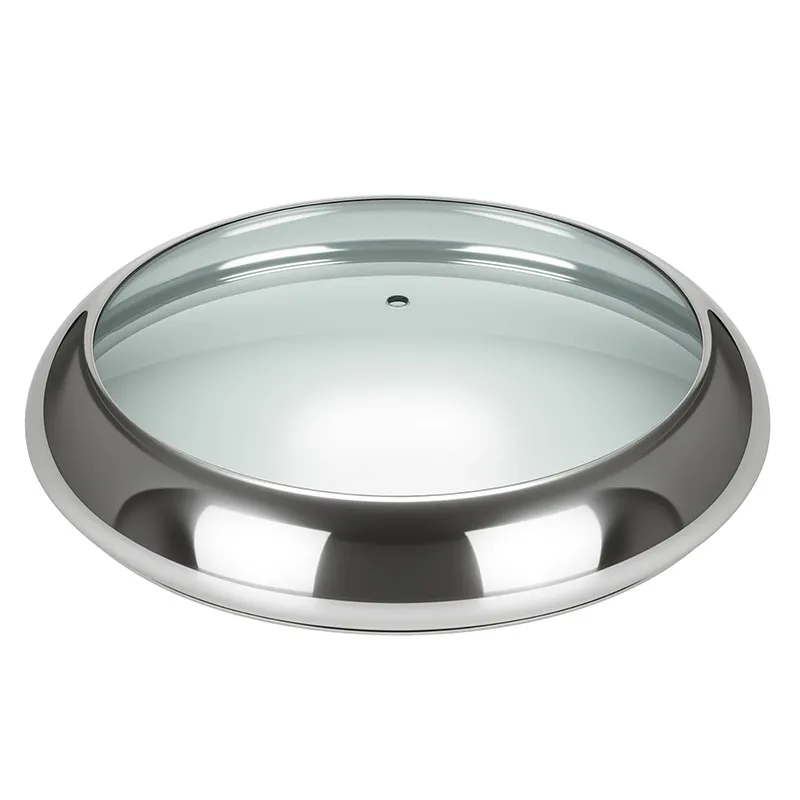
When you hear 'tempered glass cover distributor,' most people picture a simple box-mover, a middleman shuffling stock from factory to store. That's the first, and biggest, misconception. In reality, it's a role defined by pressure management—both the physical tempering process and the commercial pressures of matching fragile, bulky, and oddly specific products to global demand. It's less about having a warehouse and more about understanding the structural integrity of a lid destined for a Berlin kitchen versus one for S?o Paulo.
The Core Isn't Logistics, It's Specification
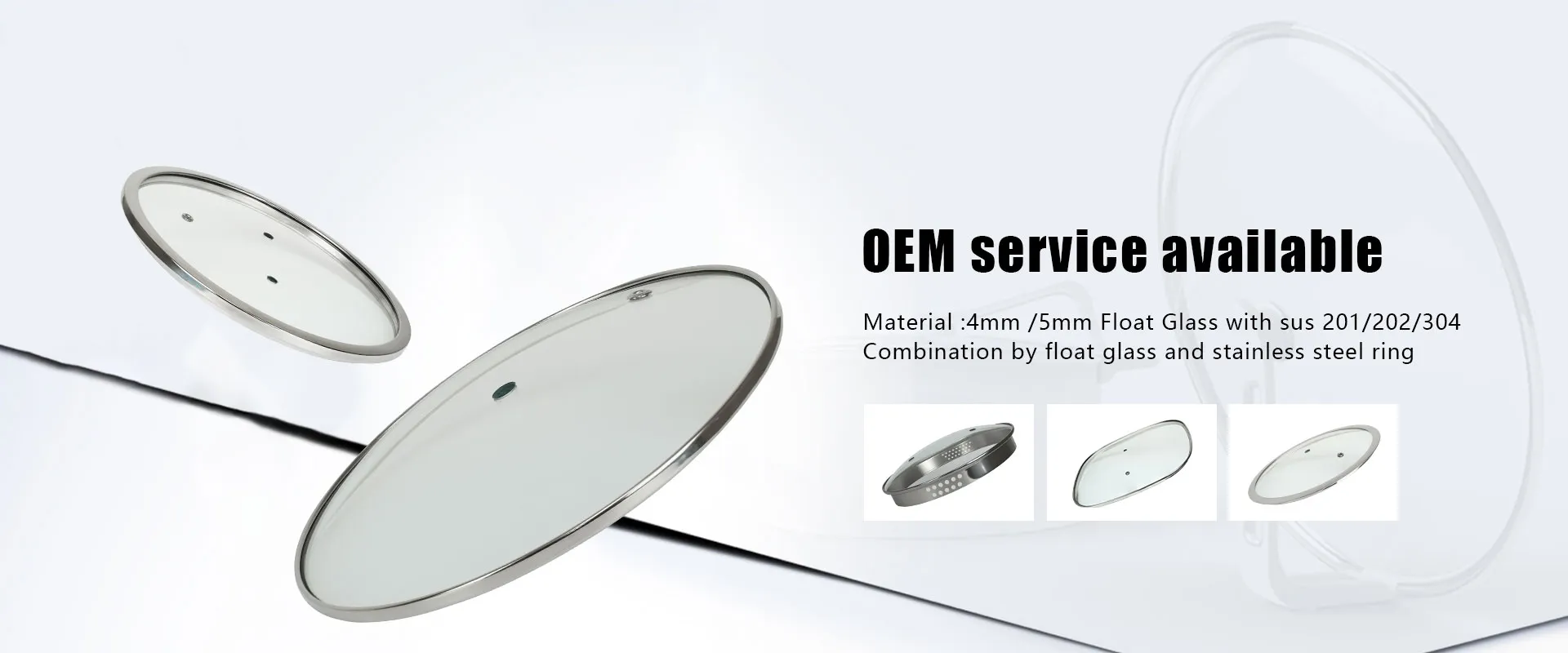
Early on, I learned the hard way that treating all tempered glass covers as commodities is a fast track to failure. A distributor needs to be a technical filter. For instance, a company like EUR-ASIA COOKWARE CO.,LTD. doesn't just produce glass lids. They manufacture for tiers—low, medium, high level—which translates to differences in edge finishing, thermal shock resistance, and even the clarity of the glass, which affects perceived quality. A distributor must decode these specs for buyers who often just ask for a 28cm lid. If you don't, you'll end up with a container of product that technically fits the size but fails the customer's unwritten expectation.
I recall a shipment to a Polish client who complained of too many optical distortions. The factory specs met the contract, but the issue was the level. We'd supplied a mid-tier lid where the buyer, influenced by local competitors, expected the high-tier clarity. The lesson? Distribution here is about translating subjective market standards into objective factory specifications. It's a constant negotiation between what's feasible in Taian City and what's desirable in Warsaw.
This is where visiting the production base matters. Seeing the 20,000㎡ facility, you understand scale—15 million pieces annually isn't an abstract number. It means the production line is optimized for volume runs. As a distributor, your value is in consolidating orders to match that rhythm, not in asking for 500 pieces of a custom handle week. You learn to guide clients towards standard ranges that align with the factory's high-efficiency batches, which keeps costs down for everyone.
The Export Maze and Real-World Friction
With over 90% export focus, as with EUR-ASIA, distribution becomes an exercise in international problem-solving. It's not just shipping to Germany; it's understanding that German retailers might require specific safety certification markings etched in a particular font size, while Brazilian import regulations focus heavily on packaging material declarations. The glass cover distributor becomes the compliance buffer.
One persistent headache is packaging design for tempered glass. It's not sexy, but it's where most claims originate. A lid might survive the tempering oven but shatter in a Danish warehouse if the cardboard partition is half a millimeter too thin. We once worked on a solution with a foam-less, recycled cardboard insert that increased pack density by 15% without raising breakage rates. That kind of tweak, born from direct feedback from a Swiss logistics partner, is the unglamorous core of the job. You're not just distributing products; you're distributing a system that ensures the product arrives intact.
The geographical spread—from South Korea to Japan, across Europe to Brazil—also forces inventory strategy. You can't keep everything everywhere. The decision on what to stock where hinges on predicting replacement cycles. Southern European markets might favor clear, simple lids for traditional cookware, while Nordic countries order more for designer ceramic bakeware. Your warehouse in Rotterdam might stock different SKUs than your partner in Istanbul. This isn't theoretical; it's a daily logistics puzzle solved with spreadsheets and gut feelings from past order patterns.
When Kitchen Accessories Complicates the Picture
EUR-ASIA's scope includes other kitchen accessories. This is a double-edged sword for a distributor. On one hand, it allows for bundling—offering a lid with a compatible pot or steamer rack. On the other, it dilutes focus. I've seen distributors fail by trying to push too many accessory lines without the requisite expertise. A tempered glass cover requires knowledge of thermal expansion and annealing standards; pushing silicone grips is a different game altogether.
The successful approach, in my view, is to use the core competency in glass as an anchor. For example, promoting a tempered glass lid with a proprietary steam vent design, then offering the matching stainless steel pot as a natural complement. The distribution network and buyer relationships are built on the technical, fragile glass product; the accessories ride along on that credibility. Trying to do it the other way around rarely works.
It also ties back to the factory's capacity. With 90+ employees focused on glass, their strength is there. A smart distributor aligns with that strength, rather than pushing the factory into unfamiliar accessory territory that could compromise quality. Sometimes, saying no to a client's request for a full bundled set from a single source is the professional move, even if it costs a short-term sale.
The Illusion of Price and the Reality of Cost
New entrants often compete on price per unit. It's a race to the bottom. The real cost in tempered glass cover distribution is hidden in breakage, returns, and missed delivery windows. A lid that's 5 cents cheaper but has a 2% higher breakage rate due to inferior packaging or rushed tempering will erase any margin and damage client trust permanently.
We track landed perfect condition cost, not FOB price. This includes the pre-shipment inspection (often a third-party service you, as the distributor, must manage), the premium freight for careful handling, and the insurance. For a high-volume order to France or Italy, investing in a dedicated container, even if not full, can be cheaper than shared space where your pallets get crushed. These are decisions made far from the factory floor, based on painful experience.
Furthermore, the medium level category is the most treacherous. It's where factories might cut corners on annealing time to meet a price point, and where distributors are tempted to accept slightly off-spec goods. A slight warp might not cause immediate failure, but it will lead to uneven heating and eventual thermal stress cracks after a dozen uses. The failure then appears on the consumer's stove, not in the warehouse, and the blame trail leads back through the retailer to you. The cost of that is incalculable.
Looking Ahead: Sustainability as a Tangible Spec
The conversation is shifting. It's no longer just about thickness and diameter. European buyers, especially in Denmark and Germany, are now asking for recycled material content in the glass and carbon footprint data for shipping. This is becoming a de facto specification. A distributor must now engage with factories on their raw material sourcing and energy mix. Can the production base in Shandong provide that data? If not, you risk losing the very markets that constitute the bulk of exports.
This isn't greenwashing. We're piloting a program with a line of lids where the packaging is not only recyclable but also reduces air volume, allowing more units per container. This lowers shipping emissions and cost—a tangible win. Promoting this requires deep knowledge of both the production process at sites like EUR-ASIA's and the compliance landscape in the EU. The distributor becomes a conduit for this information, pushing sustainable practices upstream and marketing them downstream.
Ultimately, the role of the distributor is evolving from a passive channel to an active quality and sustainability gatekeeper. The factory produces the glass; we distribute the confidence that it meets a complex, evolving set of physical and now environmental standards. That's the real value. It's a messy, detail-obsessed business, far removed from the simple image of moving boxes. But when you see your lids in use in kitchens from Zurich to Seoul, intact and performing, that's the quiet payoff. The pressure, it turns out, is what makes the whole thing hold together.
Related Products
Related Products