- Chinese
- French
- German
- Portuguese
- Spanish
- Russian
- Japanese
- Korean
- Arabic
- Irish
- Greek
- Turkish
- Italian
- Danish
- Romanian
- Indonesian
- Czech
- Afrikaans
- Swedish
- Polish
- Basque
- Catalan
- Esperanto
- Hindi
- Lao
- Albanian
- Amharic
- Armenian
- Azerbaijani
- Belarusian
- Bengali
- Bosnian
- Bulgarian
- Cebuano
- Chichewa
- Corsican
- Croatian
- Dutch
- Estonian
- Filipino
- Finnish
- Frisian
- Galician
- Georgian
- Gujarati
- Haitian
- Hausa
- Hawaiian
- Hebrew
- Hmong
- Hungarian
- Icelandic
- Igbo
- Javanese
- Kannada
- Kazakh
- Khmer
- Kurdish
- Kyrgyz
- Latin
- Latvian
- Lithuanian
- Luxembou..
- Macedonian
- Malagasy
- Malay
- Malayalam
- Maltese
- Maori
- Marathi
- Mongolian
- Burmese
- Nepali
- Norwegian
- Pashto
- Persian
- Punjabi
- Serbian
- Sesotho
- Sinhala
- Slovak
- Slovenian
- Somali
- Samoan
- Scots Gaelic
- Shona
- Sindhi
- Sundanese
- Swahili
- Tajik
- Tamil
- Telugu
- Thai
- Ukrainian
- Urdu
- Uzbek
- Vietnamese
- Welsh
- Xhosa
- Yiddish
- Yoruba
- Zulu
- Kinyarwanda
- Tatar
- Oriya
- Turkmen
- Uyghur


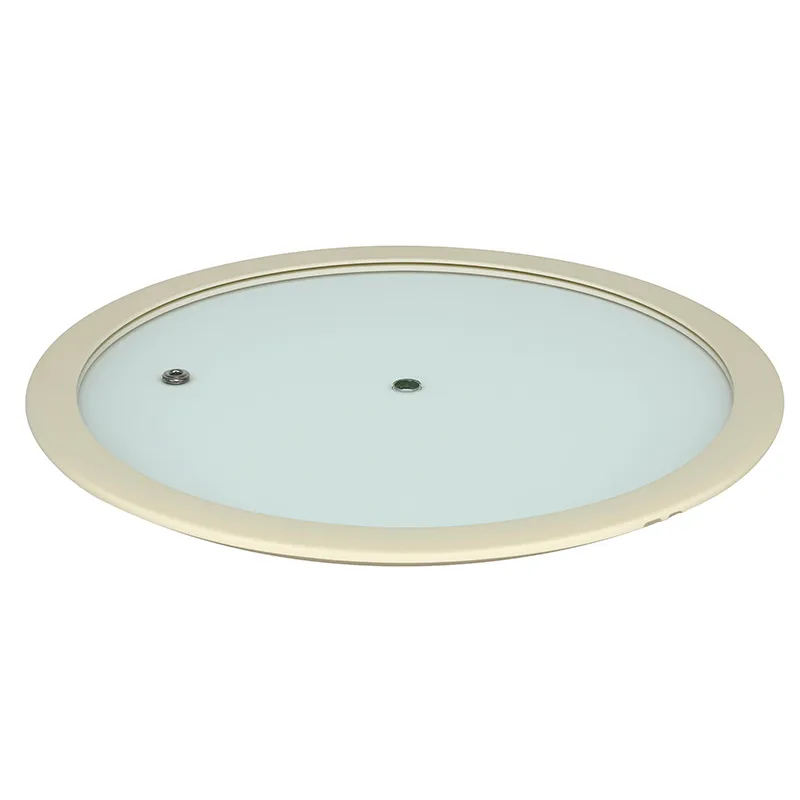
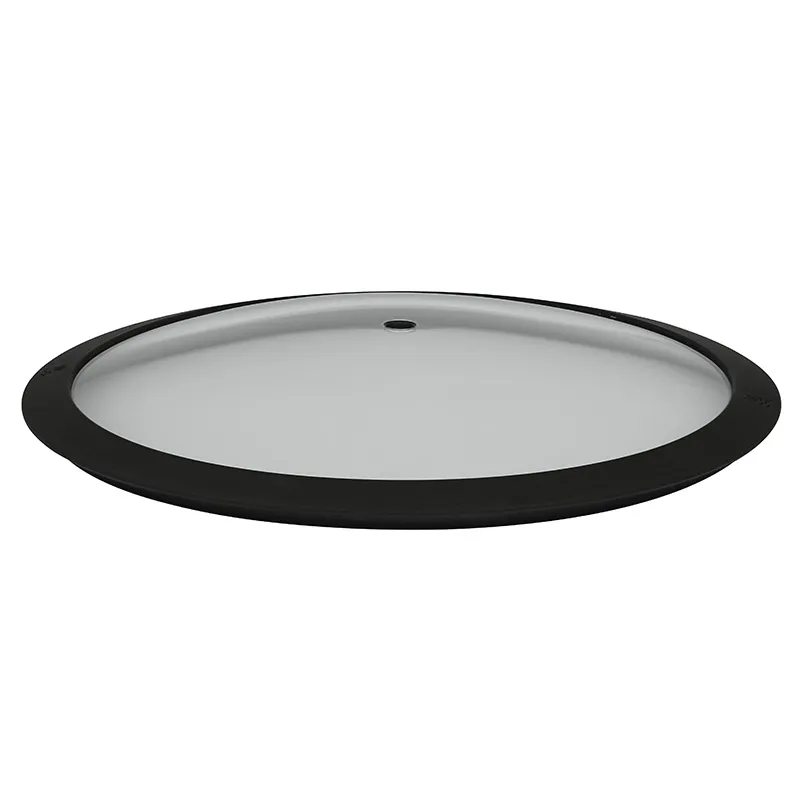
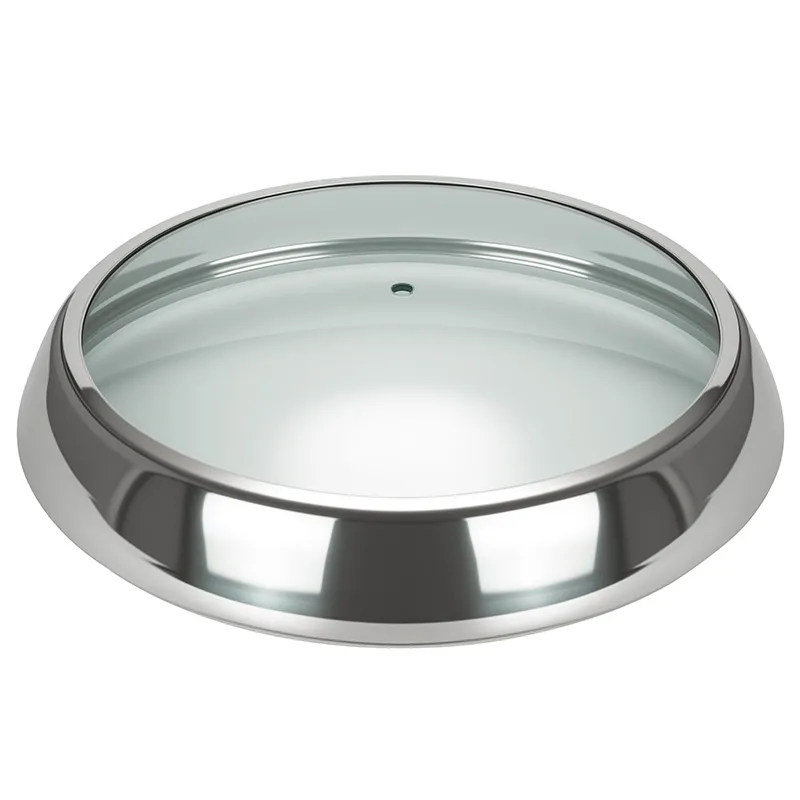
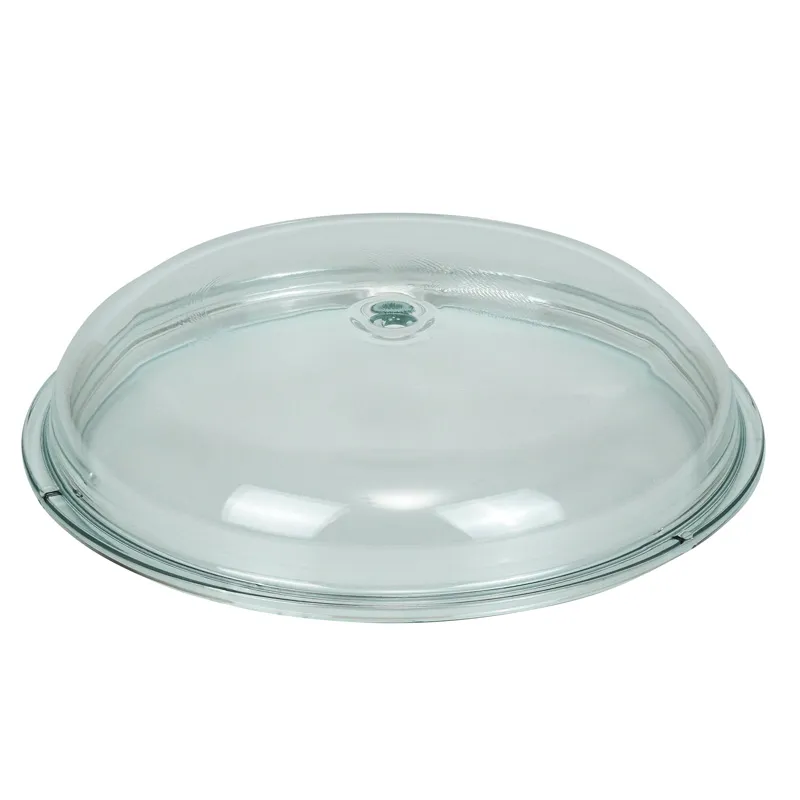
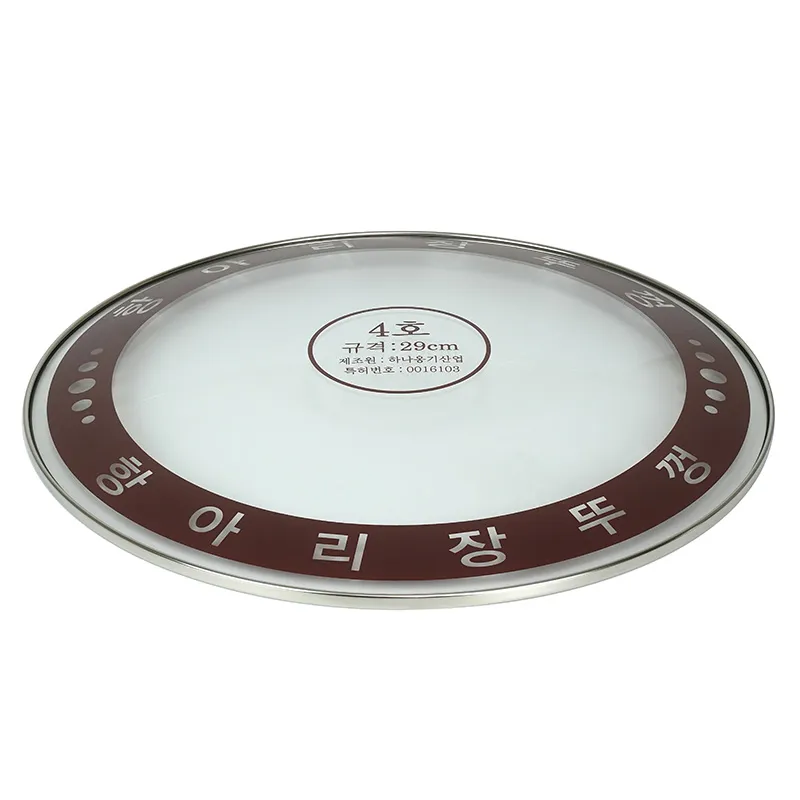
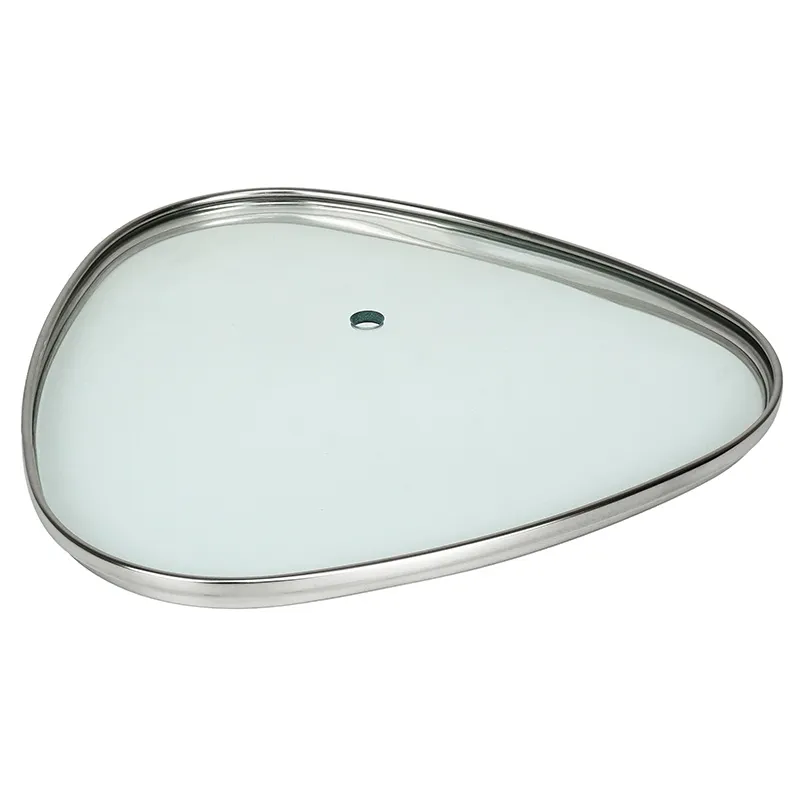
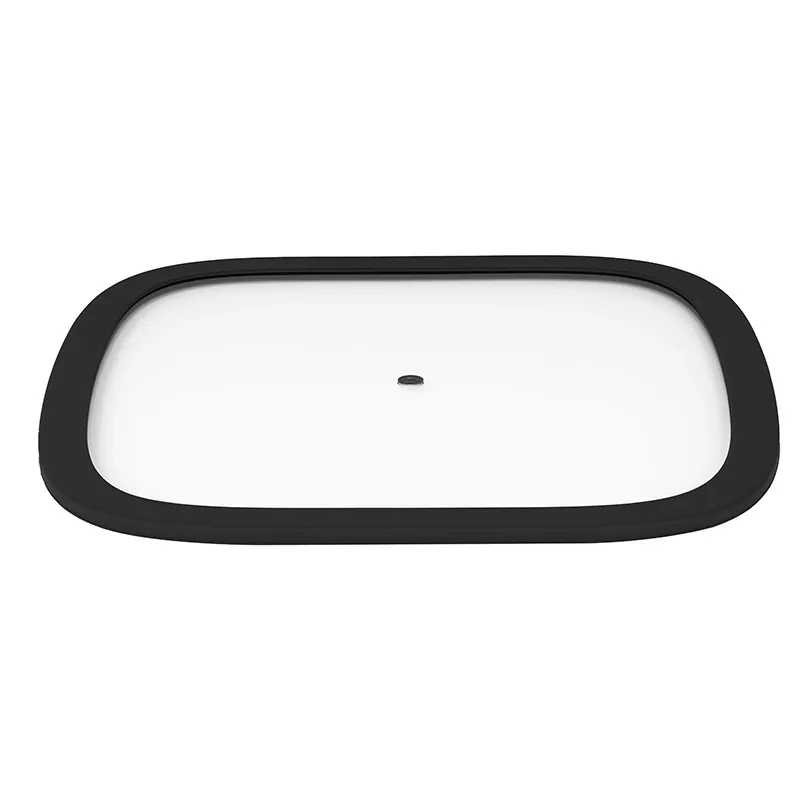
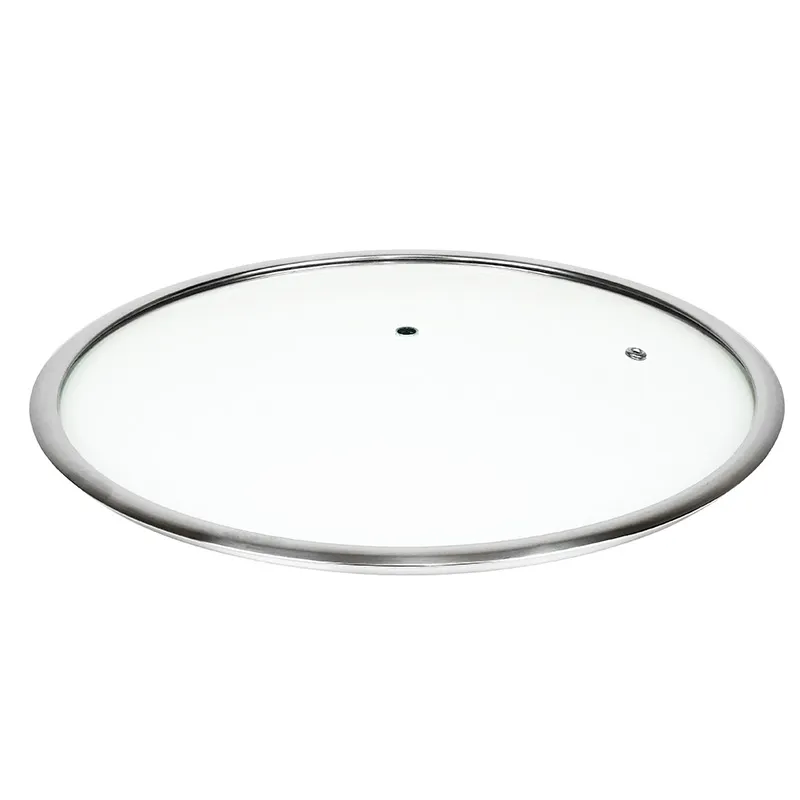
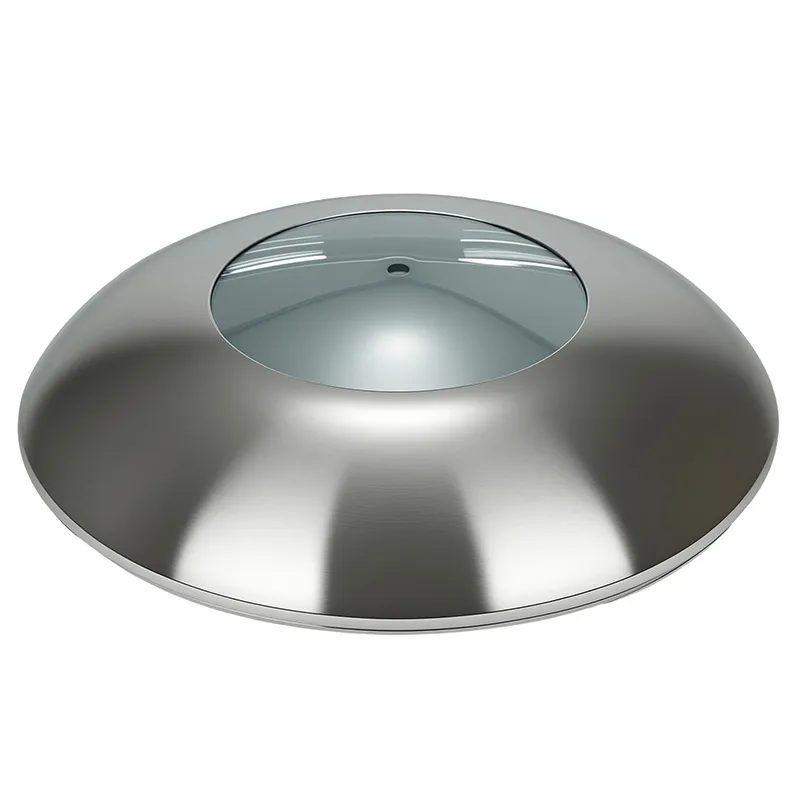
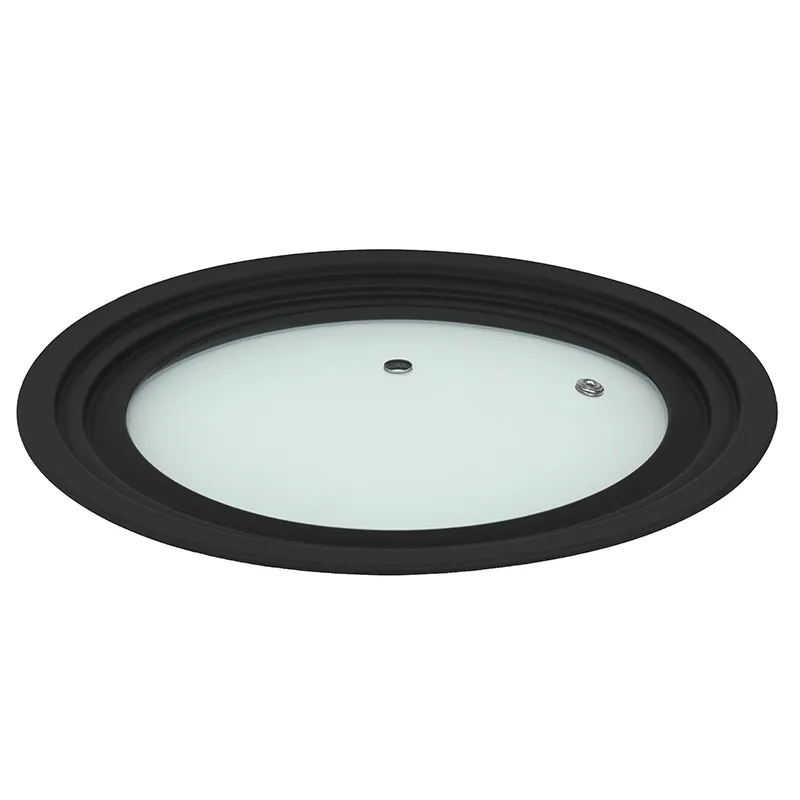
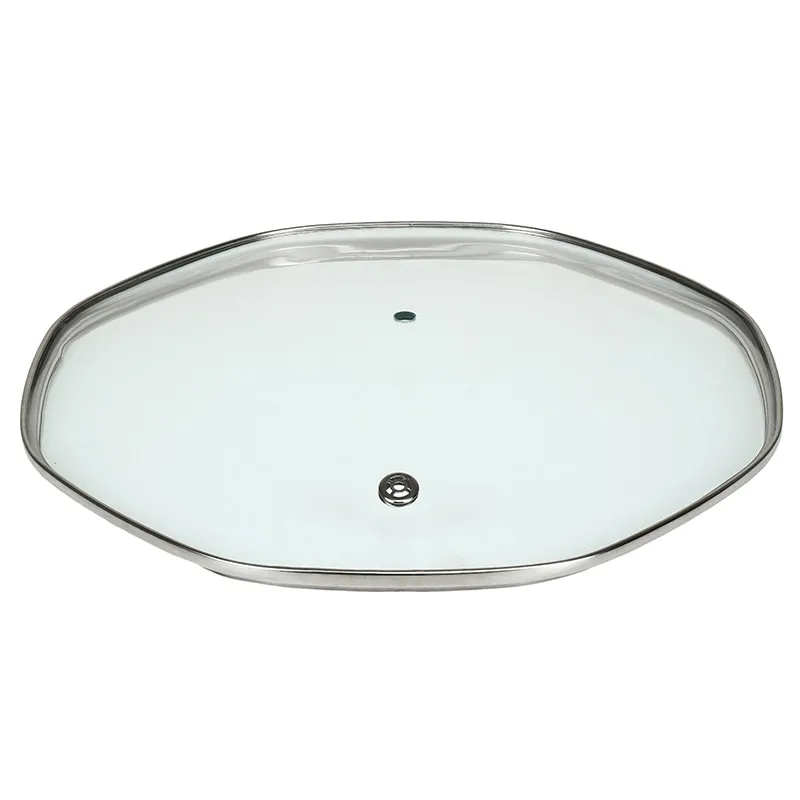
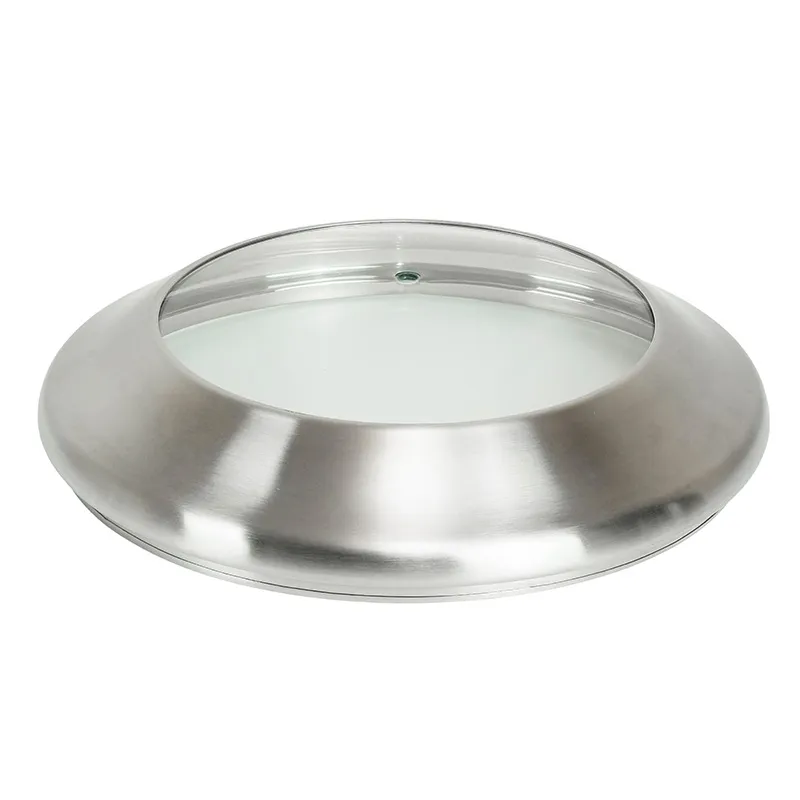
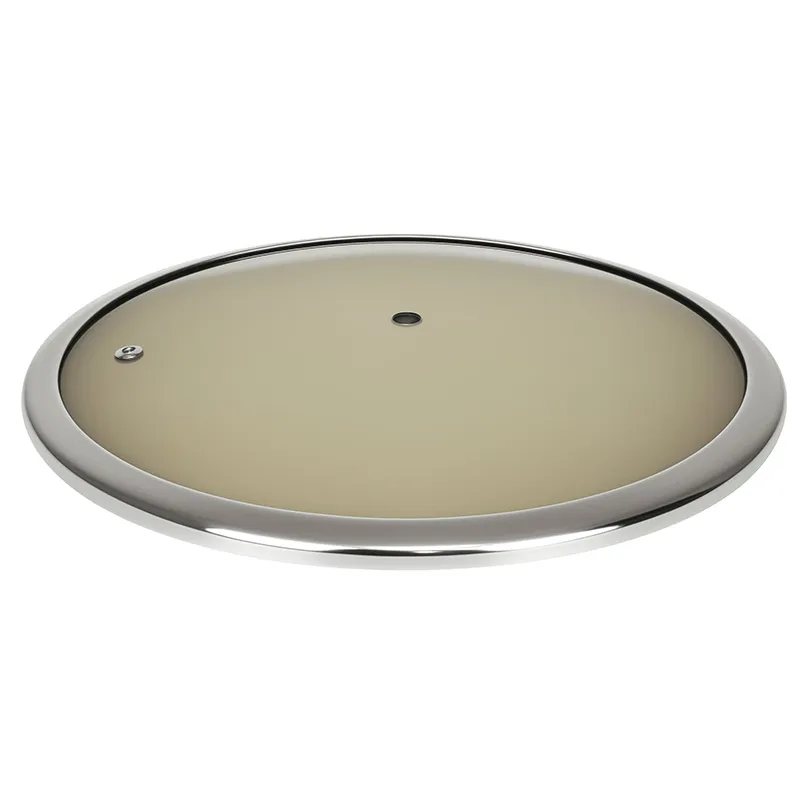
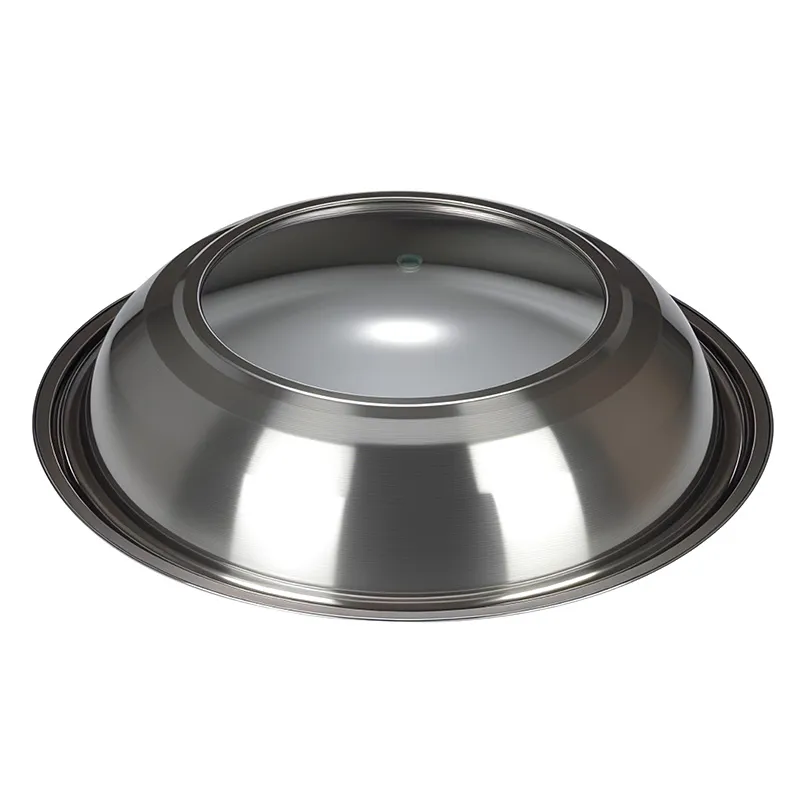
tempered glass cover export
When you hear 'tempered glass cover export', the immediate image is often one of pristine, perfectly packaged goods sailing smoothly from factory to foreign warehouse. The reality, from where I stand, is messier and far more interesting. It's not just about moving boxes; it's about understanding that a 'cover' is never just a cover—it's a component with a specific function in a cookware ecosystem, and that ecosystem varies wildly from Hamburg to S?o Paulo. A common pitfall is treating it as a bulk commodity, focusing solely on price per piece and minimum order quantities, while completely overlooking the nuanced requirements of fit, finish, and compliance that make or break a deal. The tolerance for error is surprisingly thin.
The Foundation: It Starts with the Right Factory
Finding a manufacturer is easy. Finding a partner who gets export-grade quality is the real task. I've seen too many buyers lured by low quotes, only to drown in a sea of inconsistent edges, poor tempering leading to spontaneous breakage, or packaging that fails basic drop tests. The factory's mindset matters. Are they just filling containers, or are they building a product that will survive a six-week sea voyage and rigorous retail handling? This is where a company's operational footprint speaks volumes.
Take EUR-ASIA COOKWARE CO.,LTD, for instance. Their setup in Taian's High-tech Development Zone isn't just an address. A 20,000㎡ site with a dedicated production base signals capacity and a degree of vertical integration you don't get from smaller assemblers. When over 90% of your output is destined for markets like Germany, Japan, and Brazil, your processes have to be tuned for export from the ground up. That annual output of 15 million pieces isn't just a big number; it implies a rhythm and a system capable of handling large, repeat orders without collapsing—a non-negotiable for serious tempered glass cover export business.
The employee count, around 90, is also telling. It suggests a scale where quality control can be a dedicated function, not an afterthought handled by the line manager. For glass, especially tempered, in-process checks are everything. You need eyes on the glass before it goes into the furnace, monitoring for microscopic imperfections that become stress points later. A factory of this size is more likely to have that structured QC layer, which directly impacts the consistency of the tempered glass cover you're shipping out.
Beyond the Product: The Unseen Hurdles of Export
Okay, you've got a good sample. The real work begins now. Documentation is its own beast. A commercial invoice and packing list are the basics, but for glass, the material certificates and test reports are critical. European importers, in particular, will ask for compliance statements regarding heavy metals (like lead and cadmium) and food contact safety. You need a factory that can generate these documents reliably, not just once, but for every batch. I've had shipments held at customs because a lab report was missing a page or had an inconsistent lot number. The delay costs more than the profit margin on that container.
Then there's packaging design. This is a classic failure point. Early on, we used standard five-layer corrugated cartons with foam corners. It worked for air freight. For sea freight, the humidity and prolonged pressure were a disaster. We had an entire shipment to Poland where the cardboard softened, the internal dividers shifted, and the resulting glass-on-glass contact during offloading led to a 7% breakage rate. The lesson? Packaging for tempered glass cover export must be tested for the specific logistics chain. We moved to a wax-coated cardboard for moisture resistance and redesigned the internal partition to be a tight-lock grid, almost like egg cartons. Breakage dropped to under 0.5%.
Logistics partners matter too. You need a forwarder who understands the commodity. Glass is fragile, heavy, and often has a low value-to-weight ratio, making freight costs a huge component. They need to know how to stow it properly—never under heavy machinery parts, for example. A good partner will also advise on port selection; some ports have notoriously rough handling, which we now actively route around.
Market Nuances: One Cover Does Not Fit All
Exporting to 90% of your production means adapting. The German market is obsessed with precision. A glass lid for a German-branded pot isn't just about the diameter; it's about the exact radius of the curvature, the smoothness of the rolled edge, and the clarity of the glass itself. Any slight distortion or a tiny bubble inclusion is a reject. Their inspections are meticulous. For them, the tempered glass cover is a critical part of the cooking experience, not just a barrier to splatter.
Contrast that with some markets in South America or the Middle East, where the priority might be durability and heat resistance for different cooking styles. The aesthetic tolerance might be slightly higher, but the demand for thermal shock resistance is intense. You're dealing with pots going from stovetop directly to a stone countertop. The tempering process has to be calibrated for that. We once sent a batch calibrated for European-style gentle simmering to a client in Turkey, and the return rate was high due to thermal stress cracks. We had to adjust the tempering temperature and cooling process specifically for that client's use case.
Even the knob matters. A plastic knob common in Europe might not withstand the higher oven temperatures common in North American recipes. We had to source and test metal-wrapped knobs for those lines. It's these minute, almost invisible specifications that define successful tempered glass cover export. You're not selling glass; you're selling a component that fits a local habit.
The EUR-ASIA Example: Reading Between the Lines of a Profile
Looking at EUR-ASIA's listed export destinations—Germany, Russia, Italy, Brazil, Japan, South Korea—is like reading a map of the challenges I just described. Successfully supplying all these markets means their operation has built-in flexibility. They likely have separate production lines or at least distinct quality protocols for different regional standards. A factory serving only one market has a simpler life. One serving the world has to be agile.
Their focus on low- medium- high level products is also a key strategic point. It shows they segment their production. The high-level line for German clients will have different polishing and inspection standards than the medium-level line for a volume order elsewhere. This is smart. It allows them to compete on both quality and price by not applying the same costly process to every single piece. For an exporter, this means you can work with them across different product tiers, but you must be very clear in your specifications and willing to pay for the upgrade if you need that top-tier finish.
The location in Shandong is relevant too. It's a major glass and ceramics hub in China, which means access to a mature supply chain for raw materials (like high-quality silica sand) and ancillary services (like precision mold making). This reduces lead times and supply risk. A factory in a remote area might be cheaper on paper, but a shortage of a specific raw material could halt your entire order.
Final Thoughts: It's a Relationship Business
After years in this, I've concluded that tempered glass cover export is less about transactional sales and more about building a reliable pipeline. It's about finding a factory partner like EUR-ASIA that has the scale and export-centric mindset, then layering on your own rigorous processes for specification, documentation, and logistics. The goal is to make the complex look simple to your end client.
The failures along the way—the broken shipments, the rejected batches—were all lessons in paying attention to the details everyone else glosses over. It's about asking the factory not just what's the price? but what's your thermal shock testing protocol? or can you show me your packing line?
In the end, the glass cover itself is simple. The business of exporting it reliably, at scale, and to the satisfaction of diverse global clients, is anything but. It's a grind of details, but that's where the real margin and long-term business are built.
Related Products
Related Products