- Chinese
- French
- German
- Portuguese
- Spanish
- Russian
- Japanese
- Korean
- Arabic
- Irish
- Greek
- Turkish
- Italian
- Danish
- Romanian
- Indonesian
- Czech
- Afrikaans
- Swedish
- Polish
- Basque
- Catalan
- Esperanto
- Hindi
- Lao
- Albanian
- Amharic
- Armenian
- Azerbaijani
- Belarusian
- Bengali
- Bosnian
- Bulgarian
- Cebuano
- Chichewa
- Corsican
- Croatian
- Dutch
- Estonian
- Filipino
- Finnish
- Frisian
- Galician
- Georgian
- Gujarati
- Haitian
- Hausa
- Hawaiian
- Hebrew
- Hmong
- Hungarian
- Icelandic
- Igbo
- Javanese
- Kannada
- Kazakh
- Khmer
- Kurdish
- Kyrgyz
- Latin
- Latvian
- Lithuanian
- Luxembou..
- Macedonian
- Malagasy
- Malay
- Malayalam
- Maltese
- Maori
- Marathi
- Mongolian
- Burmese
- Nepali
- Norwegian
- Pashto
- Persian
- Punjabi
- Serbian
- Sesotho
- Sinhala
- Slovak
- Slovenian
- Somali
- Samoan
- Scots Gaelic
- Shona
- Sindhi
- Sundanese
- Swahili
- Tajik
- Tamil
- Telugu
- Thai
- Ukrainian
- Urdu
- Uzbek
- Vietnamese
- Welsh
- Xhosa
- Yiddish
- Yoruba
- Zulu
- Kinyarwanda
- Tatar
- Oriya
- Turkmen
- Uyghur


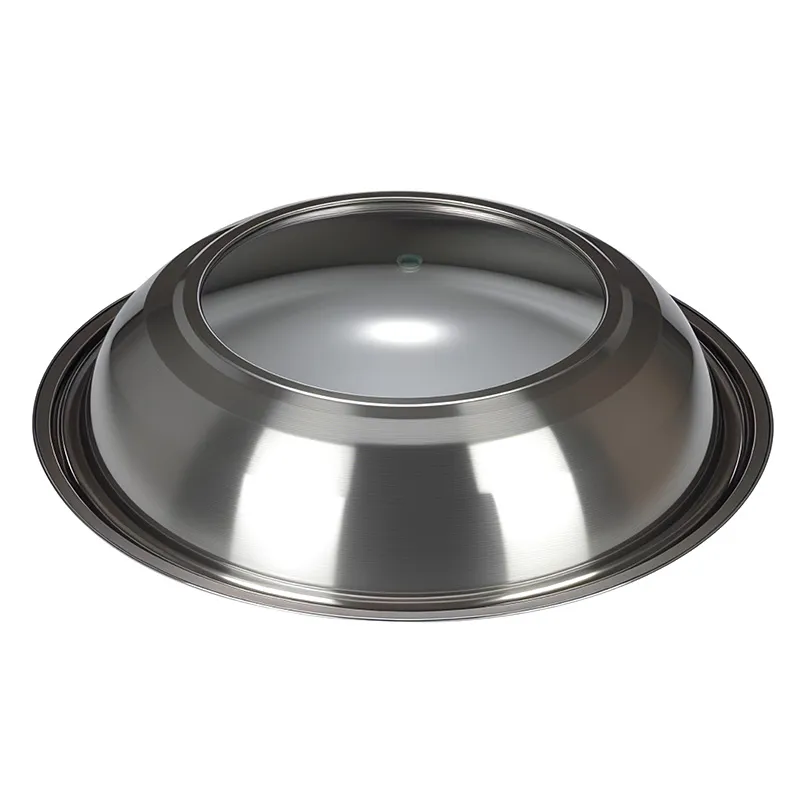
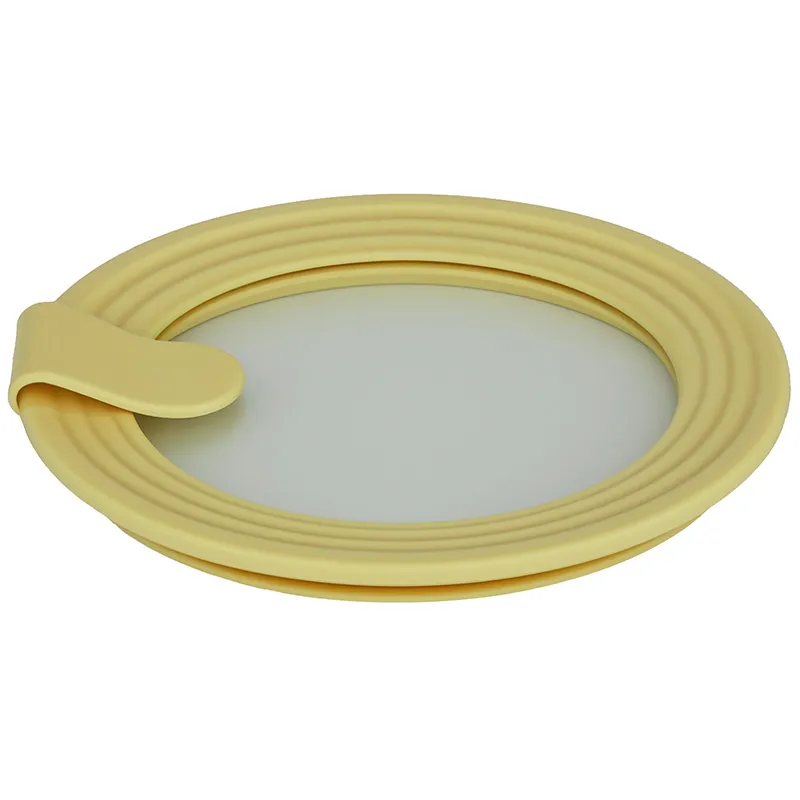
tempered glass cover exporter
When you type 'tempered glass cover exporter' into a search bar, you're likely picturing a seamless pipeline: a factory, a product, a shipment. The reality, especially in the kitchenware and household glass sector, is a tangle of material specs, logistical quirks, and market-specific demands that no simple keyword can capture. Many buyers, particularly those new to sourcing from regions like China, assume it's a commodity game—find the lowest price per piece. But a tempered glass lid for a casserole dish is not the same as one for a high-end sauté pan, even if the dimensions match. The difference lies in the edgework, the tempering curve consistency, the packaging that prevents chipping across a 45-day sea freight to Europe, and the supplier's understanding that these aren't just glass pieces; they're components of someone's brand promise. That's where the real export business lives.
The Foundation: What You're Actually Exporting
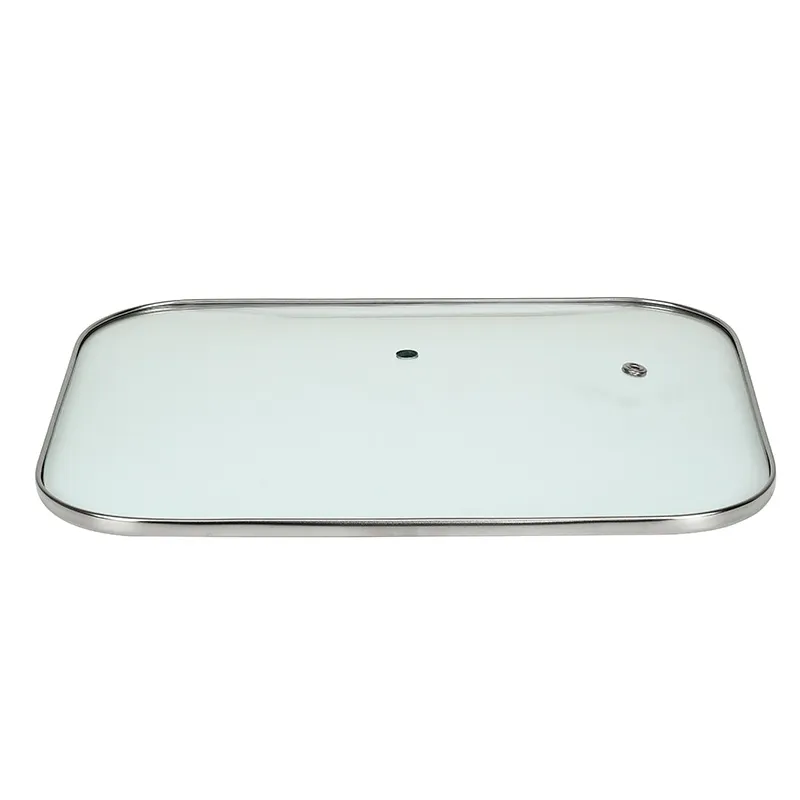
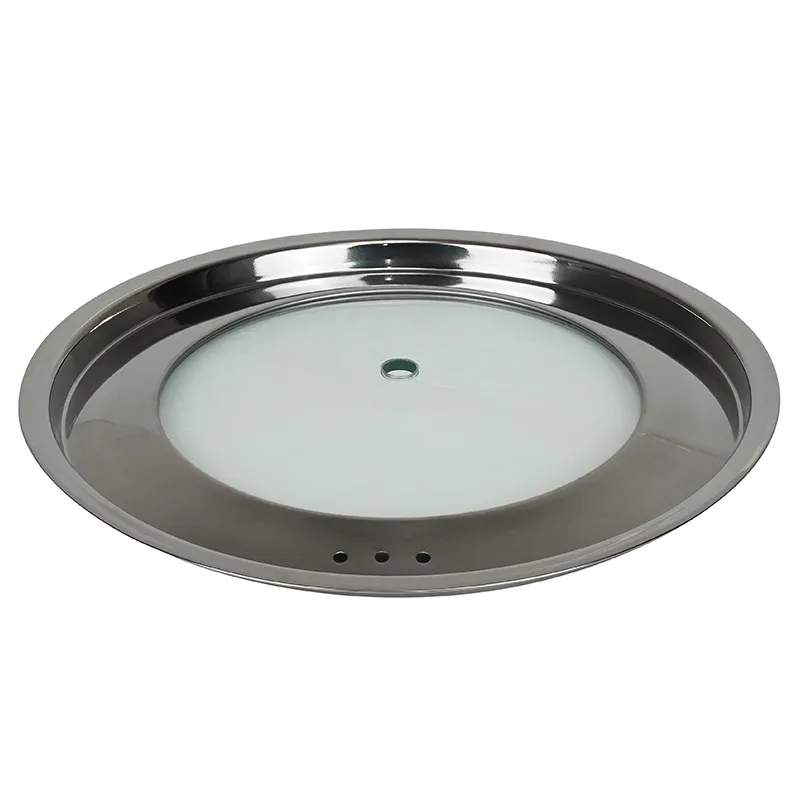
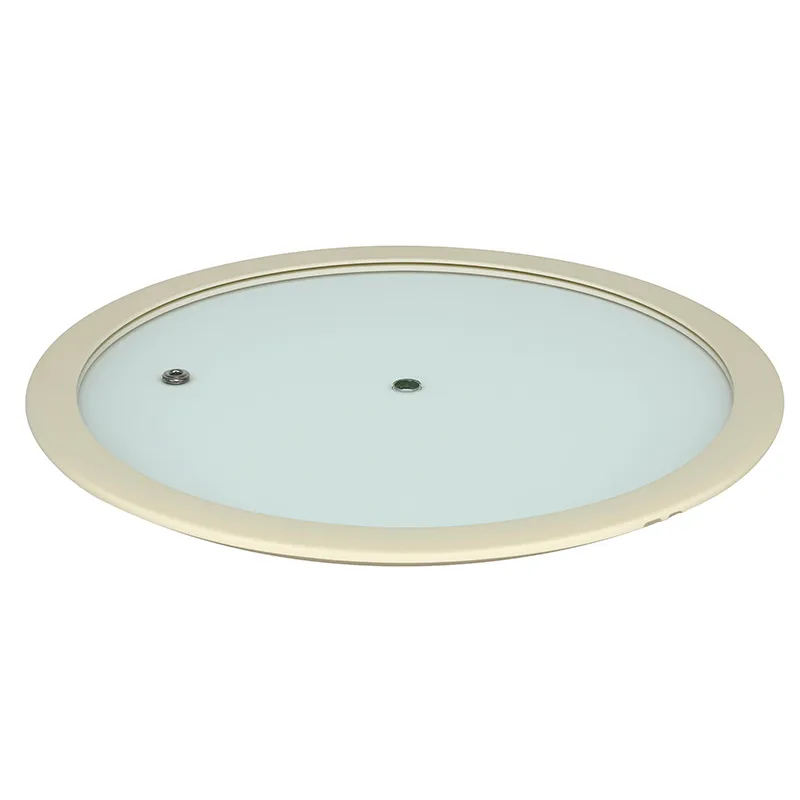
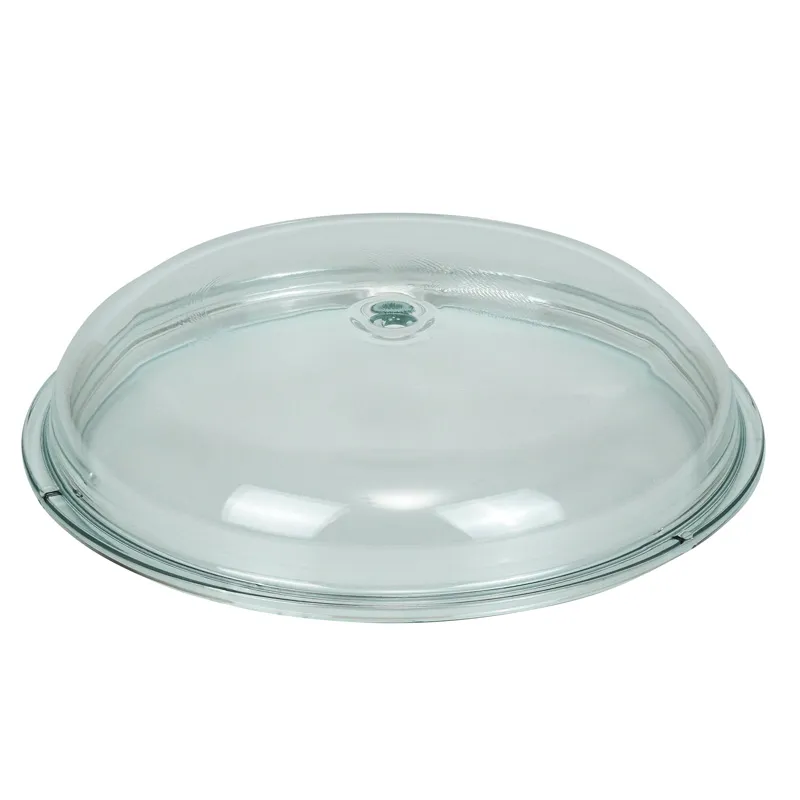
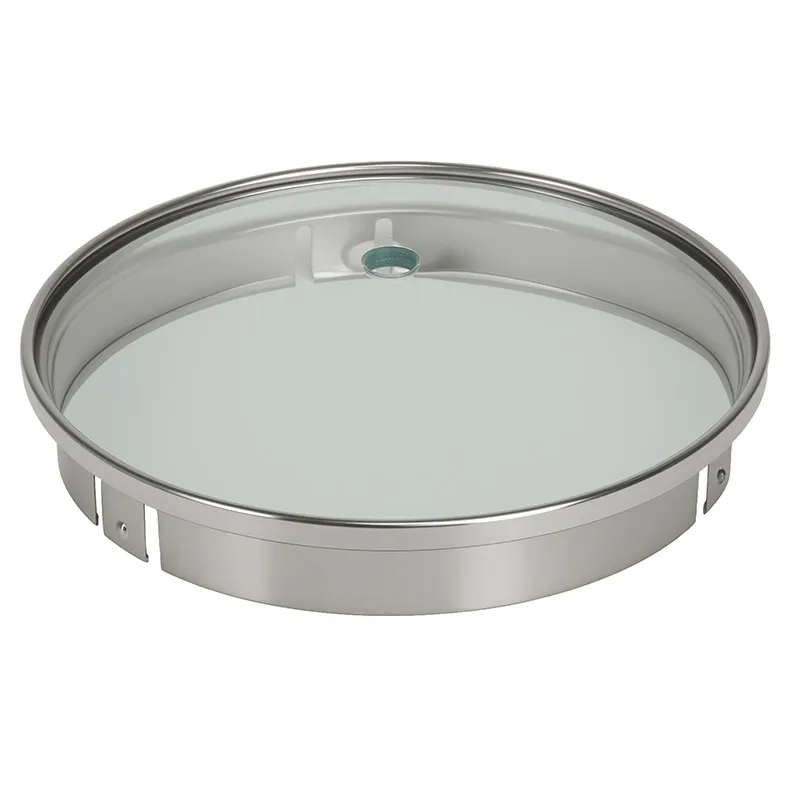
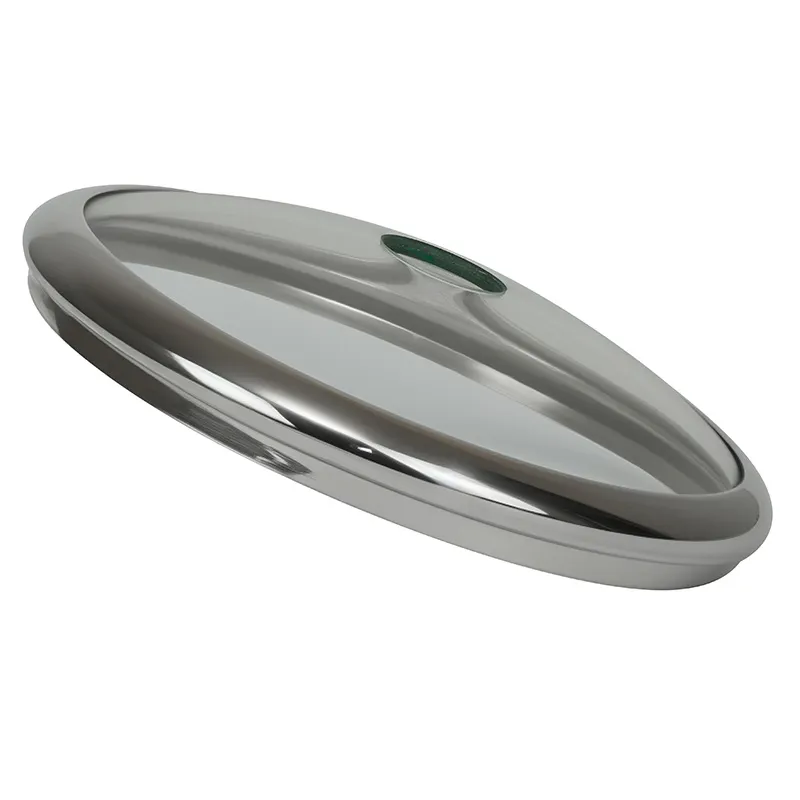
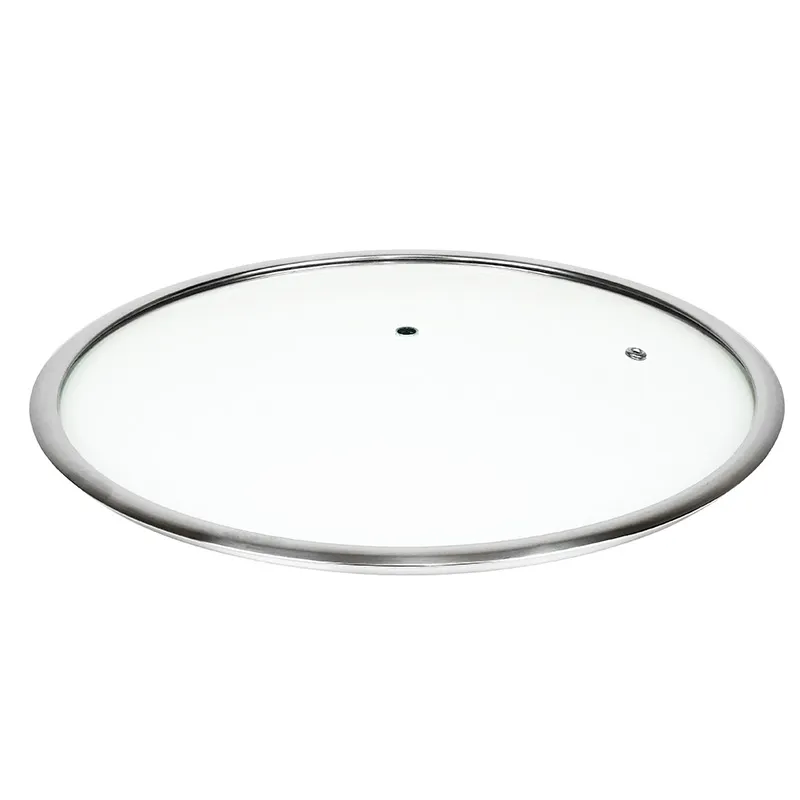
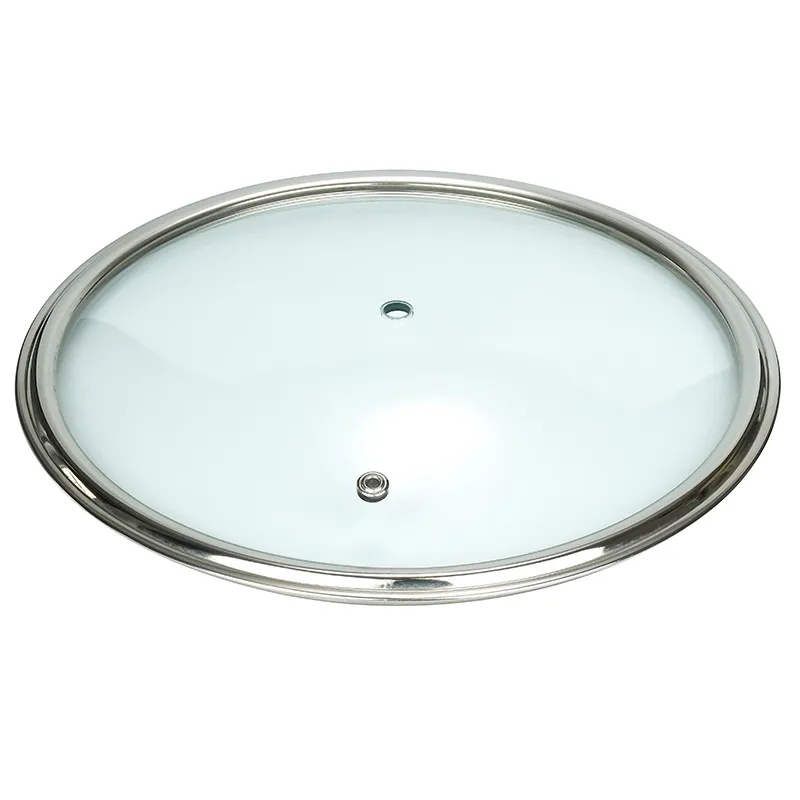
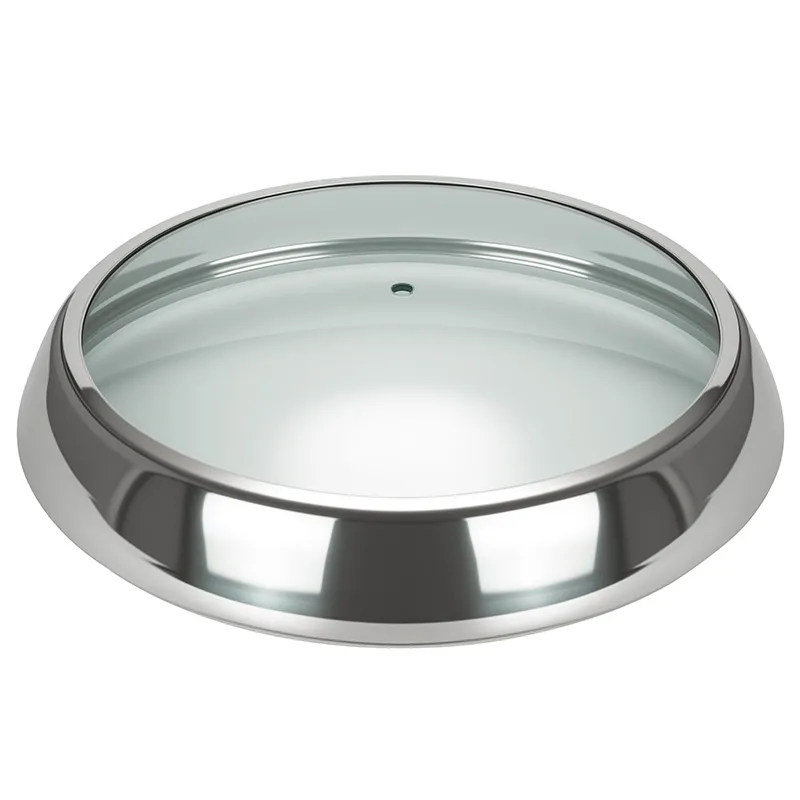
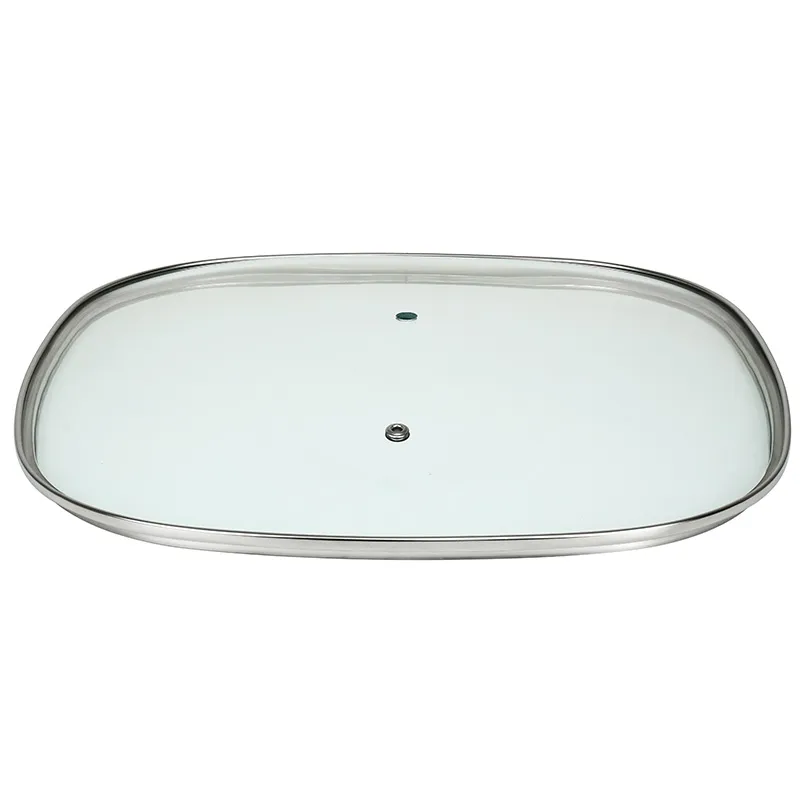
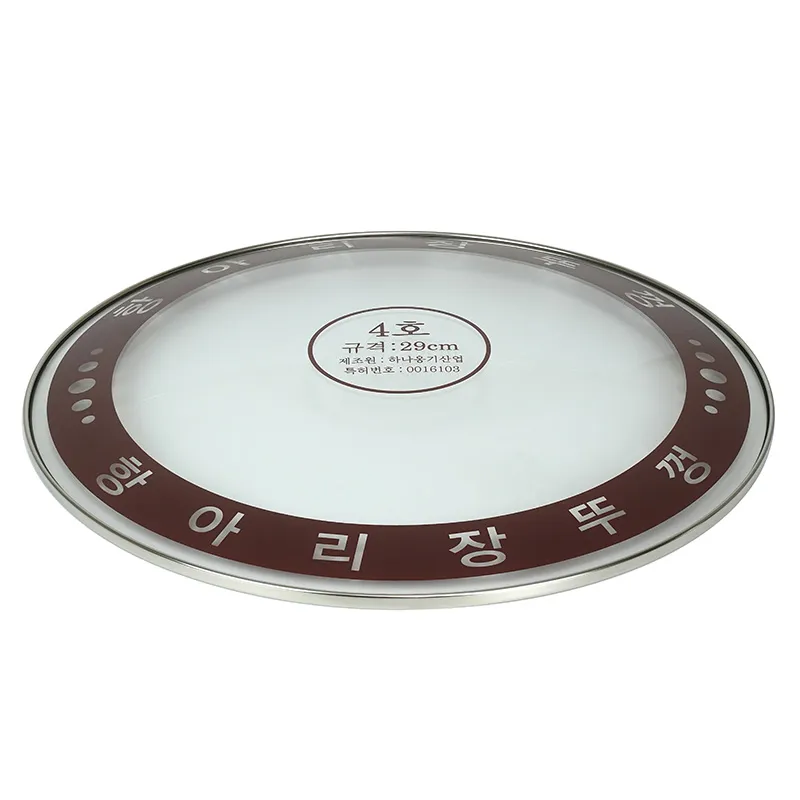
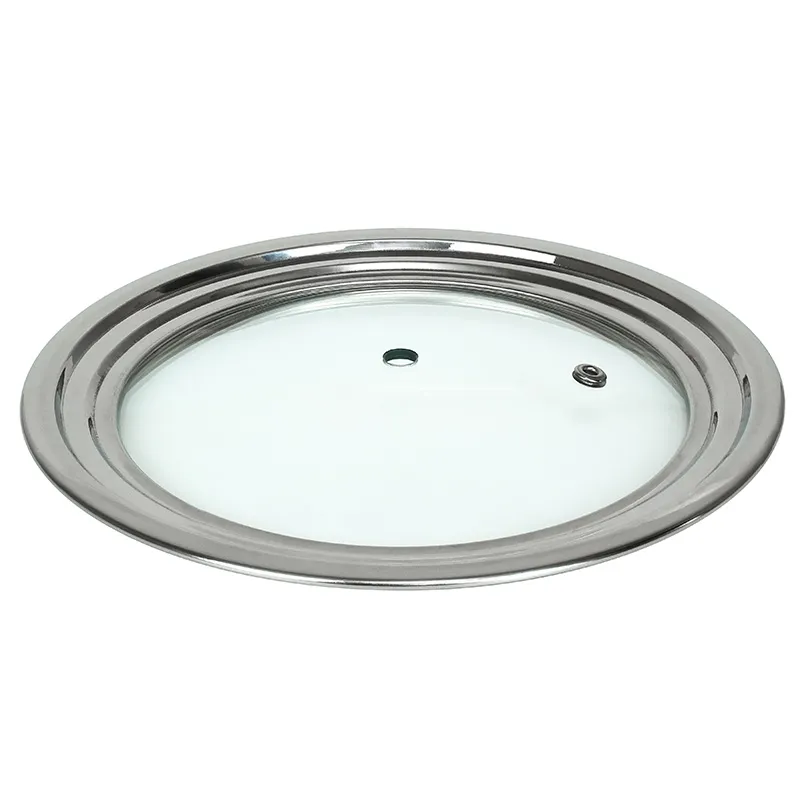
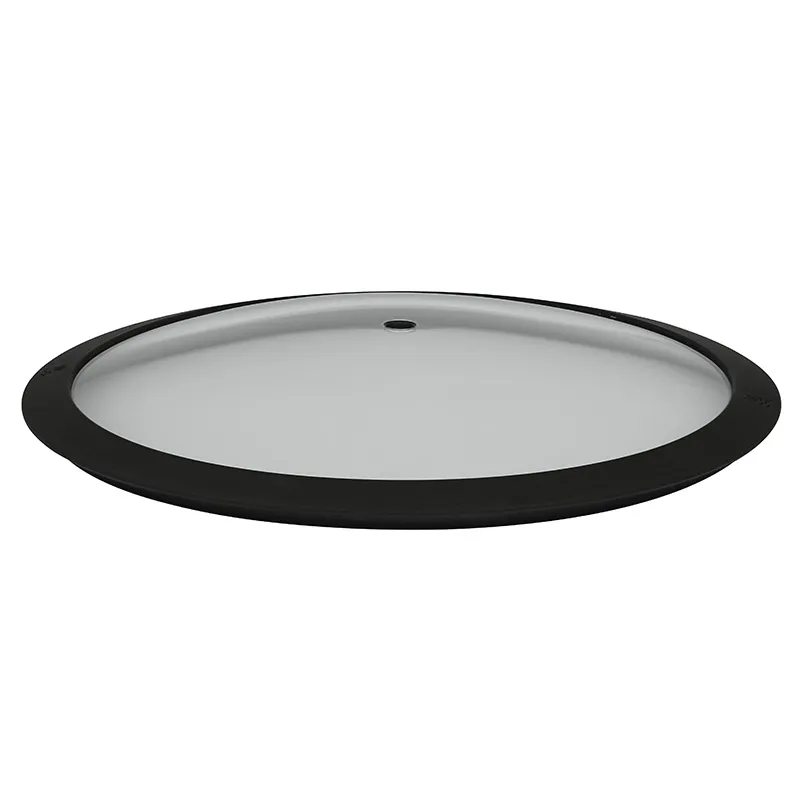
Let's get specific. We're not talking about smartphone screen protectors. In my context, and for a company like EUR-ASIA COOKWARE CO.,LTD, the term 'tempered glass cover' almost always translates to glass lids for cookware. This is a world of millimeters and microns. The base material—clear or tinted glass—has to have the right chemical composition to withstand the thermal shock of going from a freezer to a stovetop. The tempering process isn't just a box to tick; it's a critical phase that determines the safety class. A lid that shatters into large, jagged pieces is a liability. One that crumbles into small, granular bits? That's the hallmark of properly tempered glass, and it's non-negotiable for any serious importer in Germany or Japan.
I recall a early lesson from a shipment to a client in Poland. The samples were perfect. The production run looked identical. But upon arrival, a 3% breakage rate was reported—unacceptably high for their retail operation. The culprit wasn't the tempering, but the foam inserts in the cartons. They were the same density we used for domestic trucking, not adequate for the sustained vibrations of container shipping. The cost of the claim outweased the profit of the entire order. It was a classic failure: focusing solely on the product and treating logistics as an afterthought. An exporter's expertise has to cover the journey from furnace to the customer's warehouse shelf.
This is why the physical footprint of a supplier matters. EUR-ASIA COOKWARE CO.,LTD operates from a 20,000㎡ base in Taian. That scale isn't for show. It allows for vertical integration—controlling the process from glass cutting, edge grinding, tempering, printing (if needed for logos or measurements), and finally, inspection and packing. When you're dealing with annual outputs in the tens of millions of pieces, consistency is the only thing that prevents chaos. A fragmented supply chain, where cutting is done at one workshop and tempering at another, introduces variables an exporter can't afford.
Market Nuances: One Lid Does Not Fit All
The export destinations tell a story. A company listing Germany, France, and Japan as key markets, as EUR-ASIA COOKWARE CO.,LTD does, is signaling a specific capability. The European market, particularly Germany and Denmark, has stringent norms. It's not just about passing a lab test once. It's about documented process control, material traceability, and often, compliance with specific food-contact material regulations like LFGB. The glass composition must be free of certain heavy metals, and the certifications need to be readily available, not an afterthought when the shipment is at Hamburg port.
Contrast this with other regions where the primary concern might be cost and basic safety. The product might be physically the same, but the documentation and compliance framework around it are lighter. An experienced tempered glass cover exporter doesn't just ship a container; they ship a package that includes the right test reports, certificates of origin, and packaging labels required for that particular port of entry. Getting this wrong can lead to customs holds, demurrage charges, and a very unhappy client.
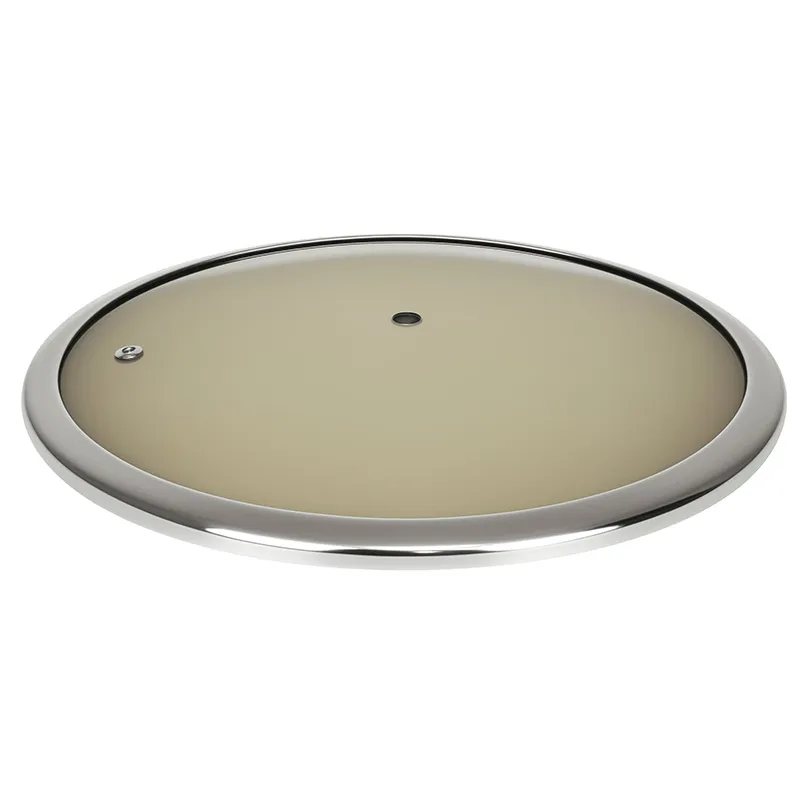
Then there are the aesthetic and functional tweaks. Southern European clients might prefer a slightly different handle shape or a more pronounced knob for lifting. Some Asian markets want ultra-clear, low-iron glass for a premium look, while others prioritize a robust, tinted version. The ability to offer these variations—low, medium, high level, as their site mentions—is crucial. It means the factory has the flexibility in its production lines and the technical skill to adjust formulas and processes without scrapping an entire batch.
The Pitfalls and How to Sidestep Them
One of the biggest traps is the sample-to-bulk discrepancy. It's the industry's chronic headache. A factory can produce ten perfect samples by hand, with senior line workers meticulously checking each one. Bulk production of 50,000 pieces is a different beast. The machinery settings drift, the grinding wheels wear, and the tempering furnace might have hot spots. This is where the exporter's role as a quality gatekeeper becomes critical. It's not enough to visit once and place an order. You need agreed-upon AQL (Acceptable Quality Level) inspection standards, and you need to enforce them, sometimes with third-party inspections during production and before container loading.
Another pitfall is misunderstanding capacity. A factory with 90+ employees and a 15 million piece annual output sounds substantial. But what's their lead time during peak season for a new order? If they're running near capacity for existing European clients in Q3 (preparing for Christmas retail), your new order for 100,000 pieces might be promised in 4 weeks but could stretch to 8, compromising your entire supply chain. A good exporter manages this transparency. They know the production calendar and buffer their promises.
Communication is its own challenge. You're dealing with technical specifications: thickness tolerance (±0.2mm is standard, but some demand ±0.1mm), edge finish (seamed, polished, or arrised?), and hole drilling for metal handles or vents. A vague email exchange leads to disaster. I've learned to communicate with diagrams, marked-up photos, and physical approved samples sent by courier with a MATCH THIS EXACTLY sticker. It's low-tech, but it works. The website glass-lid.com serves as a starting point, but the real conversation happens over detailed PDFs and sample swaps.
The Logistics Tangram
Exporting is a logistics puzzle. Tempered glass is heavy and fragile. Your freight cost per unit is a major component of the landed cost. Do you ship by LCL (Less than Container Load) or FCL (Full Container Load)? For a full range of lids, an FCL from Qingdao to Rotterdam makes sense. For a top-up order, LCL might be necessary, but it increases handling and risk. Then there's packaging. Standard cartons with partitioned inserts are fine, but for high-end lines, we've worked with factories to develop vacuum-formed plastic trays that hold each lid individually, virtually eliminating in-transit contact and breakage. It adds cost, but for the right market segment, it's essential.
Insurance is non-negotiable. Marine insurance that covers breakage specifically, not just total loss, is a must. I never assume the forwarder's default insurance is adequate; we always secure a separate, more comprehensive policy. The peace of mind is worth the 0.3% premium. Also, consider the port of destination. Shipping to Brazil involves a bureaucratic maze; shipping to a Polish port like Gdansk might be smoother for distribution across Eastern Europe. Your choice of tempered glass cover exporter should reflect their familiarity with these routes and their relationships with reliable freight forwarders.
A real case in point: we had a client in Switzerland who needed just-in-time delivery for a promotional campaign. Air freight was prohibitively expensive. The solution was to produce and ship the order ahead of schedule to a bonded warehouse in the Netherlands, then use ground transport to release batches to Switzerland as needed. It required coordination between the factory, the warehouse, and the transport agent—a service level that goes far beyond just making and shipping glass. It's these kinds of solutions that define a true export partner.
Looking Ahead: Sustainability and Adaptation
The conversation is shifting. It's not just about price and quality anymore. European importers are increasingly asking about the carbon footprint of the glass production, recycling content, and the sustainability of packaging materials. Can the factory provide data on energy consumption per ton of glass produced? Are they moving away from single-use plastic in their cartons? This isn't greenwashing; it's becoming a prerequisite for doing business with larger retailers. An exporter needs to be having these conversations with their manufacturing base now, pushing for improvements and transparency in the supply chain.
Furthermore, the rise of composite cookware—ceramic, granite coating—requires glass lids that complement these new aesthetics. This might mean developing new tint colors or perfecting a ultra-flat, flush-fit design. The factory's R&D capability, or its willingness to collaborate on development, becomes a key differentiator. A static product line is a risk. The ability to adapt, evidenced by a supplier offering a range from low to high level products, is what ensures longevity in this export game.
So, when you drill down past the keyword, being a tempered glass cover exporter is about managing a complex web of technical, logistical, and commercial variables. It's about knowing that the success of a shipment hinges as much on the foam density in a box as on the temperature of the quenching air in the tempering furnace. It's a practical, detail-obsessed business where assumptions are the quickest route to a claim file. The companies that last, like the one behind glass-lid.com, understand that their product is not just a piece of glass, but a certified, safely transported, market-ready component that has to perform perfectly in a consumer's kitchen, thousands of miles and several months removed from its point of origin.
Related Products
Related Products