- Chinese
- French
- German
- Portuguese
- Spanish
- Russian
- Japanese
- Korean
- Arabic
- Irish
- Greek
- Turkish
- Italian
- Danish
- Romanian
- Indonesian
- Czech
- Afrikaans
- Swedish
- Polish
- Basque
- Catalan
- Esperanto
- Hindi
- Lao
- Albanian
- Amharic
- Armenian
- Azerbaijani
- Belarusian
- Bengali
- Bosnian
- Bulgarian
- Cebuano
- Chichewa
- Corsican
- Croatian
- Dutch
- Estonian
- Filipino
- Finnish
- Frisian
- Galician
- Georgian
- Gujarati
- Haitian
- Hausa
- Hawaiian
- Hebrew
- Hmong
- Hungarian
- Icelandic
- Igbo
- Javanese
- Kannada
- Kazakh
- Khmer
- Kurdish
- Kyrgyz
- Latin
- Latvian
- Lithuanian
- Luxembou..
- Macedonian
- Malagasy
- Malay
- Malayalam
- Maltese
- Maori
- Marathi
- Mongolian
- Burmese
- Nepali
- Norwegian
- Pashto
- Persian
- Punjabi
- Serbian
- Sesotho
- Sinhala
- Slovak
- Slovenian
- Somali
- Samoan
- Scots Gaelic
- Shona
- Sindhi
- Sundanese
- Swahili
- Tajik
- Tamil
- Telugu
- Thai
- Ukrainian
- Urdu
- Uzbek
- Vietnamese
- Welsh
- Xhosa
- Yiddish
- Yoruba
- Zulu
- Kinyarwanda
- Tatar
- Oriya
- Turkmen
- Uyghur

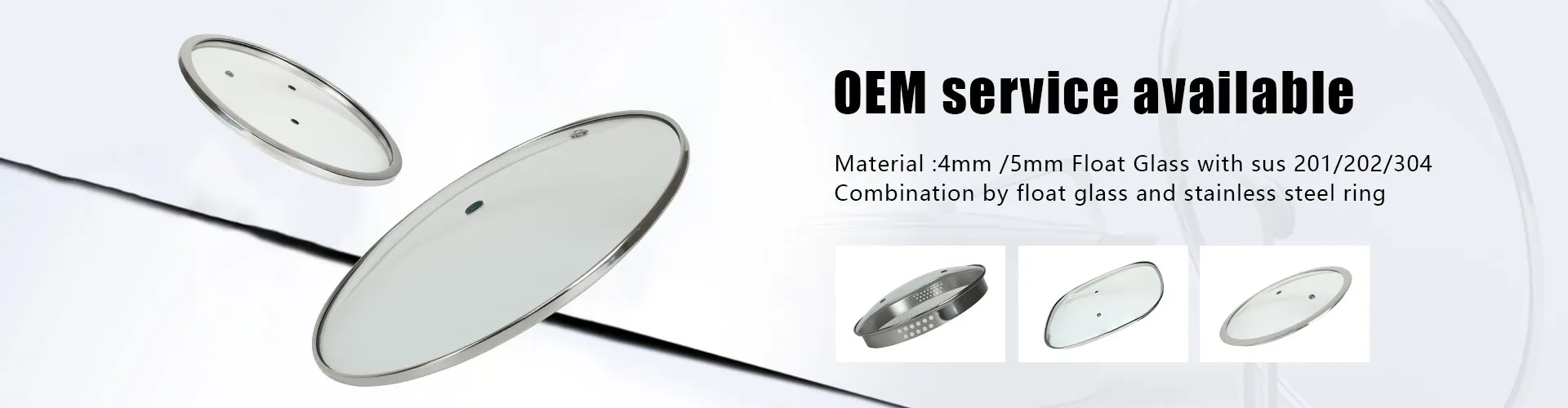
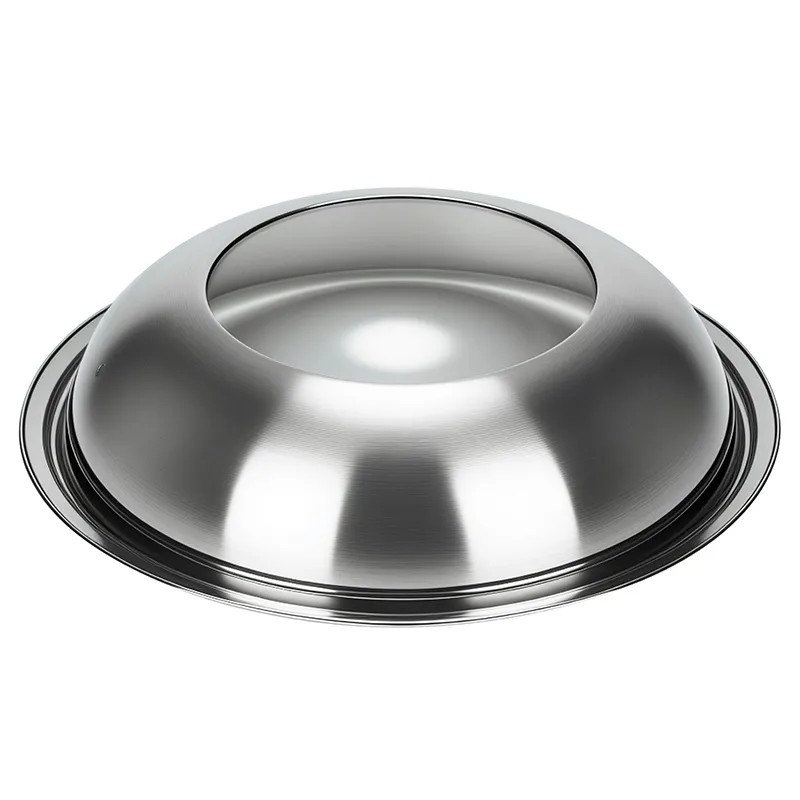
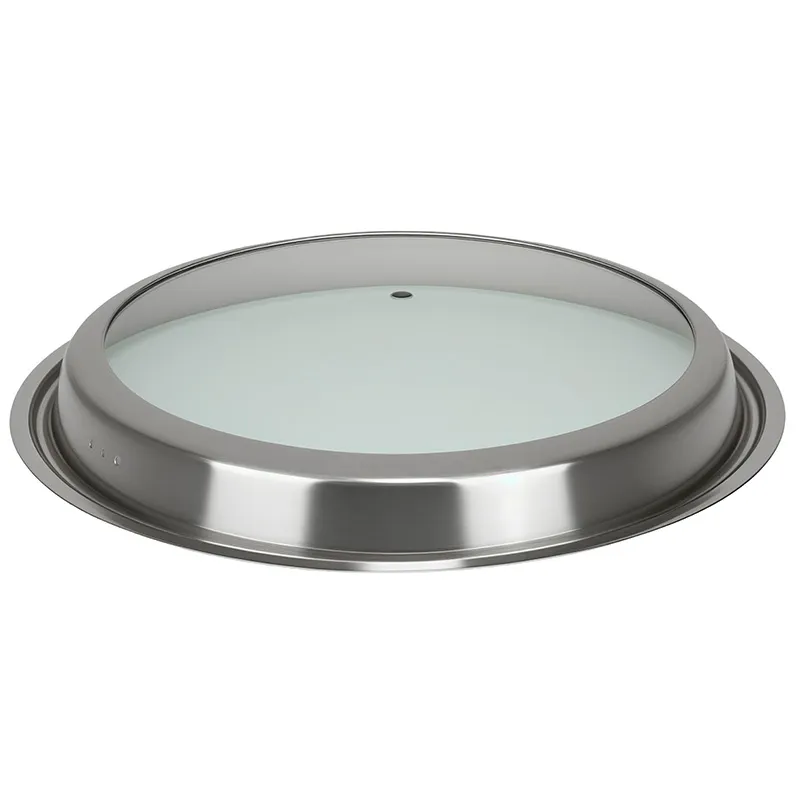
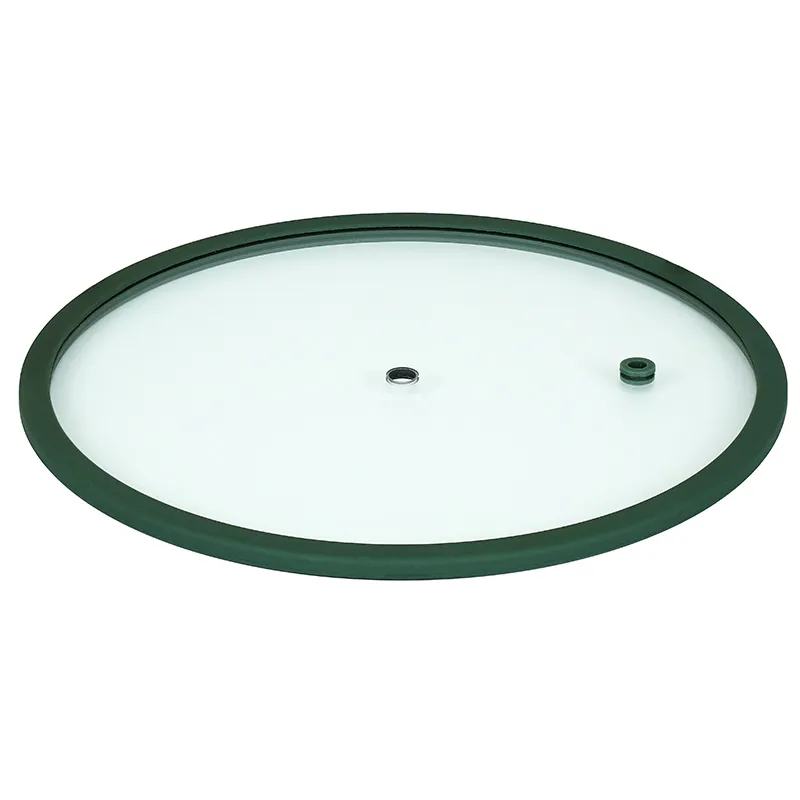
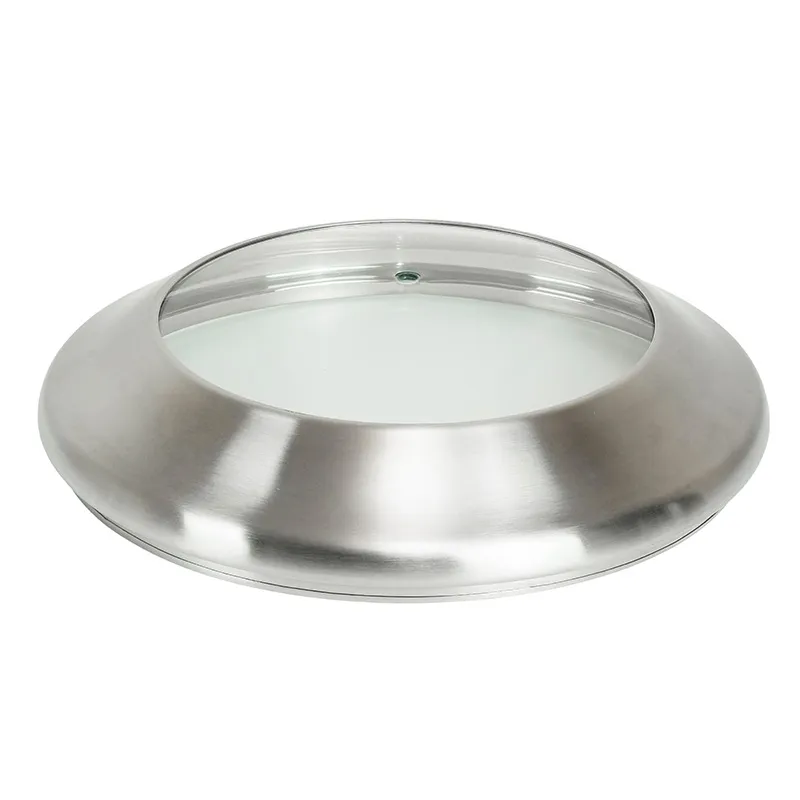
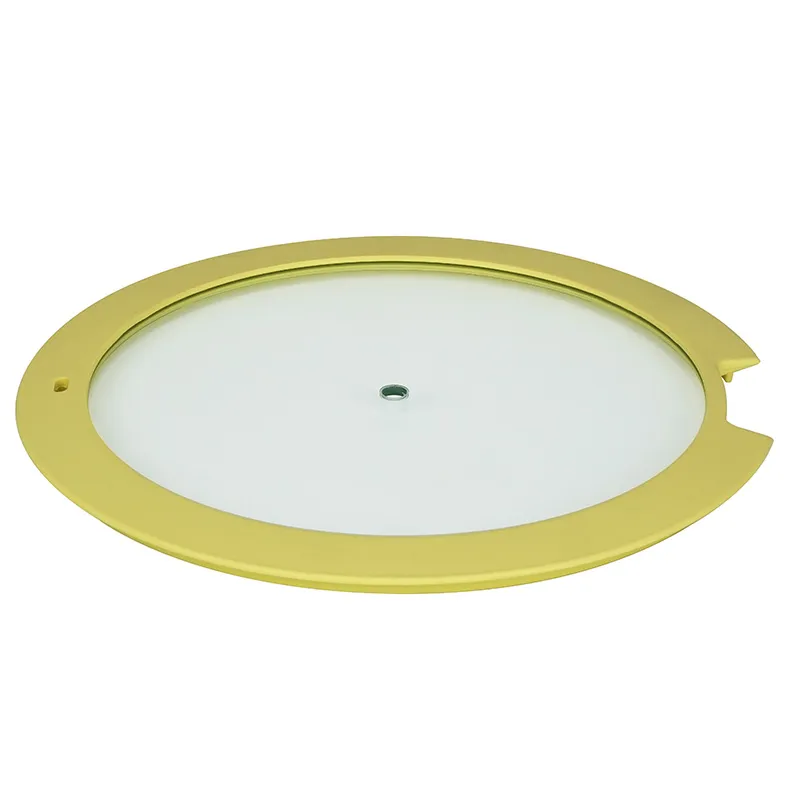
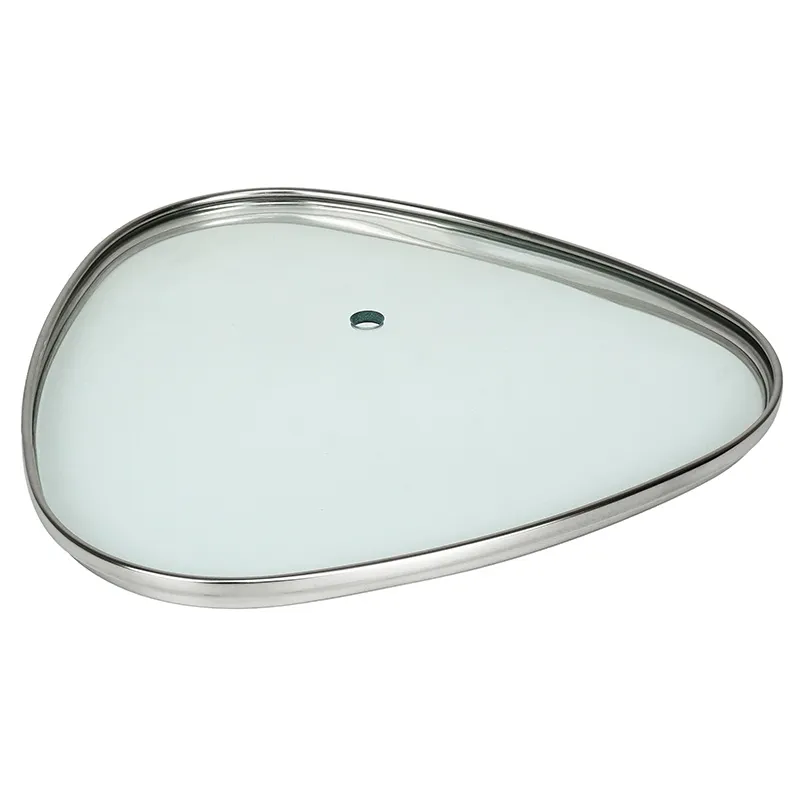
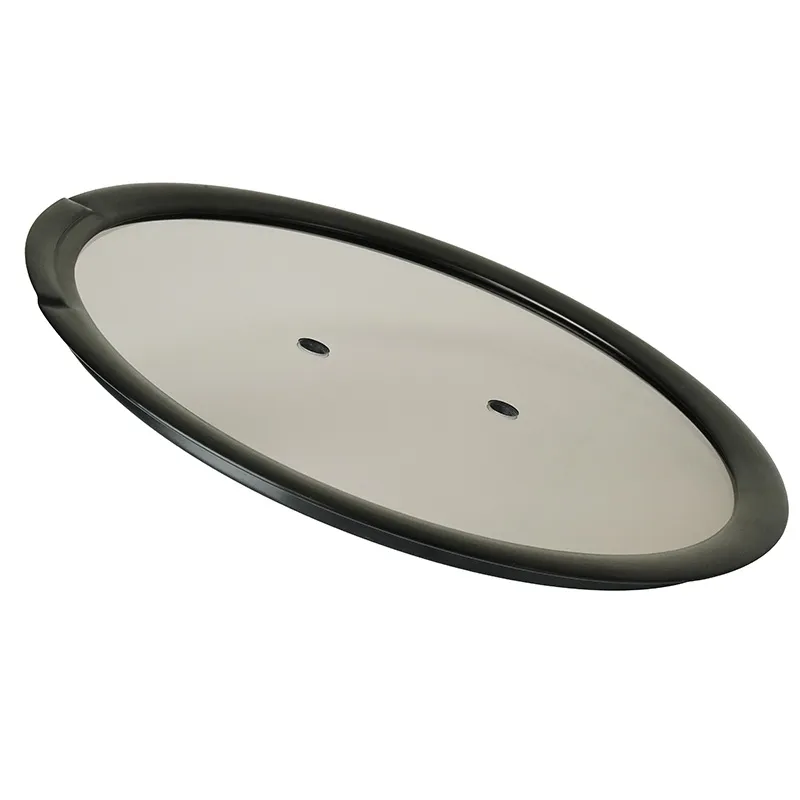
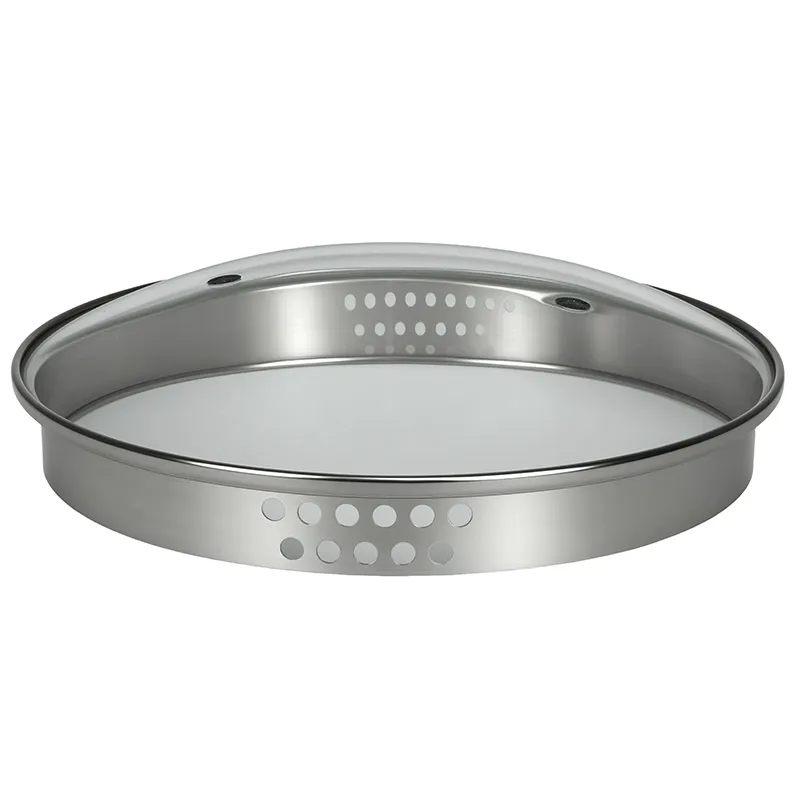
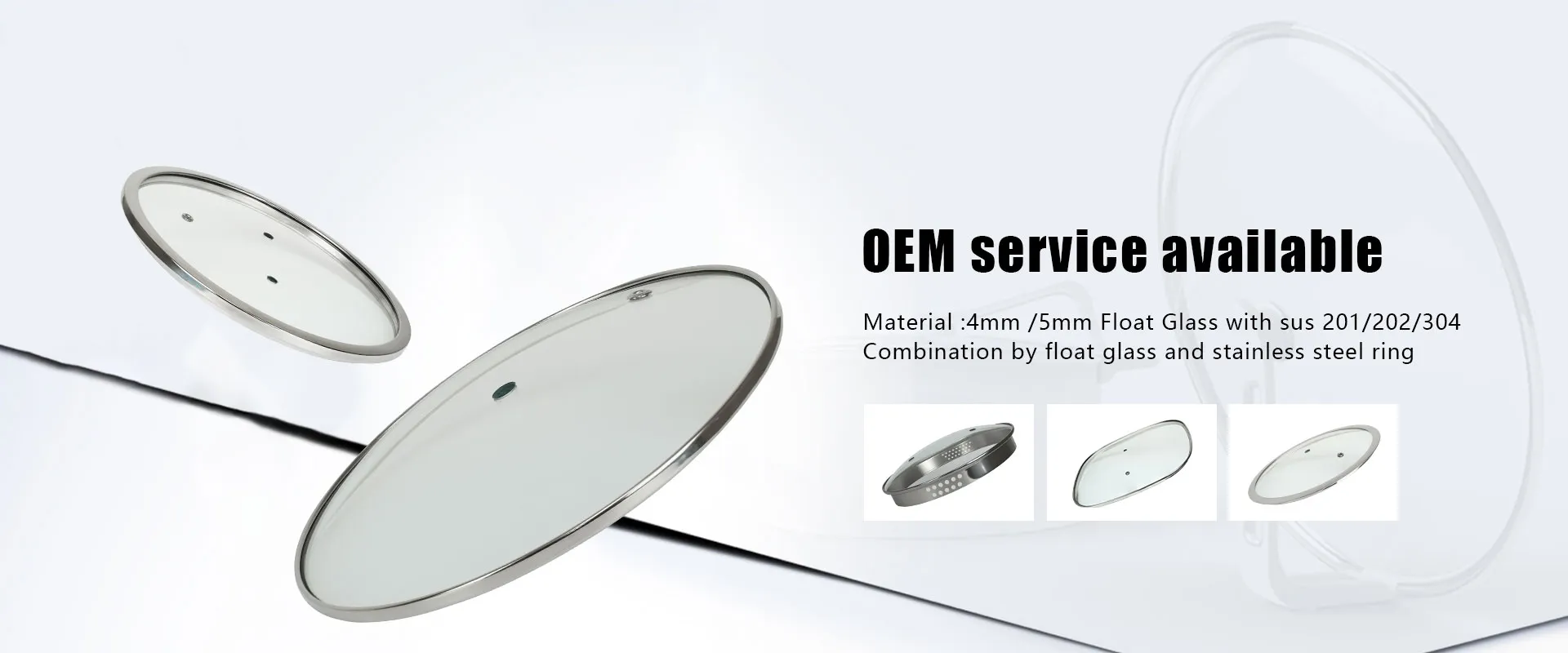
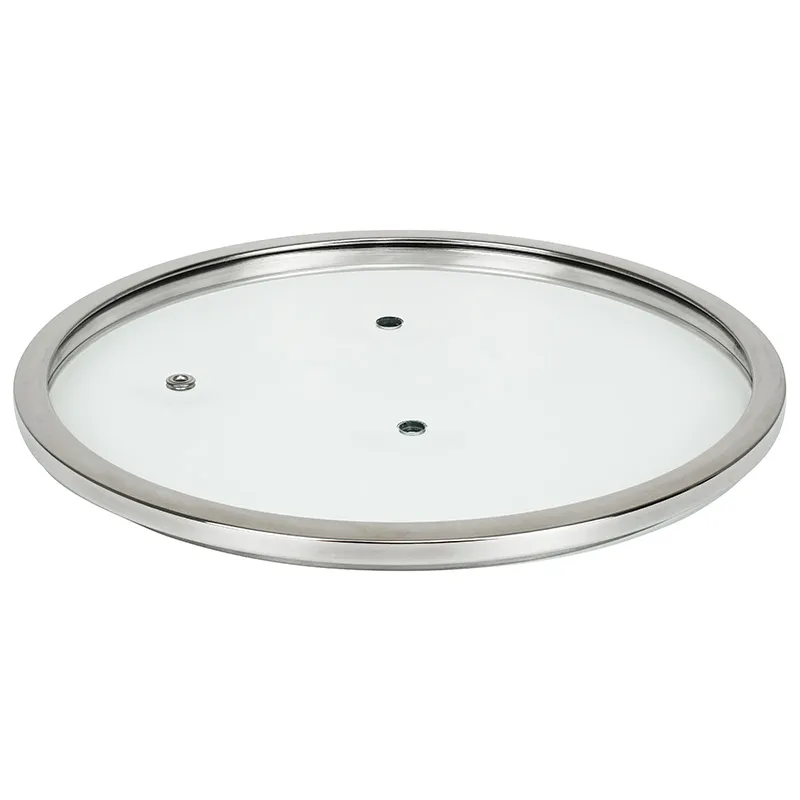
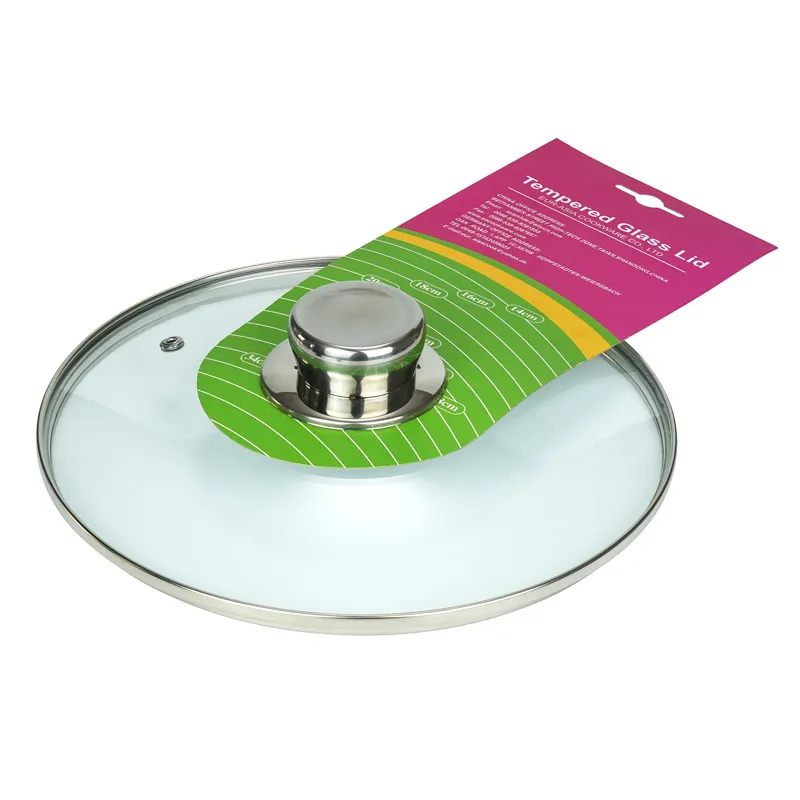
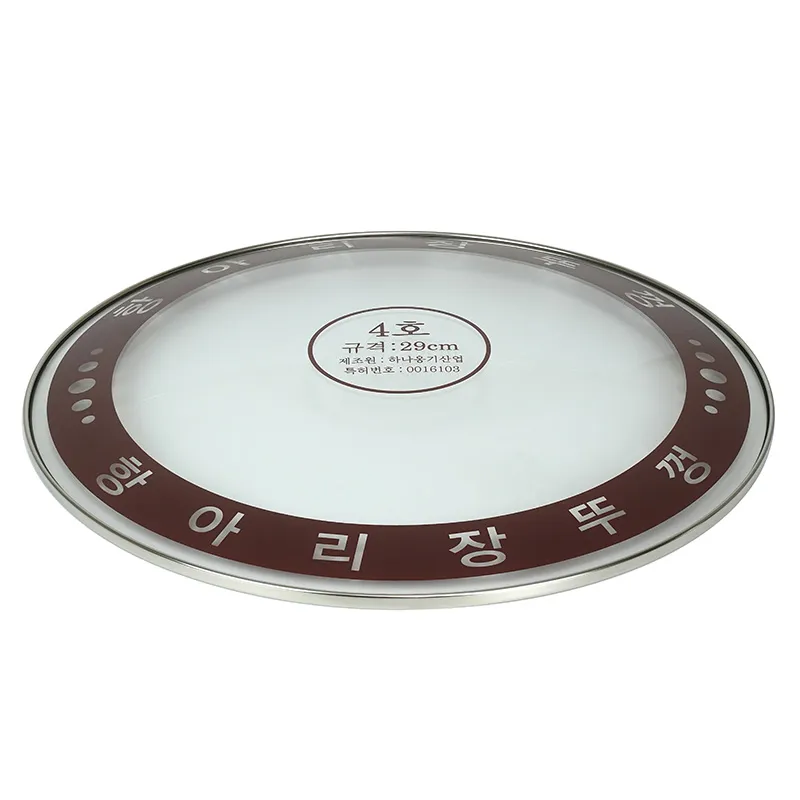
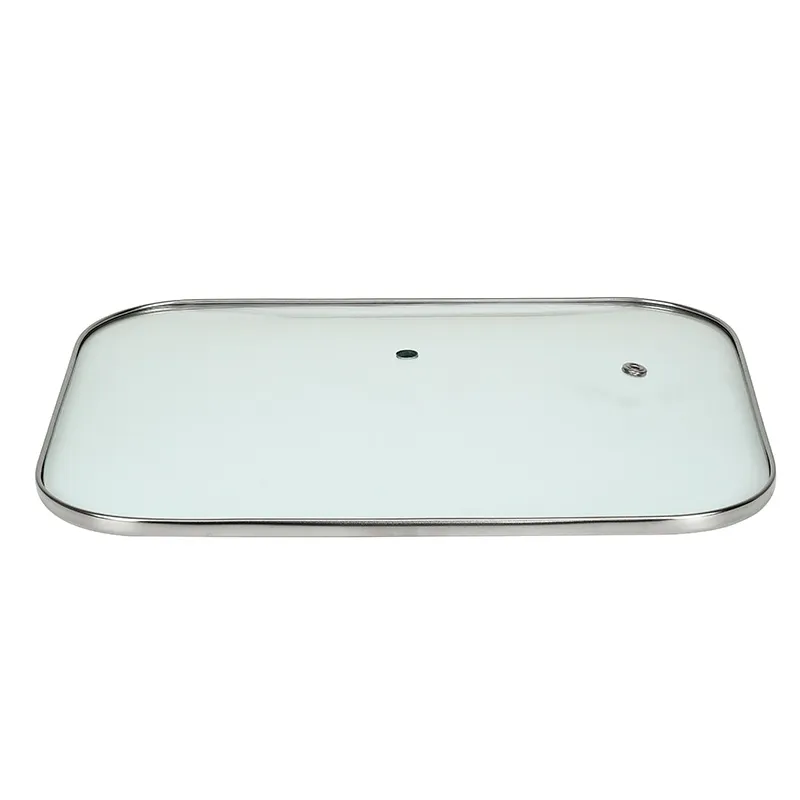
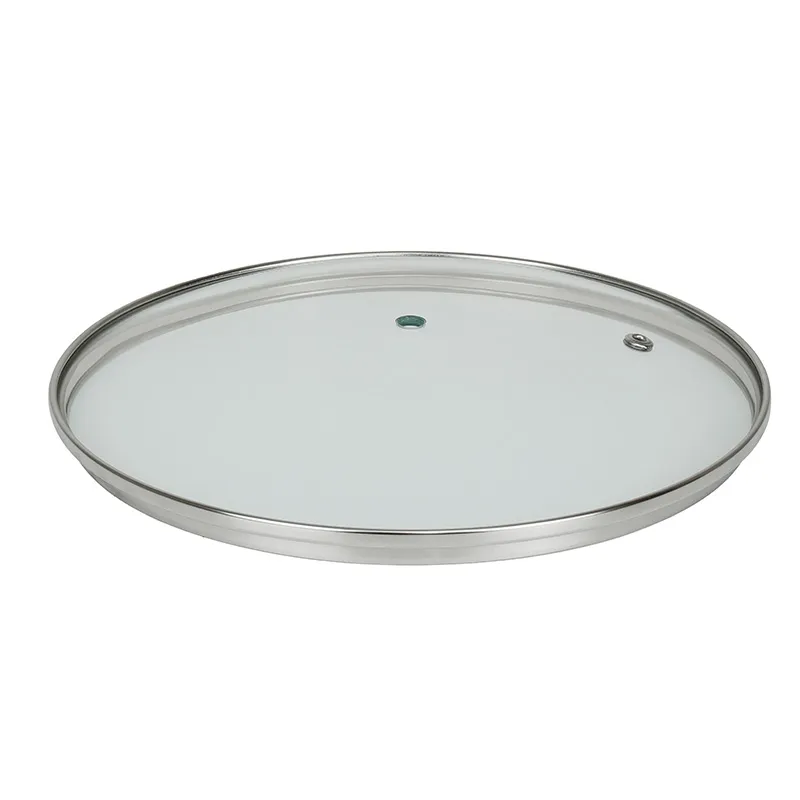
tempered glass cover made in China
When you hear 'tempered glass cover made in China', the immediate image for many buyers is a sea of generic, low-cost items. That's the first misconception. The reality is far more layered, involving a spectrum from basic commodity pieces to highly engineered products that meet stringent European safety standards. The key isn't the origin, but understanding the specific supply chain tier you're engaging with.
The Manufacturing Landscape: It's Not One Thing
Having sourced these for kitchenware lines, I've walked through factories that would surprise you. The variance is staggering. On one end, you have workshops churning out simple, thin-tempered lids for basic stock pots. The focus is purely on price. On the other, there are integrated facilities like the one operated by EUR-ASIA COOKWARE CO.,LTD. Visiting their base in Taian's High-tech Zone, the scale is the first clue—20,000㎡ dedicated to glass. This isn't a sideline; it's a core operation. You see automated tempering lines feeding into precision grinding and polishing stations. The difference isn't just machinery; it's process control. For a tempered glass cover destined for the German market, the batch testing logs for thermal shock resistance and surface stress are as thick as a manual.
The material sourcing is a quiet differentiator many miss. Not all clear glass is equal. The better manufacturers have long-term contracts with float glass producers for specific compositions with consistent iron content (affecting clarity) and better annealing history, which impacts the final tempering yield. I've seen entire batches rejected because of subtle striations in the raw glass that only became apparent after tempering. A company like EUR-ASIA, with an annual output in the tens of millions of pieces, can't afford that variability. Their volume forces a deeper, more technical engagement with their own raw material suppliers.
Then there's the finishing. A polished edge versus a seamed edge might cost $0.15 more per unit, but it's the difference between a product that feels premium and one that feels utility-grade. The German buyers, in particular, are obsessive about the hand-feel of the rim. It's a detail you only learn by holding a hundred samples. Their production of over 15 million pieces annually across low, medium, and high tiers suggests they've had to master these gradations to serve diverse markets from Brazil to Japan.
Navigating Quality and the Export-Only Myth
A common trap is equating export with uniform high quality. It's a dangerous assumption. Export is a tax status, not a quality grade. I've seen containers of tempered glass lids marked for Europe that failed on impact tests because the tempering oven temperature profile was off by a few degrees. The failure mode is instructive: instead of shattering into small, blunt fragments, they broke into larger, sharper pieces. This is where a manufacturer's internal QA lab is critical. The larger, established players invest here. From their website, EUR-ASIA's focus on exporting over 90% of products to regulated markets implies their QA systems are built to pass third-party audits and comply with norms like EN 13808, which isn't optional for selling into the EU.
Communication of specifications is another pain point. Make it like this sample is a recipe for disaster. Dimensions, specifically the bow (curvature) and parallelism, are crucial for a lid that sits flush and doesn't rock. We learned this the hard way on an early order. The drawings called for a flatness tolerance, but the factory interpreted it loosely. The resulting lids wobbled on the pots. The fix involved providing not just 2D drawings, but defining the measurement points for bow on a fixture. Reputable manufacturers expect this level of detail. Their engineering teams will push back on ambiguous specs, which is a good sign.
Lead times are another reality check. Tempering is a batch process, not continuous. Scheduling oven runs for different thicknesses and diameters requires planning. A rush order often means you're slotted into a cycle with non-optimal parameters, risking lower strength. The reliable suppliers, the ones with 90+ employees and structured production lines, will be honest about this. They'll say, For that diameter and 5mm thickness, our next dedicated run is in 10 days. We can't do it sooner without compromising. That's professional integrity, not obstruction.
The Real Cost Drivers Beyond the Unit Price
Everyone focuses on the FOB price per piece. The real costs are hidden in logistics and packaging. A tempered glass cover made in China is heavy and fragile. Inadequate packaging leads to transit losses that can wipe out any upfront savings. The standard is molded pulp trays, then cartons, then a master carton. But the density of packing matters. Too tight, and you get edge-chipping from vibration; too loose, and they shift and crack. We once had to absorb a 7% breakage rate on a shipment because we agreed to a cheaper, partitioned cardboard insert instead of pulp. Never again.
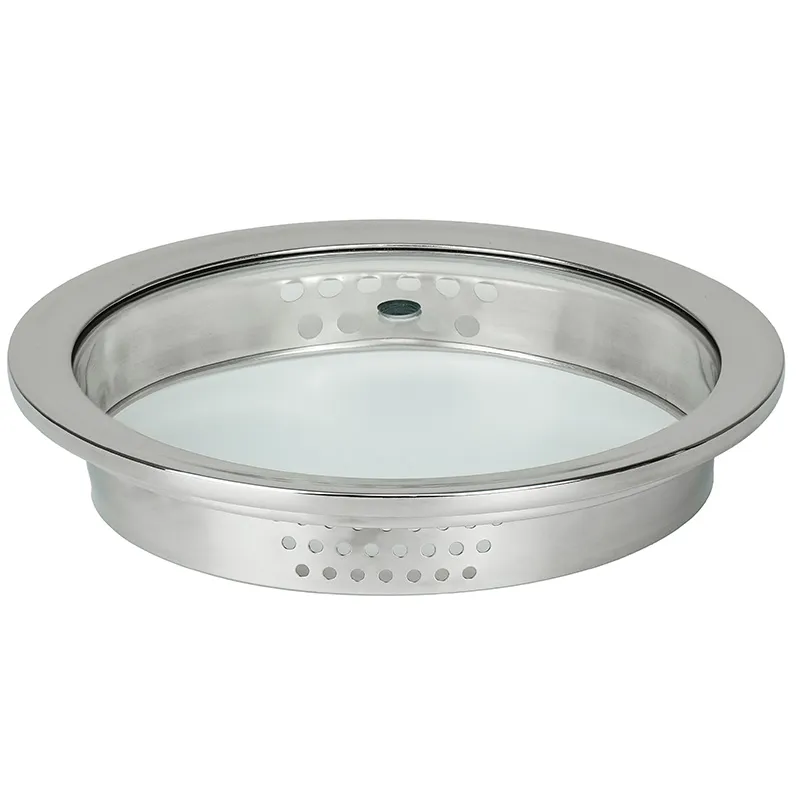
Another cost driver is the accessory integration. Handles, knobs, stainless steel rims—these are often sourced separately. A manufacturer that does in-house metal stamping and assembly, or has tight control over a sub-supplier, provides huge stability. If you look at a company producing a wide range of household glass products and other kitchen accessories, like the profile suggests, they likely have this vertical integration or strong local partnerships. It means the silicone gasket on a glass-steam lid fits correctly every time because both components are made under one roof or a tightly managed joint venture.
Minimum Order Quantities (MOQs) are tied to these cost structures. A low MOQ often means the factory is using off-cuts or spare capacity on a run for another client. The consistency of the tempering might be inconsistent. For a stable product line, you need to commit to a volume that justifies a dedicated production run. The stated annual output of 15+ million pieces for a factory of that size indicates they're set up for substantial runs. Their sweet spot is likely serving large importers or OEM brands, not tiny start-ups.
Case in Point: The EUR-ASIA Profile as a Benchmark
Let's take the provided entity as a concrete example. EUR-ASIA COOKWARE CO.,LTD (https://www.glass-lid.com) presents a profile that aligns with a serious, mid-to-high-tier manufacturer. Their specialization in tempered glass lid production is a positive signal—they're not a general glass factory dabbling in lids. A 15,000㎡ building area dedicated to this suggests extensive production lines for cutting, edging, tempering, printing, and assembly.
The geographic export spread—Germany, Russia, Italy, France, Japan, Brazil—is telling. It means they navigate different market regulations and aesthetic preferences. A lid for the Polish market might have different preferred handle styles than one for South Korea. This requires flexibility in design and tooling. Their claim of producing low, medium, and high-level products is honest. It means they likely have separate lines or processes for a basic lid for a discount retailer and a heavy-duty, encapsulated-edge lid for a high-end European brand. They're not pretending everything is premium.
The location in Shandong is also relevant. It's a major glass industry hub, with access to raw materials and a skilled labor pool for glass processing. This clustering effect benefits quality and cost. Being in a National High-tech Development Zone often comes with incentives for equipment upgrading, which can translate to better, more consistent production technology. It's a detail that adds credibility to their operational scale.
Concluding Thoughts: Sourcing with Clarity
So, what's the takeaway on sourcing a tempered glass cover made in China? Ditch the generalizations. It's a mature, segmented industry. The goal is to match your quality and price point with the correct tier of manufacturer. For consistent, high-volume, specification-critical orders, partnering with an established, export-focused producer with integrated capabilities—like the profile we've discussed—mitigates a multitude of risks.
The relationship matters. The best outcomes come from treating the factory as a technical partner. Share your testing protocols. Be clear on your market's regulatory needs. Visit if you can. The feel of the factory floor, the organization of the QC station, the attitude of the engineers—these are intangible but critical data points. The website is just the brochure; the real proof is in the sample validation and the production audit.
In the end, a well-made tempered glass lid from China is a highly engineered component. Its success hinges on the precision of its manufacturing, not its country of origin. The supply chain is there, capable of world-class output. The onus is on the buyer to navigate it with enough expertise to ask the right questions and interpret the answers—not just on price, but on process, control, and long-term reliability.
Related Products
Related Products