- Chinese
- French
- German
- Portuguese
- Spanish
- Russian
- Japanese
- Korean
- Arabic
- Irish
- Greek
- Turkish
- Italian
- Danish
- Romanian
- Indonesian
- Czech
- Afrikaans
- Swedish
- Polish
- Basque
- Catalan
- Esperanto
- Hindi
- Lao
- Albanian
- Amharic
- Armenian
- Azerbaijani
- Belarusian
- Bengali
- Bosnian
- Bulgarian
- Cebuano
- Chichewa
- Corsican
- Croatian
- Dutch
- Estonian
- Filipino
- Finnish
- Frisian
- Galician
- Georgian
- Gujarati
- Haitian
- Hausa
- Hawaiian
- Hebrew
- Hmong
- Hungarian
- Icelandic
- Igbo
- Javanese
- Kannada
- Kazakh
- Khmer
- Kurdish
- Kyrgyz
- Latin
- Latvian
- Lithuanian
- Luxembou..
- Macedonian
- Malagasy
- Malay
- Malayalam
- Maltese
- Maori
- Marathi
- Mongolian
- Burmese
- Nepali
- Norwegian
- Pashto
- Persian
- Punjabi
- Serbian
- Sesotho
- Sinhala
- Slovak
- Slovenian
- Somali
- Samoan
- Scots Gaelic
- Shona
- Sindhi
- Sundanese
- Swahili
- Tajik
- Tamil
- Telugu
- Thai
- Ukrainian
- Urdu
- Uzbek
- Vietnamese
- Welsh
- Xhosa
- Yiddish
- Yoruba
- Zulu
- Kinyarwanda
- Tatar
- Oriya
- Turkmen
- Uyghur

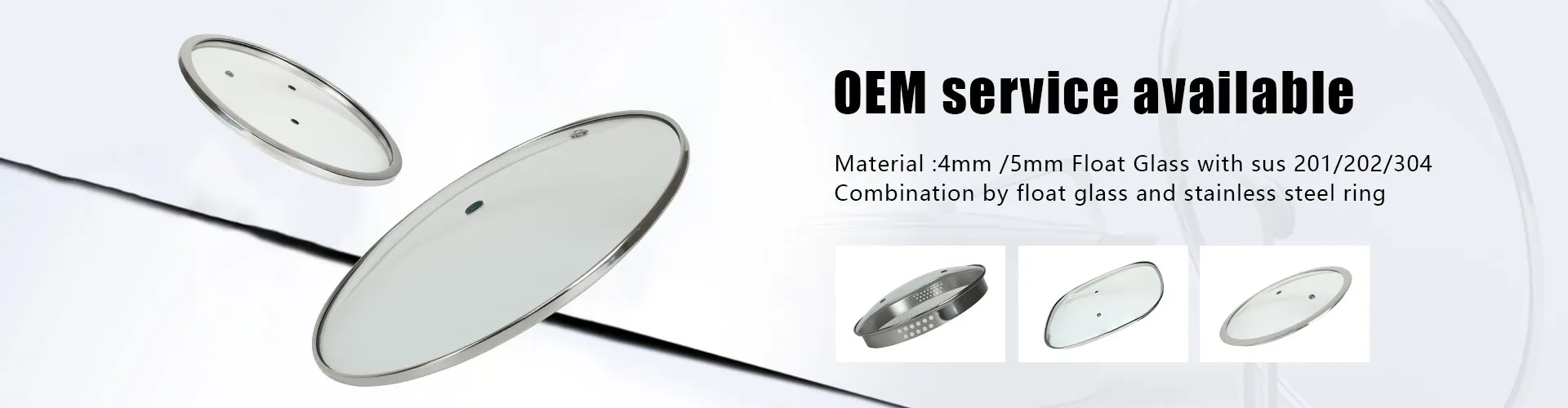
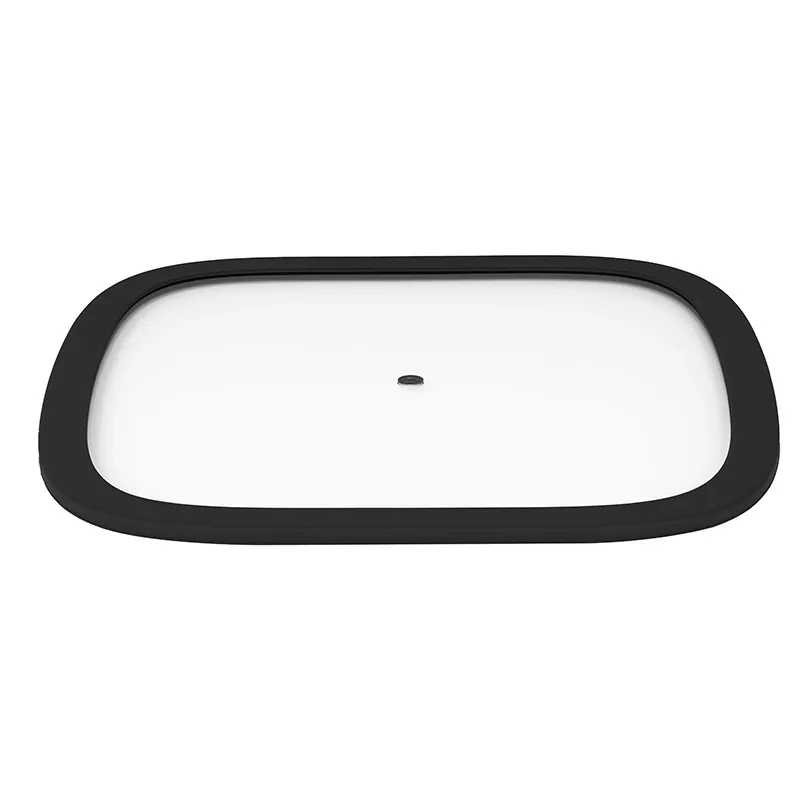
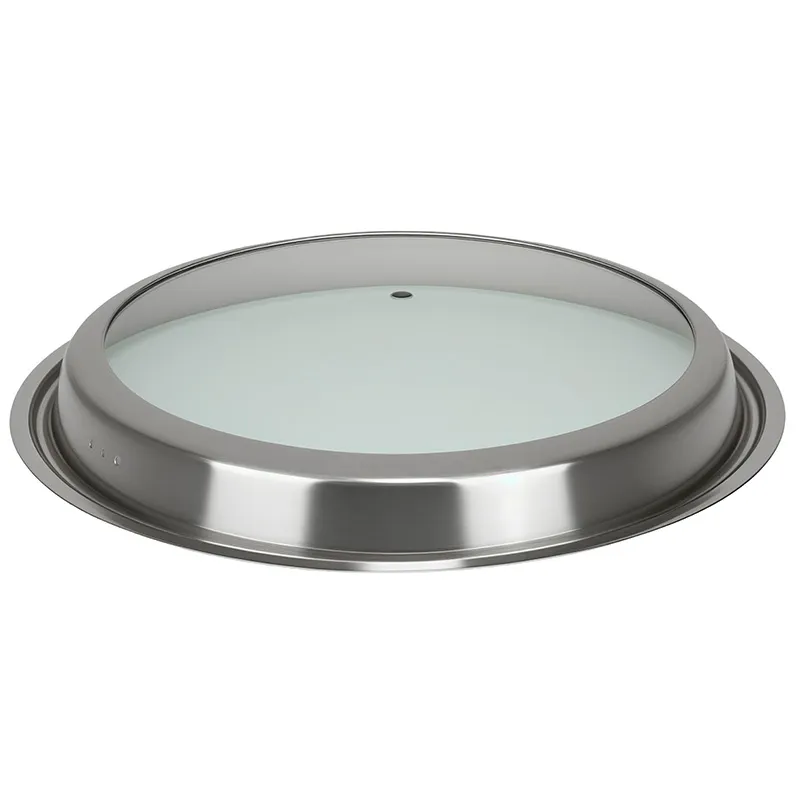
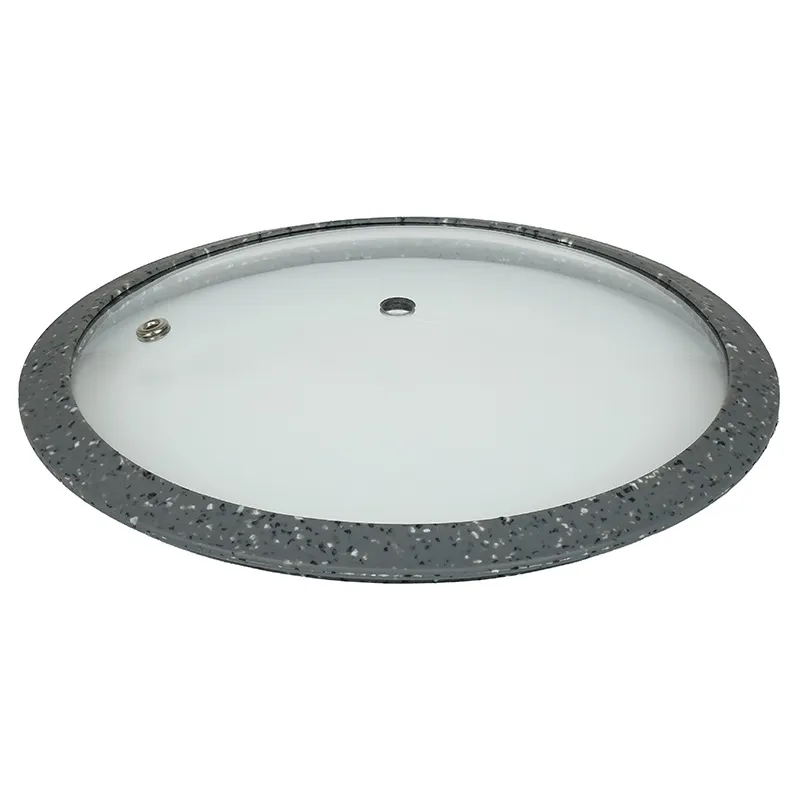
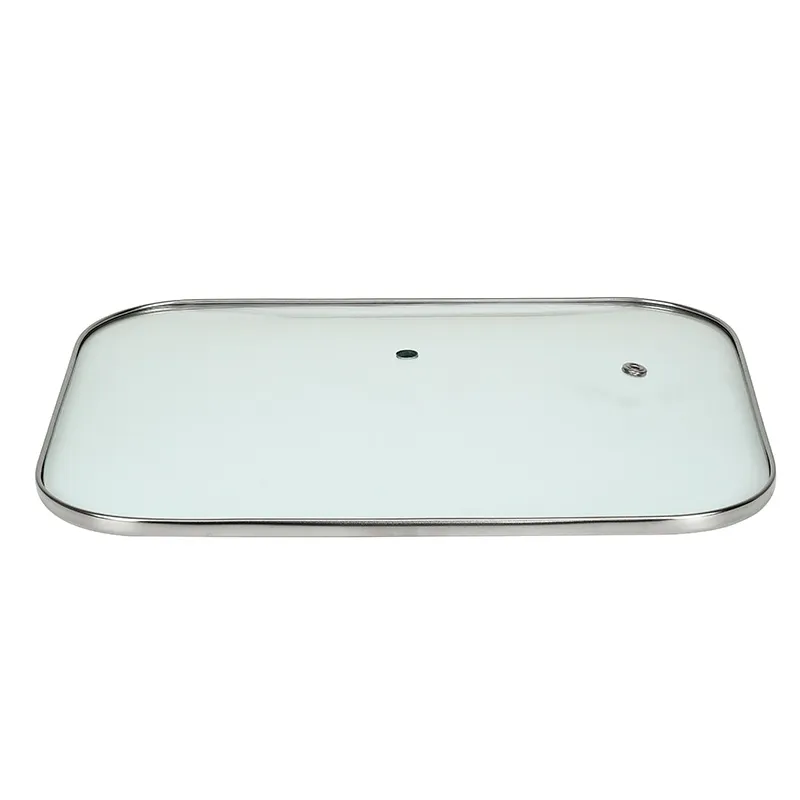
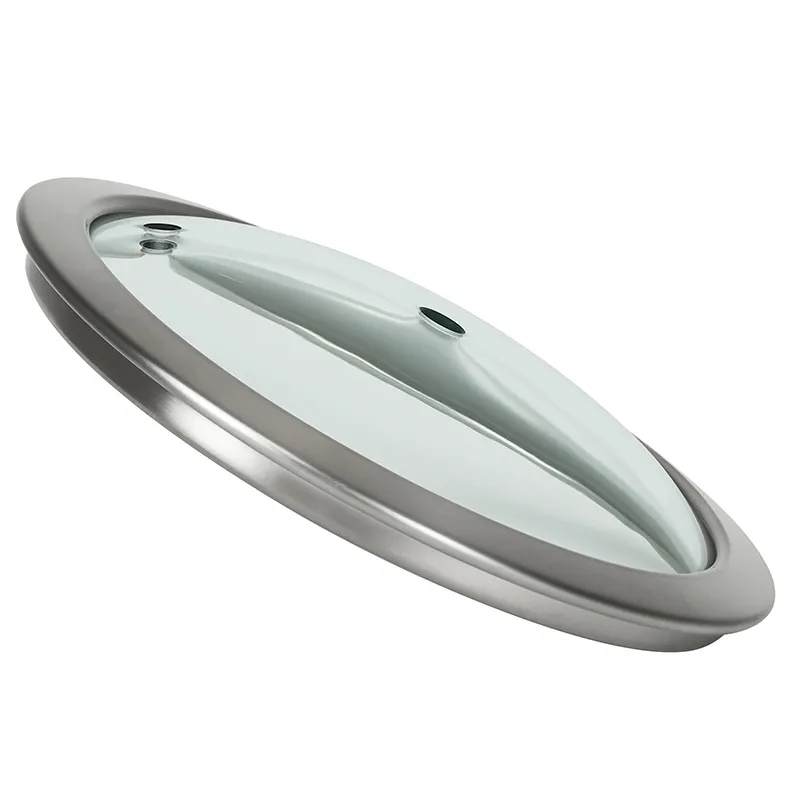
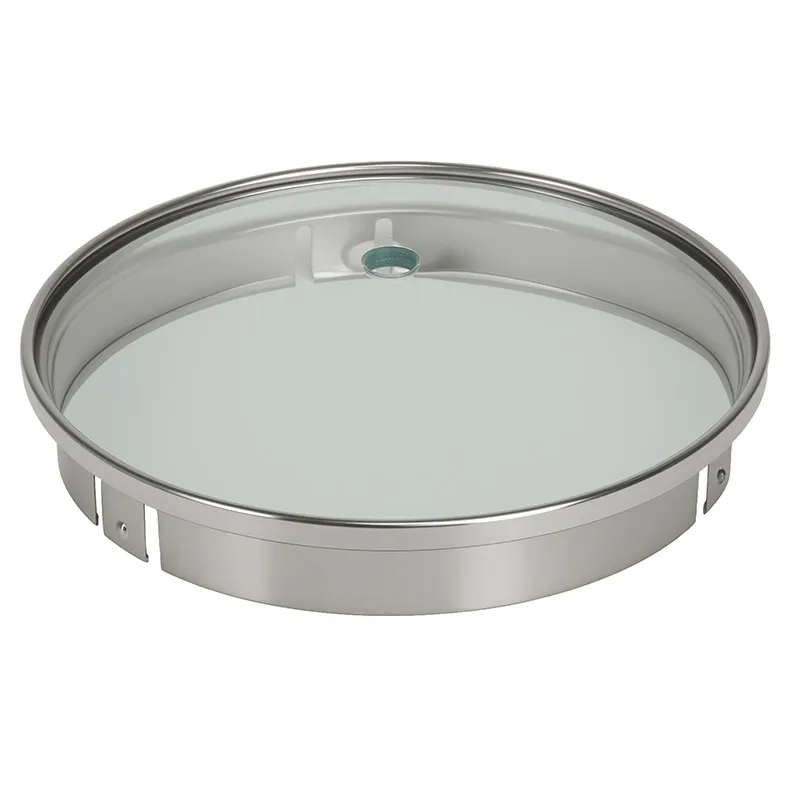
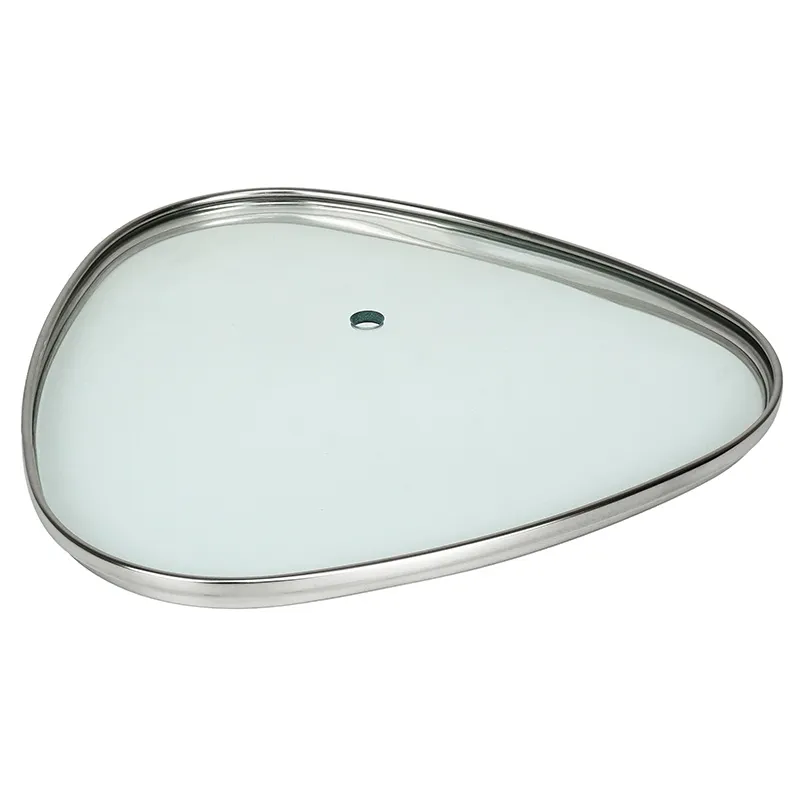
tempered glass cover maker in China
When most importers or brands search for a 'tempered glass cover maker in China', they're often picturing a monolithic, hyper-specialized factory. The reality is messier and more interesting. Many of the capable manufacturers aren't just 'cover makers'—they're often deeply embedded in the broader kitchenware or household glass ecosystem. This nuance matters because it affects everything from material sourcing to quality consistency. I've seen buyers get fixated on finding a shop that only does covers, thinking it means expertise, but sometimes it just means limited capacity and higher vulnerability to raw material price swings. The real players, the ones that can reliably deliver millions of pieces to EU or US standards, tend to have a diversified product line. It gives them stability. Let me unpack this from the ground up.
Defining the Maker – More Than Just a Production Line
So, what constitutes a true tempered glass cover maker? It's not just about having a tempering furnace. The critical path involves cold cutting, edge grinding (seaming and polishing), tempering, and often, printing or silk-screening. The maker's core competence lies in mastering the entire chain, especially the tempering process for often irregular, handled shapes without causing optical distortion or stress marks. A common pitfall is overlooking the edge work. A poorly seamed edge isn't just an aesthetic flaw; it's a potential point of failure under thermal shock. I remember a batch for a European client where the issue wasn't the tempering but the consistency of the radius on the ground edge, which caused fitting problems with their pots. The factory had to recalibrate three grinding machines to solve it.
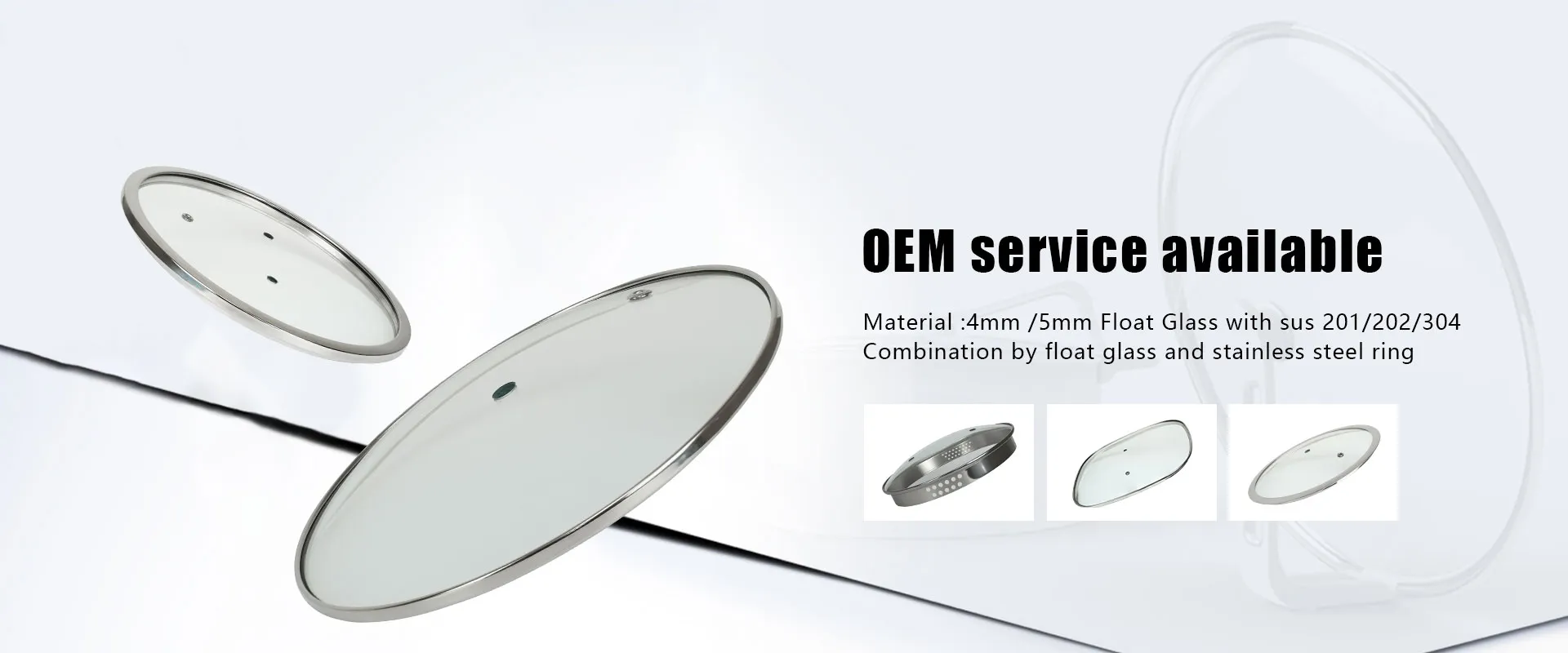
This is where integrated operations like EUR-ASIA COOKWARE CO.,LTD. show their strength. Based in Taian, Shandong—a region with a serious cluster of glass and kitchenware industries—their setup from production base to final QC is under one roof. Their stated annual output of over 15 million pieces of various types of tempered glass lid isn't just a boast; it's a function of that vertical control. When you visit a facility that covers 20,000㎡, you see the raw glass sheets coming in one end and finished, packaged lids destined for Germany or Japan at the other. That scale allows for dedicated lines for different handle types (metal knob, phenolic, stainless steel bail), which is a detail smaller shops can't manage efficiently.
The export focus is another tell. When over 90% of output goes to markets like Germany, Italy, and Japan, it forces a certain discipline. These aren't lenient markets. They have specific directives on material safety (lead & cadmium release), thermal shock resistance (like from fridge to oven), and mechanical strength. A factory serving this clientele has its lab procedures and compliance documentation dialed in. It's not optional. I've sat in on video calls where a German technician was reviewing PPT test reports from a Chinese factory like EUR-ASIA, scrutinizing the methodology of a thermal shock cycle test. The factory that can engage at that level is in a different league.
The Raw Material Dance – Where Quality Really Starts
Everyone talks about tempering, but the game is often won or lost at the raw material stage. The term 'low- medium- high level' in company descriptions isn't marketing fluff. For household glass products, it primarily refers to the quality of the clear or tinted float glass used. The high-level stuff is often ultra-clear, low-iron glass from reputable domestic producers like CSG or Taiwan Glass. The iron content is critical—it affects clarity and, subtly, the thermal performance. For a glass lid, clarity is a premium feature. The medium level might be standard clear float glass, perfectly functional but with a slight greenish edge. Low-level often pertains to thickness tolerance and the presence of minor bubbles or seeds.
Procurement is a constant negotiation. A stable tempered glass cover maker will have long-term contracts with glass suppliers. This isn't just for price; it's for consistency of the raw sheet's thickness and flatness. A variation of even 0.2mm across a sheet can cause havoc in the tempering furnace, leading to warpage or uneven stress. I recall a period during a supply crunch where a factory had to source from a new float line. The resulting lids had a higher rejection rate due to subtle mid-surface distortions after tempering. It took weeks of adjusting furnace temperature and roller speed profiles to compensate. This is the kind of process knowledge you only get from doing millions of pieces.
Then there's the accessory sourcing: the handles, knobs, and clips. A truly professional maker either manufactures these in-house or has extremely rigid quality control over their subcontractors. The bonding of a metal knob to the glass surface requires a specific high-temperature adhesive and a curing process. A failure here means the handle detaches in the oven—a catastrophic failure for the end-user. Companies with a broad kitchen accessories scope, like EUR-ASIA, likely have this ancillary supply chain locked down tight, which simplifies everything for the buyer.
Tempering – The Art in the Science
The tempering process itself is where the magic and the headaches live. For lids, it's not like tempering flat panels. The shape, the handle holes, the curvature—all of it affects how the glass heats and cools. The furnace recipe (temperature, time, quench air pressure) is a proprietary adjustment for each product profile. A good factory engineer can look at a new lid design and make a very educated guess on the settings, but there's always a trial-and-error phase. We once developed a large, rectangular cover with a long, off-center handle. The first few batches kept cracking at the quench stage. The solution wasn't higher heat, but actually a slower conveyor speed through the furnace to achieve more even heating before the rapid cool.
Quality control post-tempering is brutal and necessary. Beyond the standard impact tests (like a 227g steel ball drop from 2 meters), there's the 'fragment test'. A tempered glass lid, when shattered, must break into small, relatively blunt pieces to minimize injury. This test is destructive, so it's done on a sampling basis. But visual inspection for 'quench marks' (strain patterns visible under polarized light) is 100%. Any lid with visible marks is a reject, as it indicates uneven stress and weak points. Walking the QC line at a busy factory, you see inspectors under polarized light booths flicking through lids at a dizzying pace. Their eyes are trained to spot the faintest ripple.
Logistics and the Hidden Complexity
Producing 15 million lids a year is one thing. Getting them to Hamburg, Rotterdam, or Los Angeles intact is another. Packaging for glass products is a science. It's not just about cushioning; it's about preventing lid-on-lid abrasion during transit. A common method is individual pulp paperboard sleeves or PE foam edge protectors, then packed in master cartons with partitions. The carton design itself needs to be optimized to maximize container load without increasing void space that leads to shifting. I've been involved in projects where we redesigned the carton to fit two more layers per pallet, saving the client over 5% on shipping costs. For a volume item, that's massive.
The export documentation for a diversified market list is another layer. Shipments to the EU need CE marking and DoC; to Brazil, it might be INMETRO; to South Korea, KC marking. A maker like EUR-ASIA, with its wide export footprint, has this bureaucracy down to a system. They know which test reports from their in-house lab are acceptable and when they need to subcontract to an international third-party like SGS or TüV. This institutional knowledge saves buyers months of hassle. It's a tangible benefit of working with a maker whose default mode is export.
Final Thoughts – Looking Beyond the Keyword
So, when you're evaluating a tempered glass cover maker in China, you're really evaluating an integrated system. Look for the vertical integration, the export pedigree, and the scale that suggests process mastery. The company description for EUR-ASIA COOKWARE CO.,LTD. (https://www.glass-lid.com) ticks these boxes: a sizable production base in a key industrial zone, a clear focus on the full range of household glass products, and an export list that reads like a who's who of demanding markets. These aren't accidental details; they're the resume of a capable player.
The real relationship starts after the audit, when you're working through the first production sample. That's when you see if their engineering team can problem-solve in real-time, adjusting a grinding wheel here, a furnace zone temperature there. It's never just about making a lid. It's about making the same lid, to spec, a million times over, and getting it to a warehouse overseas without drama. That's the benchmark. And from what you can glean from the operational facts of companies like this, that's precisely the capability they've built. It's a tough niche, but the factories that have survived and scaled in it are generally worth the time to vet properly.
Related Products
Related Products