- Chinese
- French
- German
- Portuguese
- Spanish
- Russian
- Japanese
- Korean
- Arabic
- Irish
- Greek
- Turkish
- Italian
- Danish
- Romanian
- Indonesian
- Czech
- Afrikaans
- Swedish
- Polish
- Basque
- Catalan
- Esperanto
- Hindi
- Lao
- Albanian
- Amharic
- Armenian
- Azerbaijani
- Belarusian
- Bengali
- Bosnian
- Bulgarian
- Cebuano
- Chichewa
- Corsican
- Croatian
- Dutch
- Estonian
- Filipino
- Finnish
- Frisian
- Galician
- Georgian
- Gujarati
- Haitian
- Hausa
- Hawaiian
- Hebrew
- Hmong
- Hungarian
- Icelandic
- Igbo
- Javanese
- Kannada
- Kazakh
- Khmer
- Kurdish
- Kyrgyz
- Latin
- Latvian
- Lithuanian
- Luxembou..
- Macedonian
- Malagasy
- Malay
- Malayalam
- Maltese
- Maori
- Marathi
- Mongolian
- Burmese
- Nepali
- Norwegian
- Pashto
- Persian
- Punjabi
- Serbian
- Sesotho
- Sinhala
- Slovak
- Slovenian
- Somali
- Samoan
- Scots Gaelic
- Shona
- Sindhi
- Sundanese
- Swahili
- Tajik
- Tamil
- Telugu
- Thai
- Ukrainian
- Urdu
- Uzbek
- Vietnamese
- Welsh
- Xhosa
- Yiddish
- Yoruba
- Zulu
- Kinyarwanda
- Tatar
- Oriya
- Turkmen
- Uyghur


tempered glass cover manufacturer
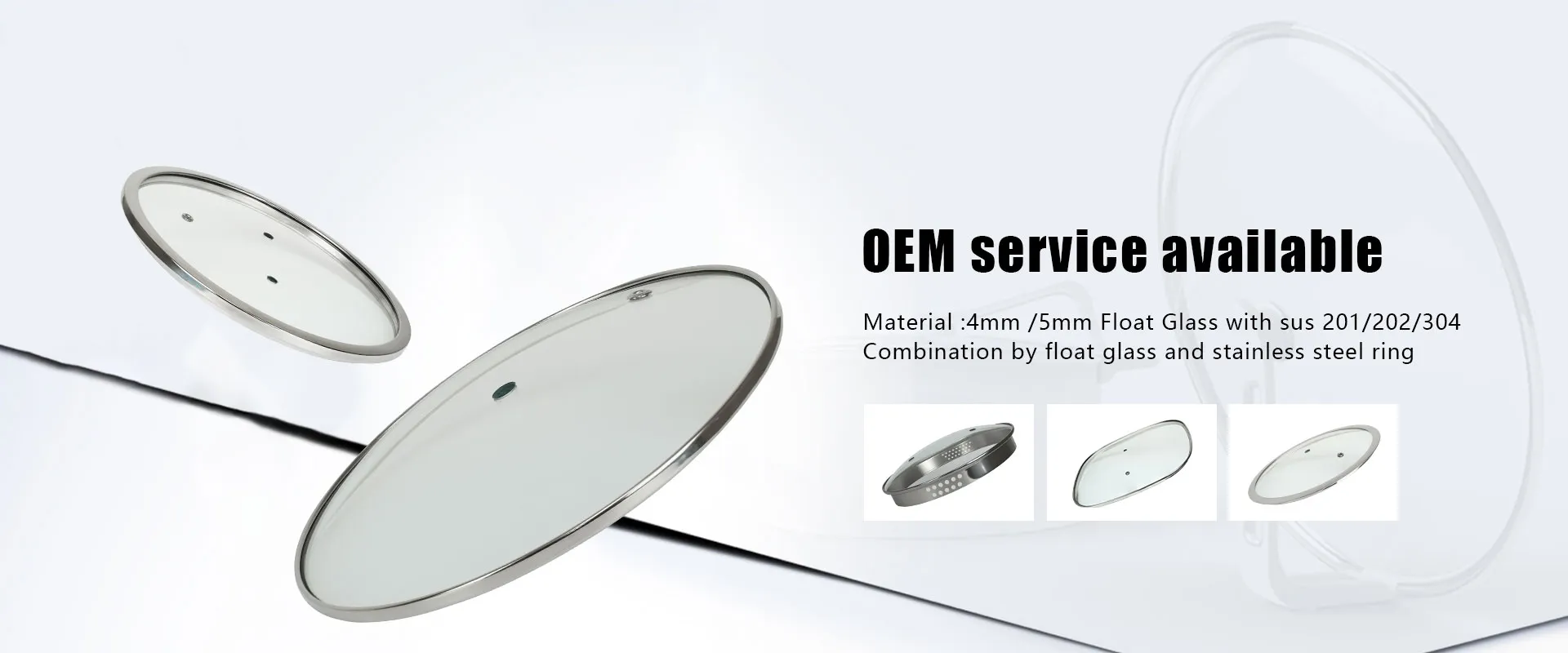
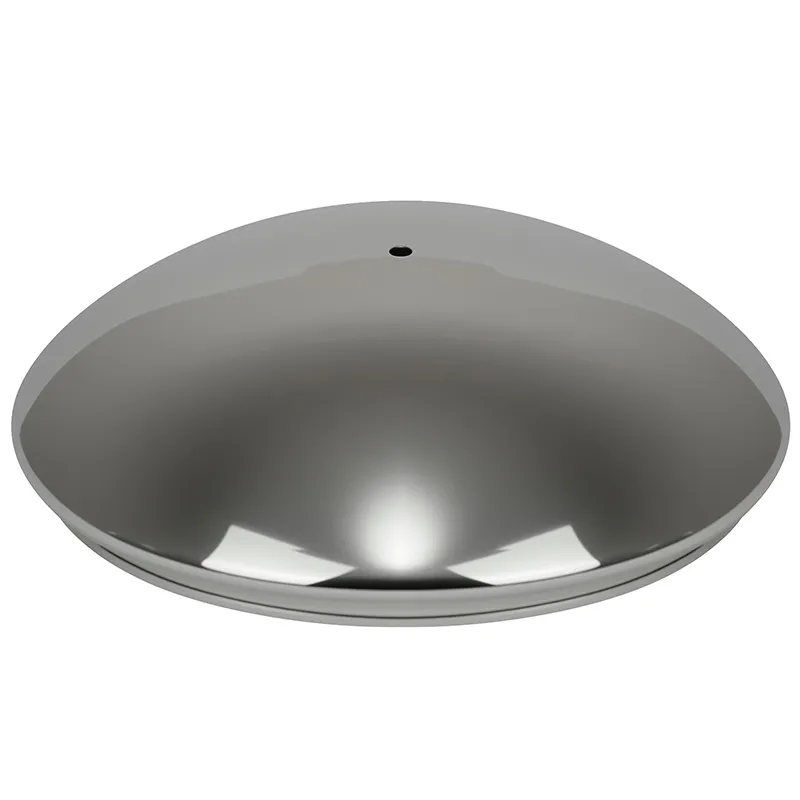
When you hear 'tempered glass cover manufacturer', most buyers immediately think of phone screen protectors. That's the first misconception. In the industrial and home goods space, it's a different world entirely. We're talking about components for appliances, heavy-duty lids for cookware, protective panels for equipment. The jump from a thin screen protector to a 4mm thick, handle-fitted glass lid for a stockpot is massive, and not every factory claiming to do 'tempered glass' can actually handle that transition. The tempering process itself, the edge work, the ability to consistently meet pressure and thermal shock standards—that's where the real manufacturing expertise separates from the marketing claims.
Defining the Product Scope and Core Challenges
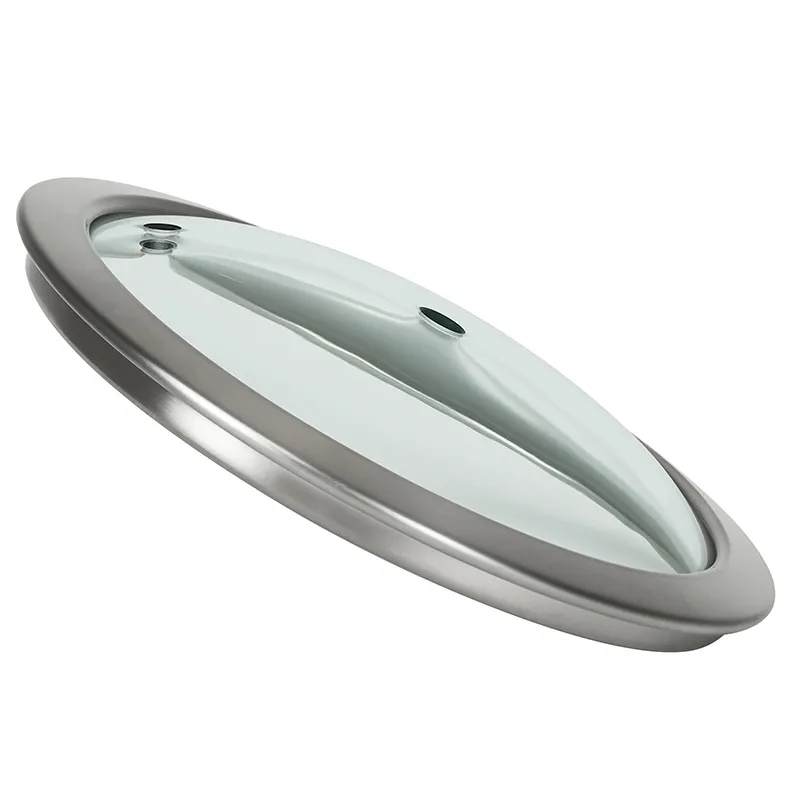
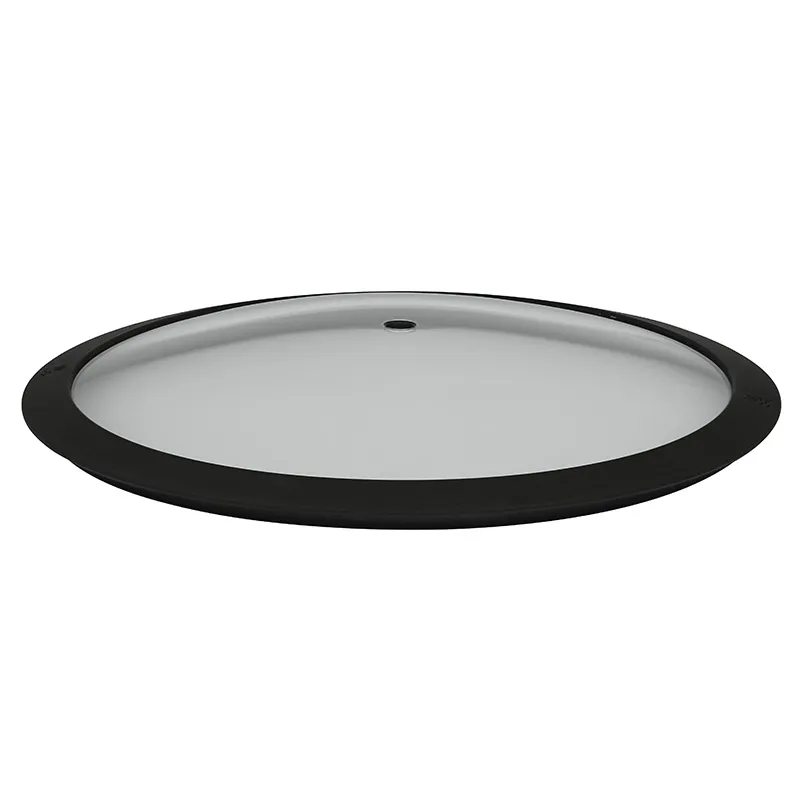
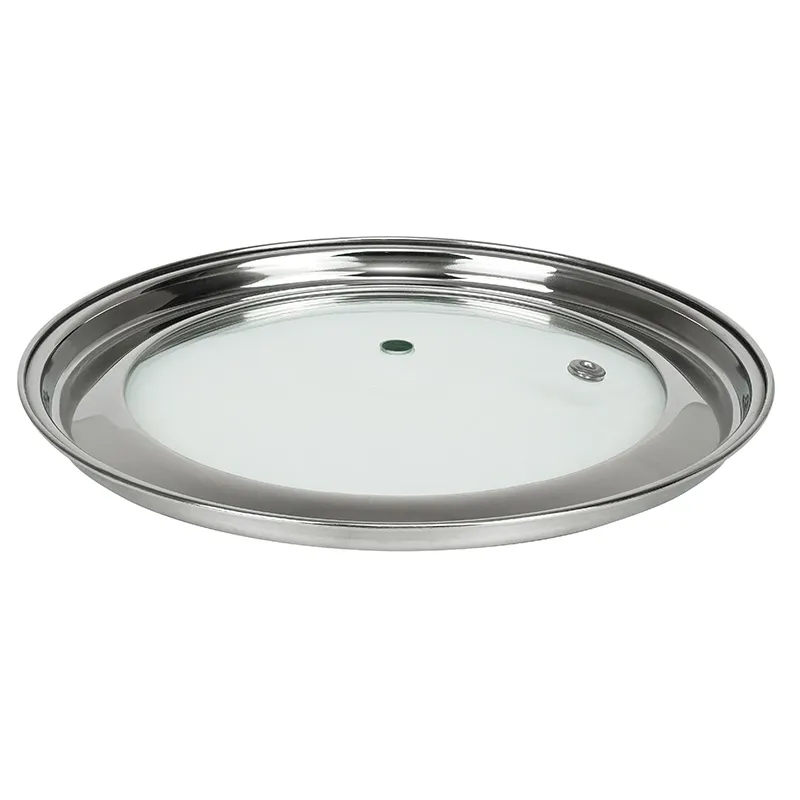
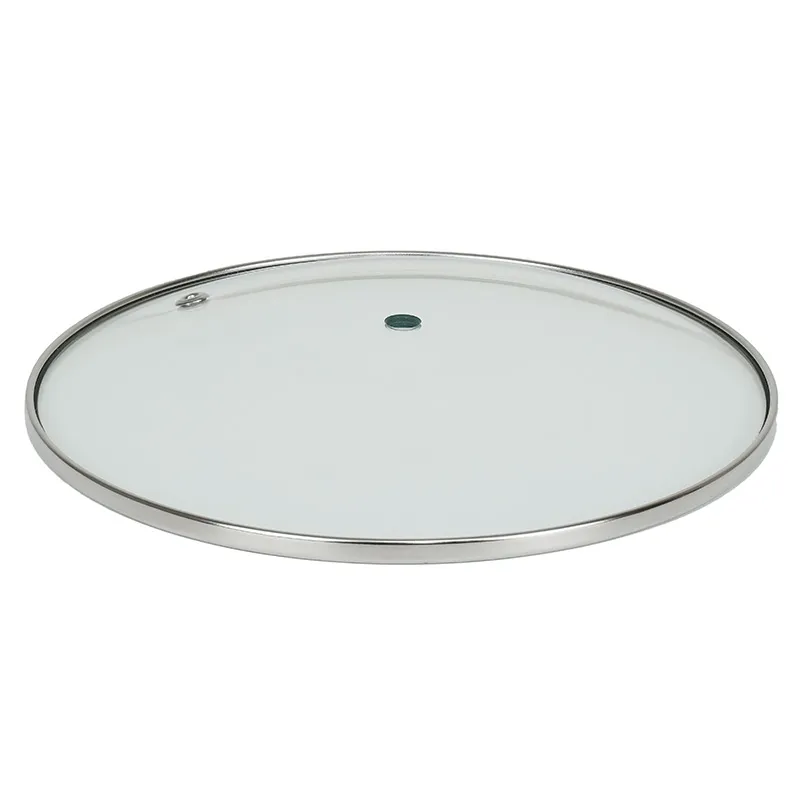
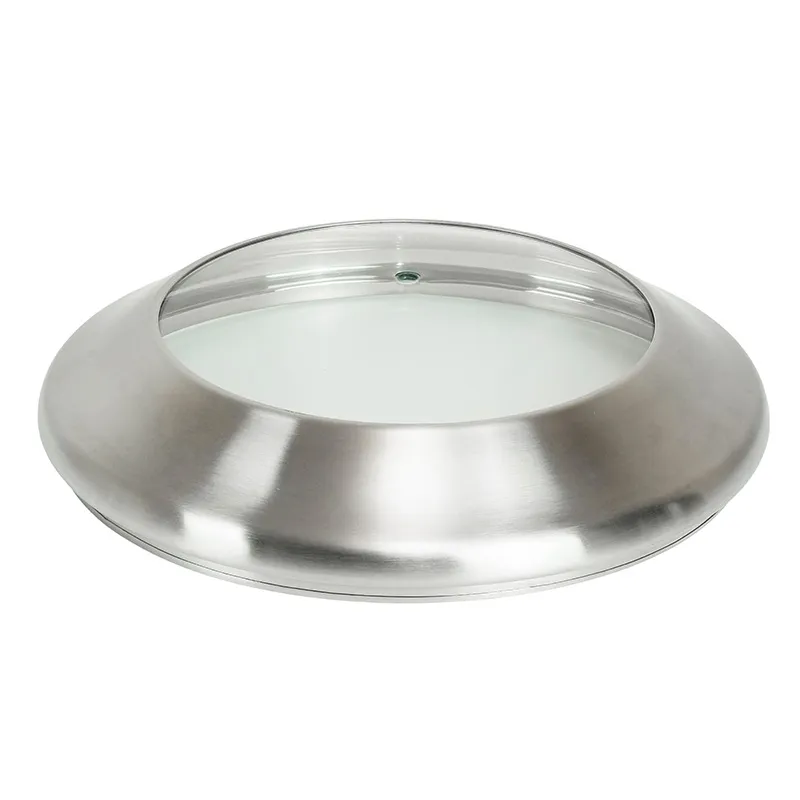
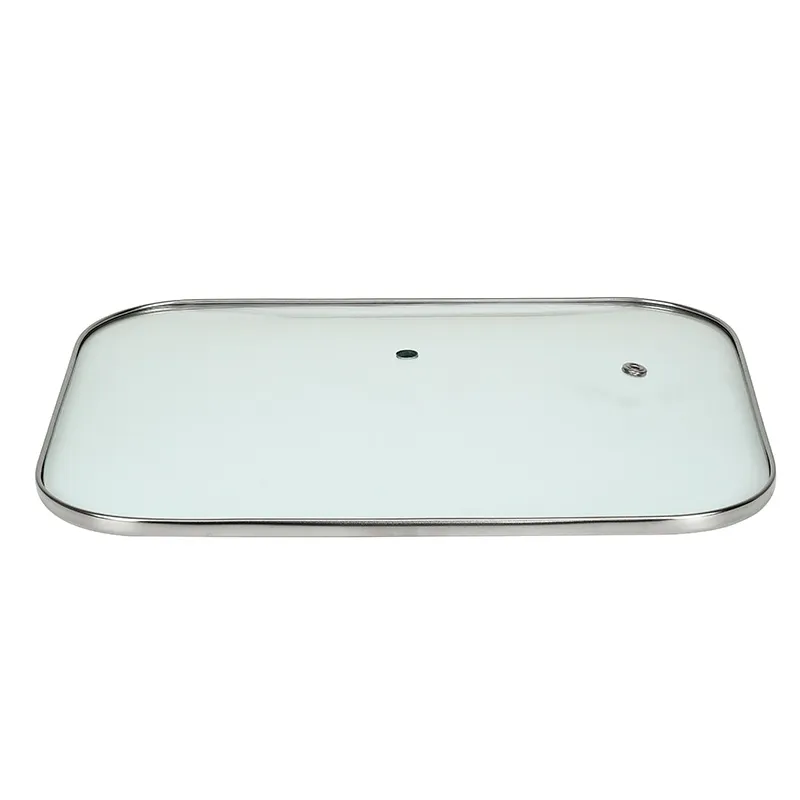
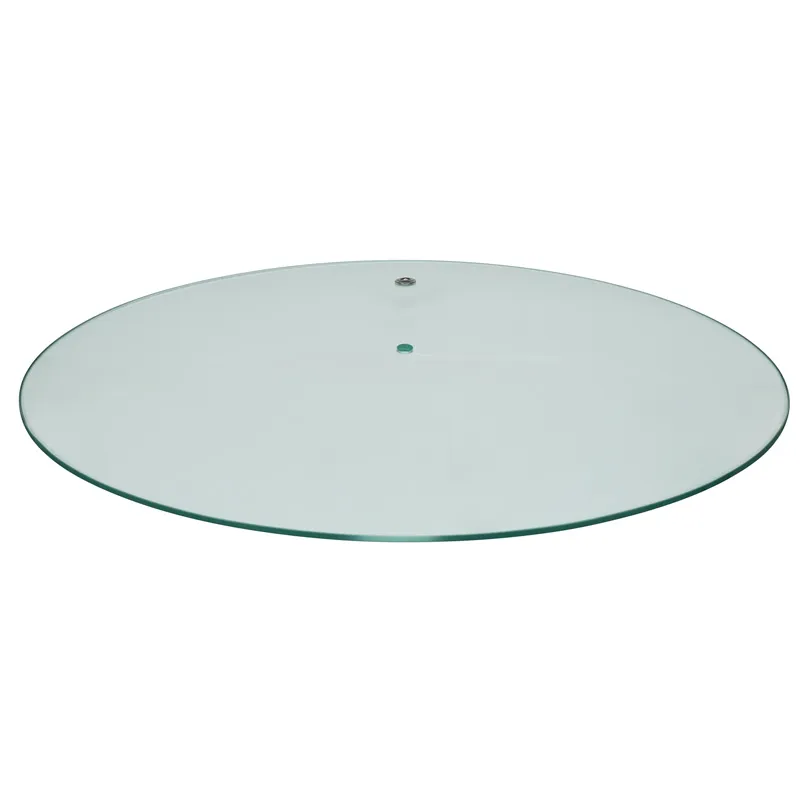
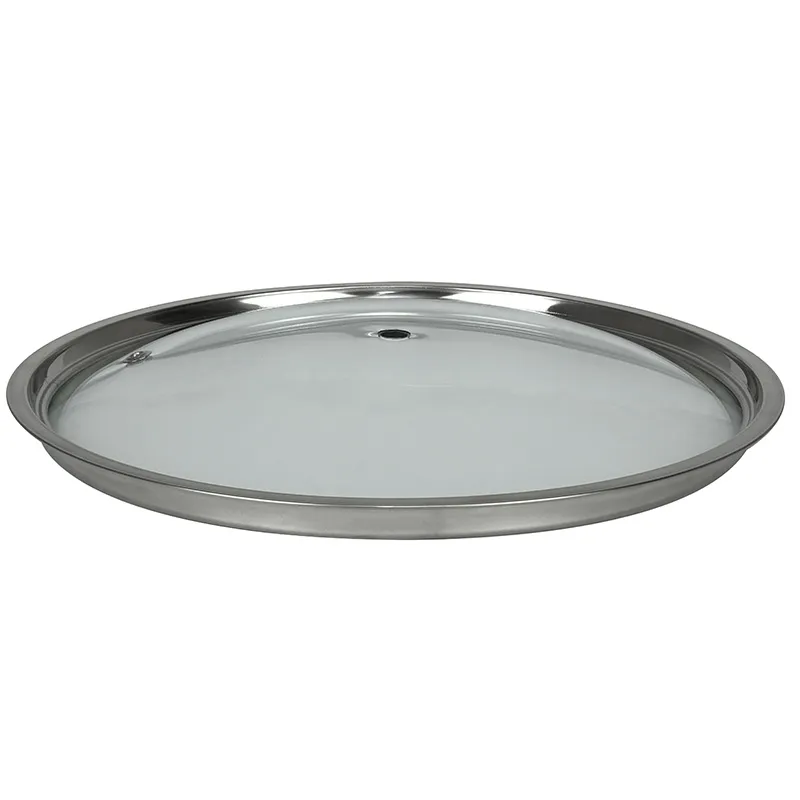
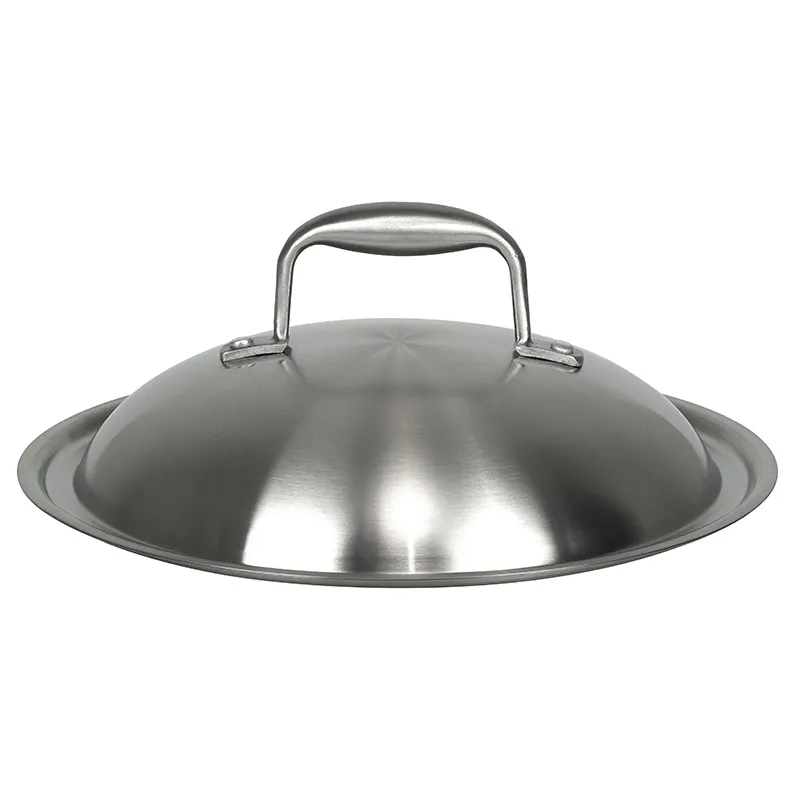
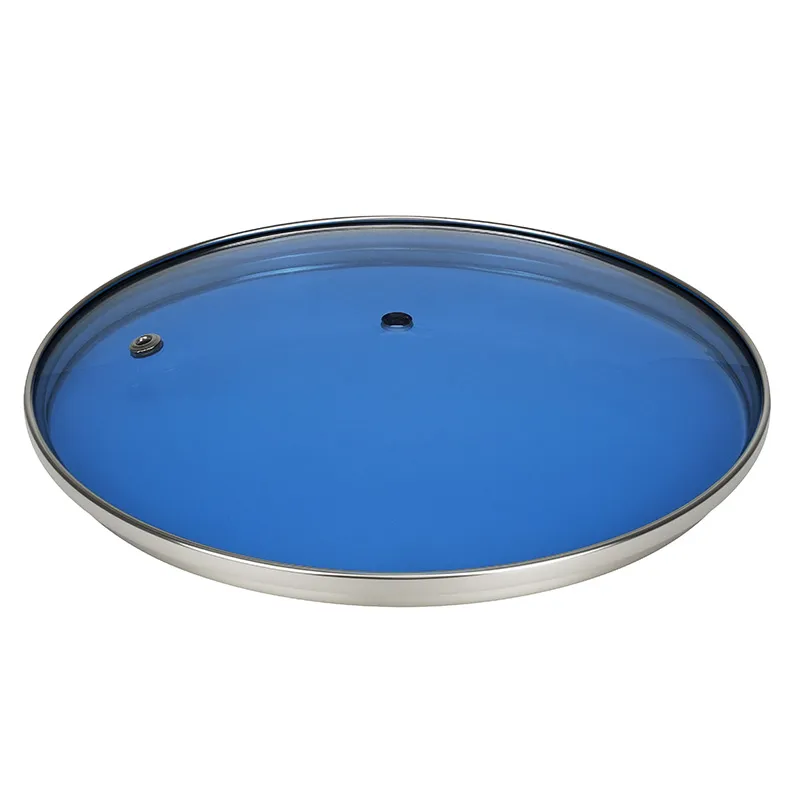
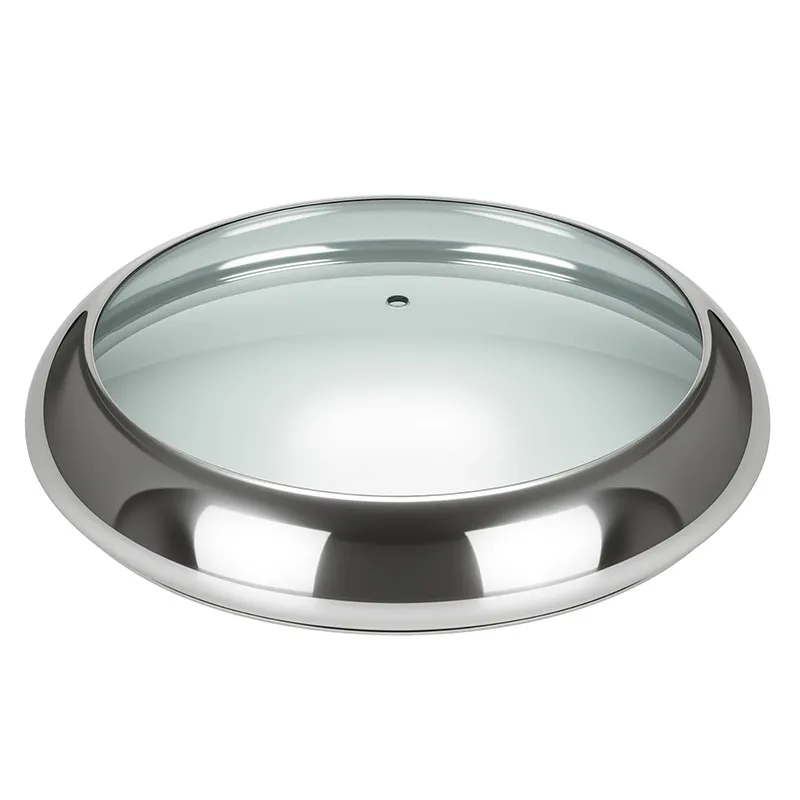
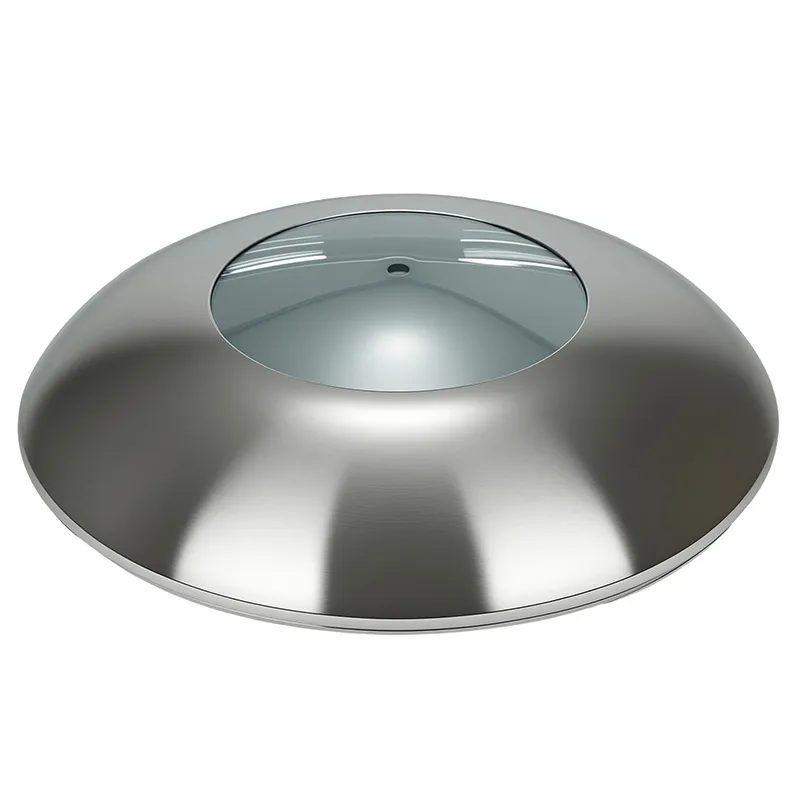
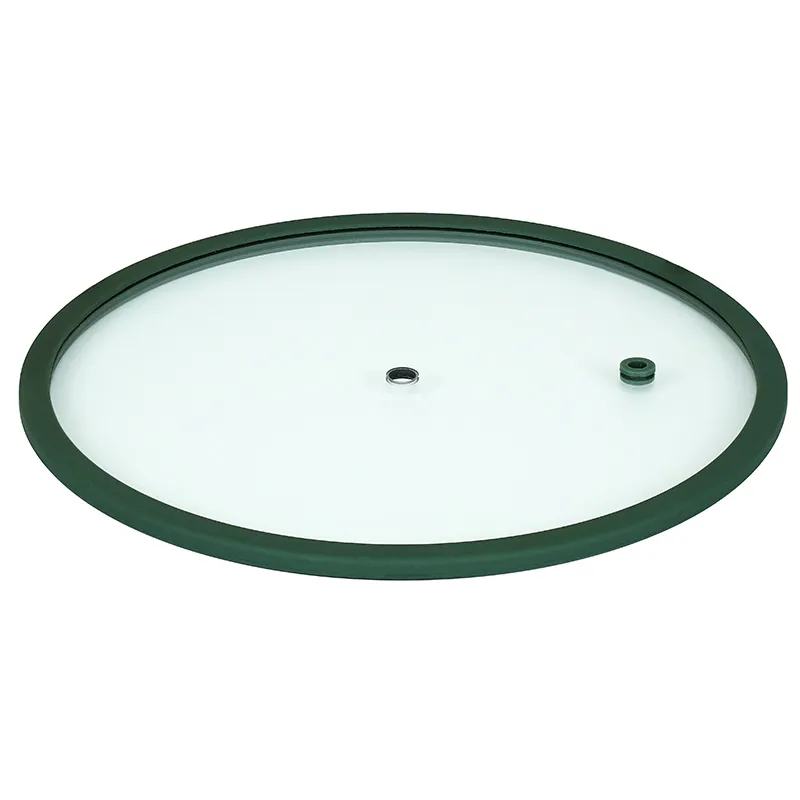
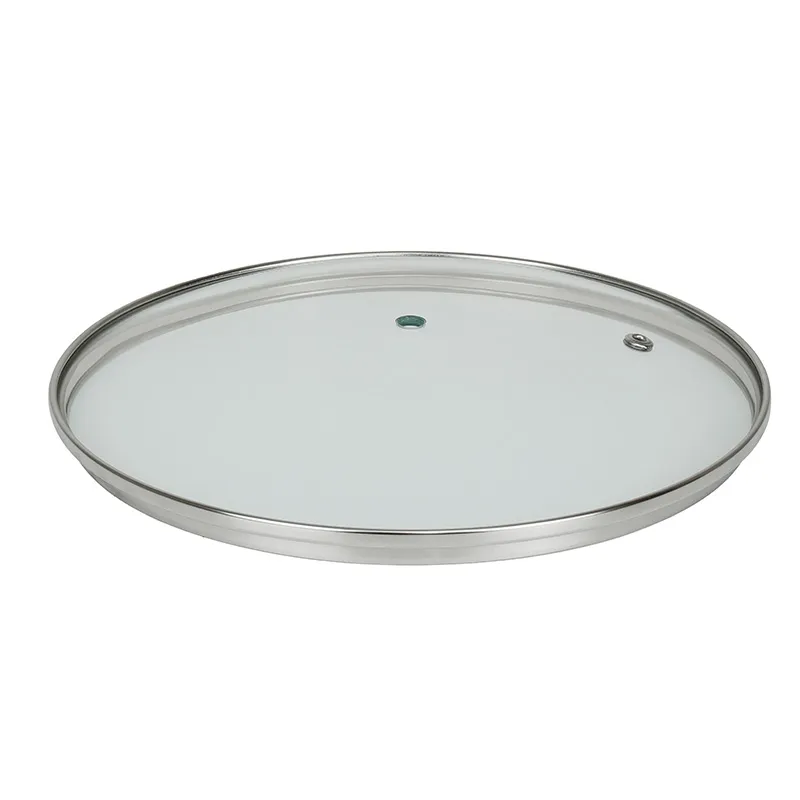
So, what are we actually manufacturing? A tempered glass cover, in my context, is a safety-critical component. It's not a commodity. For kitchenware, it's the lid you see on high-end pots and pans, often with a stainless steel rim or handle assembly. The core value is safety: it must withstand sudden temperature changes from freezer to stove, and if it does break, it should crumble into small, less hazardous pieces rather than sharp shards. That's the theory, anyway.
The practical challenge starts with the glass blank. Not all glass is equal. Sourcing consistent, high-quality clear or tinted glass sheets with minimal impurities is the first hurdle. A tiny bubble or stone inclusion becomes a stress point during tempering and will cause a blow-out in the furnace or a premature failure in the field. I've seen entire batches rejected because the raw material supplier had a bad run. You develop a paranoid eye for checking the raw blanks before they even go into cutting.
Then comes the cutting and edging. CNC cutting is standard now, but the edge finish is everything. A sharp, chipped edge is a guaranteed failure point. It needs a smooth, seamed finish—usually arced or flat polished—to distribute stress evenly. This is one detail cheaper operations skip, and it comes back to haunt them. I remember a client complaint where lids were cracking just from being placed on a cool granite countertop. Root cause? Microscopic edge flaws from rushed finishing. The tempering process can't fix bad prep work.
The Tempering Process: Where Theory Meets the Shop Floor
The furnace is the heart of it. Talking to a tempered glass cover manufacturer, you need to ask about their furnace's heating zones and quenching system. A uniform heat soak is critical. If the temperature across the glass sheet varies by even a few degrees during heating, the resulting stress pattern is uneven, leading to weak spots or spontaneous breakage later. The quench—the rapid cooling with high-pressure air nozzles—has to be perfectly symmetrical. Nozzle alignment is a daily check.
One of the biggest lessons came from a failed batch for a European client. The lids passed our standard impact tests but failed their more rigorous thermal cycling test. We traced it back to the furnace's cycle time. To increase output, the line manager had slightly reduced the heating soak time. The glass reached temperature, but not uniformly through its entire thickness. The result was a lid that would pass a casual inspection but would fracture under repeated thermal stress. It was a costly lesson in not cutting corners on the fundamental physics of the process.
Quality control here isn't just sampling. It's about process control. Monitoring furnace temperatures, conveyor speed, air pressure in real-time. The final product testing—impact tests, thermal shock tests—catches failures, but the real goal is to control the process so those failures are rare from the start. You develop a sense for it; the sound of the quench, the way the glass looks coming out of the furnace, it tells you if the run is good.
From Factory to Global Kitchen: The Supply Chain Reality
This is where a company's operational footprint matters. Take a firm like EUR-ASIA COOKWARE CO.,LTD. Their focus on household glass products, with a dedicated production base in Taian, speaks to a certain scale and specialization. An annual output of over 15 million pieces of various tempered glass lid types isn't a boutique operation; it's a volume player. Their stated export focus—over 90% to markets like Germany, Italy, Japan—immediately tells you something about the quality threshold. These are markets with stringent safety standards and retailers with tough QC protocols.
Managing that export volume is its own beast. Packaging for glass is not trivial. It's heavy, fragile, and needs to survive long sea freight journeys without micro-fractures caused by vibration. The packaging design, the internal partitioning, even the palletizing method, all have to be engineered. I've spent days with packaging suppliers just testing different corner protectors. A failure here means a container full of scrap glass arriving at a European warehouse.
Communication is another layer. When you're producing for a German brand's private label line, the specifications are exacting. Tolerances for thickness, radius of curvature, even the clarity and color tone are specified. The back-and-forth on technical drawings, sample approvals, and production quality reports requires a factory with a competent technical and commercial team. A manufacturer's website, like glass-lid.com, is often the first touchpoint, but the real test is in their responsiveness and clarity during this pre-production dialogue.
Assessing a Manufacturer: Beyond the Brochure
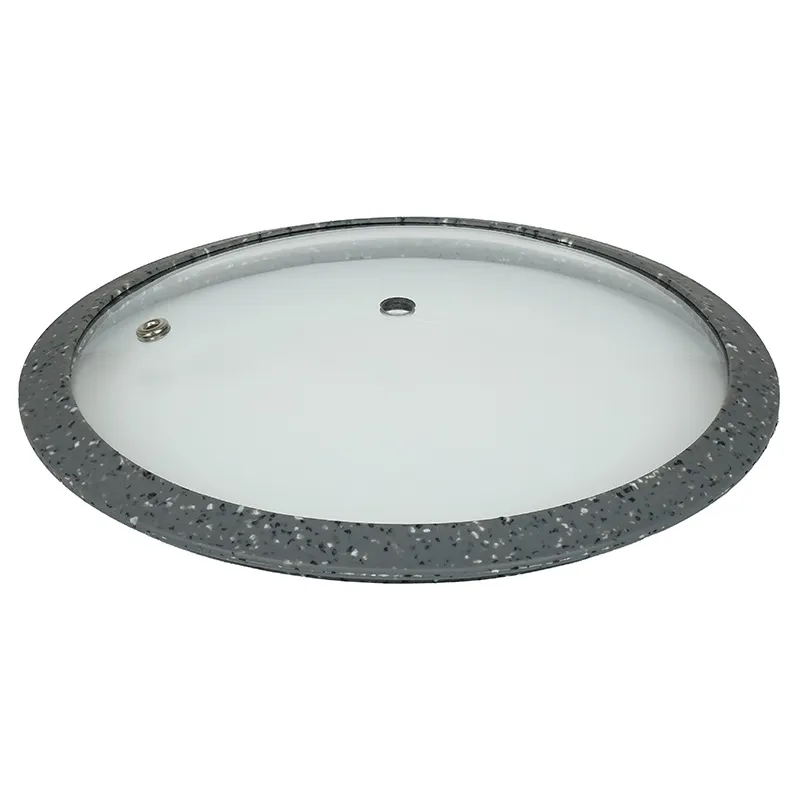
So how do you vet a tempered glass cover manufacturer? First, move past the generic capabilities sheet. Ask for process specifics. What's the thickness range they can reliably temper for lids? (3mm to 8mm is a good range). Can they do custom shapes with cut-outs for knobs or steam vents? What's their standard edge work? Ask about their failure rate—a realistic one, not a perfect one. Any honest factory has a statistical process control (SPC) chart they should be willing to discuss in general terms.
Request samples, but not just final approved ones. Ask for production run samples—pieces taken from a standard batch. Test them yourself. Do the thermal shock test: heat a lid in an oven to around 180°C, then place it on a damp, room-temperature cloth. A good lid will handle this repeatedly. Check the edges with your fingers. Look for consistency across multiple samples.
Finally, consider their vertical integration. A company like EUR-ASIA COOKWARE that specializes in household glass products likely has more control over the process from blank to packing. They might also handle secondary operations like silk-screen printing logos, attaching metal handles, or assembling with other cookware components. This control often translates to better consistency and accountability than a factory that outsources cutting or tempering.
The Evolving Landscape and Final Thoughts
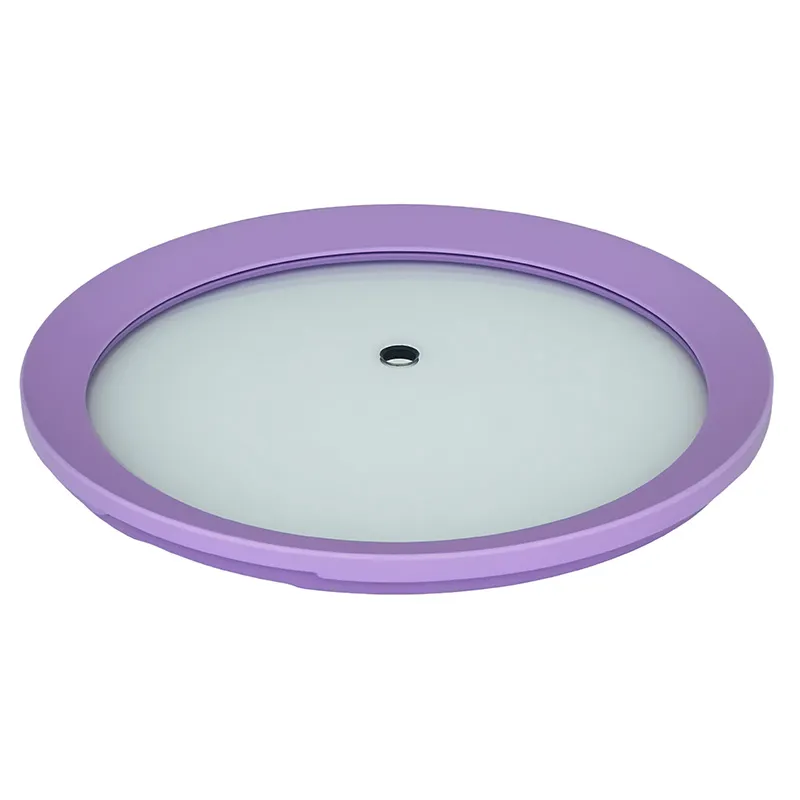
The market isn't static. Trends in kitchen design drive changes. The demand for colored glass (often through ceramic frit printing that gets fused during tempering), for lids that go from oven to table as serving pieces, for compatibility with induction cooking—all these require the manufacturer to adapt. It's not just about making a flat piece of strong glass anymore.
There's also the constant pressure on cost, but as the earlier failure story shows, you can't engineer out the core physics of tempering. The smart manufacturers compete on efficiency, yield, and value-added services like design support or reliable logistics, not on shaving critical seconds off the furnace cycle.
In the end, finding a reliable partner for tempered glass cover manufacturing comes down to digging into the gritty details of their process and their track record. It's about seeing past the glossy brochure and understanding the daily challenges on their production floor—the furnace maintenance, the QC checks, the packaging line. The manufacturers that last, the ones supplying demanding markets in Europe and Asia, are the ones who have internalized that quality is built into the process, not just inspected into the final product. It's a hands-on, detail-obsessed business, far removed from the world of simple screen protectors.
Related Products
Related Products