- Chinese
- French
- German
- Portuguese
- Spanish
- Russian
- Japanese
- Korean
- Arabic
- Irish
- Greek
- Turkish
- Italian
- Danish
- Romanian
- Indonesian
- Czech
- Afrikaans
- Swedish
- Polish
- Basque
- Catalan
- Esperanto
- Hindi
- Lao
- Albanian
- Amharic
- Armenian
- Azerbaijani
- Belarusian
- Bengali
- Bosnian
- Bulgarian
- Cebuano
- Chichewa
- Corsican
- Croatian
- Dutch
- Estonian
- Filipino
- Finnish
- Frisian
- Galician
- Georgian
- Gujarati
- Haitian
- Hausa
- Hawaiian
- Hebrew
- Hmong
- Hungarian
- Icelandic
- Igbo
- Javanese
- Kannada
- Kazakh
- Khmer
- Kurdish
- Kyrgyz
- Latin
- Latvian
- Lithuanian
- Luxembou..
- Macedonian
- Malagasy
- Malay
- Malayalam
- Maltese
- Maori
- Marathi
- Mongolian
- Burmese
- Nepali
- Norwegian
- Pashto
- Persian
- Punjabi
- Serbian
- Sesotho
- Sinhala
- Slovak
- Slovenian
- Somali
- Samoan
- Scots Gaelic
- Shona
- Sindhi
- Sundanese
- Swahili
- Tajik
- Tamil
- Telugu
- Thai
- Ukrainian
- Urdu
- Uzbek
- Vietnamese
- Welsh
- Xhosa
- Yiddish
- Yoruba
- Zulu
- Kinyarwanda
- Tatar
- Oriya
- Turkmen
- Uyghur


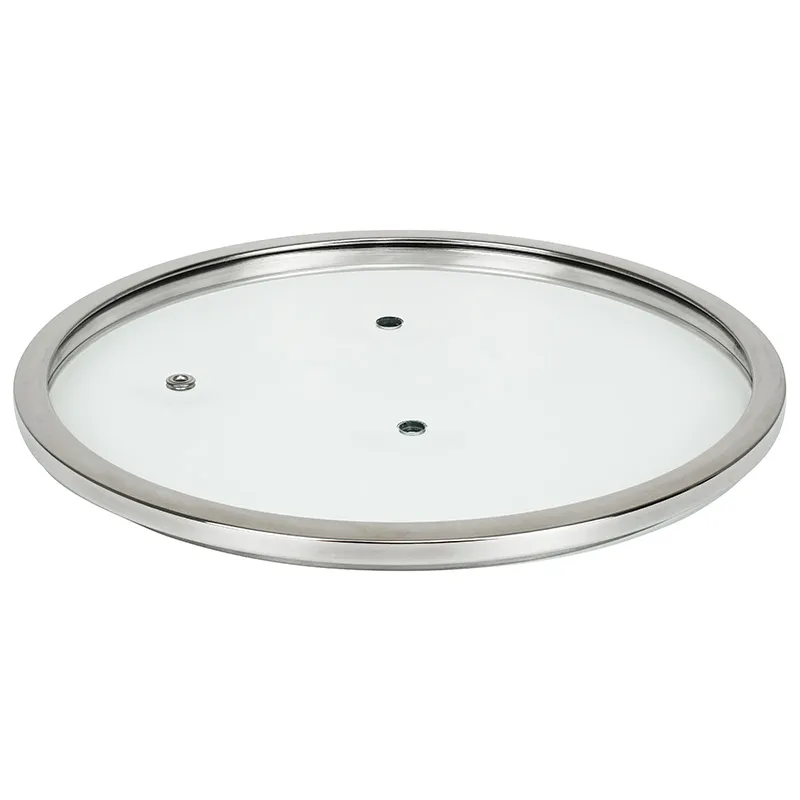
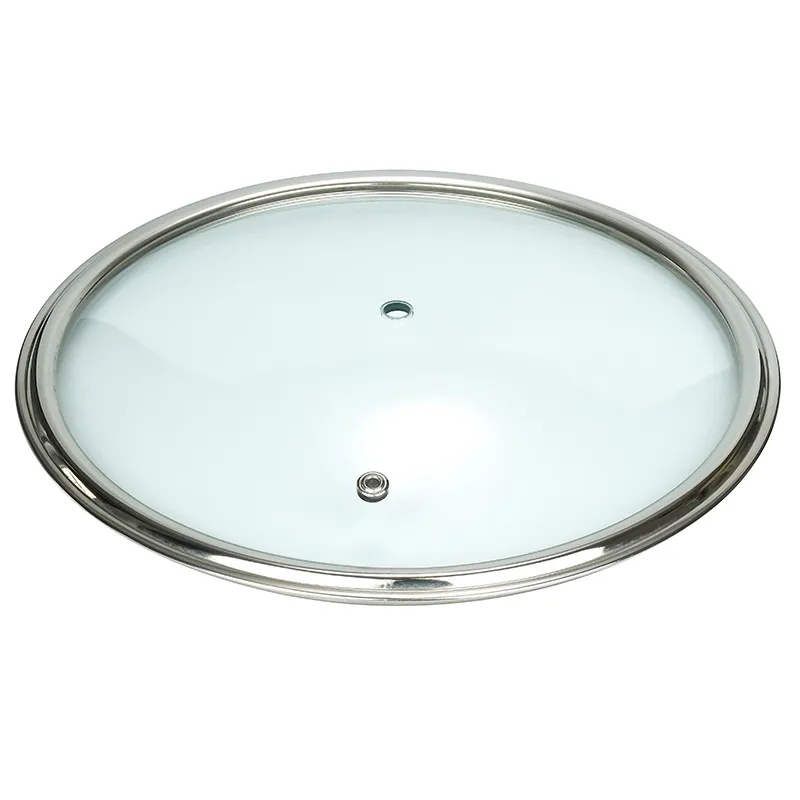
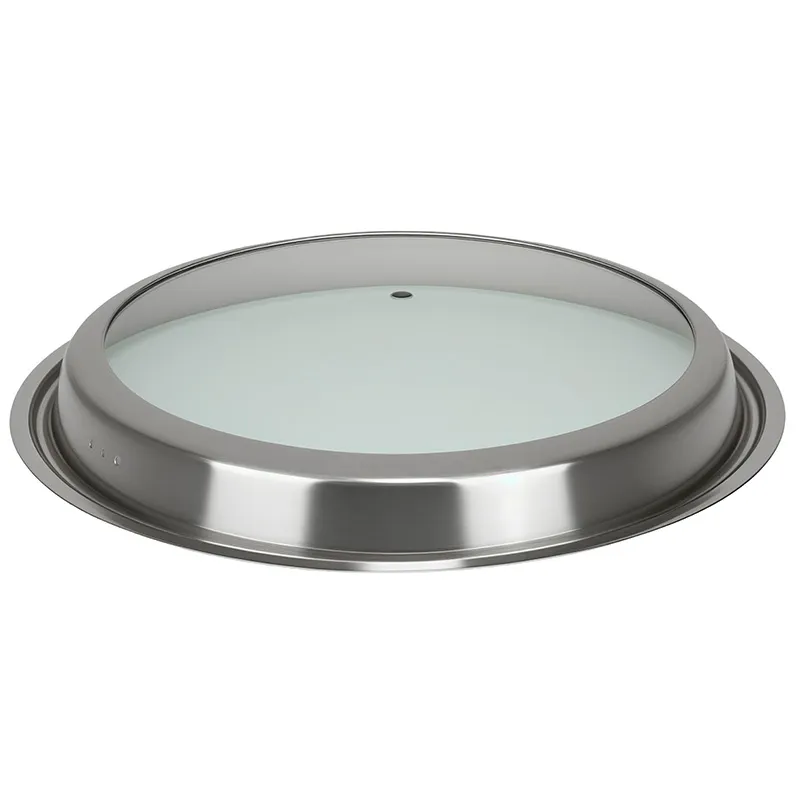
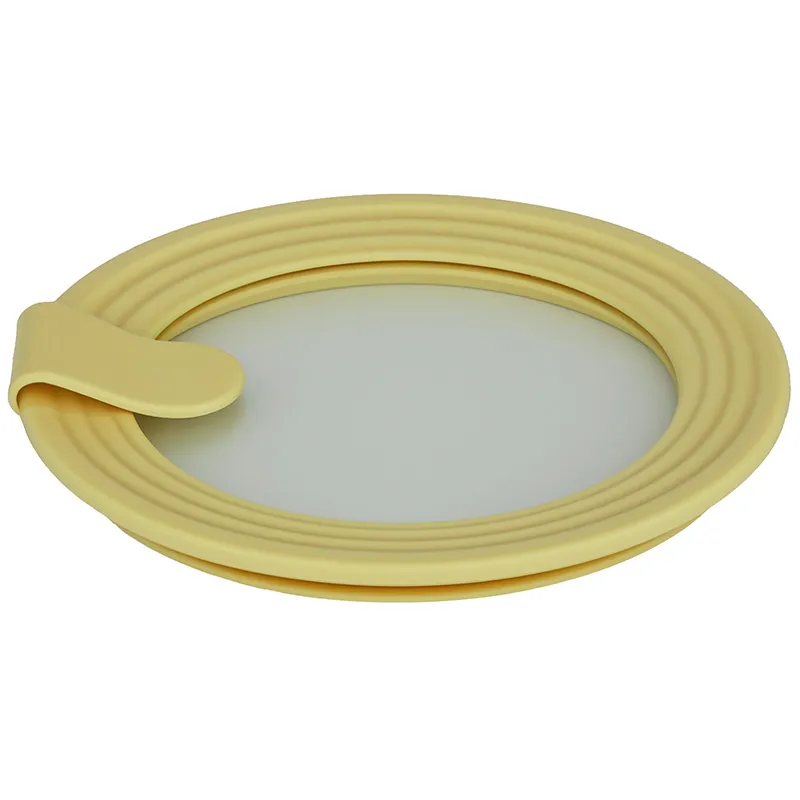
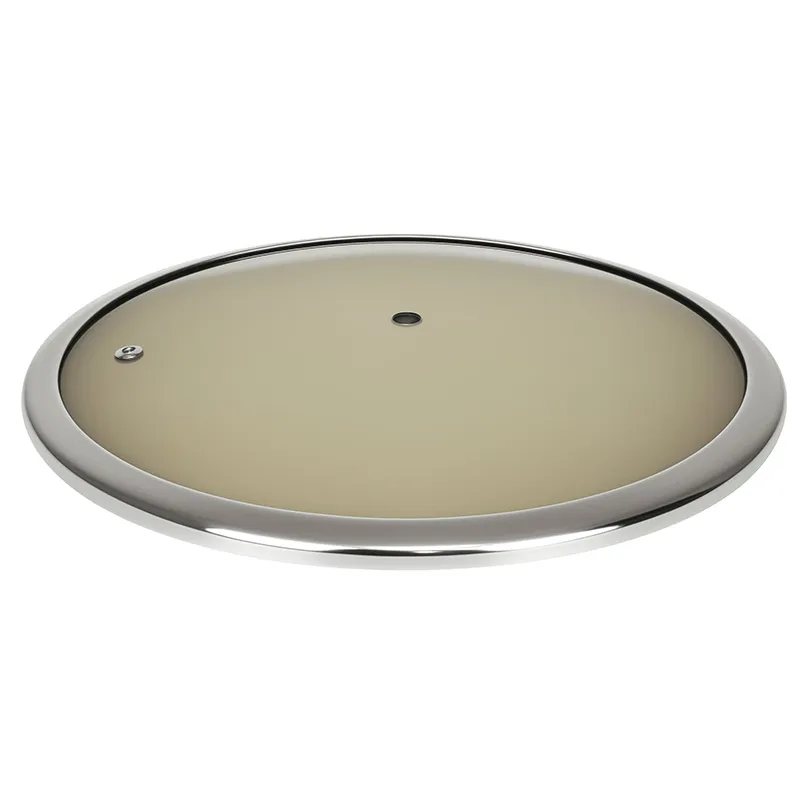
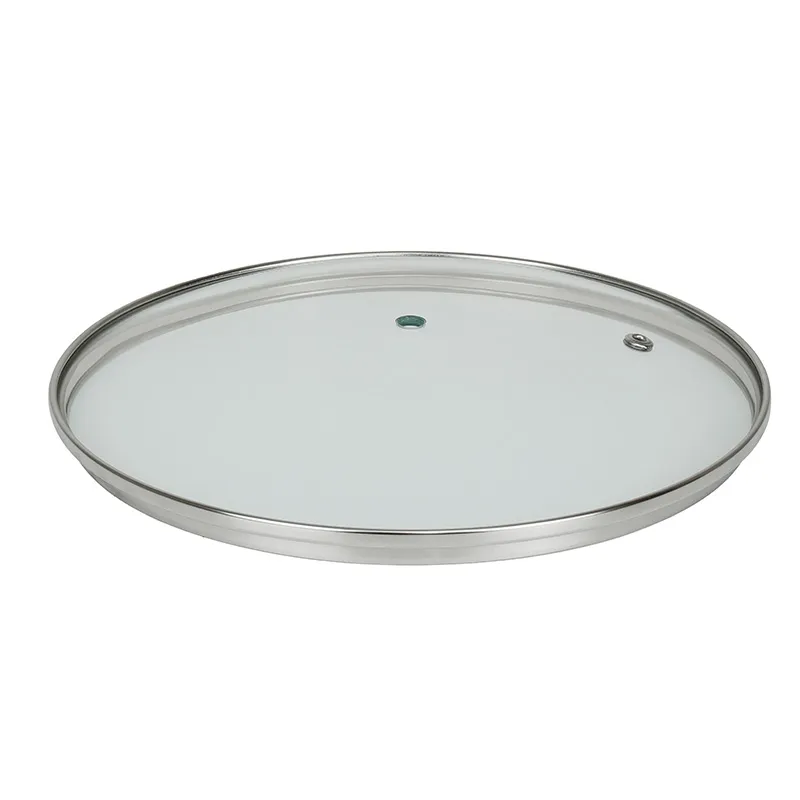
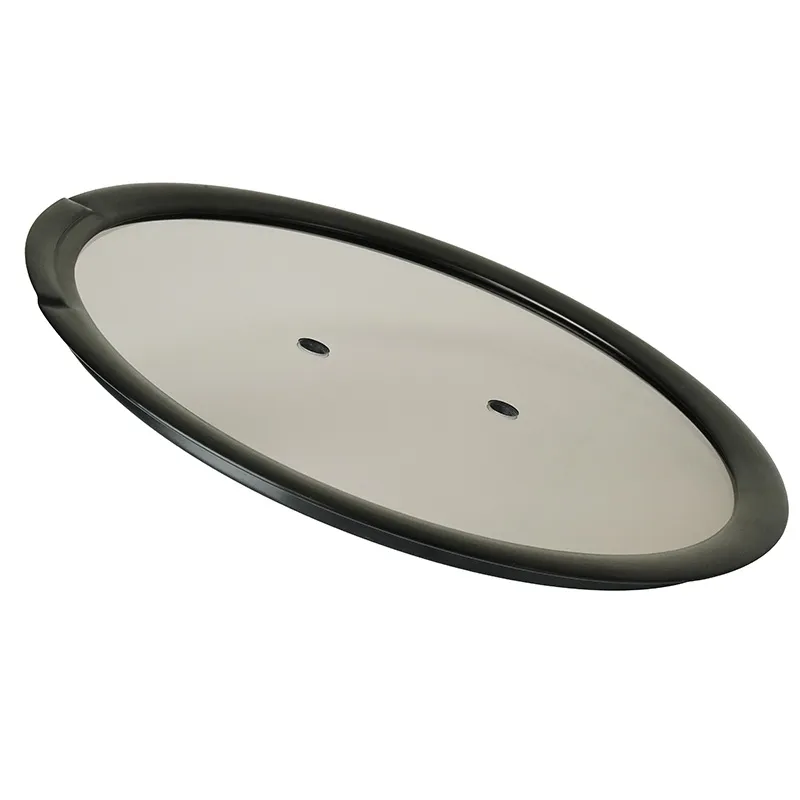
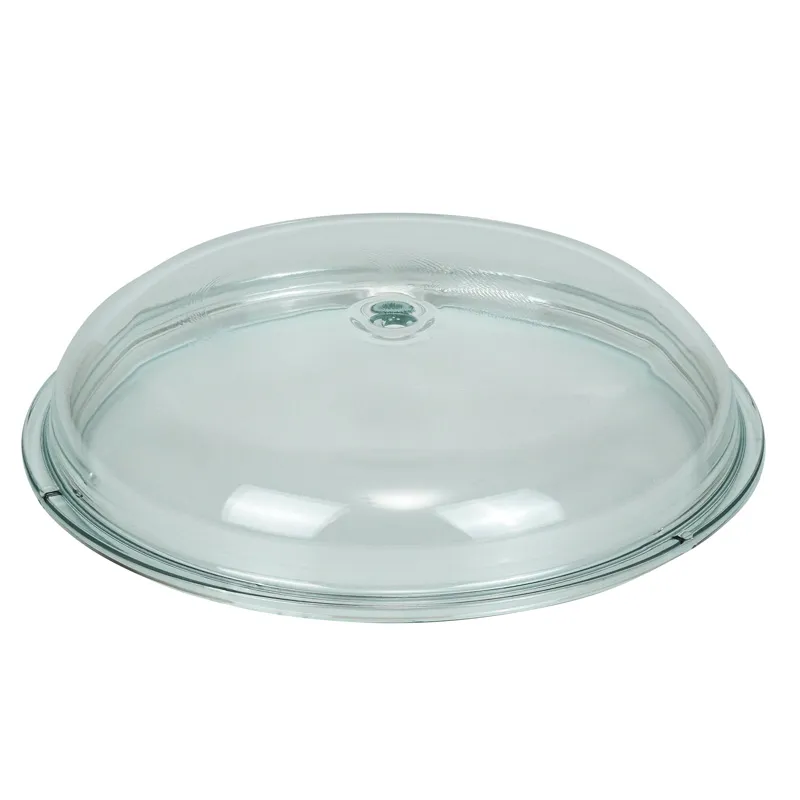
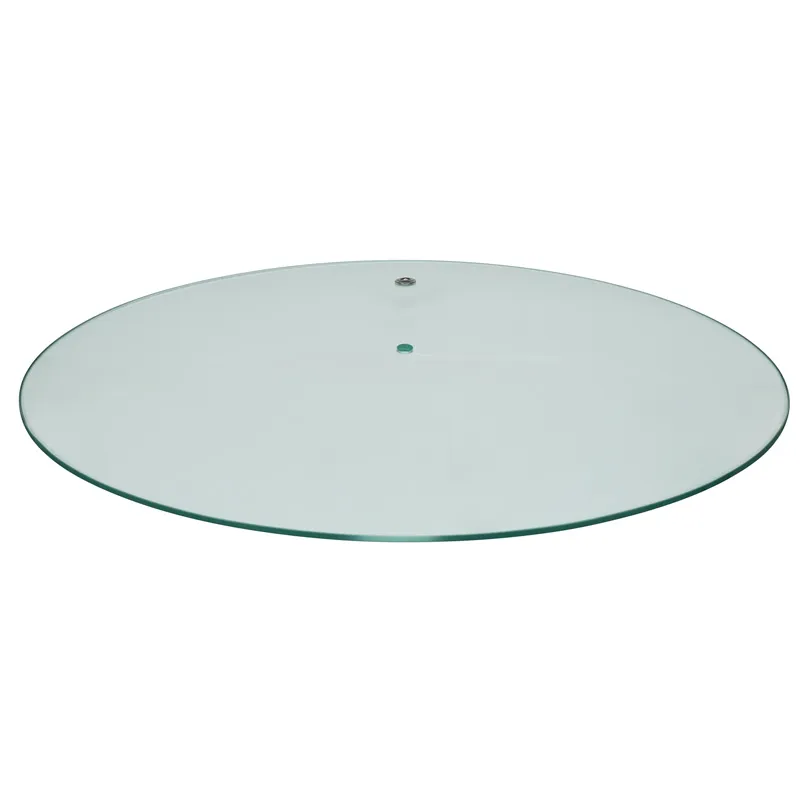
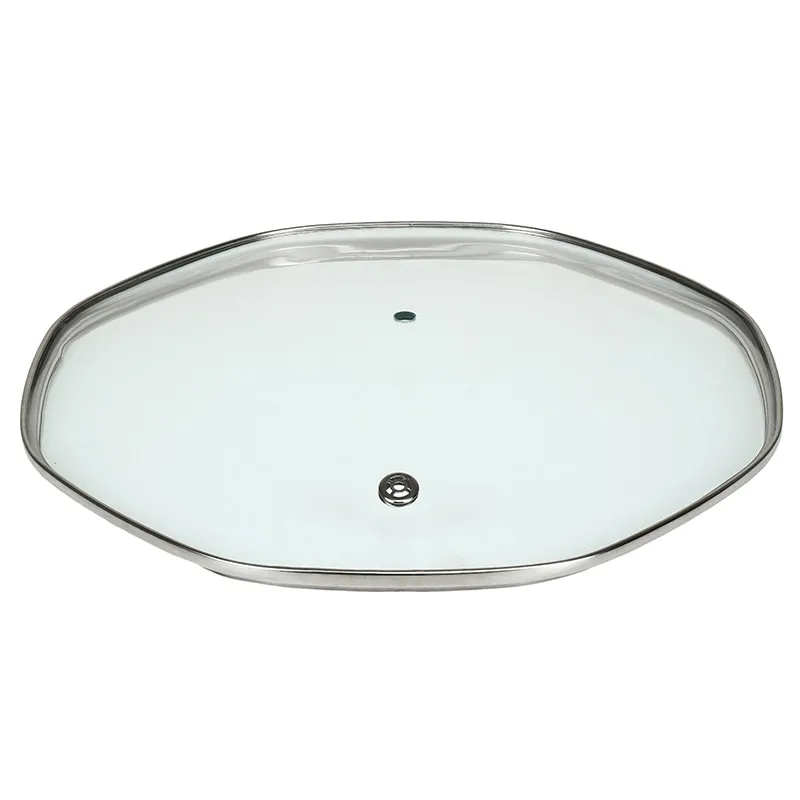
tempered glass cover manufacturer in China
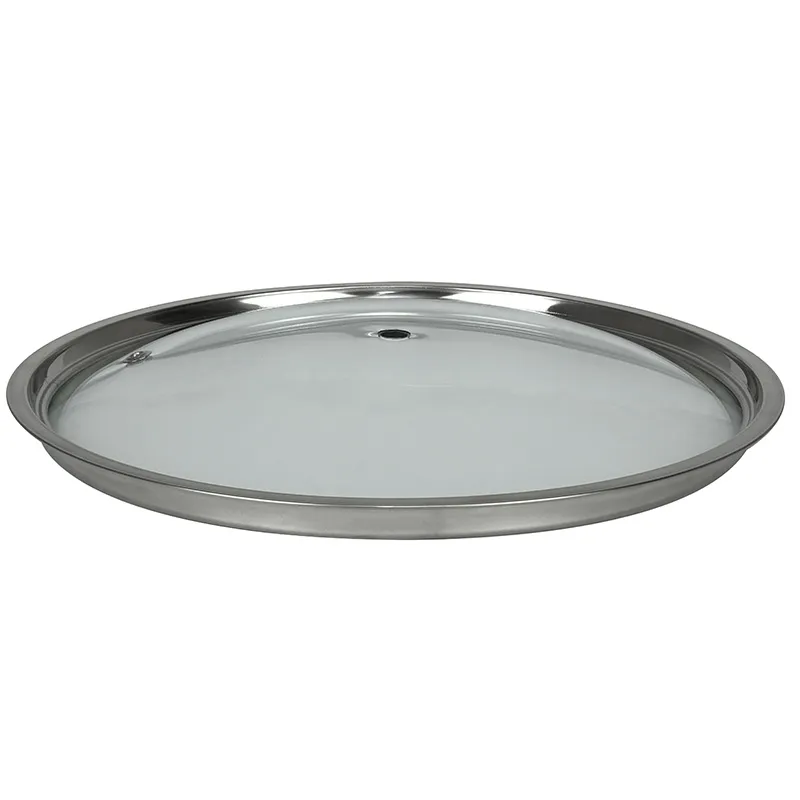
When you type 'tempered glass cover manufacturer in China' into a search bar, you're not just looking for a supplier list. You're likely trying to pierce through a fog of generic Alibaba profiles and glossy, unconvincing websites to find a partner who actually understands the nuances of tempered glass for applications like cookware lids. The common pitfall is equating low price with capability, but in this field, the real cost is in the consistency of the tempering process and the precision of the edgework. I've seen buyers get burned by glass that chips prematurely or has stress marks because they chased a per-unit saving of five cents. The manufacturing hub isn't monolithic either; it clusters in places like Guangdong for electronics-grade glass and Shandong for heavier, kitchen-oriented products. That regional specialization matters more than most sourcing guides let on.
The Core of Capability: It's About the Kiln, Not Just the Claim
Any factory can claim to be a tempered glass cover manufacturer. The proof is in the thermal cycle. A proper tempering line for glass lids isn't the same as one for building facades. The curvature, the thickness variation (if it's a domed lid), and the requirement for optical clarity post-temping demand a specific setup. I remember visiting a plant where they were running 3mm soda-lime glass for lids. The manager was proud of their quenching system, but upon closer inspection, the rollers had minor imperfections, leading to barely visible roller-wave distortions on the glass surface. For a standard pot lid, maybe acceptable. For a high-end brand? A reject. This is the granular detail you miss in email exchanges.
That's why a company's location and stated focus are immediate filters. Take EUR-ASIA COOKWARE CO.,LTD. Their base in Taian, Shandong, is telling. Shandong has a deep industrial ecosystem for kitchenware and glass. Their stated specialization in household glass products, with an annual output of over 15 million pieces of tempered glass lid and related items, points to volume capability. But volume alone isn't a quality indicator. The fact that over 90% is exported to European markets like Germany, Italy, and France is a stronger signal. Those markets have stringent standards for material safety and thermal shock resistance. A factory consistently serving them has likely navigated a slew of compliance checks.
Their website, https://www.glass-lid.com, is functionally straightforward—it's a product catalog more than a marketing masterpiece. In my experience, factories with overly slick sites sometimes outsource their core production. A site that directly showcases their production base, floor area (20,000㎡ here), and specific product arrays (low to high level, as they mention) often has more integrated control. It's a subtle cue, but a real one. They're showing you their asset: the facility.
Beyond the Sample: The Realities of Consistency and Communication
Getting a perfect prototype sample is the easy part. The real test for a manufacturer in China is batch 7, or batch 15. Does the edge grinding finish remain consistent? Does the tempering strength hold across different colors of glass (as tints can absorb heat differently)? I had a project once where the initial samples were flawless, but mid-way through a 50,000-piece order, we started seeing a higher incidence of edge chips. The root cause was traced back to a new batch of raw glass sheets from a secondary supplier the factory quietly switched to. The lesson: audit the raw material source, not just the final process.
Communication on tolerances is another minefield. A ±0.5mm tolerance on diameter might be fine for a stock lid, but if you're designing a lid that must sit flush within a metal rim, that tolerance might need to be halved. Not every factory will push back on an unrealistic spec; some will just take the order and then you're stuck with non-conforming goods. A capable manufacturer will have engineering feedback. From EUR-ASIA's description, producing for a range from low to high level suggests they might have the flexibility to handle tighter specs, but it's a conversation that needs to happen at the technical drawing stage, not after production starts.
Their employee count of 90+ for that output volume suggests a degree of automation. Fully manual lines struggle with that scale. Automation in glass cutting and edging improves consistency. However, final inspection for inclusions, bubbles, and stress patterns is still heavily reliant on human eyes. Asking about their QC station setup and AQL standards is a must. Do they do 100% thermal shock testing on a sampling basis? It's a simple test—heating the lid and then quenching it in cold water—but it separates the serious players from the rest.
The Export Signal and Navigating Customization
The export footprint mentioned—Germany, Russia, Japan, Brazil—isn't just a boast. It's a practical log of their experience with different market norms. Glass for the German market likely follows LFGB or similar food contact standards. For Japan, it might be different. A factory managing this diversity has presumably handled various documentation, testing, and packaging requirements. This is invaluable for a buyer who doesn't want to hand-hold a manufacturer through basic export compliance.
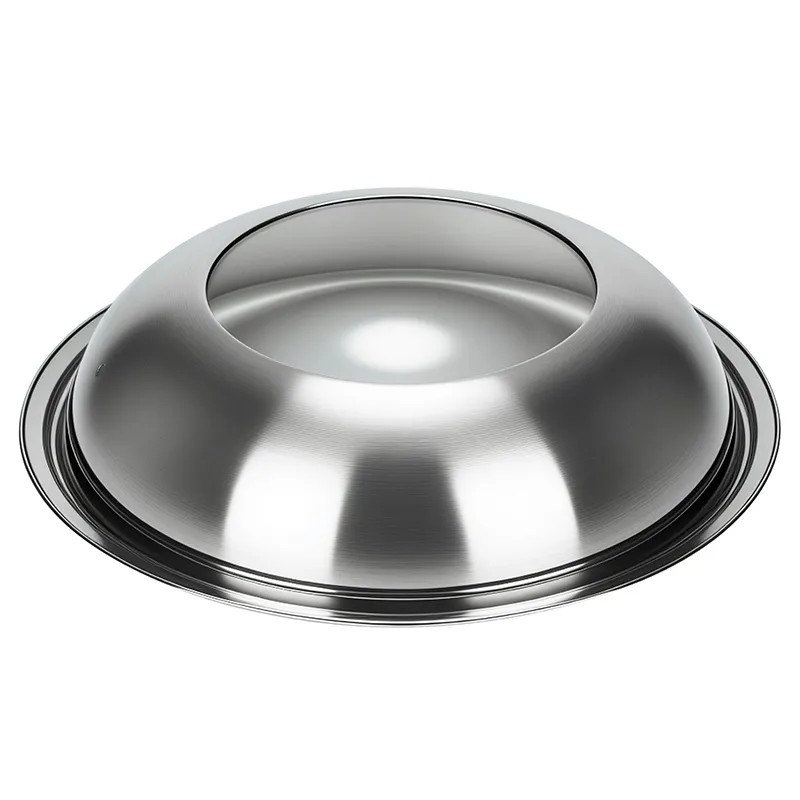
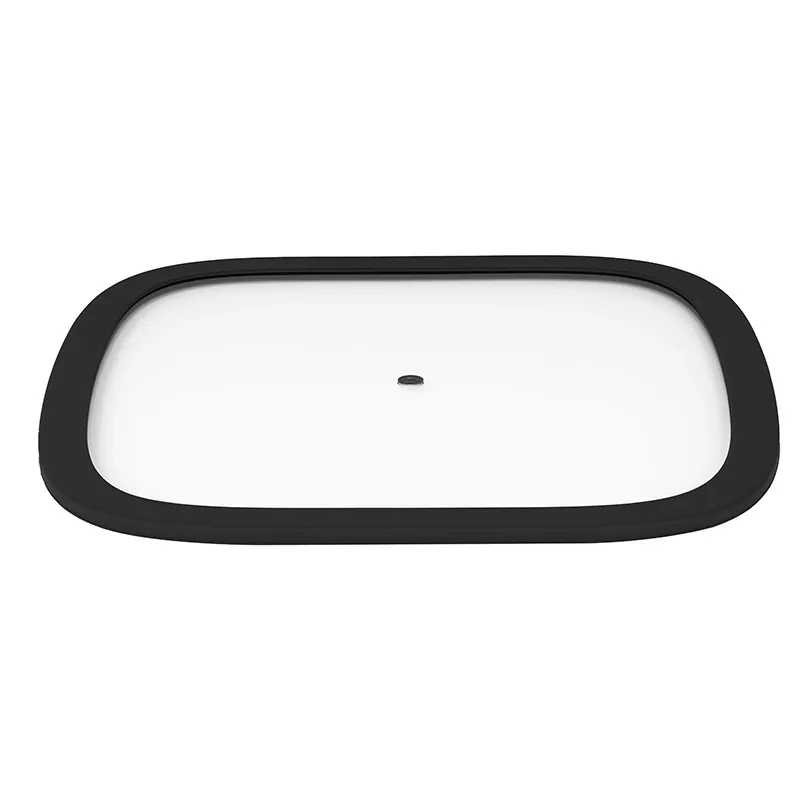
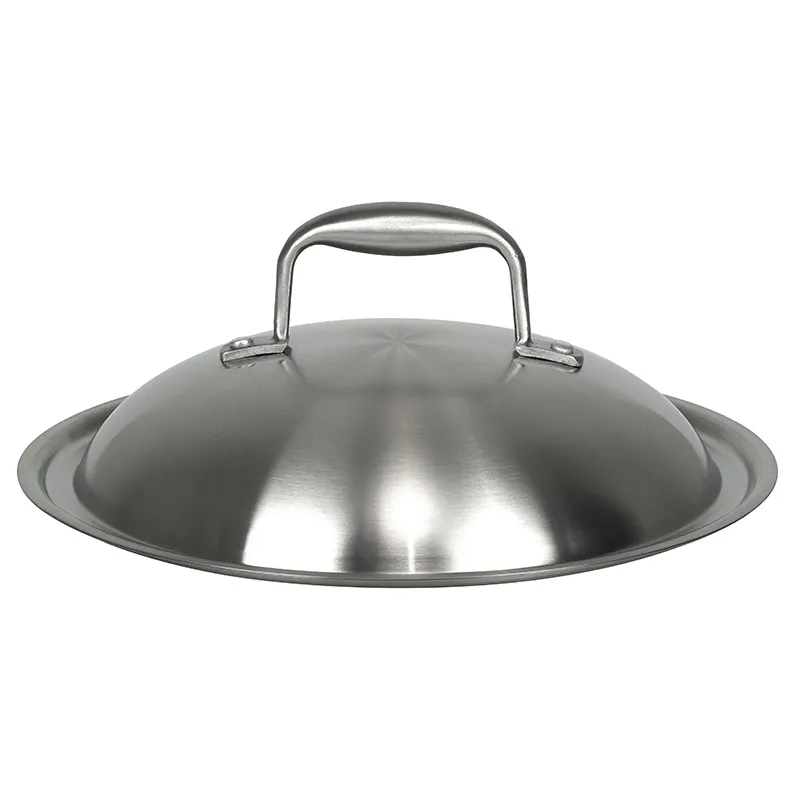
Customization is where many mid-sized Chinese manufacturers shine or stumble. For a tempered glass cover manufacturer, customization isn't just printing a logo. It's about handle attachment methods (metal clamp-on, plastic screw-on, silicone), special edge profiles, or even integrated steam vents. EUR-ASIA's product line of other kitchen accessories hints at this peripheral capability. They might source or produce the handle assemblies in-house, which simplifies logistics. The key question is their MOQ for custom designs. For a complex, custom-shaped lid with a unique handle, the MOQ could be 5,000 to 10,000 pieces to justify the mold and jig costs. For a standard shape with a printed design, it could be much lower.
One often-overlooked aspect is packaging. A tempered glass lid is fragile until it's in the consumer's hands. Inadequate carton strength or poor internal partitioning can lead to a disaster upon arrival. Their experience in long-distance exports to Europe and South America suggests they've solved this, but it's worth specifying your own packaging drop-test standards. Don't assume.
Practical Steps and Concluding Thoughts
So, how do you move from a keyword search to a viable partner? First, use the geographic clue. A factory in Shandong specializing in household glass is a more targeted start than a generic search. A site like https://www.glass-lid.com gives you a base to evaluate. Your first contact shouldn't just be about price. Send a detailed RFQ with material specs (soda-lime or borosilicate?), dimensional drawings with tolerances, target markets (for compliance), and required certifications. Their response will tell you volumes. Do they ask clarifying questions about the application or the thermal cycle it needs to withstand?
If possible, a factory audit is irreplaceable. Seeing the tempering kiln, the edging lines, and the QC process in person answers a hundred emails' worth of questions. For a volume order, it's a necessary cost. If an audit isn't feasible, request a video walkthrough of a specific production line for lids. A reputable factory will usually comply.
In the end, finding a reliable tempered glass cover manufacturer in China is about matching your specific technical and commercial needs to a factory's proven process and client history. It's less about finding the cheapest and more about finding the most predictably competent. Companies that detail their scale, export focus, and specialization, like the example here, provide a solid starting point for that deeper due diligence. The goal is to turn that search query into a stable, long-term supply chain asset, not just a one-off purchase.
Related Products
Related Products