- Chinese
- French
- German
- Portuguese
- Spanish
- Russian
- Japanese
- Korean
- Arabic
- Irish
- Greek
- Turkish
- Italian
- Danish
- Romanian
- Indonesian
- Czech
- Afrikaans
- Swedish
- Polish
- Basque
- Catalan
- Esperanto
- Hindi
- Lao
- Albanian
- Amharic
- Armenian
- Azerbaijani
- Belarusian
- Bengali
- Bosnian
- Bulgarian
- Cebuano
- Chichewa
- Corsican
- Croatian
- Dutch
- Estonian
- Filipino
- Finnish
- Frisian
- Galician
- Georgian
- Gujarati
- Haitian
- Hausa
- Hawaiian
- Hebrew
- Hmong
- Hungarian
- Icelandic
- Igbo
- Javanese
- Kannada
- Kazakh
- Khmer
- Kurdish
- Kyrgyz
- Latin
- Latvian
- Lithuanian
- Luxembou..
- Macedonian
- Malagasy
- Malay
- Malayalam
- Maltese
- Maori
- Marathi
- Mongolian
- Burmese
- Nepali
- Norwegian
- Pashto
- Persian
- Punjabi
- Serbian
- Sesotho
- Sinhala
- Slovak
- Slovenian
- Somali
- Samoan
- Scots Gaelic
- Shona
- Sindhi
- Sundanese
- Swahili
- Tajik
- Tamil
- Telugu
- Thai
- Ukrainian
- Urdu
- Uzbek
- Vietnamese
- Welsh
- Xhosa
- Yiddish
- Yoruba
- Zulu
- Kinyarwanda
- Tatar
- Oriya
- Turkmen
- Uyghur

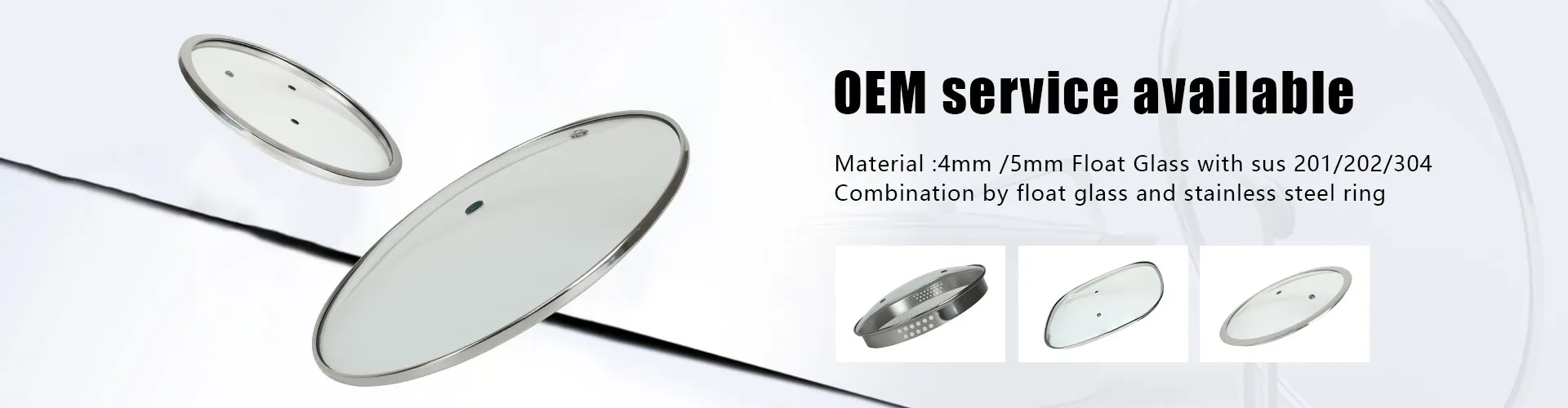
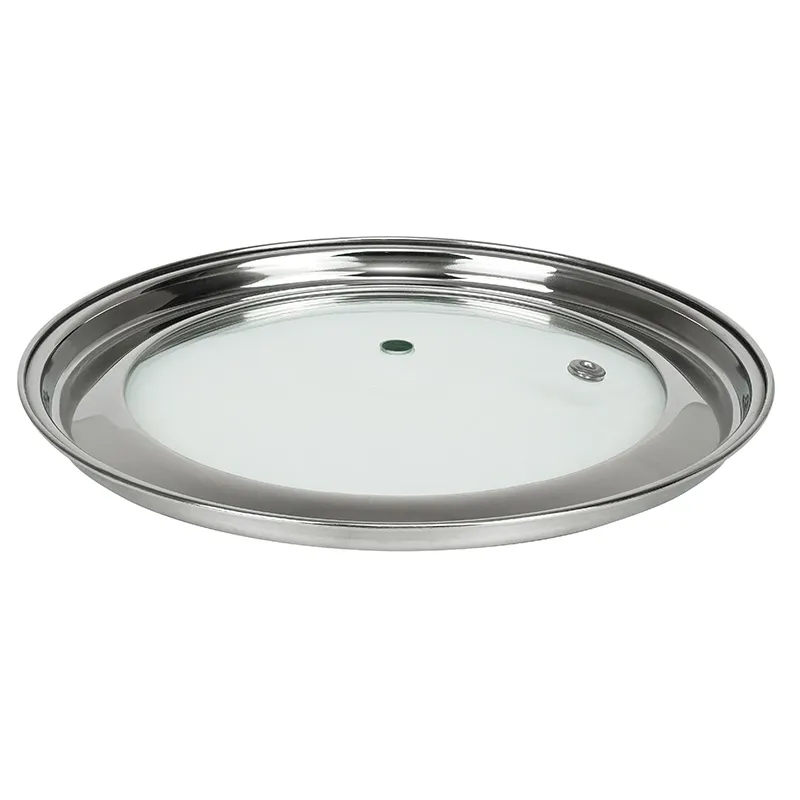
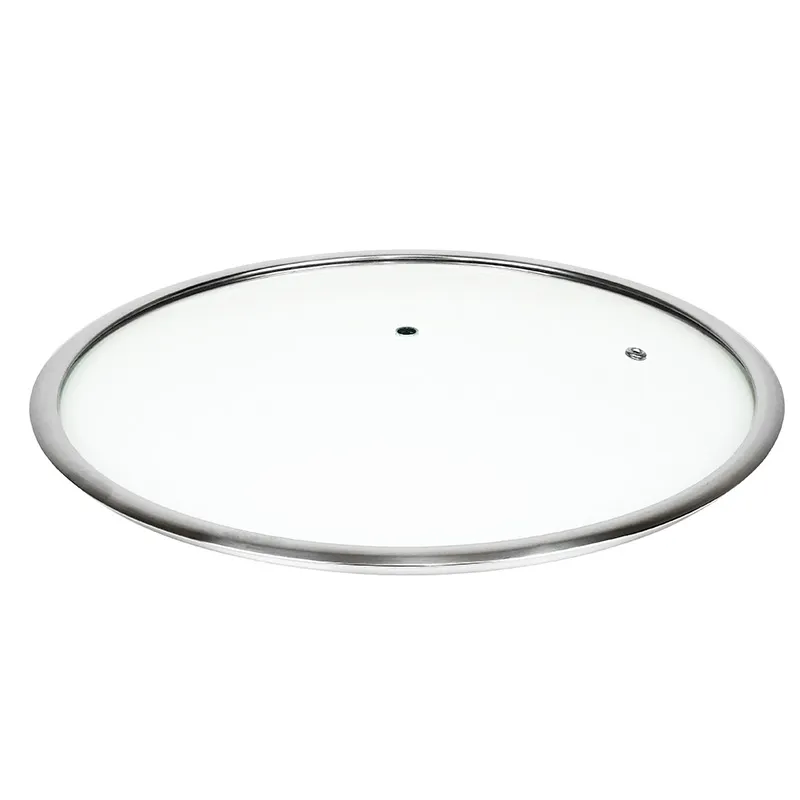
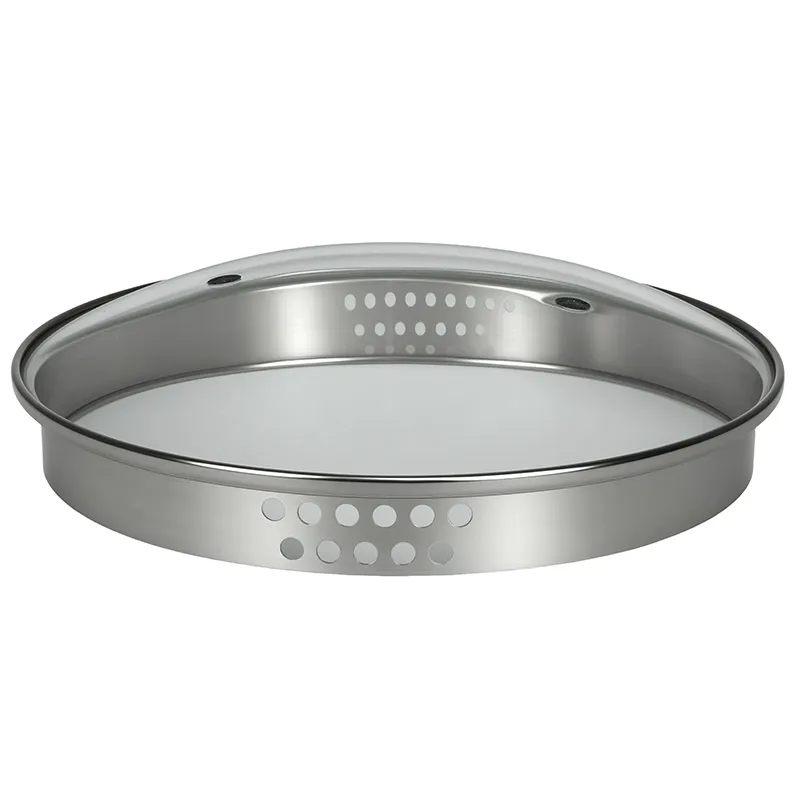
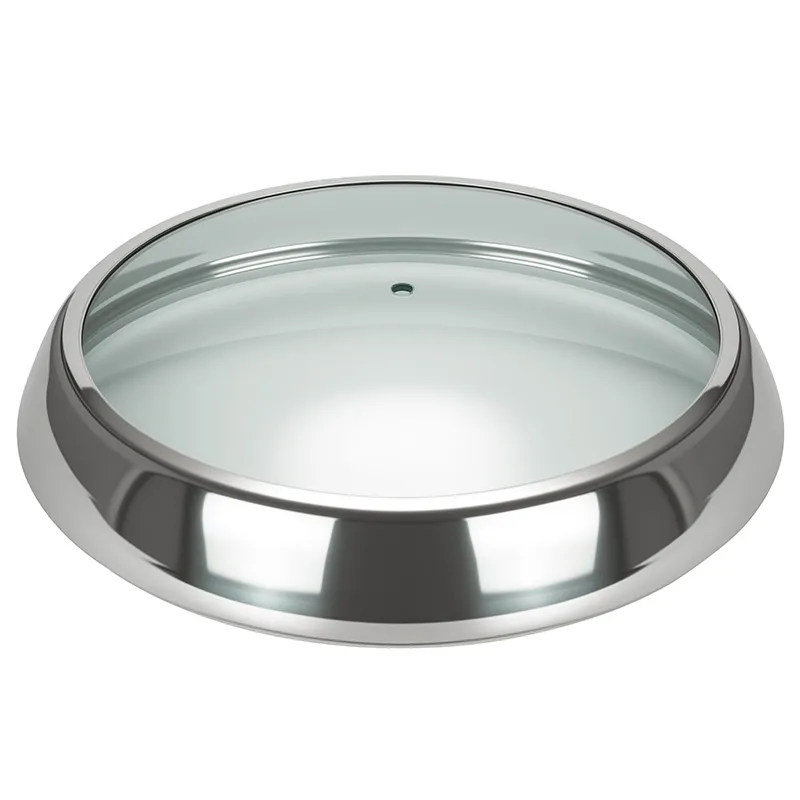
tempered glass cover wholesale
When you type 'tempered glass cover wholesale' into a search bar, you're probably picturing a straightforward transaction: find a supplier, get a quote, place an order. The reality, especially when you're sourcing for serious volume in cookware or home goods, is a different beast. The term itself is almost too generic, masking the critical nuances between a supplier that just cuts and tempers glass and one that understands the specific demands of, say, a European kitchenware brand's lid line. I've seen too many buyers get tripped up by focusing solely on price per piece from a listing, without digging into the production tolerances, packaging specs, or the supplier's actual experience with tempered glass cover wholesale for export markets. That's where the real cost—or savings—hides.
The Core Misconception: Price vs. Specification
Let's cut to the chase. The biggest pitfall is equating a low FOB price with a good deal. Early on, I made this mistake. Found a factory offering lids at 30% below market average. The samples were decent—passed the basic impact test. But the first container? A disaster. The issue wasn't breakage during transit; it was consistency. The diameter tolerance was all over the place. Some lids fit perfectly, others were either too loose or wouldn't sit flush on the pots. The factory was set up for high-volume, low-precision work, likely for a domestic market with different standards. They could do tempered glass cover production, but not for the precision required by our German client. We ended up with a massive sorting cost and delayed shipments, wiping out any initial price advantage.
This is why a company's stated focus matters immensely. You want a supplier whose entire process is calibrated for the precision needed in international wholesale. I later started working with EUR-ASIA COOKWARE CO.,LTD (https://www.glass-lid.com). Their pitch wasn't about being the cheapest. It was about their specialization in household glass products across low, medium, and high tiers. That wording is key—it signals they understand market segmentation. A lid for a discount store line and one for a high-end brand require different finishing, different quality control checkpoints, even different packaging. Their production base in Shandong's National High-tech Development Zone isn't just an address; it often correlates with better infrastructure and a focus on technical processes, which is non-negotiable for consistent tempering.
Their export footprint—over 90% to markets like Germany, Italy, France, Japan—is the most critical data point. It's a de facto certification. Retailers in those regions have stringent safety and fit standards. A supplier surviving there has already solved the consistency and compliance puzzles that sink others. When you're engaging in wholesale at a scale of more than 15 million pieces annually, as they state, your processes have to be bulletproof. It shifts the conversation from Can you make this? to How do you ensure every batch of 50,000 lids for Poland matches the last one?
Beyond the Glass: The Unseen Factors in a Wholesale Order
Okay, so the glass itself is tempered correctly, fits perfectly. What's next? Logistics and packaging. This is where a supplier's experience truly shows. I recall one order where the lids arrived with a surprising amount of micro-scratches. The cause? The interleaving paper used between each lid in the carton was of low quality and had minute abrasive particles. The glass was safe, but aesthetically flawed, leading to rejections. A seasoned producer knows the packaging is part of the product. EUR-ASIA's mention of exporting globally implies they've had to solve for long sea voyages, varying humidity, and rough handling. They likely have tested, standardized packaging protocols—something you must verify. Ask for their packaging diagram for a 20-foot container. Their answer will tell you volumes.
Another hidden factor is mold management and lead time for new designs. If you're not just reordering an existing SKU but developing a new lid shape for a novel pot line, you need to know the supplier's capability here. How long to produce a new mold? What's the cost? What's their minimum order quantity (MOQ) for a new design to be viable? A large-scale operation with 90+ employees and 15,000㎡ of building area suggests they have dedicated tooling and R&D sections. This capacity allows for more collaborative development. You're not just buying a glass cover; you're buying access to an engineering and production system.
Communication is another operational detail. Given their clientele, a supplier like EUR-ASIA likely has staff who can manage technical discussions in English or other languages, and are familiar with export documentation, inspections (like SGS), and compliance paperwork. This seems minor until you're trying to clear customs in Brazil and a certificate is missing. A supplier that is truly export-oriented has these processes baked in, turning a complex wholesale transaction into a smoother procedure.
Case in Point: The Edge Work Dilemma
Let me get granular with a specific detail: edge finishing. This is a tiny thing that causes massive headaches. After tempering, the edges of a glass lid can feel sharp or have minor chips if not properly seamed or polished. For a low-tier product, a simple seamed edge might be acceptable. For a medium or high-tier product, as EUR-ASIA's scope covers, you often need a polished edge for a smooth, safe feel. The polishing process adds cost and time.
I once had a client who insisted on a high-gloss polished edge but at a price point that only allowed for seaming. We went back and forth with the factory (not EUR-ASIA at the time) trying to find a compromise. The factory suggested a semi-polish, which was undefined. The resulting samples were inconsistent. We lost weeks. The lesson was to align the product tier with the appropriate finishing from the start. A supplier that explicitly categorizes their capabilities by market tier helps avoid this. You can say, We need your standard finish for the EU mid-market range, and they should know exactly what that entails. It streamines specification.
This is where visiting a site, or at least a detailed video tour, is invaluable. Seeing the line—from cutting, to edging, to tempering, to inspection—lets you ask the right questions. How many inspection points are there? Is edge quality checked visually and by touch? For a tempered glass cover wholesale partner, their quality control flowchart is more important than their brochure.
Scaling and Reliability: The Annual Output Question
A stated annual output of more than 15 million pieces is a double-edged sword. It signals massive capacity, which is great for securing large orders and ensuring they won't be overwhelmed. But for a buyer with a smaller, though still significant, order of say 200,000 pieces annually, the worry is becoming a low-priority client. This is a valid concern when dealing with any large factory.
The counter-argument lies in their product mix. If they truly produce various types of lids and other glass products, they likely have multiple production lines or cells dedicated to different product families or clients. A good way to gauge this is to ask about their production scheduling. Do they run dedicated lines for major clients, or is it a mixed model? How flexible are they with order fluctuations? Their employee count (~90) for that output and facility size suggests a degree of automation and efficiency, but not such a monolithic operation that a mid-sized order gets lost. The key is to establish clear communication channels and possibly a dedicated point of contact.
Reliability over time is the ultimate test. Can they deliver the same quality in December, during peak season, as they did in March? Their export-heavy model suggests a steady flow of orders year-round, which helps maintain stable production rhythms and skilled worker retention—both critical for consistent quality. This stability is a core component of a viable long-term wholesale relationship.
Concluding Thoughts: It's a Partnership, Not a Transaction
So, back to the original keyword: tempered glass cover wholesale. It's not a product search; it's a partner search. You're looking for a production partner whose operational DNA matches your market's requirements. The specs—thickness, diameter, handle attachment type—are the easy part. The hard part is assessing their ingrained habits around precision, consistency, problem-solving, and communication.
From my experience, the metrics that matter are export history (where and for how long), clarity in tiered product offerings, transparency in processes, and a willingness to discuss past problems and solutions. A company like EUR-ASIA COOKWARE, with its stated focus and scale, presents a profile that checks many of these boxes for a volume buyer. But the due diligence never stops. The next step is always a conversation that moves beyond the catalog price list and into the gritty details of a production audit, sample validation with your specific pots, and trial order protocols. That's how you move from a risky keyword search to a solid supply chain foundation.
The goal isn't to find someone who just sells tempered glass covers. It's to find a manufacturer who understands that every lid they ship is a component of your brand's reputation. That shift in perspective changes everything.
Related Products
Related Products