- Chinese
- French
- German
- Portuguese
- Spanish
- Russian
- Japanese
- Korean
- Arabic
- Irish
- Greek
- Turkish
- Italian
- Danish
- Romanian
- Indonesian
- Czech
- Afrikaans
- Swedish
- Polish
- Basque
- Catalan
- Esperanto
- Hindi
- Lao
- Albanian
- Amharic
- Armenian
- Azerbaijani
- Belarusian
- Bengali
- Bosnian
- Bulgarian
- Cebuano
- Chichewa
- Corsican
- Croatian
- Dutch
- Estonian
- Filipino
- Finnish
- Frisian
- Galician
- Georgian
- Gujarati
- Haitian
- Hausa
- Hawaiian
- Hebrew
- Hmong
- Hungarian
- Icelandic
- Igbo
- Javanese
- Kannada
- Kazakh
- Khmer
- Kurdish
- Kyrgyz
- Latin
- Latvian
- Lithuanian
- Luxembou..
- Macedonian
- Malagasy
- Malay
- Malayalam
- Maltese
- Maori
- Marathi
- Mongolian
- Burmese
- Nepali
- Norwegian
- Pashto
- Persian
- Punjabi
- Serbian
- Sesotho
- Sinhala
- Slovak
- Slovenian
- Somali
- Samoan
- Scots Gaelic
- Shona
- Sindhi
- Sundanese
- Swahili
- Tajik
- Tamil
- Telugu
- Thai
- Ukrainian
- Urdu
- Uzbek
- Vietnamese
- Welsh
- Xhosa
- Yiddish
- Yoruba
- Zulu
- Kinyarwanda
- Tatar
- Oriya
- Turkmen
- Uyghur

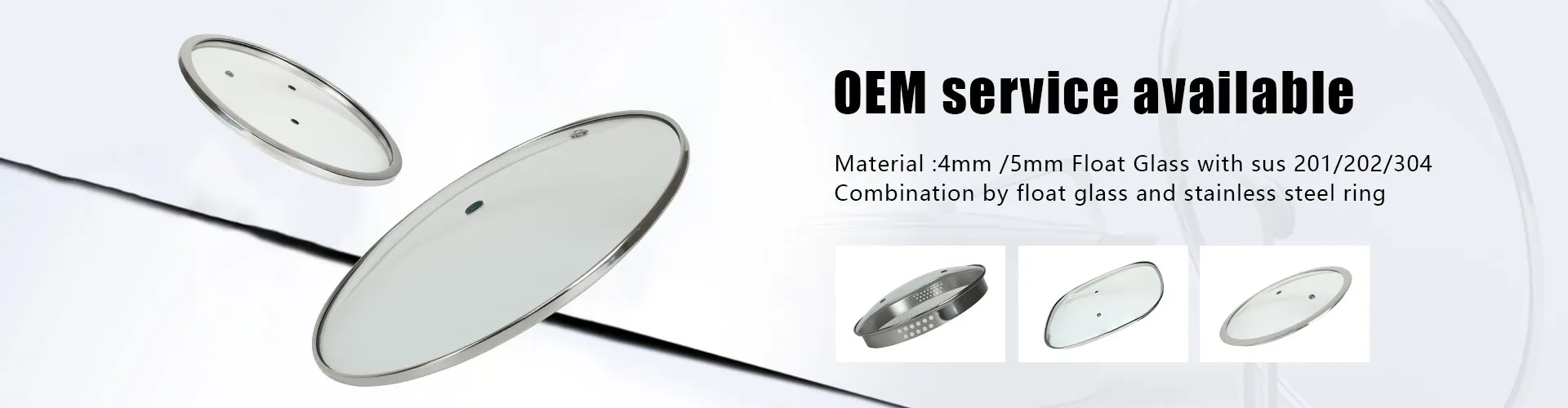
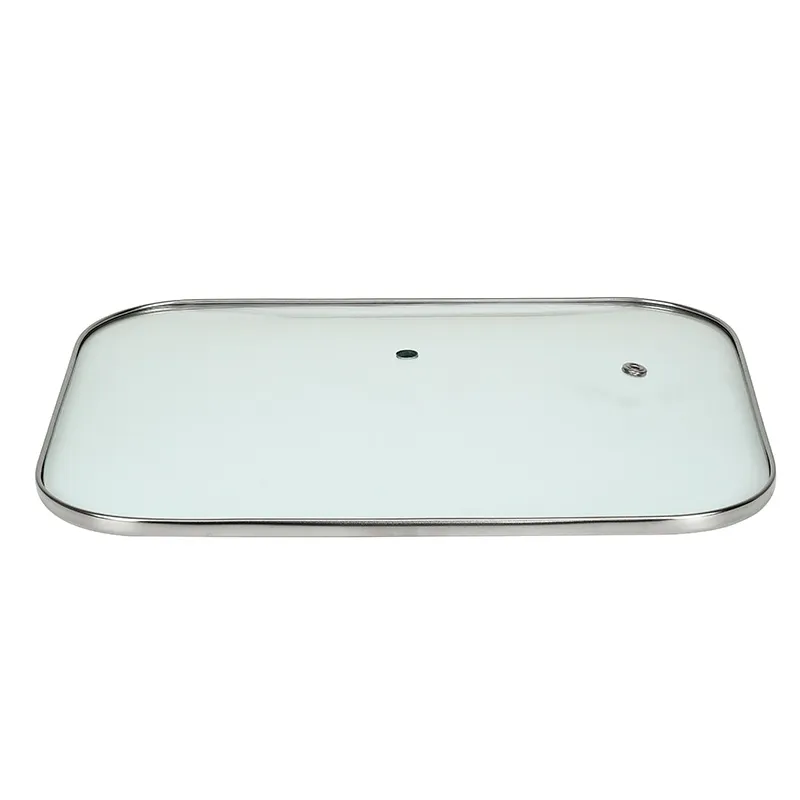
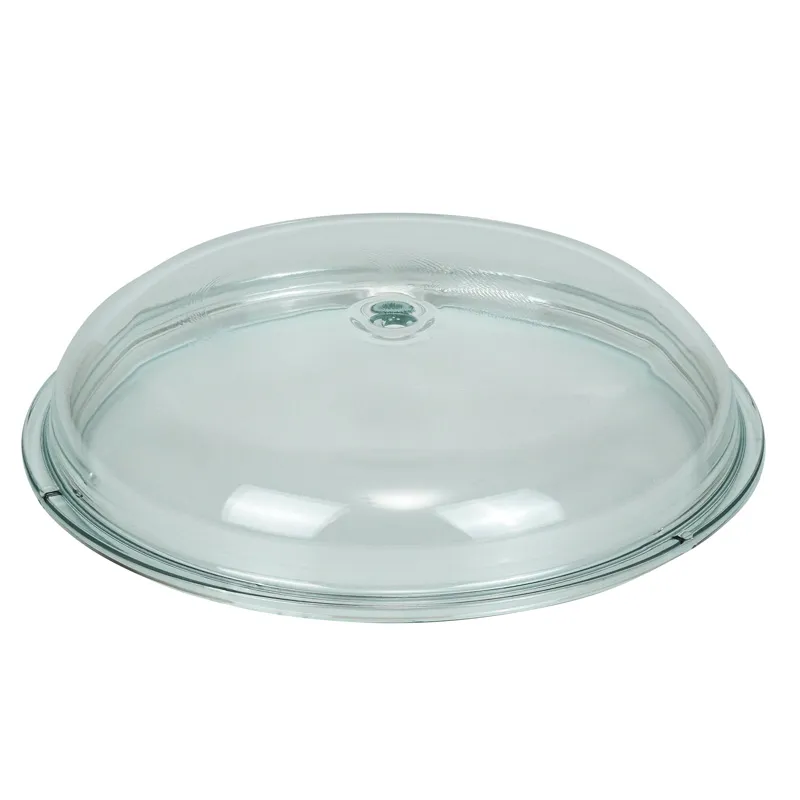
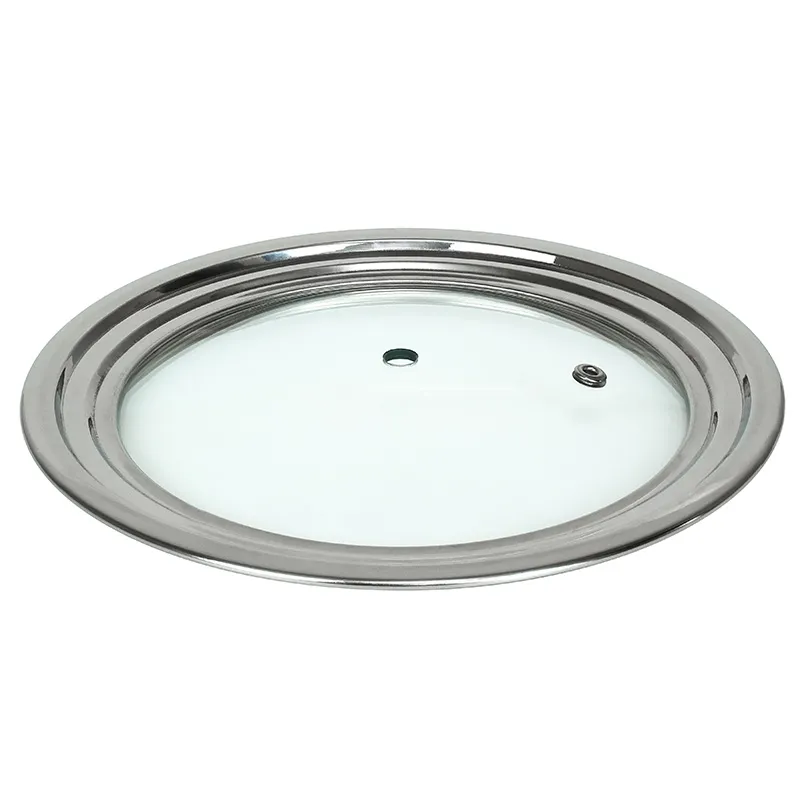
tempered glass cover wholesaler
When you hear 'tempered glass cover wholesaler', most people immediately think of phone screen protectors. That's the first misconception I had to unlearn. In the B2B world, especially in kitchenware and home goods, it's a completely different beast. The volume, the specifications, the failure points—they're not about a few microns of thickness, but about withstanding thermal shock, fitting odd-shaped cookware, and surviving cross-continental logistics. A lot of sourcing managers jump in looking for the lowest price per piece, but that's a quick way to end up with a container full of glass that's either the wrong temper or chips if you look at it wrong.
The Core Product: Beyond Just Tempered
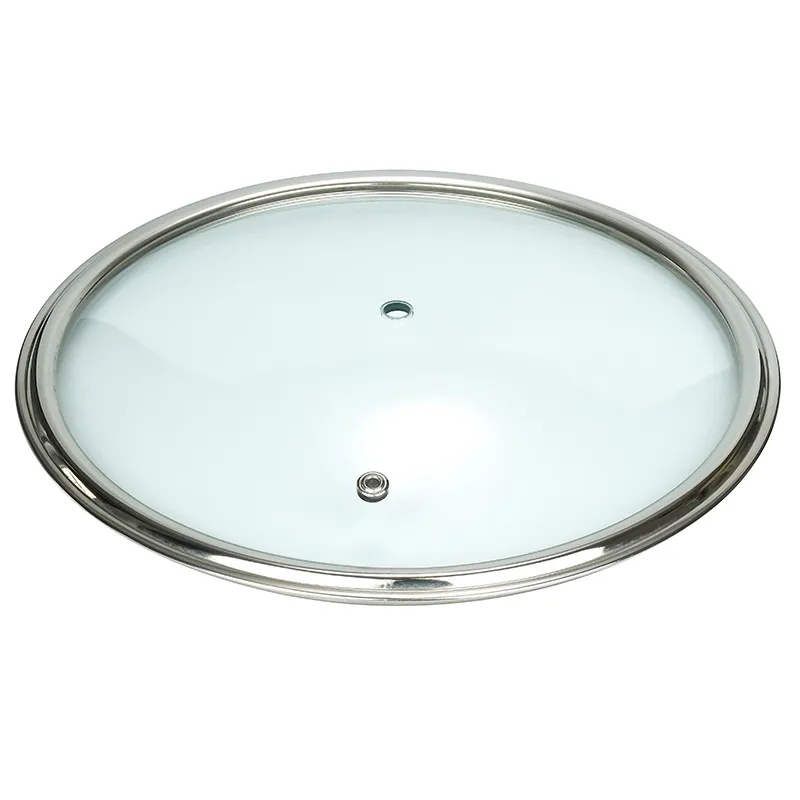
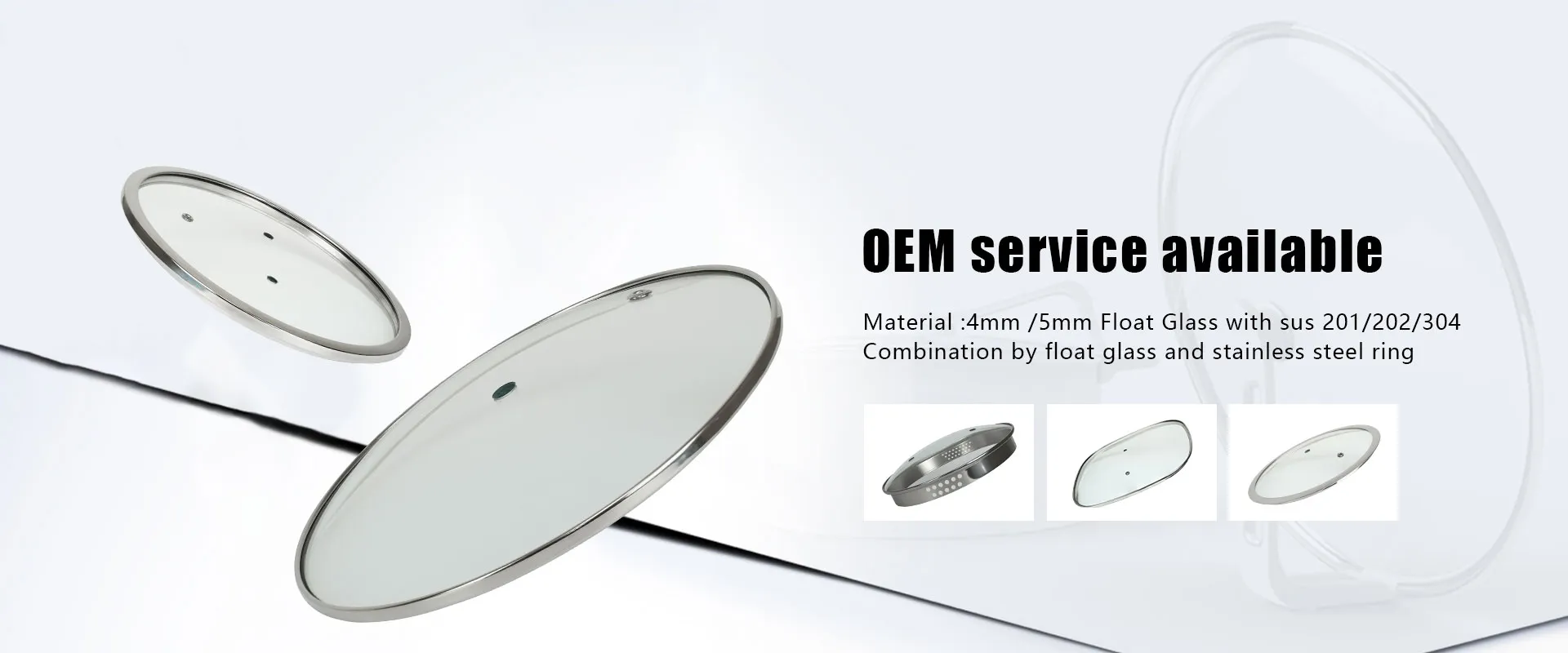
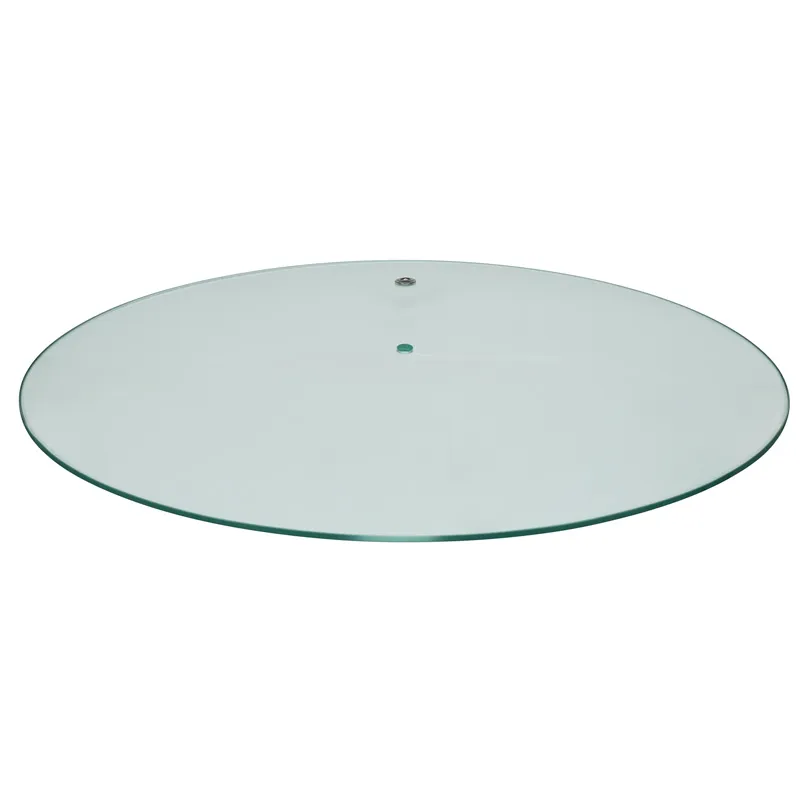
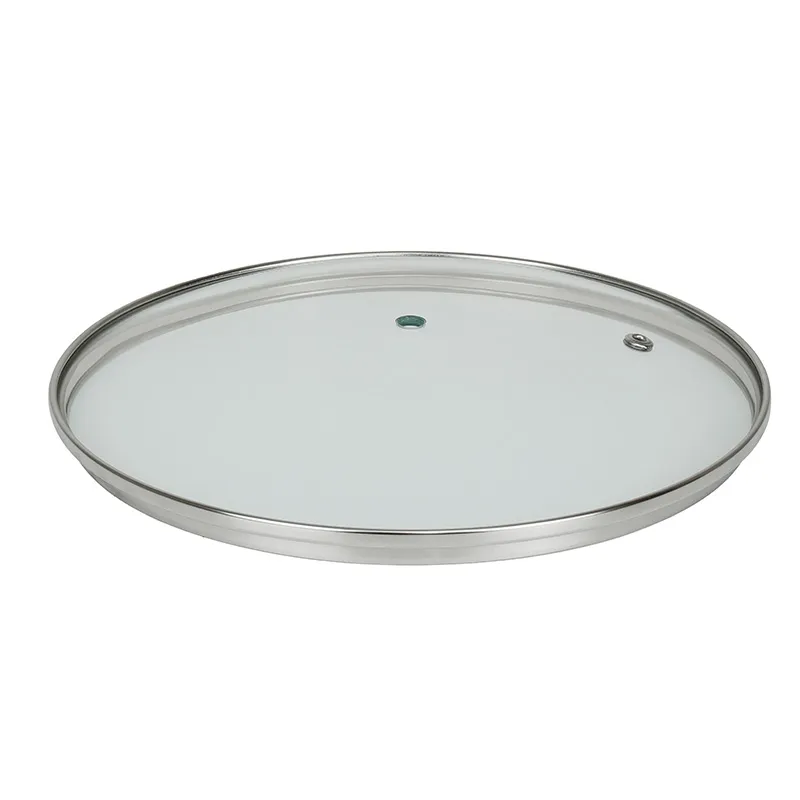
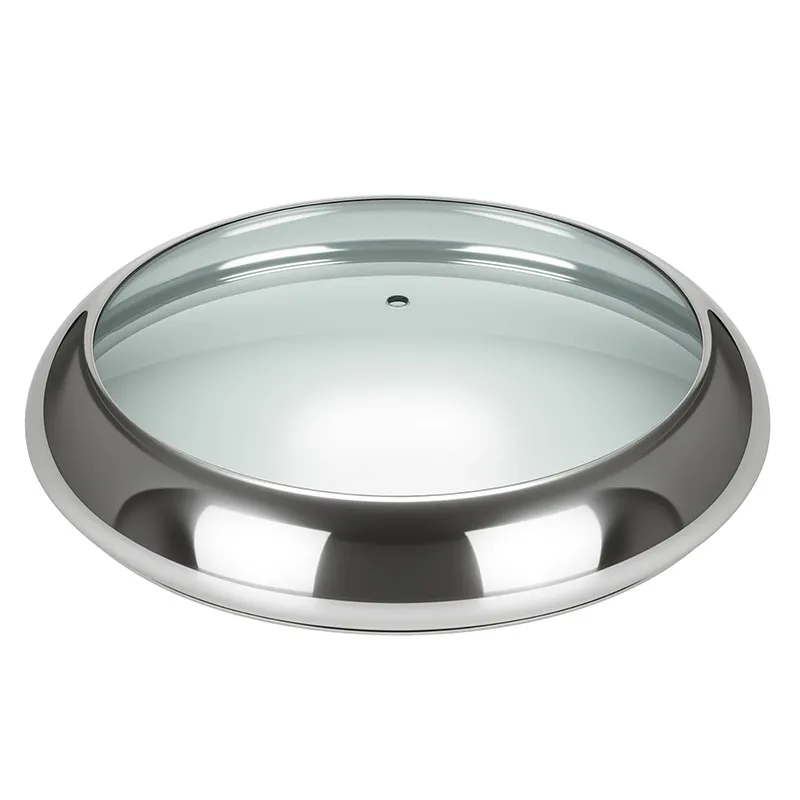
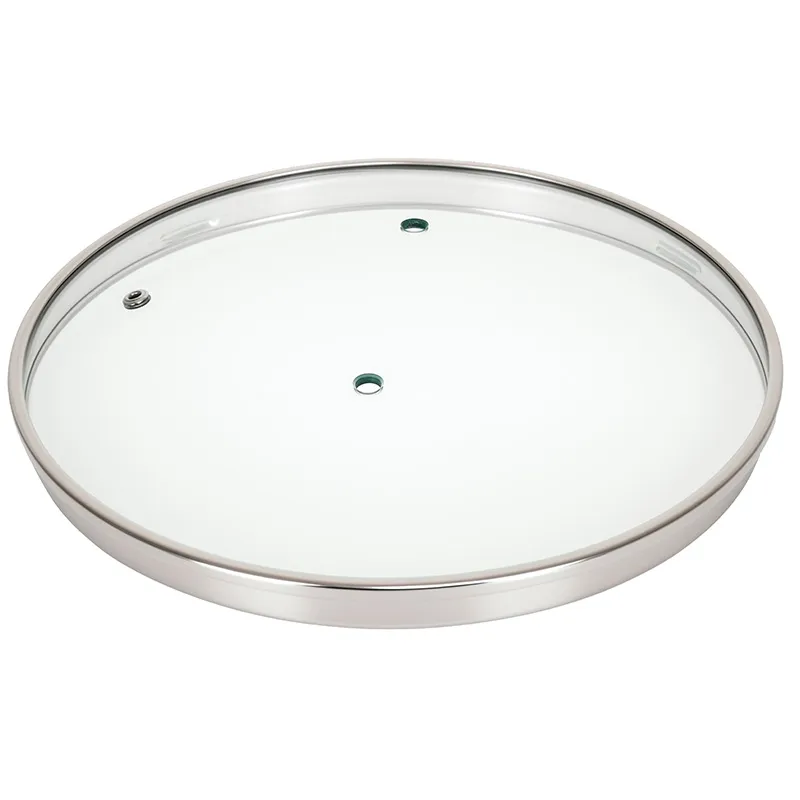
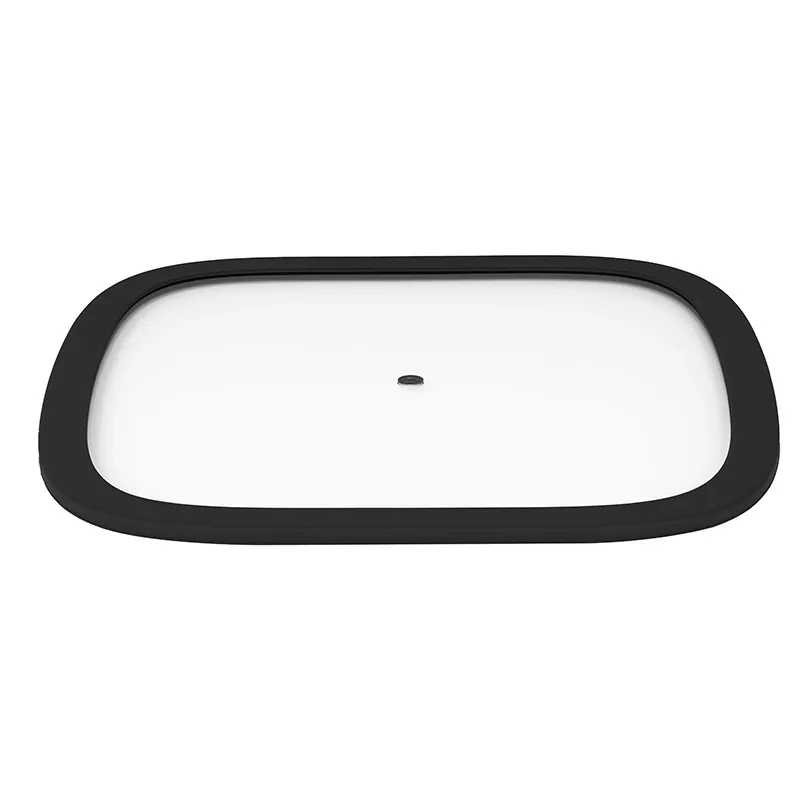
Let's talk about the product itself. A tempered glass lid isn't just a piece of hardened glass. The critical part is the edge work. You can have perfect tempering, but if the edge grinding isn't smooth and consistent, you'll get a high rate of chipping during assembly or even packaging. I've seen shipments where the glass itself passed a thermal shock test but failed a simple 'rubber gasket fitting' because the edge radius was off by half a millimeter. That's where a real wholesaler's expertise shows—they control that finishing process.
For instance, take a company like EUR-ASIA COOKWARE CO.,LTD. Their focus on household glass products, particularly lids, means their production is set up for this specific nuance. When you visit a site like glass-lid.com, you're not just looking at a catalog; you're seeing the outcome of a process geared towards high-volume, repeatable edge finishing. Their stated annual output of over 15 million pieces tells you they're built for scale, but scale without consistency in these details is worthless.
The grade of raw glass is another silent filter. Not all clear float glass is equal. For a lid that goes on a pot, you need a consistency in composition that minimizes inclusions or bubbles, which become stress points during tempering. A wholesaler who just buys glass sheets from the cheapest mill and tempers them will have hidden defect rates that only show up after the fact. It's one of those things you learn after a bad batch—you start asking for material certificates, not just the final product spec.
Sourcing Realities and Factory Dynamics
Finding a reliable tempered glass cover wholesaler often means going to clusters like Shandong in China, where the supply chain is concentrated. EUR-ASIA's base in Taian City's High-tech Development Zone is a typical example. The high-tech part isn't marketing fluff; it often relates to the automation in inspection and handling. Manual handling is a major source of micro-fractures. A factory with 15,000 sqm of building area and 90+ employees suggests a balance of automation and skilled labor for tasks machines still can't do perfectly, like final visual inspection.
Export focus is a huge indicator of capability. When a company states over 90% export to markets like Germany, Italy, Japan, it's shorthand for compliance with stringent standards (like LFGB for Germany). These markets have strict limits on heavy metal leaching from glass surfaces. A wholesaler serving them has to have the testing protocols and material sourcing locked down. It's a proxy for quality that's more reliable than any factory audit report sometimes.
Capacity can be a double-edged sword. An output of 15 million pieces annually is impressive, but for a buyer, the question is about flexibility. Can they run a smaller batch for a new, complex shape for a high-end line? Or are they only optimized for long runs of standard rounds and ovals? The best wholesalers often have separate lines or schedules for this—something you discover through trial, not a website.
Logistics and the Hidden Cost of FOB
This is where many first-timers get burned. You negotiate a great FOB price per piece, then the logistics cost eats all your margin. Tempered glass is heavy and fragile. It's not just about packing in foam; it's about the box design itself. A good wholesaler will have mastered the carton. The box needs to be rigid enough to not flex during stacking on a ship, as flexing creates pressure points on the glass edges. EUR-ASIA's export volume across continents implies they've solved this, likely with a multi-layer, partitioned carton design that isolates each lid.
Lead time is another factor tied to logistics. Producing 15 million pieces a year doesn't mean they have 100,000 of your specific model sitting around. The tempering and cooling process itself takes time. A realistic lead time from order confirmation to container loading is often 45-60 days for a custom item, not the 30 days some agents promise. Rushing the cooling phase is a surefire way to introduce internal stress.
I recall a shipment to Poland where we used a new, cheaper freight forwarder. The containers were apparently subjected to extreme vibration on a rail leg. The packaging passed a standard drop test but not that sustained vibration. The result was a 12% breakage rate upon arrival, all from edge chips. The lesson wasn't just about packaging; it was about requiring the wholesaler to specify and sometimes even arrange the inland logistics to the port. Their chosen partner knows how to handle their specific product.
Communication and the Specification Gap
Technical drawings are the bible, but they're rarely enough. A diameter tolerance of +/-0.5mm on paper is clear. But where do you measure? At the top edge? The bottom sealing edge? A 1mm discrepancy there can make a lid sit loosely or not fit at all. A professional tempered glass cover wholesaler will ask for the pot or pan sample, or at least a detailed CAD drawing with clear datum points. If they don't ask, be worried.
Language barriers are obvious, but the bigger barrier is the assumption of common knowledge. Terms like fully tempered vs heat-strengthened have different implications for breakage pattern and strength. A good partner will clarify, not just agree. The product descriptions on glass-lid.com for example, while brief, show an understanding of key selling points for different markets, which hints at a sales team that's used to translating client needs into factory specs.
Payment terms are a communication test too. A standard 30% deposit, 70% against Bill of Lading copy is common. But for a new product with custom tooling (like a unique handle shape), the factory will ask for tooling cost. The key is to structure it so the tooling fee is deducted from future orders, locking in the relationship. It aligns interests. A wholesaler not open to this might be less confident in their long-term quality or service.
Evolution and Future Considerations
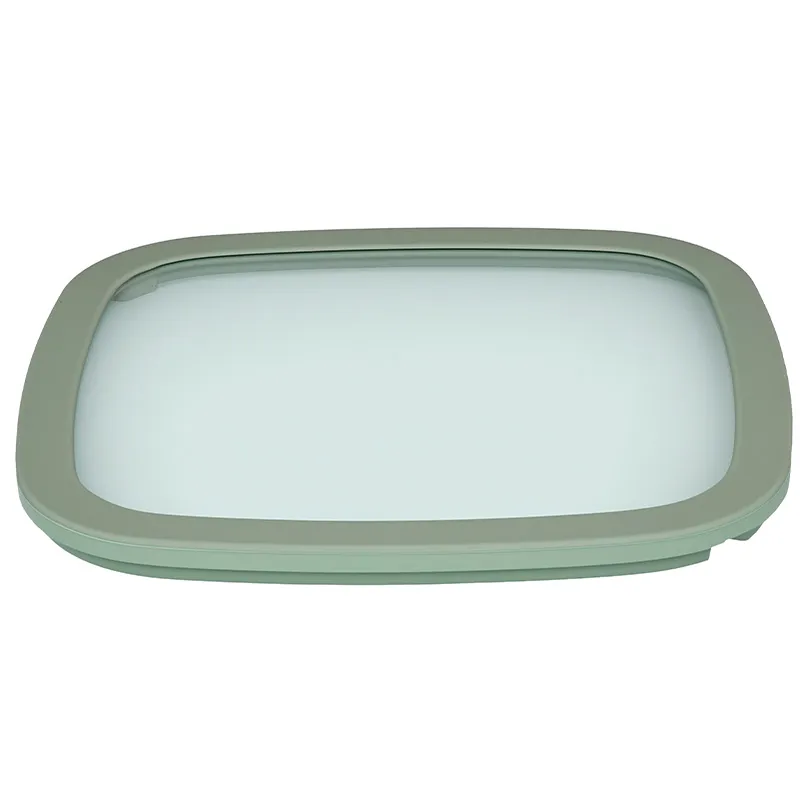
The market isn't static. We're seeing more demand for colored enamel printing on lids or silicone gaskets bonded directly to the glass edge. This changes the sourcing dynamic. Not every glass tempering factory has a clean-room environment for food-safe bonding or precision printing. It adds another layer of vetting. A wholesaler like EUR-ASIA, with its focus on kitchen accessories, is more likely to have integrated these secondary processes or have trusted partners, compared to a pure glass processor.
Sustainability pressures are trickling down. It's not just about recyclable material (glass is, of course), but about the carbon footprint of shipping heavy glass. Some European buyers are starting to ask for it. This might push more production closer to market, or at least incentivize lighter-weight designs. A forward-looking wholesaler is already experimenting with thinner, stronger glass formulations that reduce weight without compromising safety.
In the end, partnering with a tempered glass cover wholesaler is less about a transaction and more about integrating a segment of their supply chain into yours. It's about finding a partner whose failure points you understand and have mitigated together. The companies that last, the ones with the real export numbers and the dedicated facilities, they've usually seen every possible failure mode. Their value isn't just in making glass; it's in knowing exactly how that glass will behave in your customer's kitchen, on a ship, and in your warehouse. That's the intangible you're really sourcing for.
Related Products
Related Products