- Chinese
- French
- German
- Portuguese
- Spanish
- Russian
- Japanese
- Korean
- Arabic
- Irish
- Greek
- Turkish
- Italian
- Danish
- Romanian
- Indonesian
- Czech
- Afrikaans
- Swedish
- Polish
- Basque
- Catalan
- Esperanto
- Hindi
- Lao
- Albanian
- Amharic
- Armenian
- Azerbaijani
- Belarusian
- Bengali
- Bosnian
- Bulgarian
- Cebuano
- Chichewa
- Corsican
- Croatian
- Dutch
- Estonian
- Filipino
- Finnish
- Frisian
- Galician
- Georgian
- Gujarati
- Haitian
- Hausa
- Hawaiian
- Hebrew
- Hmong
- Hungarian
- Icelandic
- Igbo
- Javanese
- Kannada
- Kazakh
- Khmer
- Kurdish
- Kyrgyz
- Latin
- Latvian
- Lithuanian
- Luxembou..
- Macedonian
- Malagasy
- Malay
- Malayalam
- Maltese
- Maori
- Marathi
- Mongolian
- Burmese
- Nepali
- Norwegian
- Pashto
- Persian
- Punjabi
- Serbian
- Sesotho
- Sinhala
- Slovak
- Slovenian
- Somali
- Samoan
- Scots Gaelic
- Shona
- Sindhi
- Sundanese
- Swahili
- Tajik
- Tamil
- Telugu
- Thai
- Ukrainian
- Urdu
- Uzbek
- Vietnamese
- Welsh
- Xhosa
- Yiddish
- Yoruba
- Zulu
- Kinyarwanda
- Tatar
- Oriya
- Turkmen
- Uyghur

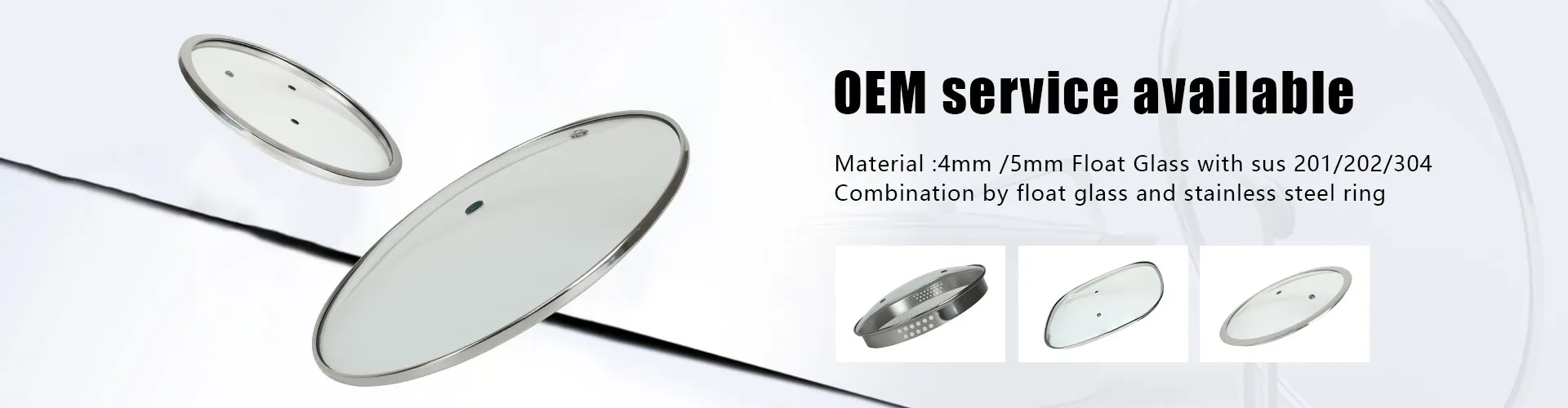
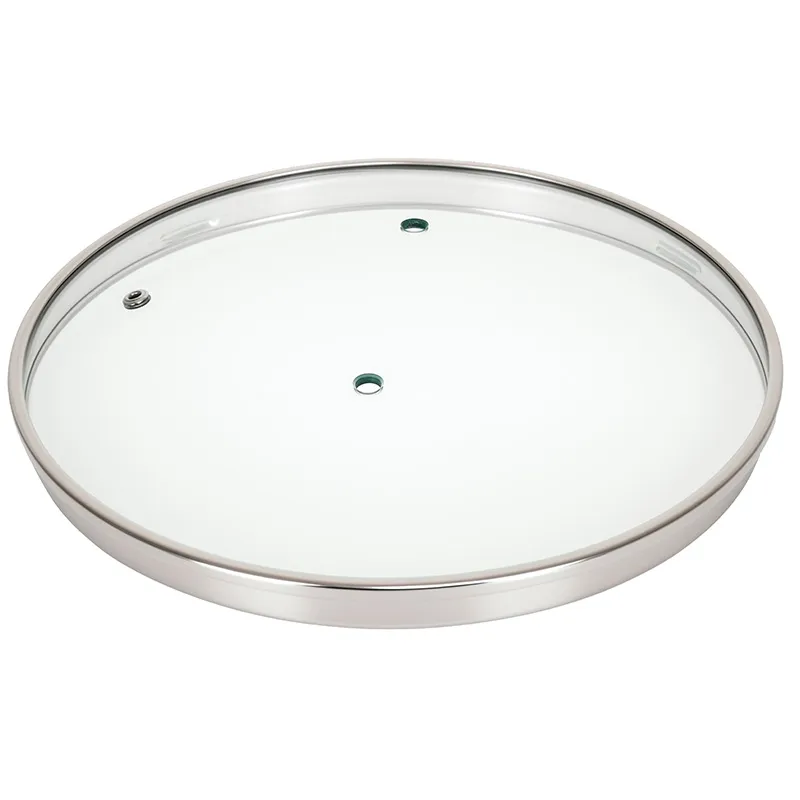
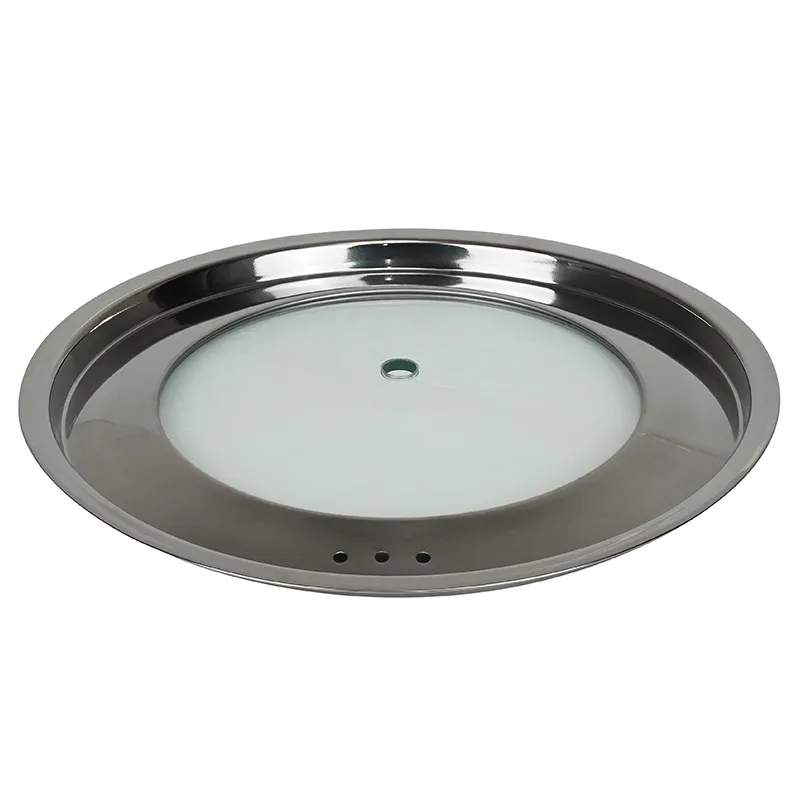
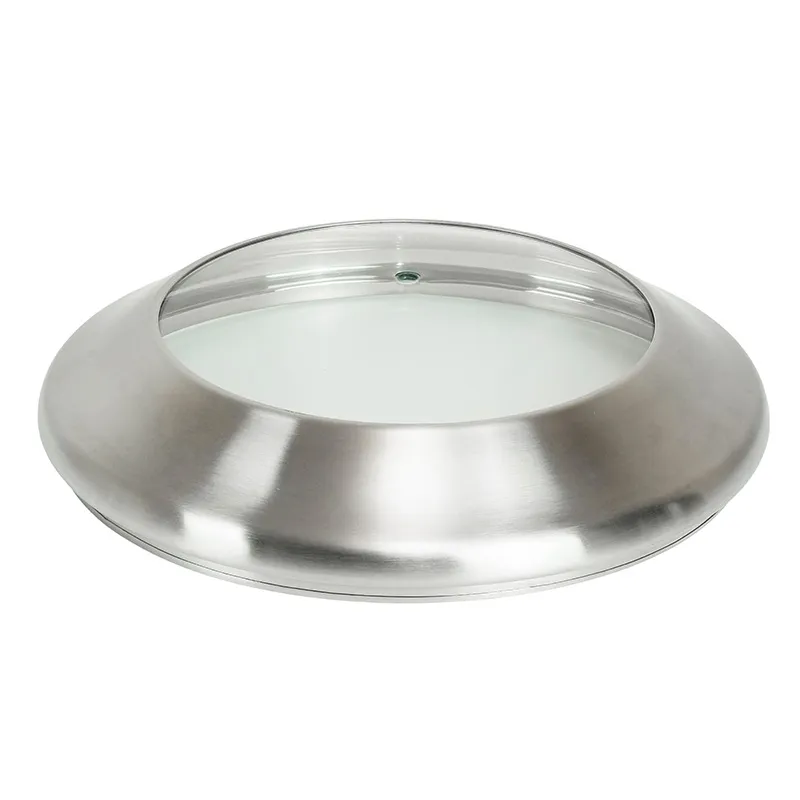
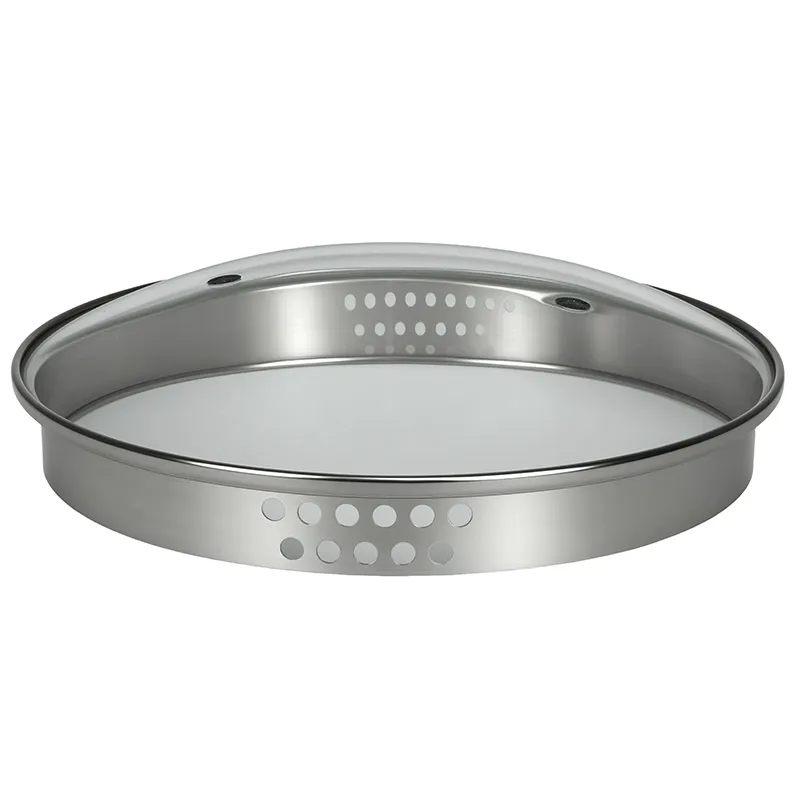
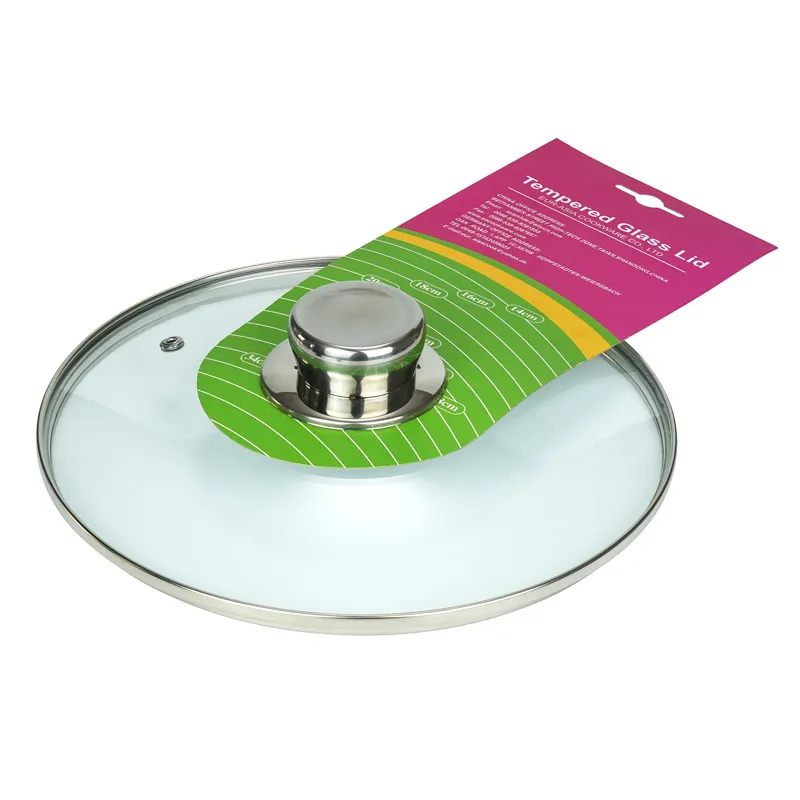
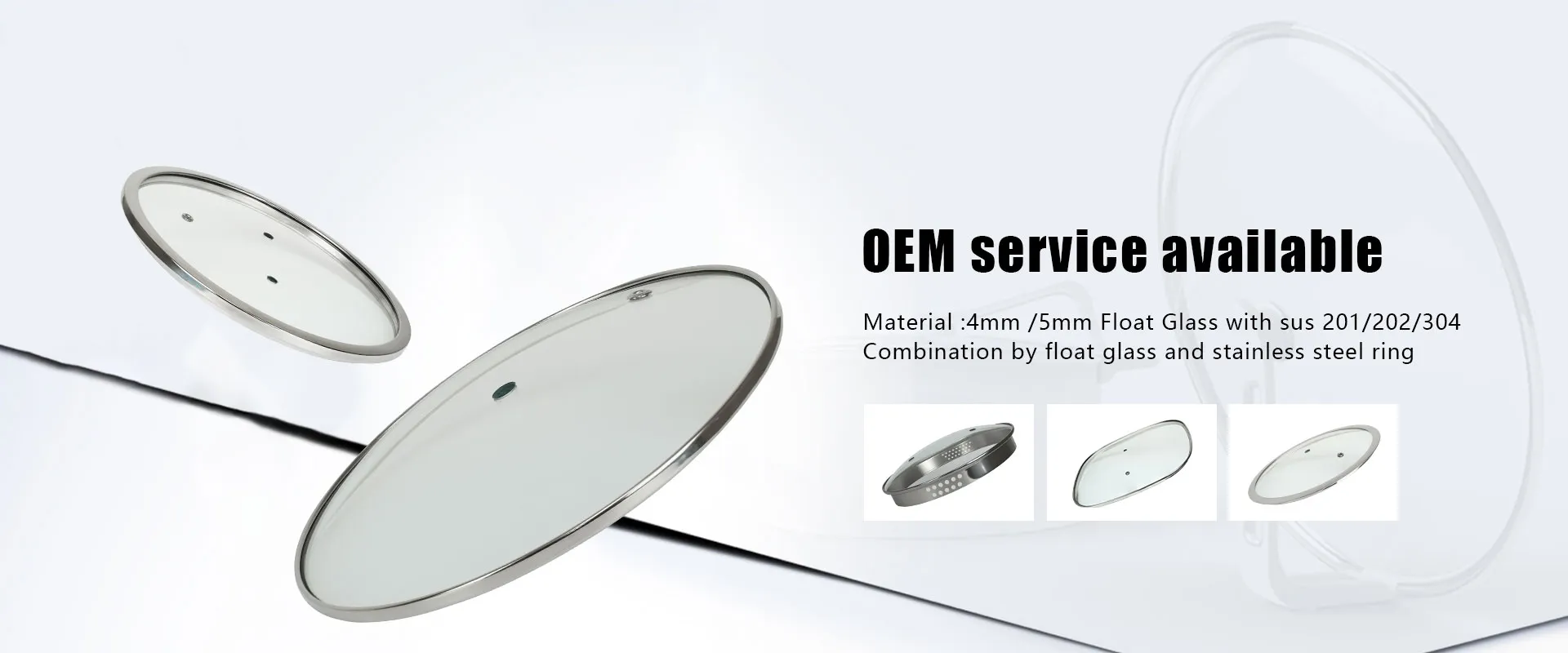
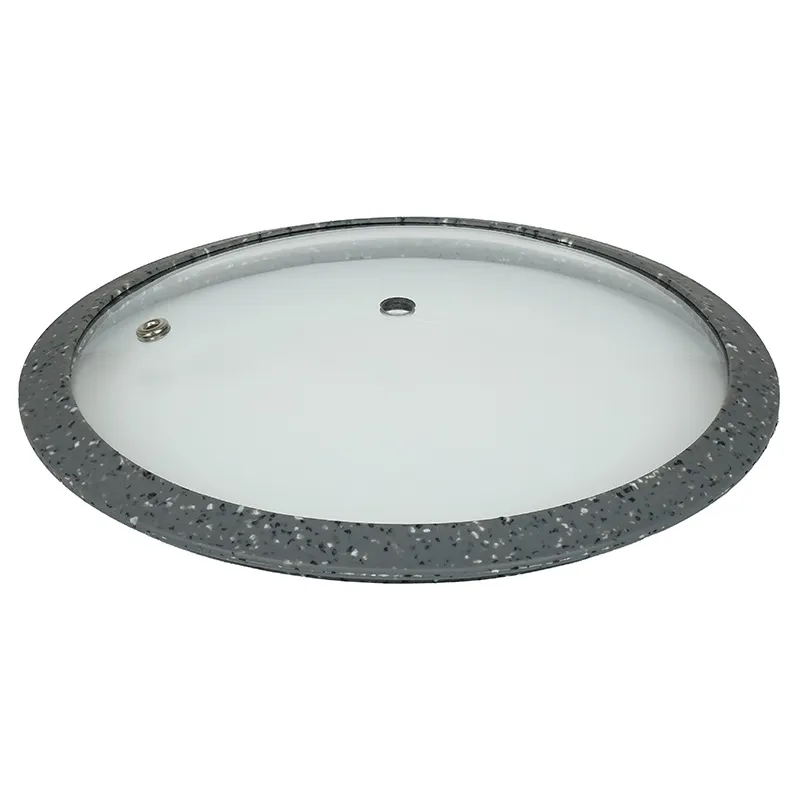
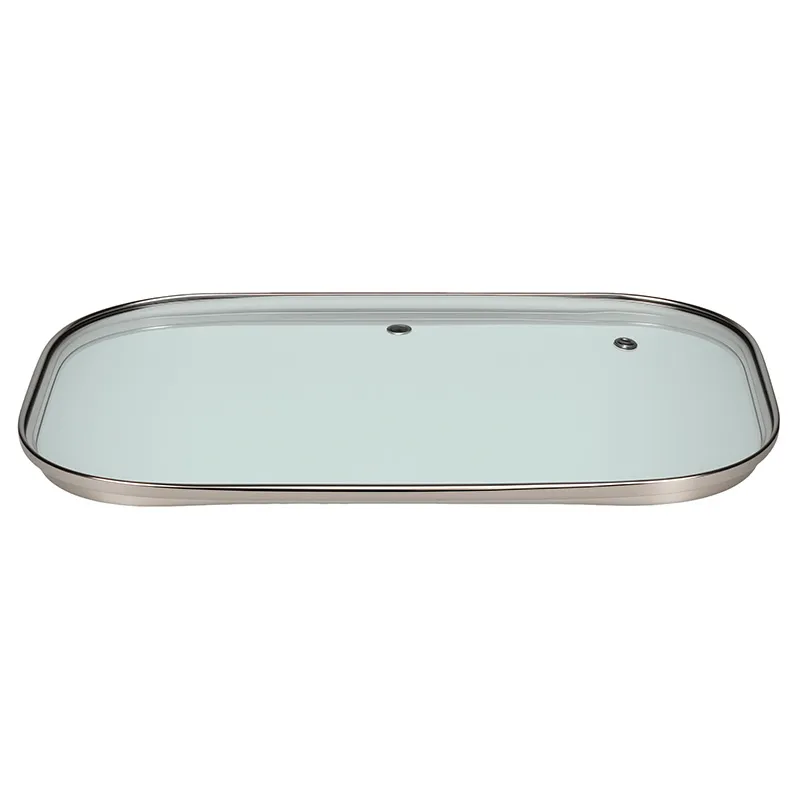
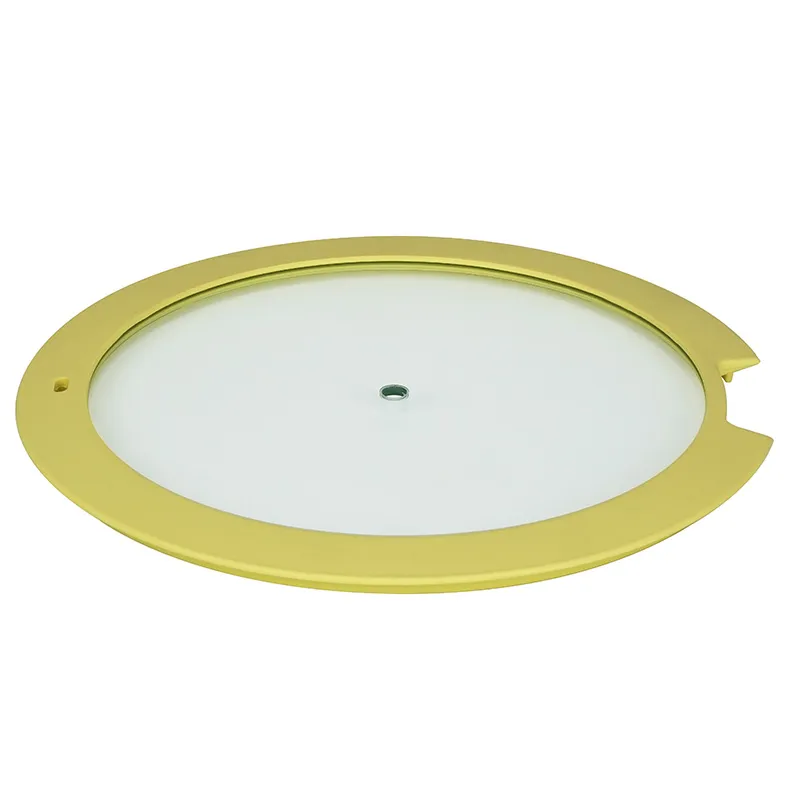
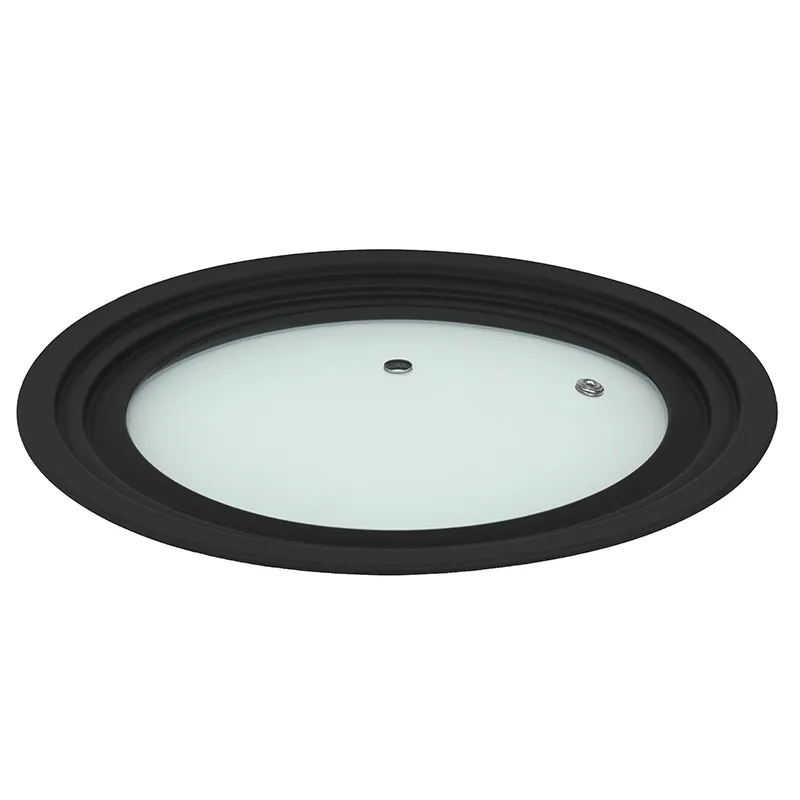
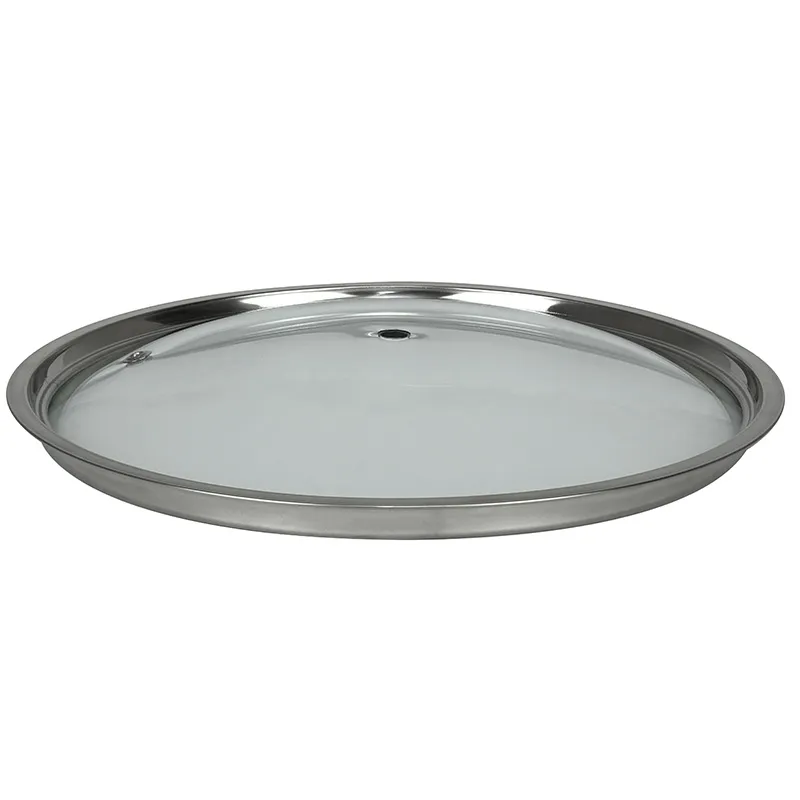
tempered glass cover with handle
When you hear 'tempered glass cover with handle,' the immediate image is straightforward: a clear lid for a pot, toughened for safety, with a knob to lift it. But in the manufacturing and daily use trenches, that simplicity dissolves into a hundred tiny decisions. The biggest misconception? That the tempering process itself is the finish line for durability. It's not. How that handle is bonded to the glass—that's where the real-world failures or triumphs happen, a detail most spec sheets gloss over but any seasoned product manager or quality inspector sweats over.
Where the Theory Meets the Thermal Shock
The whole point of tempering is to handle sudden temperature changes. You take a lid from a simmering pot and place it on a cold granite counter—that's the test. But the weak link often isn't the glass pane itself. It's the thermal conductivity differential between the tempered glass cover and its metal or plastic handle assembly. I've seen batches where the adhesive or mechanical fixing fails at the joint not because it's weak, but because it doesn't account for the expansion rates. The glass expands minimally, the metal bracket more so, creating shear stress right at the bond point after repeated cycles.
This isn't abstract. I recall a project with a European buyer who had stringent thermal shock test parameters: from a 290°F oven to a 50°F water bath, repeated. The glass passed flawlessly. But on the third cycle, a distinct 'ping' sound came from the handle bracket. The epoxy, rated for high heat, had become brittle. The glass was fine, but the product as a unit failed. We had to go back, not to the glass supplier, but to a specialty adhesives engineer. The solution was a silicone-based bonding system that remained elastic, acting as a buffer. The takeaway? Specifying just tempered glass is less than half the job.
This brings me to outfits like EUR-ASIA COOKWARE CO.,LTD. You look at their scope—an annual output of over 15 million pieces, exporting globally—and you know they've navigated these pitfalls at scale. Their focus on tempered glass lid production means they've likely iterated through countless handle attachment protocols to meet the diverse safety standards of markets from Germany to Japan. It's this volume that forces a kind of practical rigor; when you're shipping millions, a 1% failure rate is tens of thousands of returns. That focuses the mind on details like bracket design and glue cure times.
The Handle Itself: Ergonomics Over Aesthetics
Everyone wants a nice-looking handle. But in a commercial kitchen or a busy home, it's about heat isolation and grip. The worst designs are all-metal handles on a glass lid. They look sleek in a catalog but become untouchable seconds after steam hits them. The best ones we've worked with use a composite: a metal core for structural integrity screwed or bonded to the glass, overmolded with a thick, ridged silicone or phenolic resin. That resin section is what the user actually grabs.
There's a balance, though. Too much overmolding, and the handle feels bulky, obscuring the view through the glass. Too little, and heat travels through. I remember a supplier once presented a sample with a beautiful, minimalist stainless steel handle. In a lab test with a thermal camera, we saw the heat travel up the steel stem to the knob in under 10 seconds. It was a burn hazard. We had to reject it. The supplier argued it was industry standard. Maybe for some, but not for ours. The functional requirement always trumps the aesthetic one.
This is where the production base of a company matters. EUR-ASIA's facility, with its dedicated focus, likely has molding lines sitting right next to the glass tempering furnaces. This co-location allows for integrated testing—attaching the handle to a freshly tempered and cooled lid and running it through a simulated use cycle immediately. It prevents the siloed mentality where the glass department blames the plastics department for a failure. When the entire process is under one roof, accountability is clearer, and problem-solving is faster.
The Clarity and Curve Compromise
A glass cover with handle is also a viewing window. Tempering, by its nature, can introduce minor optical distortions. For a flat lid, it's negligible. But for domed lids, which are increasingly popular for stockpots, the curvature combined with tempering can create a funhouse mirror effect if not controlled. It's a processing challenge: heating the curved glass evenly to the correct tempering temperature without causing it to sag or distort on the rollers.
We learned this the hard way on an order for a high-end line of cookware. The domed lids came back from the tempering furnace with a slight waviness. You couldn't feel it, but looking through it, the contents of the pot looked slightly warped. The client, targeting a premium segment, rejected the entire batch. The issue wasn't the strength; it was the optics. The tempering cycle had to be adjusted—slower heating, different quenching air flow patterns—specifically for that dome profile. It added cost and time.
This level of profile-specific process tuning is what separates a generic producer from a specialized one. A company exporting to design-conscious markets like Italy, Denmark, or Japan, as EUR-ASIA does, has to master this. A German housewife expects crystal clarity to monitor her roux; a Japanese chef needs to see the exact simmer level for dashi. The product spec isn't just safety glass, it's optically clear, safety glass. The handle's placement also matters here—it must be positioned to not cast a shadow over the center of the pot, which is the primary viewing area.
Logistics: The Unseen Stress Test
Here's something that never appears in a product description: packaging for a tempered glass cover with handle. It's a nightmare. You have a rigid, yet brittle (on the edges) plane of glass with a protruding component. Standard corrugated cardboard won't cut it. The handle needs to be immobilized within the carton, and the glass must not make contact with any hard surface. Vibration during shipping is the enemy.
We once used a molded pulp tray that cradled the glass perfectly but left the handle floating. A full container shipment to Brazil arrived with a 15% breakage rate—not from impact, but from the handle vibrating and tapping against the glass edge during the long sea voyage. The solution was a two-piece foam clamshell that snapped around the handle and provided a buffer zone around the entire lid perimeter. Packaging cost went up by 30 cents per unit, but breakage fell to under 0.5%. It was worth it.
For a volume exporter, this is critical path knowledge. EUR-ASIA COOKWARE, shipping to over a dozen countries, must have a small library of approved packaging designs for different lid diameters and handle heights. Their website, https://www.glass-lid.com, likely serves as a portal where clients can access these packaging specs and compliance documents, which is just as important as the product catalog itself. The unboxing experience is the first real quality test the end-user conducts.
The Real Metric: Sound in the Sink
Finally, the most informal but telling test. A good tempered glass lid, when placed gently on a ceramic or stainless steel sink, has a specific, low-frequency clunk, not a sharp clink. It feels substantial. A poorly tempered or thin lid sounds tinny and high-pitched. It's an almost subconscious check a user performs. This sound is a proxy for mass and the depth of the compressive stress layer from tempering.
It connects back to the core material. The quality of the raw glass, its thickness, and the precision of the tempering quench define this. A lid that sounds right inspires confidence before it ever goes on a pot. It's a sensory detail that no datasheet captures but is baked into the reputation of suppliers who consistently deliver. When you see a company's products spread across continents, from Switzerland to South Korea, it's a safe bet they've passed this intangible, acoustic test millions of times in homes and restaurants worldwide. That's the ultimate validation of the entire process, from sand to shelf.
Related Products
Related Products