- Chinese
- French
- German
- Portuguese
- Spanish
- Russian
- Japanese
- Korean
- Arabic
- Irish
- Greek
- Turkish
- Italian
- Danish
- Romanian
- Indonesian
- Czech
- Afrikaans
- Swedish
- Polish
- Basque
- Catalan
- Esperanto
- Hindi
- Lao
- Albanian
- Amharic
- Armenian
- Azerbaijani
- Belarusian
- Bengali
- Bosnian
- Bulgarian
- Cebuano
- Chichewa
- Corsican
- Croatian
- Dutch
- Estonian
- Filipino
- Finnish
- Frisian
- Galician
- Georgian
- Gujarati
- Haitian
- Hausa
- Hawaiian
- Hebrew
- Hmong
- Hungarian
- Icelandic
- Igbo
- Javanese
- Kannada
- Kazakh
- Khmer
- Kurdish
- Kyrgyz
- Latin
- Latvian
- Lithuanian
- Luxembou..
- Macedonian
- Malagasy
- Malay
- Malayalam
- Maltese
- Maori
- Marathi
- Mongolian
- Burmese
- Nepali
- Norwegian
- Pashto
- Persian
- Punjabi
- Serbian
- Sesotho
- Sinhala
- Slovak
- Slovenian
- Somali
- Samoan
- Scots Gaelic
- Shona
- Sindhi
- Sundanese
- Swahili
- Tajik
- Tamil
- Telugu
- Thai
- Ukrainian
- Urdu
- Uzbek
- Vietnamese
- Welsh
- Xhosa
- Yiddish
- Yoruba
- Zulu
- Kinyarwanda
- Tatar
- Oriya
- Turkmen
- Uyghur

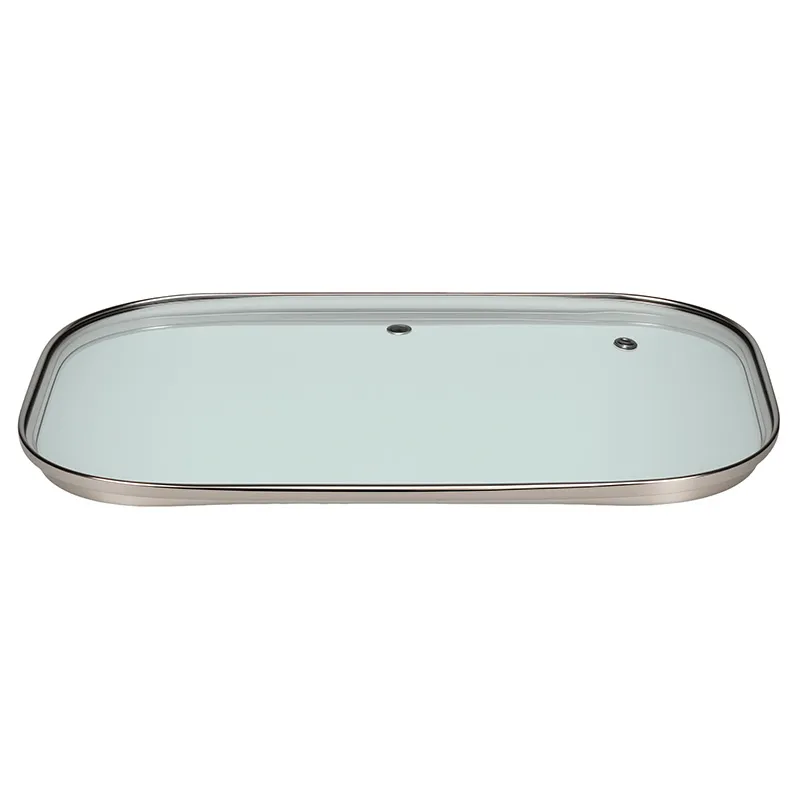
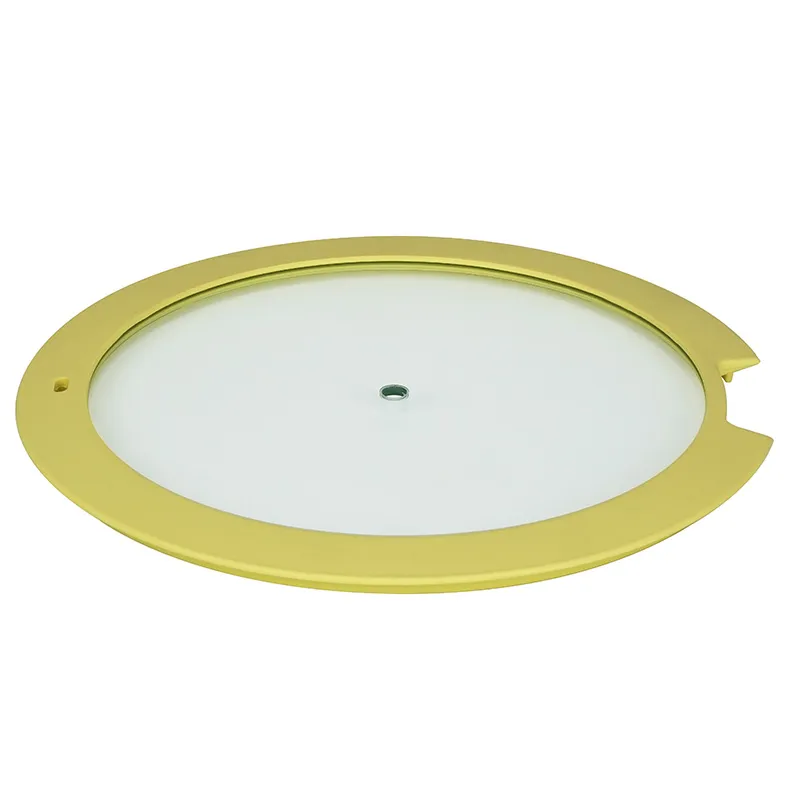
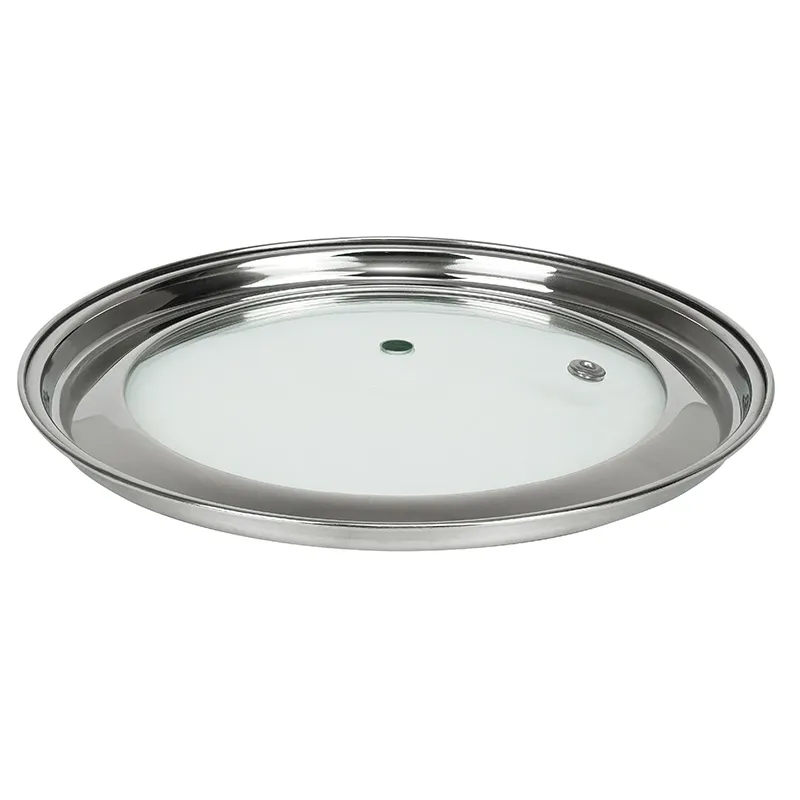
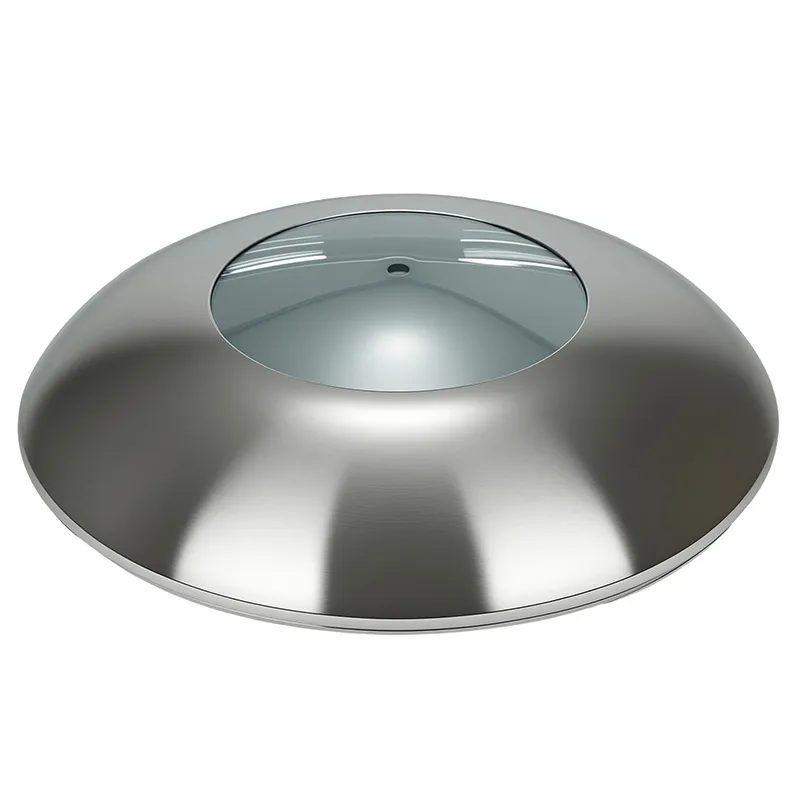
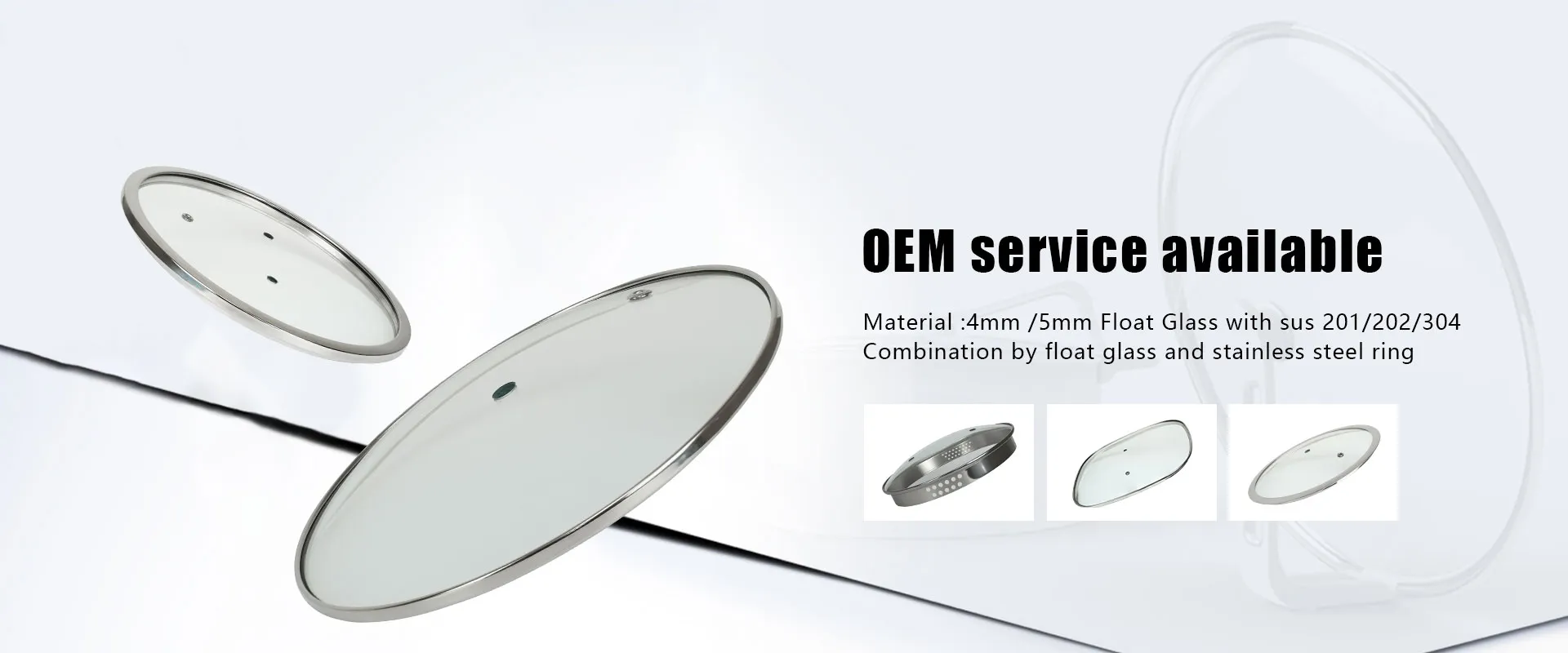
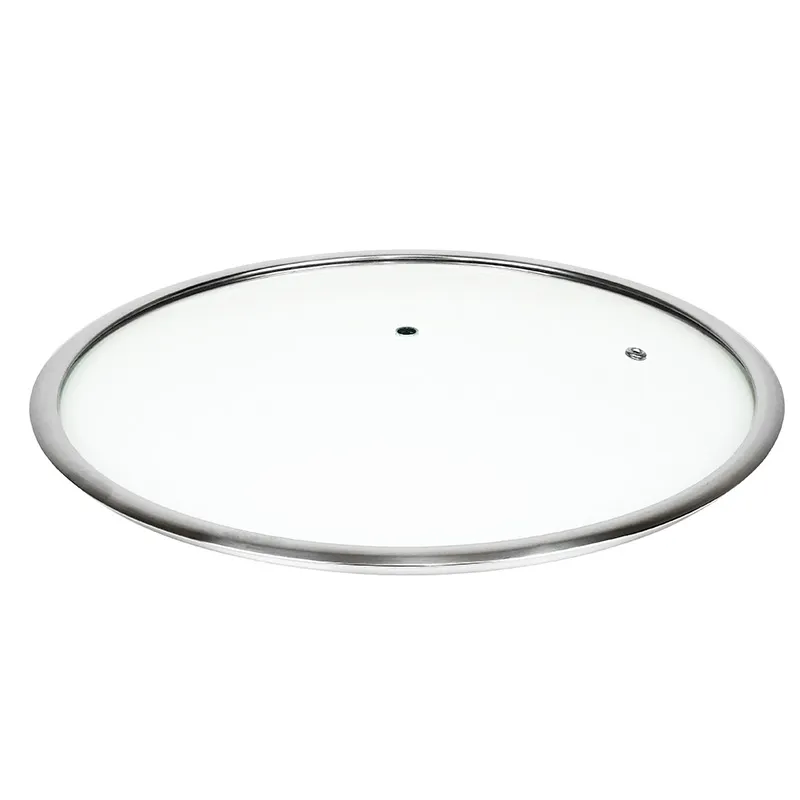
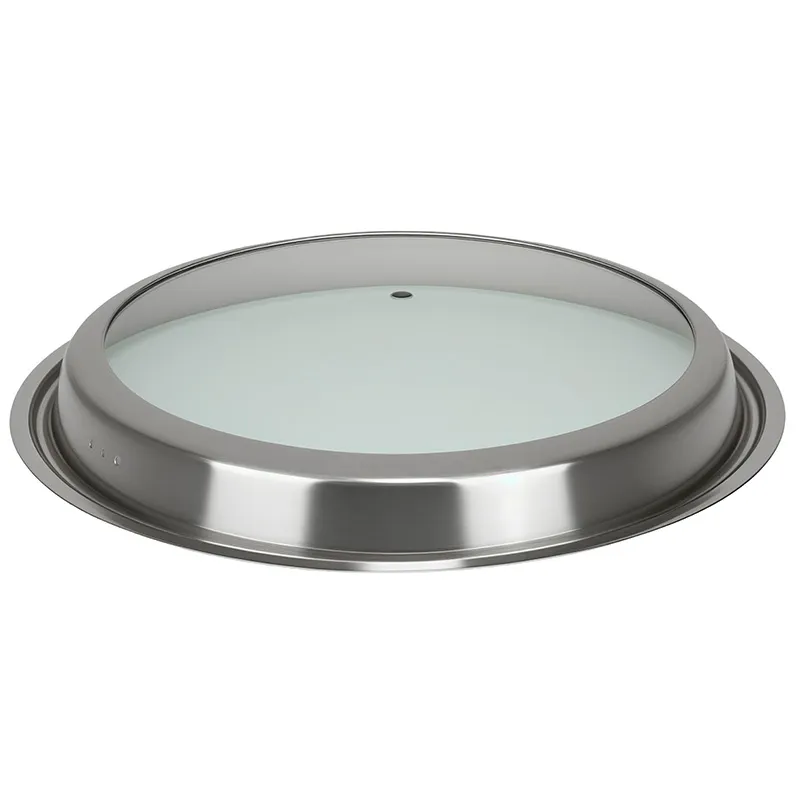
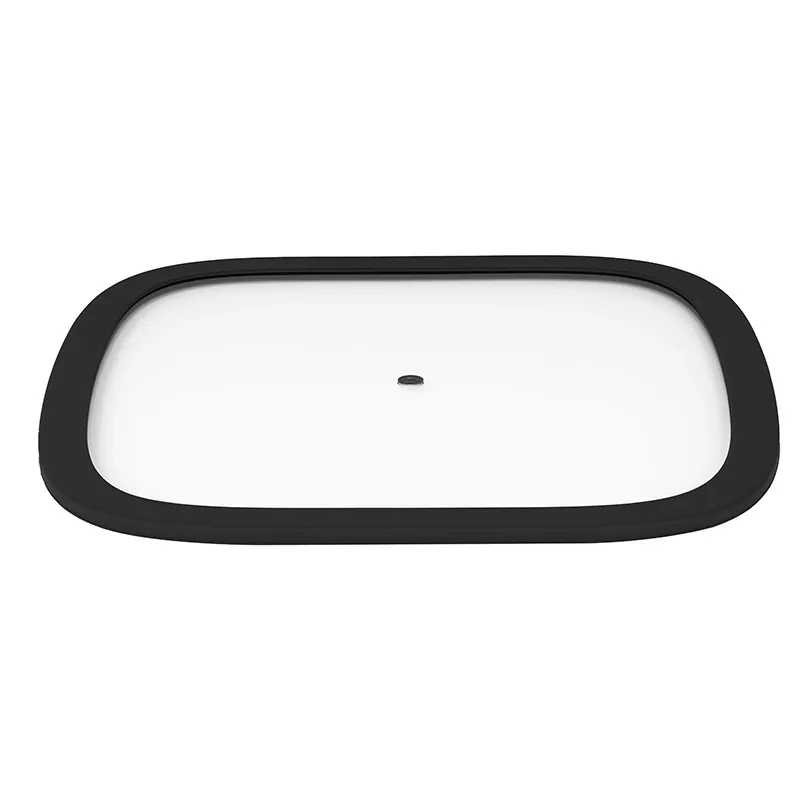
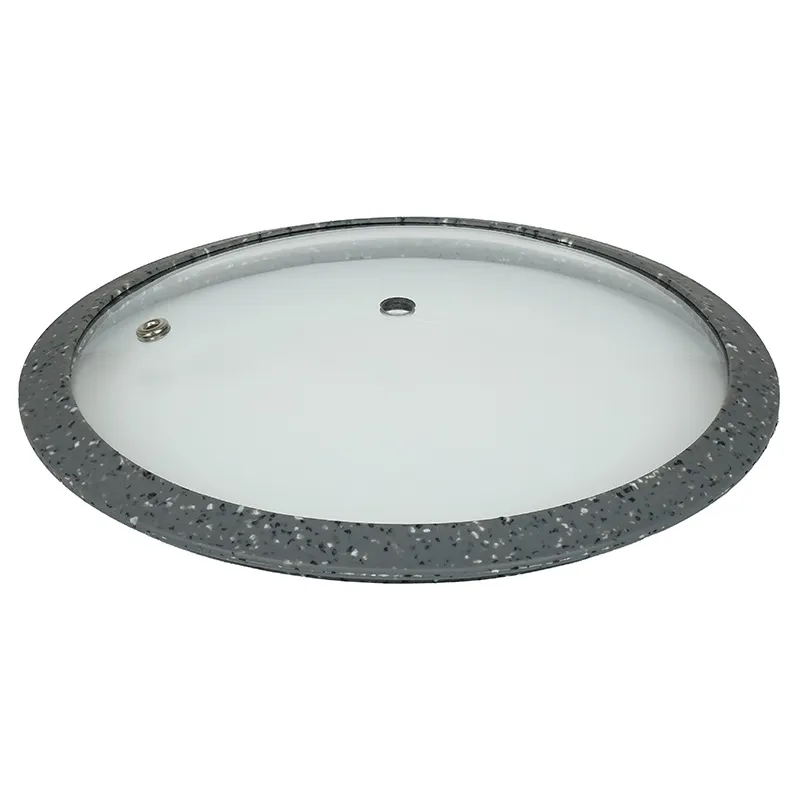
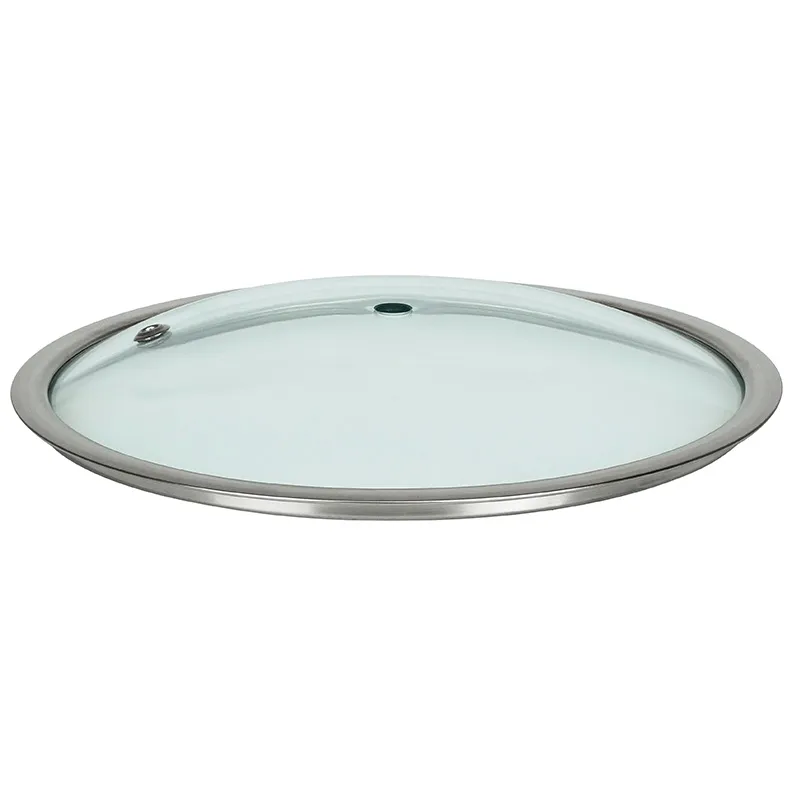
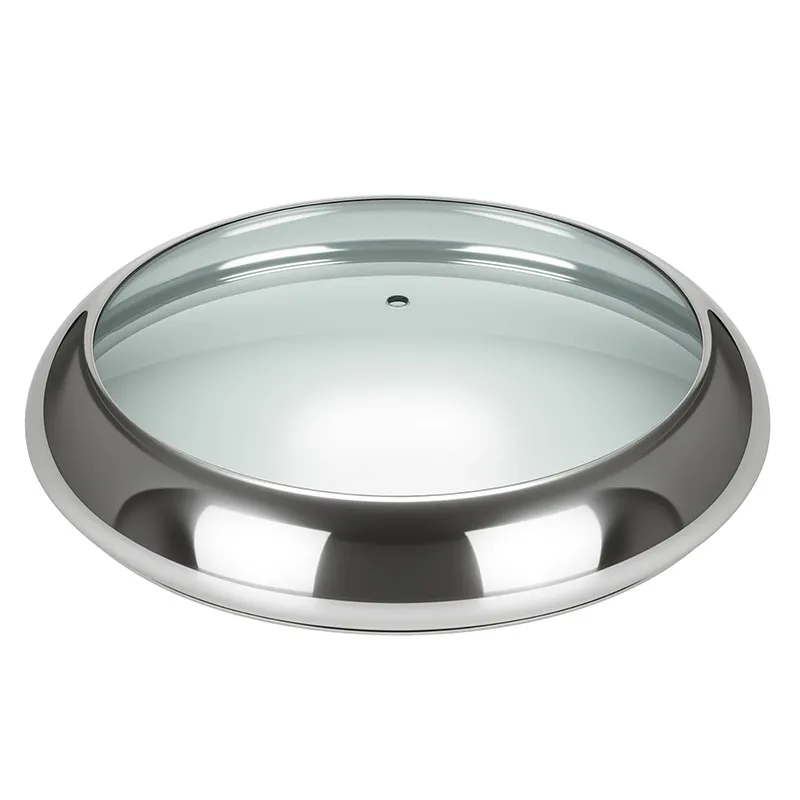
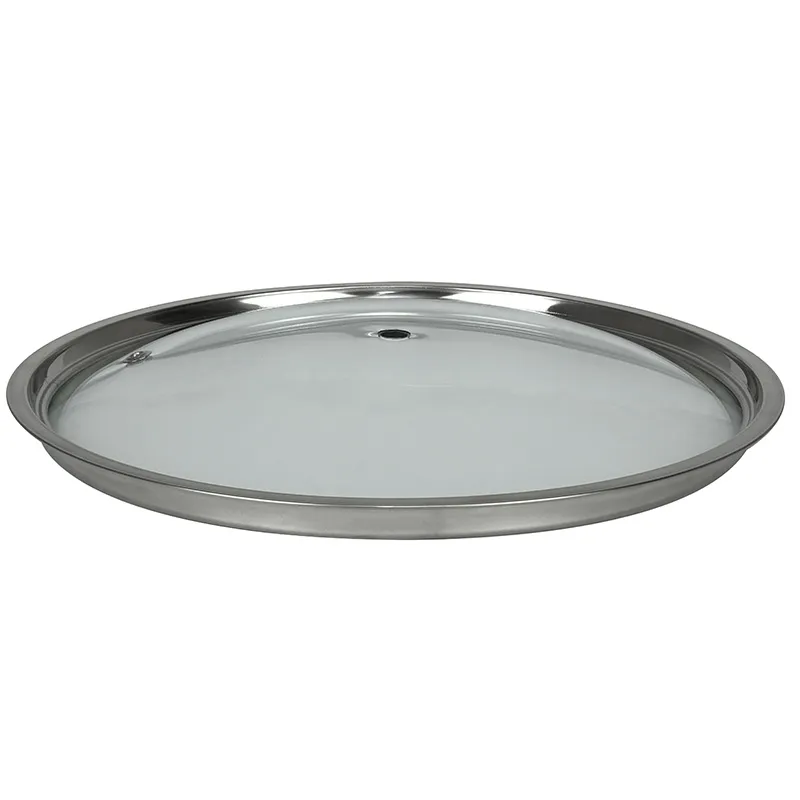
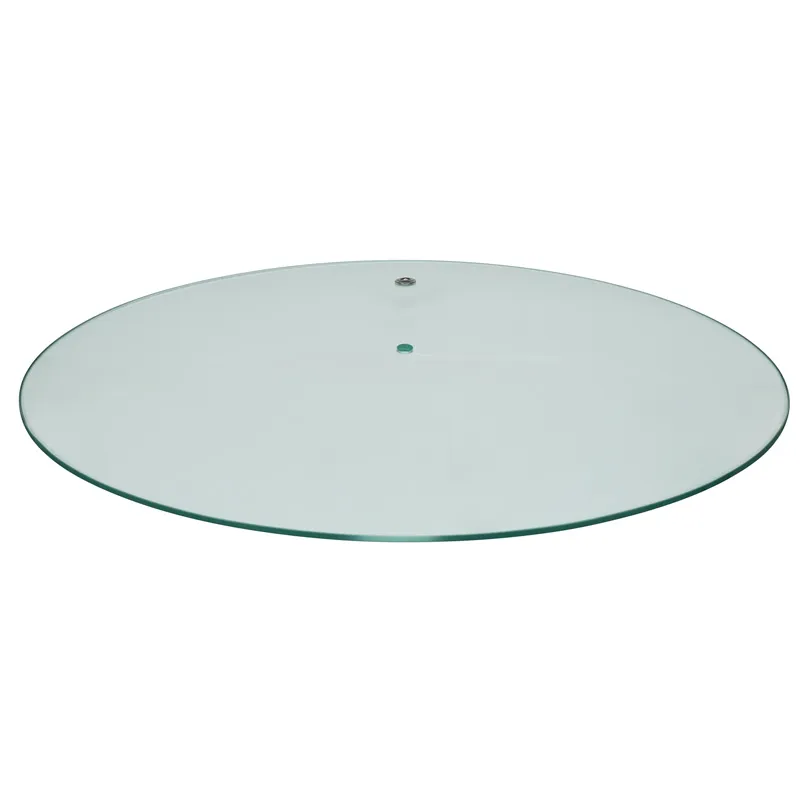
tempered glass cover with knob
When you hear 'tempered glass cover with knob', most people just think of a clear lid for a pot. That's the first mistake. In reality, it's a critical interface between the cook, the food, and the heat source. The knob isn't just for lifting; its material, attachment method, and thermal properties dictate safety, durability, and even cooking performance. I've seen too many designs fail because they treated the knob as an afterthought, glued onto a piece of glass. The real challenge is making that assembly withstand a dishwasher cycle for years, direct flame contact, and the inevitable drop onto a hard kitchen floor. It's a deceptively simple product that hides a world of engineering compromises.
The Core Anatomy of a Reliable Assembly
Let's break down the unit. You have the tempered glass cover itself. Tempering is non-negotiable for safety—it shatters into small, blunt pieces instead of sharp shards. But the tempering process introduces stress. Drilling a hole for the knob post after tempering is impossible; it would explode. So, the hole must be molded or ground before the glass goes into the furnace. This requires precise ceramic molds or diamond grinding, a step where cost-cutting immediately shows. A poorly finished hole edge creates a stress concentration point, a ticking time bomb.
Then there's the knob. Silicone is the industry standard now, but not all silicone is equal. Food-grade, high-temperature resistant (we're talking 250°C+ continuous) silicone costs more. The cheap stuff yellows, cracks, or even melts slightly over direct heat, becoming sticky. The knob's design isn't just about aesthetics; it needs a wide enough base to distribute lifting force and a texture that provides grip even with wet, soapy hands. I recall a batch from a supplier where the knob was too smooth—we had a spike in customer complaints about lids slipping from grasp. A small design flaw with real consequences.
The marriage of glass and knob is the true test. The most robust method uses a stainless steel post and nut assembly. The post goes through the glass hole, and a nut secures it from underneath, sandwiching the glass with silicone or metal washers to cushion the pressure. You can't overtighten it, or you risk cracking the glass. You can't undertighten it, or the knob spins or leaks vapor. It's a manual torque-controlled process on the assembly line. Automated solutions exist, but for the variance in glass thickness, human calibration is often still key. I've visited factories where this station determines the entire production line's pace.
Real-World Failure Points and Lessons
You learn more from failures than specs. Early in my sourcing days, we approved a sample where the knob was attached with a high-temperature epoxy. Lab tests passed. But real-world kitchen use is different. The repeated thermal cycling—from a hot stove to a cool countertop—created micro-flexing. After about 8 months, the epoxy bond began to fail. Knobs popped off during cooking, creating a burn hazard and ruining meals. That was a costly lesson in the superiority of mechanical fastening over chemical bonding for this specific application.
Another common issue is thermal shock resistance. A tempered glass cover might handle a 300°C oven, but what about placing a cold lid on a scorching hot pot? Or adding cold water to a hot, covered pan? This is where the glass's quality and the annealing process after tempering are critical. We once worked with a manufacturer, like EUR-ASIA COOKWARE CO.,LTD (you can see their range at https://www.glass-lid.com), who emphasized their slow-cool annealing ovens. It made a tangible difference. Their lids could handle sudden temperature swings that would cause others to spontaneously fracture. Their specialization in producing millions of pieces annually for markets like Germany and Japan, where safety standards are stringent, shows in this kind of process discipline.
Dishwasher safety is a whole other battlefield. It's not just about heat; it's about aggressive detergents and high-pressure jets. The knob assembly is the prime target. If any metal part (like the post or nut) is not high-grade stainless steel (think 304 or 316), it will rust. Rust stains the glass and seizes the assembly. Furthermore, the jet spray can force water into microscopic gaps between the post and glass. If the sealing washer isn't perfect, water sits there, and in the drying cycle, it steams, creating pressure. Over time, this can weaken the seal or even cause the glass to crack from the inside out.
Material and Manufacturing Nuances
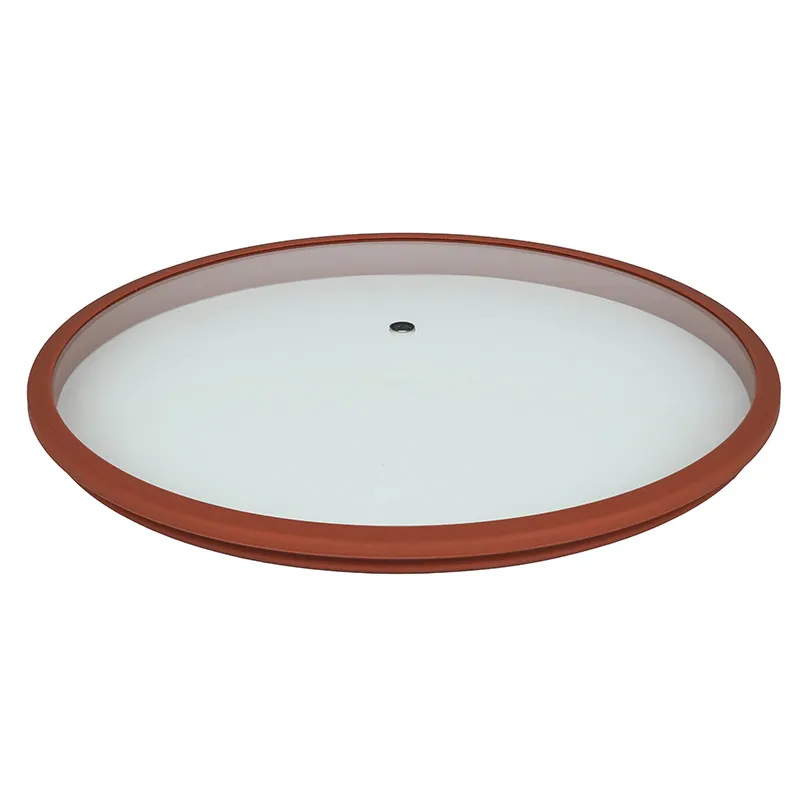
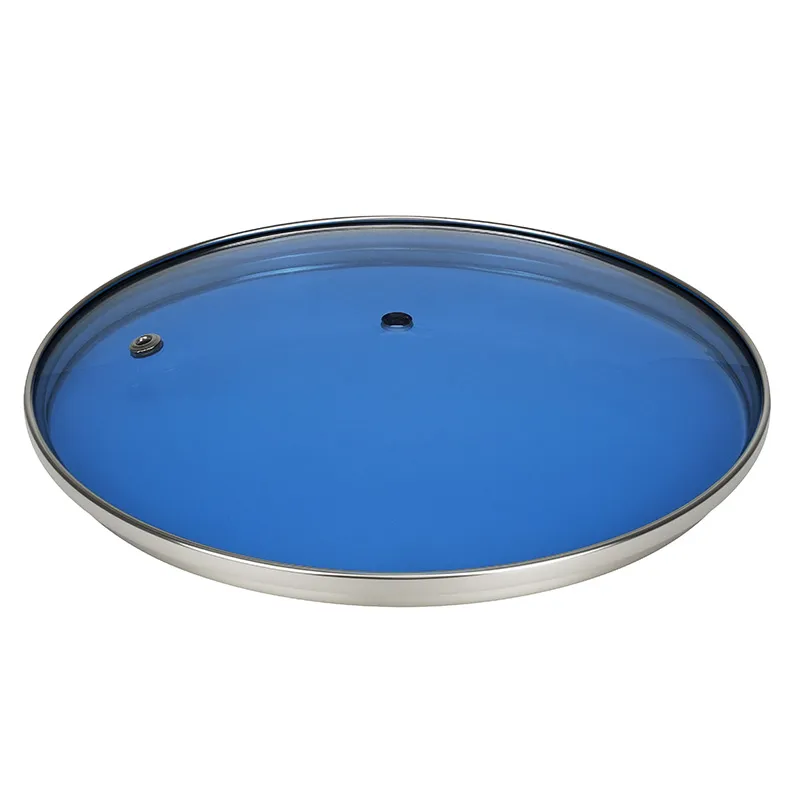
Beyond the basic glass, you have options like tinted glass (smoke, blue) or patterns. These are often ceramic paints fired onto the glass before tempering. The paint must have the same thermal expansion coefficient as the glass. If not, it will chip or craze. The knob color must then be matched to this paint—a logistics headache involving different silicone pigment batches. For a company like EUR-ASIA COOKWARE, which exports over 90% of its output to diverse markets, managing these SKU variations for Europe, South Korea, or Brazil requires a sophisticated production and inventory system. It's not just making glass; it's managing global aesthetic preferences.
The shape of the cover matters immensely. A universal lid that fits multiple pan sizes? It usually means a larger diameter and a pronounced dome. This increases the lever force on the knob when lifting. The knob's base must be larger, and the internal reinforcement (often a metal disc molded into the silicone) must be stronger. A flat lid for a sauté pan is simpler but requires perfect flatness to seal properly. Warped glass is a silent defect—it won't sit flush, letting all the steam escape. On the assembly line, they often have a simple backlight jig to check for warping; any lid that rocks fails.
Cost pressure is constant. The temptation is to use thinner glass, a smaller knob, or a cheaper zinc alloy post instead of stainless steel. The immediate cost saving might be $0.15 per unit. But the long-term cost is returns, bad reviews, and a damaged brand. The professional manufacturers know this. They'll argue for the integrity of the tempered glass cover with knob as a system. Their production base in Taian, with its 15,000㎡ facility, isn't just about scale; it's about vertical control over the process, from glass cutting to tempering to final assembly, which allows for consistent quality checks at each stage.
The Unseen Value in a Niche Product
Why does this all matter? Because in a kitchen, a lid is a passive but essential tool. A well-made tempered glass cover with knob allows for visual monitoring of a simmering sauce without releasing heat and moisture. It provides confidence when lifting a heavy, hot dish. It cleans easily and doesn't retain odors. When you pick up a lid from a reputable maker, the heft, the clarity of the glass, the secure, non-wobbly feel of the knob—these are the results of countless small decisions in material selection and process control.
For distributors and brands, partnering with a specialized producer is crucial. It's not just about getting a container of lids. It's about having a technical partner who understands that a knob's pull-force test result needs to be X Newtons after 500 dishwasher cycles, or that the glass must pass a specific impact test from a defined height. The company intro for EUR-ASIA mentions an annual output of over 15 million pieces. That volume suggests they've likely encountered and solved nearly every failure mode imaginable, which is invaluable.
In the end, the keyword isn't just a product description. It's a summary of a functional artifact born from material science, mechanical design, and an intimate understanding of kitchen ergonomics. The next time you lift a lid by its knob, you might think about the journey it took to get there—from a high-tech zone in Shandong to a stove top in Munich or Tokyo—and the precise, unglamorous engineering that makes that simple, safe action possible.
Related Products
Related Products