- Chinese
- French
- German
- Portuguese
- Spanish
- Russian
- Japanese
- Korean
- Arabic
- Irish
- Greek
- Turkish
- Italian
- Danish
- Romanian
- Indonesian
- Czech
- Afrikaans
- Swedish
- Polish
- Basque
- Catalan
- Esperanto
- Hindi
- Lao
- Albanian
- Amharic
- Armenian
- Azerbaijani
- Belarusian
- Bengali
- Bosnian
- Bulgarian
- Cebuano
- Chichewa
- Corsican
- Croatian
- Dutch
- Estonian
- Filipino
- Finnish
- Frisian
- Galician
- Georgian
- Gujarati
- Haitian
- Hausa
- Hawaiian
- Hebrew
- Hmong
- Hungarian
- Icelandic
- Igbo
- Javanese
- Kannada
- Kazakh
- Khmer
- Kurdish
- Kyrgyz
- Latin
- Latvian
- Lithuanian
- Luxembou..
- Macedonian
- Malagasy
- Malay
- Malayalam
- Maltese
- Maori
- Marathi
- Mongolian
- Burmese
- Nepali
- Norwegian
- Pashto
- Persian
- Punjabi
- Serbian
- Sesotho
- Sinhala
- Slovak
- Slovenian
- Somali
- Samoan
- Scots Gaelic
- Shona
- Sindhi
- Sundanese
- Swahili
- Tajik
- Tamil
- Telugu
- Thai
- Ukrainian
- Urdu
- Uzbek
- Vietnamese
- Welsh
- Xhosa
- Yiddish
- Yoruba
- Zulu
- Kinyarwanda
- Tatar
- Oriya
- Turkmen
- Uyghur

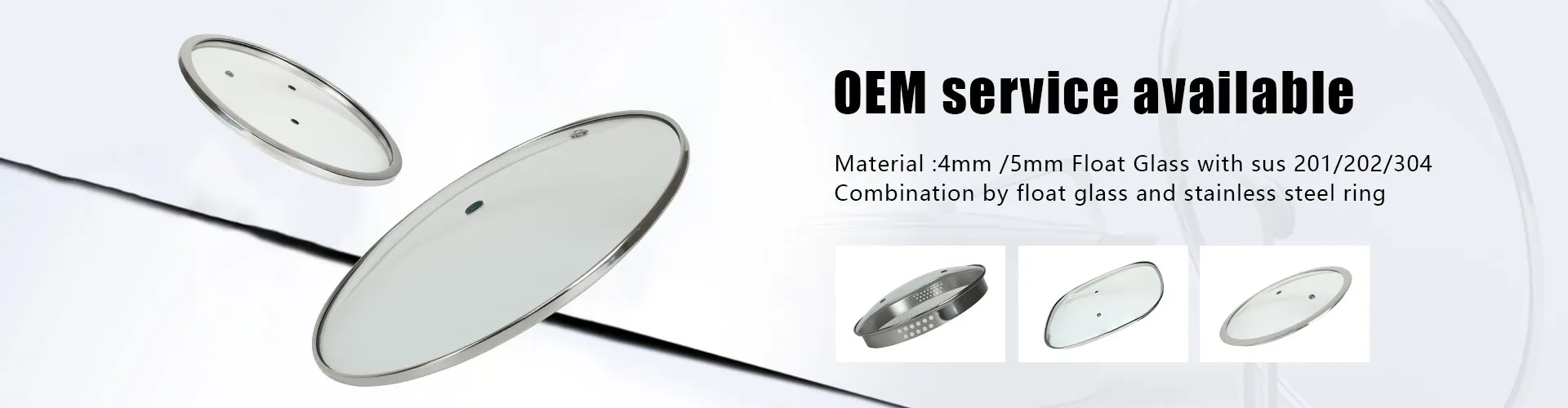
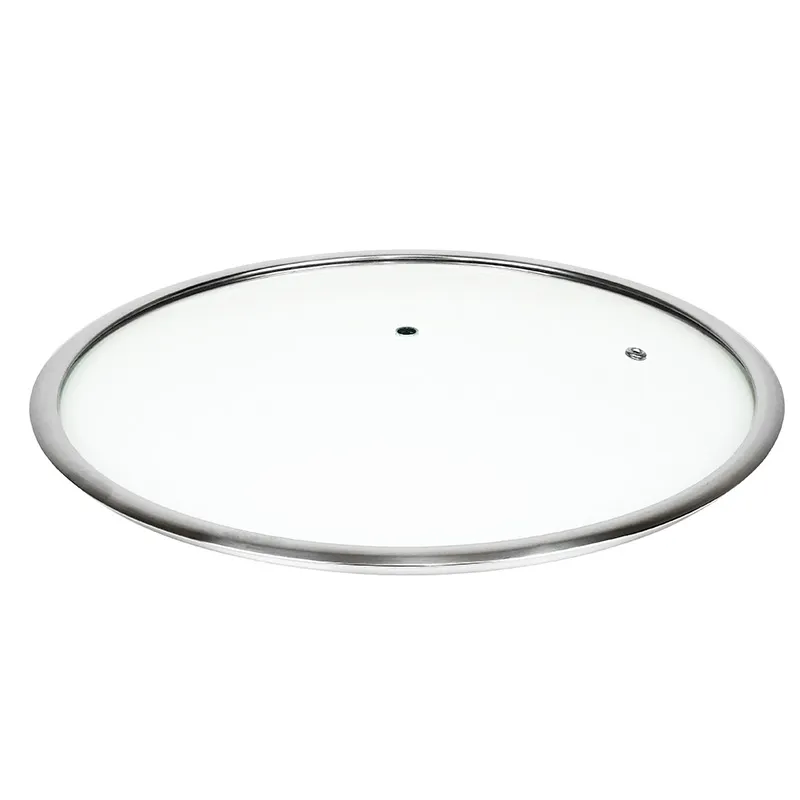
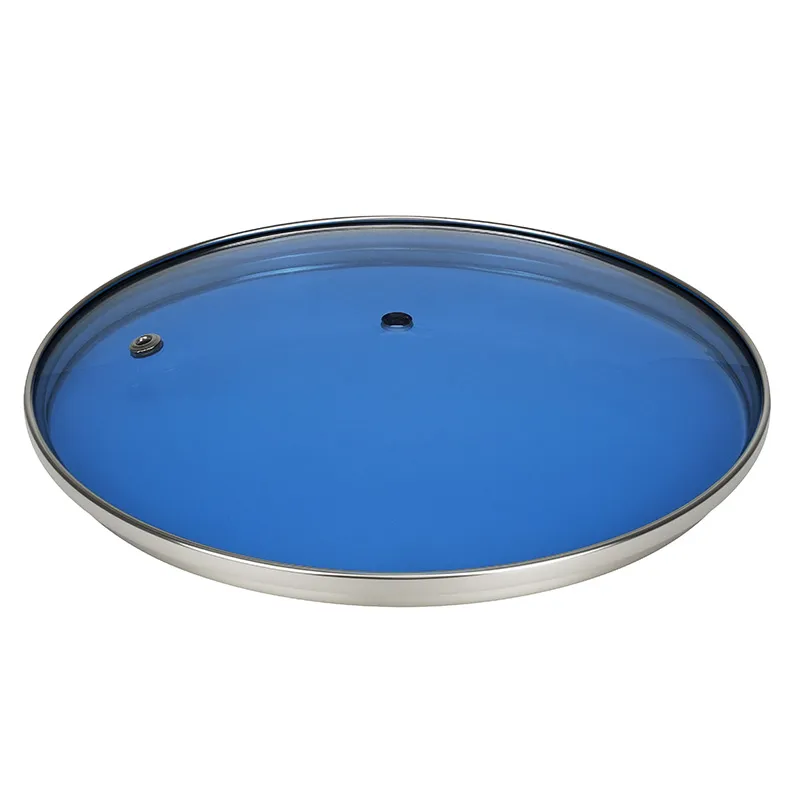
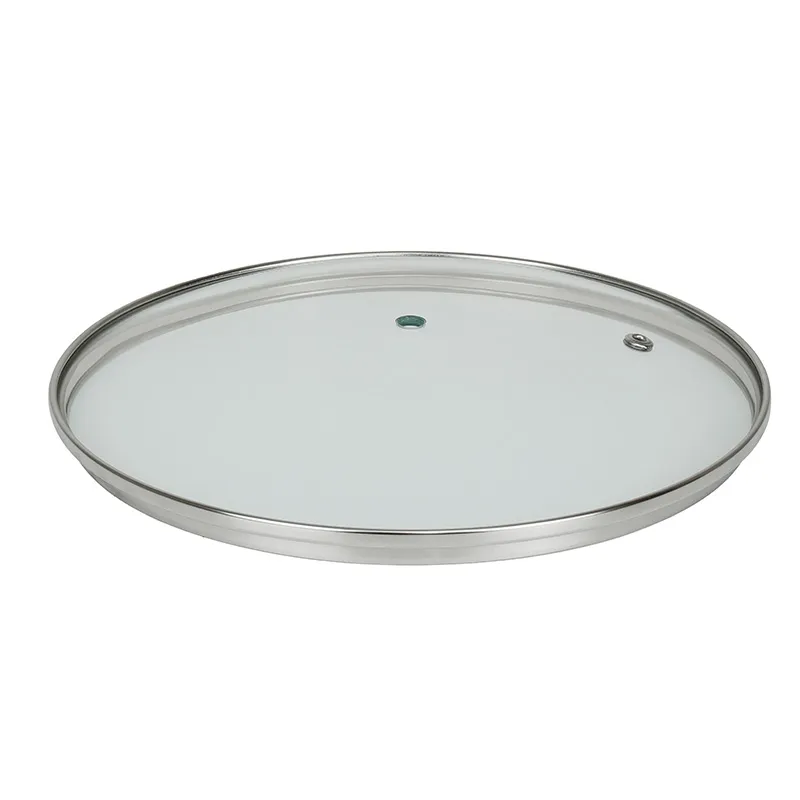
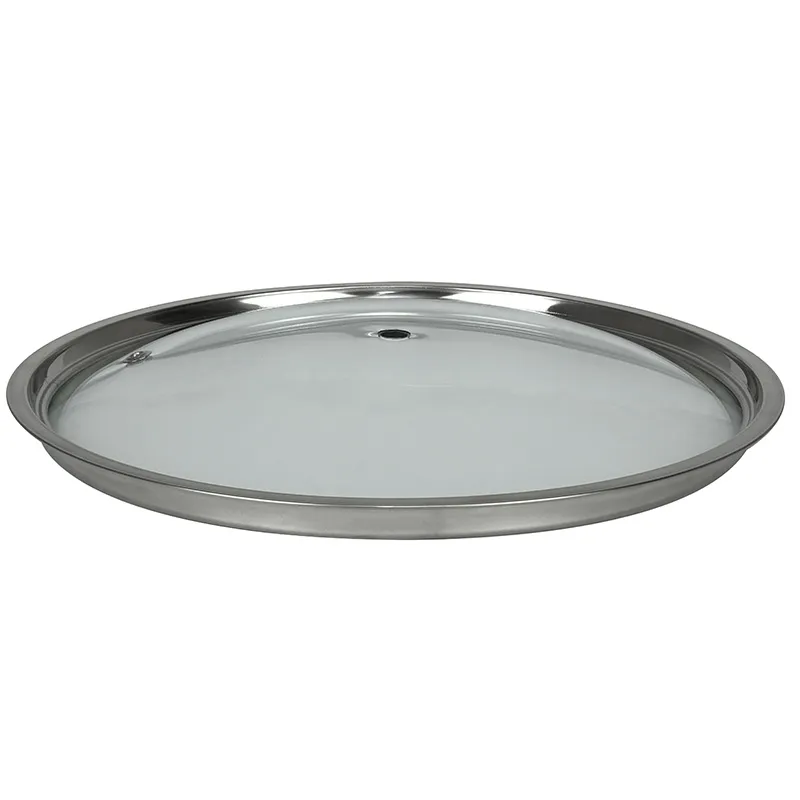
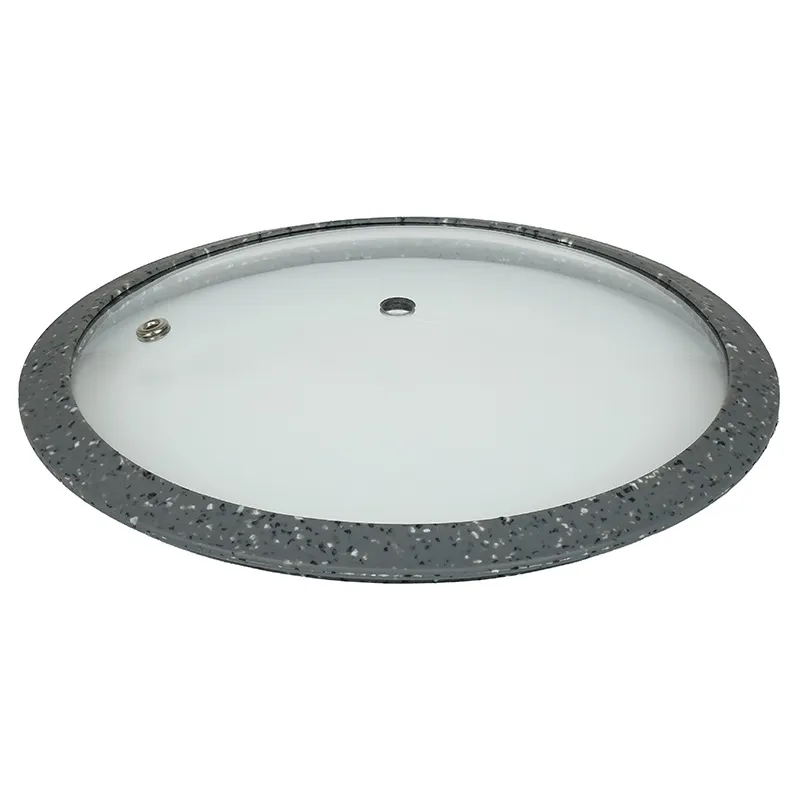
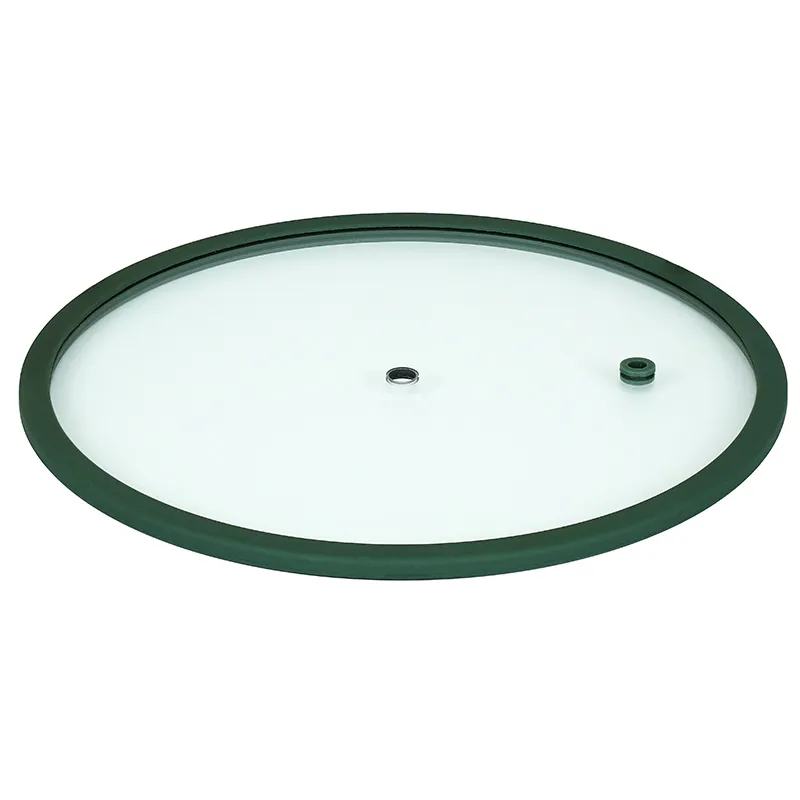
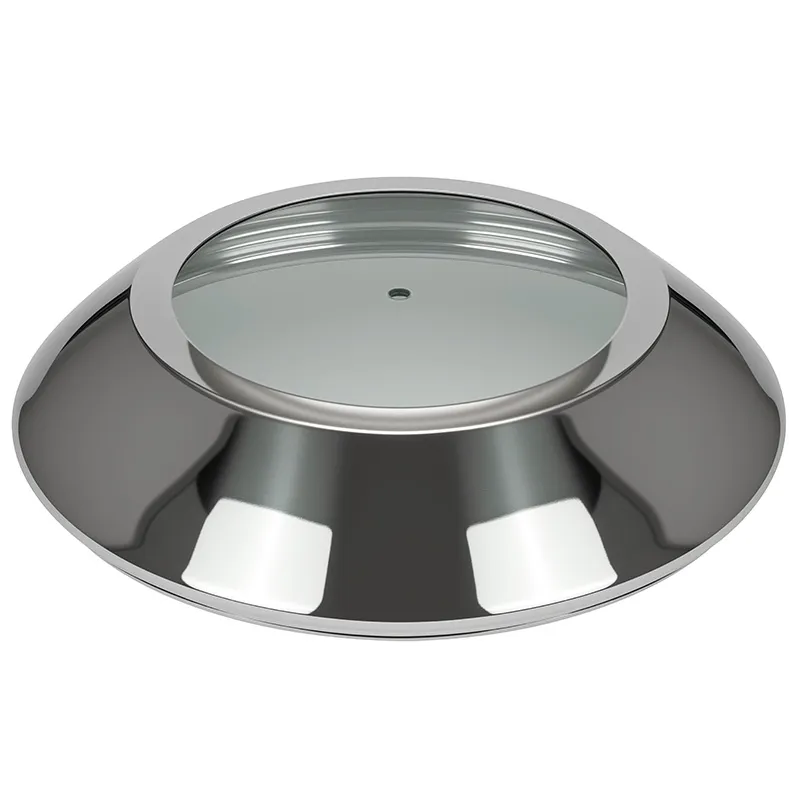
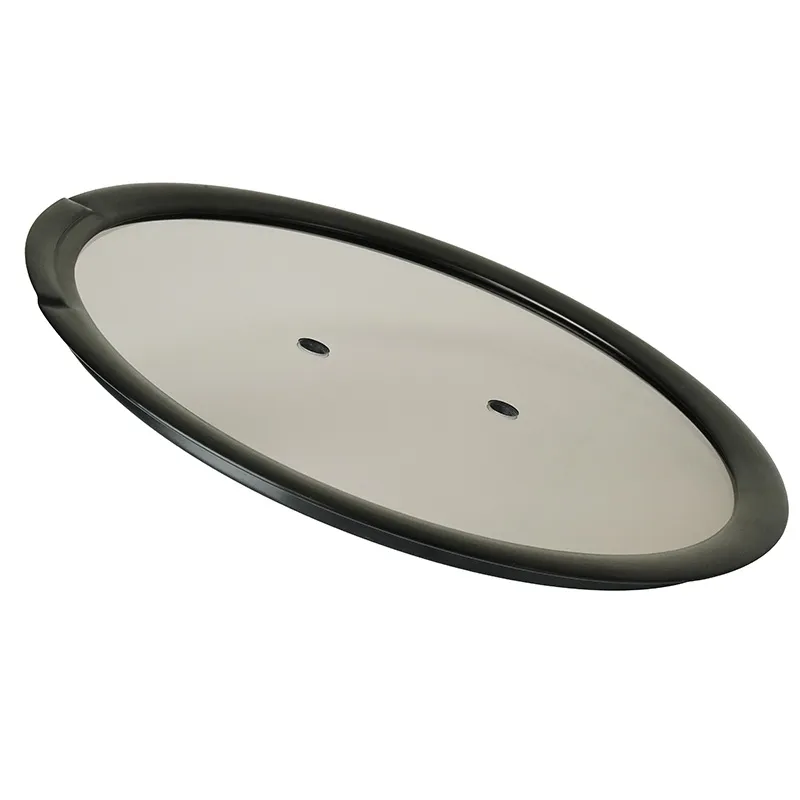
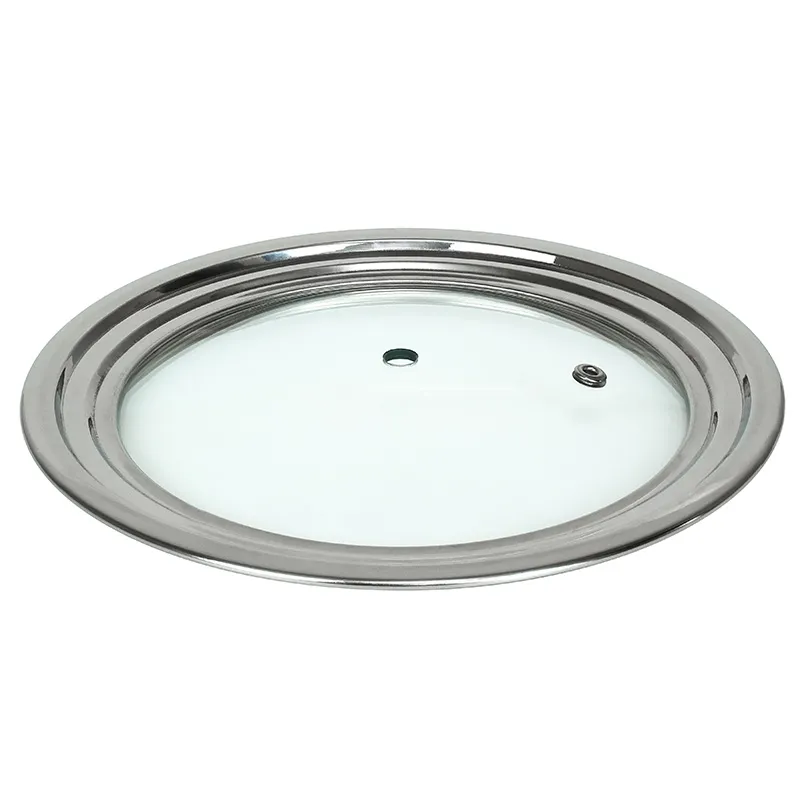
tempered glass glass with silicone
When you hear 'tempered glass with silicone', most think it's just a glass lid with a rubber ring stuck on. That's the first mistake. In reality, it's a bonded system where the performance hinges entirely on the marriage between the tempered glass substrate and the specific silicone formulation. Get the chemistry or the physics wrong at that interface, and you've got a product that either delaminates in the dishwasher or cracks under thermal shock. I've seen both.
The Core Misconception: Silicone as an Afterthought
Many sourcing managers, even some engineers, treat the silicone gasket as a commodity component. They'll spec the glass—4mm thick, fully tempered, radius corners—and then just ask for a 'black food-grade silicone ring'. That's a recipe for field returns. The silicone isn't just a seal; it's a thermal and mechanical buffer. A lid from EUR-ASIA COOKWARE CO.,LTD. for a European casserole dish, for instance, has to handle a 200°C oven, then be placed on a cold granite counter. The glass wants to contract rapidly; the silicone, if too hard, resists and creates stress points. If too soft, it deforms and loses its seal. The formulation is proprietary for a reason.
I recall a project years ago where we tried to cut costs by switching to a generic silicone supplier. The initial samples passed basic FDA tests, but in real-world testing with a high-end German client, the lids failed spectacularly. After about 50 dishwasher cycles, the bond line showed micro-gaps. Steam would seep in during cooking, and more critically, detergent residue would accumulate, leading to eventual bond failure. We learned the hard way that the adhesion promoter in the silicone compound must be tailored to the specific surface energy of the tempered glass after the tempering process, which leaves a slightly different surface layer than annealed glass.
This is where a manufacturer's process control shows. A company like EUR-ASIA, with an annual output in the tens of millions of pieces, has likely dialed in this chemistry through sheer volume of trial and error. Their production base in Shandong's high-tech zone isn't just about scale; it's about having the infrastructure to consistently pre-treat the glass edge before the silicone injection molding or bonding process. Consistency is everything.
Thermal Shock and the Quiet Crack Failure
Let's talk about a failure mode you won't find in most spec sheets: the quiet crack. It's not the dramatic, spontaneous shattering you see in viral videos. It's a hairline fracture originating from the inside edge of the silicone channel, often invisible until the lid is washed and water stains the crack. The root cause is almost always differential expansion.
During the bonding process—whether it's liquid silicone injection molding (LSR) or applying a pre-formed gasket with adhesive—the silicone is cured at an elevated temperature. When it cools, it's in a state of tension on the glass. Now, take that lid and slam it from a 220°C oven onto a wet, cold surface. The glass surface in direct contact cools and contracts instantly, but the glass under the silicone ring is insulated. This creates a shear stress at the precise boundary we're trying to protect. A well-designed system accounts for this by engineering the silicone's durometer (hardness) and thermal conductivity to act as a gradual thermal bridge, not an insulator.
I've inspected batches where the failure rate for thermal shock was abnormally high. The culprit wasn't the glass tempering (which was up to spec), but a minor change in the silicone curing cycle that altered its cross-link density, making it slightly more brittle at low temperatures. This is the kind of granular detail that separates a functional product from a reliable one. It's why high-volume exporters, serving markets like Germany and Japan with stringent durability expectations, can't afford to treat the silicone as a trivial part.
The Bonding Process: Adhesion vs. Mechanical Lock
There are two main philosophies for attaching the silicone: pure chemical adhesion and mechanical interlock. The best systems use both. Pure adhesion relies on a primer and the silicone's self-adhesive properties. It's clean-looking but can be vulnerable to prolonged steam exposure and aggressive detergents. The mechanical approach involves designing the glass edge with an undercut or a groove—a channel—into which the silicone flows and locks during molding.
The latter is more robust but far more difficult to manufacture. It requires precision-ground glass edges. Any micro-chips or irregularities in the glass channel become stress concentrators and can initiate cracks during tempering or use. I've seen production lines where they had to implement 100% visual inspection of the glass channel pre-tempering because even a flaw invisible to the naked eye could later cause a bond failure. This level of control speaks to a mature production setup, like the one implied by EUR-ASIA's 15,000㎡ facility and focus on export. Their products landing in Italy or Brazil have to survive local use—which might mean a dishwasher with very aggressive phosphate-free detergents or direct flame exposure on a stovetop.
Sometimes, the solution is hybrid. A light mechanical channel for alignment and stress distribution, combined with a tailored adhesive. The key is that the silicone must fail before the glass does—it should tear or deform under extreme stress, not detach cleanly. A clean detachment means the bond was the weak point, which is a design flaw.
Real-World Validation: It's in the Details
You can't test this system fully in a lab. Real-world validation comes from field use in different climates. A lid shipped to humid, hot Brazil faces different challenges than one in dry, cold Switzerland. The silicone can absorb odors, or in rare cases, support microbial growth if the surface isn't perfectly sealed. This is why the highest-grade compounds include additives for mold resistance and low VOC emission.
Another often-overlooked detail is the squeeze factor. When the lid seals on a pot, the silicone compresses. The compression set resistance—how well it springs back to its original shape after repeated compression—is critical. A lid that feels loose after a few months of use has a silicone with poor compression set. This is a common complaint with cheap products. A manufacturer producing over 15 million pieces a year, like EUR-ASIA, likely has a firm handle on sourcing polymer bases with consistent long-term elasticity.
Looking at their product range of low to high-level household glass, the tempered glass with silicone used on a premium line lid will be fundamentally different from that on a budget line. It might be a different polymer blend (perhaps a high-consistency rubber vs. a standard LSR), a more complex channel design, or a secondary curing process. The difference isn't always visible, but it's palpable in the hand feel and proven in durability.
Concluding Thoughts: A Symphony of Materials
So, to circle back, tempered glass glass with silicone is a deceptively simple term for a complex material symphony. It's not a component purchase; it's a system procurement. The value of a supplier isn't just in their glass tempering furnaces or injection molding machines, but in their accumulated, often painful, knowledge of how these two materials behave as one under stress, heat, and time.
When evaluating a source, don't just ask for a sample. Ask about their silicone supplier relationship, their failure mode analysis for bond delamination, and their thermal shock testing protocol. Ask if they adjust formulations for different export climates. The answers will tell you if you're dealing with a parts assembler or a systems engineer. For companies deeply embedded in the global supply chain for kitchenware, these aren't academic questions—they're the daily reality that determines if a container ship arrives with a sellable product or a mountain of warranty claims. The real expertise lies not in making the two parts, but in making them one.
Related Products
Related Products