- Chinese
- French
- German
- Portuguese
- Spanish
- Russian
- Japanese
- Korean
- Arabic
- Irish
- Greek
- Turkish
- Italian
- Danish
- Romanian
- Indonesian
- Czech
- Afrikaans
- Swedish
- Polish
- Basque
- Catalan
- Esperanto
- Hindi
- Lao
- Albanian
- Amharic
- Armenian
- Azerbaijani
- Belarusian
- Bengali
- Bosnian
- Bulgarian
- Cebuano
- Chichewa
- Corsican
- Croatian
- Dutch
- Estonian
- Filipino
- Finnish
- Frisian
- Galician
- Georgian
- Gujarati
- Haitian
- Hausa
- Hawaiian
- Hebrew
- Hmong
- Hungarian
- Icelandic
- Igbo
- Javanese
- Kannada
- Kazakh
- Khmer
- Kurdish
- Kyrgyz
- Latin
- Latvian
- Lithuanian
- Luxembou..
- Macedonian
- Malagasy
- Malay
- Malayalam
- Maltese
- Maori
- Marathi
- Mongolian
- Burmese
- Nepali
- Norwegian
- Pashto
- Persian
- Punjabi
- Serbian
- Sesotho
- Sinhala
- Slovak
- Slovenian
- Somali
- Samoan
- Scots Gaelic
- Shona
- Sindhi
- Sundanese
- Swahili
- Tajik
- Tamil
- Telugu
- Thai
- Ukrainian
- Urdu
- Uzbek
- Vietnamese
- Welsh
- Xhosa
- Yiddish
- Yoruba
- Zulu
- Kinyarwanda
- Tatar
- Oriya
- Turkmen
- Uyghur

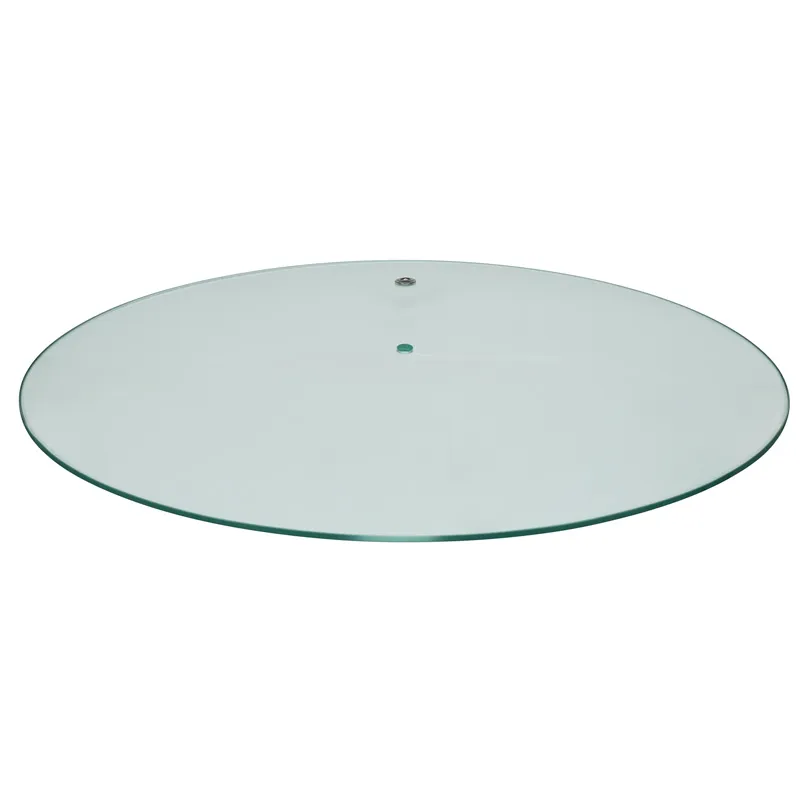
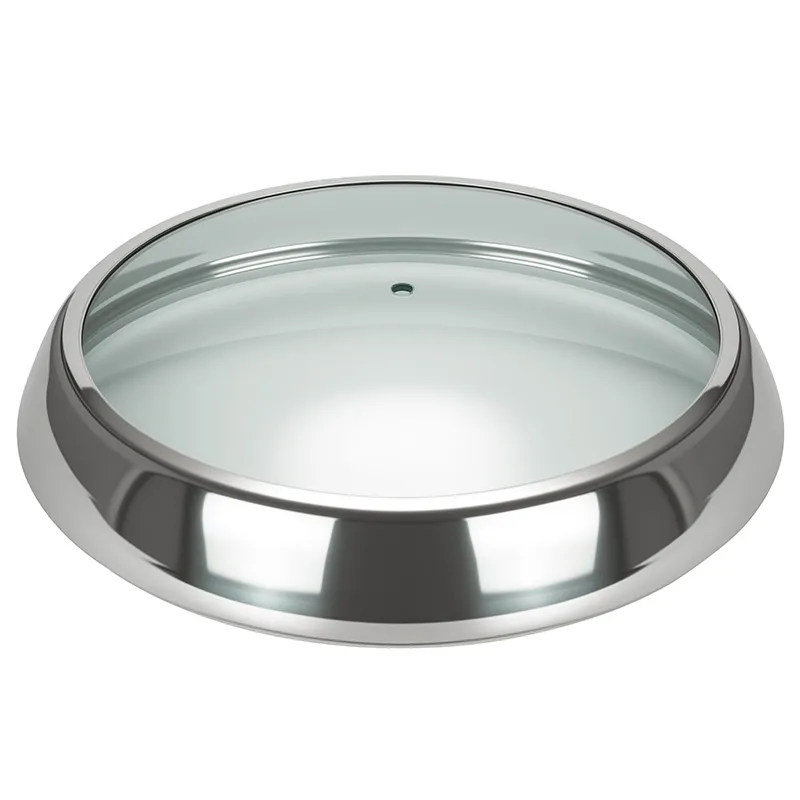
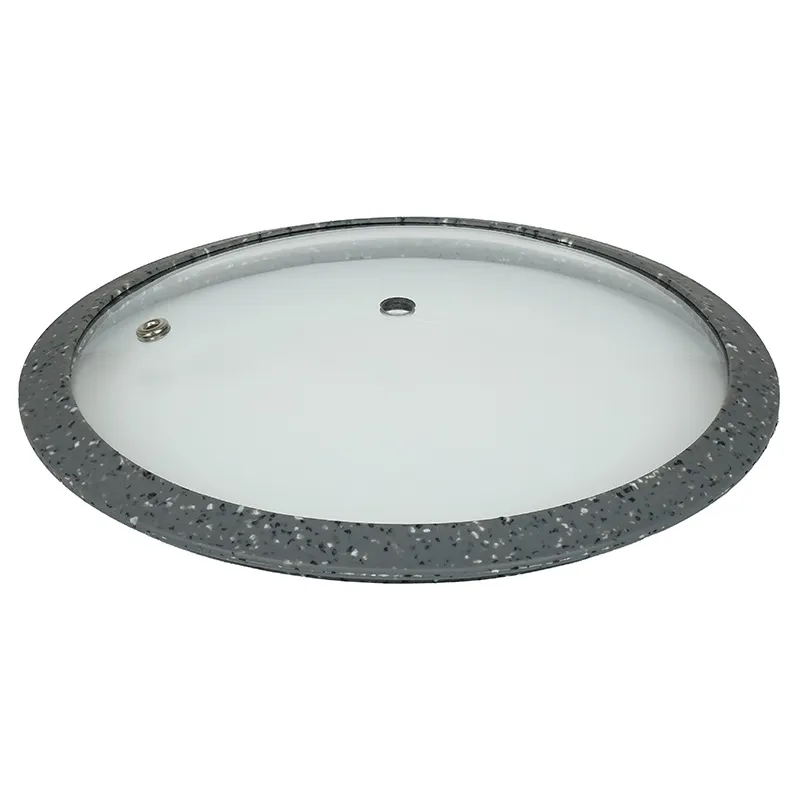
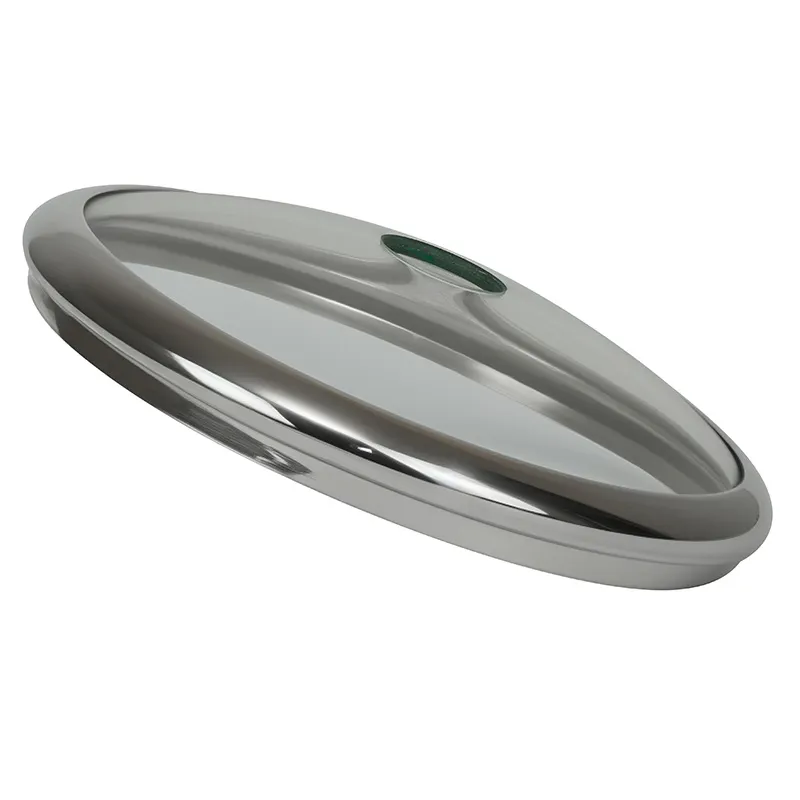
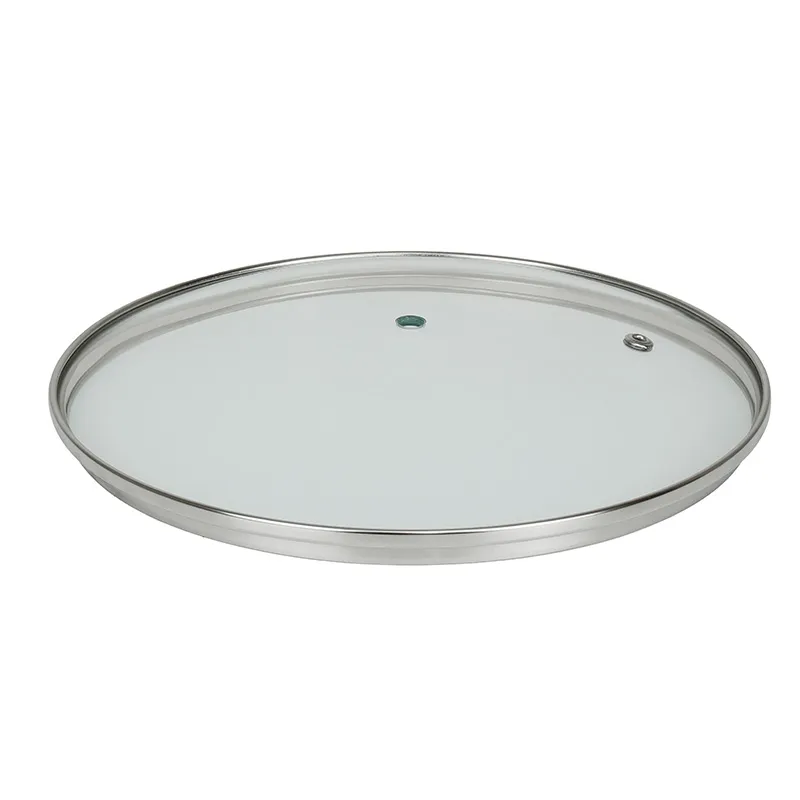
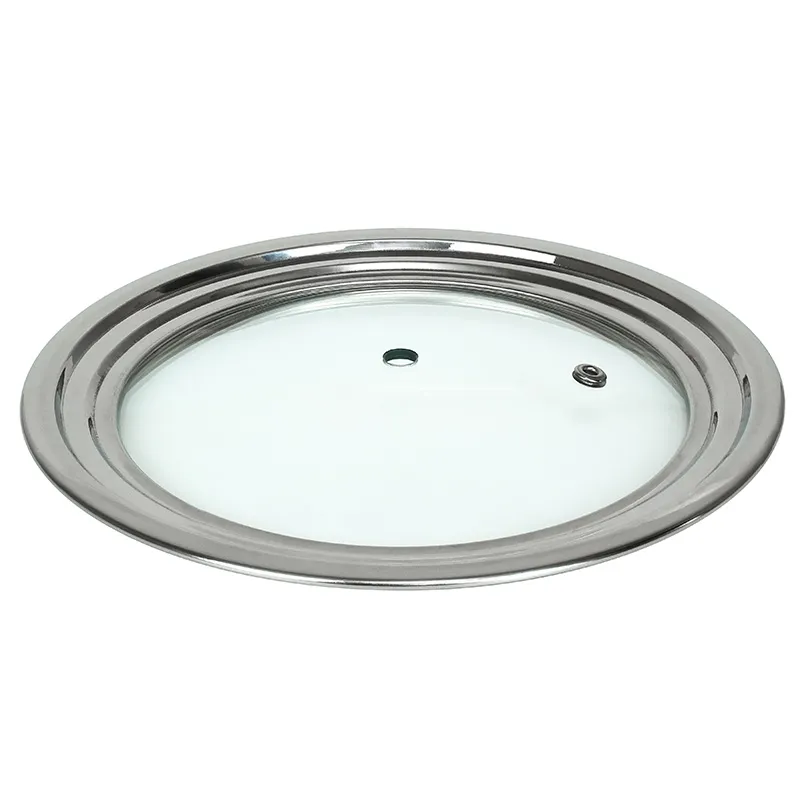
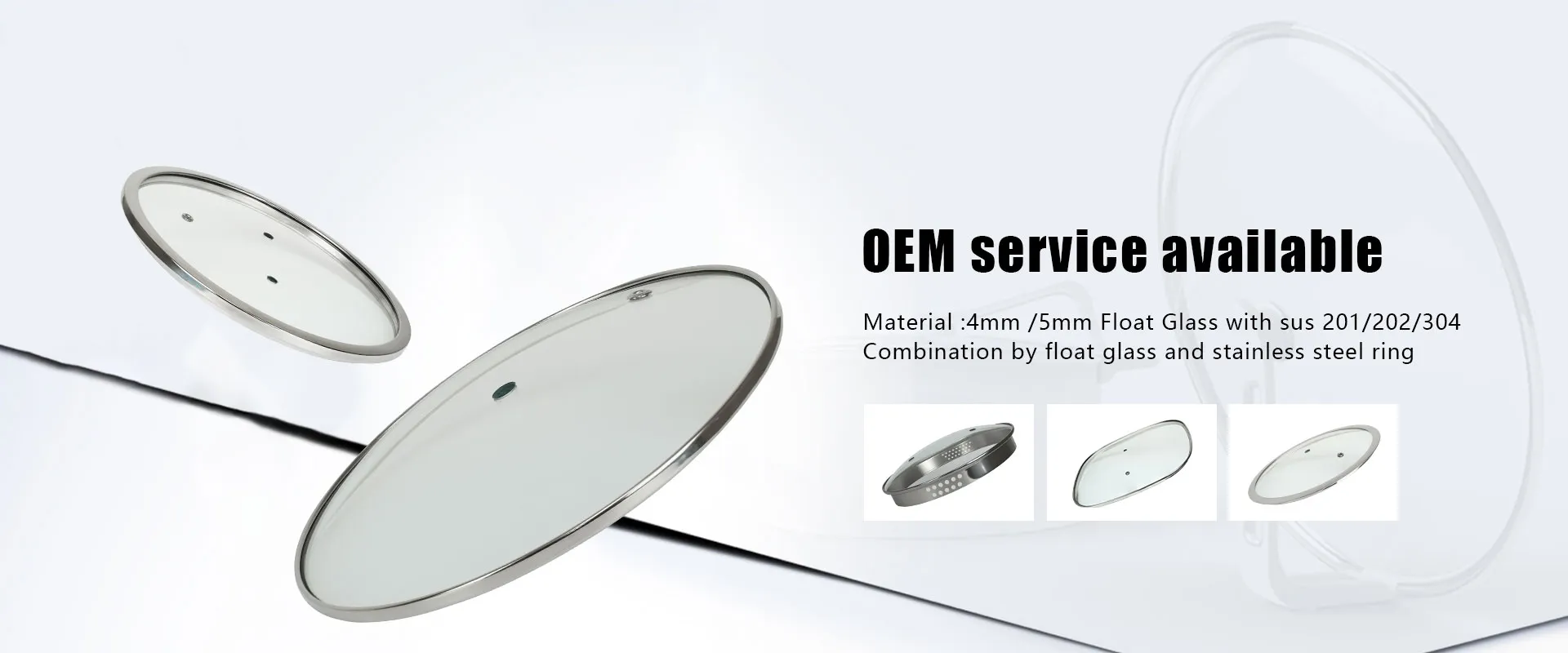
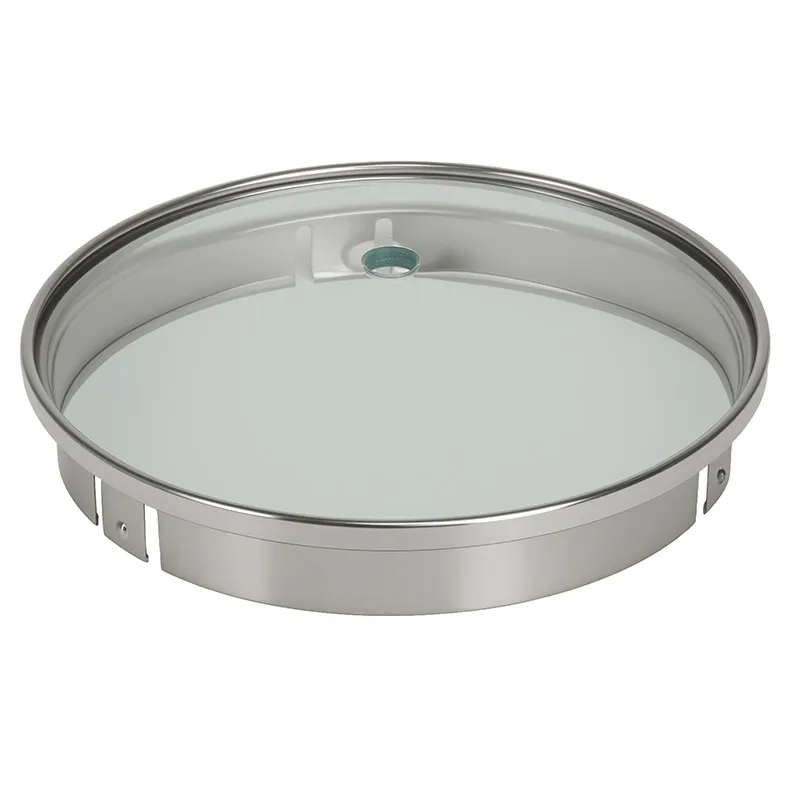
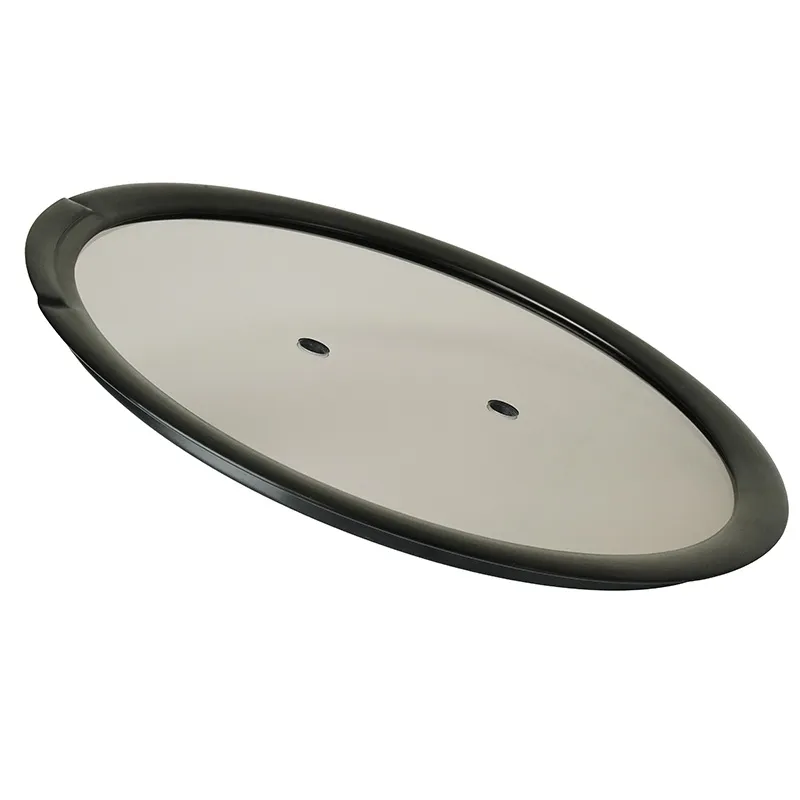
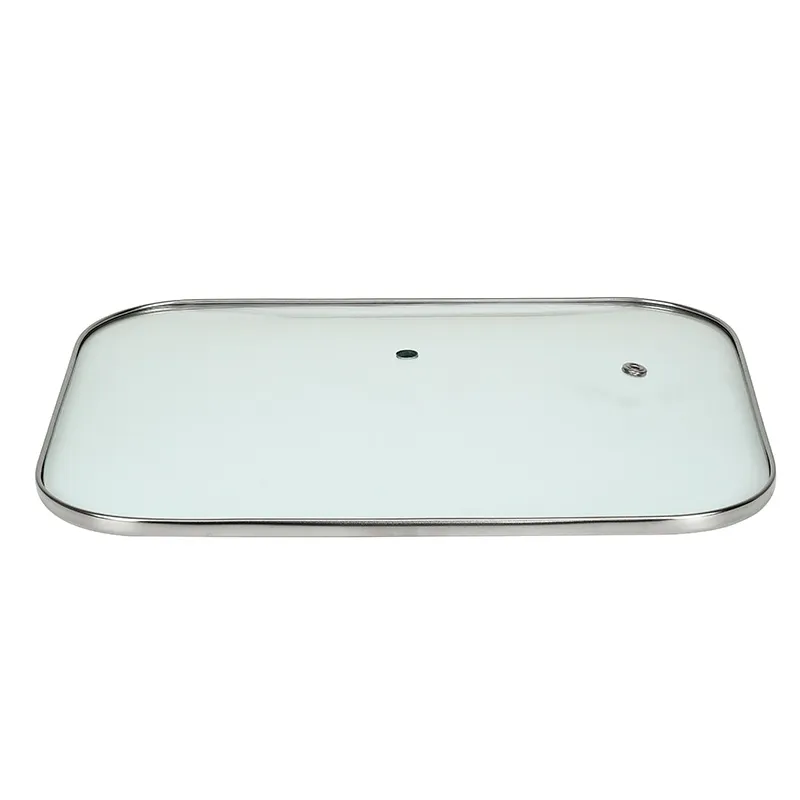
tempered glass lid
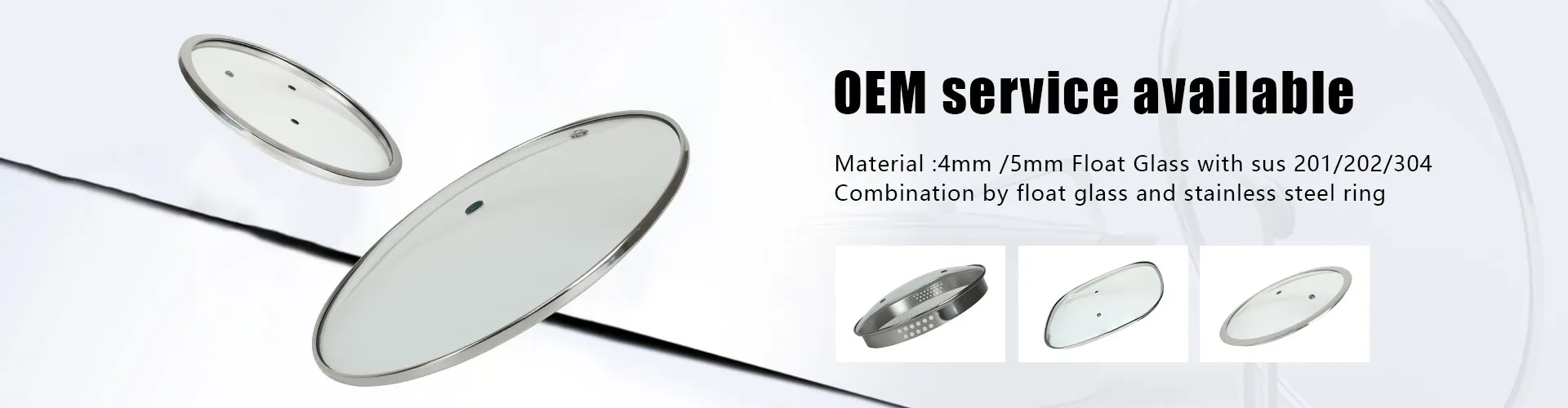
You see the term 'tempered glass lid' everywhere now, slapped on product listings from high-end brands to discount bins. The common pitch is all about safety and clarity. But in the real world of sourcing and manufacturing, that's just the surface. The real conversation starts when you talk about thermal shock resistance, edgework consistency, and the massive gap between a lid that survives a year and one that lasts a decade. A lot of buyers, even some in the trade, get hung up on thickness alone—thinking 4mm is automatically 'professional'—but that's a rookie mistake. The tempering process and the quality of the base glass are what actually dictate performance. I've seen 3mm lids outperform cheaper 5mm ones because the annealing was done right. That's where you separate the commodity from the component.
The Core Process: It's All About the Cycle
When we audit a factory, the first thing we look at isn't the final product; it's the tempering furnace logs. The cycle—ramp-up temperature, soak time, quench pressure—is everything. A lid isn't just 'thrown in the oven.' For a tempered glass lid meant for a casserole dish, the cycle needs to account for a potential 300°C+ differential from a hot oven to a cool granite counter. Too fast a quench can induce stress patterns that are invisible until the first real thermal shock. I remember a batch from a supplier a few years back where the lids started developing micro-cracks around the handle rivet holes after a few uses. The failure analysis traced it back to an inconsistent soak time, leaving the center of the glass pane slightly less tempered than the edges. The stress wasn't uniform.
That's why companies with a serious export focus, like EUR-ASIA COOKWARE CO.,LTD, often have multiple furnace lines dedicated to different product profiles. A lid for a stockpot has different thermal demands than one for a sauté pan. Their production base in Taian runs a high volume—over 15 million pieces annually—so process control isn't a suggestion, it's a necessity to avoid catastrophic returns. You can't ship that volume to markets like Germany or Japan without iron-clad process control. The tolerance for failure there is essentially zero.
And the 'safety' aspect? It's a byproduct of correct tempering. When it does break—and all glass can break—it should crumble into small, granular pieces without sharp shards. But that's the minimum spec. The real goal is to make it not break under normal, and even slightly abnormal, kitchen use.
The Devil in the Details: Edgework and Finishing
If the tempering is the heart, the edgework is the fingerprint of quality. After cutting, the glass edge is seamed and polished. A poorly finished edge is a major stress concentrator. It feels rough to the touch, collects grime, and is the most likely point for a chip or crack to initiate. High-quality finishing involves a multi-stage polishing process, often with diamond wheels of decreasing grit. You can literally feel the difference. Run your finger along the edge of a premium lid—it should be smooth, almost velvety, with a consistent, rounded contour.
This is one area where cost-cutting becomes painfully obvious. Some factories will do a single, fast pass to 'de-burr' the edge. It looks okay out of the box, but under a magnifying glass, you see micro-fractures. We learned this the hard way with an early order for a mid-tier line. The lids passed initial inspection, but after a few months in the field, we got complaints about chipped edges. The failure was purely in the finishing. Since then, edgework inspection is a dedicated step in our QC protocol.
Handles and knobs are the other critical interface. Whether it's stainless steel, phenolic resin, or silicone, the bonding method is key. Epoxy bonding is common, but the bond area design and surface preparation matter more than the adhesive itself. A small, flat bonding surface will fail with torque and heat cycling. Good designs have a mechanical interlock or a large, textured bonding pad. I've seen lids where the handle outlasts the pan itself.
Material Sourcing: Not All Glass is Created Equal
You can't make a good tempered product from poor float glass. The base material needs high chemical stability and consistent composition to temper evenly. Impurities or bubbles (which should be virtually nonexistent in cookware-grade glass) become weak points. Many manufacturers source their glass from a handful of major producers. The consistency of that raw material is what allows a factory to standardize its tempering cycles and achieve a high yield.
For a producer like EUR-ASIA, supplying a global market, they're likely using sourced glass that meets specific EU or Japanese standards for heavy metal release and thermal stability. It's a non-negotiable for export. The specs on their website—covering 20,000㎡ with dedicated production zones—suggest they have the scale to procure quality raw material in bulk, which is a significant advantage. It translates directly to consistency in the final tempered glass lid.
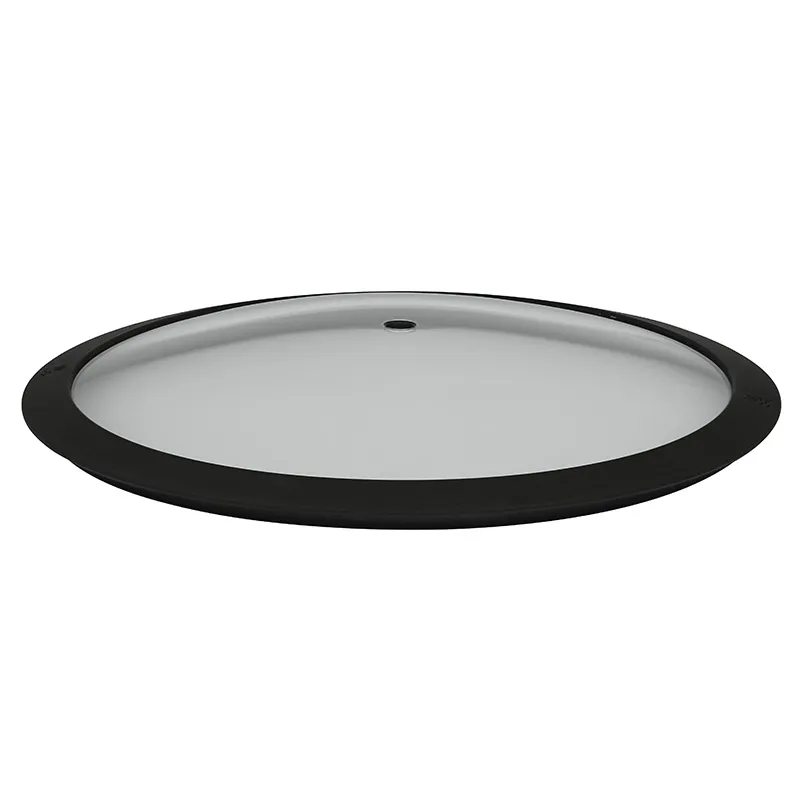
There's also the question of coatings. Some lids have a silicone gasket around the rim for a better seal. The adhesion of that silicone to the tempered glass is another chemistry challenge. Heat and steam will degrade a poor bond quickly. It's a value-add feature, but only if done right. Otherwise, it's just a future point of failure and a customer complaint about a lid that no longer seals.
Real-World Testing: The Kitchen is the Ultimate Lab
All the factory specs are meaningless without real-world validation. We do our own torture tests. The classic one is the 'cold-water shock': heating a dry empty lid in a 220°C oven for 20 minutes, then placing it directly on a damp, cold stone counter. It's brutal, but it simulates a worst-case kitchen accident. A well-tempered lid will survive this, maybe with a ping or two from stress relief, but intact. A marginal one will spiderweb.
Another test is cyclical heating and cooling on a pot of boiling water, lifting and placing the lid repeatedly to simulate steam release. This tests the handle bond and the long-term thermal fatigue resistance. You'd be surprised how many lids develop a slight 'wobble' at the handle after a few hundred cycles if the bond isn't perfect.
These aren't standardized tests, but they're the kind of practical checks that come from seeing products fail in the field. They inform the specs we give to manufacturers. It's not enough to say make it strong. You have to define the scenarios.
The Export Equation: Meeting Disparate Standards
Selling a tempered glass lid domestically is one thing. Exporting to over a dozen countries, as EUR-ASIA's portfolio shows (Germany, Russia, Japan, Brazil, etc.), is a different ball game. Each market has its own subtle preferences and regulatory nods. The EU has strict material migration laws (like EU 10/2011 for food contact materials). Japan has incredibly high aesthetic standards—a single bubble or a minute scratch on the surface that would pass in other markets is a reject there.
This forces a manufacturer to operate at the highest common denominator. Their production line has to be calibrated for near-perfect finish and documented material traceability. The fact that over 90% of their output is exported, especially to technically demanding regions like Europe, is a strong signal of their capability. It means their process controls are likely tight. You don't keep customers in Germany or Switzerland with inconsistent quality.
It also affects design. A lid for the South Korean market might favor certain handle shapes or knob heights, while a line for Southern Europe might prioritize larger diameters for traditional pasta pots. Flexibility in tooling and design adaptation is a hidden competency of a good export-oriented factory.
Final Thoughts: The Value is in the Invisibles
So when you evaluate a tempered glass lid, or any supplier, look past the marketing. Don't just ask about thickness. Ask about their tempering cycle parameters for that specific product profile. Ask about their edge finishing process. Ask how they test thermal shock. Ask for their yield rate on the production line—a high yield usually indicates good process control and material consistency.
The real cost isn't in the piece of glass; it's in the knowledge, the process engineering, and the quality systems that ensure that piece of glass performs reliably for years in a consumer's kitchen. That's what turns a simple lid from a commodity into a trusted kitchen tool. Companies that understand this, that have built their operation around these invisibles—like a specialized producer with a clear export focus—are the ones that end up making the products that don't come back, and that chefs and home cooks actually rely on. The lid becomes an afterthought, which is the highest compliment it can get. It just works.
Related Products
Related Products