- Chinese
- French
- German
- Portuguese
- Spanish
- Russian
- Japanese
- Korean
- Arabic
- Irish
- Greek
- Turkish
- Italian
- Danish
- Romanian
- Indonesian
- Czech
- Afrikaans
- Swedish
- Polish
- Basque
- Catalan
- Esperanto
- Hindi
- Lao
- Albanian
- Amharic
- Armenian
- Azerbaijani
- Belarusian
- Bengali
- Bosnian
- Bulgarian
- Cebuano
- Chichewa
- Corsican
- Croatian
- Dutch
- Estonian
- Filipino
- Finnish
- Frisian
- Galician
- Georgian
- Gujarati
- Haitian
- Hausa
- Hawaiian
- Hebrew
- Hmong
- Hungarian
- Icelandic
- Igbo
- Javanese
- Kannada
- Kazakh
- Khmer
- Kurdish
- Kyrgyz
- Latin
- Latvian
- Lithuanian
- Luxembou..
- Macedonian
- Malagasy
- Malay
- Malayalam
- Maltese
- Maori
- Marathi
- Mongolian
- Burmese
- Nepali
- Norwegian
- Pashto
- Persian
- Punjabi
- Serbian
- Sesotho
- Sinhala
- Slovak
- Slovenian
- Somali
- Samoan
- Scots Gaelic
- Shona
- Sindhi
- Sundanese
- Swahili
- Tajik
- Tamil
- Telugu
- Thai
- Ukrainian
- Urdu
- Uzbek
- Vietnamese
- Welsh
- Xhosa
- Yiddish
- Yoruba
- Zulu
- Kinyarwanda
- Tatar
- Oriya
- Turkmen
- Uyghur


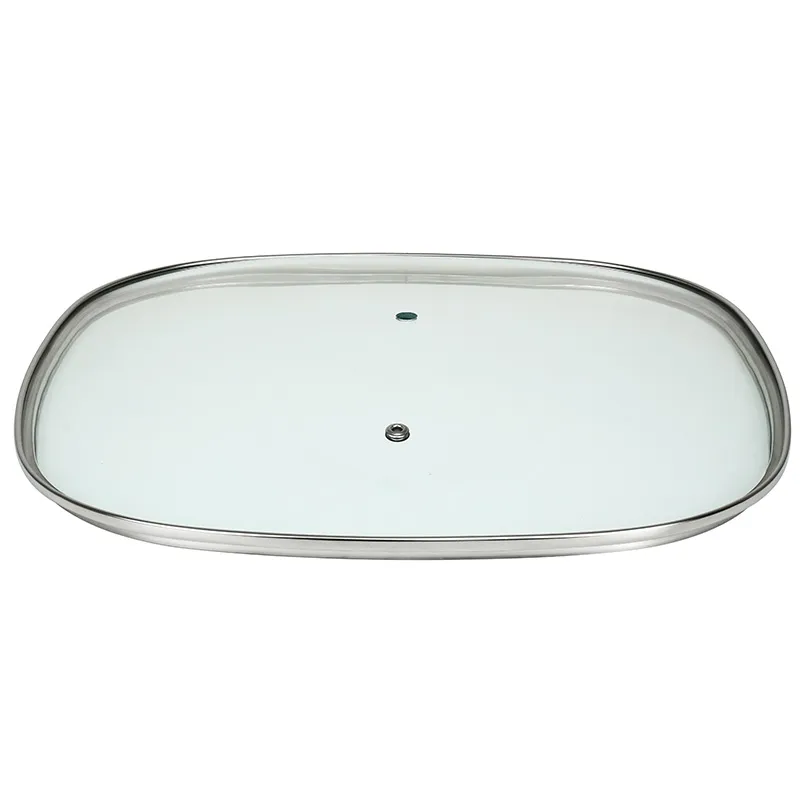
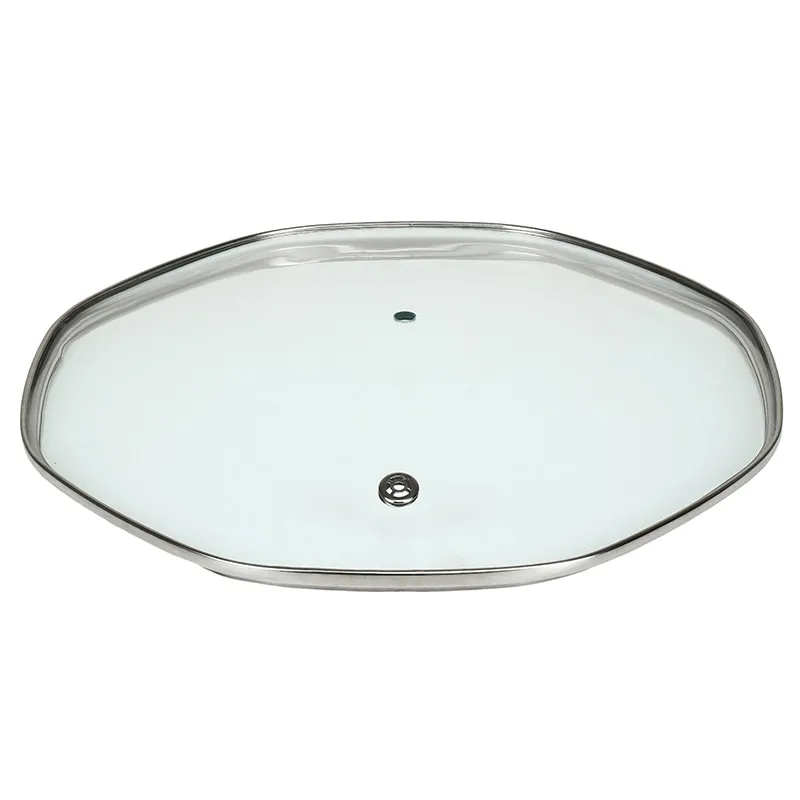
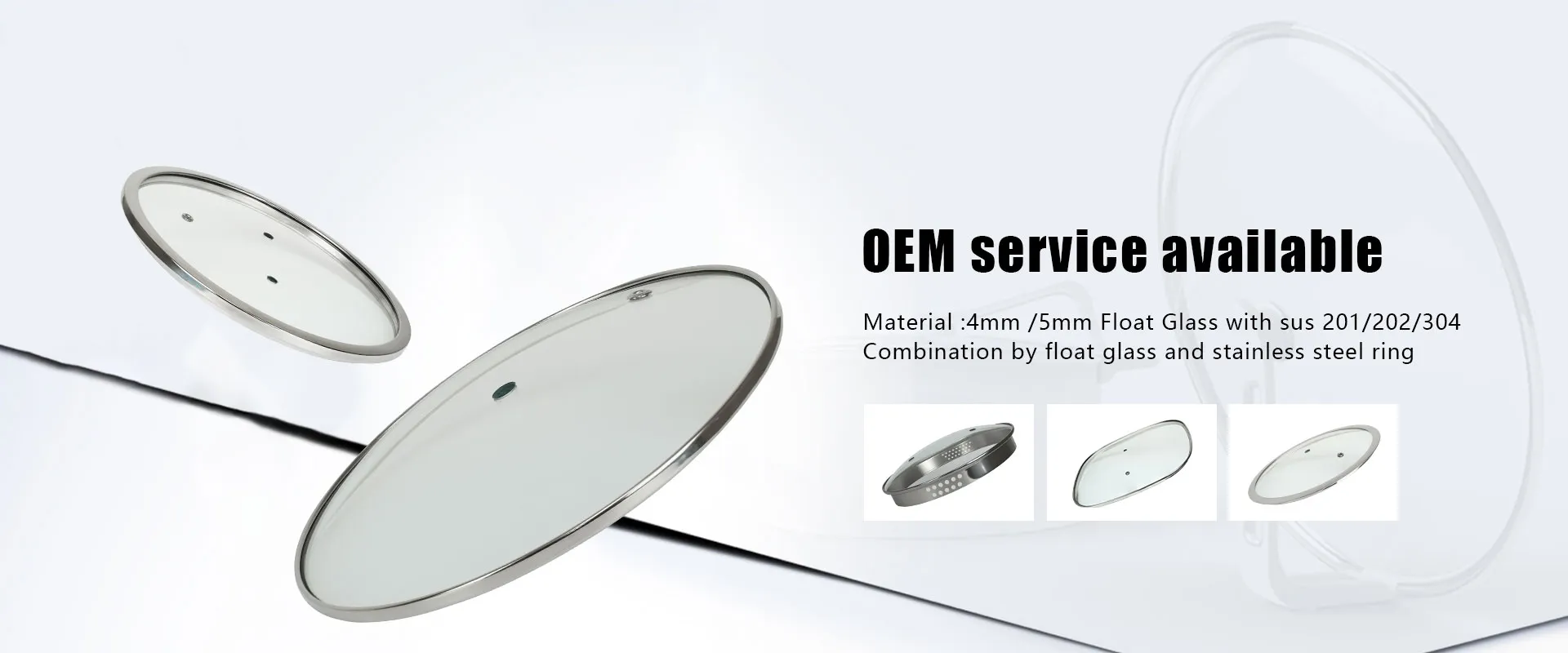
tempered glass lid distribution
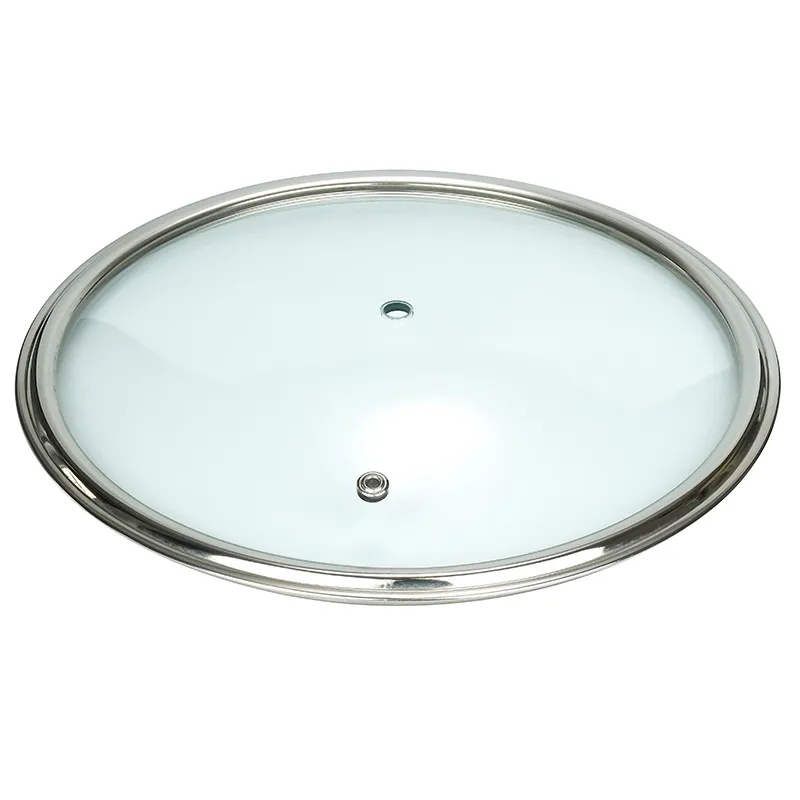
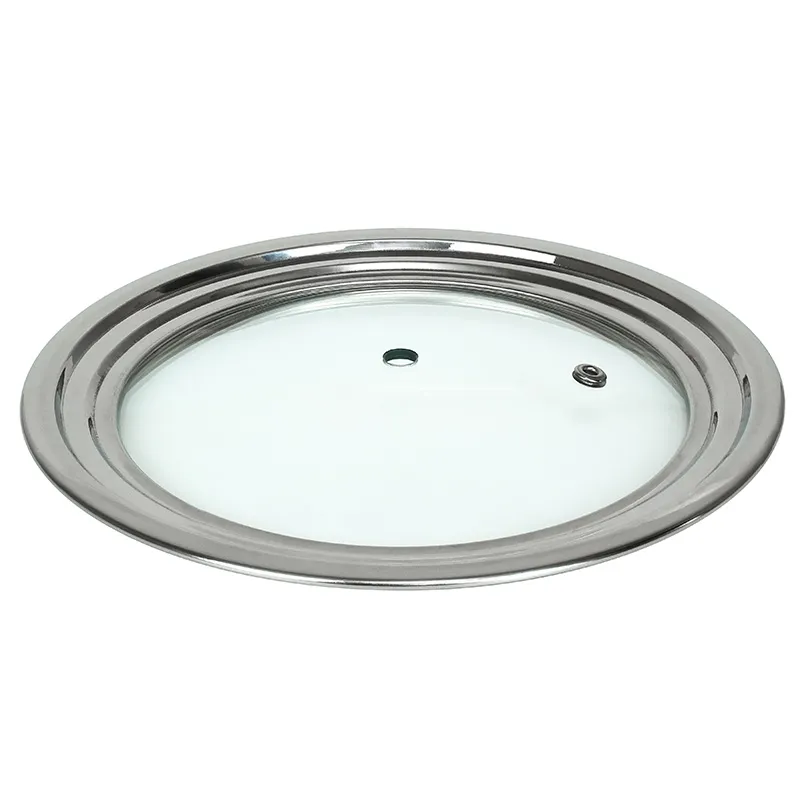
When people hear 'tempered glass lid distribution,' most think it's just moving a piece of glass from a factory to a store. That's the first mistake. The reality is a tangled web of specs, breakage rates, and container space optimization that keeps you up at night. It's not about shipping a product; it's about managing fragility, demand spikes, and the exact millimeter tolerances that European buyers will reject a whole shipment over. I've seen too many operations treat it like moving bricks, and they pay for it in claims and lost contracts.
The Core Challenge: It's Not Just Glass, It's Tempered Glass
The 'tempered' part is everything. A regular glass lid is a logistics nightmare waiting to happen. But a properly tempered one can take some shock. The catch? The tempering process itself creates inherent stress points. You can't just stack them infinitely high. A common failure is assuming standard palletization models work. They don't. You need custom dividers, often foam or corrugated inserts that eat into your profit margin but save you from a container full of glittering fragments upon arrival in Hamburg.
I remember a shipment to a Polish distributor where we tried to save on packaging by using a thinner grade of corner protectors. The lids themselves from a quality-focused producer like EUR-ASIA COOKWARE CO.,LTD were flawless—their production base in Shandong's High-tech Zone has the annealing lehrs dialed in. But the transit vibrations during a rough North Sea crossing found every weakness. We lost about 8% of that load. That's not just product cost; it's the cost of replacement freight, which often outweighs the original goods. Lesson learned: the distribution cost is in the protection, not the mileage.
This ties directly into their annual output of over 15 million pieces. That volume isn't impressive on its own. What's impressive is ensuring that a consistent percentage of those millions actually arrive saleable. Their focus on exporting over 90% of products to markets like Germany, Italy, and Japan means their internal QA has to align with distribution realities. A lid that passes a factory drop test might still fail a 40-day multimodal shipping journey. The real quality check happens at the unloading dock in Bremen, not in Taian.
Specification Drift and The Close Enough Trap
Another subtle killer is specification drift. A buyer orders a 24cm lid for a specific skillet line. The factory produces a 24cm lid. But is it 24.0cm or 24.2cm? That 2mm can be the difference between a snug fit and a wobbly, steam-leaking disaster. In distribution, you become the arbiter of these specs. You're the last line of defense before the angry email from a retailer in Switzerland.
We once had a situation with a mixed container load. It had lids for a French brand and a Brazilian order. The specs sheets were nearly identical—same diameter, same glass thickness. But the French order required a bevelled edge for a specific gasket, while the Brazilian lid had a straight edge. The packs looked identical. They got cross-stacked in the warehouse. We didn't catch it until the French client received the wrong stock. The fix involved air-freighting a small batch at a massive loss. Now, our warehouse scanning doesn't just log SKUs; it logs edge profiles.
This is where a manufacturer's specialization matters. A company like EUR-ASIA COOKWARE CO.,LTD, which is specialized in producing tiered levels of household glass, likely has rigorous batch coding. Their website, glass-lid.com, acts as a central spec hub for distributors. But the physical handling must mirror that digital precision. You can't just throw all 'high-level' lids into one bin. The distribution chain has to respect the minute differences between a lid for a German high-end brand and one for a Korean mass-market appliance.
The Economics of Air vs. Sea for Breakables
Everyone wants sea freight for cost. With tempered glass lids, the math gets complicated. Sea freight is cheap per unit, but it's a 6-8 week exposure to humidity, pressure changes, and potential rough handling. Air freight is expensive but takes days. The calculation isn't just about freight cost; it's about the cost of capital tied up in transit, the risk factor, and the shelf-life of an order tied to a seasonal promotion.
For rush orders or high-value designs, we've bitten the bullet and used air. It stings on the P&L, but it keeps a key retail partner like a major Danish chain happy. For standard replenishment orders for their core tempered glass lid lines, it's all about optimized sea containers. The goal is to build composite loads. You never want to ship a full container of just glass lids. The weight-to-volume ratio is terrible—they're heavy but you hit volumetric limits long before weight limits. The art is building mixed containers with other, denser kitchenware from the same zone, like stainless steel pots from nearby factories, to maximize both weight and cube utilization.
This is a tacit knowledge you only get from being on the ground in a manufacturing hub. You know which other factories' output can safely share space with a load of glass without causing damage. The location of EUR-ASIA's facility in a concentrated industrial zone is a silent asset for distributors who know how to play this mix-and-match game.
Relationship with the Factory Floor
The most effective distribution strategy starts on the production floor. If you're just a guy with a purchase order, you get what you get. If you have a relationship, you can influence the packing line. For instance, convincing them to orient the lids vertically in the inner carton instead of flat can dramatically reduce breakage from point-load pressure. It might slow their packing speed by 5%, but it cuts your damage rate by half.
I've spent time on lines in places like Taian. You see the constraints. A worker packing hundreds of lids an hour isn't thinking about the container ship's pitch and roll. That's your job. Bringing that downstream knowledge back upstream is key. Showing a plant manager how a small change in the corrugated cardboard flute direction improves stacking strength in a container—that builds trust. It moves the relationship from transactional to partnership.
For a firm with 90+ employees like EUR-ASIA, there's usually a production manager who gets it. They've seen the return shipments. Their interest in producing over 15 million pieces a year is aligned with your interest in delivering them intact. The best distribution networks are built on these micro-adjustments agreed upon over tea, not just contracts.
The Endgame: Visibility and The Black Hole of Transit
The final, modern hurdle is visibility. Once the container door shuts, your expensive, fragile cargo enters a black hole for weeks. IoT sensors for shock and humidity are becoming cost-viable even for mid-range goods. Slapping a tracker that monitors g-force events on a pallet of tempered glass lid shipments is no longer sci-fi. It's insurance.
If a sensor records a 6G shock event in the middle of the ocean, there's nothing you can do. But if it records it at the port of loading or unloading, you have evidence for a claim. More importantly, you have data to fix the process. Was it the forklift operator in Rotterdam? The pallet jack in the origin warehouse? This data turns distribution from a cost center into a quality-control feedback loop.
This is the next frontier for companies serious about tempered glass lid distribution. It's not just about moving boxes. It's about closing the loop between the end-user's experience—a perfect lid that fits and lasts—and the minute it's packed in China. Every broken lid is a data point. The goal is to make that data stream visible, actionable, and ultimately, to make breakage the exception rather than a baked-in cost of doing business. That's when you stop being a shipping clerk and start running a supply chain.
Related Products
Related Products