- Chinese
- French
- German
- Portuguese
- Spanish
- Russian
- Japanese
- Korean
- Arabic
- Irish
- Greek
- Turkish
- Italian
- Danish
- Romanian
- Indonesian
- Czech
- Afrikaans
- Swedish
- Polish
- Basque
- Catalan
- Esperanto
- Hindi
- Lao
- Albanian
- Amharic
- Armenian
- Azerbaijani
- Belarusian
- Bengali
- Bosnian
- Bulgarian
- Cebuano
- Chichewa
- Corsican
- Croatian
- Dutch
- Estonian
- Filipino
- Finnish
- Frisian
- Galician
- Georgian
- Gujarati
- Haitian
- Hausa
- Hawaiian
- Hebrew
- Hmong
- Hungarian
- Icelandic
- Igbo
- Javanese
- Kannada
- Kazakh
- Khmer
- Kurdish
- Kyrgyz
- Latin
- Latvian
- Lithuanian
- Luxembou..
- Macedonian
- Malagasy
- Malay
- Malayalam
- Maltese
- Maori
- Marathi
- Mongolian
- Burmese
- Nepali
- Norwegian
- Pashto
- Persian
- Punjabi
- Serbian
- Sesotho
- Sinhala
- Slovak
- Slovenian
- Somali
- Samoan
- Scots Gaelic
- Shona
- Sindhi
- Sundanese
- Swahili
- Tajik
- Tamil
- Telugu
- Thai
- Ukrainian
- Urdu
- Uzbek
- Vietnamese
- Welsh
- Xhosa
- Yiddish
- Yoruba
- Zulu
- Kinyarwanda
- Tatar
- Oriya
- Turkmen
- Uyghur


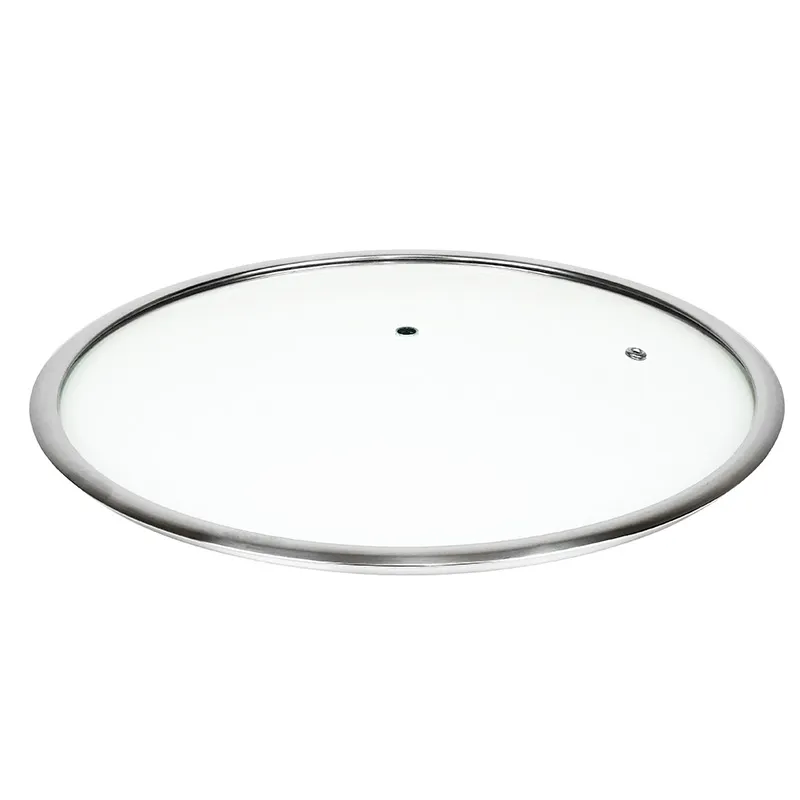
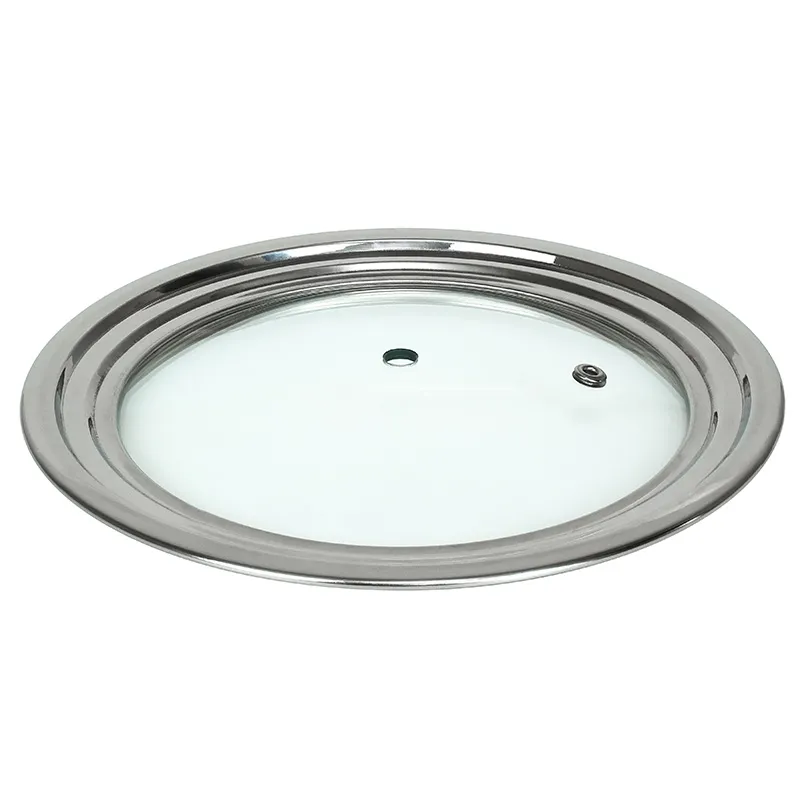
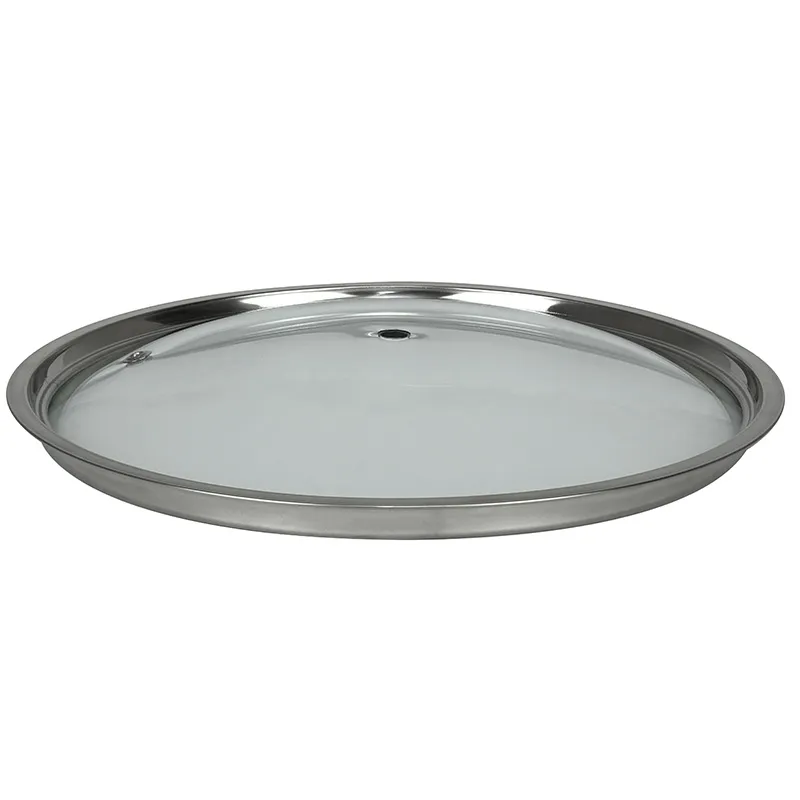
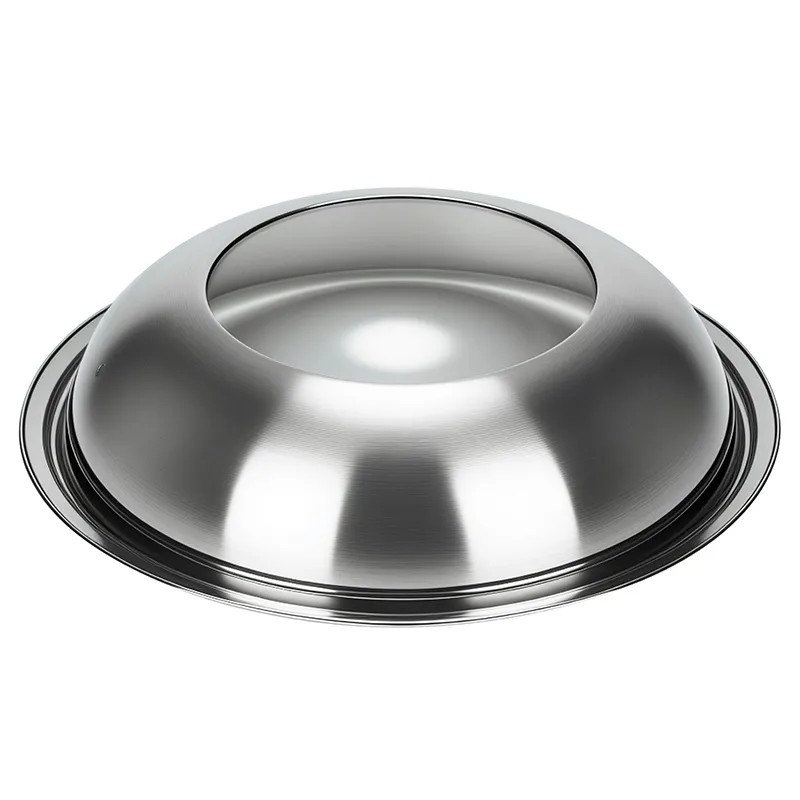
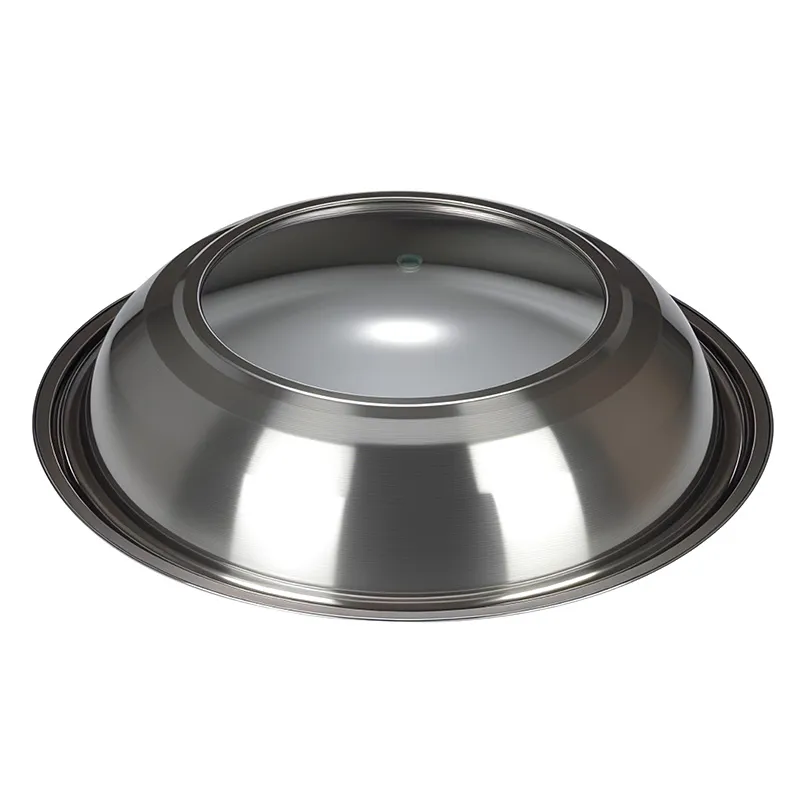
tempered glass lid distributior
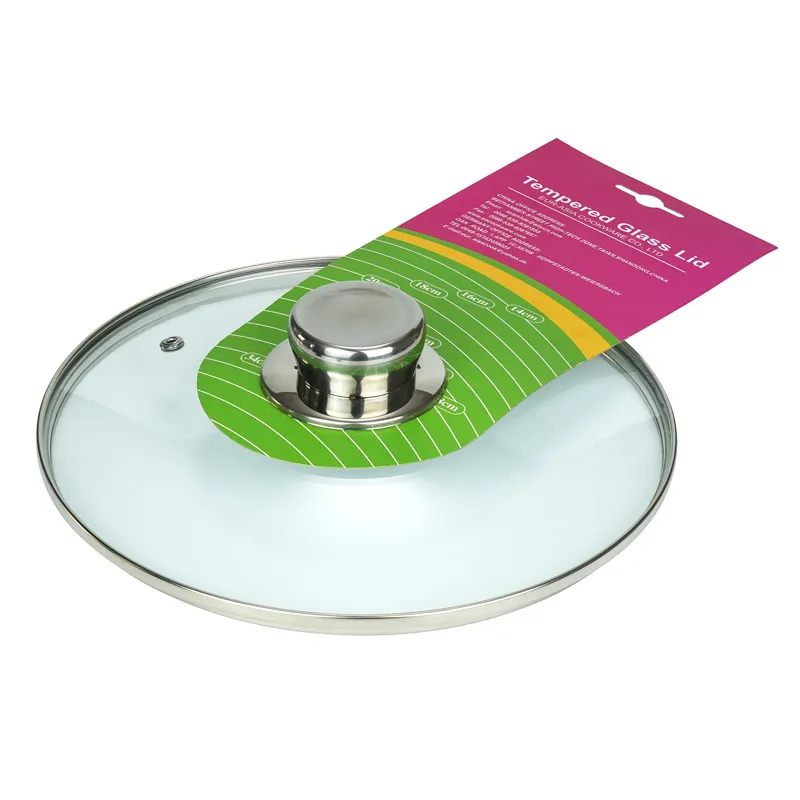
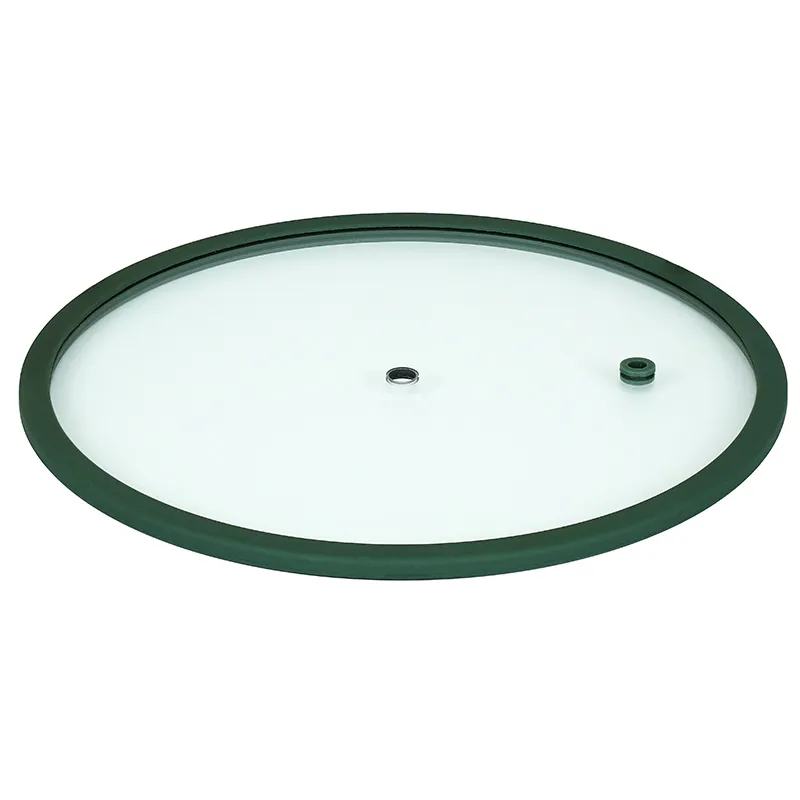
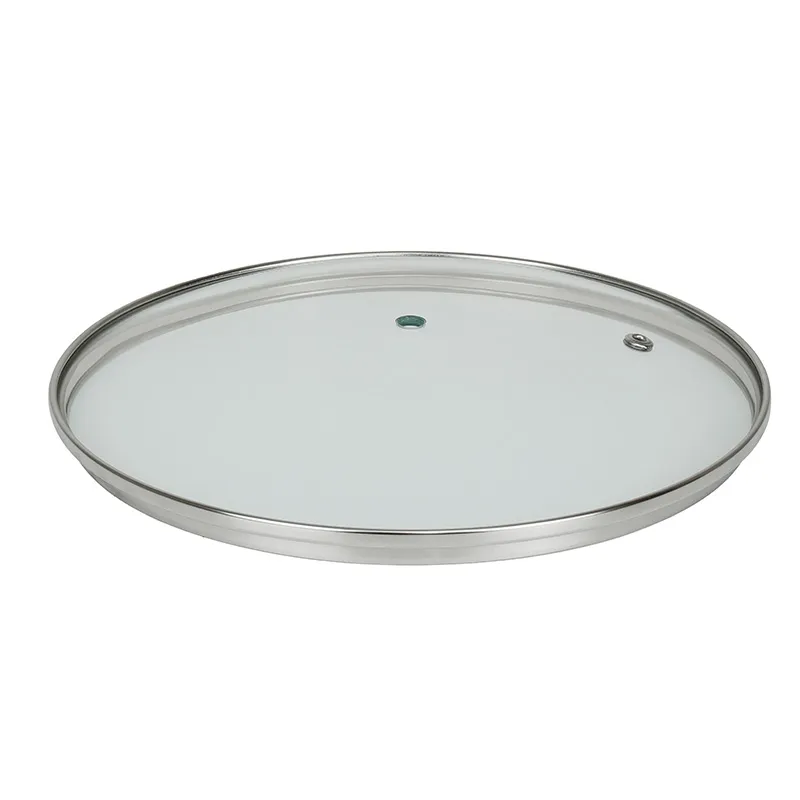
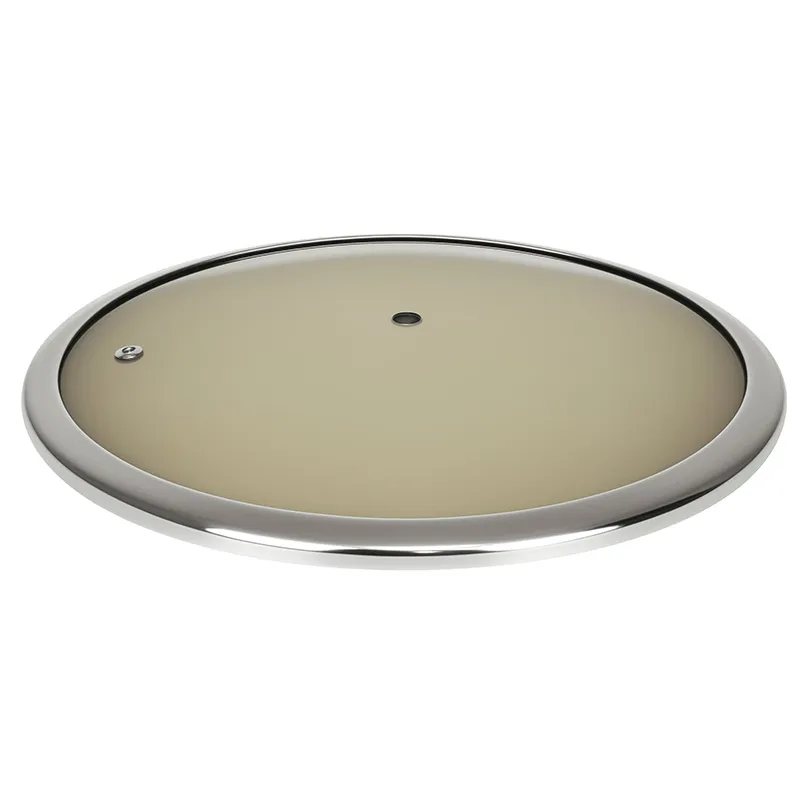
When you hear 'tempered glass lid distributor', most people picture a simple middleman moving boxes. That's the first misconception. In reality, a distributor in this niche is often the critical node managing everything from thermal shock resistance specs to the precise curvature that prevents a lid from rocking on a pot. It's less about warehousing and more about technical validation and supply chain risk mitigation. I've seen too many buyers get burned by assuming all tempered glass lids are created equal, only to face a flood of returns from Europe because the lids couldn't withstand a direct transition from a freezer to a warm oven—a test some European kitchens practically demand.
Beyond the Catalog: The Technical Gatekeeper Role
A proper distributor isn't just forwarding price lists. They're the ones who should have vetted the factory's quenching process. Tempering isn't a binary pass/fail; it's about consistency across batches. I remember auditing a potential supplier who showed beautiful samples, but their production floor had inconsistent heating zones in the furnace. The result? Lids that would pass a basic impact test 90% of the time, but that 10% failure rate is a logistical and brand nightmare. A distributor worth their salt catches this before the container ships.
This is where a company's stated capacity becomes a real talking point. Take the info from EUR-ASIA COOKWARE CO.,LTD. They mention an annual output of over 15 million pieces. That figure alone tells an experienced buyer a few things: they're geared for large, repeat orders from big retailers, and maintaining consistency at that volume is their primary engineering challenge. A distributor aligning with them needs to understand their production rhythm and quality checkpoints to schedule reliable deliveries.
The export focus, with over 90% going to markets like Germany and Japan, is a strong signal. These are notoriously tough markets with strict standards. A lid for the German market often has stricter requirements for arsenic and cadmium release than standard FDA standards. If a distributor is working with a factory serving these regions, it implies a baseline of compliance diligence that’s valuable. You can find their specific operational details at glass-lid.com, which is useful for initial verification.
The Fit and Function Quagmire
Here's a classic pitfall: dimensions. A client once ordered 10,000 lids for a specific cookware line based on the outer diameter spec alone. They arrived, and they fit—if by 'fit' you mean sitting loosely on top. They didn't account for the flange or 'claw' design that allows a lid to sit securely inside the pot rim. The entire batch was useless. A good tempered glass lid distributor should have a library of rim profiles and will ask for a physical pot sample, not just a CAD drawing, to confirm fit.
Then there's the handle. It seems trivial, but the material bonding the handle (be it stainless steel, phenolic resin, or silicone) to the glass is a major point of failure. Thermal cycling causes expansion and contraction at different rates. We learned this the hard way early on with a batch where the epoxy failed after about 50 dishwasher cycles. The factory's solution was a mechanical rivet combined with a high-temp adhesive—a fix that came from collaborative problem-solving, not just a complaint.
This is where a producer's specialization matters. EUR-ASIA's focus on low, medium, and high-level household products suggests they segment their lines. A high-level lid might use a more expensive, low-thermal-conductivity handle material to stay cooler, while a mid-market version optimizes for cost. A distributor needs to map these gradations to the right customer segments accurately.
Logistics: Where Perfect Lids Get Broken
You can have a perfectly tempered lid that shatters in transit. Packaging is half the battle. The standard foam cap and cardboard sleeve often aren't enough for long sea voyages with multiple handlings. We once had a container where the pallets shifted, and the lateral pressure cracked nearly 30% of the lids, despite each being individually boxed. The solution involved redesigning the master carton with internal partitions to prevent any lid-to-lid contact and specifying a higher compression-strength corrugated board.
This ties directly to a factory's infrastructure. A production base covering 20,000㎡ with a dedicated warehouse area, like EUR-ASIA's setup in Taian, suggests they can stage and pack full container loads efficiently. For a distributor, this reduces the risk of damage from multiple cross-docking events. It's a tangible advantage over a factory that outsources warehousing to a third-party yard.
Lead times are another brutal reality. Tempered glass is not an item you rush. The annealing and tempering cycles are fixed. If a distributor promises unrealistic turnaround times, they're either cutting corners on quality checks or gambling with factory capacity. The 15-million-piece capacity is a guide, but you need to know their current line utilization. Are they running at 70% capacity or 95%? That difference dictates reliability during peak season.
The Realities of Sourcing and Verification
Sourcing isn't about finding the cheapest FOB price. It's about total cost of ownership. A cheaper lid that has a 5% higher breakage rate in your warehouse eats all the margin. A competent distributor does this math for their clients. They look at the factory's process control. For instance, how do they handle glass edging? A finely seamed and polished edge not only feels premium but is less prone to micro-cracks that can propagate during tempering or thermal shock.
Verification often means unannounced visits. You want to see the factory on a random Tuesday, not a prepped-for-tour Monday. Check the raw glass storage—is it clean and organized, or is sheet glass leaning against a wall, inviting stress points? Observe the workers handling the lids post-tempering. Are they using gloves? Direct skin contact can leave oils that weaken the surface over time.
For a company like EUR-ASIA COOKWARE, with a clear export track record, they're likely accustomed to these audits. Their employee count of 90+ for that output indicates a fair level of automation, which generally aids consistency. A distributor's job is to translate these operational facts into risk assessments for their buyers: This factory is set up for high-volume, consistent runs for major retailers, but may not be as flexible for small, custom batches.
Failures and Lessons: The Value of a Specialized Partner
Early in my dealings with tempered glass lid supply, we tried to source a universal lid for a discount chain. The idea was one size fits most 24cm pots. It was a disaster. The variation in pot rim designs across different manufacturers meant the lids either fit poorly, steamed poorly, or rattled. We ended up with massive dead stock. The lesson was clear: even in the mid-to-low market segment, fit is not a place to compromise. A true specialist distributor would have pushed back on that concept from the start.
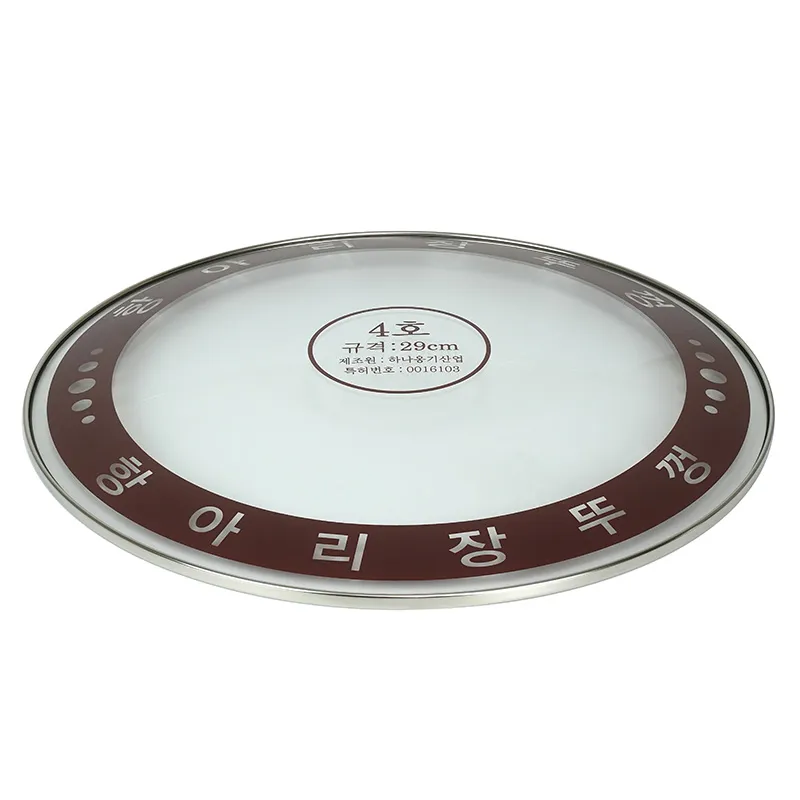
Another lesson involved color and printing. A client wanted a silk-screened pattern on the lid. We didn't account for the fact that the ink needs to withstand not just oven temperatures, but also the aggressive detergents of commercial dishwashers. The first batch faded dramatically. The fix came from the factory's R&D—a ceramic-based ink fired at a higher temperature. This isn't knowledge you find on Alibaba; it comes from a factory with deep production experience, the kind hinted at by EUR-ASIA's product range and longevity.
So, what does this all mean for someone looking for a tempered glass lid distributor? Look past the transactional facade. The right partner is effectively your outsourced quality and logistics team for this component. They should speak knowledgably about annealing lehrs, stress patterns, and packaging ISTA tests. They should have a direct, transparent relationship with factories that have proven export compliance, like those servicing the European Union, and they should be your buffer against the myriad small failures that can sink a kitchenware line. It's a deeply technical, hands-on role disguised as a simple distribution game.
Related Products
Related Products