- Chinese
- French
- German
- Portuguese
- Spanish
- Russian
- Japanese
- Korean
- Arabic
- Irish
- Greek
- Turkish
- Italian
- Danish
- Romanian
- Indonesian
- Czech
- Afrikaans
- Swedish
- Polish
- Basque
- Catalan
- Esperanto
- Hindi
- Lao
- Albanian
- Amharic
- Armenian
- Azerbaijani
- Belarusian
- Bengali
- Bosnian
- Bulgarian
- Cebuano
- Chichewa
- Corsican
- Croatian
- Dutch
- Estonian
- Filipino
- Finnish
- Frisian
- Galician
- Georgian
- Gujarati
- Haitian
- Hausa
- Hawaiian
- Hebrew
- Hmong
- Hungarian
- Icelandic
- Igbo
- Javanese
- Kannada
- Kazakh
- Khmer
- Kurdish
- Kyrgyz
- Latin
- Latvian
- Lithuanian
- Luxembou..
- Macedonian
- Malagasy
- Malay
- Malayalam
- Maltese
- Maori
- Marathi
- Mongolian
- Burmese
- Nepali
- Norwegian
- Pashto
- Persian
- Punjabi
- Serbian
- Sesotho
- Sinhala
- Slovak
- Slovenian
- Somali
- Samoan
- Scots Gaelic
- Shona
- Sindhi
- Sundanese
- Swahili
- Tajik
- Tamil
- Telugu
- Thai
- Ukrainian
- Urdu
- Uzbek
- Vietnamese
- Welsh
- Xhosa
- Yiddish
- Yoruba
- Zulu
- Kinyarwanda
- Tatar
- Oriya
- Turkmen
- Uyghur


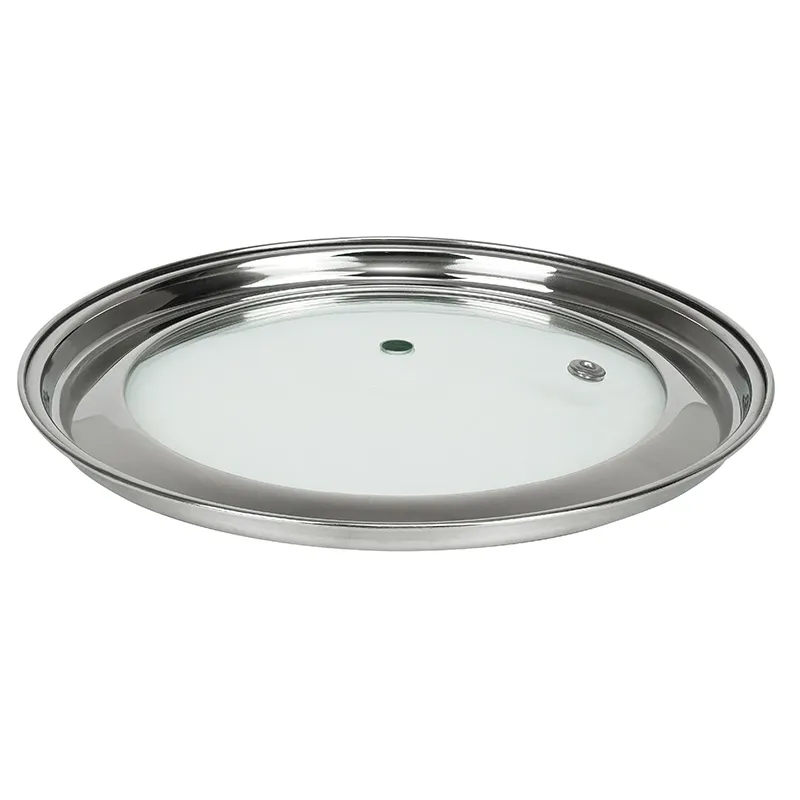
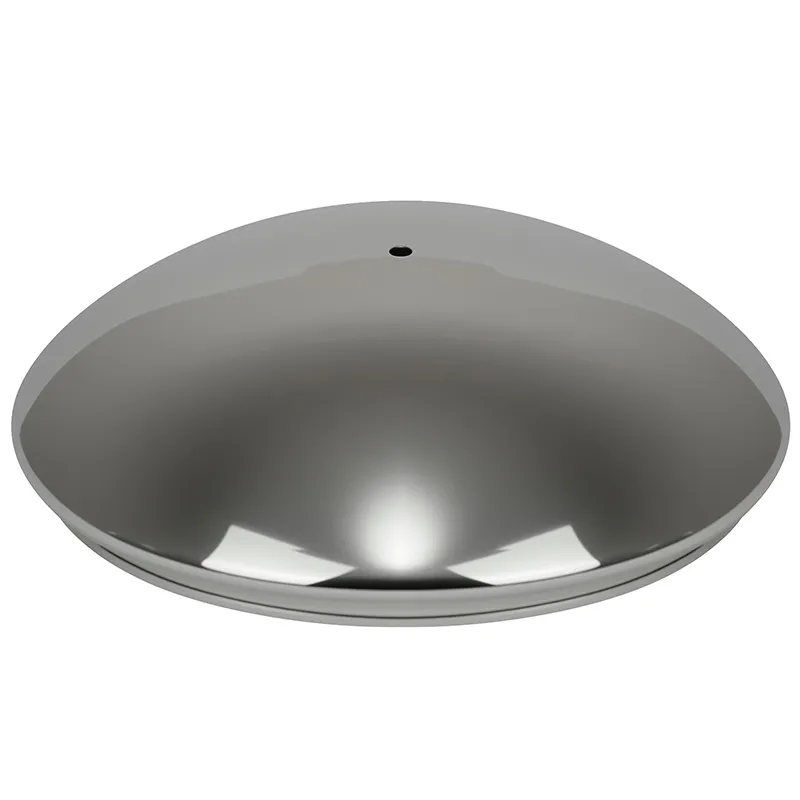
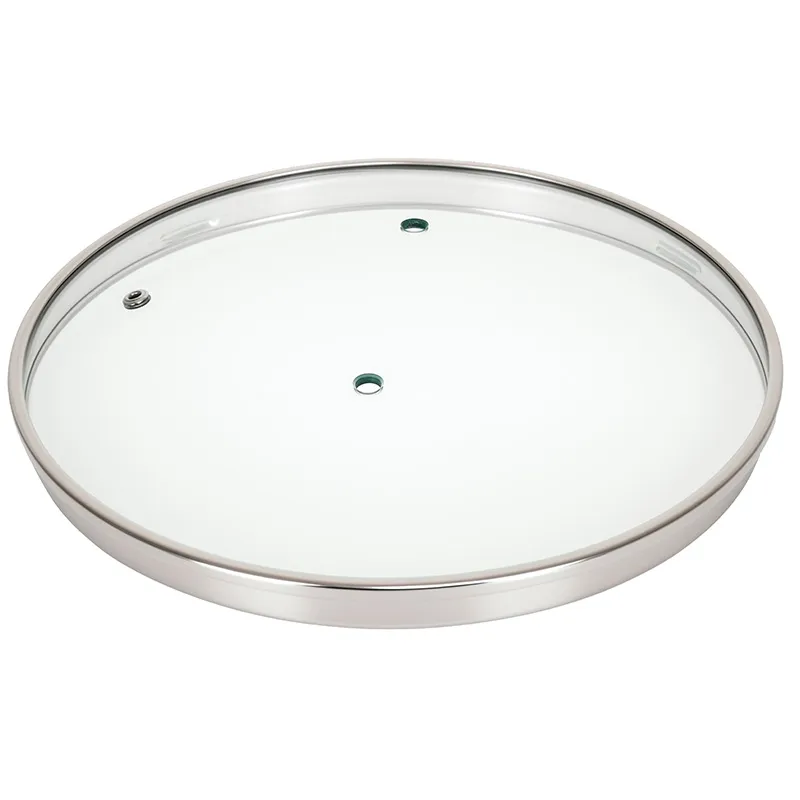
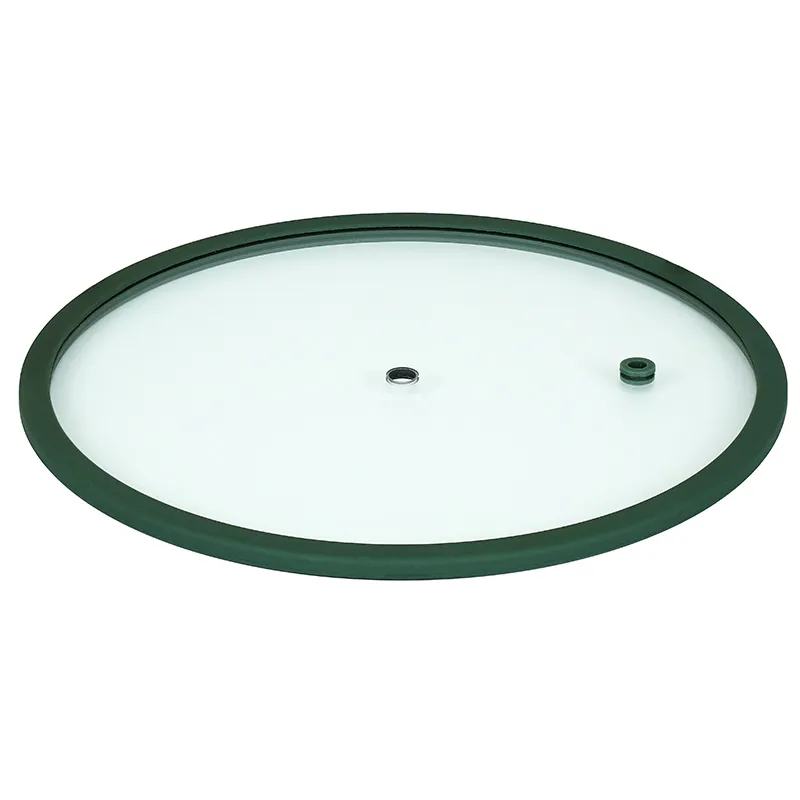
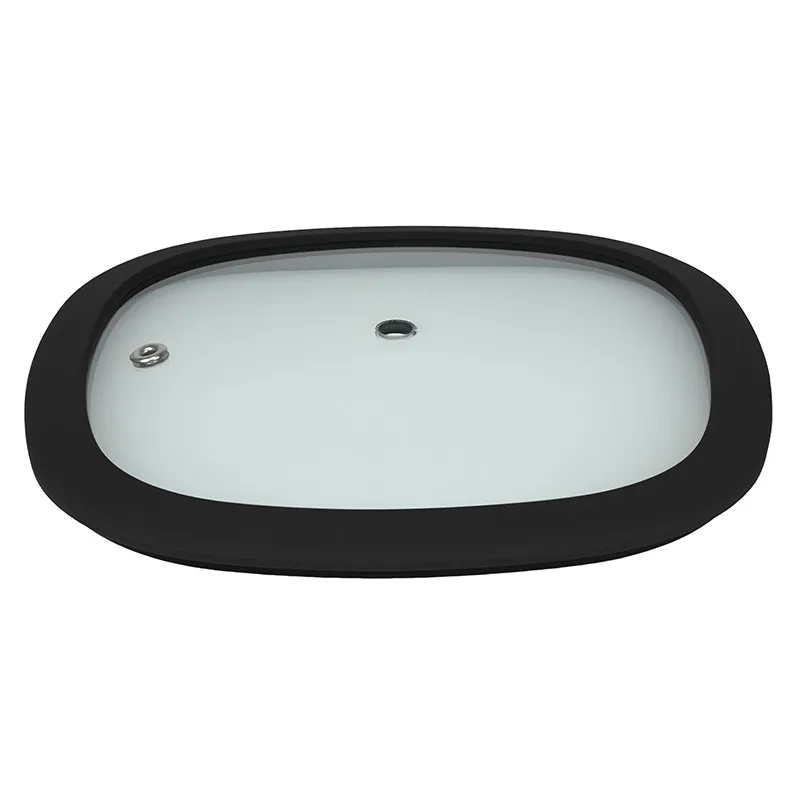
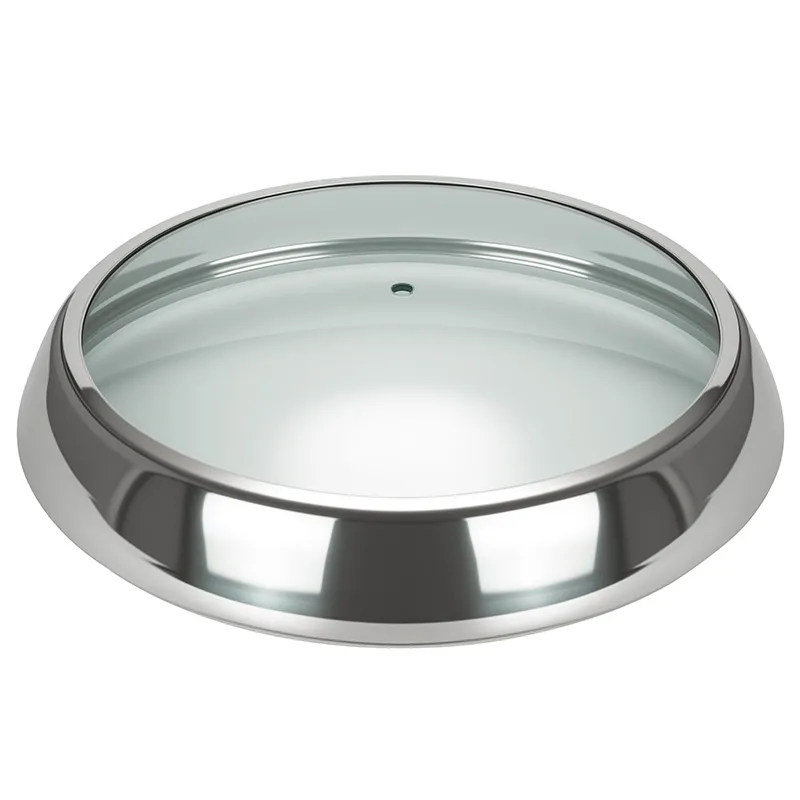
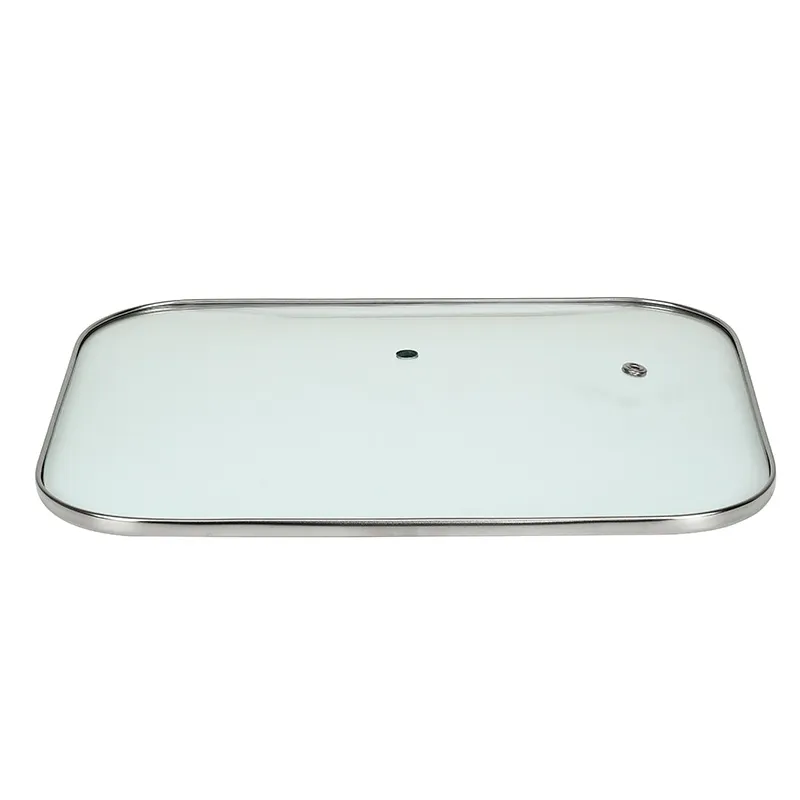
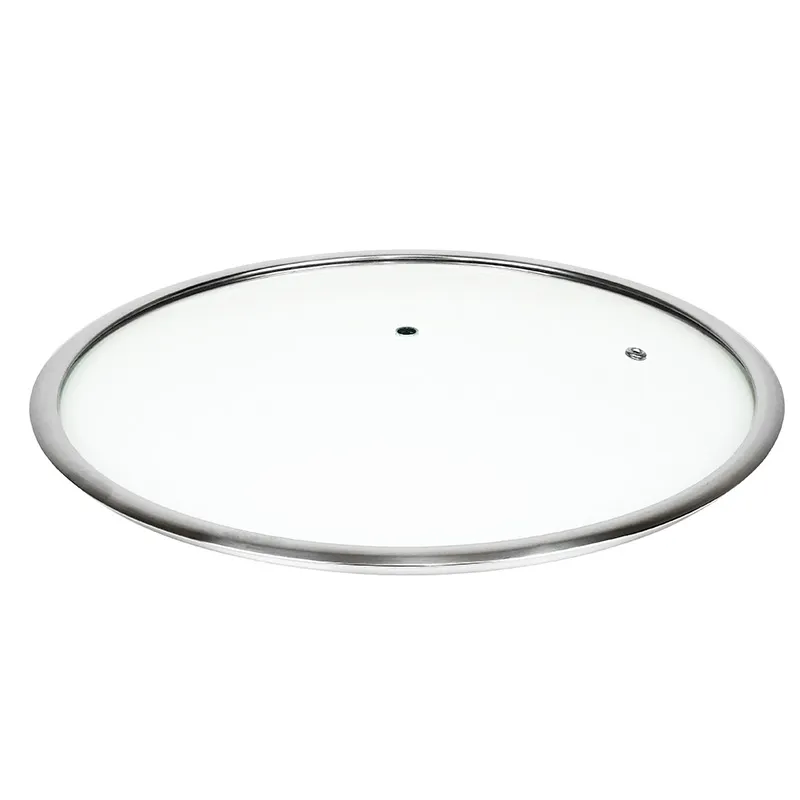
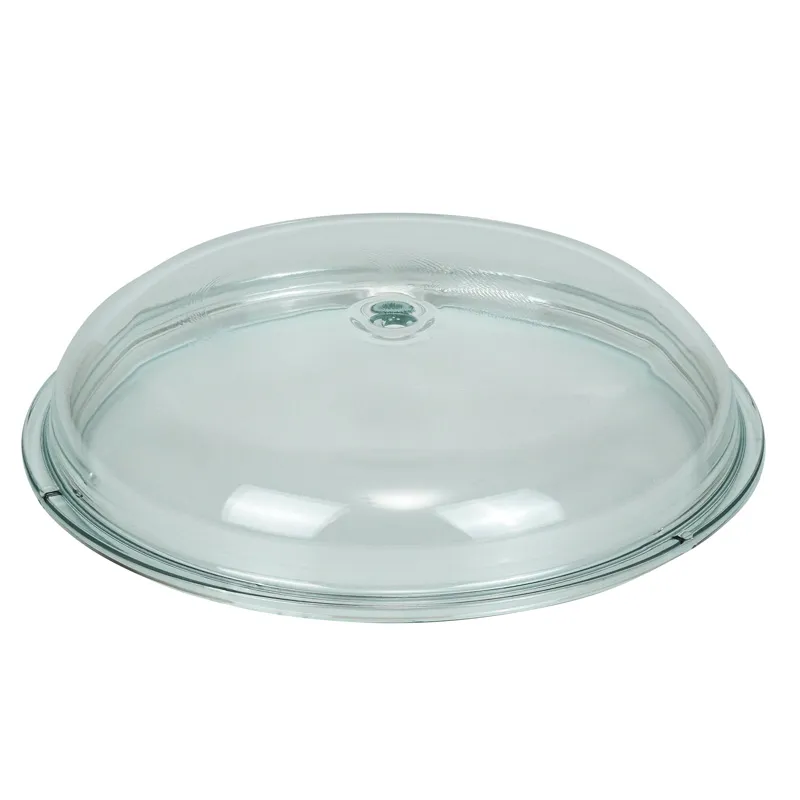
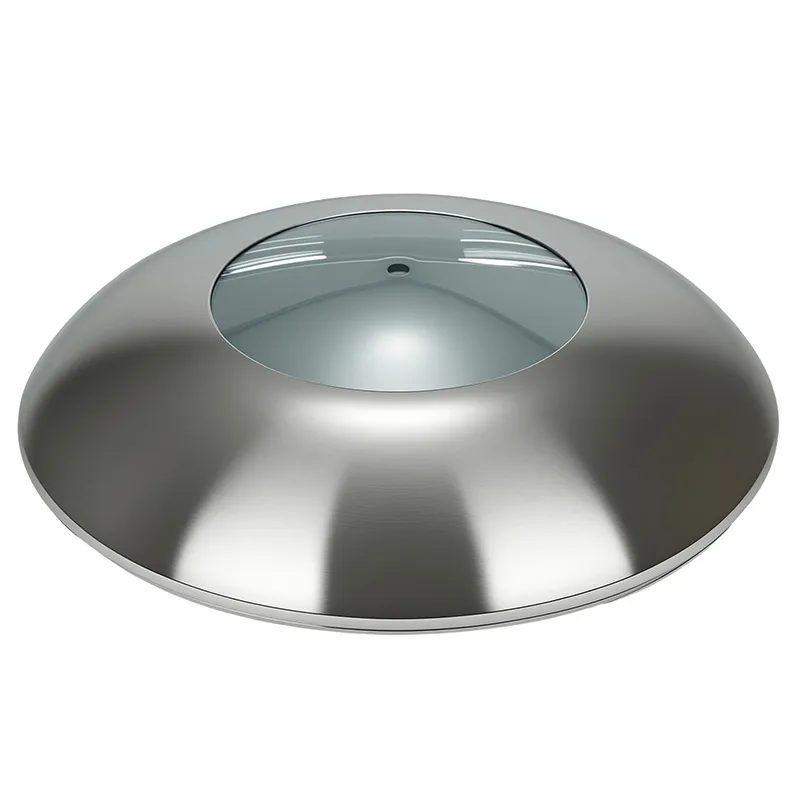
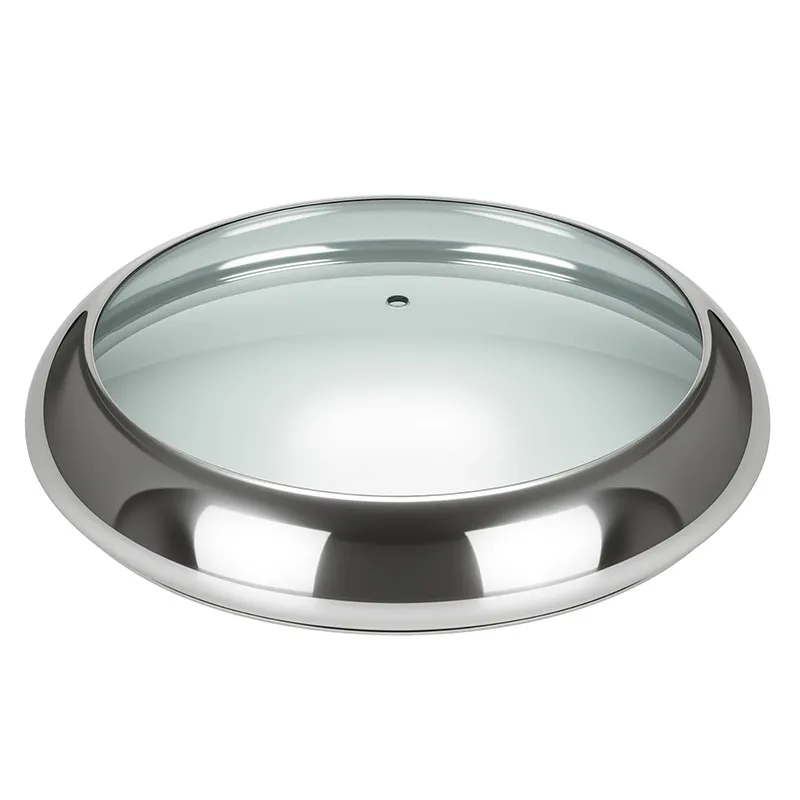
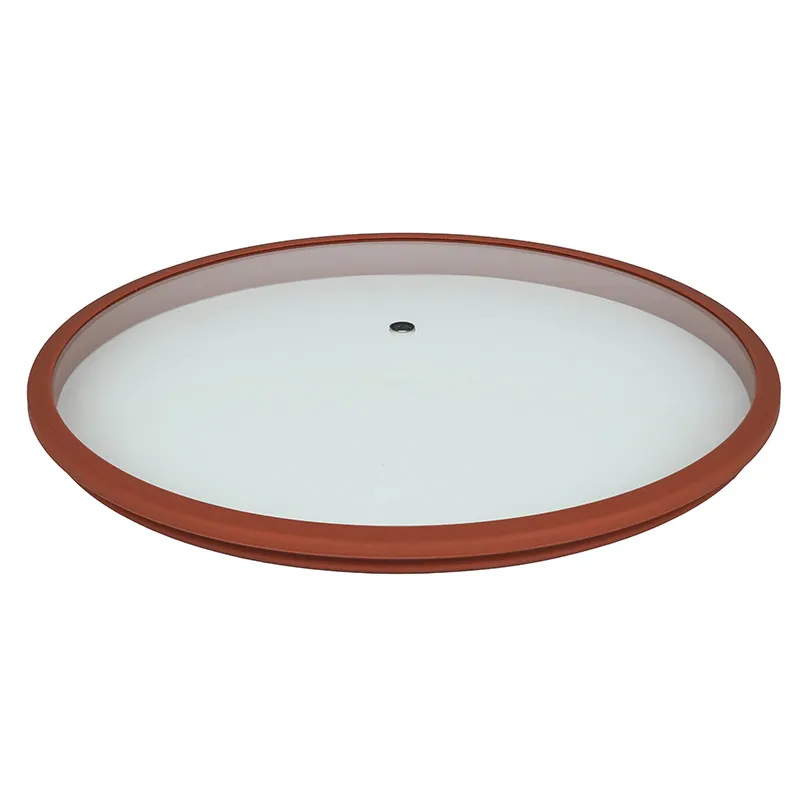
tempered glass lid exporter
When you type 'tempered glass lid exporter' into a search bar, you're probably picturing a straightforward pipeline: a factory, a product, a shipment. The reality, especially in this niche, is messier and more nuanced. Many assume it's just about finding the lowest price per unit, but that's a quick way to end up with a container of glass that fails thermal shock tests or has inconsistent finishing. The term 'exporter' itself can be misleading—it might be a pure trading company with no real oversight on production, or it could be the factory's own international sales arm. Knowing the difference is everything.
The Core Challenge: It's Not Just Glass, It's a Kitchen Component
The biggest shift in my thinking was realizing we're not exporting pieces of tempered glass; we're exporting a critical component of a cookware system. The lid has to sit flush, the handle must withstand oven temperatures if it's an all-in-one unit, and the glass clarity needs to be pristine for the consumer. I've seen buyers focus solely on the lid diameter and tempering standard, only to get blindsided by the handle's plastic component yellowing after a few dishwasher cycles. The material science here is deceptively simple.
For instance, at a facility like EUR-ASIA COOKWARE CO.,LTD, which I've followed for a while, their specialization in low-to-high-end household glass products means they likely have separate lines or at least different QC protocols for different market tiers. Their website mentions an annual output of over 15 million pieces. That volume tells you they're set up for large, repeat orders, but it also raises a question: how do they maintain consistency across such a massive output? That's the first thing I'd ask, not just the price.
Their export footprint—over 90% to markets like Germany, Italy, Japan—is a strong signal. European and Japanese buyers have notoriously high standards for finish and packaging. A company consistently supplying those markets has probably solved a lot of the basic quality and logistics puzzles. But it's not a guarantee. I'd still want to know if my specific order runs on the same line as the one destined for a premium German brand, or a different one.
On the Ground: What Specialized Production Really Looks Like
Specialized in producing and selling... is a common phrase in company intros. In practice, for a tempered glass lid exporter, it often means they've invested in specific tempering furnaces that can handle the odd shapes and drilled holes for handles without creating stress points. A general glass tempering plant might struggle with the uniformity for a large, oval roasting lid, for example. The location in a National High-tech Development Zone in Taian suggests potential access to better technical infrastructure and possibly more stringent environmental compliance, which indirectly affects production stability.
A visit, or at least a detailed virtual audit, reveals the nuances. How are the raw glass sheets stored? Is the cutting and edging done before or after tempering? (It must be done before—a basic but critical point). For a company like EUR-ASIA COOKWARE, with 90+ employees and 15,000㎡ of building area, the workflow layout is key. Is there a smooth flow from raw material to cutting, edging, drilling, washing, tempering, inspection, and packaging? Congestion or long material transfer times between stages can increase breakage rates, a cost that eventually gets factored in.
One failure I recall involved a shipment where the lids developed microscopic surface scratches, visible under certain light. The cause? The abrasive felt pads on the automatic packaging machine had worn down and weren't replaced on schedule. The product passed tempering tests with flying colors but failed on visual appeal. It was a packaging issue, not a production one. This is where an exporter with integrated control over the whole process, from production to final packaging, adds real value.
Logistics: The Silent Profit Killer
This is where many new importers get burned. Tempered glass is heavy and fragile. The economics of a tempered glass lid order can be destroyed by poor packaging and load planning. You need a box that protects against point impacts (like forklift tines) and also prevents the lids from shifting and rubbing against each other during a long sea voyage. Interleaving paper or foam sheets is common, but the quality and thickness matter.
An exporter's experience shows in their packaging R&D. Do they have different carton designs for different lid sizes? How do they stack the cartons in the container? Maximizing container load is essential, but not at the expense of a 5% breakage rate. I've seen exporters who use standard, flimsy cartons for everything, and others who custom-design double-wall corrugated boxes with internal partitions for specific high-value lines. The latter often comes from pressure—and collaboration—with demanding European buyers.
Given that EUR-ASIA COOKWARE's products land in Brazil, Turkey, and Russia, among others, they've likely dealt with a wide range of port conditions, humidity levels, and long inland truck journeys. That logistical experience is a tangible asset. They should be able to advise on optimal load plans for a 20ft vs. 40ft container for your specific product mix.
The Handle & Finishing: Where the Devil Lives
It's easy to obsess over the glass. The real differentiator, and source of most post-sale issues, is the handle assembly and the edge finishing. Is the handle metal, phenolic resin, or silicone? How is it attached? Rivets, screws, or adhesive? Each method has trade-offs for cost, oven safety, and longevity. A good exporter will have clear, test-backed recommendations.
The glass edge finish is another critical detail. A simple seamed edge is cheap but can feel rough. A fully polished edge is beautiful but adds cost. A safety-polished edge (smooth but not fully glossy) is often the best compromise. You need to specify this. I've assumed standard finish before and been unpleasantly surprised. An exporter who asks you about edge finish in their initial questionnaire is probably a good one.
For a full-range supplier, the ability to offer different handle options and finishes is a sign of flexibility. It means they likely have multiple sourcing channels for hardware and different polishing setups. This is where their claim of producing low, medium, and high-level products is proven. The same glass blank might get a basic plastic knob for one market and a stainless steel, oven-safe handle for another.
Building a Relationship, Not Just Placing an Order
The final, and perhaps most important, point is viewing the exporter as a partner. The goal isn't a single shipment; it's a reliable, multi-year supply of a consistent product. This means working through issues together. When a new batch of raw glass causes a slight green tint (iron content variation), how transparent is the exporter? Do they proactively inform you and offer solutions, or do they hope you won't notice?
A company with a long history and a physical production base, like the one in Taian, is generally more invested in long-term relationships than a fly-by-night trader. Their 15 million+ piece output depends on repeat business. My approach is always to start with a smaller trial order, not just for quality checking, but to test communication, problem-solving, and logistical execution. How do they handle a minor QC discrepancy? That tells you more than any company brochure.
In the end, searching for a tempered glass lid exporter is about finding a source that understands the product's end-use, controls its critical production and packing variables, and communicates with professional clarity. The metrics—output volume, export markets, factory size—are just the starting point for a much deeper conversation. The right partner makes the complexities of glass export feel simple, not by hiding them, but by having systems in place to manage them.
Related Products
Related Products