- Chinese
- French
- German
- Portuguese
- Spanish
- Russian
- Japanese
- Korean
- Arabic
- Irish
- Greek
- Turkish
- Italian
- Danish
- Romanian
- Indonesian
- Czech
- Afrikaans
- Swedish
- Polish
- Basque
- Catalan
- Esperanto
- Hindi
- Lao
- Albanian
- Amharic
- Armenian
- Azerbaijani
- Belarusian
- Bengali
- Bosnian
- Bulgarian
- Cebuano
- Chichewa
- Corsican
- Croatian
- Dutch
- Estonian
- Filipino
- Finnish
- Frisian
- Galician
- Georgian
- Gujarati
- Haitian
- Hausa
- Hawaiian
- Hebrew
- Hmong
- Hungarian
- Icelandic
- Igbo
- Javanese
- Kannada
- Kazakh
- Khmer
- Kurdish
- Kyrgyz
- Latin
- Latvian
- Lithuanian
- Luxembou..
- Macedonian
- Malagasy
- Malay
- Malayalam
- Maltese
- Maori
- Marathi
- Mongolian
- Burmese
- Nepali
- Norwegian
- Pashto
- Persian
- Punjabi
- Serbian
- Sesotho
- Sinhala
- Slovak
- Slovenian
- Somali
- Samoan
- Scots Gaelic
- Shona
- Sindhi
- Sundanese
- Swahili
- Tajik
- Tamil
- Telugu
- Thai
- Ukrainian
- Urdu
- Uzbek
- Vietnamese
- Welsh
- Xhosa
- Yiddish
- Yoruba
- Zulu
- Kinyarwanda
- Tatar
- Oriya
- Turkmen
- Uyghur


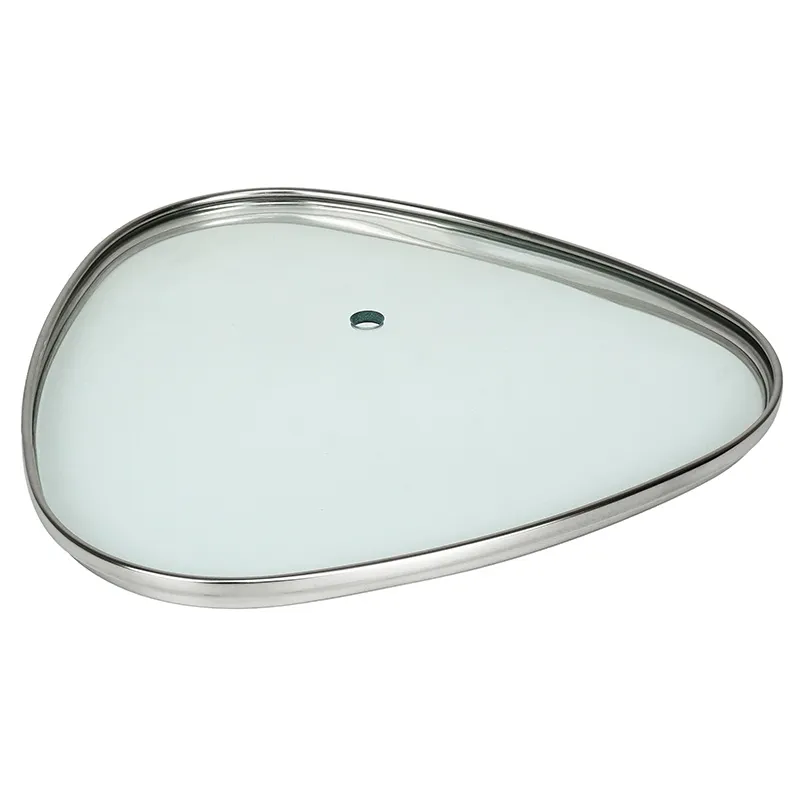
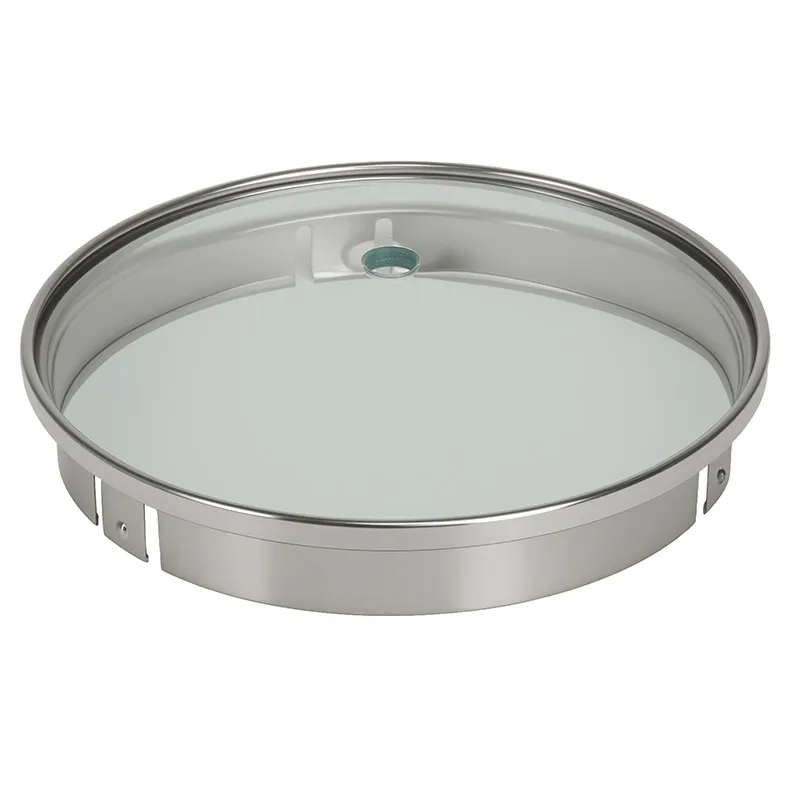
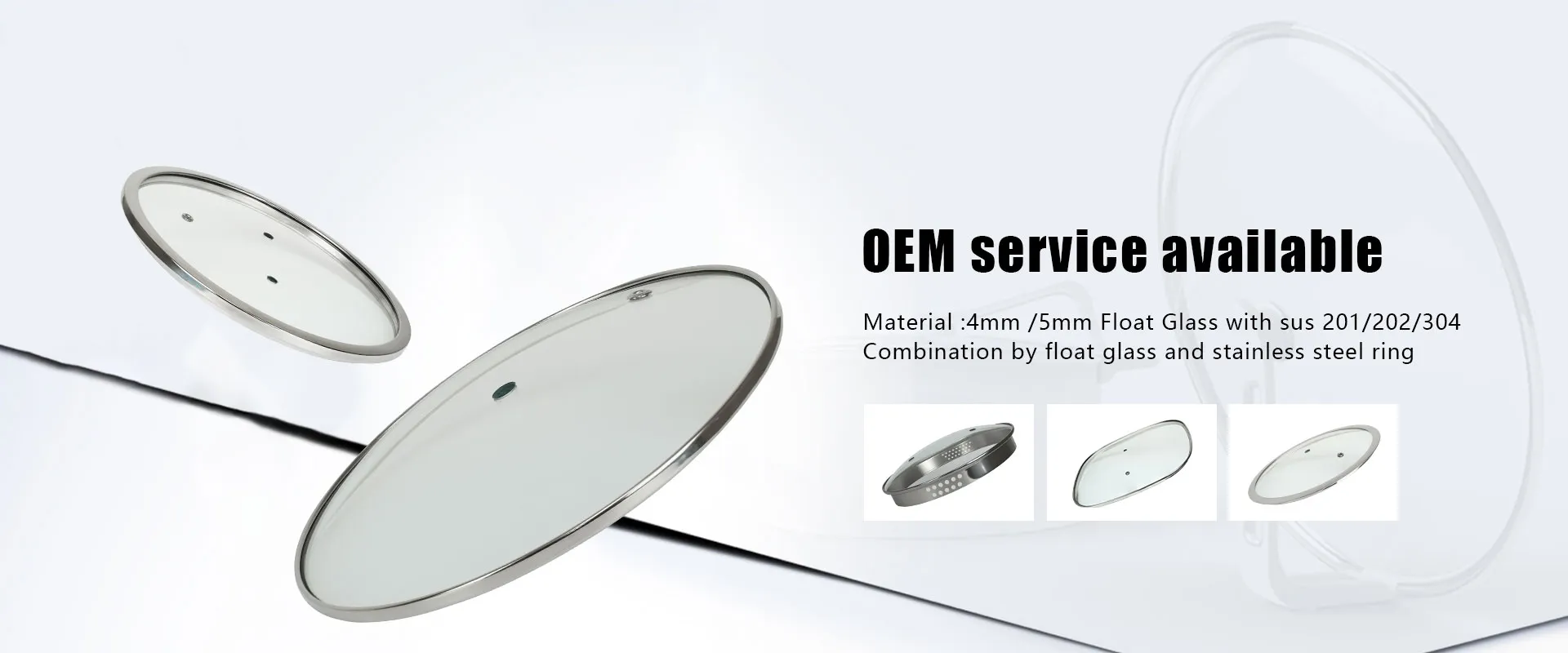
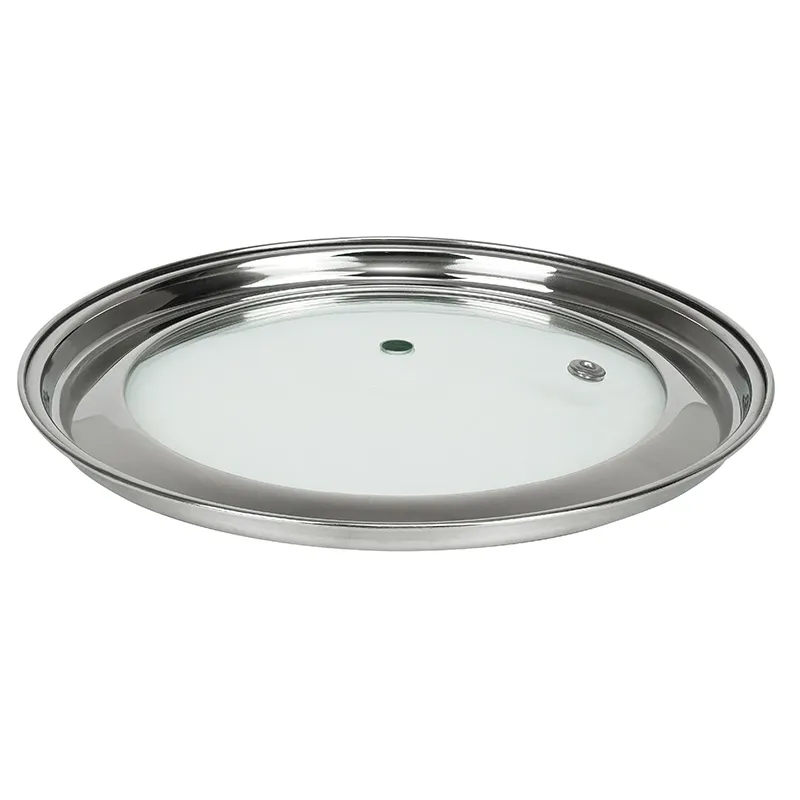
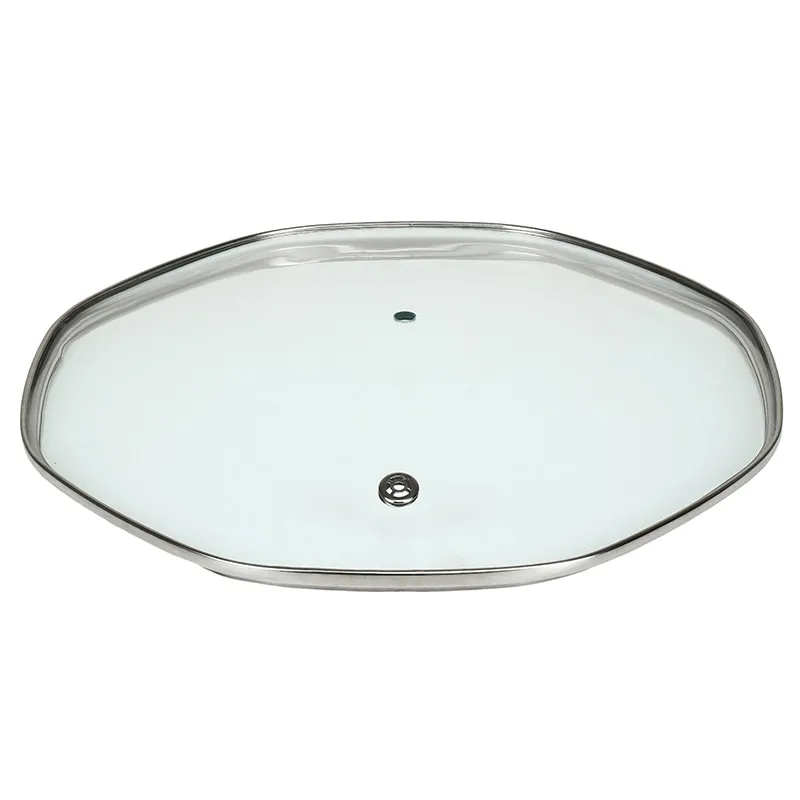
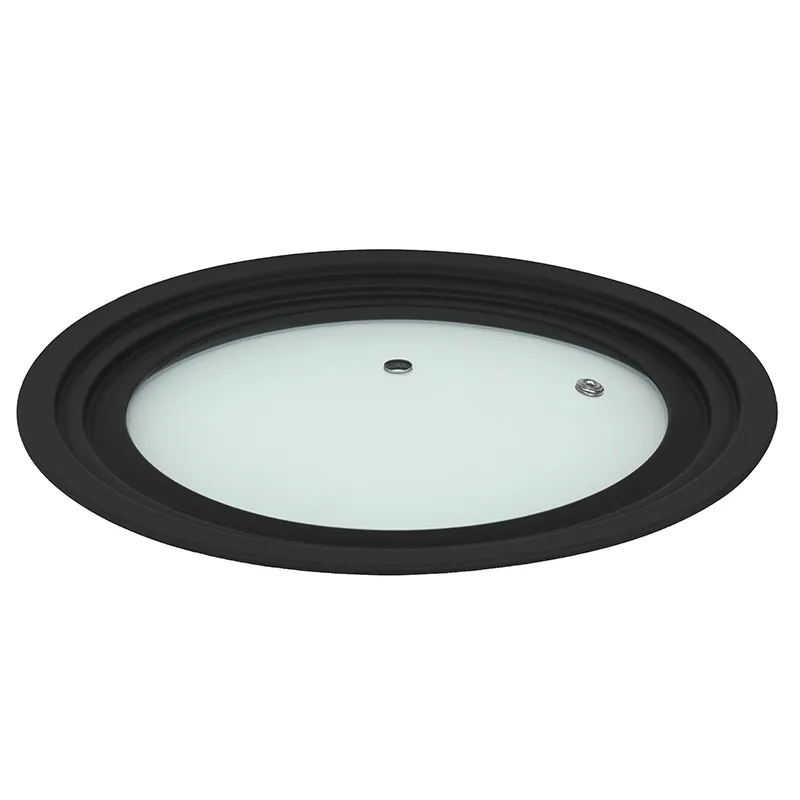
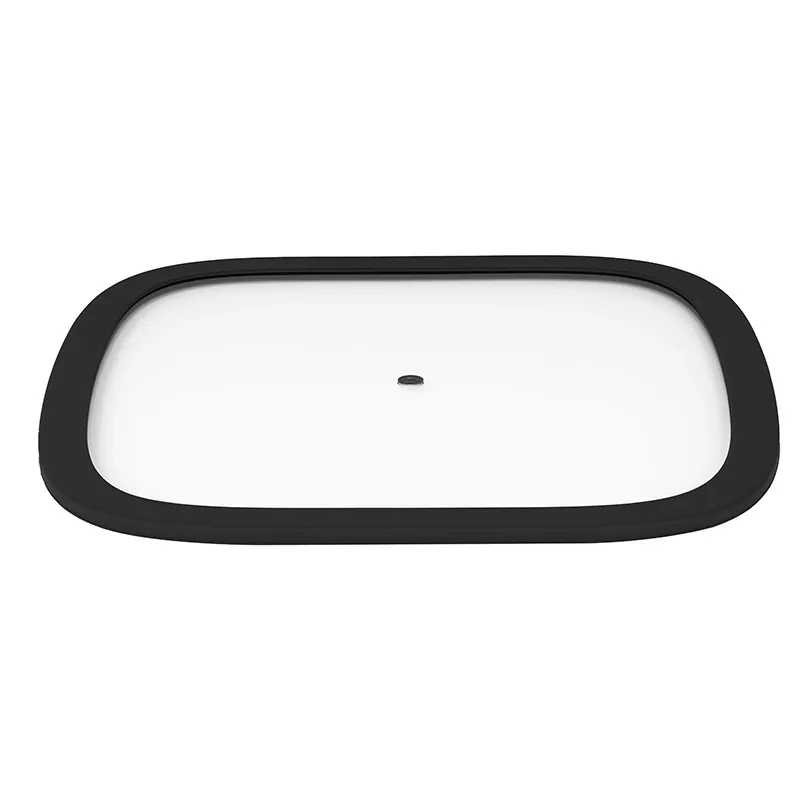
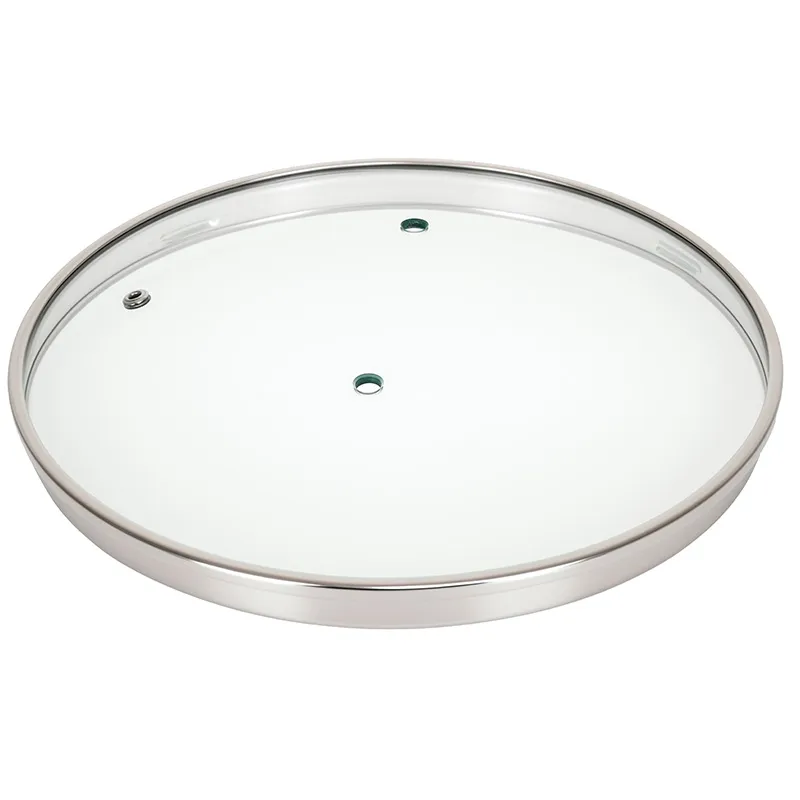
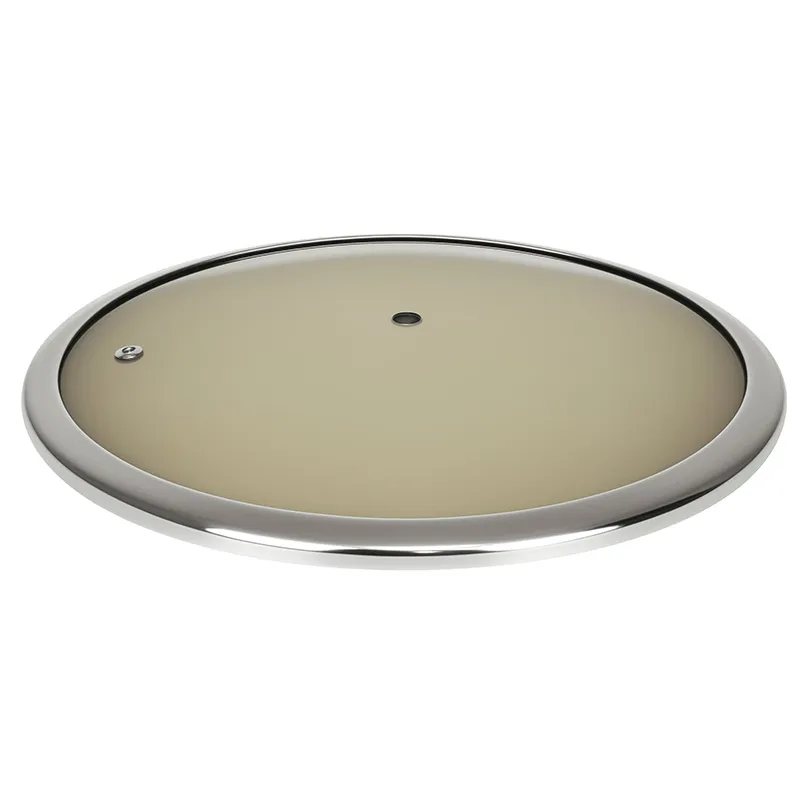
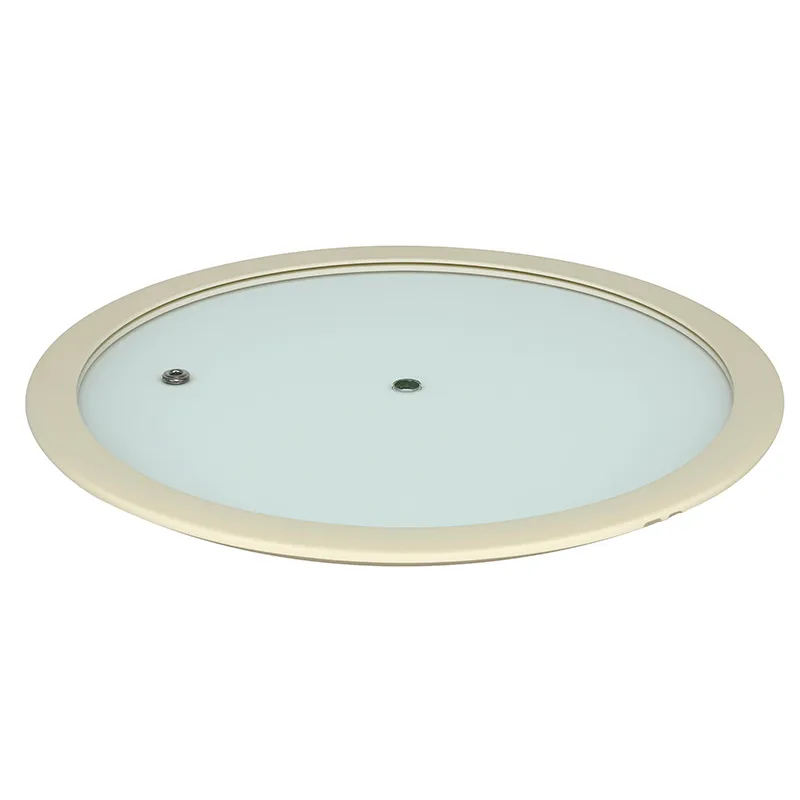
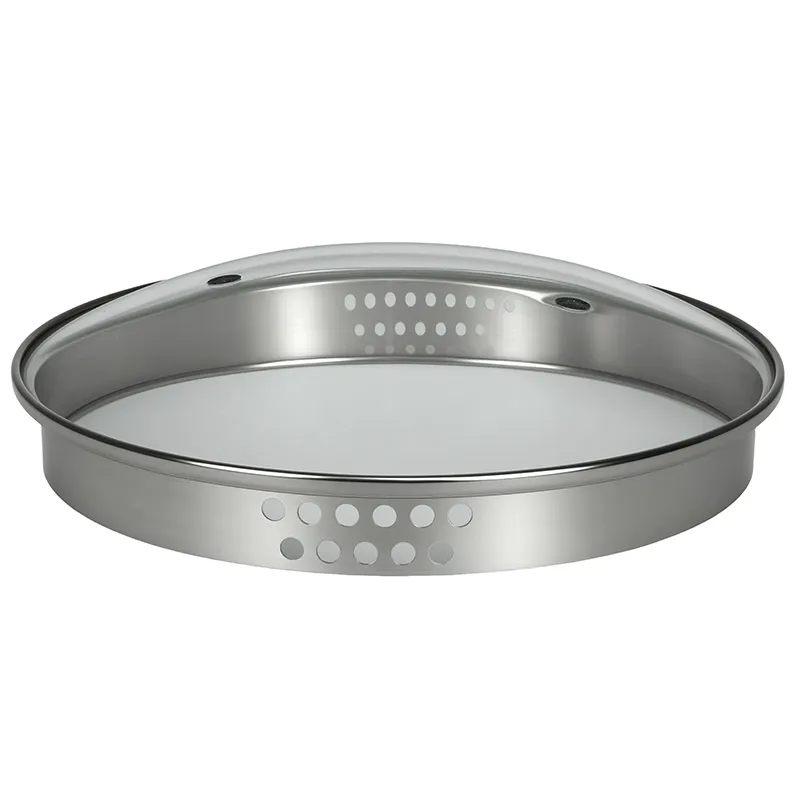
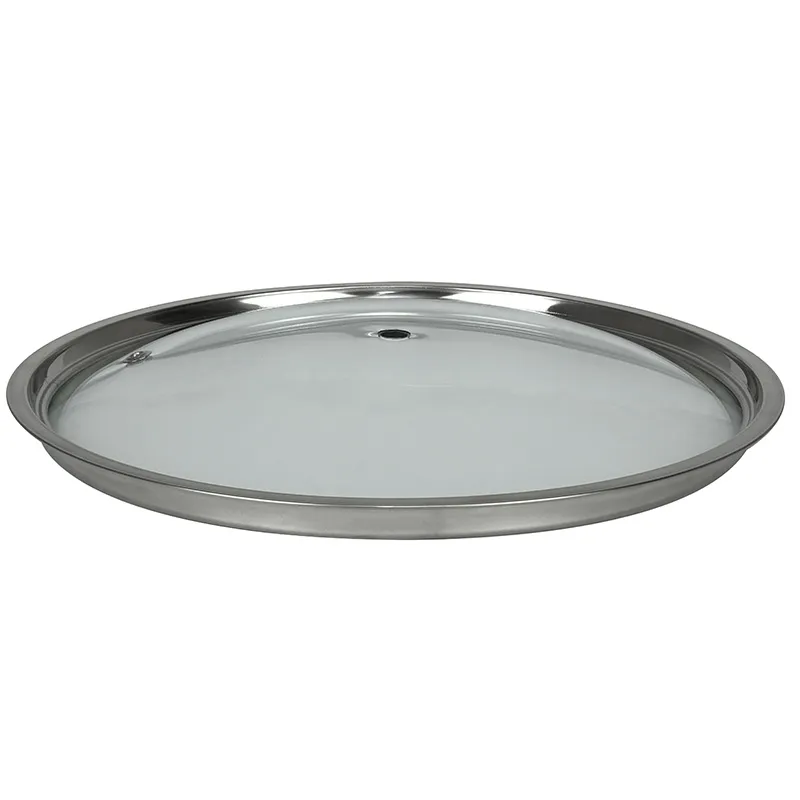
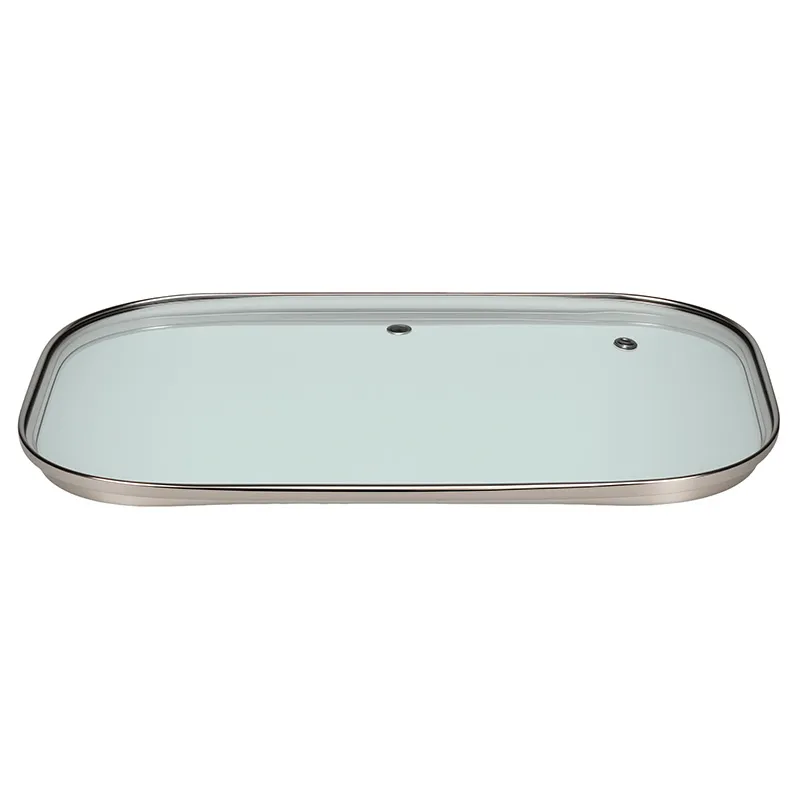
tempered glass lid for cookware
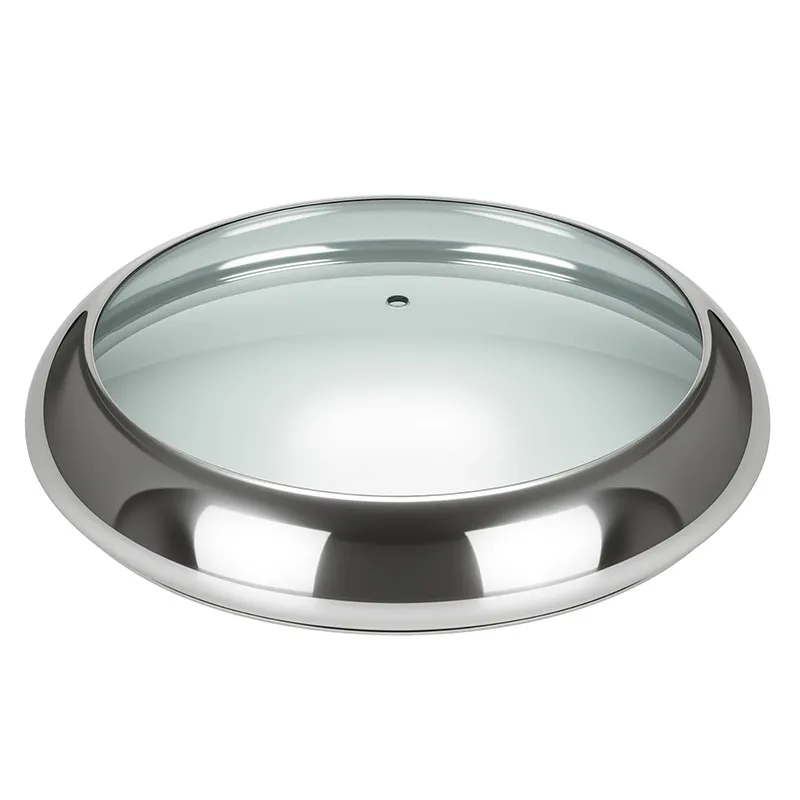
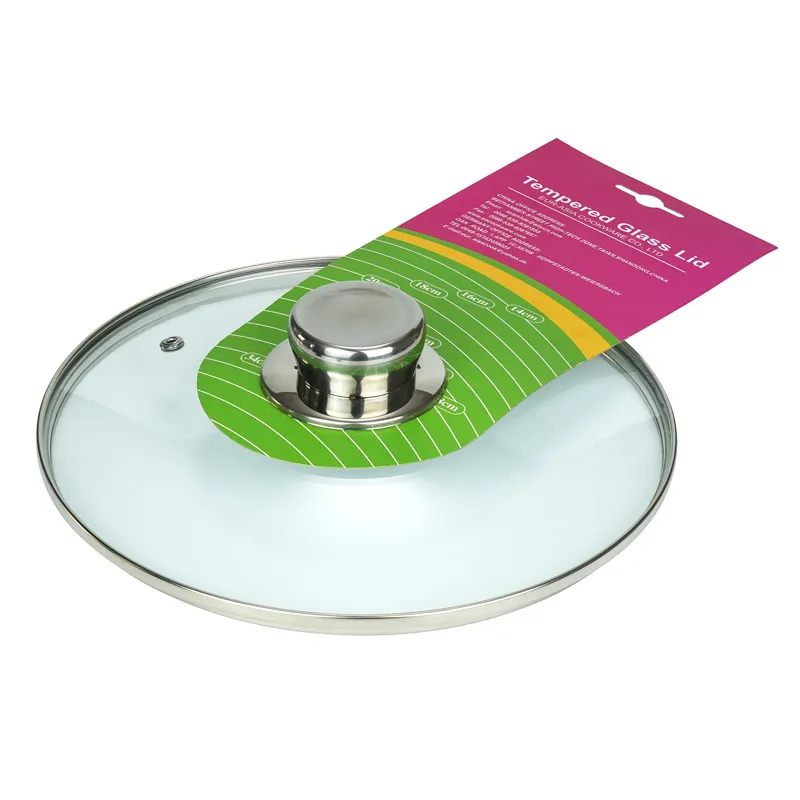
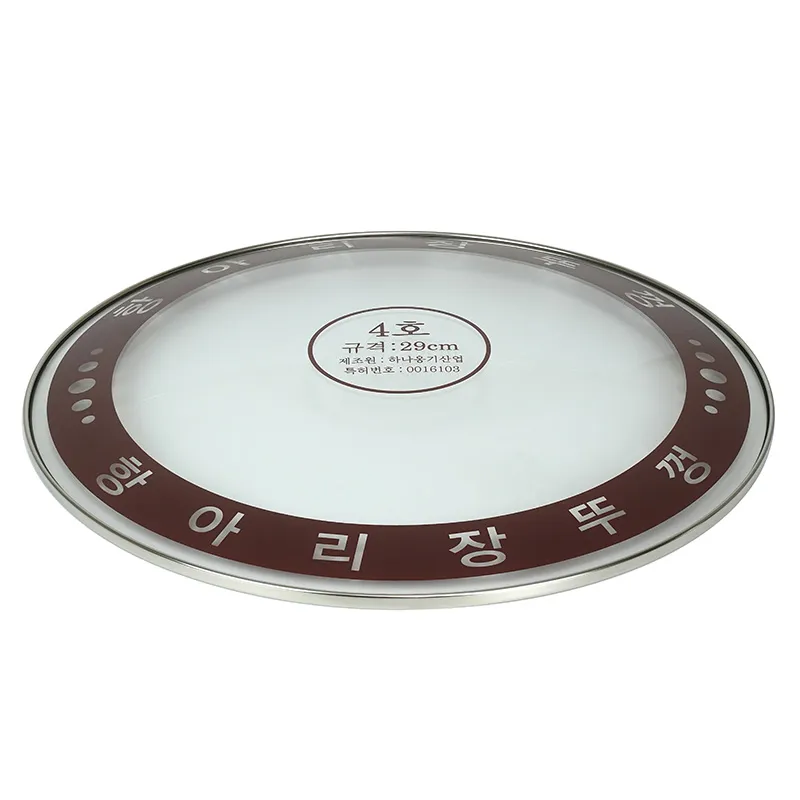
When most people think about a tempered glass lid for cookware, they see a simple, transparent top. In the industry, and after years of sourcing and quality control, I've learned that's the first big misconception. It's not just a piece of glass; it's a critical engineering component that balances visibility, safety, thermal shock resistance, and precise fit. Many brands, even some well-known ones, treat it as an afterthought, leading to lids that warp, crack under sudden temperature changes, or simply don't seal properly, letting all the steam and flavor escape. That gap in understanding is where the real challenges—and opportunities—lie.
Beyond Transparency: The Engineering in Plain Sight
The primary selling point is always visibility. You can watch your braise without releasing heat. But the material science behind that clarity is what separates a good lid from a liability. We're talking about borosilicate or high-quality soda-lime glass that's been properly tempered. The tempering process isn't just a checkbox; it's about achieving a specific surface compression. I've seen batches where the quenching was uneven, leading to weak points. Under rapid cooling—say, moving a hot lid directly to a cold granite countertop—these weak points don't just crack; they explode into harmless granules. That's the safety feature, but it's a last resort. A well-made lid shouldn't be testing that feature daily.
Fit is another silent killer. The curvature isn't arbitrary. It must match the pot's rim perfectly to create a sufficient seal without being too tight, which stresses the glass, or too loose, which is useless. I recall a project with a European client where we went through seven prototype iterations just on the radius of the curvature. Their existing supplier's lids would rock on the pot. It seemed minor, but it meant inconsistent cooking and customer complaints. The devil is in the millimeter.
Then there's the handle and knob. They seem trivial, right? Wrong. The bonding material between the metal/plastic knob and the glass must withstand repeated thermal cycling without degrading. I've had failures where the knob simply detached after a few months of oven use because the epoxy couldn't handle the expansion coefficients. Now, we insist on mechanical fixation paired with high-temp adhesive for redundancy. It's these unseen details that dictate product life.
The Manufacturing Floor: Where Theory Meets Practice
Visiting a factory tells you everything. You can have perfect specs on paper, but the production line is where consistency is won or lost. A company like EUR-ASIA COOKWARE CO.,LTD (you can find their focus at https://www.glass-lid.com) operates on a scale that forces rigor. An annual output of 15 million pieces isn't achieved by chance. It requires standardized processes from glass cutting, edge grinding, tempering furnace calibration, to final inspection. Their specialization in low to high-end household glass products means they have to manage different quality tiers, which is harder than just doing one premium line.
One key lesson from the floor is the importance of the edge grind. A smooth, polished edge isn't just for aesthetics; it eliminates microfractures that can become stress concentrators. I've seen cheaper lids with rough, chipped edges straight out of the box—a guaranteed future failure. The grinding and polishing stages are cost centers, and they're often the first corners cut in a budget product. That's a red flag for any buyer.
Their export focus, with over 90% going to markets like Germany and Japan, is also a telling point. These are jurisdictions with stringent safety standards (think LFGB in Germany). Passing those tests requires controlled material sourcing and traceability. It's not just about making a lid; it's about documenting the entire chain, from sand to shelf. This regulatory pressure indirectly enforces a higher baseline quality, which is why production for such markets often feels different—more paperwork, yes, but also more predictability in the final product.
Real-World Failures and What They Teach
Let's talk about a failure, something you rarely see in catalogs. Early in my career, we sourced a batch of tempered glass lids for a line of ceramic casserole dishes. The lids looked flawless. However, we didn't account for the specific heat retention of the ceramic body versus a metal pot. In oven use, the ceramic held heat longer, causing the glass lid to remain at high temperature for an extended period after cooking. When customers placed the hot lid on a damp wooden cutting board (a common action), the thermal shock was more severe than our standard test—a rapid drop from 220°C to a wet, 25°C surface. We had a rash of thermal breakage.
The fix wasn't to blame the users. We had to re-spec the glass. We moved to a formulation with slightly better thermal shock resistance, which involved tweaking the chemical composition. It increased cost by about 8%, but it eliminated the returns. The lesson was profound: lab tests (like the standard 220°C to 20°C water quench test) are necessary but not sufficient. You have to envision the real, sometimes careless, kitchen environment.
Another common issue is staining and cloudiness. This isn't usually breakage, but it renders the visibility feature useless. It often comes from hard water minerals baking onto the surface or reactions with certain acidic vapors. While a lid is technically dishwasher safe, mineral-rich water in dishwashers can leave permanent etching. We now often recommend a quick rinse and dry. It's a small compromise for longevity. Some high-end suppliers apply a subtle hydrophobic coating to mitigate this, but it adds cost and can wear off.
The Fit with Different Cookware Bodies
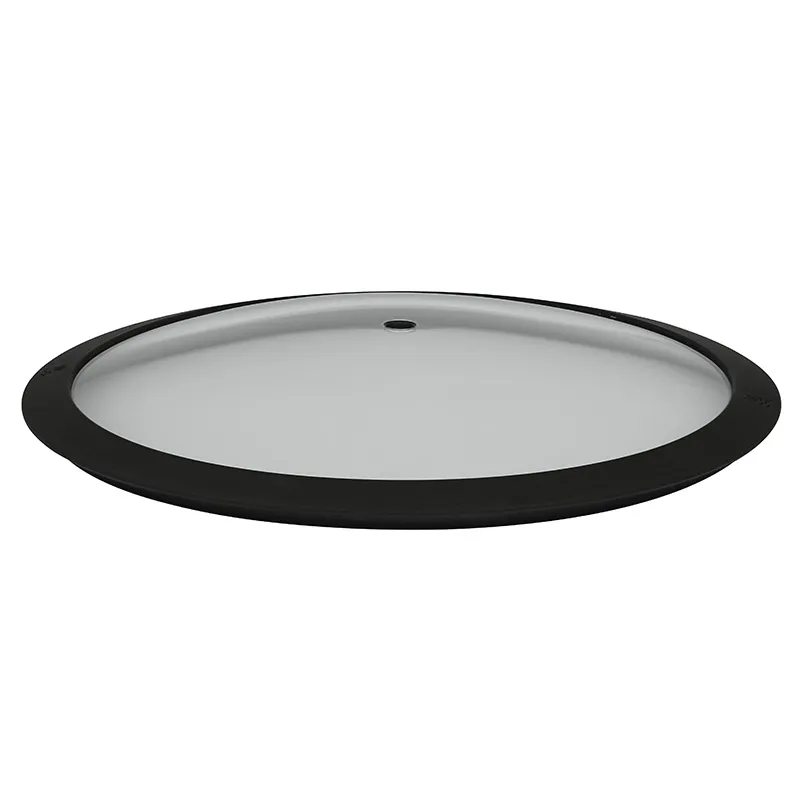
A tempered glass lid doesn't exist in a vacuum. Its performance is married to the pot it sits on. For stainless steel pots, the fit is usually the tightest, as the metal rim is machined precisely. The issue here is often condensation dripping. A well-designed lid has a subtle inner condensation ridge to channel moisture back into the pot, not down the outside. For non-stick cookware, you must ensure the lid's metal rim (if it has one) doesn't scratch the interior coating. Sometimes, a full glass lid with a silicone gasket is better.
Cast iron is a unique challenge. These pots are heavy, and their enameled surfaces can be delicate. A heavy glass lid slamming down can chip the enamel. Furthermore, cast iron retains immense heat. The lid must be rated for very high, sustained oven temperatures—often above 250°C. This is where you truly see the difference between standard soda-lime and borosilicate glass. Borosilicate handles the thermal stress better, but it's more expensive and can be more brittle against impact. It's a trade-off.
For companies like EUR-ASIA COOKWARE CO.,LTD, this variety means they must maintain a vast library of rim specifications. Their product line isn't just one lid; it's thousands of SKUs tailored to partners' specific cookware lines. This complexity in their Taian City facility—managing molds, grinding wheels, and inspection jigs for all these variations—is what their 20,000㎡ plant and 90+ employees are really managing. It's a logistics puzzle as much as a manufacturing one.
The Future: Smarter Lids and Sustainable Pressures
Where is this going? The simple glass lid is getting smarter, but cautiously. I've seen prototypes with integrated steam vents and silicone seals that you can open and close with one hand. There's talk of lids with simple temperature sensors. But every addition increases complexity, cost, and potential failure points. The core value—durability, clarity, and safety—must remain paramount. A gimmick that compromises the fundamental integrity is a non-starter.
Sustainability is a growing pressure, not just in materials but in logistics. Glass is heavy and fragile, making shipping carbon-intensive. Breakage in transit is pure waste. Optimizing packaging to use less material while improving protection is a constant battle. Some factories are looking at regional production hubs to cut down shipping distances, but that fragments the supply chain. For a global exporter, it's a tough calculation.
Ultimately, the tempered glass lid for cookware remains a testament to simple, functional design when executed correctly. It's a component that should be invisible in use—you shouldn't have to think about it. That invisibility is the highest compliment, achieved only through relentless attention to the gritty details of material, process, and fit. When you find a pot with a lid that just works, season after season, silently doing its job, you're holding the result of countless small decisions and corrections made on factory floors and in testing labs. That's the real story behind the clear view.
Related Products
Related Products