- Chinese
- French
- German
- Portuguese
- Spanish
- Russian
- Japanese
- Korean
- Arabic
- Irish
- Greek
- Turkish
- Italian
- Danish
- Romanian
- Indonesian
- Czech
- Afrikaans
- Swedish
- Polish
- Basque
- Catalan
- Esperanto
- Hindi
- Lao
- Albanian
- Amharic
- Armenian
- Azerbaijani
- Belarusian
- Bengali
- Bosnian
- Bulgarian
- Cebuano
- Chichewa
- Corsican
- Croatian
- Dutch
- Estonian
- Filipino
- Finnish
- Frisian
- Galician
- Georgian
- Gujarati
- Haitian
- Hausa
- Hawaiian
- Hebrew
- Hmong
- Hungarian
- Icelandic
- Igbo
- Javanese
- Kannada
- Kazakh
- Khmer
- Kurdish
- Kyrgyz
- Latin
- Latvian
- Lithuanian
- Luxembou..
- Macedonian
- Malagasy
- Malay
- Malayalam
- Maltese
- Maori
- Marathi
- Mongolian
- Burmese
- Nepali
- Norwegian
- Pashto
- Persian
- Punjabi
- Serbian
- Sesotho
- Sinhala
- Slovak
- Slovenian
- Somali
- Samoan
- Scots Gaelic
- Shona
- Sindhi
- Sundanese
- Swahili
- Tajik
- Tamil
- Telugu
- Thai
- Ukrainian
- Urdu
- Uzbek
- Vietnamese
- Welsh
- Xhosa
- Yiddish
- Yoruba
- Zulu
- Kinyarwanda
- Tatar
- Oriya
- Turkmen
- Uyghur

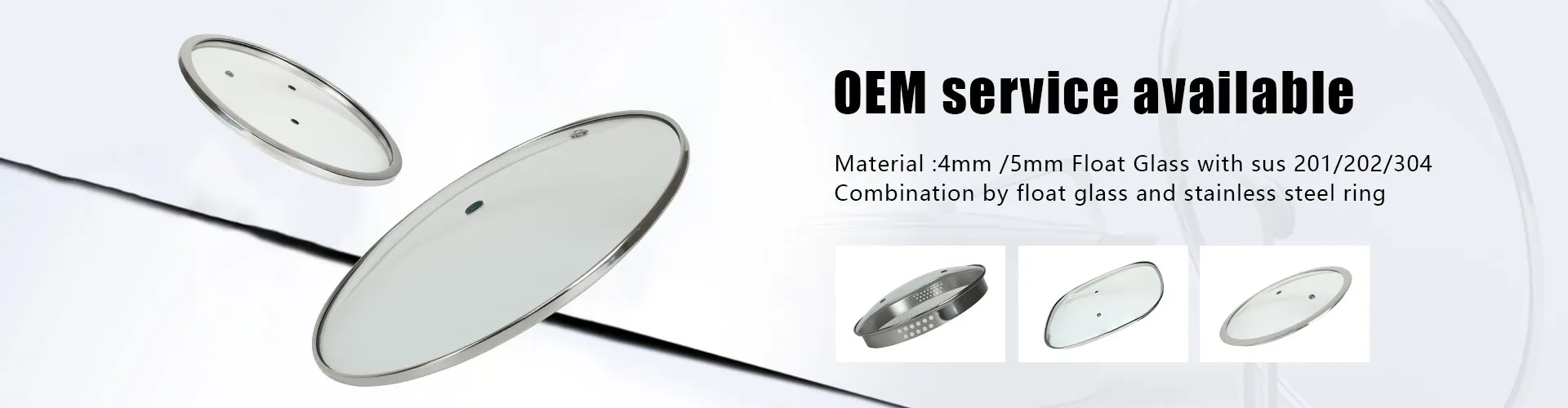
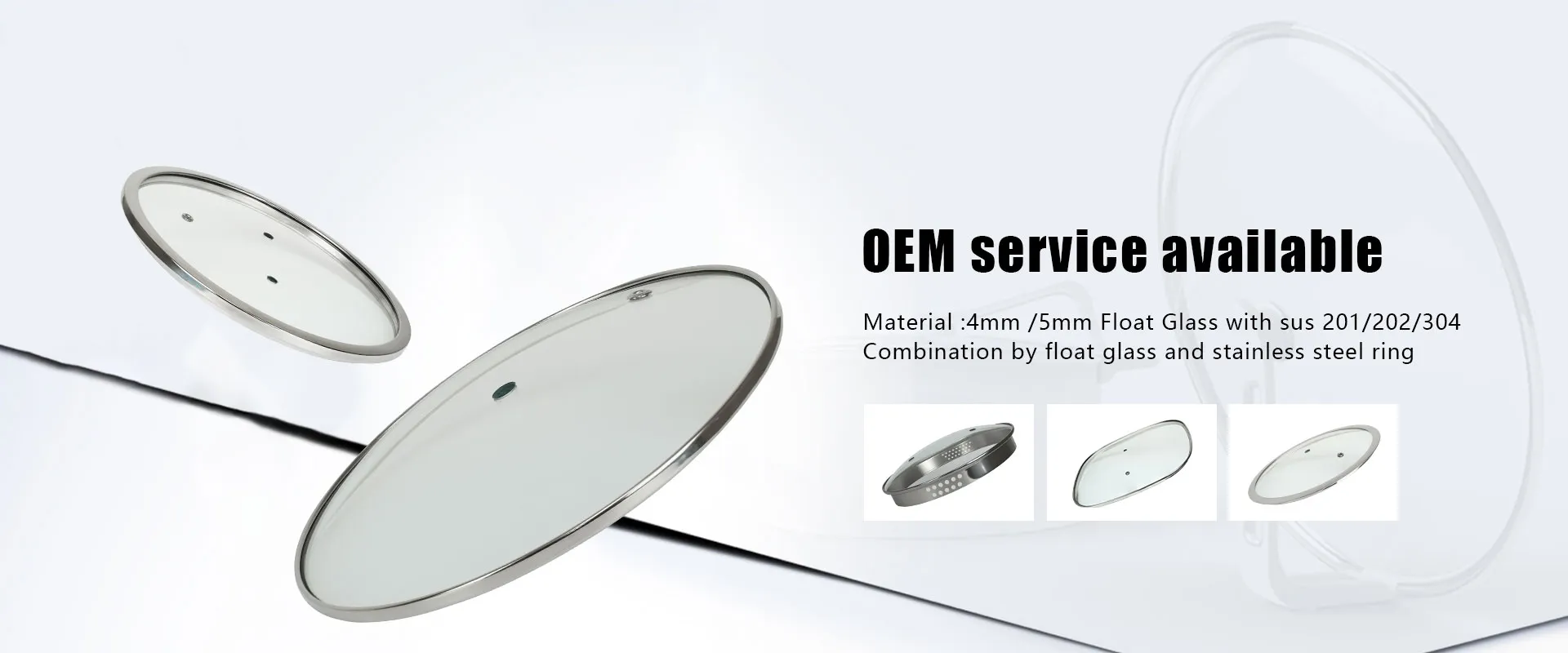
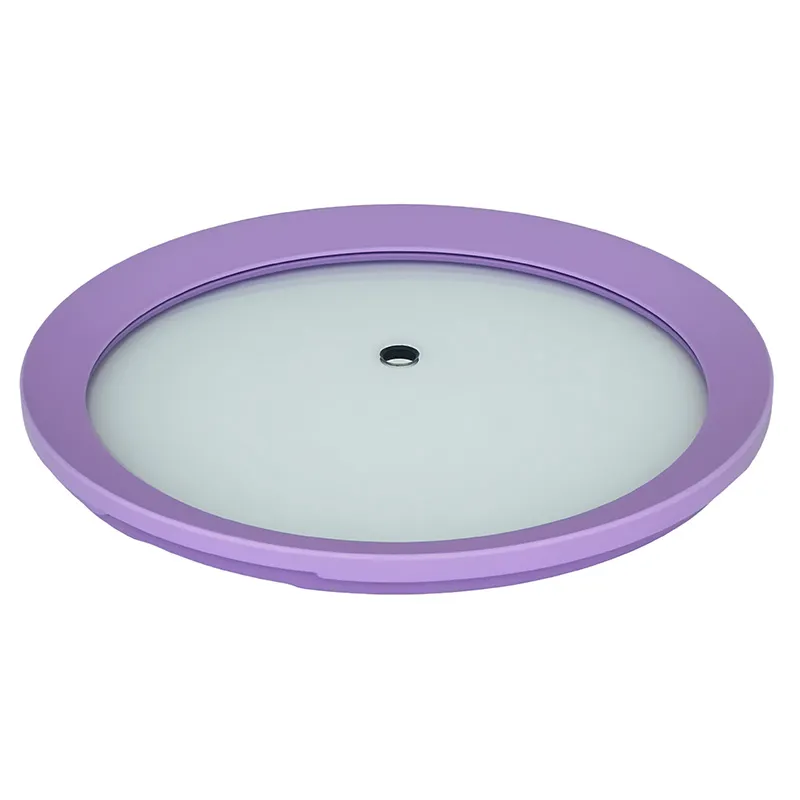
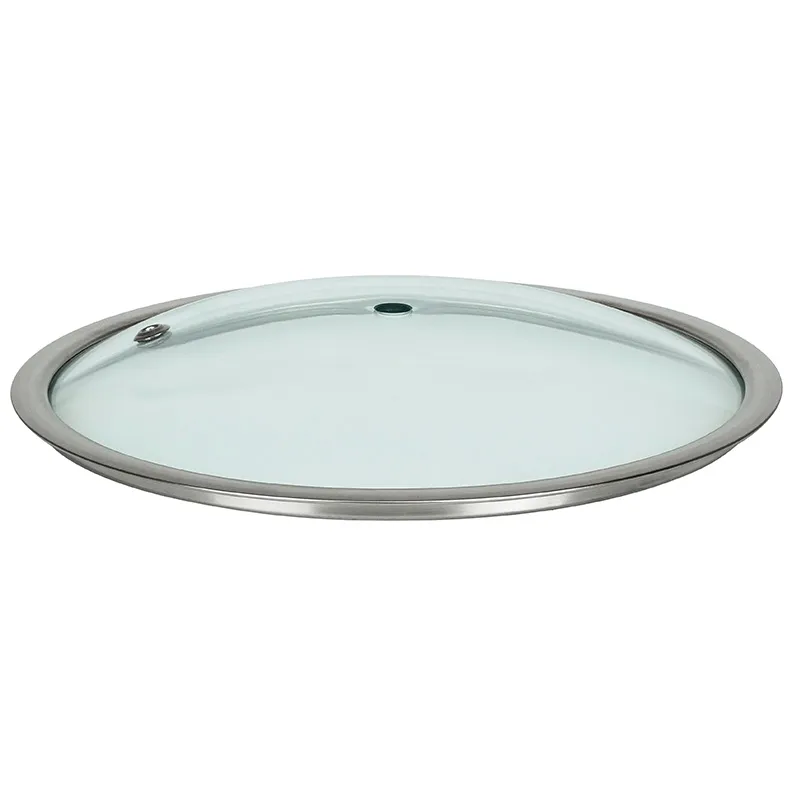
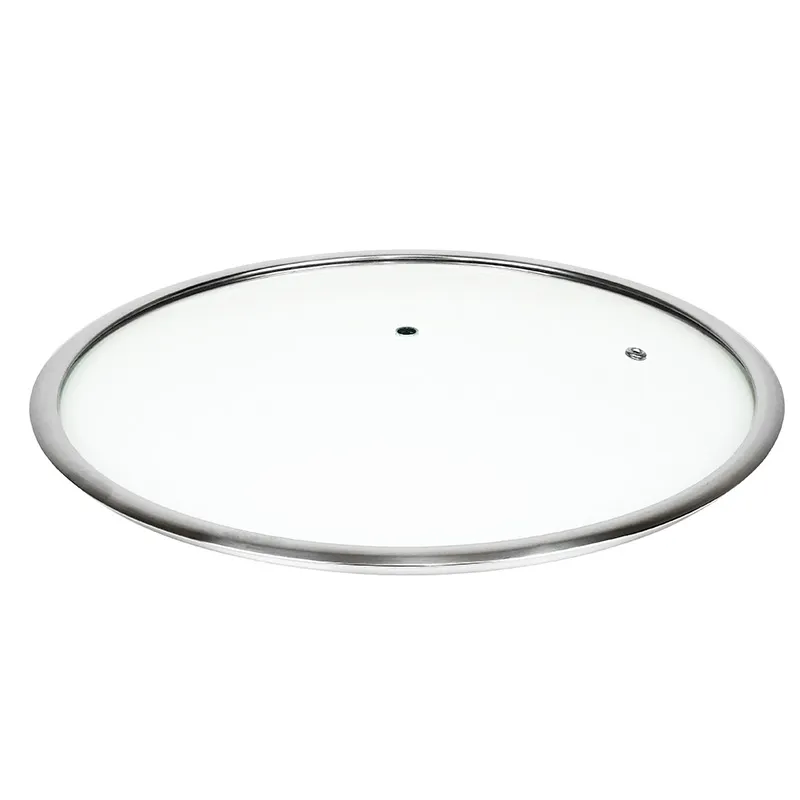
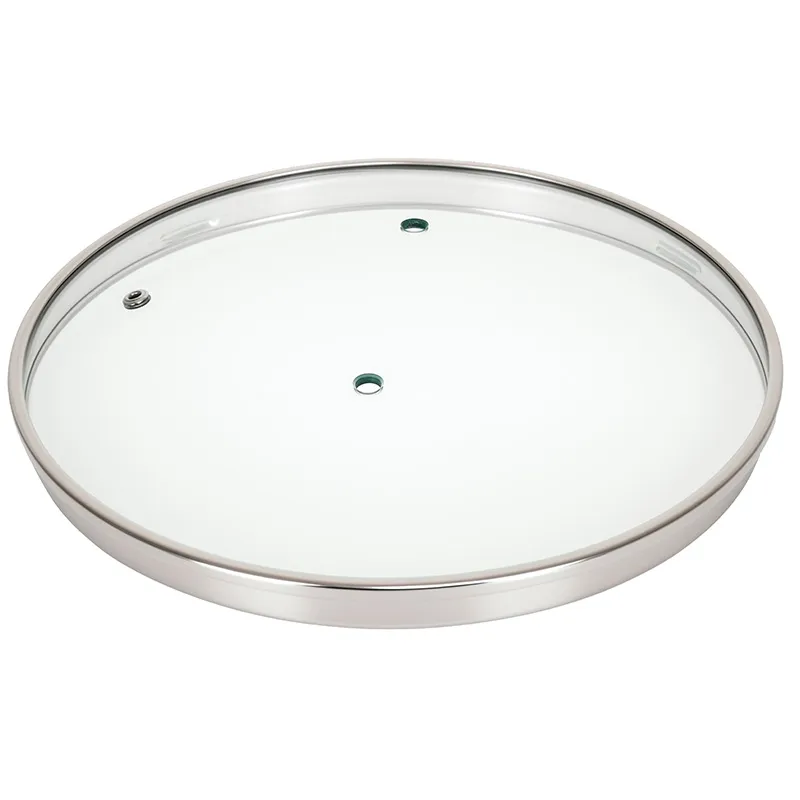
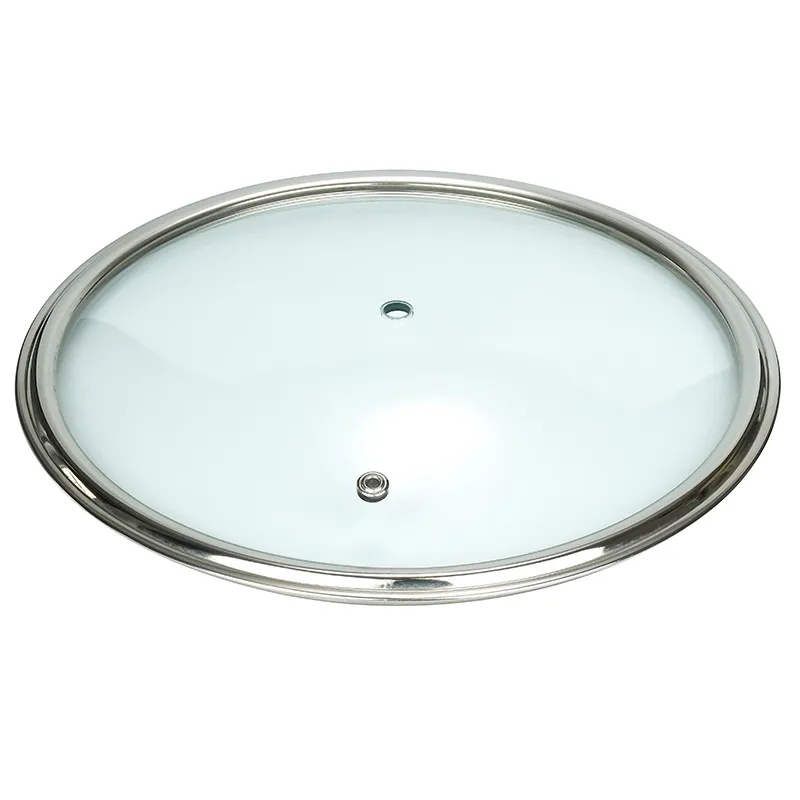
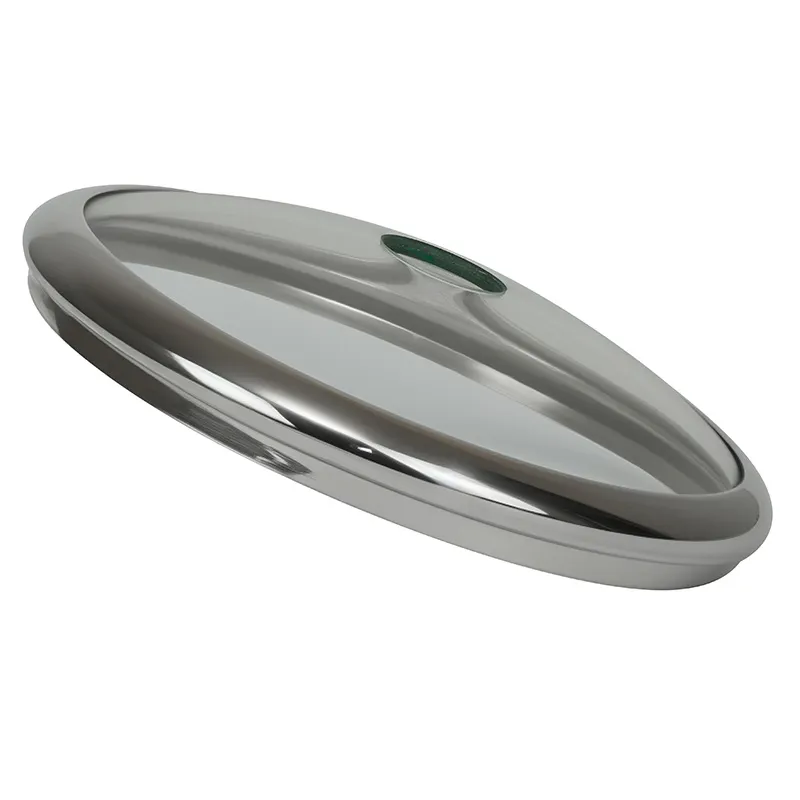
tempered glass lid for fry pan
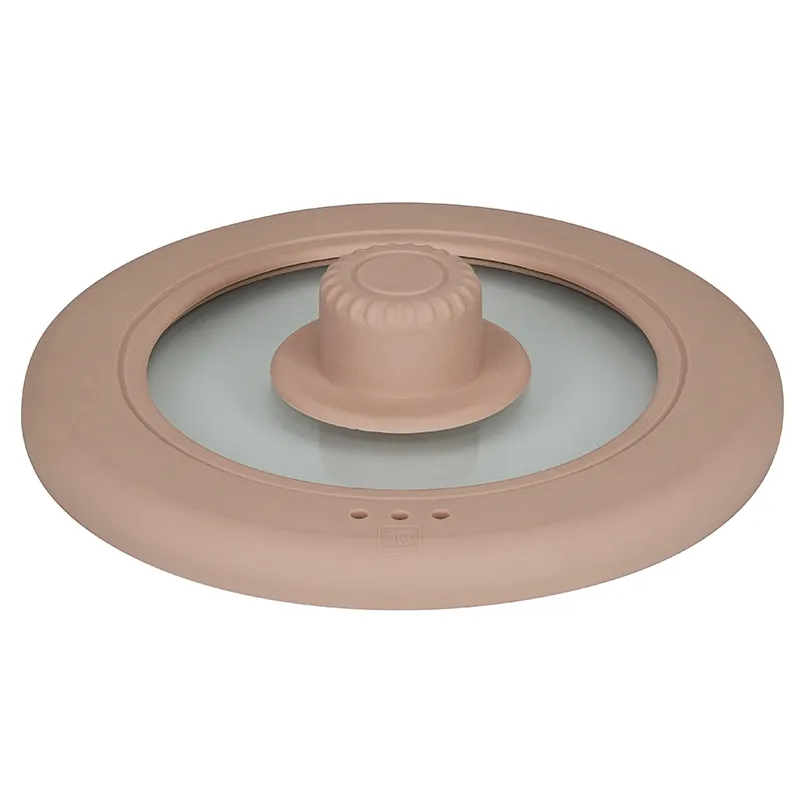
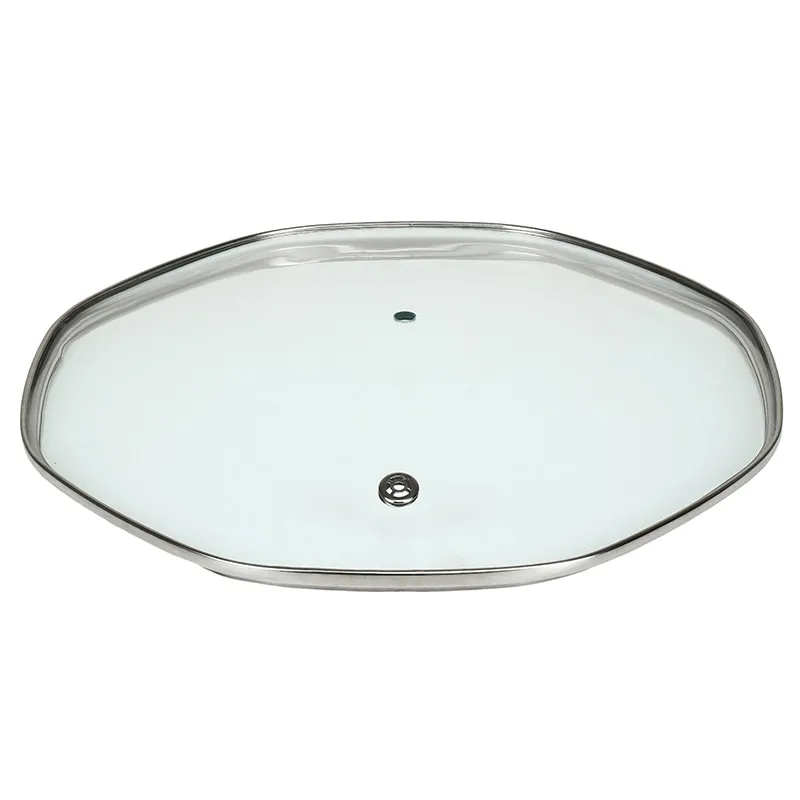
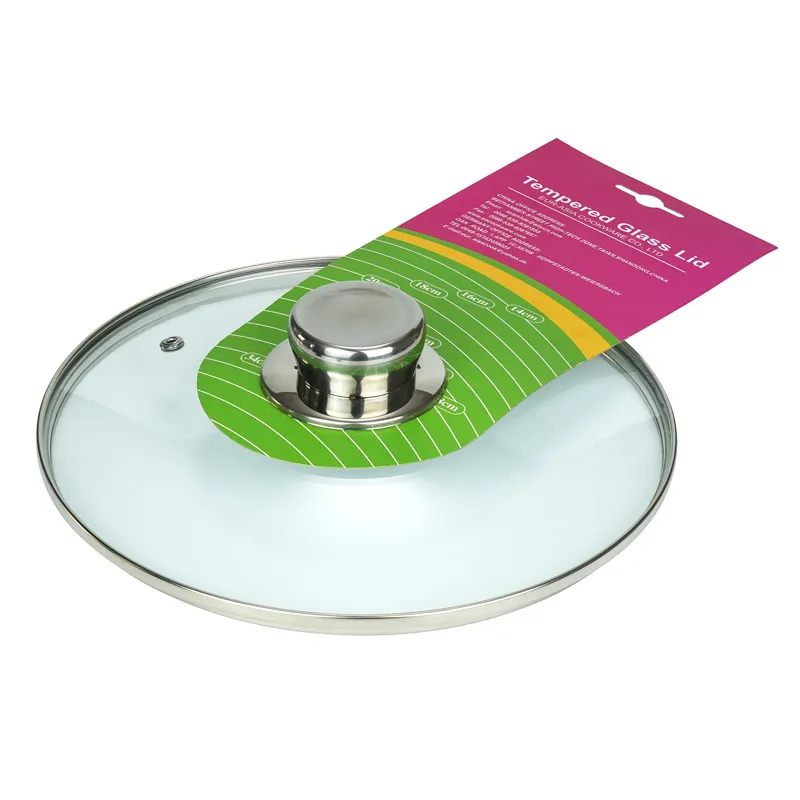
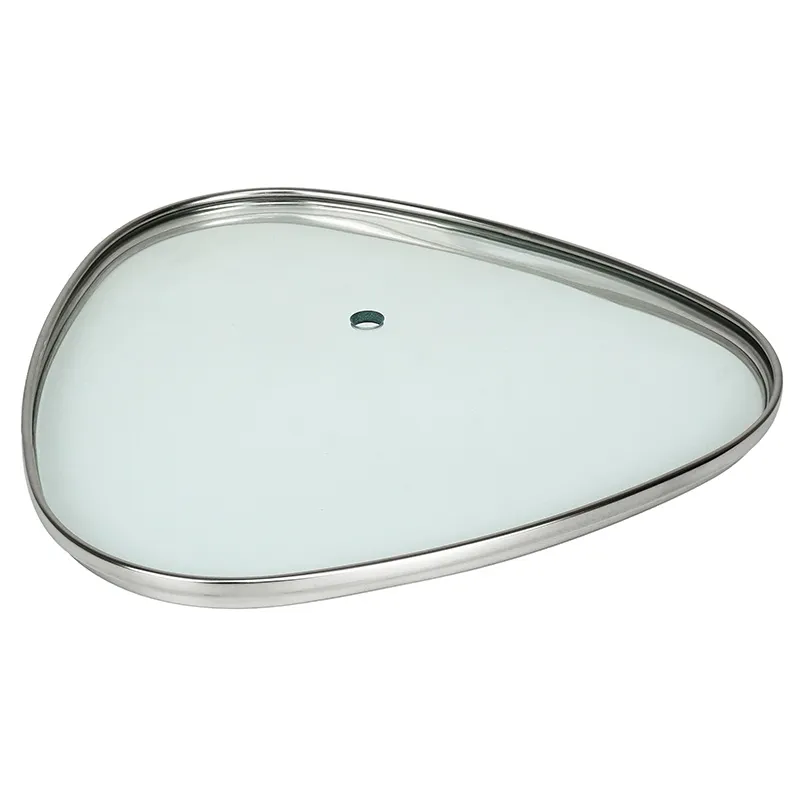
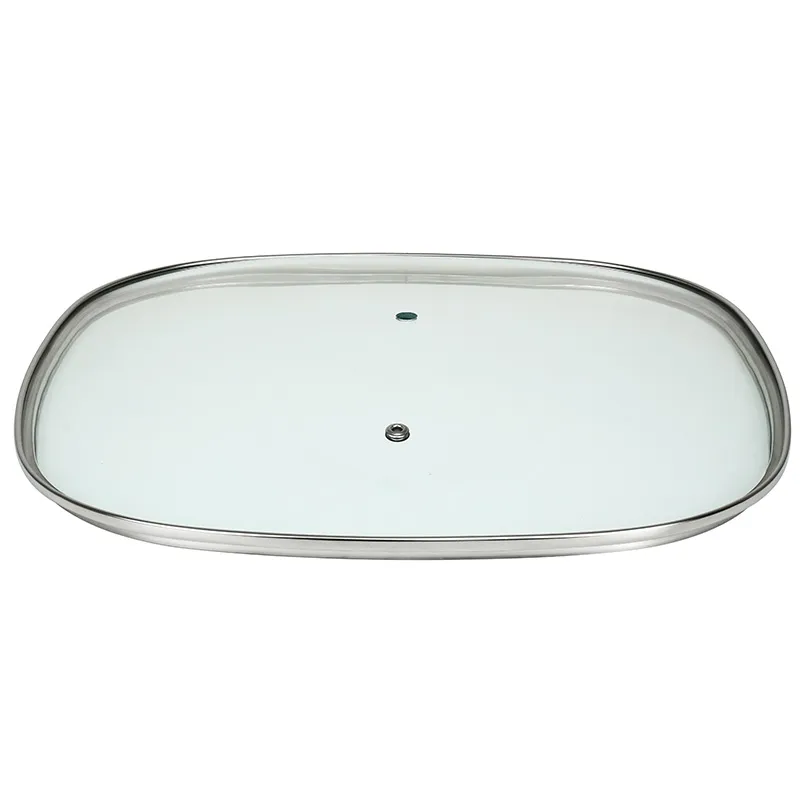
Let's talk about tempered glass lid for fry pan. It sounds straightforward—a piece of toughened glass on a metal rim. But the gap between a decent lid and one that genuinely works in a busy kitchen is vast, and it's a gap filled with thermal shock failures, warped rims, and the constant hum of industrial tempering furnaces. Many assume any clear lid is fine, but that's where the first major misconception lies.
The Core Challenge: It's Not Just About Being Tempered
The term tempered has become a marketing blanket. The real question is: tempered to what standard, and for what specific use? For a fry pan lid, the stress profile is everything. It's not the same as for a baking dish or a car side window. The lid sits over rapidly shifting temperatures—searing heat from below, cooler air on top, and the sudden thermal shock of adding a splash of wine or broth. I've seen batches where the tempering was slightly off in the quench phase, leading to a latent weakness. They'd pass a basic impact test in the factory, but fail in the field after a few months of real use, developing a spiderweb of cracks from the center outwards.
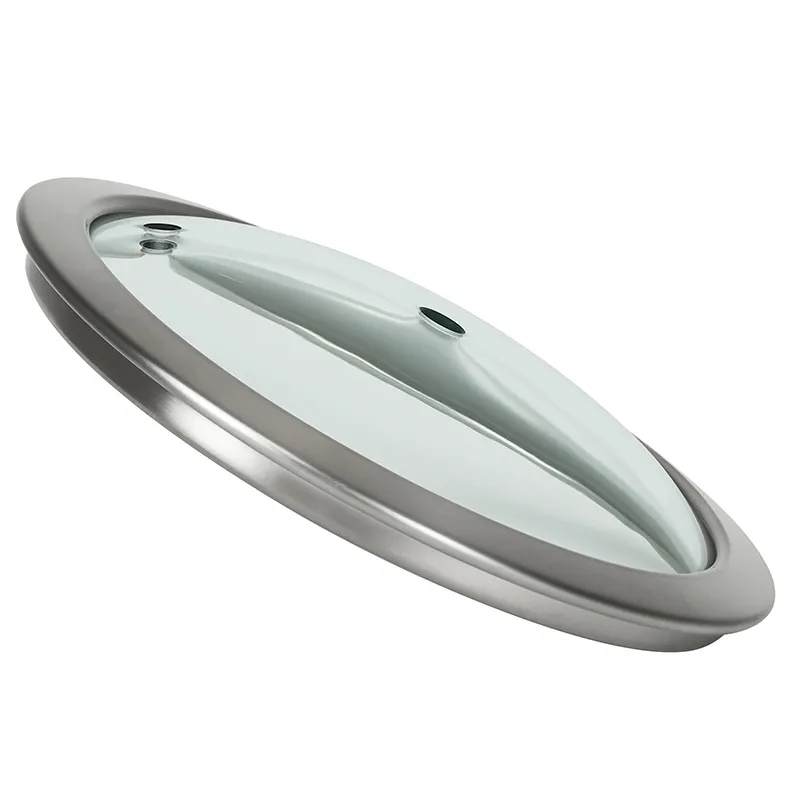
This is where the geometry of the tempered glass lid matters immensely. A flat lid is simpler but can lead to condensation drip-backs right onto your food. A slightly domed design, which most quality ones have, helps direct condensation to the edges. But that dome introduces new stress points during the tempering process. If the bending radius is too tight for the glass thickness, you get weak zones. We learned this through a failed order early on—the specs called for a deeper dome for aesthetic reasons, but the breakage rate in testing was unacceptable. We had to go back to the drawing board with the engineers.
Then there's the rim. The bond between the glass and the stainless steel or aluminum rim is a potential failure point. Silicone gaskets are common, but the quality of that silicone and the precision of the channel it sits in are critical. Cheap lids use a harder silicone that cracks and discolors with heat. Better ones use a food-grade, high-temp resistant silicone that remains pliable. I recall a supplier issue where a batch of gaskets had a slightly different polymer composition; they passed initial inspection but began to degrade and smell after repeated dishwasher cycles. It was a costly lesson in vetting every single component.
Manufacturing Realities and the EUR-ASIA Example
Walking through a production facility like the one operated by EUR-ASIA COOKWARE CO.,LTD (you can find their specific focus at https://www.glass-lid.com) puts these challenges into perspective. Their specialization in household glass, with an annual output in the millions, means they've likely encountered every production hiccup imaginable. A key part of their operation, as with any serious manufacturer, is the post-tempering inspection. Not every piece can go through a destructive test, so sampling and edge stress analysis via polariscopes are routine. But even then, some defects are subtle.
Their export focus to markets like Germany and Japan is telling. Those markets have brutally high standards for consumer goods. A German retailer's QC team will subject a tempered glass lid for fry pan to repeated thermal cycling tests—from freezer to a 250°C oven—and inspect the rim finish with a magnifying glass. This forces a factory's processes to be incredibly disciplined. It's not just about making a lid; it's about making the same lid, with the same performance, a million times over.
One detail often overlooked is the handle. It seems trivial, but the material and attachment are vital. A plastic knob must withstand oven temperatures if the lid is to be used under a broiler (and many are marketed as oven-safe). We once used a phenolic resin knob that was rated for high heat, but the metal screw attaching it conducted heat so efficiently that the knob's base would still soften. The fix was a combination of a thicker knob base and a stainless steel spacer to reduce thermal transfer. It's these minute engineering details that separate a product that works from one that lasts.
In the Kitchen: Where Theory Meets Practice
All this factory talk means little if the lid doesn't perform in a home kitchen. The primary function is visibility—you want to see your onions sweating or your sauce reducing without lifting the lid and losing heat. But a good tempered glass lid also needs to have the right weight and fit. Too light, and it doesn't create a good seal for braising. Too heavy, and it's cumbersome. The fit must be snug but not airtight (unless it's specifically a pressure-cooker lid), allowing a slight steam vent to prevent pressure buildup and dangerous lid-lock.
Cleaning is another practical hurdle. The best lids have a rim design that allows for easy disassembly of the glass from the metal ring for cleaning, but not so easy that it comes apart in the dishwasher. I've seen designs where the glass is permanently bonded to the rim. This looks sleek but is a nightmare if food residue gets trapped in the seam. It's a design choice that prioritizes aesthetics over long-term usability, and it's one I generally advise against.
Then there's the issue of compatibility. Not all 28cm lids fit all 28cm pans. The curvature of the pan's rim (the flange) varies by brand. A lid designed for a specific line of cookware will sit perfectly. A universal lid might rock slightly. For a company like EUR-ASIA COOKWARE CO.,LTD., which produces for various international brands, this means maintaining a vast library of rim profiles and molds. It's a logistical challenge that directly impacts the end-user experience.
Failures as Learning Tools
You learn more from a failed product run than a perfect one. Early in my experience, we pushed for a thinner, lighter glass for a lid to reduce shipping costs. The theory was that advanced tempering could compensate. It did, for impact. But we didn't account for high-wind convection ovens. The thinner glass, under the combined heat from below and the oven's fan, developed a harmonic vibration at certain temperatures. It produced an infuriating buzz. The lids didn't break, but they were returned in droves because of the noise. A classic case of solving one problem (weight) and creating another (acoustics) nobody anticipated.
Another common failure point is the edge finishing. After tempering, glass cannot be cut or drilled. So any holes for vents or handles must be made before the tempering process. The edges of these holes are critical stress concentrators. If the drilling or grinding leaves micro-cracks, the tempering process can amplify them into full breaks either immediately or later. A proper manufacturer will have automated grinding and polishing lines for these edges, not just a worker with a hand tool. The consistency of the edge work is a quick tell for the overall quality of the lid.
Looking Ahead: The Unsexy Essentials
The future of the tempered glass lid for fry pan isn't about gimmicks. It's about refining the unsexy essentials: more consistent tempering with better process control (AI-driven furnace monitoring is actually making inroads here), developing even more durable and clear coatings to resist scratching and clouding from dishwasher detergents, and creating smarter, more sustainable packaging that prevents breakage in transit without a mountain of plastic.
For a producer like EUR-ASIA, with its significant export volume, the supply chain for raw materials—high-quality float glass and specific metal alloys—is as important as their production tech. A disruption in the soda ash or silica sand market, or a shift in stainless steel prices, directly impacts the feasibility of producing a low-medium-high level range as their company intro states. Their ability to navigate that, while maintaining the precision needed for a high-tolerance item like a glass lid, is the real business.
So, when you pick up a tempered glass lid, its clarity lets you see your food. But its true quality is opaque, embedded in the choices of thickness, tempering curve, rim assembly, and handle design. It's a deceptively simple product that, when done right, represents a small triumph of material science and practical manufacturing over a very demanding set of physical conditions. The good ones disappear into your routine, which is the highest compliment they can get.
Related Products
Related Products