- Chinese
- French
- German
- Portuguese
- Spanish
- Russian
- Japanese
- Korean
- Arabic
- Irish
- Greek
- Turkish
- Italian
- Danish
- Romanian
- Indonesian
- Czech
- Afrikaans
- Swedish
- Polish
- Basque
- Catalan
- Esperanto
- Hindi
- Lao
- Albanian
- Amharic
- Armenian
- Azerbaijani
- Belarusian
- Bengali
- Bosnian
- Bulgarian
- Cebuano
- Chichewa
- Corsican
- Croatian
- Dutch
- Estonian
- Filipino
- Finnish
- Frisian
- Galician
- Georgian
- Gujarati
- Haitian
- Hausa
- Hawaiian
- Hebrew
- Hmong
- Hungarian
- Icelandic
- Igbo
- Javanese
- Kannada
- Kazakh
- Khmer
- Kurdish
- Kyrgyz
- Latin
- Latvian
- Lithuanian
- Luxembou..
- Macedonian
- Malagasy
- Malay
- Malayalam
- Maltese
- Maori
- Marathi
- Mongolian
- Burmese
- Nepali
- Norwegian
- Pashto
- Persian
- Punjabi
- Serbian
- Sesotho
- Sinhala
- Slovak
- Slovenian
- Somali
- Samoan
- Scots Gaelic
- Shona
- Sindhi
- Sundanese
- Swahili
- Tajik
- Tamil
- Telugu
- Thai
- Ukrainian
- Urdu
- Uzbek
- Vietnamese
- Welsh
- Xhosa
- Yiddish
- Yoruba
- Zulu
- Kinyarwanda
- Tatar
- Oriya
- Turkmen
- Uyghur


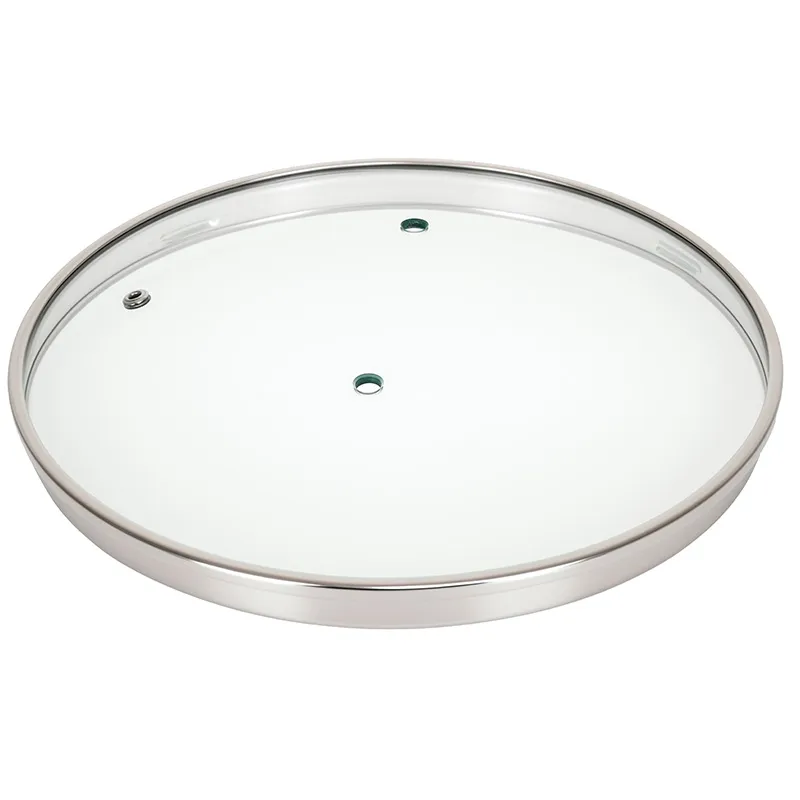
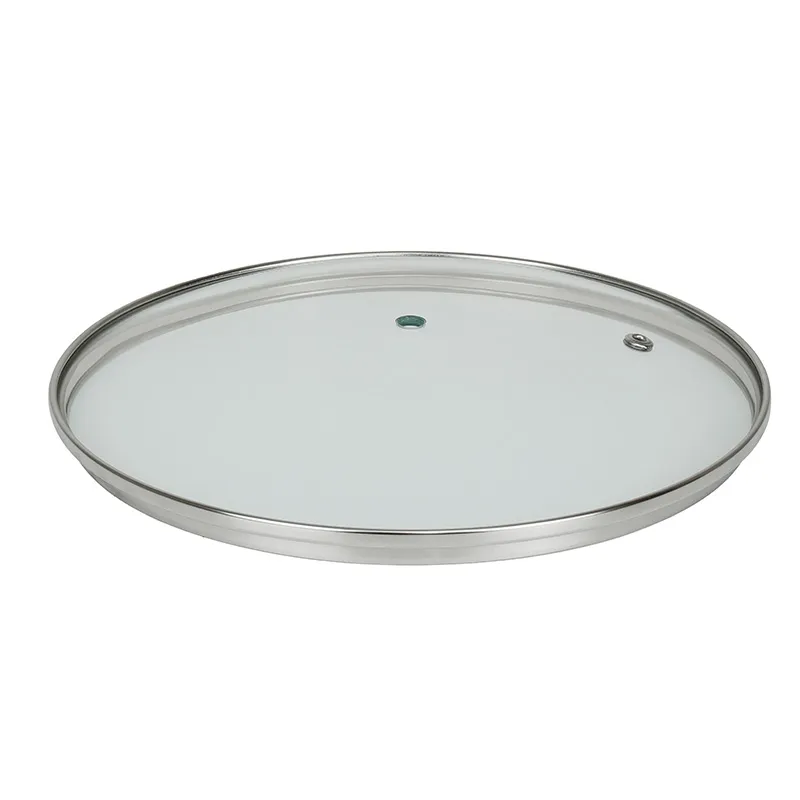
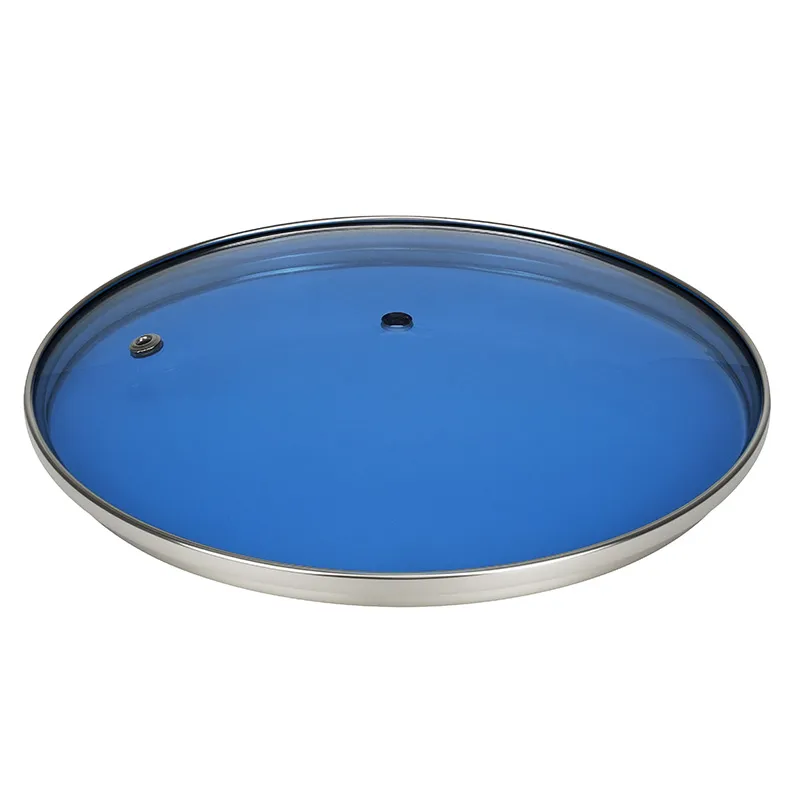
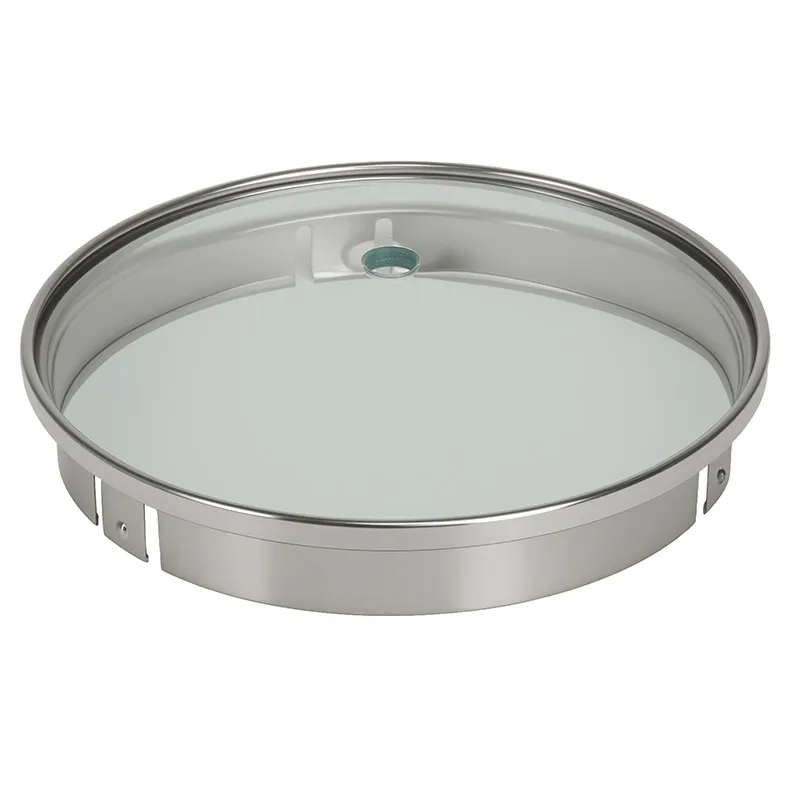
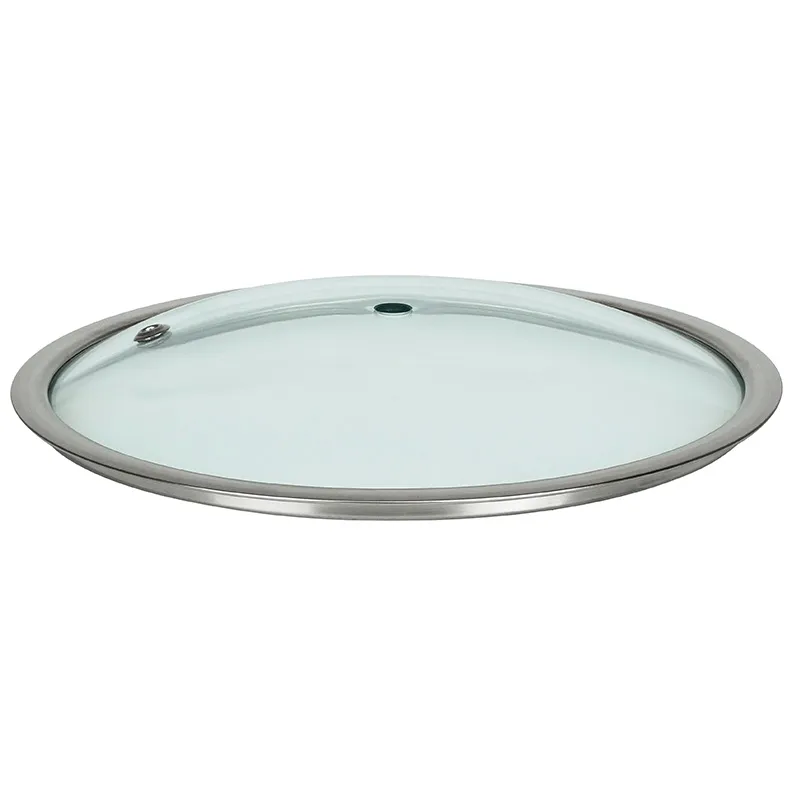
tempered glass lid for instant pot
Let's talk about tempered glass lids for the Instant Pot. It's a niche that seems straightforward until you start handling them daily. A common misconception is that any glass lid will do, that it's just a piece of glass. That thinking leads to the failures you see in reviews—cracking under steam pressure, not sealing properly, or warping over the heating element. The reality is, a proper lid for a pressure cooker platform like Instant Pot is a precision component, not an afterthought.
The Core Difference: Tempering and Fit
The tempered part is non-negotiable. Annealed glass won't cut it; it's a safety hazard. The tempering process gives the glass its strength to handle thermal shock from going from a cold countertop to a hot pot, and crucially, to contain steam pressure during the non-pressurized cooking functions like sauté or slow cook. But not all tempering is equal. I've seen batches from smaller workshops where the quenching wasn't uniform, leading to weak points. You might get a lid that survives ten uses then suddenly spiders on the eleventh during a gentle steam.
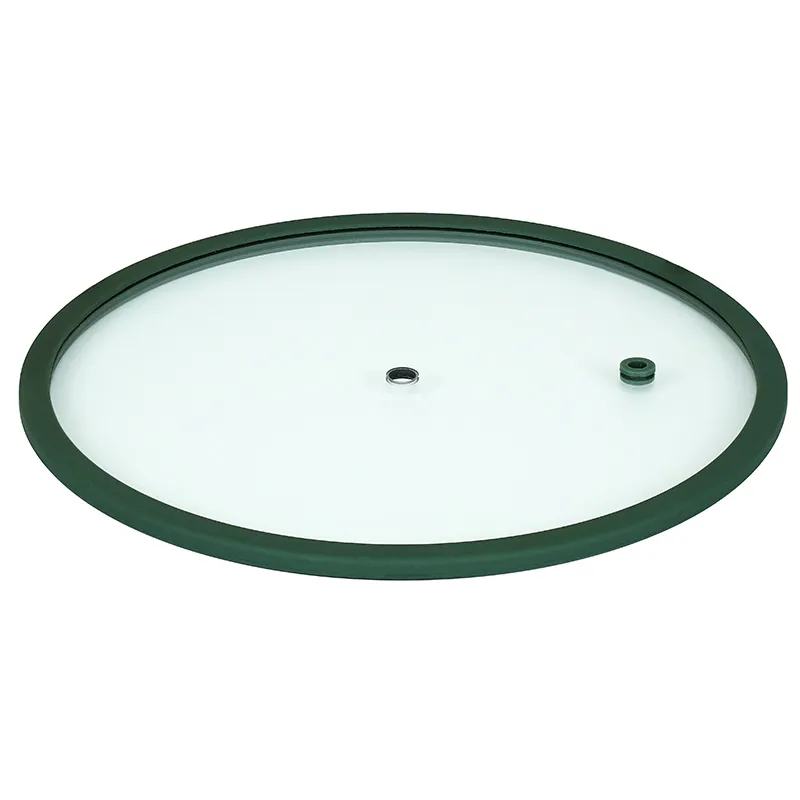
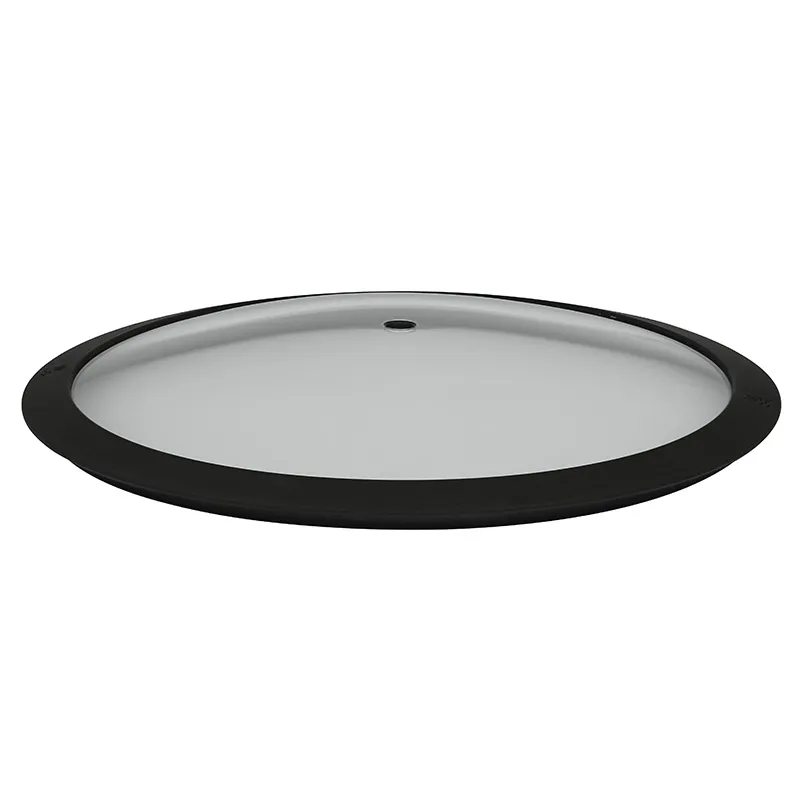
Fit is the other half. The silicone sealing ring on the lid's underside—its durometer (hardness) and profile are critical. Too soft, and it deforms, breaking the seal, letting too much moisture escape. Too hard, and it doesn't conform to the pot's rim, which is just as bad. The ideal one has a slight memory, springing back. Many generic lids fail here, assuming a one-size-fits-all approach to the Instant Pot's inner pot rim, which has subtle variations between the Duo, Ultra, and Pro models.
I recall a shipment from a supplier a few years back where the lids fit the 6-quart model but rattled on the 8-quart. The issue was a half-millimeter difference in the outer flange diameter. It seemed trivial, but it meant the lid sat unevenly, compromising the steam seal during slow cooking. We had to reject the entire lot. That's the level of precision this accessory demands.
Manufacturing Realities and a Reliable Source
This is where scale and specialization matter. Producing a consistent, reliable tempered glass lid requires more than just a glass furnace. It needs dedicated molds for different models, controlled tempering ovens, and rigorous quality control for chips, bubbles, and dimensional stability. It's a volume game to justify the tooling costs.
In my sourcing, I've found companies that focus purely on this category tend to have fewer quality surprises. For instance, EUR-ASIA COOKWARE CO.,LTD (you can find their specifics at https://www.glass-lid.com) operates with this focus. Their entire operation, as noted, is geared toward household glass and kitchen accessories. A 20,000㎡ facility with an annual output in the millions of pieces indicates they're tooled for volume and consistency, which is often a prerequisite for meeting the export standards of markets like Germany and Japan, which they list. That export focus is a good proxy for tolerances and safety compliance.
Their specialization in tempered glass lid production, as stated in their company intro, means they're likely investing in the right molds and tempering lines for these products, rather than treating them as a side project. When a factory's main output is over 15 million pieces of various glass lids, they've probably seen and solved the fit and thermal shock problems that trip up general cookware makers.
Practical Pitfalls and User Scenarios
Beyond manufacturing, how these lids are used reveals more nuances. A big one is handling condensation. A good lid should have a designed drip pattern or a slight dome to channel condensation back to the pot's center, not just let it run down the sides and onto your counter when you lift it. Cheaper flat lids are terrible for this.
Another point is the handle. It seems simple, but a poorly bonded handle is a major point of failure. The best ones use a high-temp resistant phenolic or similar material, riveted or screwed with a wide washer to distribute stress. I've had samples where the adhesive under the handle softened during a long slow-cook, causing the handle to shift. Not safe.
Then there's the visual check function—the whole point of glass. But if the glass has a greenish tint (from high iron content in cheaper soda-lime glass) or significant distortion, it defeats the purpose. The clarity needs to be good enough to see your rice or stew bubbling without having to lift the lid and lose heat.
Cost vs. Value: A Trade-Off Analysis
You can find a tempered glass lid for instant pot for under $15 and another for $30. The difference isn't just branding. The cheaper one often uses thinner glass, a lower-grade silicone seal, and has less rigorous inspection. It might work, but its lifespan under frequent use, especially involving high-heat sauté followed by steam, is questionable. The costlier ones from OEMs or specialized makers like the aforementioned company typically justify the price with better materials, tighter fit, and more consistent tempering.
Is the premium always worth it? For occasional use, maybe not. But if you use your Instant Pot for slow-cooking weekly or rely on the sauté function with the lid on, the investment in a robust lid pays off. It's about avoiding the frustration of a failed seal mid-cook or the mess of a cracked lid.
We tested a batch of mid-range lids once by cycling them: 15 minutes in a freezer, then directly onto a preheated inner pot at 200°F, repeating 50 times. About 30% of the samples from non-specialized suppliers developed micro-cracks or seal failure. The ones that passed were all from factories with clear tempering and kitchen glass specializations.
Concluding Thoughts: It's an Engineering Part
Wrapping this up, the key takeaway is to stop viewing a tempered glass lid as mere accessory. View it as a functional engineering component for your cooker. Its job is to contain, insulate, and provide visibility. The specs that matter are the glass thickness (typically 3-5mm for good ones), the tempering quality, the silicone seal durometer, and the dimensional accuracy of the flange.
For consistent quality, leaning toward suppliers whose core business is glass lids, such as EUR-ASIA COOKWARE CO.,LTD, who produce millions annually for stringent export markets, is a pragmatic approach. It reduces variance. Their large-scale production base suggests they have the capability to maintain the tolerances required for a proper fit on an Instant Pot, which is what ultimately prevents steam leaks and ensures the lid lasts through the thermal cycles.
In the end, it's a product where the manufacturing pedigree tells you most of what you need to know. The good ones just work silently, cycle after cycle, which is exactly what you want from a piece of functional kitchen gear.
Related Products
Related Products