- Chinese
- French
- German
- Portuguese
- Spanish
- Russian
- Japanese
- Korean
- Arabic
- Irish
- Greek
- Turkish
- Italian
- Danish
- Romanian
- Indonesian
- Czech
- Afrikaans
- Swedish
- Polish
- Basque
- Catalan
- Esperanto
- Hindi
- Lao
- Albanian
- Amharic
- Armenian
- Azerbaijani
- Belarusian
- Bengali
- Bosnian
- Bulgarian
- Cebuano
- Chichewa
- Corsican
- Croatian
- Dutch
- Estonian
- Filipino
- Finnish
- Frisian
- Galician
- Georgian
- Gujarati
- Haitian
- Hausa
- Hawaiian
- Hebrew
- Hmong
- Hungarian
- Icelandic
- Igbo
- Javanese
- Kannada
- Kazakh
- Khmer
- Kurdish
- Kyrgyz
- Latin
- Latvian
- Lithuanian
- Luxembou..
- Macedonian
- Malagasy
- Malay
- Malayalam
- Maltese
- Maori
- Marathi
- Mongolian
- Burmese
- Nepali
- Norwegian
- Pashto
- Persian
- Punjabi
- Serbian
- Sesotho
- Sinhala
- Slovak
- Slovenian
- Somali
- Samoan
- Scots Gaelic
- Shona
- Sindhi
- Sundanese
- Swahili
- Tajik
- Tamil
- Telugu
- Thai
- Ukrainian
- Urdu
- Uzbek
- Vietnamese
- Welsh
- Xhosa
- Yiddish
- Yoruba
- Zulu
- Kinyarwanda
- Tatar
- Oriya
- Turkmen
- Uyghur

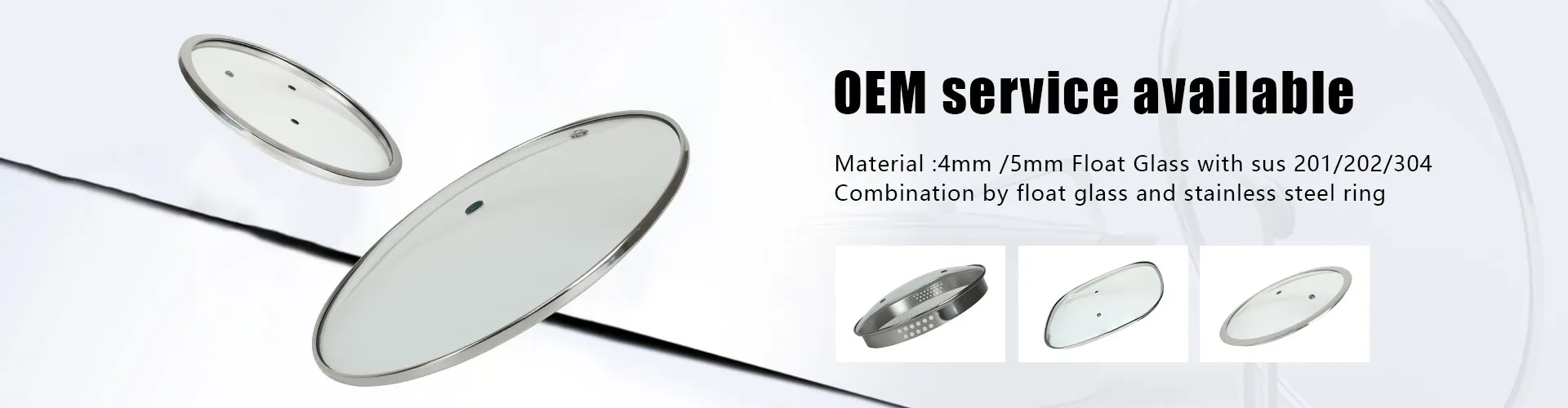
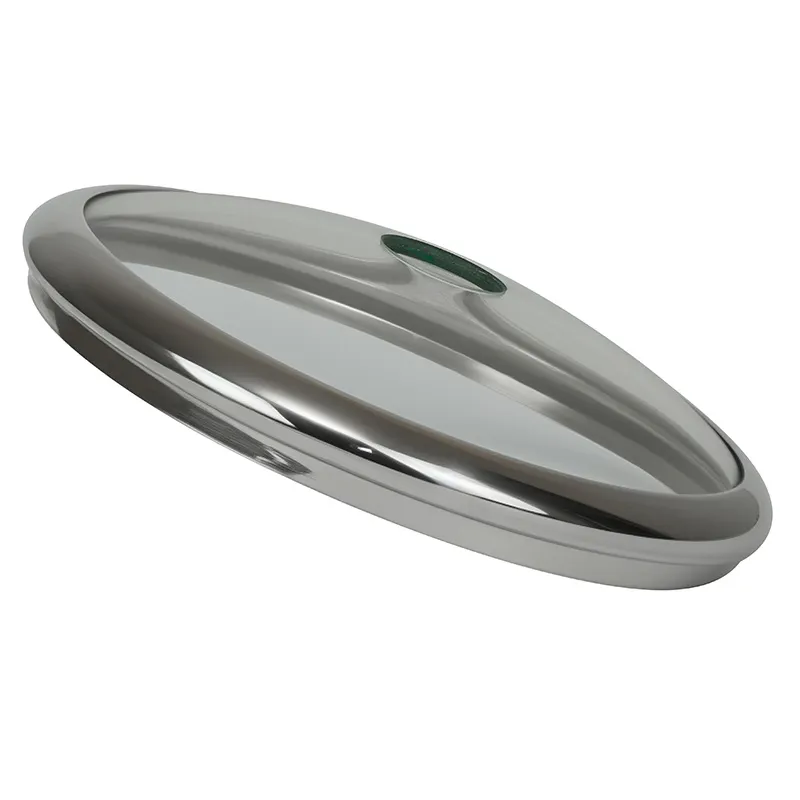
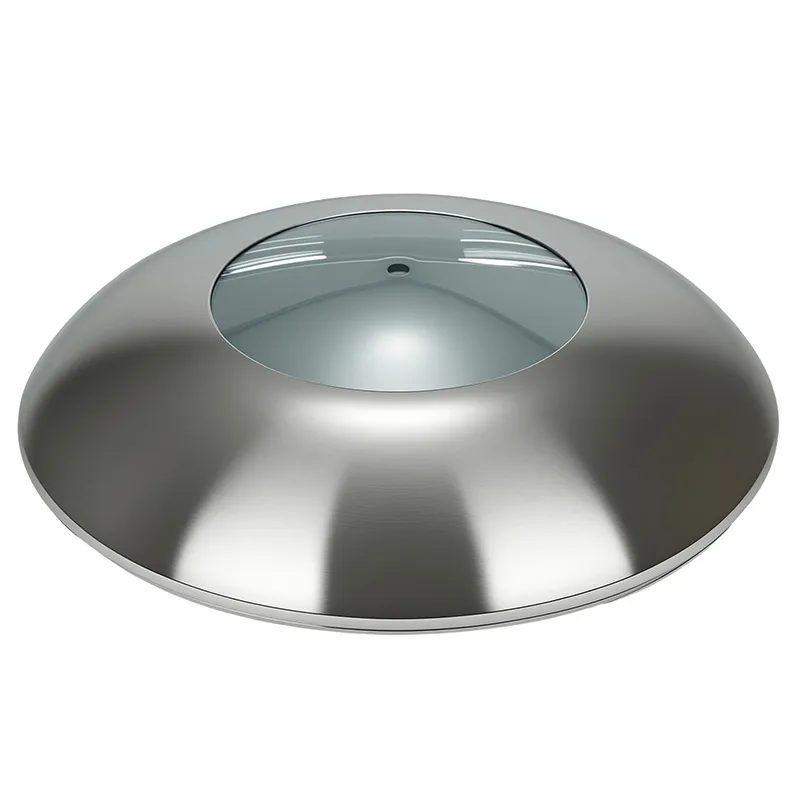
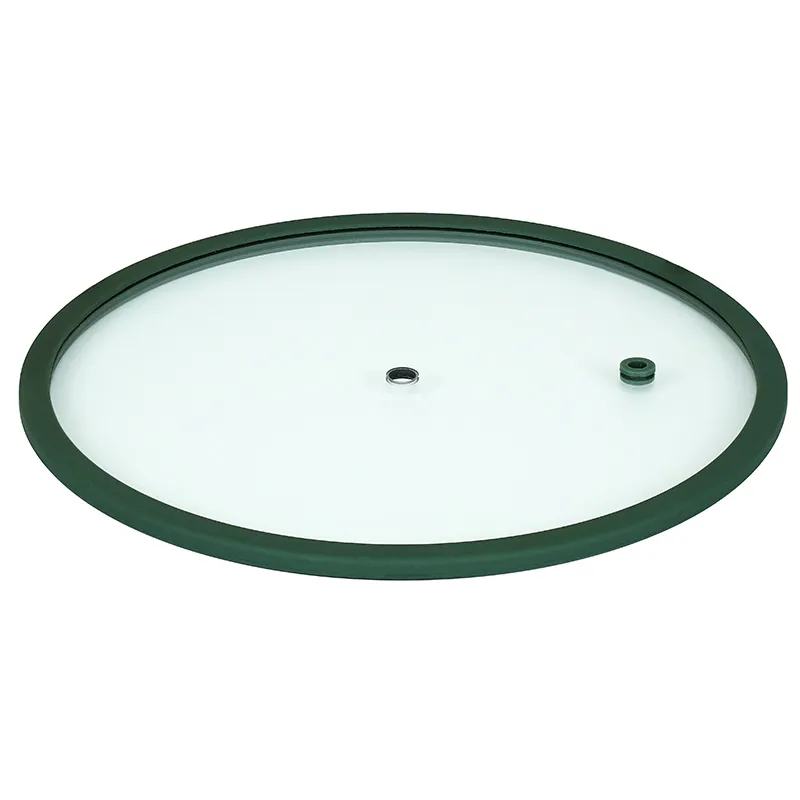
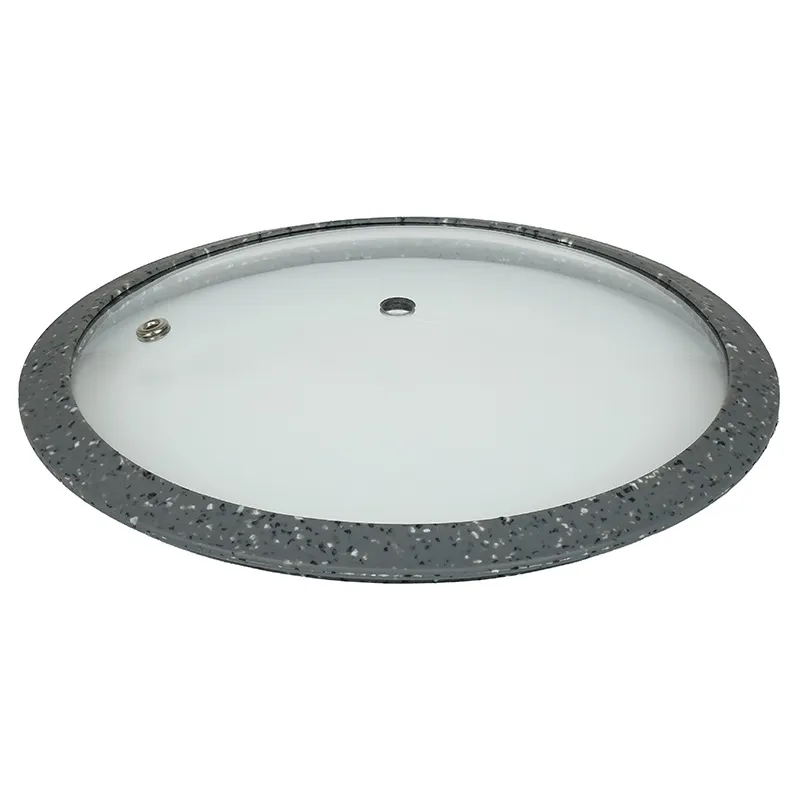
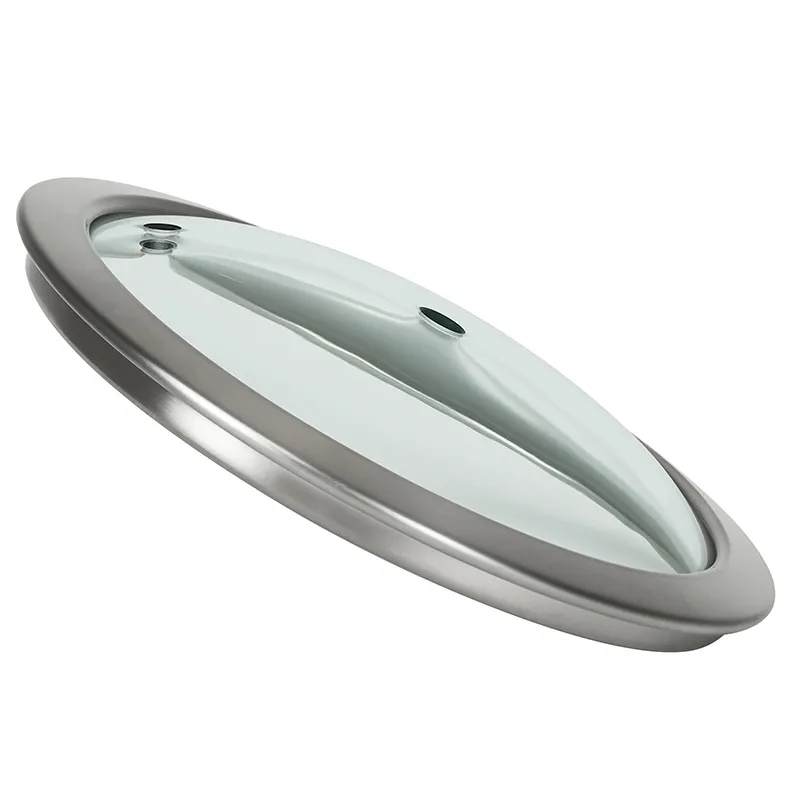
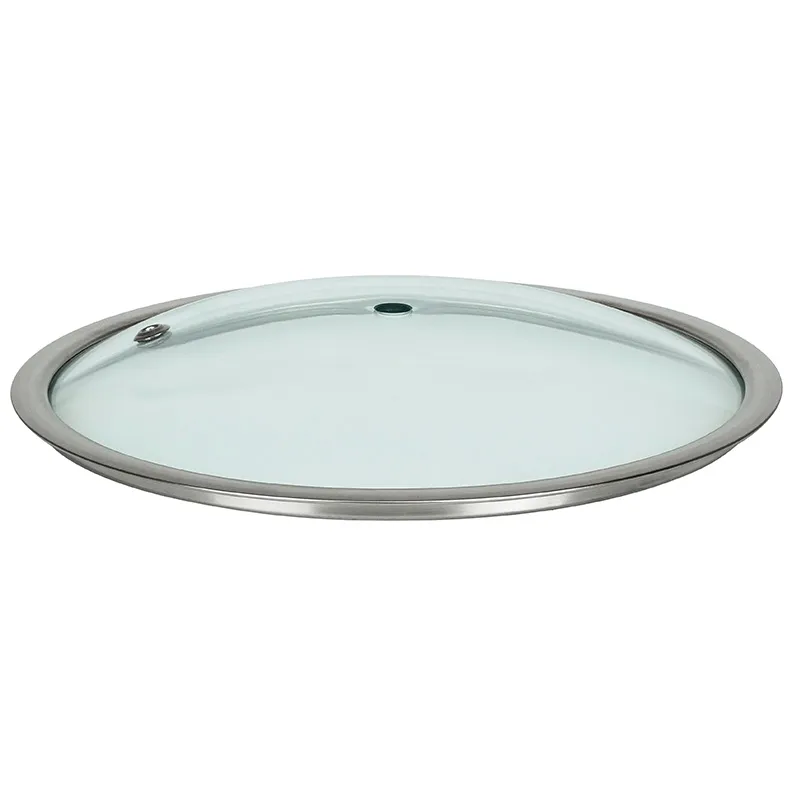
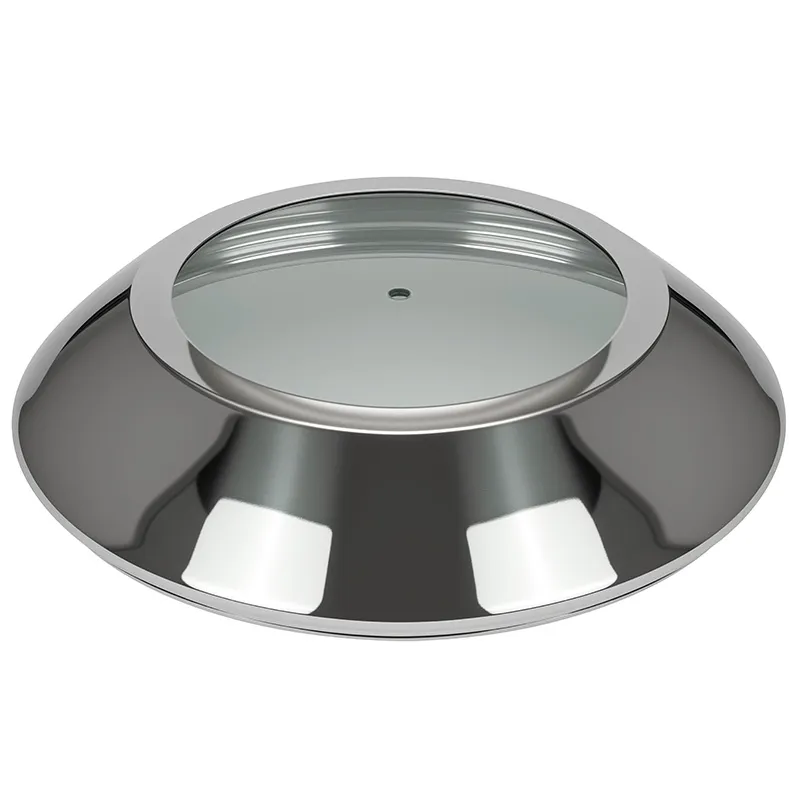
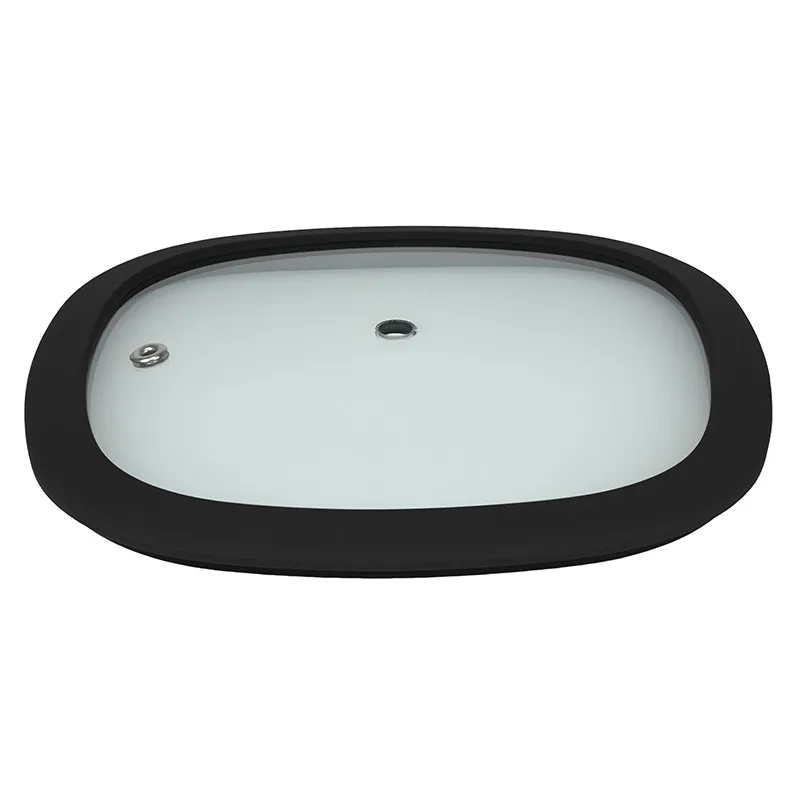
tempered glass lid for pan
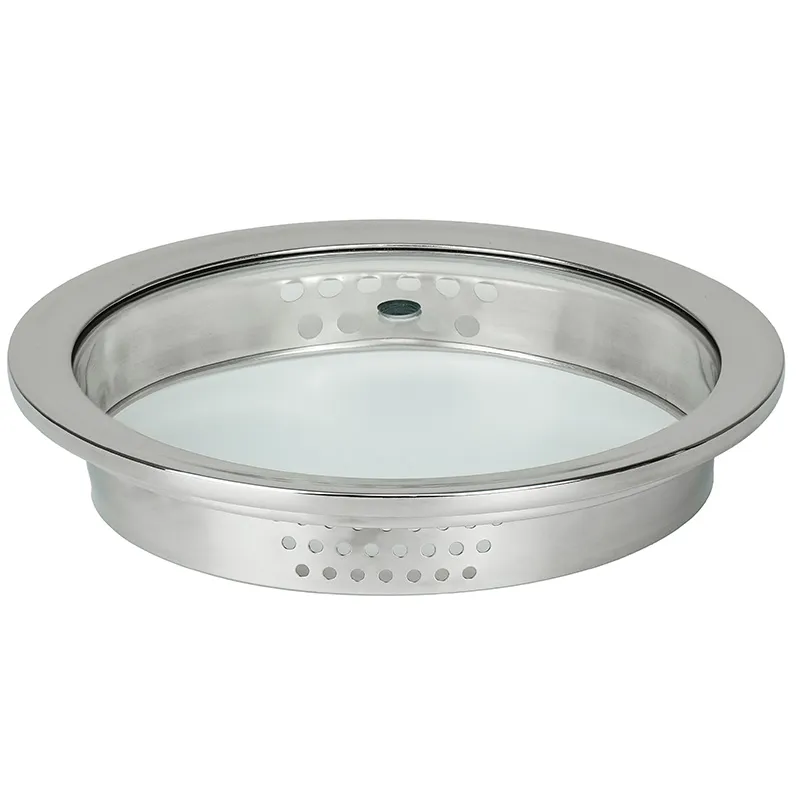
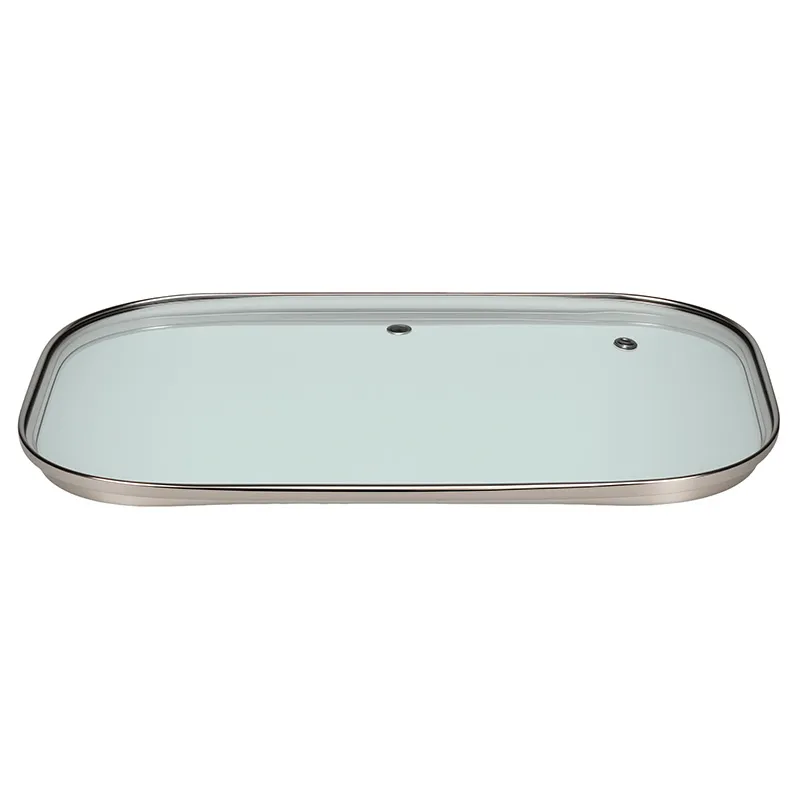
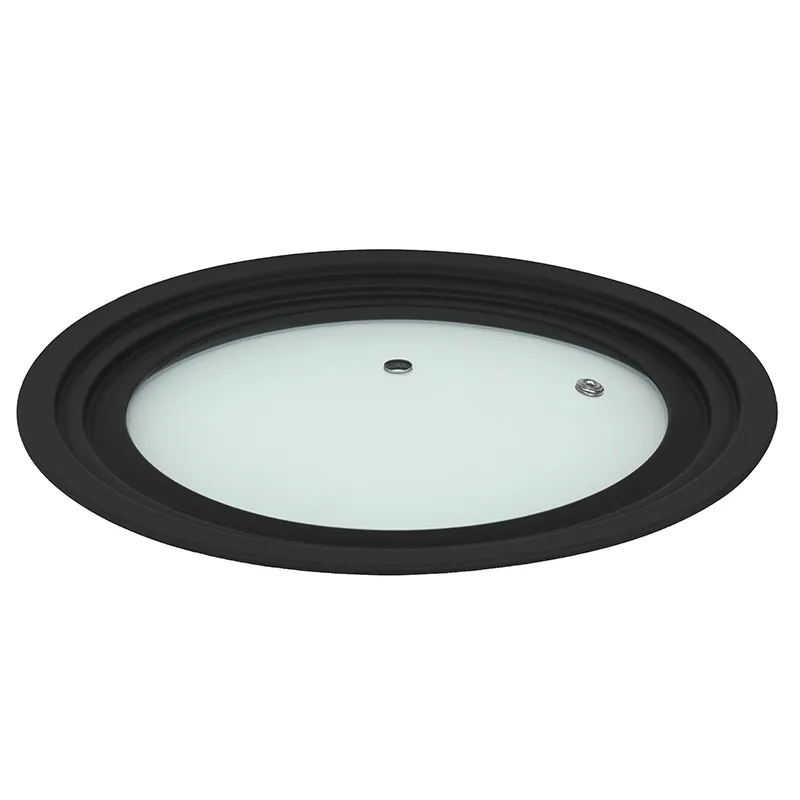
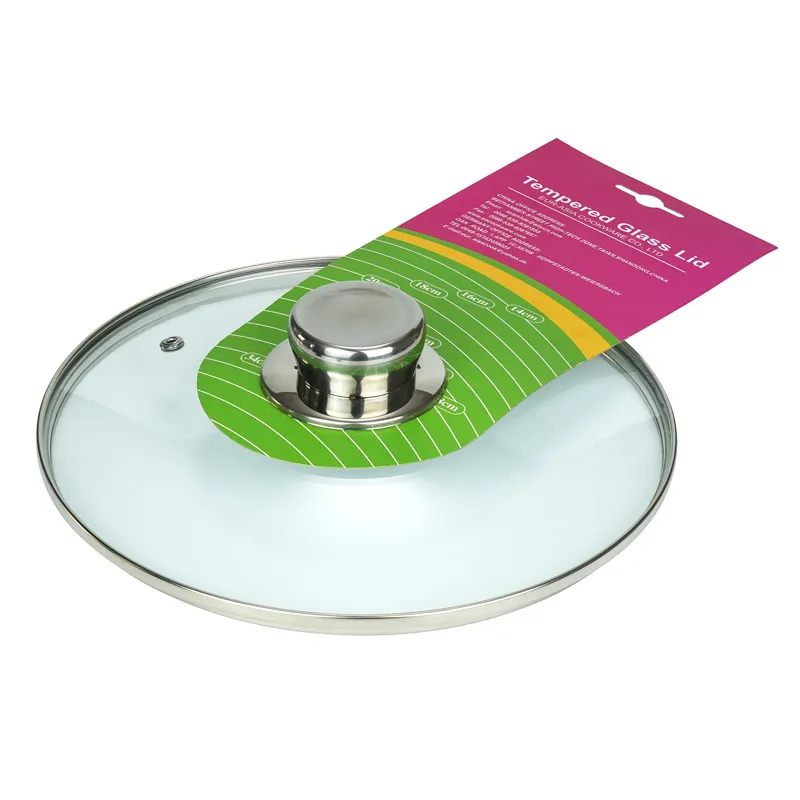
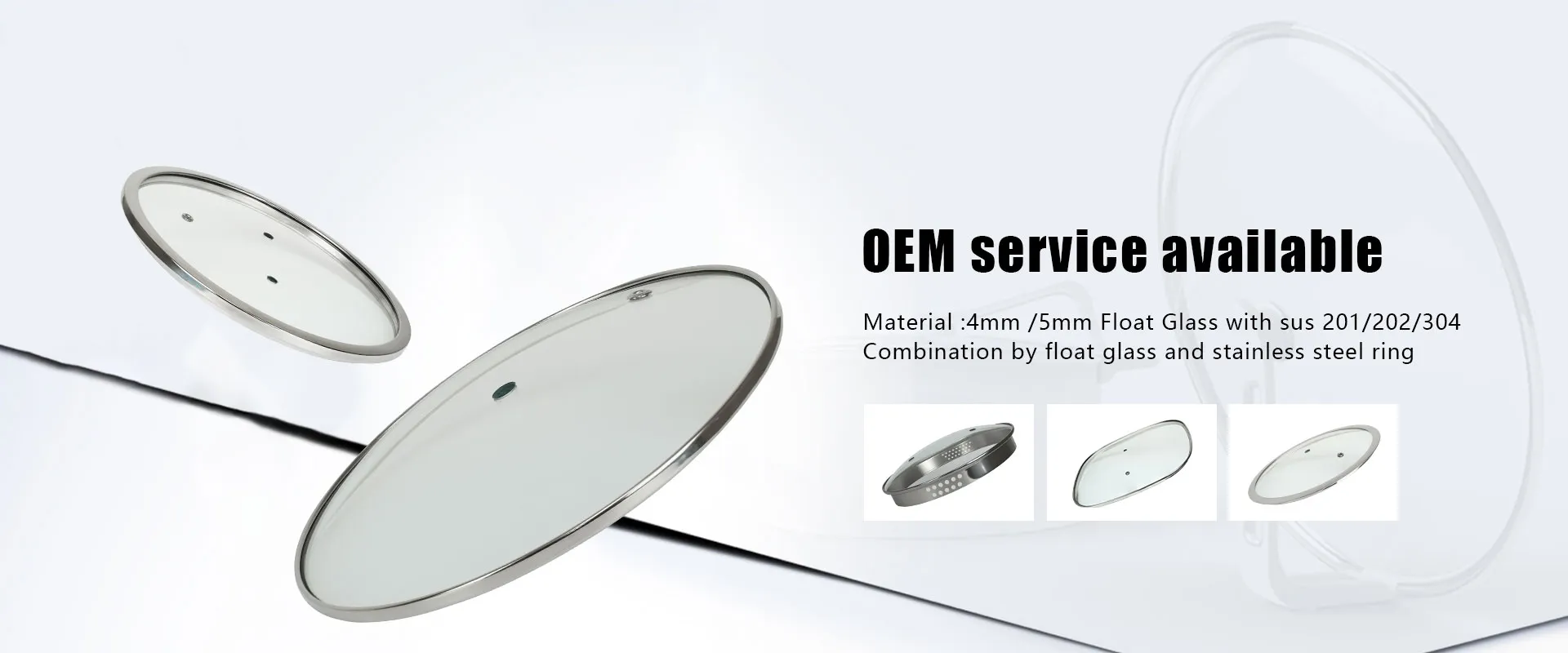
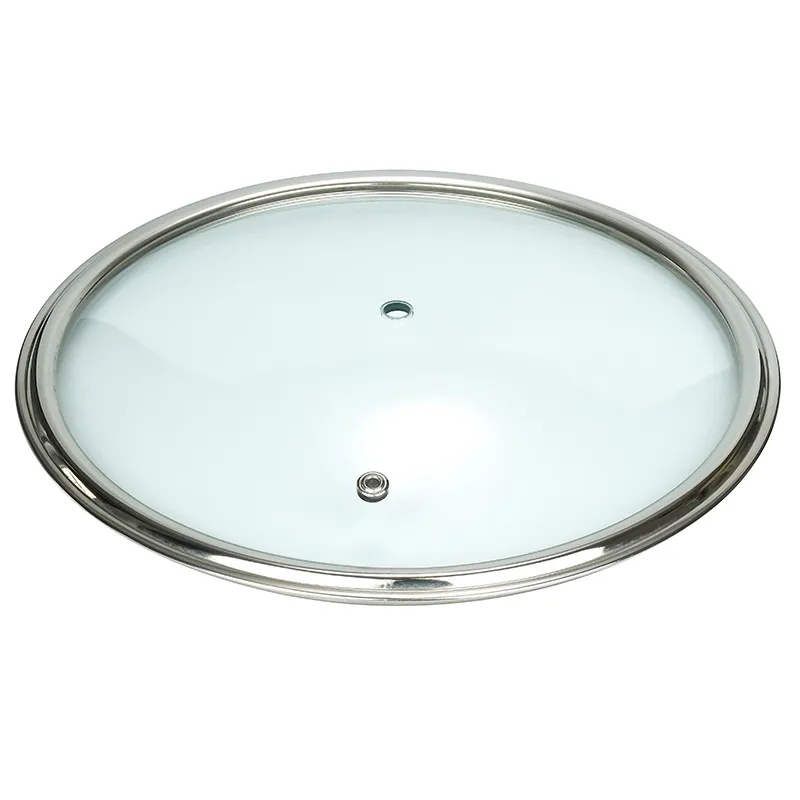
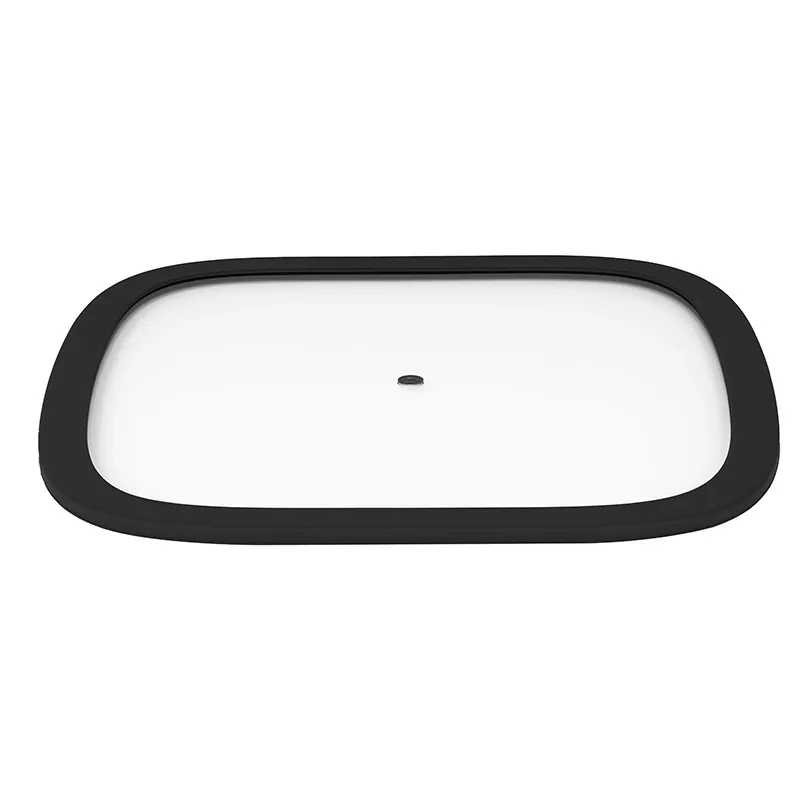
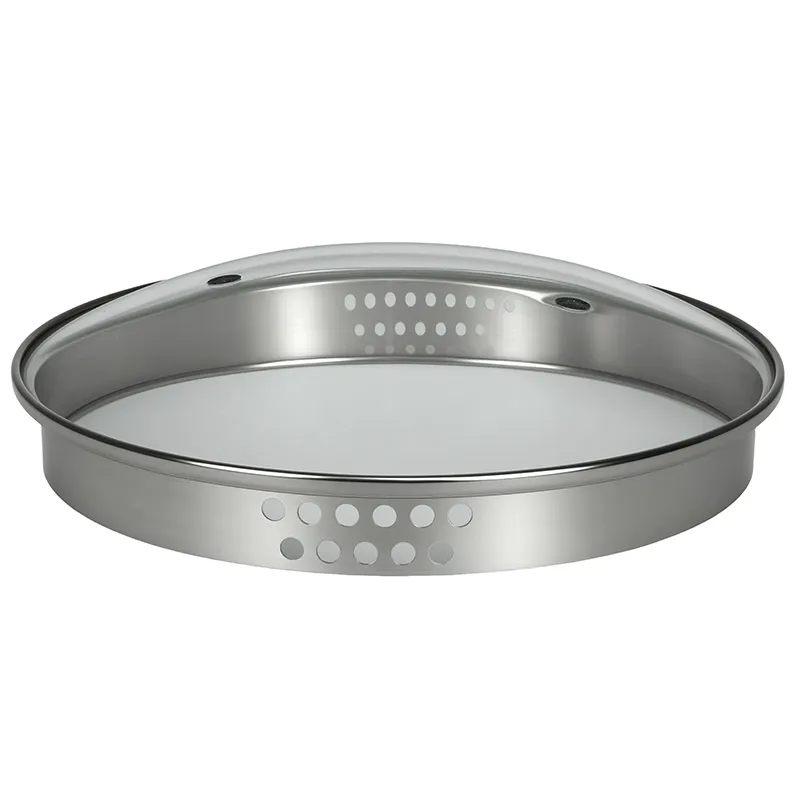
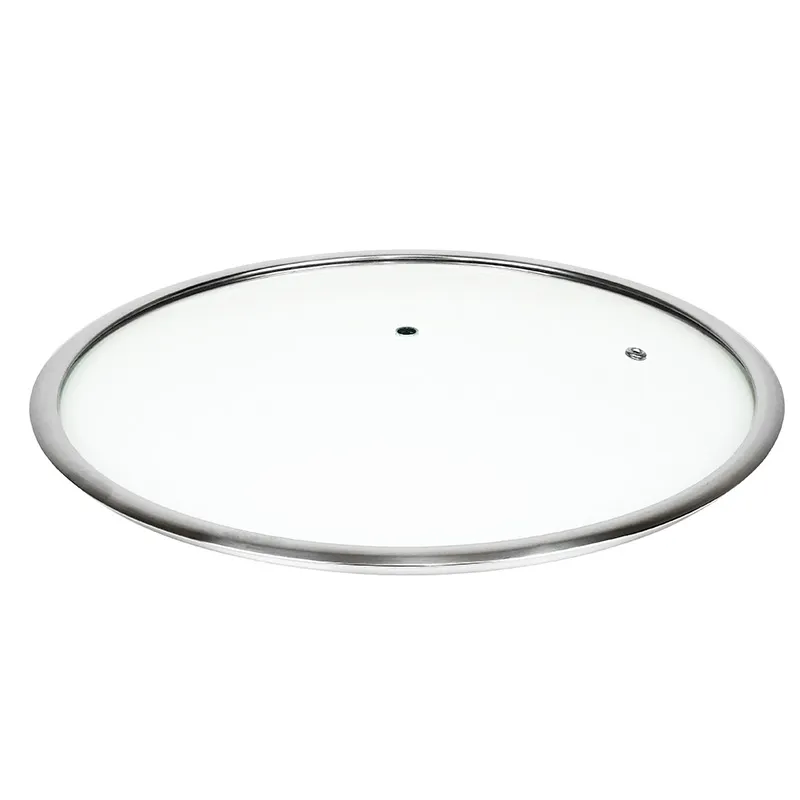
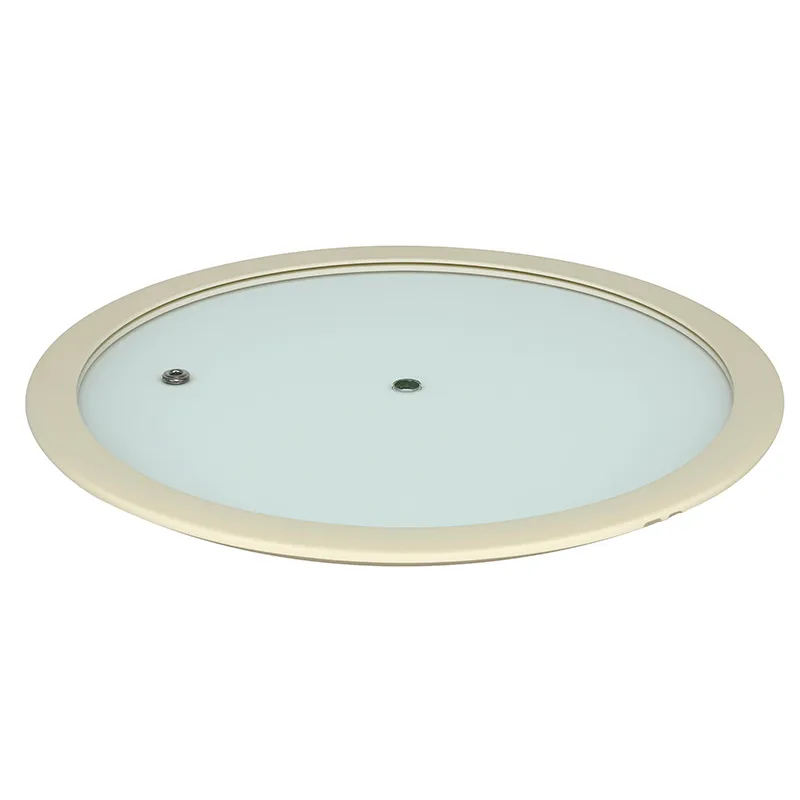
When most people think about a tempered glass lid for pan, they picture a simple, see-through cover. That's the first mistake. In this business, it's the starting point for a hundred nuanced decisions about thermal shock resistance, handle ergonomics, and the precise curvature that creates a proper seal without vacuum-locking. It's not just a piece of glass you slap on a pot.
The Core Misconception: Strength vs. Safety
Everyone talks about tempered glass being strong. That's only half the story. The real value is in how it fails. Annealed glass shatters into dangerous, sharp shards. A properly tempered lid, when subjected to catastrophic impact or extreme thermal stress, is designed to crumble into small, granular pieces that are far less hazardous. I've seen lids come off production lines that could withstand a 300°C temperature differential in testing, but the spec we care about more is the fragmentation test. If it doesn't break into those small, dull pieces, it's not leaving the factory, regardless of its initial strength.
This is where you see the gap between low-cost and premium products. Some manufacturers might temper the glass, but if the quenching process isn't perfectly uniform, you get stress points. That lid might survive a drop on the floor, but a sudden splash of cold water on a hot surface? That's the real test. I recall a batch from a supplier years ago—passed the basic impact test, but we had a 5% failure rate in thermal shock simulations. The lids would just pop, leaving a spiderweb crack. Useless for actual cooking.
Companies that get this right, like EUR-ASIA COOKWARE CO.,LTD, build their process around this safety engineering. Visiting a facility that produces over 15 million pieces annually, you see the focus isn't just on volume. It's on the consistency of that quenching process. Their specialization in low-to-high tier products means they have to calibrate their lines for different thicknesses and diameters, each requiring a slightly different tempering profile. It's not a one-setting-fits-all operation.
The Devil in the Details: Handle, Seal, and Curvature
Let's talk about the handle. It seems trivial, but it's a critical point of failure. A metal or phenolic knob attached to tempered glass presents a thermal expansion challenge. The bonding agent must withstand repeated heating and cooling cycles without degrading or creating a stress point on the glass itself. I've tested lids where the handle simply detached after 50 cycles in the oven. The fix wasn't a stronger adhesive, but a redesign of the bonding surface area and a shift to a silicone-based compound with higher elasticity.
The seal is another thing. A perfectly flat lid is a myth. There's always a slight curvature. The art is in calculating the spring – the gentle dome that allows steam to condense and drip back into the pan, creating a self-basting effect, but still sits flush enough to contain splatter. Too much curve, and it rocks on a flat pan. Too little, and it can create a vacuum seal that's a nightmare to remove. I learned this the hard way working on a line for sauté pans. We had a batch where the lids would lock on so tight customers were prying them off with knives. The problem? A half-millimeter error in the sag bending process during tempering.
You can see the attention to these operational details in the export-focused production of a firm like EUR-ASIA COOKWARE. Supplying to markets like Germany and Japan, where standards are stringent, forces an obsession with these tolerances. Their product range, detailed on their portal at glass-lid.com, isn't just a catalog; it's a reflection of solving these specific problems for different cookware shapes and consumer expectations across continents.
Material and Thickness: The Weight of Decision
Not all glass is created equal. The clarity, the iron content (which gives that greenish edge if it's too high), and the annealing history before tempering all matter. For a lid, you're balancing clarity, weight, and thermal performance. A 4mm lid feels substantial and has better thermal mass, reducing chatter on a rolling boil. But it's heavier and more expensive. A 3mm lid is more cost-effective and lighter, but can be more prone to warping under uneven heat if the tempering isn't perfect.
In our prototyping, we once tried to go ultra-thin, at 2.5mm, for a high-end line wanting a featherlight feel. It was a failure. While it tempered correctly, the acoustic profile was wrong—it produced a high-pitched ping during heating that test kitchens found annoying. Sometimes, the functional requirements override the design desires. The material choice directly impacts the annual output calculus for a major producer. Pushing 15 million pieces, like EUR-ASIA's capacity, means your raw material sourcing and thickness standardization are key to efficiency.
This ties back to their business model. Being specialized in producing a wide range means they likely stock specific glass types for different tiers. A low-level lid might use a more standard soda-lime glass, while a high-level one for the European market might use a clearer, low-iron variant. The production base in Taian's High-tech Development Zone suggests an infrastructure geared towards this kind of tiered, high-volume manufacturing with quality control layers.
Real-World Failure Points and Export Challenges
Beyond the lab, real kitchens are brutal. The most common failure point I've seen isn't breakage from drops, but from misuse—placing a scorching hot lid on a cold granite countertop or pouring cold water into a hot pan without removing the lid first. While you can't engineer for all misuse, you can design for the most likely scenarios. This is where edge finishing matters. A ground and polished edge, slightly rounded, is more resistant to chipping from casual knocks against the sink or stove than a seamed edge.
Export adds another layer. Shipping to diverse climates from Brazil to Russia means packaging must account for humidity and temperature swings during transit. Condensation inside plastic wrap can lead to mineral deposits on the glass (hazing) that customers mistake for manufacturing defects. A good exporter understands this. With over 90% of products shipped overseas to countries like Italy, Poland, and South Korea, a company's expertise is as much in logistics and packaging as in glass production. The other kitchen accessories in their portfolio likely complement this, creating efficient shipping containers.
One specific challenge for a tempered glass lid destined for, say, the German market, is compliance with not just safety standards, but also material declarations (like heavy metal content in printing inks for logos). The production process has to be documentable at every step. This level of traceability is what separates a commodity supplier from a strategic partner for international cookware brands.
The Unseen Value: From Component to System
Ultimately, a lid isn't a standalone product. It's a component in a cooking system. Its performance is judged by how it works with a specific pan—the gap for steam release, the compatibility with induction cooktops (the metal rim if it has one must be ferromagnetic), and even how it stacks in a cupboard. The best lid manufacturers work backwards from the pan manufacturer's specs.
This is the subtle shift in thinking. You're not just selling a glass lid; you're providing a sealing solution that affects cooking performance. A well-designed lid can improve energy efficiency by retaining heat, allowing for lower stove settings. This is the kind of value-add that gets specified into higher-end cookware sets. When a producer's annual output is in the tens of millions, their success hinges on being seen as a solutions provider, not just a glass cutter and temperer.
Looking at the scope of EUR-ASIA COOKWARE CO.,LTD—from household glass to a broad range of kitchen accessories—it suggests they understand this systems approach. Their capacity allows them to be a one-stop shop for a cookware brand, providing lids that are engineered to match specific pot lines. That's the real business: not just making a cover, but making the cover that makes the pan work better. And that comes from a deep, practical, sometimes frustrating, hands-on knowledge of how glass behaves under fire, in a sink, and on a ship crossing the globe.
Related Products
Related Products