- Chinese
- French
- German
- Portuguese
- Spanish
- Russian
- Japanese
- Korean
- Arabic
- Irish
- Greek
- Turkish
- Italian
- Danish
- Romanian
- Indonesian
- Czech
- Afrikaans
- Swedish
- Polish
- Basque
- Catalan
- Esperanto
- Hindi
- Lao
- Albanian
- Amharic
- Armenian
- Azerbaijani
- Belarusian
- Bengali
- Bosnian
- Bulgarian
- Cebuano
- Chichewa
- Corsican
- Croatian
- Dutch
- Estonian
- Filipino
- Finnish
- Frisian
- Galician
- Georgian
- Gujarati
- Haitian
- Hausa
- Hawaiian
- Hebrew
- Hmong
- Hungarian
- Icelandic
- Igbo
- Javanese
- Kannada
- Kazakh
- Khmer
- Kurdish
- Kyrgyz
- Latin
- Latvian
- Lithuanian
- Luxembou..
- Macedonian
- Malagasy
- Malay
- Malayalam
- Maltese
- Maori
- Marathi
- Mongolian
- Burmese
- Nepali
- Norwegian
- Pashto
- Persian
- Punjabi
- Serbian
- Sesotho
- Sinhala
- Slovak
- Slovenian
- Somali
- Samoan
- Scots Gaelic
- Shona
- Sindhi
- Sundanese
- Swahili
- Tajik
- Tamil
- Telugu
- Thai
- Ukrainian
- Urdu
- Uzbek
- Vietnamese
- Welsh
- Xhosa
- Yiddish
- Yoruba
- Zulu
- Kinyarwanda
- Tatar
- Oriya
- Turkmen
- Uyghur

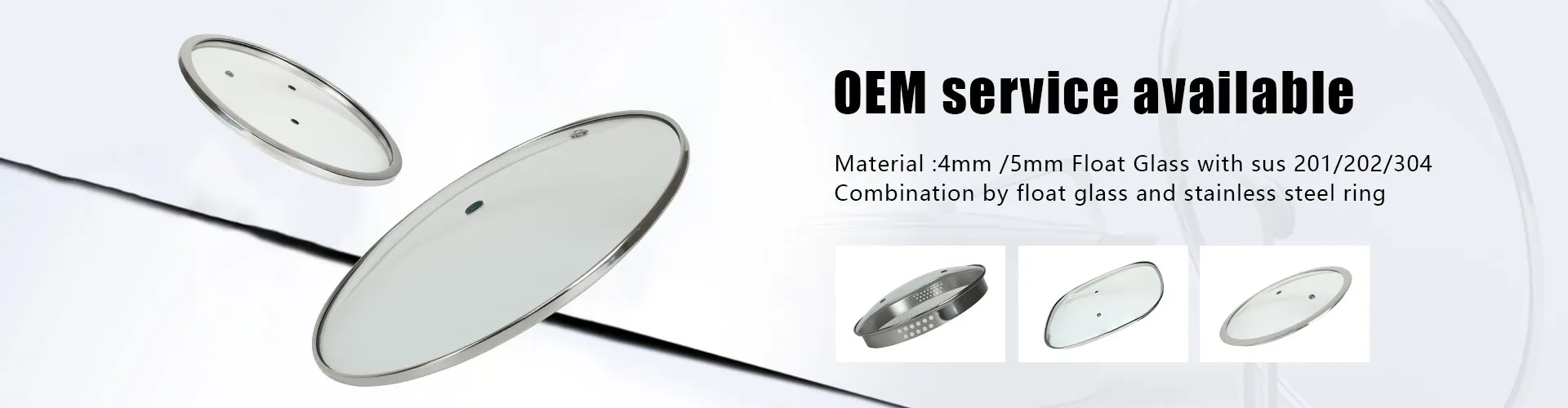
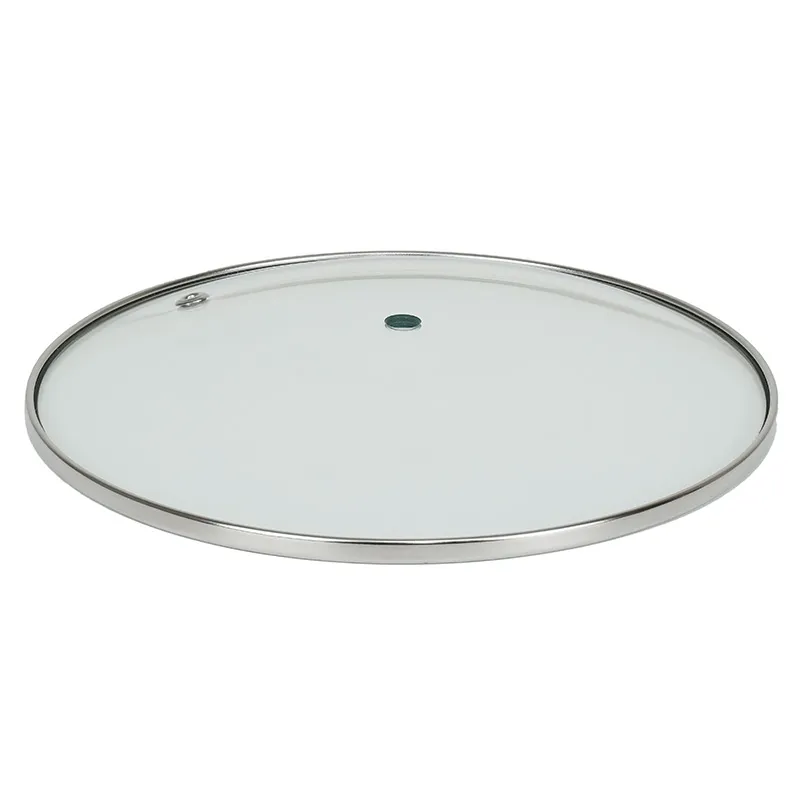
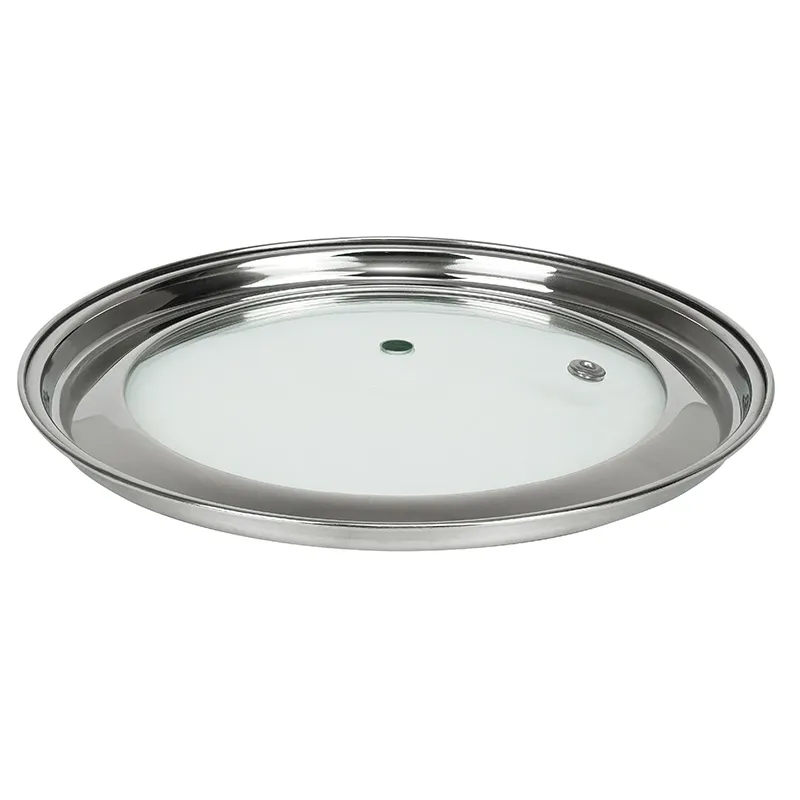
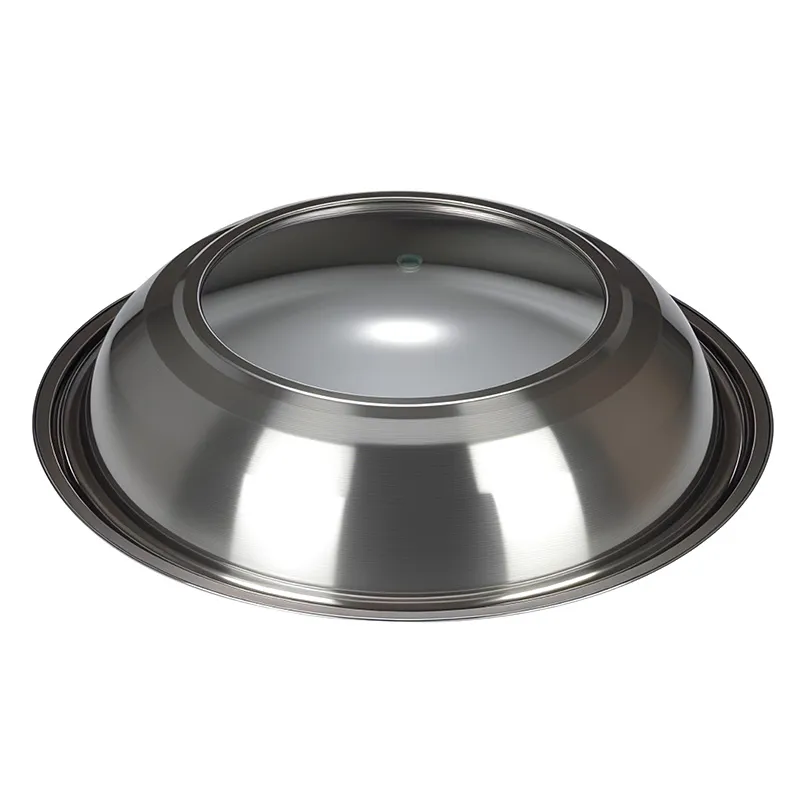
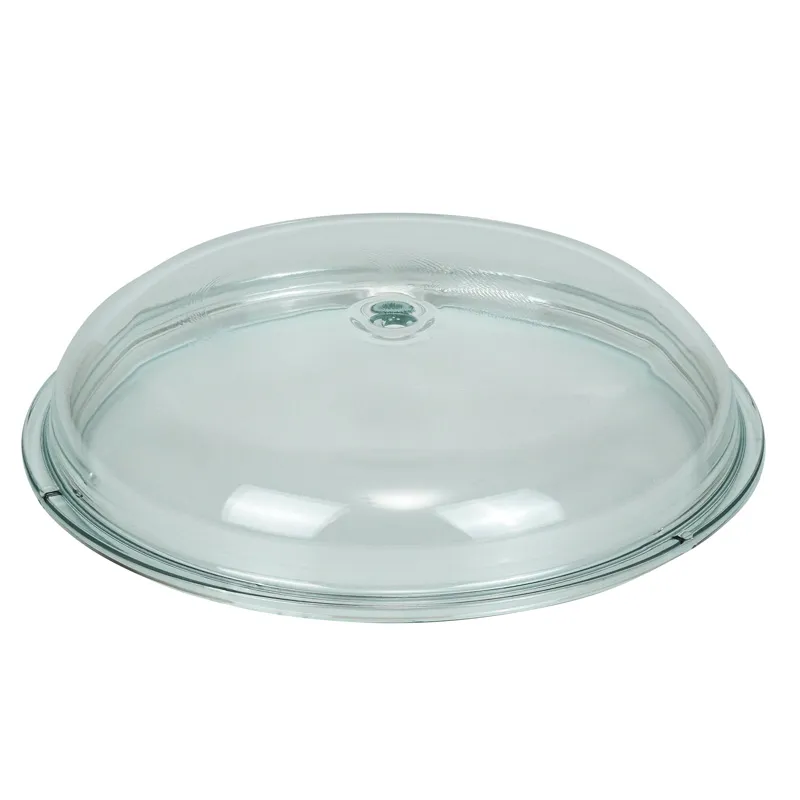
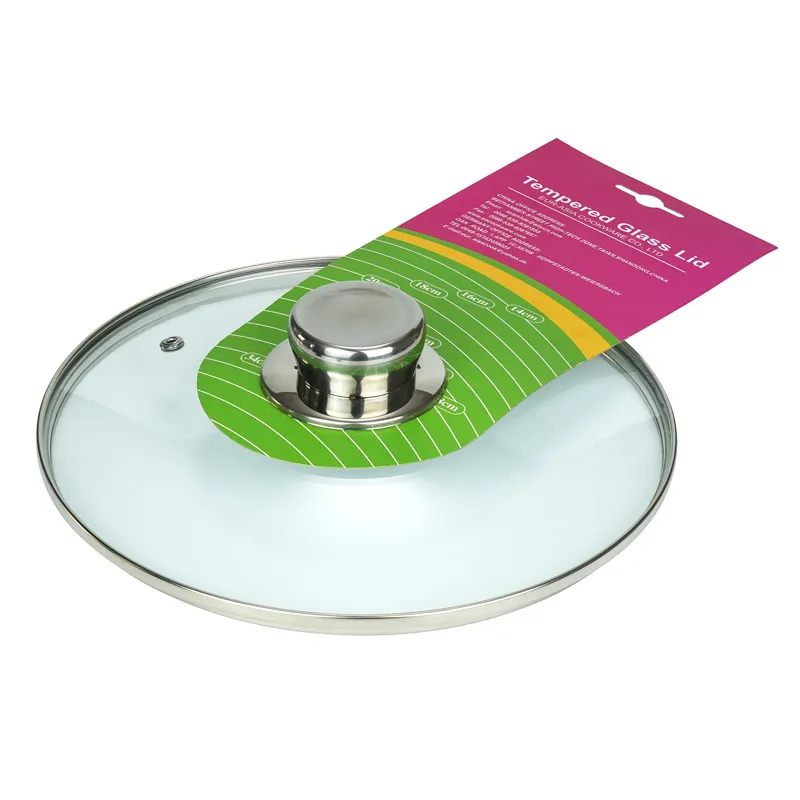
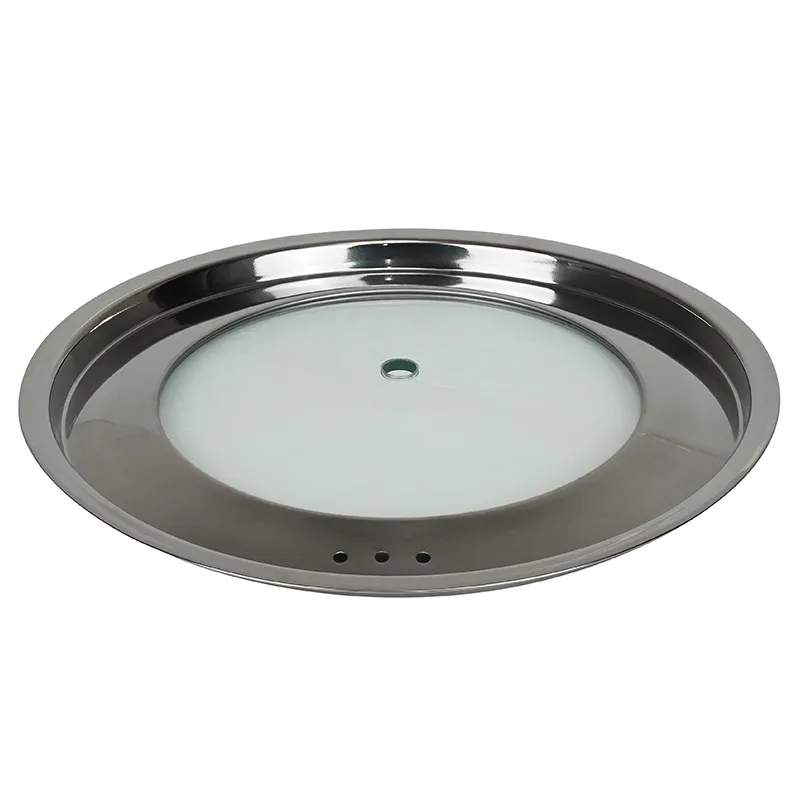
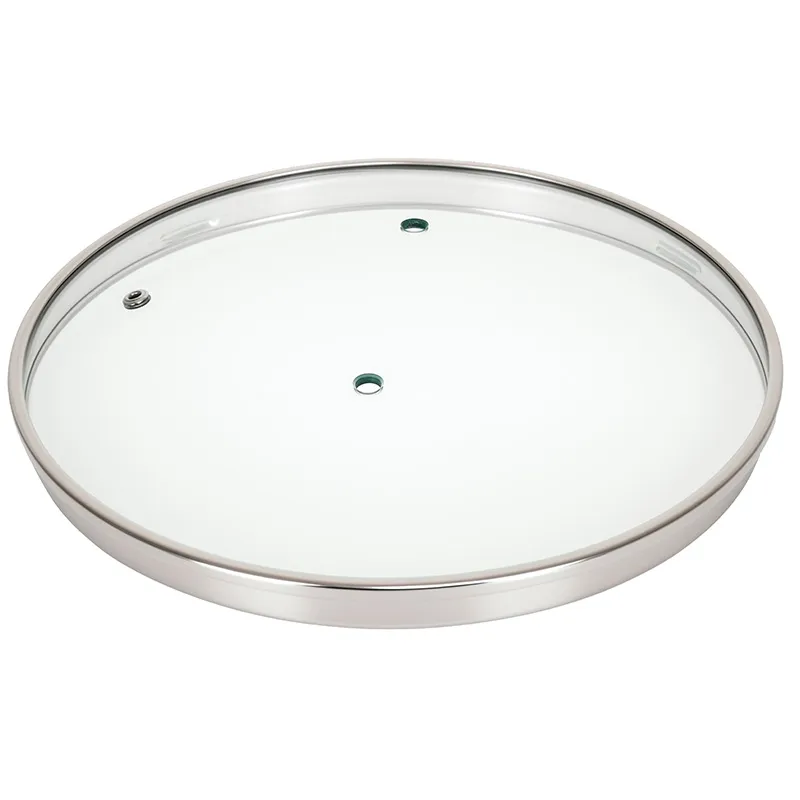
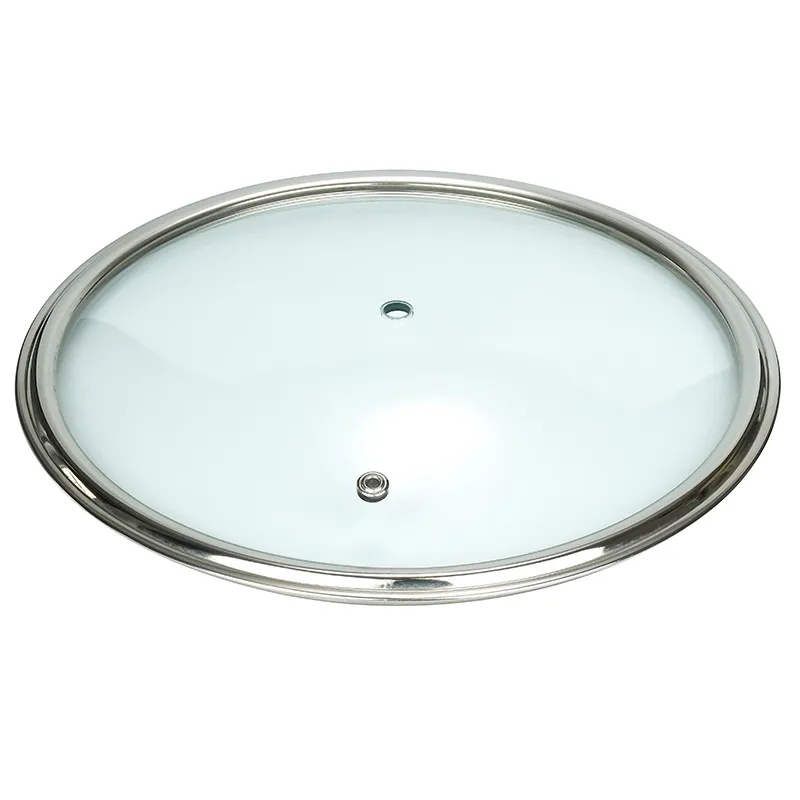
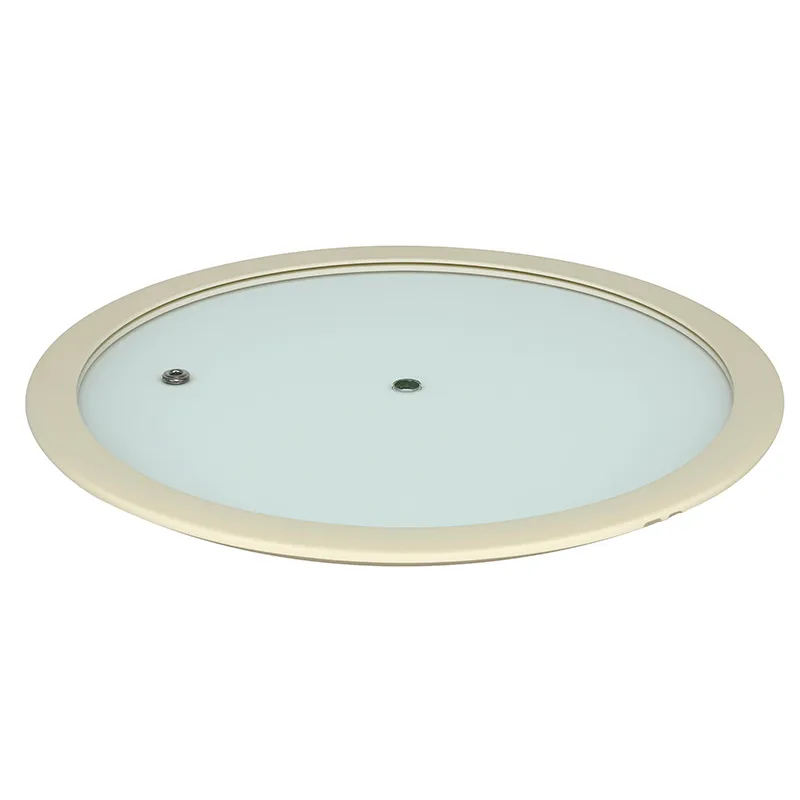
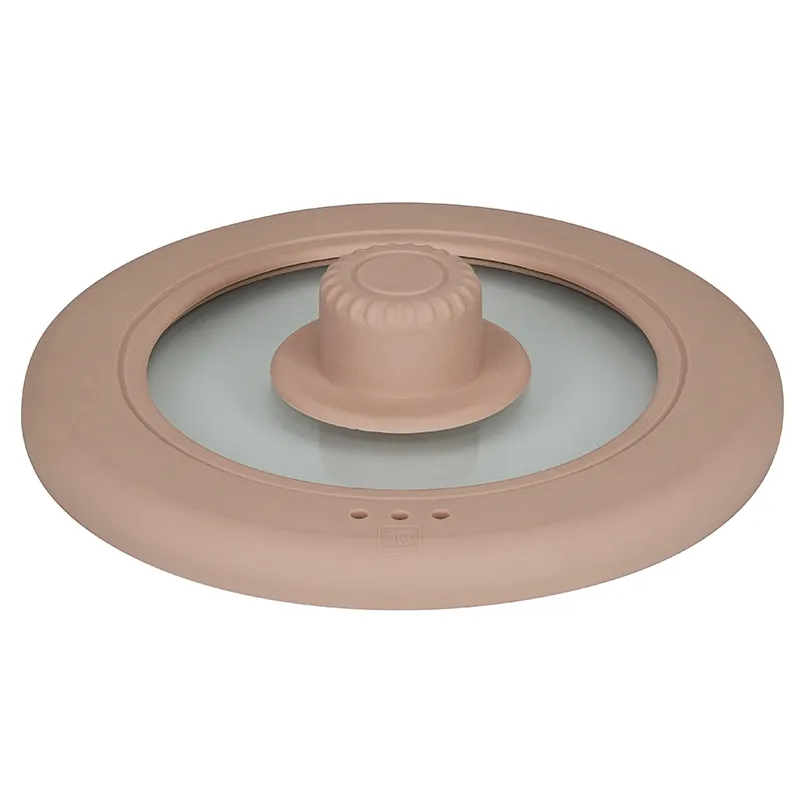
tempered glass lid made in China
When you hear 'tempered glass lid made in China', the immediate reaction in some circles is still a mix of skepticism and assumptions about mass-produced, low-cost items. Having sourced and developed these products for over a decade, I find that generalization misses the entire story. The reality is a complex landscape of tiered manufacturing, where the capabilities range from shockingly good to predictably poor, and the outcome hinges entirely on your sourcing strategy and technical specifications. It's not about the country; it's about finding the right workshop or factory that understands the specific stresses a glass lid endures—thermal shock from a simmering pot, mechanical impact from a clumsy drop, and the constant chemical wear from food acids and cleaning agents. Many importers fail at the first hurdle by treating all suppliers as commodities.
Defining Quality Beyond the Buzzword
Quality in tempered glass, or 'toughened glass' as it's often called in technical specs, isn't a single checkbox. For a lid, the critical parameters are edge work, thermal stability, and the integrity of the tempering process itself. I've seen beautifully polished, CNC-edged lids that shattered into relatively safe small granules from a minor temperature gradient because the tempering oven's quenching process was uneven. The factory might have a shiny ISO certificate, but if their oven maintenance is lax, you're buying a liability. The thickness is another common pitfall. A 4mm lid might be specified, but without a tolerance callout (say, ±0.2mm), you could receive batches at 3.7mm that flex and fail. It's these unspoken details that separate a reliable product from a problematic one.
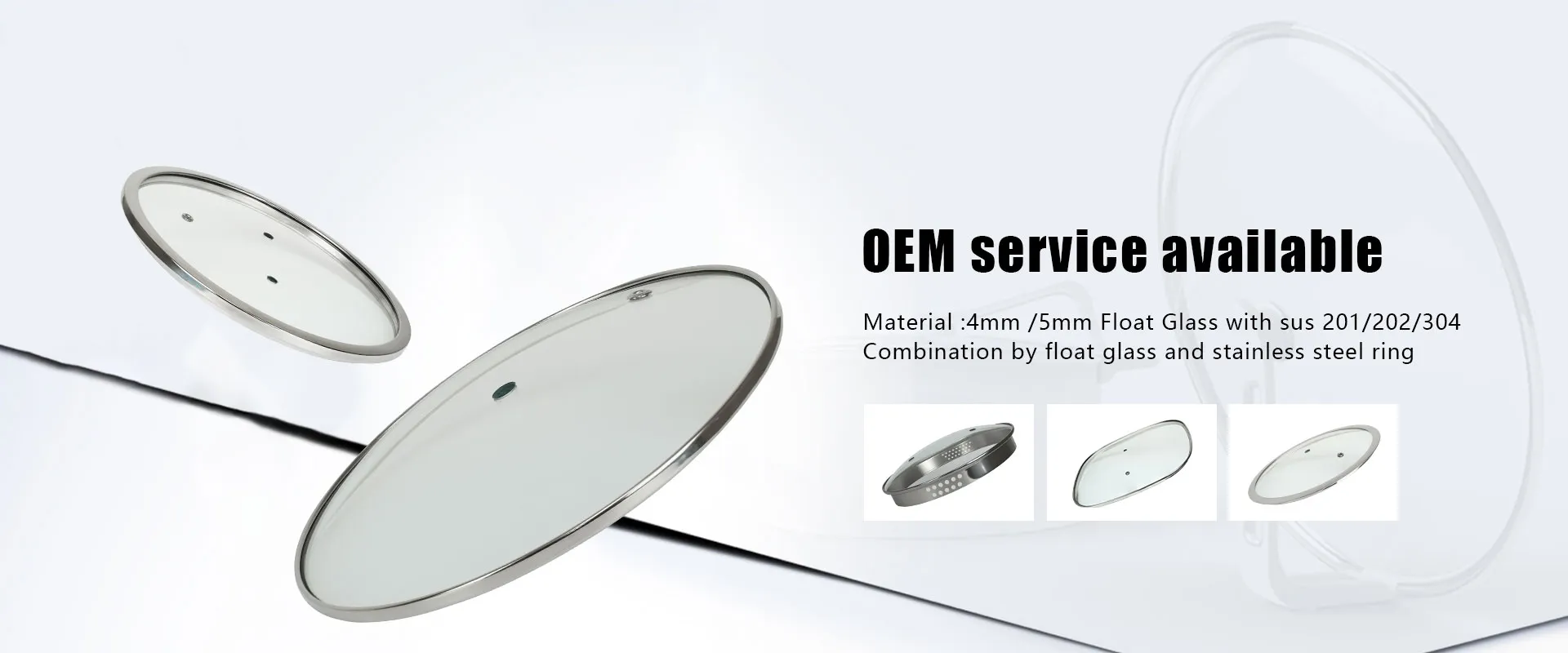
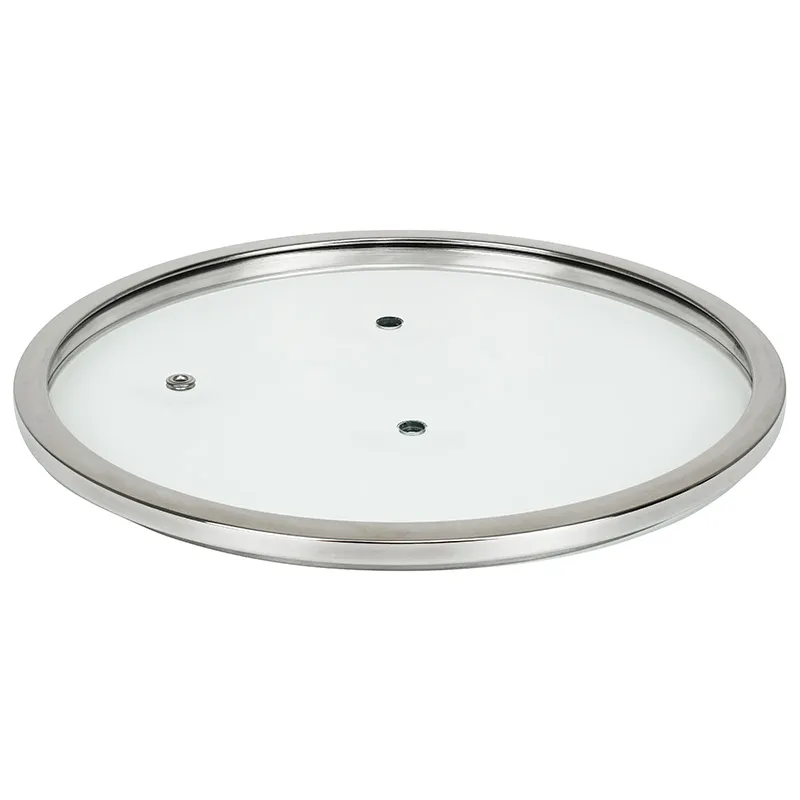
This is where companies with a focused product line stand out. Take EUR-ASIA COOKWARE CO.,LTD, for instance. Their entire operation, as you can see from their portal at glass-lid.com, is built around glass for cookware. That specialization matters. A factory that also produces glass tabletops or shower doors has a different priority matrix. A lid specialist is more likely to have jigs and molds designed for the specific curvature and handle-attachment points required, and their quality control will be attuned to the specific failure modes of lidded cookware. Their stated production volume—over 15 million pieces annually—indicates a scale that allows for dedicated production lines, which generally improves consistency.
The export footprint they mention, with over 90% going to European and other international markets, is a tangible data point. It implies their processes are aligned with stricter international safety and material standards, likely meeting EU's LFGB or FDA guidelines. This isn't a guarantee of perfection, but it's a stronger starting point than a supplier with no transparent export history. It means they are accustomed to the documentation, testing protocols, and liability expectations of Western retailers.
The Sourcing Process: Vetting and Verification
Initial contact is just noise. The real work begins with the factory audit, either in-person or via a detailed video walkthrough post-pandemic. You're not just checking for clean floors; you're looking at the raw glass stock (is it clear, green, or ultra-clear low-iron glass?), the tempering furnace's age and calibration logs, the edge grinding stations, and, crucially, the in-process quality checks. Do they do a polariscope check on every batch to visualize stress patterns and identify areas of poor tempering? Or is it a random sample? For a tempered glass lid, an un-tempered spot near the handle knob is a critical defect.
One failed project early in my career taught me this. We ordered a run of oval baking dish lids. The samples were flawless. The first production container arrived, and during routine drop testing, a significant percentage shattered into dangerous, sharp shards instead of small cubes—a clear sign of inadequate tempering. The root cause? The factory had subcontracted the tempering during peak season to meet our deadline. The lesson was contractual: all key processes must be done in-house, and right-to-audit clauses are non-negotiable.
This is why the location of a production base matters. EUR-ASIA COOKWARE's facility being in Taian City, Shandong, isn't random. Shandong is a major hub for glass and cookware manufacturing, creating a concentrated ecosystem of material suppliers and skilled labor. A 20,000㎡ plant suggests vertical integration potential—they might handle cutting, edging, tempering, printing, and packaging all under one roof. This control reduces variables and communication gaps, which is half the battle in consistent manufacturing.
Cost Drivers and the Too Good to Be True Price
Price is always a focus, but understanding its composition is key. The cost of a tempered glass lid made in China isn't just about the square footage of glass. The primary drivers are: 1) Glass quality (imported vs. domestic float glass), 2) Complexity of shape (a simple round lid vs. a complex rectangular one with a steam vent notch), 3) Edge finish (seamed polish, flat polish, or diamond bevel), 4) Secondary processing (screen printing for measurement markings, silicone gasket attachment), and 5) Packaging (individual bubble wrap vs. simple cardboard separators).
A supplier quoting 30% below the market average is almost certainly compromising on one of these, usually the core material or the tempering cycle time. A shorter cycle saves them energy but yields a weaker product. I've had clients insist on pursuing the lowest quote, only to face astronomical failure rates and returns that wiped out any initial savings. The sustainable model is to pay for the appropriate grade for your market segment. A lid for a discount store has different specs than one for a high-end kitchenware brand, but both must be safely tempered.
Logistics and packaging are hidden cost sinks. A poorly designed carton that doesn't properly suspend the lids will lead to transit breakage. A good factory will have optimized, tested packaging solutions. The fact that a company like EUR-ASIA ships globally to destinations with long logistics chains like Brazil and Russia suggests they've likely invested in robust packaging R&D to minimize in-transit damage, a cost that is baked into their unit price but saves immense headache down the line.
The Evolution of Design and Function
The market isn't static. Five years ago, a lid was just a lid. Now, we're seeing integrated functions. Steam vents with adjustable stainless steel dials, integrated silicone seals for pressure-cooking compatibility, and even glass lids with conductive strips for induction cooktop sensing. These innovations are increasingly coming from Chinese manufacturers who are now doing their own R&D rather than just copying Western designs. Implementing a stainless steel knob that doesn't create a thermal stress point on the glass is a non-trivial engineering task.
Another trend is the move towards ultra-clear, low-iron glass. It's more expensive but provides a crystal-clear view of the cooking process, which is a major selling point for premium brands. It also requires cleaner production lines, as any impurities are more visible. A factory's willingness to work with this material is a good indicator of their overall quality discipline.
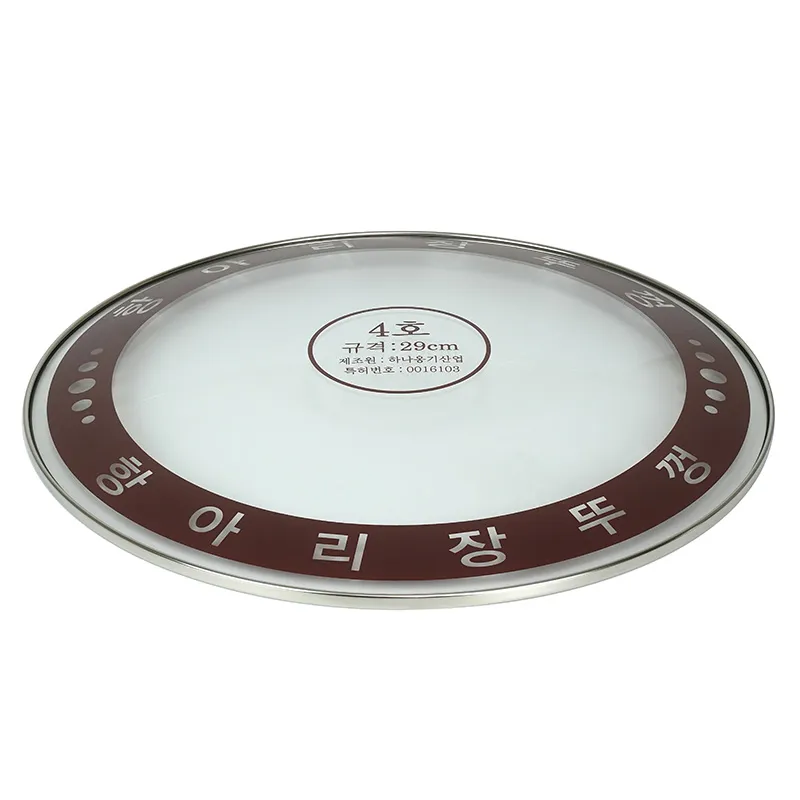
Color printing and patterns are also advancing. The old ceramic paints that could chip are being replaced by more durable, fired-on inks. I recently visited a facility (not EUR-ASIA, but a similar-tier maker) that was using digital printing on glass lids for limited-edition designs, something previously thought too costly for this category. This flexibility is a direct result of the concentrated manufacturing ecosystem in regions like Shandong.
Long-Term Partnership Over Transaction
The final, and perhaps most important, insight is that sourcing a reliable tempered glass lid is about building a partnership, not executing a purchase order. It's about open communication on forecasts, collaborative problem-solving when a defect pattern emerges, and mutual investment in new tooling for a novel design. The supplier's stability is paramount. A workforce of more than 90 employees and a substantial building area indicate a certain level of corporate stability, which is vital for multi-year contracts.
The true test comes when there's a problem. Does the supplier engage in root-cause analysis and share the corrective action report, or do they just offer a discount on the next order? The former is a partner; the latter is a vendor. Given the export-oriented nature of a firm like EUR-ASIA COOKWARE CO.,LTD, they are likely structured to handle such technical-commercial relationships, as their European clients would demand nothing less.
In the end, made in China tells you the geographic origin. It doesn't define the product's quality. That is defined by the specific factory's expertise, processes, and commitment. For tempered glass lids, the journey involves digging past the surface quotes, verifying the technical capabilities, and aligning with a manufacturer whose specialization and market focus match your needs. The tools and knowledge exist to source exceptional product; it just requires moving beyond the outdated stereotypes and engaging with the reality of a sophisticated, tiered manufacturing landscape.
Related Products
Related Products