- Chinese
- French
- German
- Portuguese
- Spanish
- Russian
- Japanese
- Korean
- Arabic
- Irish
- Greek
- Turkish
- Italian
- Danish
- Romanian
- Indonesian
- Czech
- Afrikaans
- Swedish
- Polish
- Basque
- Catalan
- Esperanto
- Hindi
- Lao
- Albanian
- Amharic
- Armenian
- Azerbaijani
- Belarusian
- Bengali
- Bosnian
- Bulgarian
- Cebuano
- Chichewa
- Corsican
- Croatian
- Dutch
- Estonian
- Filipino
- Finnish
- Frisian
- Galician
- Georgian
- Gujarati
- Haitian
- Hausa
- Hawaiian
- Hebrew
- Hmong
- Hungarian
- Icelandic
- Igbo
- Javanese
- Kannada
- Kazakh
- Khmer
- Kurdish
- Kyrgyz
- Latin
- Latvian
- Lithuanian
- Luxembou..
- Macedonian
- Malagasy
- Malay
- Malayalam
- Maltese
- Maori
- Marathi
- Mongolian
- Burmese
- Nepali
- Norwegian
- Pashto
- Persian
- Punjabi
- Serbian
- Sesotho
- Sinhala
- Slovak
- Slovenian
- Somali
- Samoan
- Scots Gaelic
- Shona
- Sindhi
- Sundanese
- Swahili
- Tajik
- Tamil
- Telugu
- Thai
- Ukrainian
- Urdu
- Uzbek
- Vietnamese
- Welsh
- Xhosa
- Yiddish
- Yoruba
- Zulu
- Kinyarwanda
- Tatar
- Oriya
- Turkmen
- Uyghur


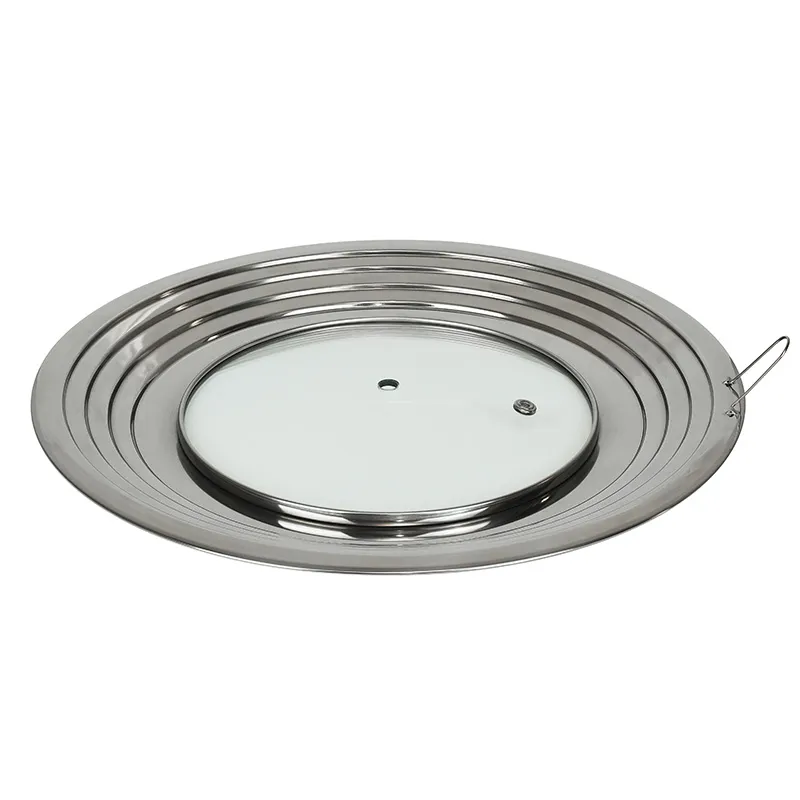
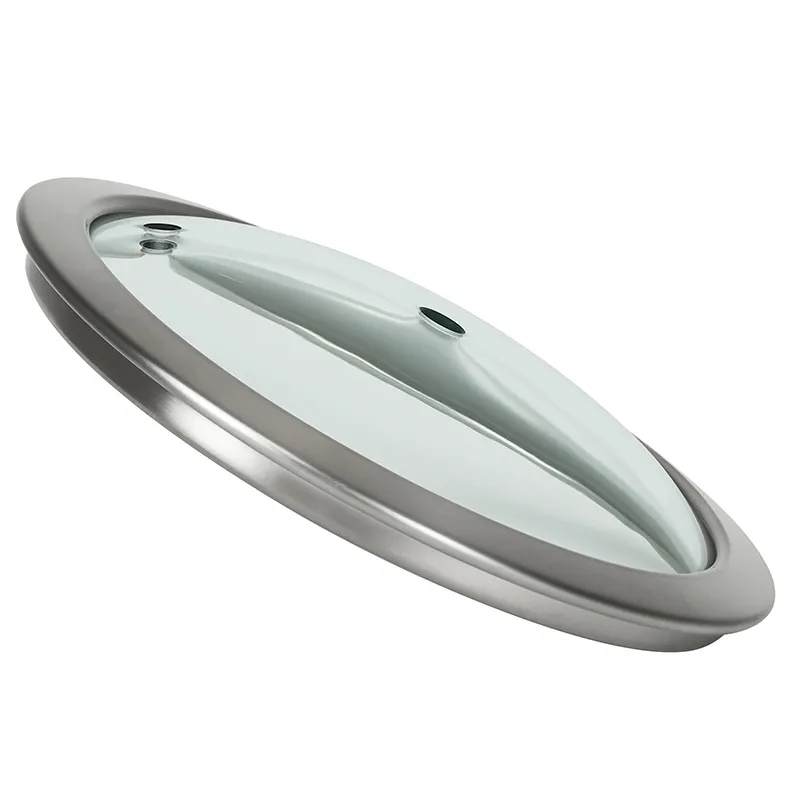
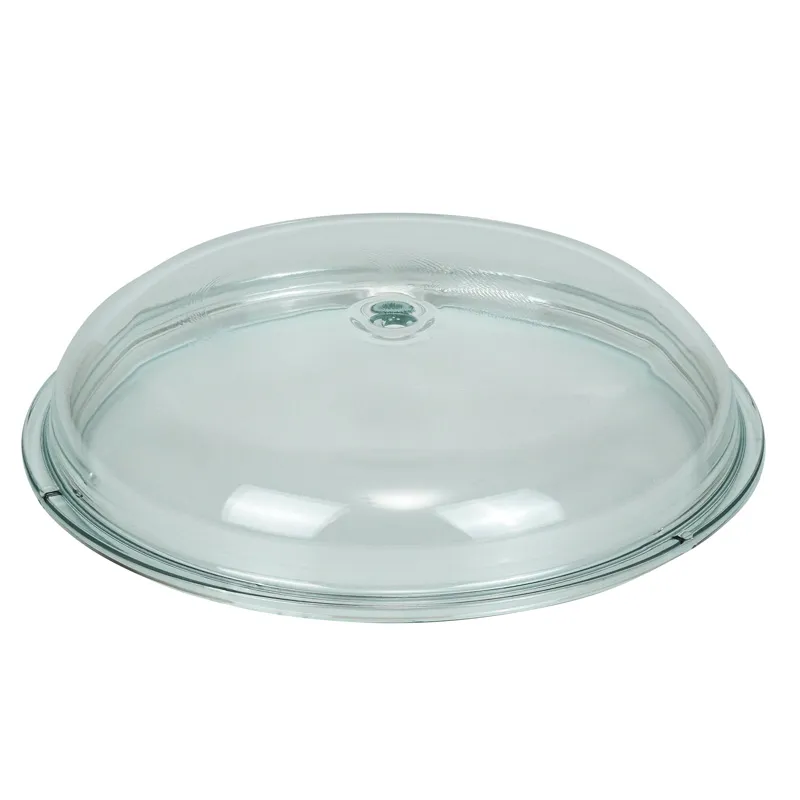
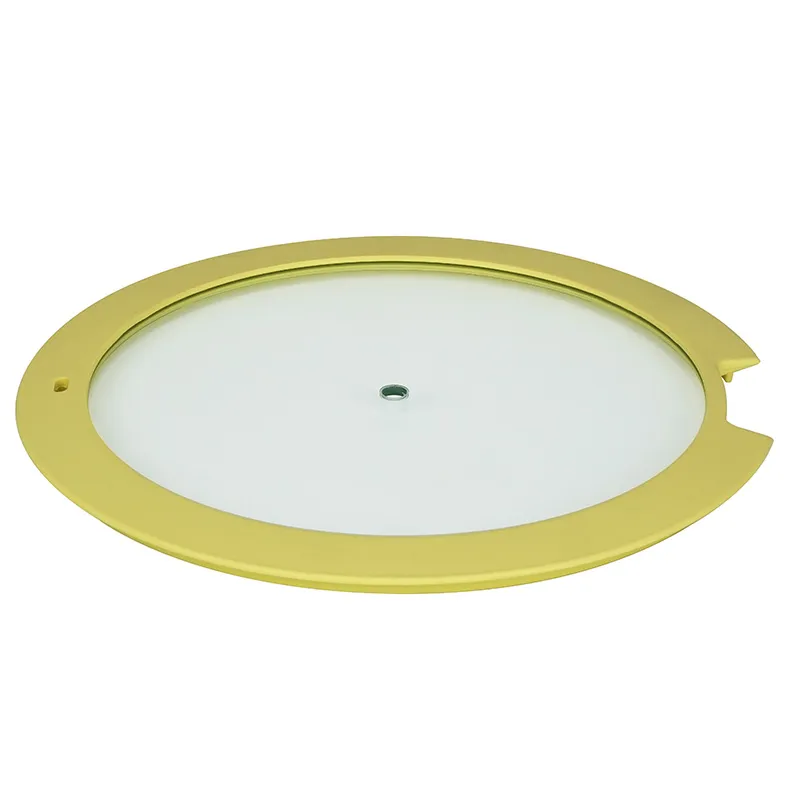
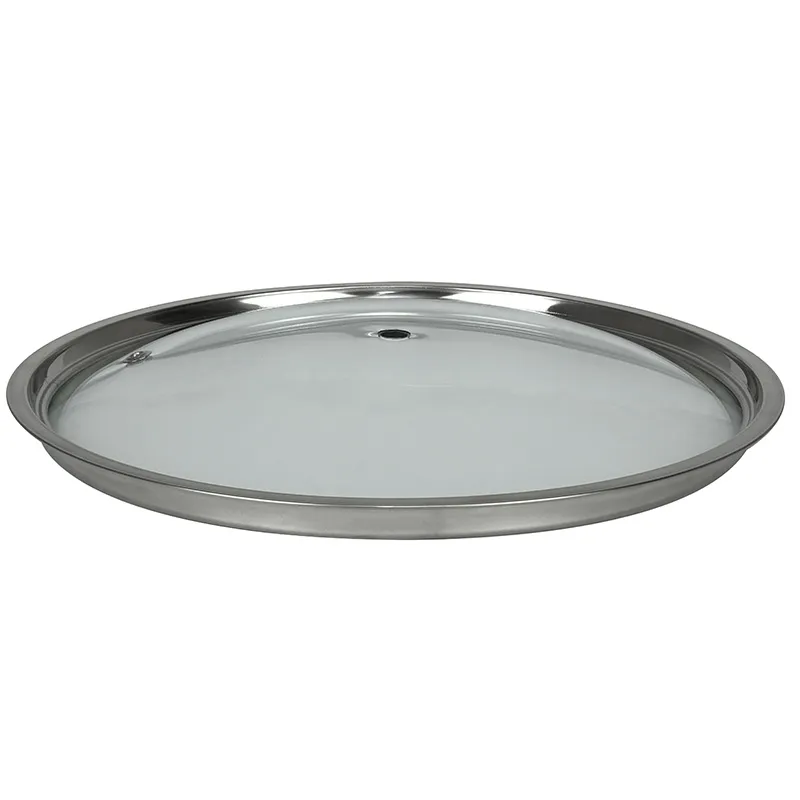
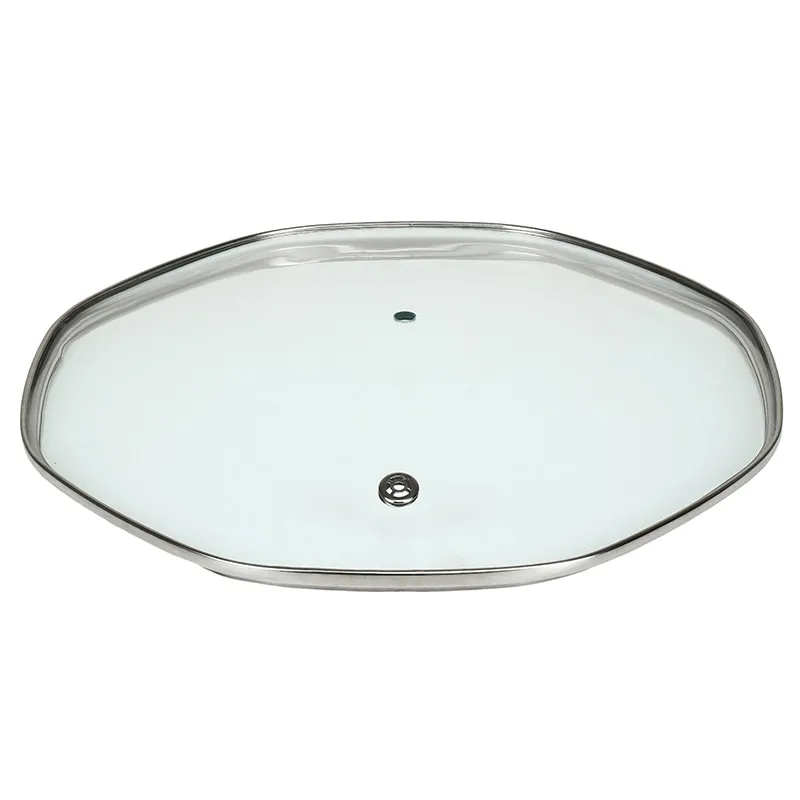
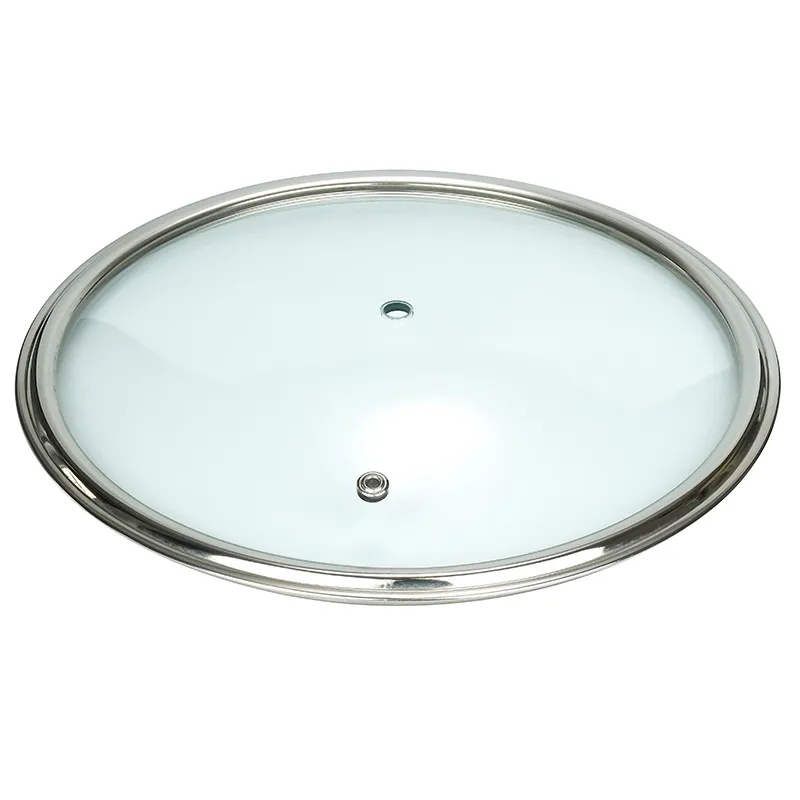
tempered glass lid maker
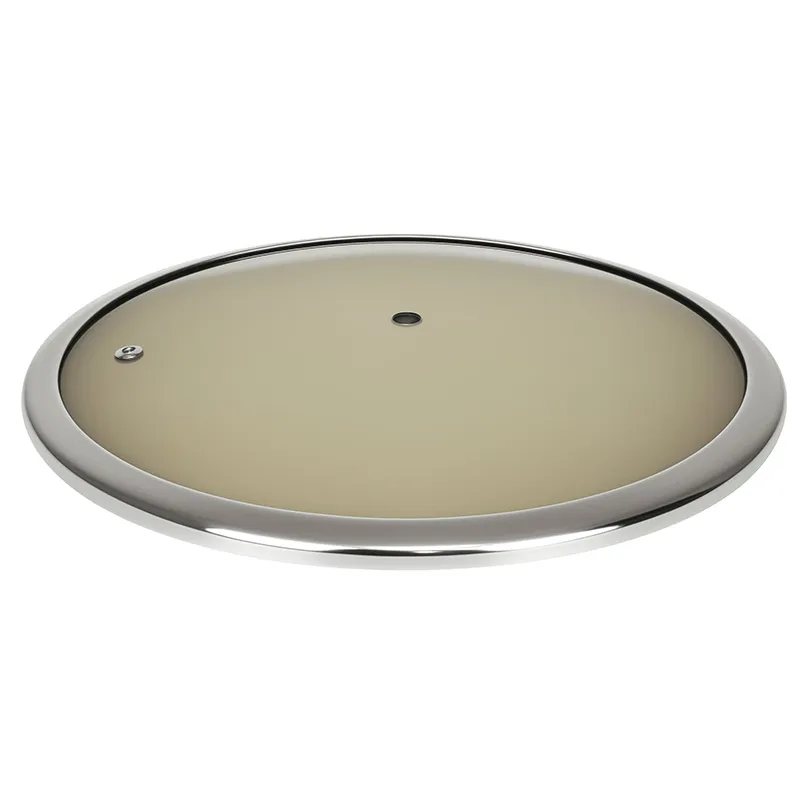
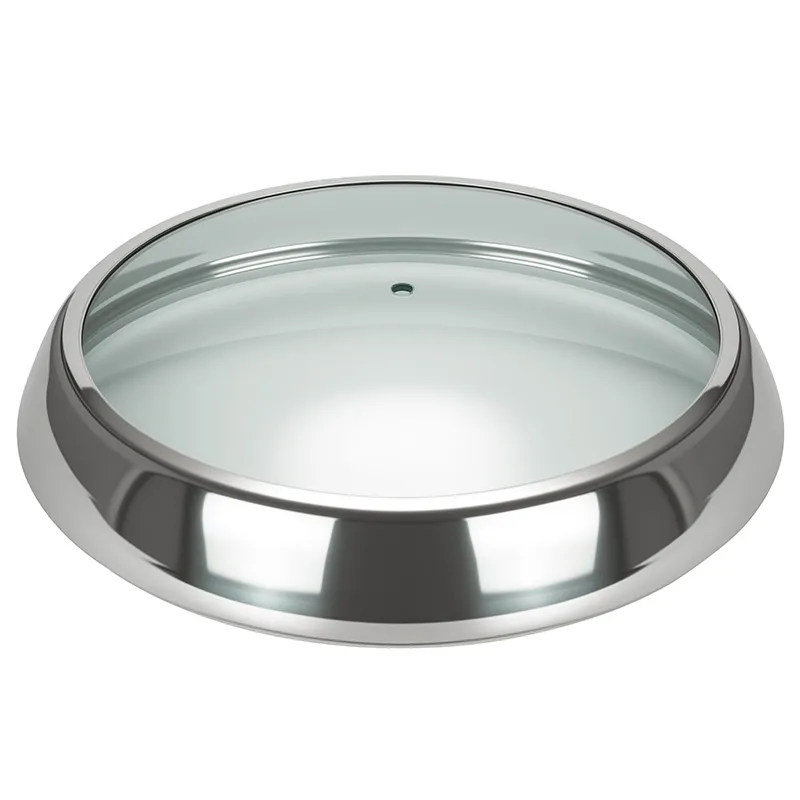
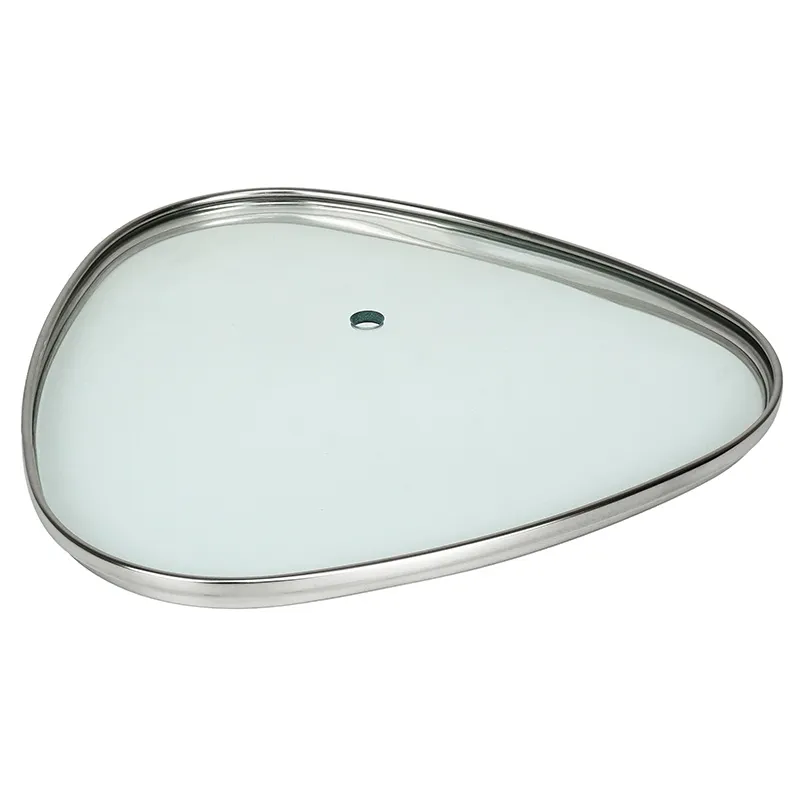
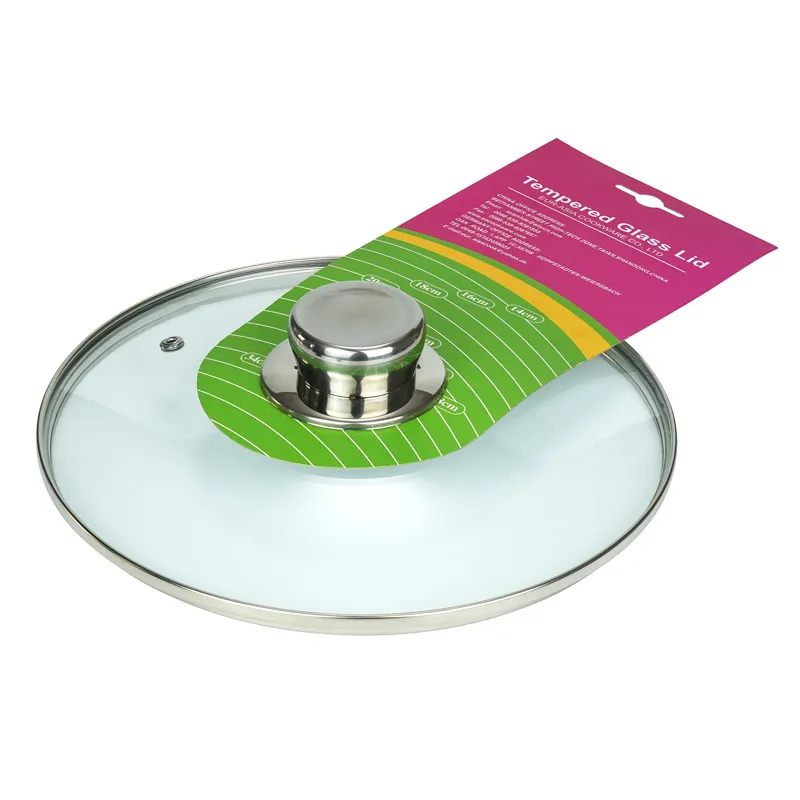
When you hear 'tempered glass lid maker', most minds jump straight to the glass—the tempering line, the annealing lehr. That's the flashy part. But the real story, the one that determines if a lid actually works on a pot for years without chipping or warping, starts much earlier. It's in the precision of the blank, the jig design, the handle bonding. I've seen too many projects fail because someone sourced 'tempered glass circles' and thought the job was done.
The Foundation: It's Not Just a Glass Disk
You can't temper your way out of a bad blank. The cut quality of the raw glass circle before it even hits the furnace is critical. A microscopic chip on the edge, invisible to the naked eye, becomes a stress concentrator. In the tempering process, that's where it'll pop. We learned this the hard way years ago with a batch for a European client. The lids passed initial inspection, but the failure rate in their assembly line was 8%. The culprit? Inconsistent scoring and breaking on the blank-cutting line, creating micro-fractures. The fix wasn't on the tempering line; it was upstream, calibrating the cutting head pressure and replacing the scoring wheels on a schedule, not just when they looked worn.
This is where a maker's infrastructure shows. A place like EUR-ASIA COOKWARE CO.,LTD, with their dedicated production base, typically has this under control because they manage the full chain. They're not just buying semi-finished discs and firing them. Their setup in Taian, with that 20,000㎡ footprint, suggests they're handling the glass from the sheet stage. That integration matters. It's the difference between being a processor and a manufacturer.
The thickness tolerance is another silent killer. For a standard 3mm lid, a variation of even ±0.2mm can cause fit issues on the pot's flange, especially with automated clamping systems used by major cookware brands. The glass might be perfectly tempered, but it's useless if it doesn't sit flush. Good makers will have SPC charts for thickness running real-time next to the cutting line.
The Tempering Dance: Heat, Quench, and Consistency
Here's the core, but it's often misunderstood. The goal isn't maximum hardness; it's achieving a consistent, uniform stress profile across the entire lid surface. A lid is a large, thin, often single-curvature piece. It wants to warp in the furnace. The jig or rack design that holds it during the heating and quenching is proprietary black magic for every good tempered glass lid maker. The wrong support points create hot spots and cool spots, leading to optical distortion (waviness you can see) or weak zones.
The quench isn't just blasting it with air. It's about pressure, nozzle array, distance, and timing. For lids with a rolled edge or a pronounced rim, the air flow has to be engineered to cool that thicker section at a similar rate to the thin center. If not, the stress isn't balanced. I recall a trial for a deep-fryer lid where the center was at spec (say, 90+ MPa surface compression) but the thick rolled edge was under-tempered at around 40 MPa. It wouldn't survive a drop test. The solution was a secondary, targeted air-bar array just for the rim section.
Output numbers like more than 15 million pieces annually, as EUR-ASIA mentions, tell you about scale, but the real question is about the percentage that comes off the line meeting the specific, often brutal, impact and thermal shock standards of markets like Germany or Japan. That's where the process control earns its keep.
The Devil in the Details: Handles, Vents, and Finishing
This is where a lid becomes a product. The glass is inert. You have to attach something to it. The handle or knob bonding is arguably the most common point of failure in the field. Epoxy selection is a science—it must withstand dishwasher cycles (high pH, heat), cooking heat from below, and decades of torque. A poor bond doesn't fail immediately; it slowly creeps, and the handle starts to rotate after a year. High-end makers use silane-based primers on the glass surface before bonding to create a chemical bridge, not just a mechanical one.
Vent holes or notches. If the lid design includes them, they are major stress points after tempering. The hole must be drilled or formed before tempering. The tempering process then seals the edges, making them stronger than the surrounding glass. But the placement and edge finishing in the blank stage are crucial. A burr here will cause a crack during quenching.
Edge work. You can't polish a tempered edge like you can with annealed glass—it'll shatter. So the edge finish must be applied to the blank before it goes into the furnace. A smooth seamed edge or a polished flat edge requires different grinding and polishing lines. Looking at a company's product mix, like the variety implied by EUR-ASIA's focus on low-medium-high level products, tells you they likely have multiple finishing lines to cater to different price points and aesthetic standards.
Logistics and the Realities of Export
Making 15 million lids is one thing. Getting them to a cookware factory in Poland or Brazil without a 2% breakage rate is another. Packaging is a specialized field. You need rigid, form-fitting inserts that suspend the lid, preventing point contact during transit. For high-volume export, the carton design, palletization, and container loading patterns are all optimized. A maker serving a global export list (like the 90% to Europe, Asia, and the Americas noted on https://www.glass-lid.com) has this down to a system. It's not glamorous, but a container of broken glass is a total loss, and it destroys client trust faster than anything.
Lead times are also dictated by this logistics chain. The production might be fast, but the ocean freight to Europe is 5-6 weeks. A reliable maker has a rhythm of production and shipping that aligns with their clients' assembly schedules. This is often the hidden advantage of a large-scale, export-focused operation—they have the volume to maintain regular shipping schedules, even for smaller orders.
Customs and standards. Each market has its own regulatory ticks. REACH compliance for materials in the EU, specific FDA-type concerns for food contact surfaces. A maker whose business is built on export has to have the documentation and material sourcing to navigate this seamlessly. It's a massive overhead that a domestic-only shop doesn't face.
Final Thought: The Maker's Mindset
So what separates a good tempered glass lid maker from a glass shop that can temper lids? It's a cookware mindset. They don't see a glass disk; they see a component that must mate with a metal pot, survive a drop onto a ceramic tile, handle a thermal shock from the fridge to a hot pot, and look clear and pristine on a store shelf. Every decision, from blank sourcing to final pack-out, is filtered through that end-use.
When you evaluate a maker, don't just ask for a sample. Ask about their failure mode analysis. Ask what their most common return reason is and what they did to fix it. Ask to see their packing for sea freight. The answers, or the hesitation in giving them, tell you everything. The scale and export focus of a company like EUR-ASIA COOKWARE suggest they've been forced to solve these problems systematically to survive in competitive markets like Germany and Japan. That operational history, more than any machine on the floor, is the real asset.
In the end, the best lid is the one you never think about. It just fits, lasts, and does its job. That invisibility is the hallmark of a maker who understands the whole chain, not just the furnace.
Related Products
Related Products