- Chinese
- French
- German
- Portuguese
- Spanish
- Russian
- Japanese
- Korean
- Arabic
- Irish
- Greek
- Turkish
- Italian
- Danish
- Romanian
- Indonesian
- Czech
- Afrikaans
- Swedish
- Polish
- Basque
- Catalan
- Esperanto
- Hindi
- Lao
- Albanian
- Amharic
- Armenian
- Azerbaijani
- Belarusian
- Bengali
- Bosnian
- Bulgarian
- Cebuano
- Chichewa
- Corsican
- Croatian
- Dutch
- Estonian
- Filipino
- Finnish
- Frisian
- Galician
- Georgian
- Gujarati
- Haitian
- Hausa
- Hawaiian
- Hebrew
- Hmong
- Hungarian
- Icelandic
- Igbo
- Javanese
- Kannada
- Kazakh
- Khmer
- Kurdish
- Kyrgyz
- Latin
- Latvian
- Lithuanian
- Luxembou..
- Macedonian
- Malagasy
- Malay
- Malayalam
- Maltese
- Maori
- Marathi
- Mongolian
- Burmese
- Nepali
- Norwegian
- Pashto
- Persian
- Punjabi
- Serbian
- Sesotho
- Sinhala
- Slovak
- Slovenian
- Somali
- Samoan
- Scots Gaelic
- Shona
- Sindhi
- Sundanese
- Swahili
- Tajik
- Tamil
- Telugu
- Thai
- Ukrainian
- Urdu
- Uzbek
- Vietnamese
- Welsh
- Xhosa
- Yiddish
- Yoruba
- Zulu
- Kinyarwanda
- Tatar
- Oriya
- Turkmen
- Uyghur


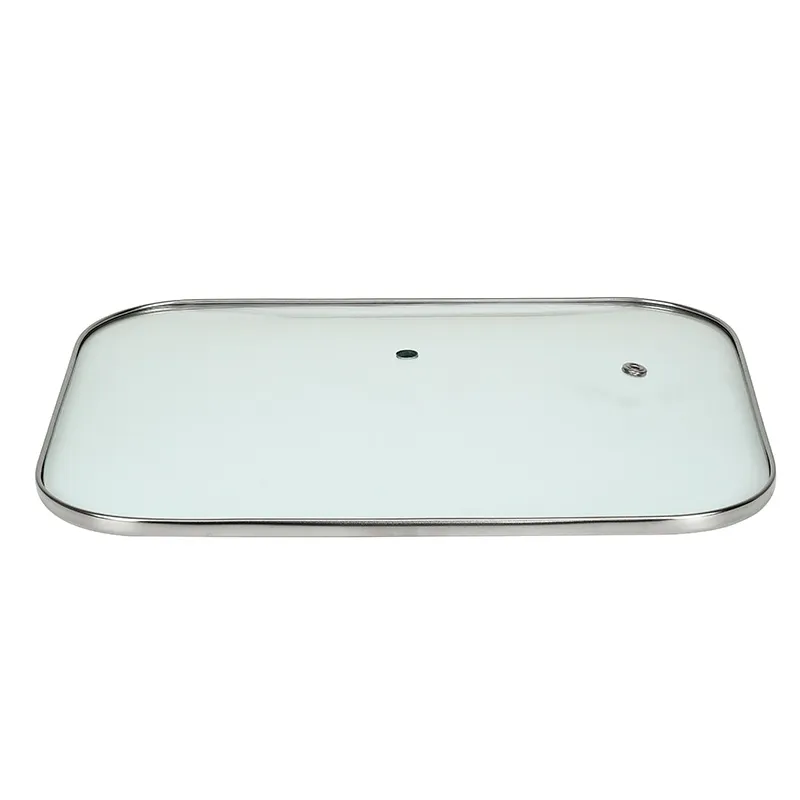
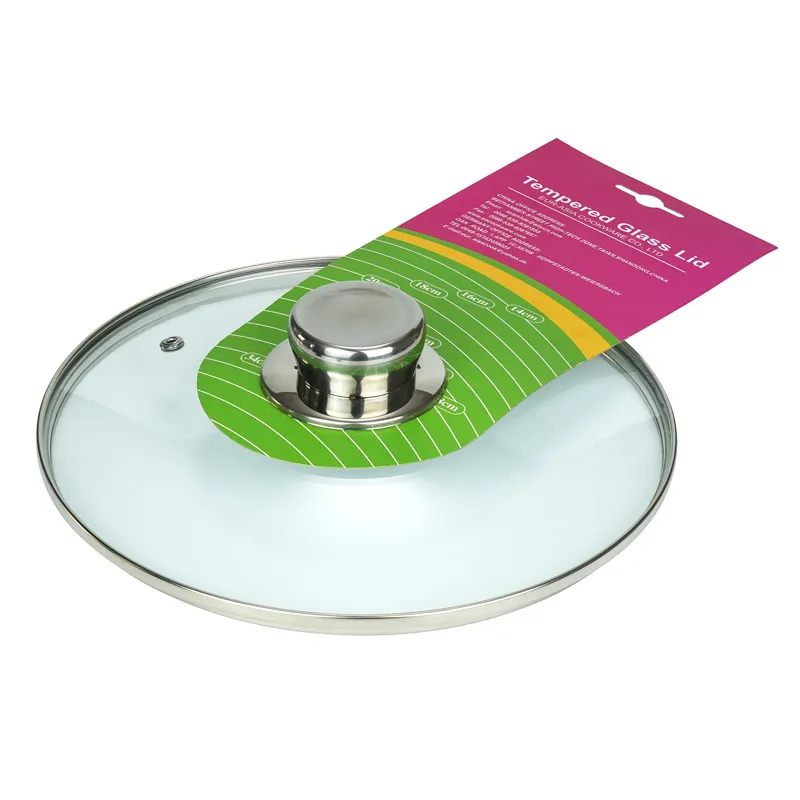
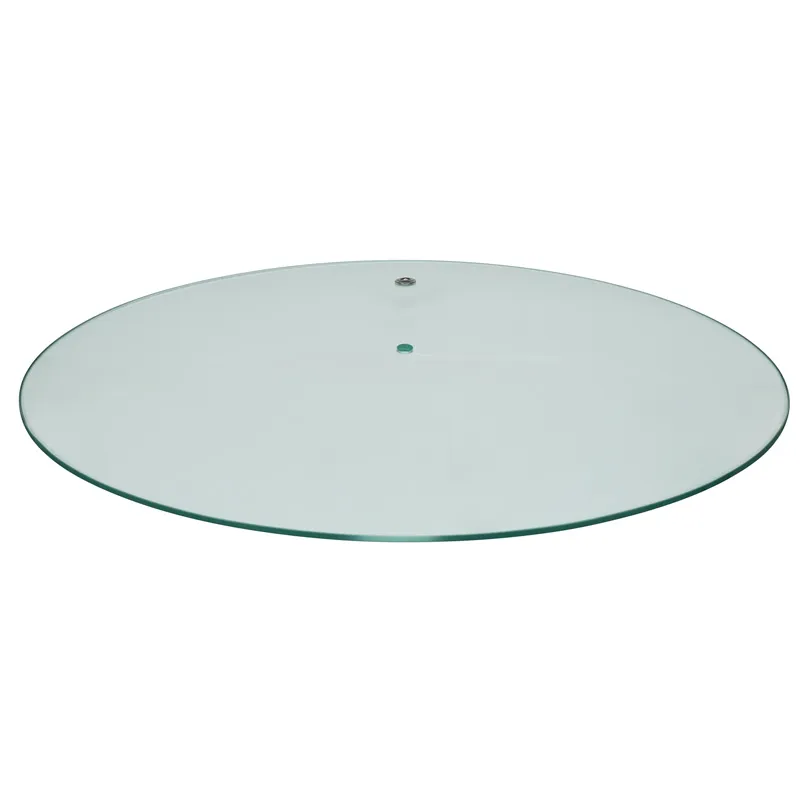
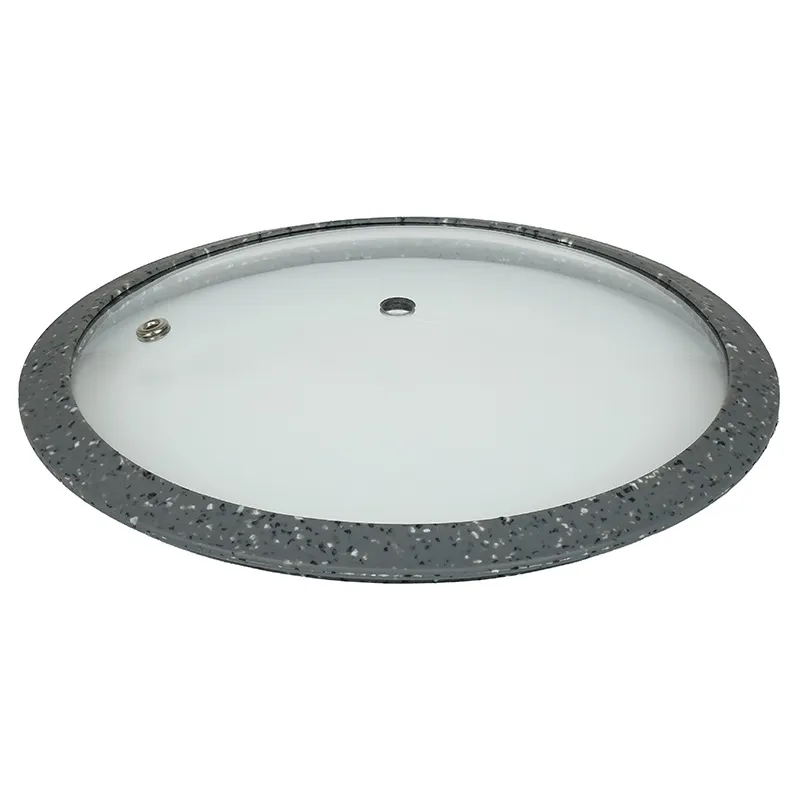
tempered glass lid maker of China
When you hear 'tempered glass lid maker of China,' the immediate image might be a vast, faceless factory churning out identical products. That's a common misconception. The reality is far more nuanced, involving a spectrum of operations from highly automated lines to workshops where experience and manual finesse still play a critical role. Having spent years sourcing and developing products in this niche, I've learned that the label 'maker' encompasses everything from a pure OEM pressing buttons to a true manufacturer controlling the entire chain from glass cutting to tempering and edgework. The difference matters immensely for quality, consistency, and problem-solving when things, inevitably, go sideways.
The Core of Manufacturing: More Than Just Tempering
Many buyers fixate on the tempering process itself—the furnace, the quench. It's important, sure. But the real test of a competent tempered glass lid maker often happens before the glass even enters the furnace. Take material sourcing. Not all clear float glass is equal. Slight variations in composition or thickness tolerance from the raw glass supplier can lead to waves, optical distortions, or, worse, spontaneous breakage after tempering. A good maker has fixed, vetted sources and conducts incoming quality checks. I've seen projects delayed for weeks because a new batch of raw glass had a slightly higher nickel sulfide inclusion rate, which only manifested as breakage weeks after delivery. The maker who just buys the cheapest local sheet glass is a liability.
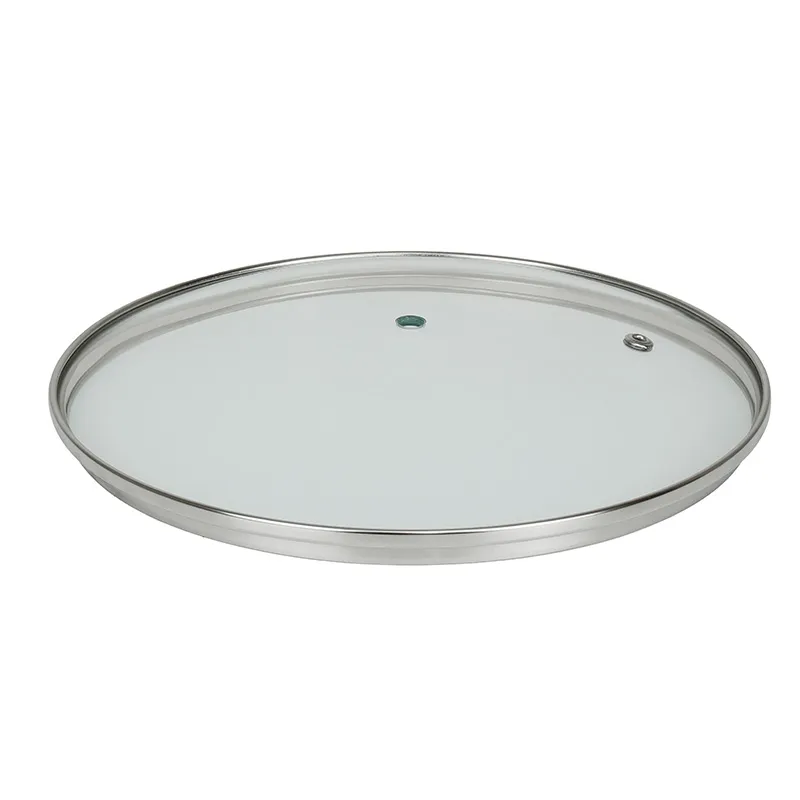
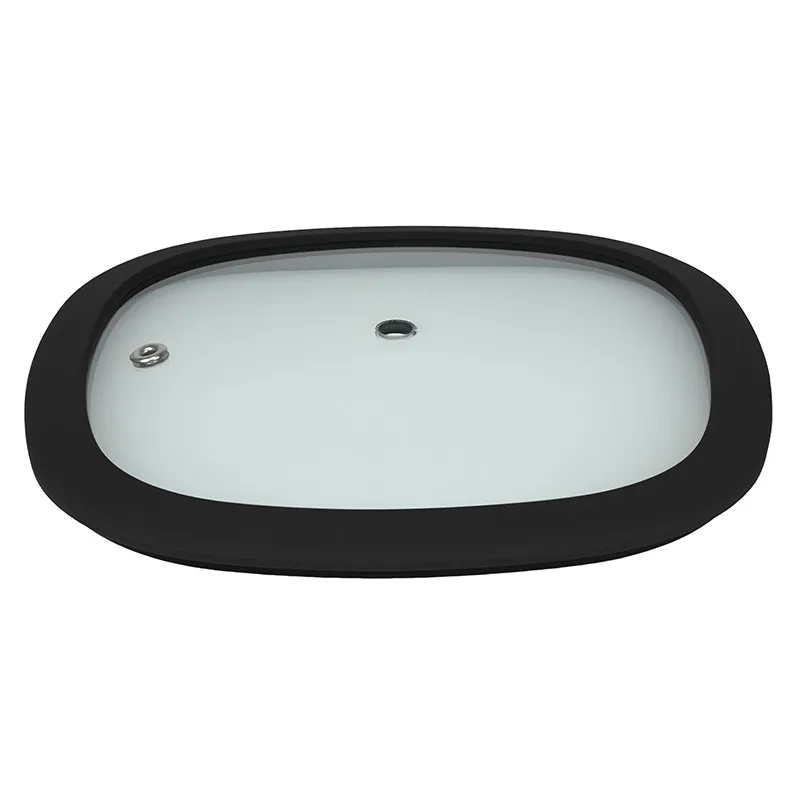
Then there's cutting and edging. For a simple round lid, it's straightforward. But introduce an oval shape, a handle hole, a steam vent, or a specific radius on a corner for a multi-cooker—that's where you separate the shops. CNC cutting is standard now, but the grinding and polishing of the edge post-cutting is a tell. A rushed, sharp edge feels cheap and is a safety risk. A properly arrised and polished edge, smooth to the touch, speaks of attention to detail. I remember visiting a facility, EUR-ASIA COOKWARE CO.,LTD, and noting their edgework samples. They had a progression of finishes from basic seamed to a fully polished 'soft' edge. That showed an understanding of market tiers. Their operation, based in Taian, Shandong, isn't the biggest, but their setup suggested a focus on process control.
And the tempering? It's a recipe. Furnace temperature, heating time, quench pressure, roller speed—all tuned for a specific thickness and shape. A lid with a large handle hole or an off-center knob requires different racking and heating to ensure even stress distribution. A maker running everything on a single, fixed setting is a red flag. The goal is a consistent surface compression of over 10,000 psi. You can't see it, but you can feel it in the product's heft and resonance. A poorly tempered lid sounds dull when tapped.
The Export Reality: Compliance and Hidden Complexities
China's tempered glass lid industry is export-driven, as the data from companies like EUR-ASIA shows—over 90% export rates to Europe, Asia, and the Americas. This isn't accidental. It's built on navigating a maze of standards. FDA compliance for food contact is basic. But then you have EU's LFGB, which has more stringent migration tests. A maker needs to have the material certifications ready, often from SGS or similar bodies, and understand that using a non-compliant ink for printing logos or measurements can void the entire certification. I learned this the hard way early on when a shipment to Germany was held because the paint used for the measurement markers failed migration tests. The glass was fine; the decoration wasn't.
Packaging is another silent killer. Glass is heavy and fragile. A standard carton with molded EPS foam inserts is common. But for high-volume shipments to big-box retailers, the packaging must survive drop tests, vibration tests, and humidity tests. I've worked with makers who had to redesign their carton flute and insert density three times to pass a specific retailer's protocol. The cost added up, but losing a container load to in-transit damage is far worse. A professional maker will have packaging solutions for different logistics chains, not just one option.
Then there's the issue of consistency across large orders. Producing 10,000 perfect lids is one thing. Producing 500,000 over six months where the color of the glass (if using tinted), the clarity, and the edge finish remain within an acceptable tolerance band is another. This is where a maker's production management and quality control systems are tested. Random sampling plans (AQL), proper gauges for measuring flatness and thickness, and a disciplined process for segregating non-conforming products are what you're paying for. The EUR-ASIA COOKWARE website mentions an annual output of over 15 million pieces. At that scale, without systemic QC, the fallout would be enormous.
Case in Point: The Handle and Knob Dilemma
Let's get specific. The lid itself is just a piece of glass. The functional part is the handle or knob assembly. This is where most failures occur, not in the glass. The bonding method is critical. Is it a stainless steel knob screwed into a metal insert that's bonded to the glass? Or is it a plastic handle attached with a high-temperature silicone adhesive? Each has its failure modes.
The metal insert method is robust but costly. The insert must be perfectly positioned during the tempering process (it's often placed on before tempering). If the thermal expansion coefficients aren't matched well, the bond can weaken over time. I've seen lids where the insert literally popped off after repeated dishwasher cycles. The adhesive method is more common for cost-sensitive lines. The key is the adhesive's formulation and curing process. A cheap epoxy will yellow and crack with heat. A proper high-temp silicone, applied in a controlled environment with adequate curing time, can last for years. A trustworthy tempered glass lid maker will be transparent about their assembly methods and can provide test reports for handle pull-strength and thermal shock resistance.
This is an area where on-site inspection is invaluable. Asking to see the bonding station, checking the batch numbers on the adhesive tubes, and even performing a simple torque test on a sample can reveal a lot. One maker I audited had a simple jig where they'd torque the handle to a specified Newton-meter; if it spun or detached, the whole batch needed review. That's practical quality control.
Beyond the Lid: The Maker as a Development Partner
The best relationships with a tempered glass lid maker move beyond buyer-supplier to development partner. This is relevant for companies launching proprietary cookware systems. The lid might need to interface with a specific pot rim, seal in a particular way, or incorporate a unique venting mechanism.
I recall a project for a European pressure cooker brand. They needed a lid that could withstand specific pressure cycles while maintaining a clear viewing window. The glass thickness, tempering recipe, and the design of the metal clamping ring all had to be co-engineered. The Chinese maker we worked with had to run dozens of prototype cycles, adjusting the glass curvature and the tempering parameters each time, before passing the pressure burst tests. Their engineering team's willingness to engage in this iterative, sometimes frustrating, process was what sealed the deal. It wasn't the cheapest bid, but it was the most capable.
This gets to the heart of the matter. When evaluating a maker like EUR-ASIA COOKWARE CO.,LTD., whose profile states specialization in low to high-level household glass products, you're looking for that breadth of capability. Can they handle a basic, price-driven lid for a supermarket chain? Probably. But can they also engage on a complex, high-specification project for a premium brand? Their physical footprint—a 20,000㎡ plant with 90+ employees—suggests a mid-sized operation with the flexibility for both, which is often the sweet spot.
Final Thoughts: Sourcing with Eyes Open
So, what's the takeaway? Sourcing tempered glass lids from China is not about finding the absolute lowest price. It's about identifying a maker whose operational strengths align with your product's needs and risk tolerance. Visit if you can. Look at the raw material warehouse. Ask about their tempering furnace maintenance schedule. Scrutinize their QC records. Talk to their engineers, not just the salesperson.
The industry is mature, but it's not monolithic. There are specialists in thick glass for heavy-duty use, experts in thin, lightweight lids for Asian-style cookers, and innovators in coated glass (like easy-clean surfaces). The company intro for EUR-ASIA mentions they produce various types of tempered glass lids. That's a good start, but the devil is in the details of what those types are and how they're made.
Ultimately, a reliable maker provides more than a product; they provide predictability. In a global supply chain where delays and quality failures have real financial consequences, that predictability, born from controlled processes and professional experience, is the real value proposition. It turns a commodity item into a reliable component of your brand's promise.
Related Products
Related Products