- Chinese
- French
- German
- Portuguese
- Spanish
- Russian
- Japanese
- Korean
- Arabic
- Irish
- Greek
- Turkish
- Italian
- Danish
- Romanian
- Indonesian
- Czech
- Afrikaans
- Swedish
- Polish
- Basque
- Catalan
- Esperanto
- Hindi
- Lao
- Albanian
- Amharic
- Armenian
- Azerbaijani
- Belarusian
- Bengali
- Bosnian
- Bulgarian
- Cebuano
- Chichewa
- Corsican
- Croatian
- Dutch
- Estonian
- Filipino
- Finnish
- Frisian
- Galician
- Georgian
- Gujarati
- Haitian
- Hausa
- Hawaiian
- Hebrew
- Hmong
- Hungarian
- Icelandic
- Igbo
- Javanese
- Kannada
- Kazakh
- Khmer
- Kurdish
- Kyrgyz
- Latin
- Latvian
- Lithuanian
- Luxembou..
- Macedonian
- Malagasy
- Malay
- Malayalam
- Maltese
- Maori
- Marathi
- Mongolian
- Burmese
- Nepali
- Norwegian
- Pashto
- Persian
- Punjabi
- Serbian
- Sesotho
- Sinhala
- Slovak
- Slovenian
- Somali
- Samoan
- Scots Gaelic
- Shona
- Sindhi
- Sundanese
- Swahili
- Tajik
- Tamil
- Telugu
- Thai
- Ukrainian
- Urdu
- Uzbek
- Vietnamese
- Welsh
- Xhosa
- Yiddish
- Yoruba
- Zulu
- Kinyarwanda
- Tatar
- Oriya
- Turkmen
- Uyghur


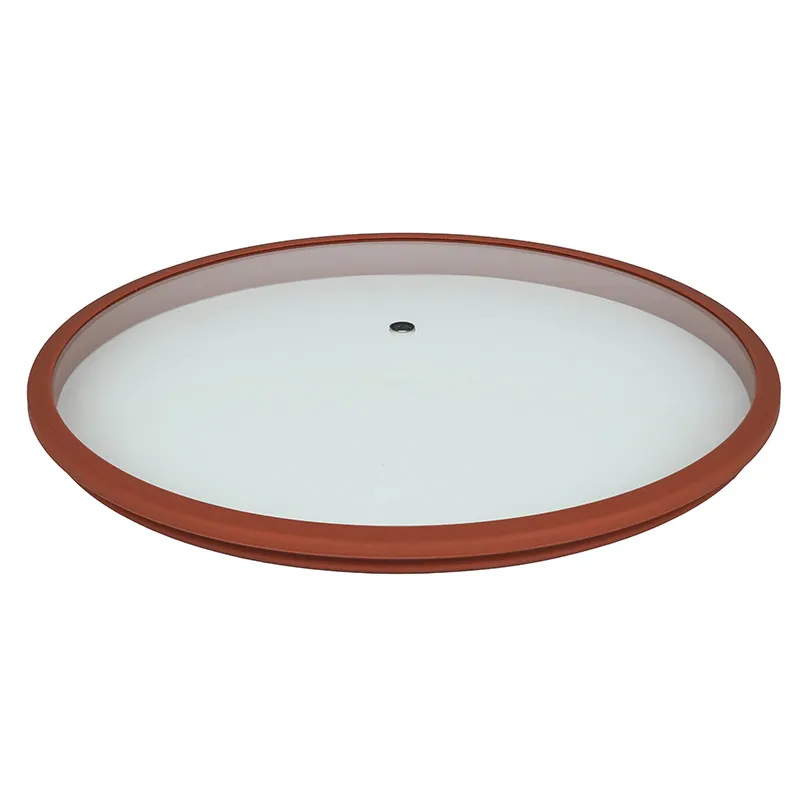
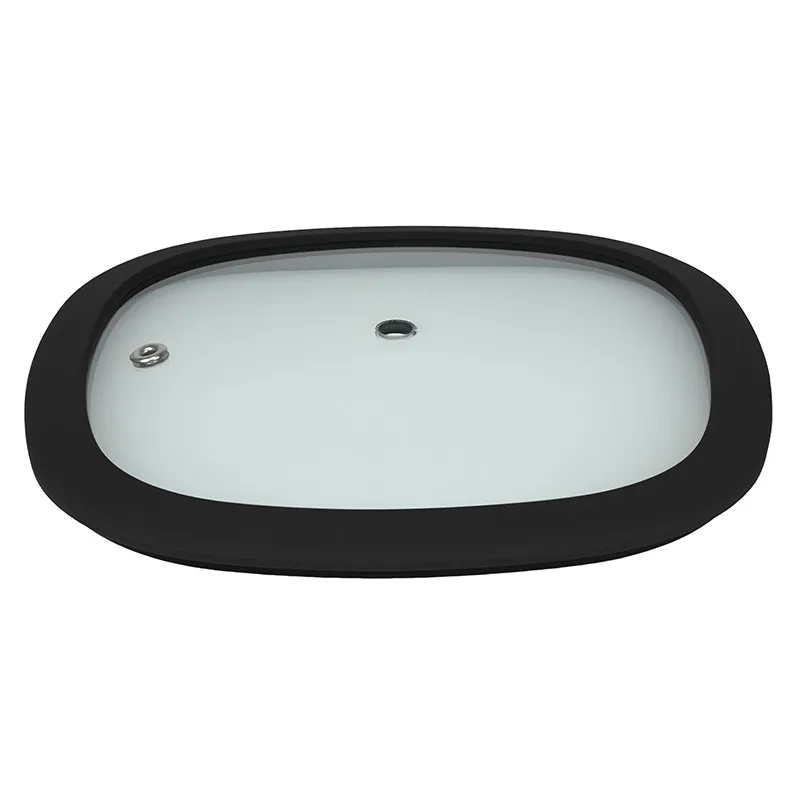
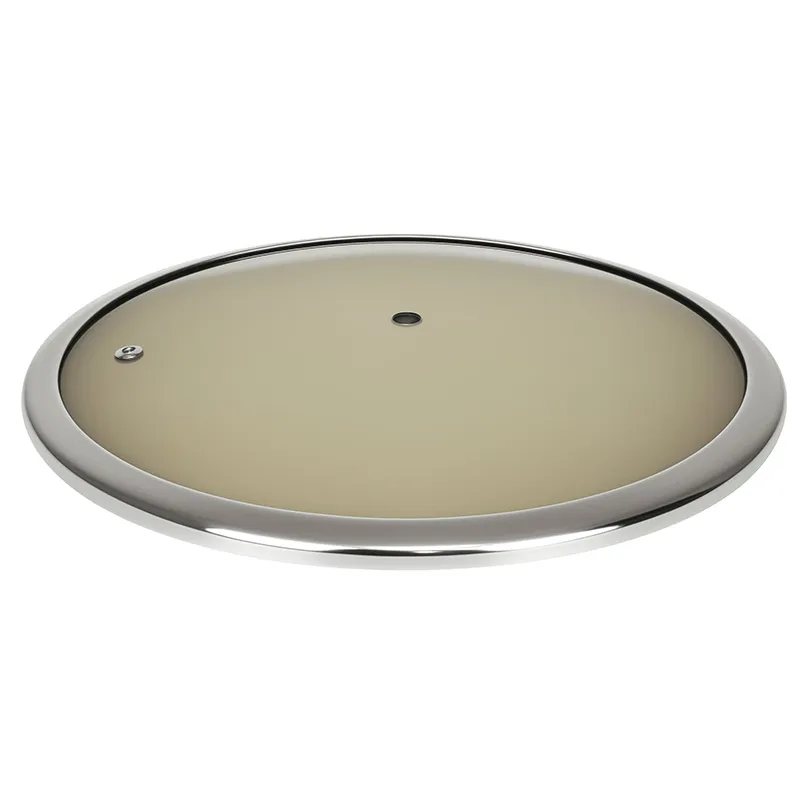
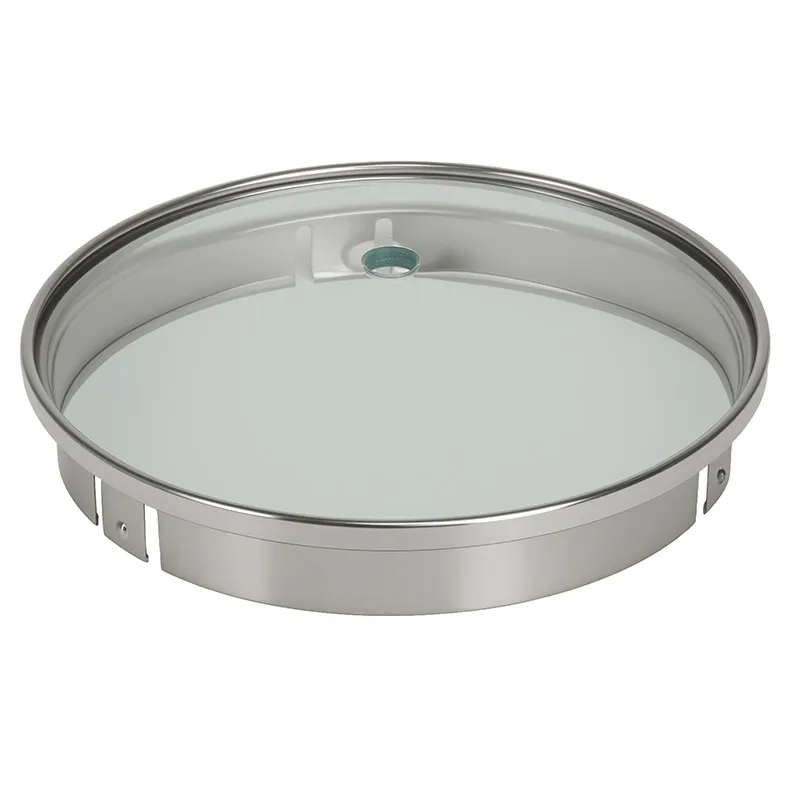
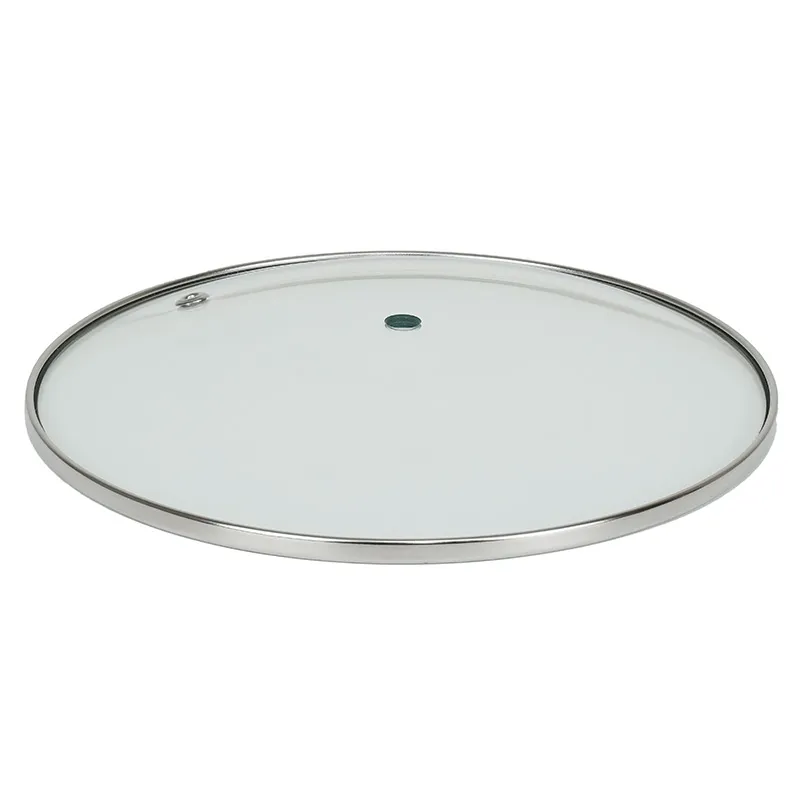
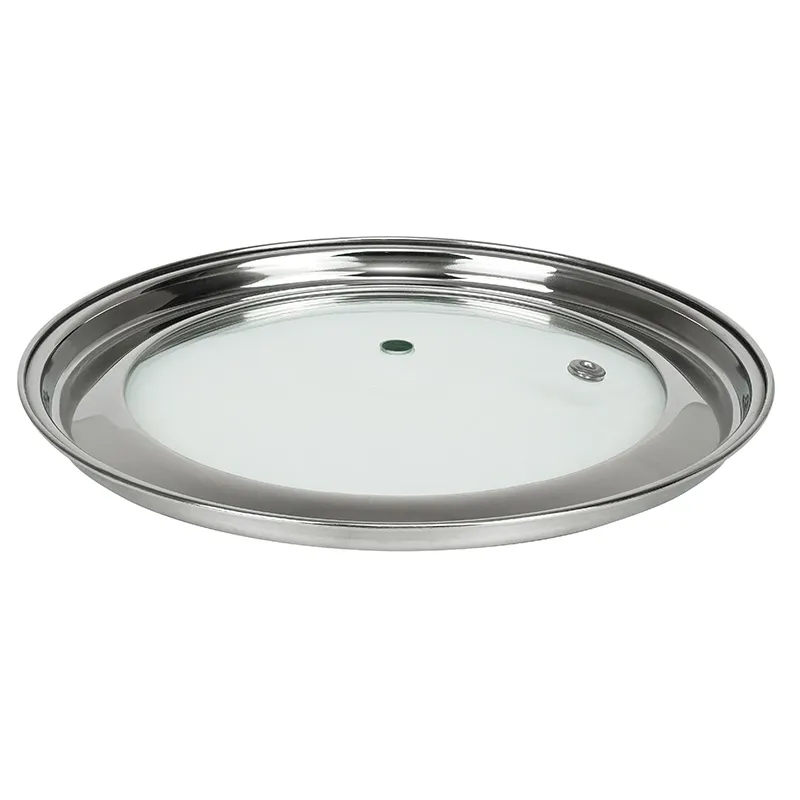
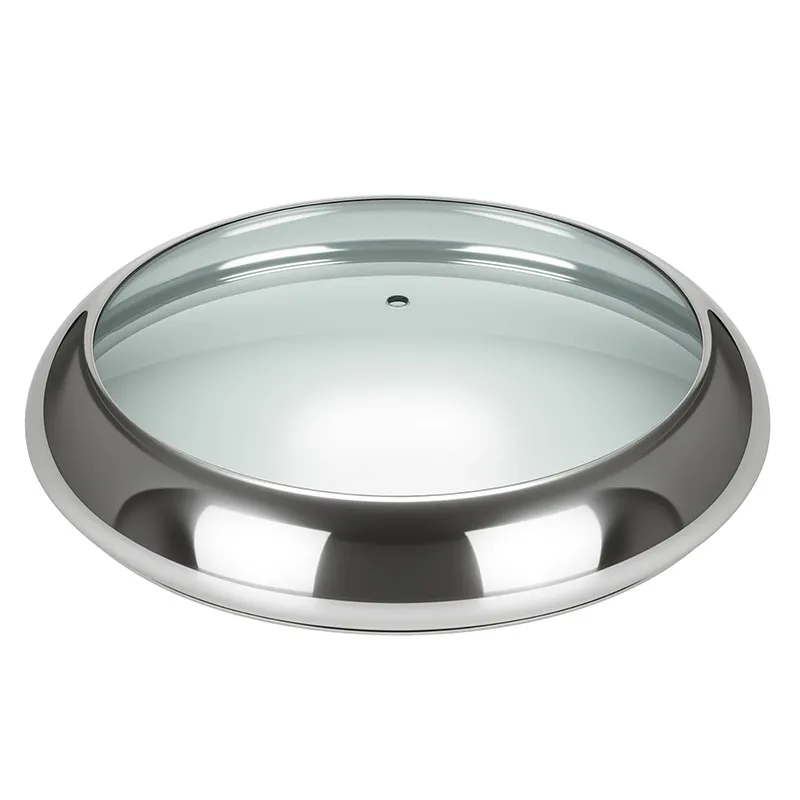
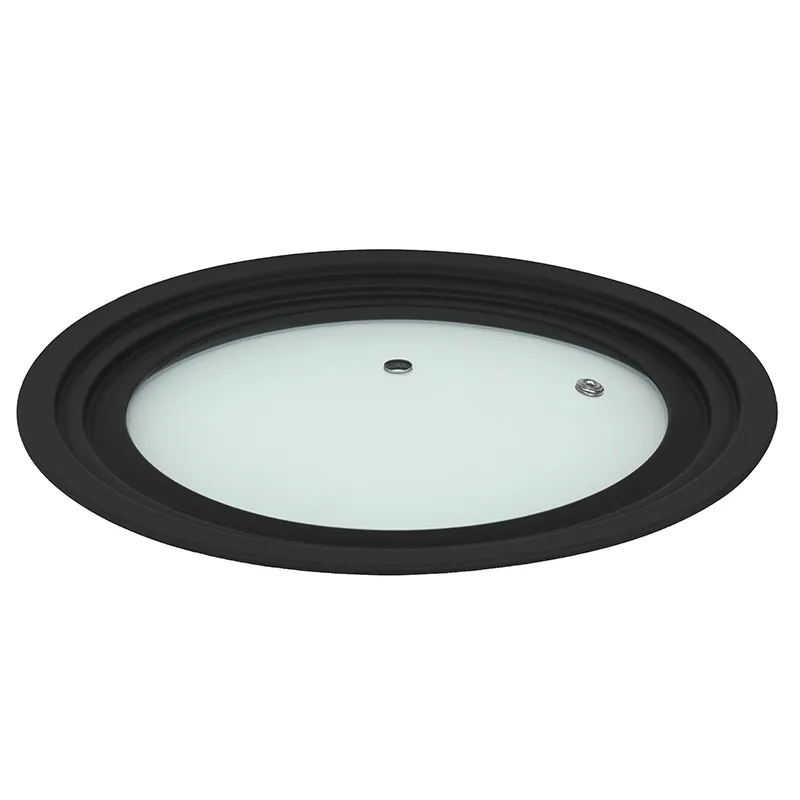
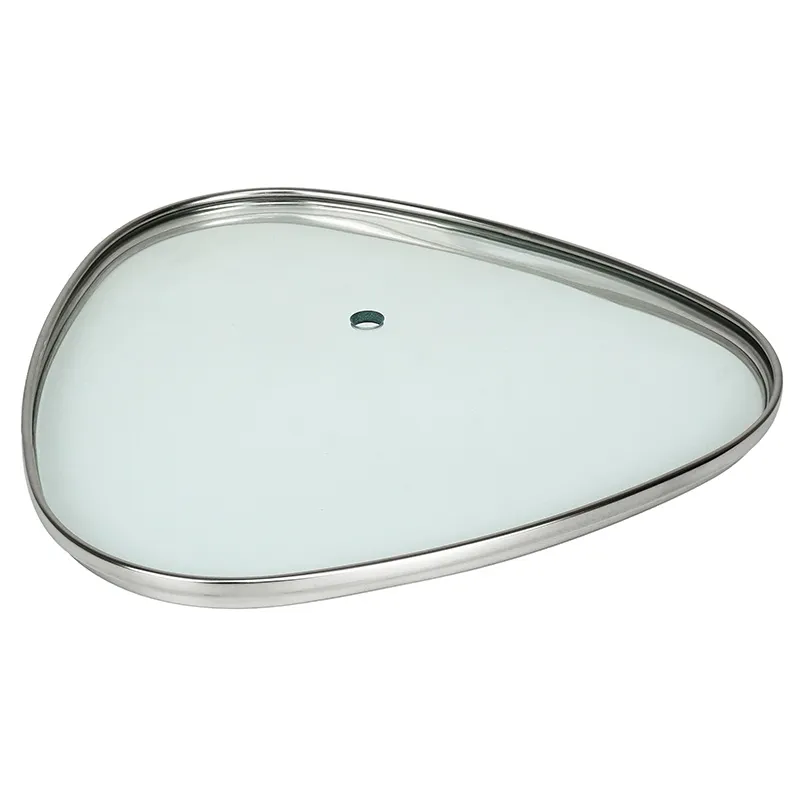
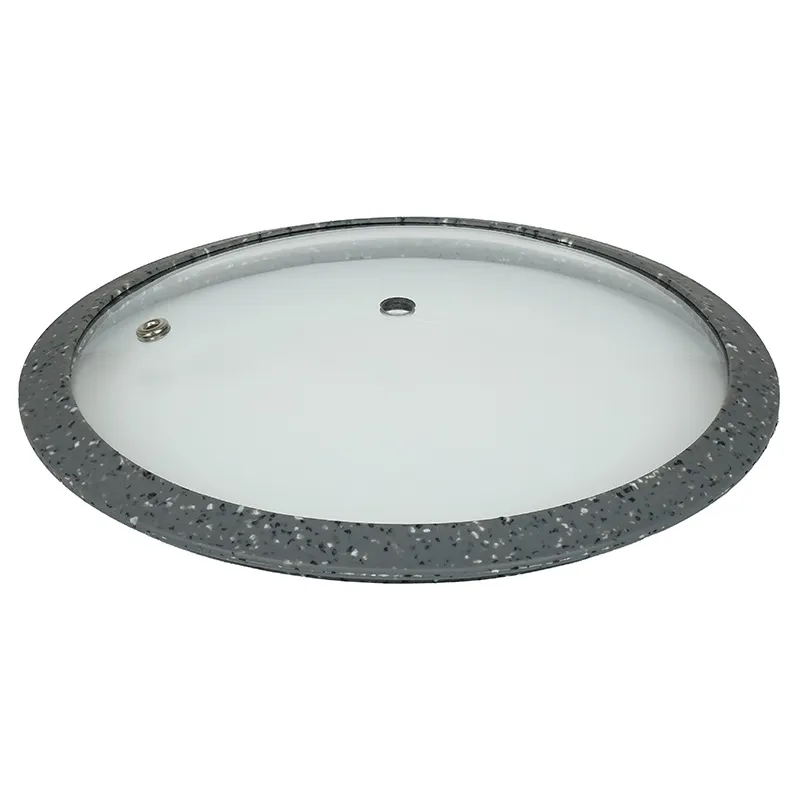
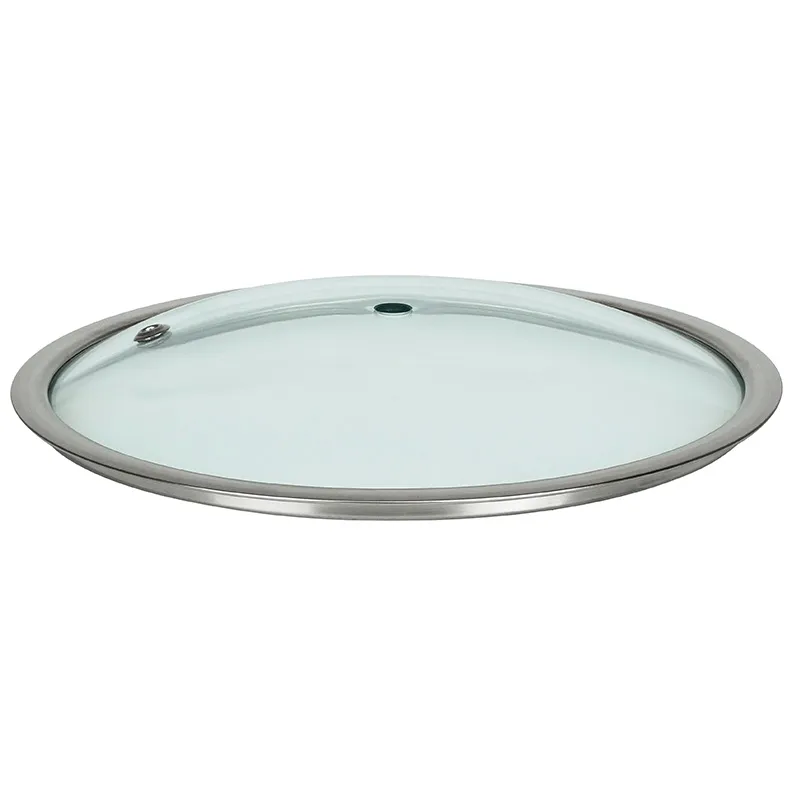
tempered glass lid professional manufacturer
When you hear 'tempered glass lid professional manufacturer', most people, even some buyers, immediately think of specs: thickness, diameter, thermal shock resistance. That's the surface. The real story, the one that determines if a lid sits perfectly on a pot for a decade or chips in a year, happens in the grind of production and the nuance of application. It's not just about making glass hard; it's about understanding how it fails in a real kitchen, not just in a lab test. I've seen too many projects stumble by focusing solely on the certificate, missing the operational intelligence that separates a supplier from a partner.
The Core Misconception: Tempering Equals Invincibility
Let's get this straight first. Tempering gives the glass its safety characteristic—shattering into small, blunt pieces instead of sharp shards. But the process itself is a balancing act. Heat it too fast, cool it too aggressively, and you build in stress points that might pass a basic impact test but will reveal themselves as spontaneous breakage months later, maybe on a retailer's shelf. That's a nightmare. A true professional manufacturer isn't just running glass through a furnace; they're controlling the heating curve and quench pressure with a fanatical attention to detail, often based on the specific composition of the raw glass they're using that week.
I recall a batch for a European client where we kept getting a peculiar fracture pattern near the handle mounting points. The tempering was to spec, but the failure rate was unacceptable. The issue wasn't the tempering cycle per se, but the cut-out design for the handle before the glass went into the furnace. A slight, almost imperceptible micro-crack from the cutting and edging process was being amplified during tempering. We had to re-engineer the drilling and polishing sequence for that specific lid shape. That's the kind of problem-solving you only get from a maker deeply embedded in the process, not just an assembler.
This is where a company's footprint matters. Take EUR-ASIA COOKWARE CO.,LTD. Their setup in Taian, with a 20,000㎡ base, isn't just about scale. It suggests vertical integration—controlling the process from raw glass cutting to final packaging. When you visit a facility like that, you see the flow. The glass sheets aren't sitting around waiting for a third-party tempering service; they move through a controlled environment. That integration is critical for consistency, especially when you're pushing out 15 million pieces a year. You can't achieve that volume and maintain quality with a fragmented, outsourced model.
Export Reality: Meeting Unspoken Standards
Stating that over 90% of products go to markets like Germany, Italy, and Japan is a credential in itself. It's a silent testament to passed audits, met norms, and survived the scrutiny of the world's most demanding kitchenware buyers. The German LGA test or French NF standards aren't just paperwork; they involve brutal repeated thermal shock cycles—from freezer to oven-hot cooktop—and specific impact tests on the rim, the weakest point. A lid might survive a center hit, but a knock on the edge tells the true story of its tempering uniformity.
Working with these markets forces a manufacturer to think beyond the product. It's about packaging that survives cross-continental logistics without a scratch, documentation that tracks every batch, and a quality control system that can isolate a single defective lid from a production run of 50,000. I've been in warehouses where a buyer rejected an entire container because the packaging foam density was different from the approved sample, arguing it increased vibration risk. It seemed extreme, but it underscores the level of detail. A tempered glass lid for these markets isn't a commodity; it's a precision component for the kitchen.
This export focus also shapes material choices. The low- medium- high level range in their portfolio isn't marketing fluff. A lid for a budget line might use a slightly thinner glass or a simpler edge polish, but it still must pass fundamental safety tests. The high-end lines, often destined for European premium brands, might involve custom low-iron glass for exceptional clarity, specialized silicone gaskets for a near-silent seal, or even anti-reflective coatings. The manufacturer has to be fluent in all these grades, knowing which levers to pull for cost and performance.
The Devil in the Details: Handles, Dials, and Gaskets
Here's where you separate the amateurs. The glass is one thing; how you attach everything to it is another. The handle—whether stainless steel, phenolic resin, or silicone—is a thermal bridge and a stress concentrator. The mounting hardware (usually metal bolts or rivets) expands and contracts at a different rate than the glass. A poor design will either crack the glass over time or become loose. I've seen designs where the solution was a simple, flexible silicone washer between the metal bracket and the glass, allowing for differential expansion. It's a tiny part, maybe costing a fraction of a cent, but its omission can doom a product.
Then there's the steam vent or dial. Machining a hole for a stainless steel vent insert is a critical operation. The edge of that hole must be flawlessly smooth and polished before tempering. Any roughness becomes a failure origin point. For a company like EUR-ASIA, with their stated specialization, they likely have dedicated CNC or laser cutting lines set up for these precise cut-outs, which is a significant capital investment that a general glass shop wouldn't make.
The silicone sealing gasket is another unsung hero. It's not just a ring; it's the interface between the rigid glass and the often-imperfect rim of a pot or pan. The compound's food-grade safety, its heat resistance (it sits in a steamy environment), and its durometer (softness) are all critical. A gasket that's too hard won't seal; too soft, and it degrades quickly. A professional manufacturer will have a vetted supplier for these, or even do compounding in-house, and will have test protocols for gasket longevity.
Failure as a Teacher: The Warp Story
You learn more from a failure than a thousand perfect pieces. Early on, we faced an issue with larger lids, say 28cm and above, developing a slight warp after tempering. They'd rock on a flat surface. Technically, they were safe, but they looked and felt unprofessional. The furnace conveyor speed and quench nozzle alignment were tuned for smaller, mass-volume sizes. The larger glass sheets were spending marginally different times in different heat zones. The fix was non-obvious. It wasn't about slowing down the line overall, which would kill throughput, but about installing segmented heating zones and tweaking the quench pressure profile specifically for the large-format batches. It took weeks of trial, error, and shattered glass to map the thermal profile. Now, that knowledge is baked into their process. You can find their large lid offerings on their site at https://www.glass-lid.com, and behind each one is that hard-won calibration.
This is the practical intelligence you want from a partner. Can they tell you why a certain shape is more challenging? Can they advise against a design feature that looks great in CAD but is a reliability nightmare? That comes from having lived through the problems, not just reading a manual.
Another common, often overlooked, failure mode is nick and break. During assembly or packaging, a lid might get a tiny, hairline nick on its edge. It passes final inspection because it's invisible unless you catch the light just right. But in the user's kitchen, that nick becomes a stress riser. One day, a normal temperature change, and it propagates a crack. The solution is twofold: impeccable handling protocols (using separators, foam, no metal-on-glass contact) and a final inspection under angled, high-intensity light. It sounds simple, but enforcing it on a fast-moving line with 90+ employees is a management and culture challenge.
Looking Ahead: The Professional's Niche
So, what does the future hold for a professional manufacturer in this space? It's not about chasing the lowest price. That's a race to the bottom. It's about deepening application expertise. Think of lids for induction cooktops that need to withstand incredible localized heat from below, or lids with integrated sensors for smart cookware. The glass becomes a platform. It requires collaboration with brands from the concept phase, not just taking a drawing and quoting.
A manufacturer with the capacity of EUR-ASIA COOKWARE, with its dedicated production base and export pedigree, is positioned for this. They have the scale to be reliable and the specialization to be precise. The key for a buyer is to probe beyond the catalog. Ask about their biggest quality headache last year and how they solved it. Ask to see their failure analysis reports. The answers will tell you far more about their professional caliber than any spec sheet ever could.
In the end, a tempered glass lid is a deceptively simple product. Its success hinges on a hundred small, correct decisions made by people who understand the material's behavior under fire, literally. The true tempered glass lid professional manufacturer is the one whose experience is etched not just in the glass, but in the process that shapes it.
Related Products
Related Products