- Chinese
- French
- German
- Portuguese
- Spanish
- Russian
- Japanese
- Korean
- Arabic
- Irish
- Greek
- Turkish
- Italian
- Danish
- Romanian
- Indonesian
- Czech
- Afrikaans
- Swedish
- Polish
- Basque
- Catalan
- Esperanto
- Hindi
- Lao
- Albanian
- Amharic
- Armenian
- Azerbaijani
- Belarusian
- Bengali
- Bosnian
- Bulgarian
- Cebuano
- Chichewa
- Corsican
- Croatian
- Dutch
- Estonian
- Filipino
- Finnish
- Frisian
- Galician
- Georgian
- Gujarati
- Haitian
- Hausa
- Hawaiian
- Hebrew
- Hmong
- Hungarian
- Icelandic
- Igbo
- Javanese
- Kannada
- Kazakh
- Khmer
- Kurdish
- Kyrgyz
- Latin
- Latvian
- Lithuanian
- Luxembou..
- Macedonian
- Malagasy
- Malay
- Malayalam
- Maltese
- Maori
- Marathi
- Mongolian
- Burmese
- Nepali
- Norwegian
- Pashto
- Persian
- Punjabi
- Serbian
- Sesotho
- Sinhala
- Slovak
- Slovenian
- Somali
- Samoan
- Scots Gaelic
- Shona
- Sindhi
- Sundanese
- Swahili
- Tajik
- Tamil
- Telugu
- Thai
- Ukrainian
- Urdu
- Uzbek
- Vietnamese
- Welsh
- Xhosa
- Yiddish
- Yoruba
- Zulu
- Kinyarwanda
- Tatar
- Oriya
- Turkmen
- Uyghur


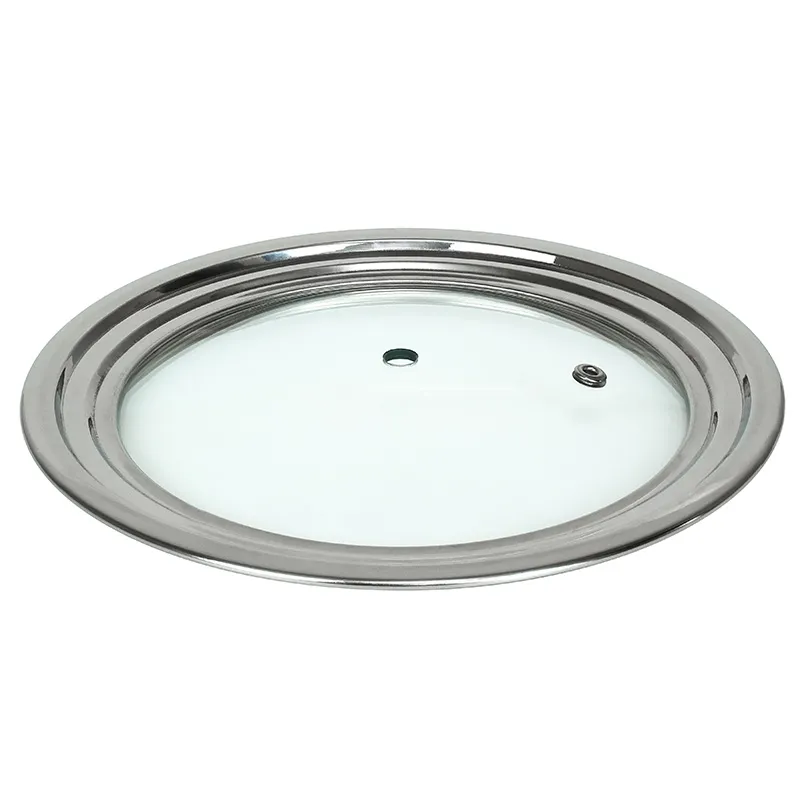
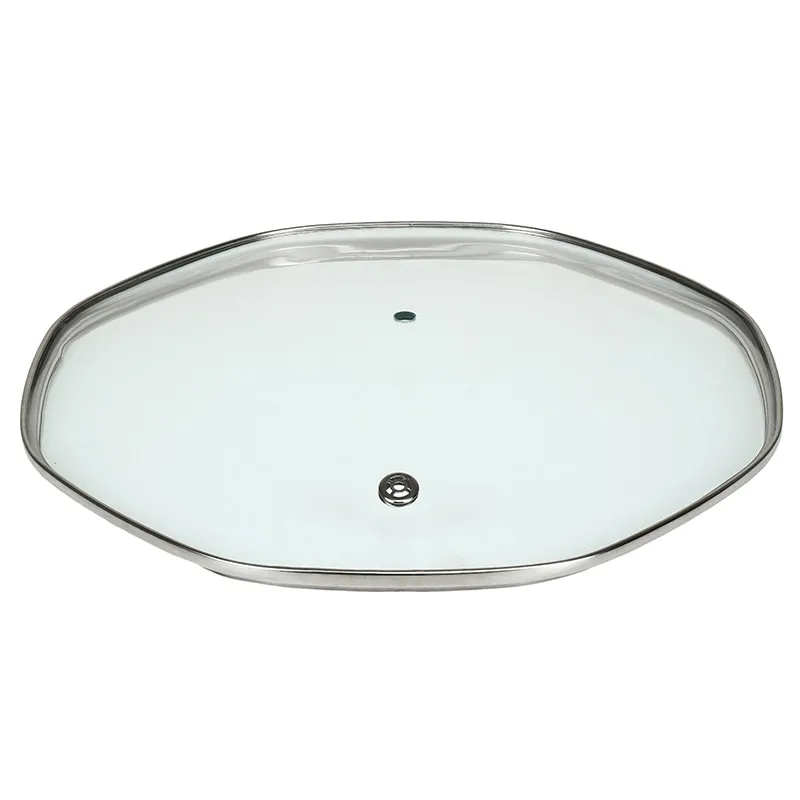
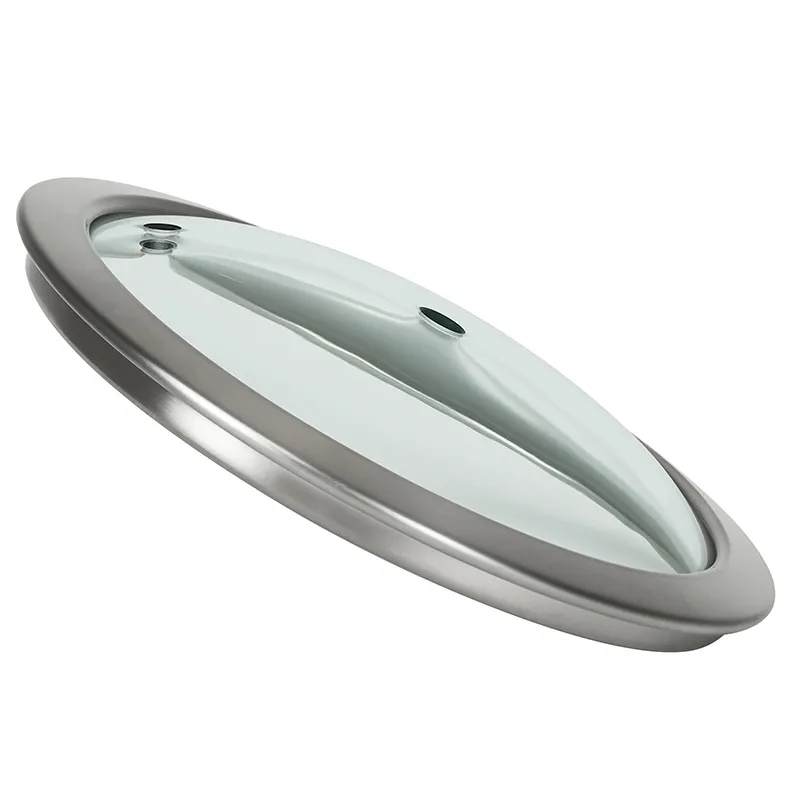
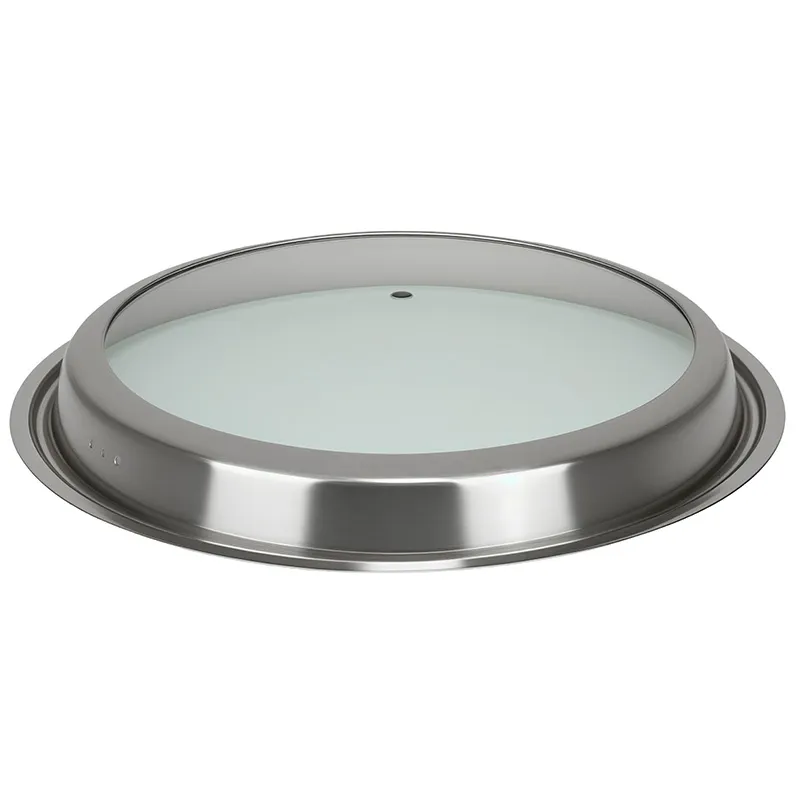
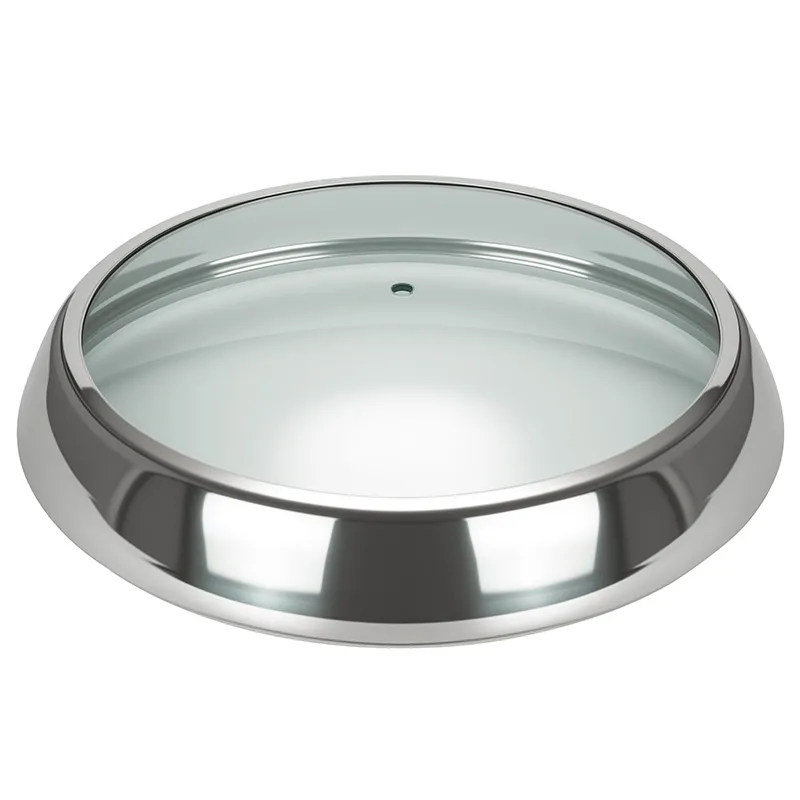
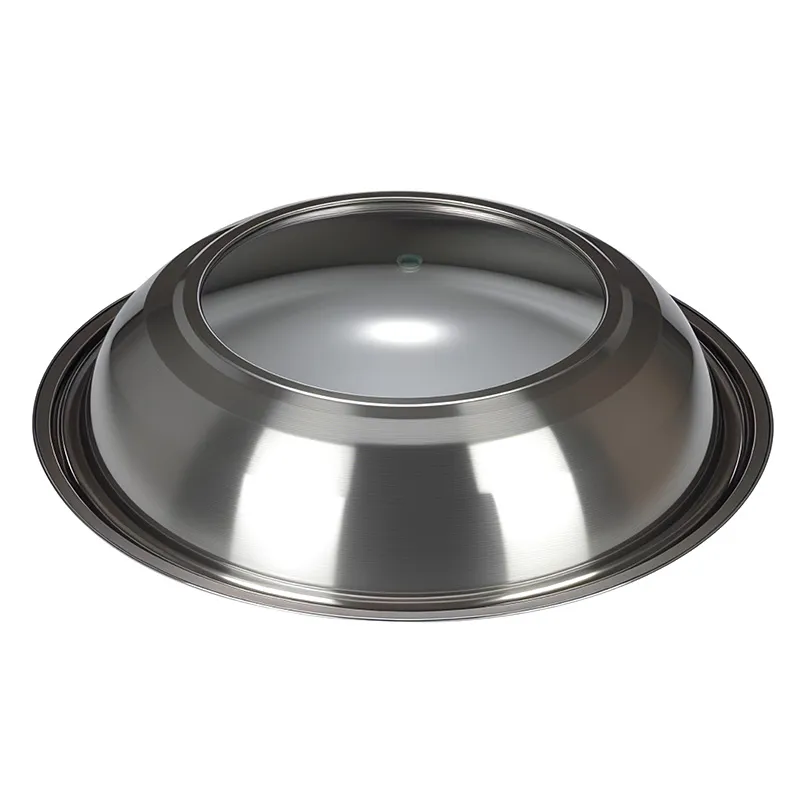
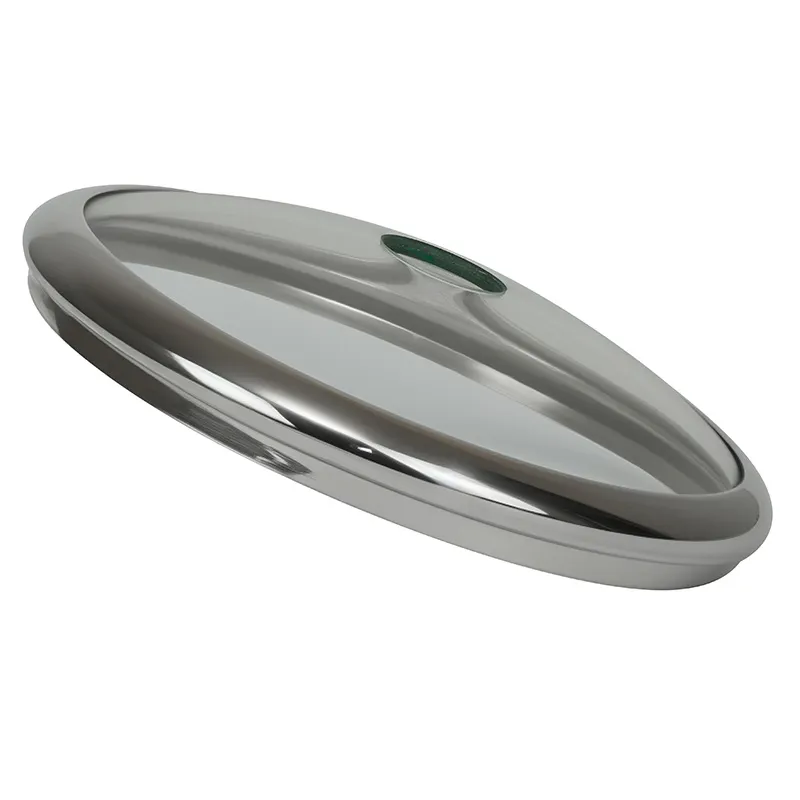
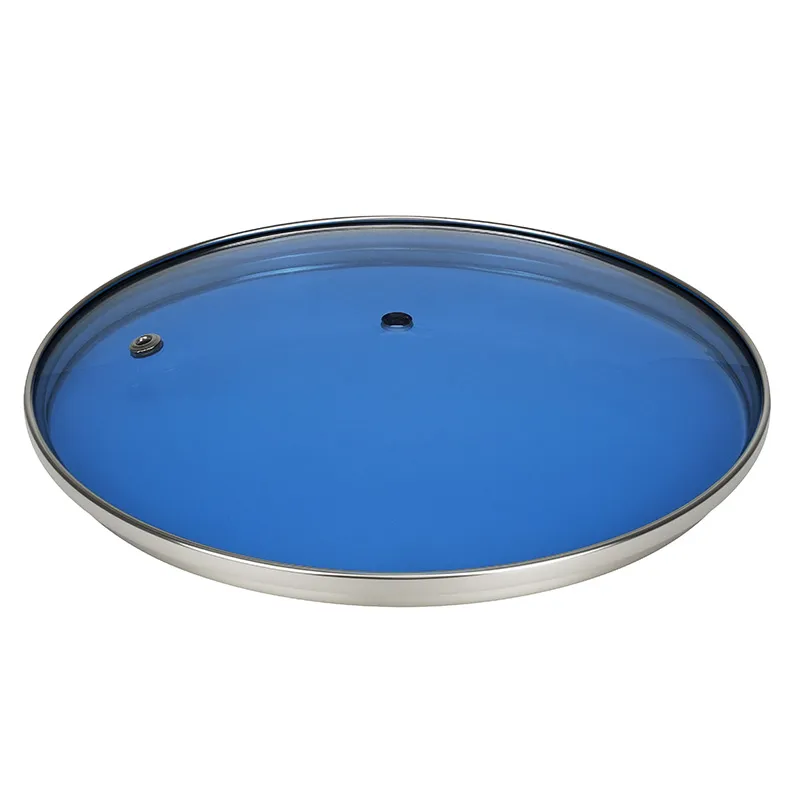
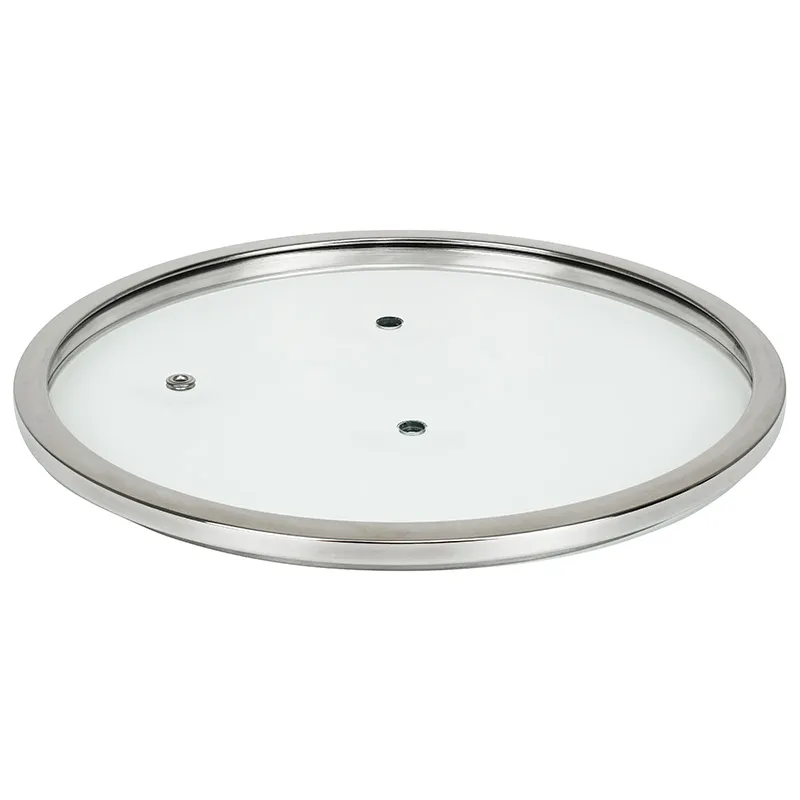
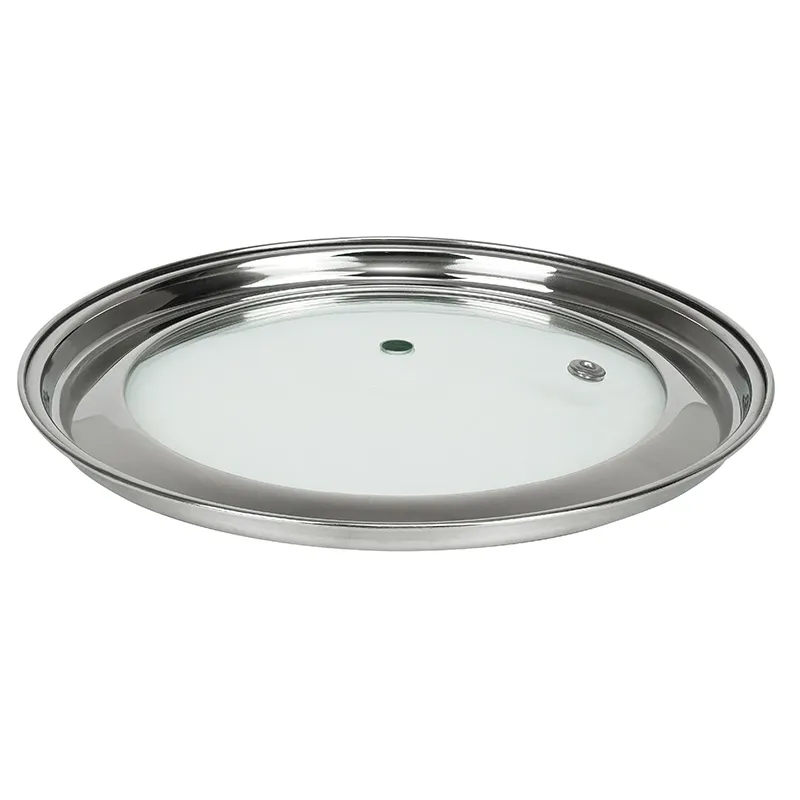
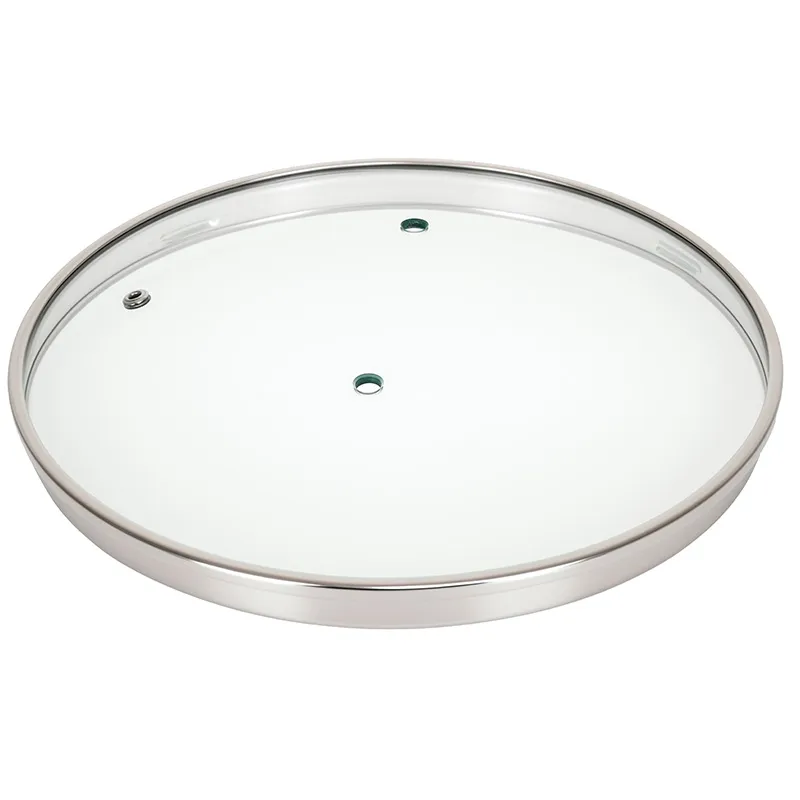
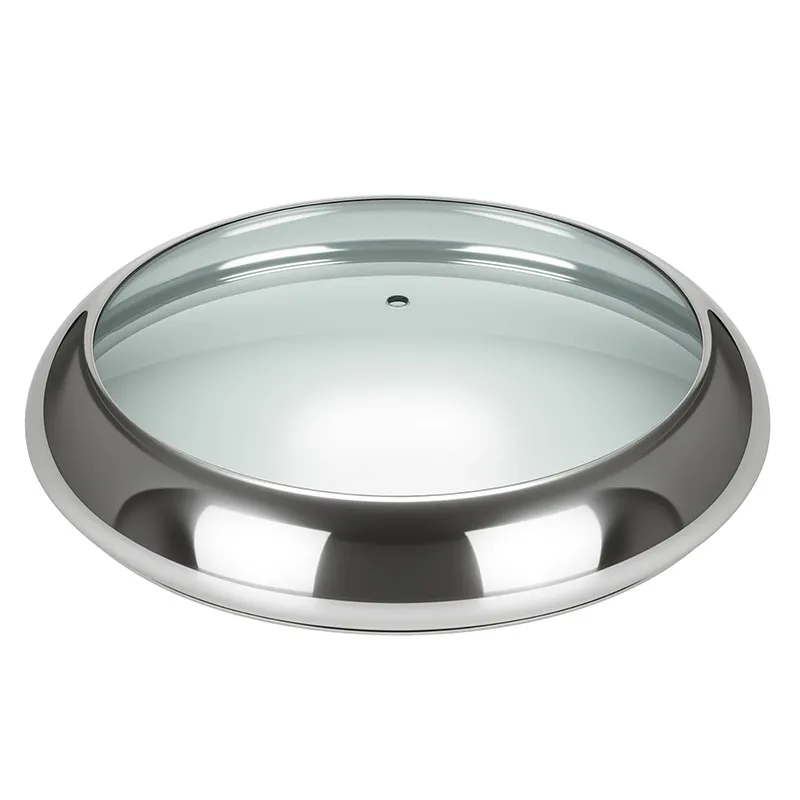
tempered glass lid supplier in China
When you start looking for a tempered glass lid supplier in China, the sheer volume of options can be overwhelming. A common trap many buyers fall into is equating a low price with a viable partnership, without digging into the specifics of tempering standards, edgework quality, and the supplier's real export experience. It's not just about finding someone who makes glass lids; it's about finding one who understands the exacting demands of international kitchenware markets, where a minor defect in the lid's flatness or the silicone gasket's fit can lead to a whole container of returns.
Beyond the Alibaba Profile: What Actually Matters
I've spent years on the ground, visiting factories that claim to be specialists. You learn quickly to look past the glossy catalog photos. The first thing I ask about is their tempering furnace. Is it a horizontal or a vertical one? Horizontal furnaces often handle larger, flatter pieces like tempered glass lid for stockpots more consistently, minimizing optical distortion. A supplier who can't immediately discuss this is a red flag. Then you move to the cold shock test data. The nominal standard is resisting a 300°C temperature differential, but for European buyers, especially in Germany, they often demand proof of a 320°C or higher test. If the supplier's quality control log doesn't have these records, you're taking a risk.
Another detail most overlook is the hole for the knob or handle. Is it drilled before or after tempering? Drilling post-tempering is a complex, costly process that requires specialized equipment. Many cheaper suppliers drill first, then temper, which can create weak stress points around the hole. I've seen shipments where lids shattered precisely from that point during transit due to thermal stress or minor impacts. You need to physically inspect this. A clean, polished hole edge post-tempering is a sign of a higher-tier operation.
This is where a company's stated focus becomes critical. Take EUR-ASIA COOKWARE CO.,LTD, for instance. Their website, glass-lid.com, explicitly states specialization in household glass products and a production base in Shandong's National High-tech Development Zone. The location itself is a clue – these zones often house more regulated, technologically updated facilities. More telling is their claim that over 90% of output is exported to a list of quality-conscious markets like Germany, Italy, and Japan. This isn't a generic glass factory dabbling in lids; it suggests a production line and quality protocols built for export from the ground up. Their annual output of over 15 million pieces also indicates a scale that can handle serious volume, which brings its own set of challenges and assurances.
The Silicone Gasket: The Make-or-Break Component
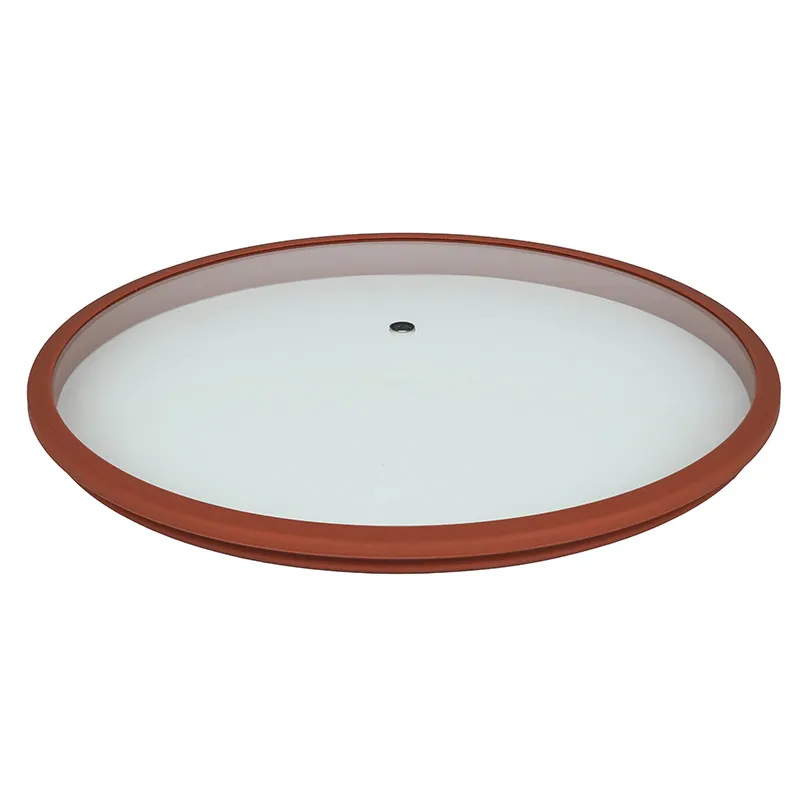
You can have a perfectly tempered lid, but if the silicone seal fails, the product is useless. This is where many tempered glass lid supplier relationships break down. The gasket isn't just a strip of rubber; it's about food-grade certification (FDA, LFGB), durability against oils and high heat, and crucially, the precision of its groove. The groove on the glass edge must be machined to a tolerance that allows the silicone to snap in securely without being so tight it deforms, or so loose it pops out during dishwasher cycles.
I recall a project where we sourced lids from a well-reputed glass factory, but they outsourced the silicone. The lids arrived, and the gaskets had a strong, unpleasant odor that wouldn't wash off – a clear sign of non-compliant materials. We had to air-freight compliant gaskets and manually rework thousands of units, erasing all profit. Now, I always ask: Do you produce the silicone gaskets in-house, or who is your certified partner? A supplier like EUR-ASIA COOKWARE, being a dedicated kitchenware company, is more likely to have integrated this supply chain or have fixed, audited partners, as it's core to their product functionality.
The color matching of silicone to customer specs is another subtle pain point. Pantone colors for silicone can shift during curing. A good supplier will provide physical color plaques cured in their process for approval, not just digital color codes. It's a small step that shows an understanding of the end-to-end process, not just glass cutting.
Logistics and the Fragility Factor
Shipping tempered glass lid products is an art. Even though they're tempered, they're not indestructible, and edge-to-edge contact during sea freight can cause chips or star breaks. The packing method is non-negotiable. Each lid should be individually sleeved in foam or corrugated paper, with cardboard dividers between every unit in the master carton. The carton must be rigid, and the container loading must avoid direct pressure.
We learned this the hard way. One shipment was packed with only a single layer of bubble wrap between lids. The result was a 12% breakage rate upon arrival, all from edge damage. The supplier argued it was force majeure. Now, our technical agreement includes detailed packing specs, and we often request pre-shipment photos of the packed carton. A supplier accustomed to shipping to Europe will already have this down to a science, as European clients are notoriously strict on packaging waste and product arrival condition. The high export percentage of a supplier like EUR-ASIA COOKWARE implies they've likely optimized this process through experience.
Communication and The Sample Gap
This might be the most critical soft factor. The sample gap refers to the difference between a hand-made, perfect pre-production sample and the quality of the first mass production batch. A professional tempered glass lid supplier in China will manage your expectations here. They should be upfront about potential variances in color tint (glass can have a slight green or blue hue based on iron content) or minimal optical distortion in the center of large lids.
I value suppliers who, during sample approval, point out these potential variances themselves. It shows integrity. Communication style is also key. Can they discuss technical issues in clear English (or your language) via email? When you send a marked-up photo of a defect, do they understand exactly which part you're referring to? The ability to navigate technical problem-solving across languages and cultures is what separates a true export partner from a mere manufacturer. A company with long-term exposure to markets like Germany and Japan would have necessarily developed this competency.
Final Thoughts: Building a Relationship, Not Just Placing an Order
Finding the right supplier isn't a transactional search; it's about identifying a potential partner capable of evolving with your needs. It's about their willingness to invest in a new mold for a custom lid shape, or to run a special batch with a unique hole pattern. Their physical footprint, like EUR-ASIA COOKWARE's 20,000㎡ facility and 90+ employees, indicates stability and capacity, which matters for long-term orders.
Don't just get a quote. Ask for their internal QC sheet. Inquire about their last external audit. Discuss their policy on raw material glass – do they use consistent, branded float glass from sources like Xinyi or CSG? This consistency affects the final product's clarity and strength. The goal is to move beyond the keyword tempered glass lid supplier in China and start evaluating based on tangible, operational depth. The right partner feels less like a vendor and more like an extension of your own quality team, albeit one located halfway across the world. That's the only way this business works in the long run.
Related Products
Related Products