- Chinese
- French
- German
- Portuguese
- Spanish
- Russian
- Japanese
- Korean
- Arabic
- Irish
- Greek
- Turkish
- Italian
- Danish
- Romanian
- Indonesian
- Czech
- Afrikaans
- Swedish
- Polish
- Basque
- Catalan
- Esperanto
- Hindi
- Lao
- Albanian
- Amharic
- Armenian
- Azerbaijani
- Belarusian
- Bengali
- Bosnian
- Bulgarian
- Cebuano
- Chichewa
- Corsican
- Croatian
- Dutch
- Estonian
- Filipino
- Finnish
- Frisian
- Galician
- Georgian
- Gujarati
- Haitian
- Hausa
- Hawaiian
- Hebrew
- Hmong
- Hungarian
- Icelandic
- Igbo
- Javanese
- Kannada
- Kazakh
- Khmer
- Kurdish
- Kyrgyz
- Latin
- Latvian
- Lithuanian
- Luxembou..
- Macedonian
- Malagasy
- Malay
- Malayalam
- Maltese
- Maori
- Marathi
- Mongolian
- Burmese
- Nepali
- Norwegian
- Pashto
- Persian
- Punjabi
- Serbian
- Sesotho
- Sinhala
- Slovak
- Slovenian
- Somali
- Samoan
- Scots Gaelic
- Shona
- Sindhi
- Sundanese
- Swahili
- Tajik
- Tamil
- Telugu
- Thai
- Ukrainian
- Urdu
- Uzbek
- Vietnamese
- Welsh
- Xhosa
- Yiddish
- Yoruba
- Zulu
- Kinyarwanda
- Tatar
- Oriya
- Turkmen
- Uyghur


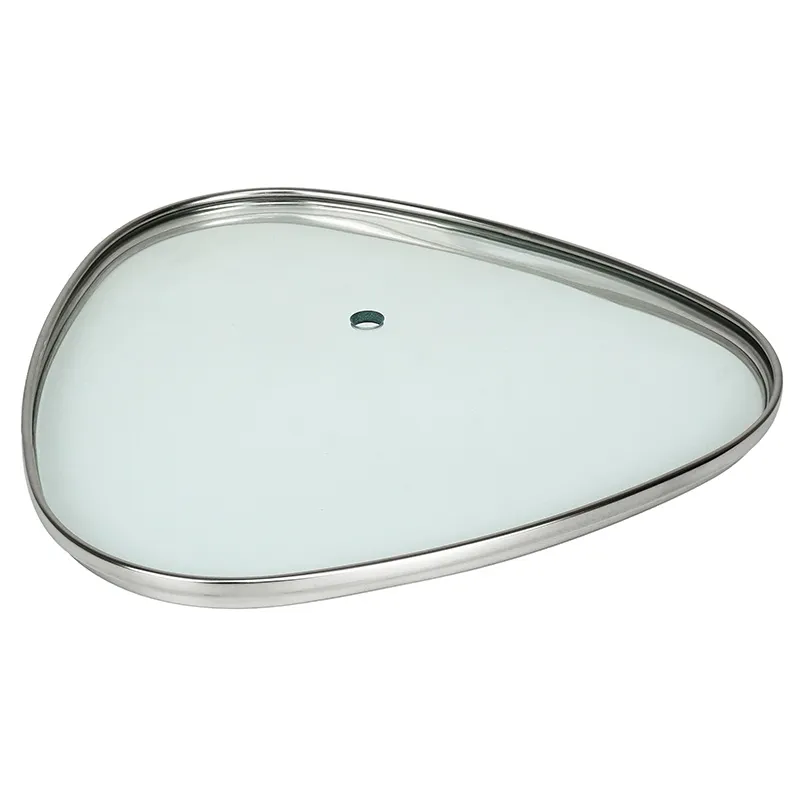
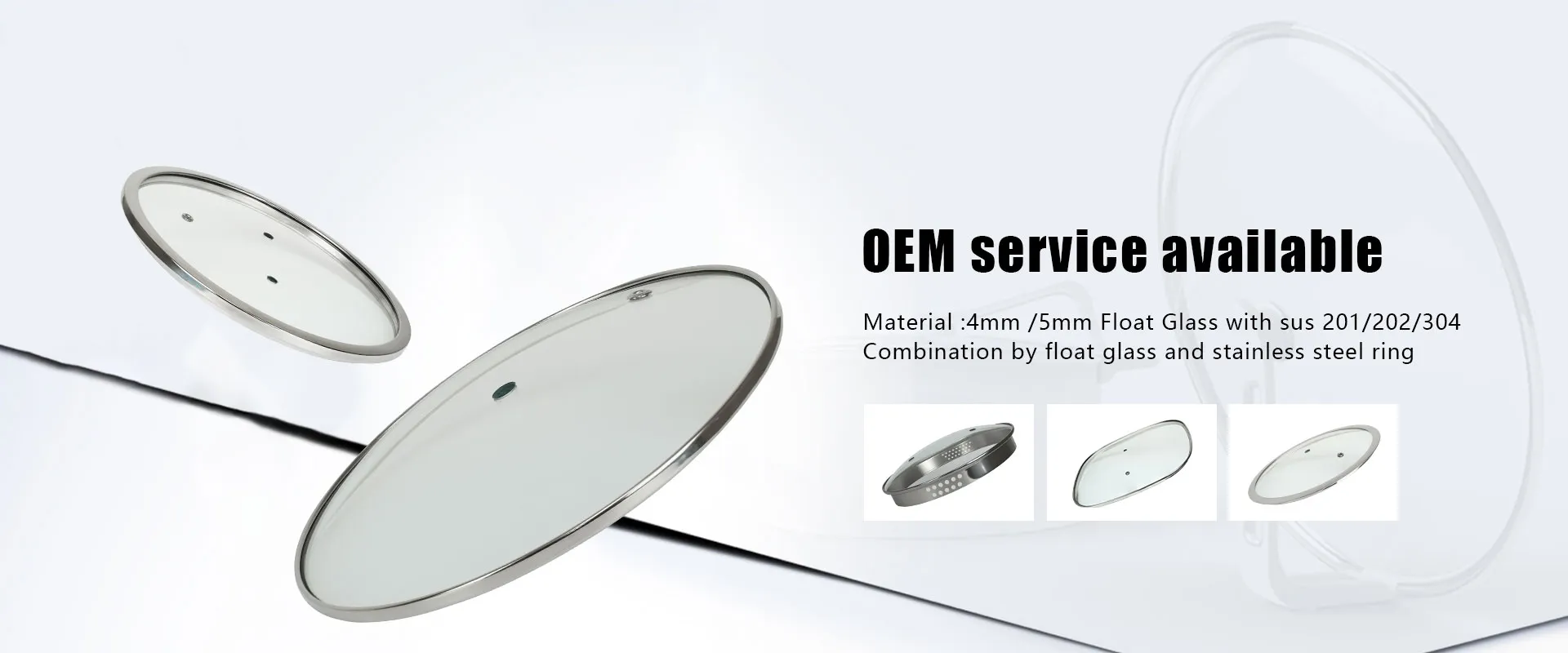
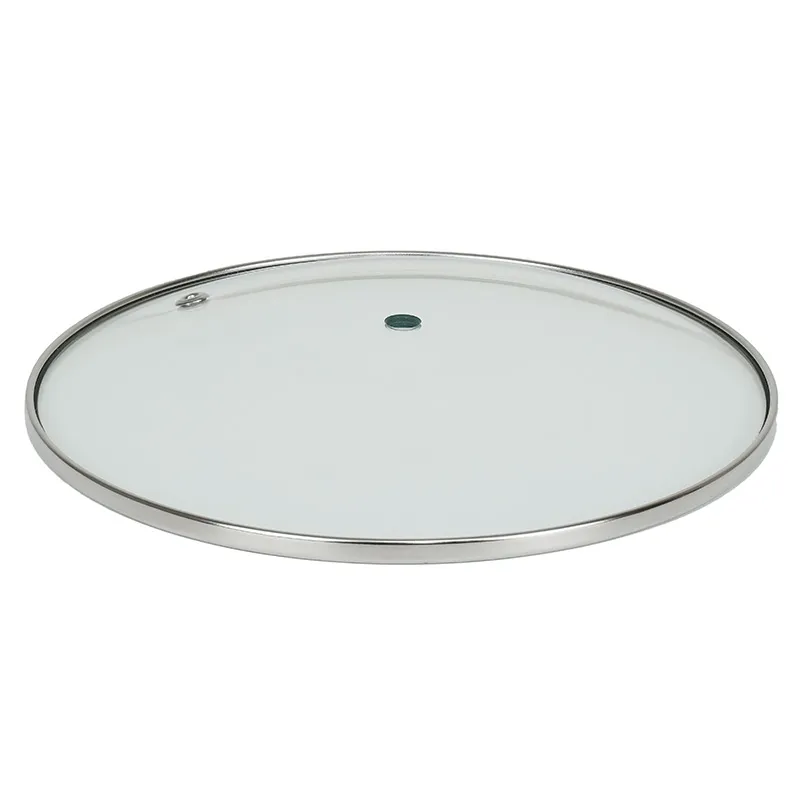
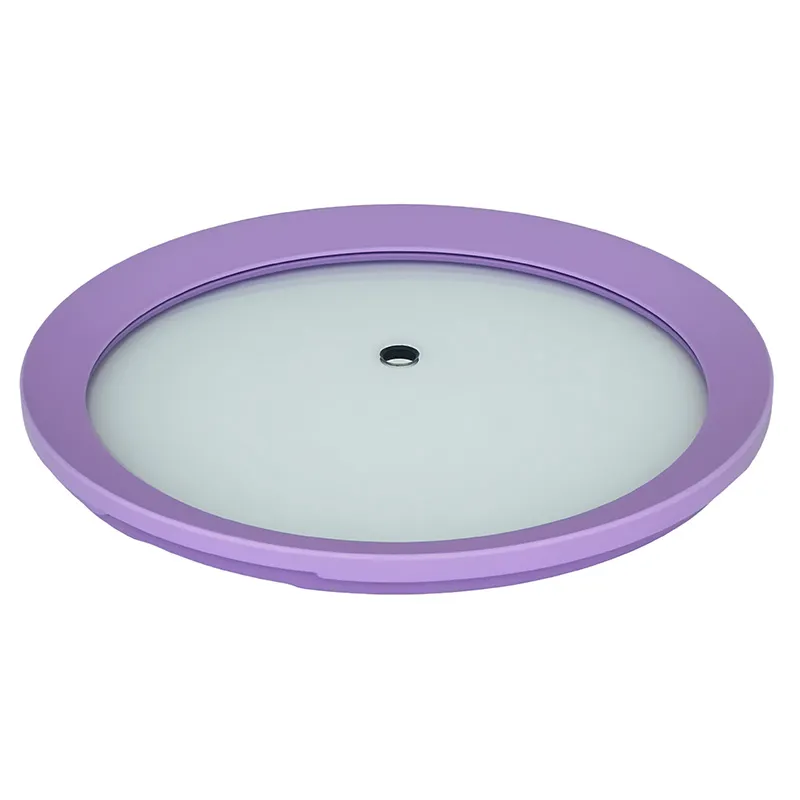
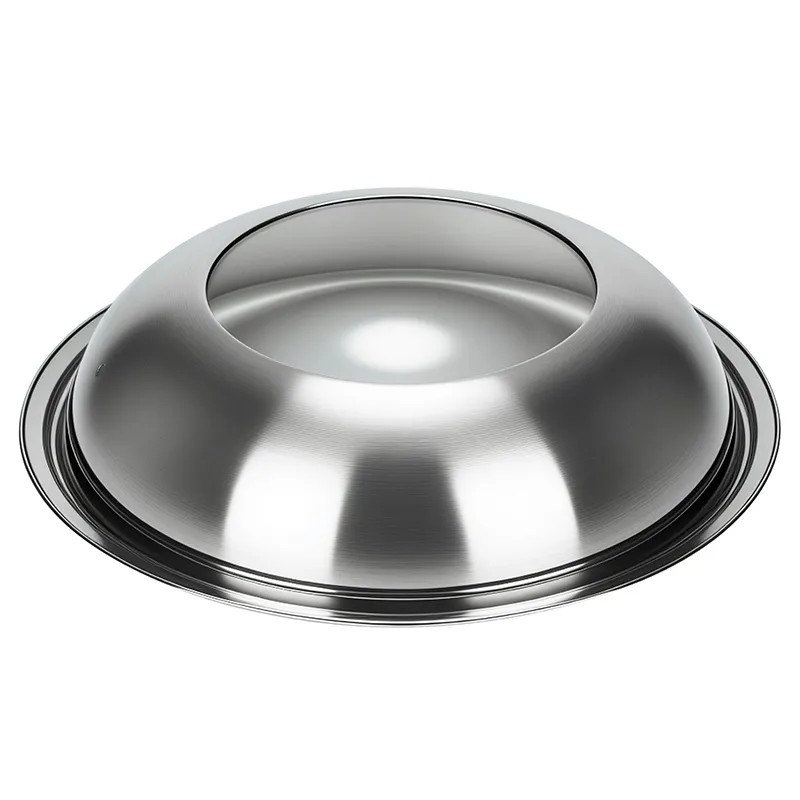
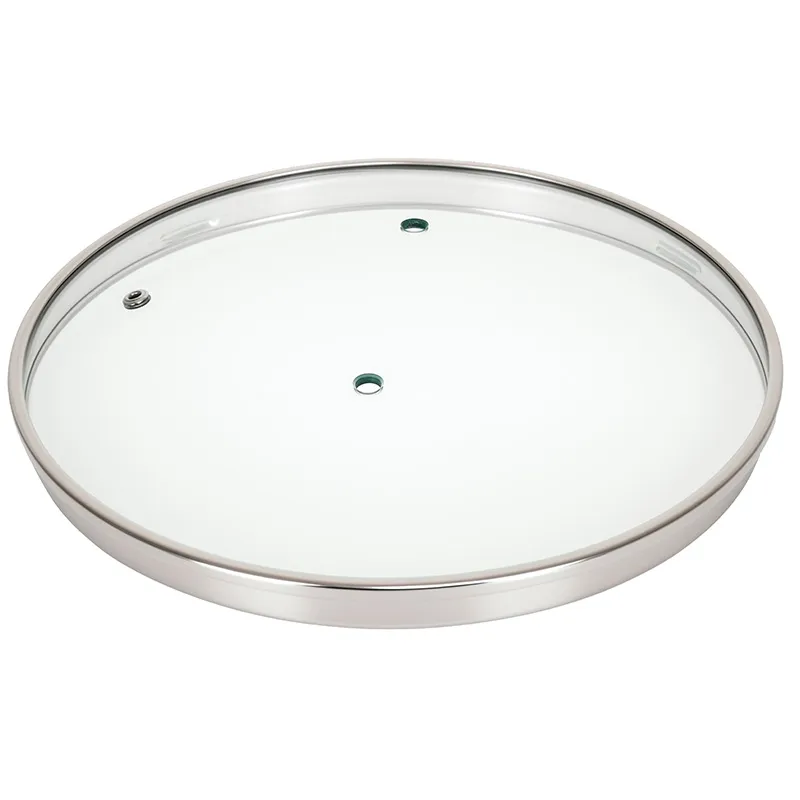
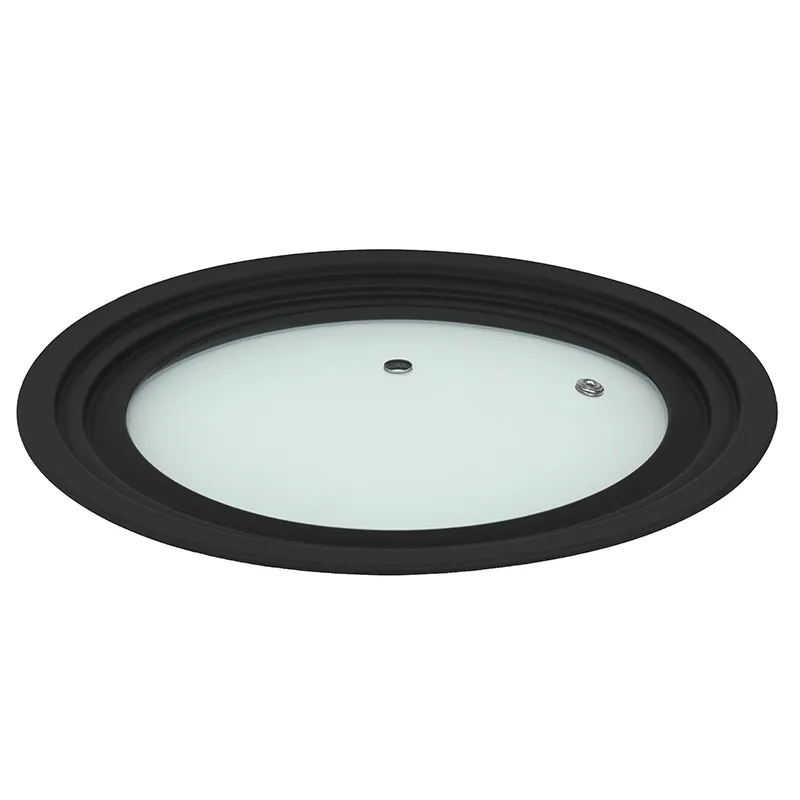
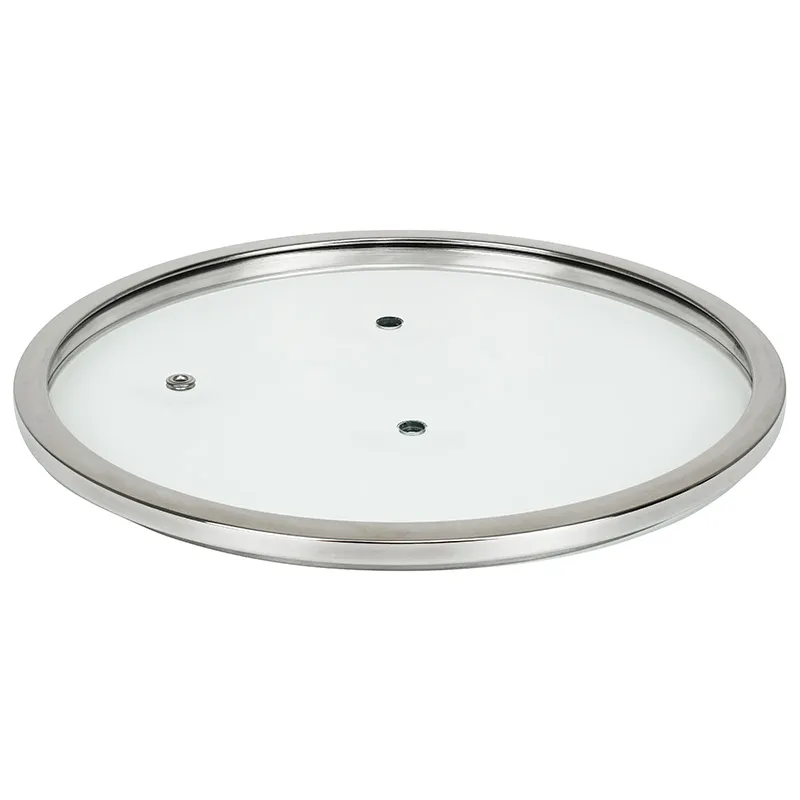
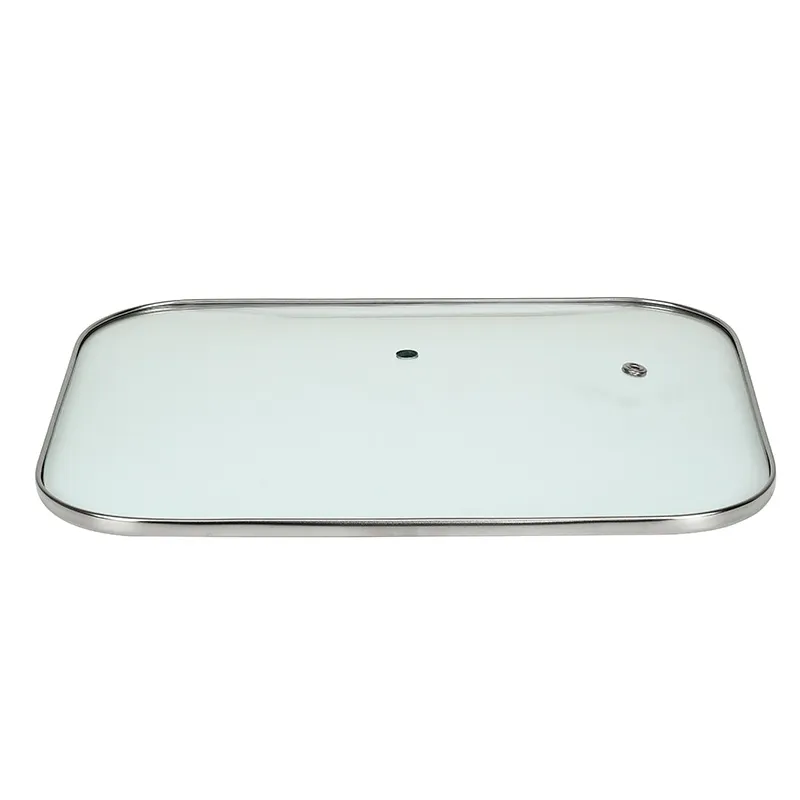
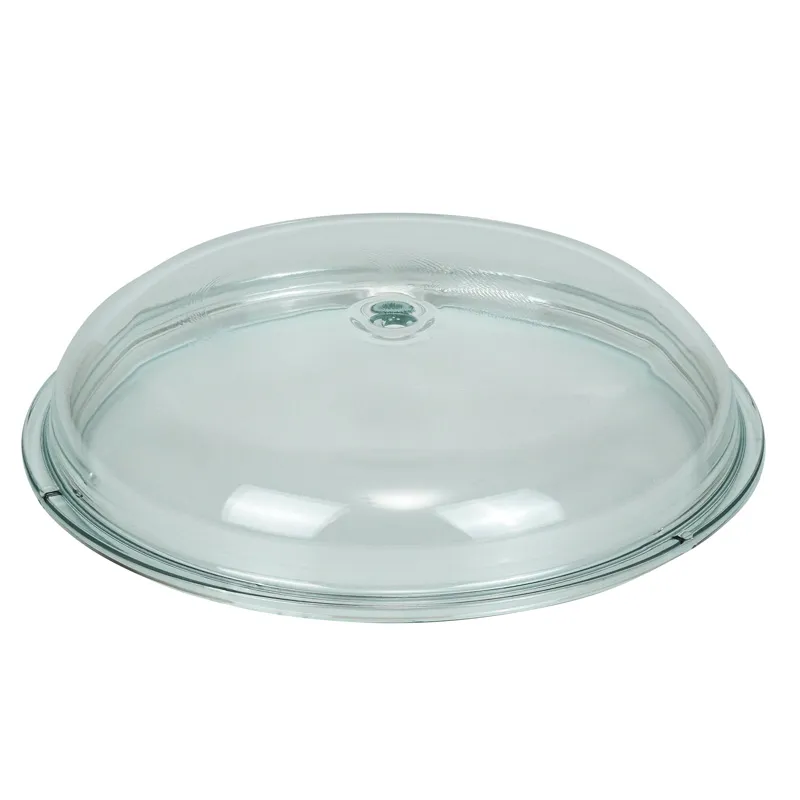
tempered glass lid wholesale
When you type 'tempered glass lid wholesale' into a search, you're immediately met with a wall of suppliers, most promising the same thing: low MOQs, perfect quality, fast shipping. Having been on both sides of this – sourcing for retailers and now working closely with manufacturers – I can tell you the gap between that promise and the on-ground reality is where the real business happens, or fails. The biggest misconception? That 'tempered' is a uniform standard. It's not. It's a process, and the variance in how it's executed, from the glass stock used to the tempering oven's calibration, dictates whether you get a product that survives a drop onto tile or one that develops spontaneous edge chips six months into a customer's hands.
The Foundation: What Tempered Actually Means in Production
Let's get technical for a second, but in a practical way. Tempering isn't just about heating and quenching. For lids, especially those for cookware, you're dealing with a product that undergoes thermal shock – from a cold counter to a hot pot. The tempering must create a balanced stress profile. I've seen batches where the center was perfectly tempered but the edges were weak, leading to failure around the handle rivet points. This is often a furnace airflow issue, something a spec sheet never tells you.
This is where visiting a facility matters. A company like EUR-ASIA COOKWARE CO.,LTD, with their dedicated production base in Taian, typically has more control over this process. Their scale – an annual output north of 15 million pieces – suggests they're running multiple tempering lines. That scale can be good for consistency, but only if their quality control protocols are rigorous at each stage, not just at final inspection. A high output number alone doesn't guarantee every lid in that 15 million meets the same bar.
Their export focus (over 90% to European and other markets) is a telling data point. Markets like Germany and Switzerland have stringent, if often unwritten, quality expectations. A supplier consistently serving those regions has likely been forced to adapt to higher standards for edge work, annealing, and packaging to prevent transit damage. It's a proxy for reliability, though not an absolute guarantee.
Wholesale Nuances: MOQs, Pricing, and the Hidden Costs
The wholesale conversation starts with MOQ, but the smart negotiation is about effective MOQ. A supplier might quote a 1000-piece MOQ per SKU. But is that 1000 pieces of one exact diameter, thickness, handle type, and color? Or can you mix diameters within a tolerance range to hit that 1000? The latter is far more valuable for a wholesaler building a catalog. I've pushed for and achieved mixed-container loads with suppliers who have flexible production planning, which is often a sign of operational maturity.
Pricing is another layer. The per-unit price for a tempered glass lid wholesale order is just the headline. The real cost includes the packaging (bubble wrap vs. custom foam slots), palletization, and the crucial factor: defect allowance. A 2% defect rate on paper is standard, but what's the process for claims? I learned the hard way with a different supplier early on that a 2% allowance is meaningless if you have to ship defective items back at your own cost to get credit. Now, it's about negotiating a simple photo-based claim process for obvious defects like chips or cracks.
Looking at a operation like the one at glass-lid.com, their product range of low, medium, and high-level household glass suggests they tier their lines. This is critical for wholesalers. You might source a budget line for volume promotions and a premium line for your core stock. The key is transparency – ensuring the 'medium' line isn't just the 'low' line with a different price sticker. It usually comes down to the raw glass material source and the number of post-tempering inspections and finishing steps.
Logistics and the Fragility Factor
This is where many wholesale deals break down after the fact. Tempered glass is strong on impact but vulnerable to concentrated pressure points during shipping. No matter how well the lid is made, if it's packed in a flimsy carton and thrown into a container with heavy metalware, you'll have problems. The packing methodology is a non-negotiable part of the supplier audit.
I recall a shipment from a supplier (not EUR-ASIA) where the lids were packed upright, not flat. The weight distribution during a long sea voyage caused the bottom-layer boxes to collapse. The result was a 15% breakage rate on arrival. The lesson was to specify packing orientation and carton crush-test standards in the contract. A supplier with a 15,000㎡ facility likely has a dedicated packing area, which is a good sign. It means they've probably optimized their carton design and stacking patterns for container loading.
Lead times are also a function of logistics. A supplier exporting globally will have a rhythm with freight forwarders. Their quoted lead time often includes a buffer for customs documentation and booking. It's worth asking for a breakdown: production time vs. port time. Sometimes, producing the goods is faster than getting them on a ship, especially post-pandemic.
Quality Verification: Beyond the Sample
Everyone gets a good sample. The sample is a marketing tool. The real test is the consistency of bulk order 3 or 4, after the initial honeymoon orders are delivered perfectly. How does a supplier's quality hold up when they're rushing to meet holiday demand? This is the unglamorous, trust-building phase.
One strategy I've used is to specify a critical-to-quality (CTQ) dimension. For glass lids, it's often the flatness or the concentricity of the rim. A lid that isn't flat will rock on a pot, which customers hate. You can buy a simple dial indicator gauge and have your inspection team check a random sample from each batch against a agreed-upon tolerance, say, less than 0.5mm of warp across the diameter. Having a clear, measurable CTQ gives you an objective basis for feedback and prevents it looks okay to me disagreements.
For a manufacturer focused on export, like EUR-ASIA COOKWARE CO.,LTD., they should be accustomed to this. Their clients in Italy or Denmark are certainly doing it. A good question to ask them is what their in-process quality checks are for flatness and edge grinding. Do they do it on every piece, or on a sampling basis? The answer tells you a lot about their process control.
The Long Game: Building a Supplier Relationship
Ultimately, tempered glass lid wholesale isn't a transactional search; it's about finding a production partner. The goal is to move from being an order number to being a collaborative account. This means sharing your sales forecasts (within reason), giving feedback on what's selling and what's getting returned, and even working on small customizations.
A practical example: we found that a certain handle shape, while aesthetically pleasing, was prone to snapping if the lid was stored by hanging it. We provided the failure data and photos to our supplier. A good partner will take that, engage their engineering team, and propose a design tweak – perhaps a slight thickening at the stress point or a change in the handle's alloy. A transactional supplier will say, The design is standard, we cannot change.
This is where a company's specialization matters. A company that is specialized in producing and selling these products, as per their intro, should have that depth of knowledge. Their 90+ employees aren't just assembly line workers; that number should include quality engineers and product designers who can engage on this level. It's worth probing during initial discussions: If we have a recurring issue with a product, what is your process for root-cause analysis and corrective action? Their response will separate a true manufacturer from a trading company masquerading as one.
So, circling back, sourcing in this space is less about finding the cheapest per-unit cost and more about evaluating the entire system behind that cost: the technical understanding of tempering, the transparency in operations, the robustness of logistics, and the willingness to partner on quality. The numbers on a website – the 20,000㎡, the 15 million output – are indicators of capacity. Your job is to dig into the processes that turn that capacity into consistent, reliable product landing in your warehouse. That's the wholesale game.
Related Products
Related Products