- Chinese
- French
- German
- Portuguese
- Spanish
- Russian
- Japanese
- Korean
- Arabic
- Irish
- Greek
- Turkish
- Italian
- Danish
- Romanian
- Indonesian
- Czech
- Afrikaans
- Swedish
- Polish
- Basque
- Catalan
- Esperanto
- Hindi
- Lao
- Albanian
- Amharic
- Armenian
- Azerbaijani
- Belarusian
- Bengali
- Bosnian
- Bulgarian
- Cebuano
- Chichewa
- Corsican
- Croatian
- Dutch
- Estonian
- Filipino
- Finnish
- Frisian
- Galician
- Georgian
- Gujarati
- Haitian
- Hausa
- Hawaiian
- Hebrew
- Hmong
- Hungarian
- Icelandic
- Igbo
- Javanese
- Kannada
- Kazakh
- Khmer
- Kurdish
- Kyrgyz
- Latin
- Latvian
- Lithuanian
- Luxembou..
- Macedonian
- Malagasy
- Malay
- Malayalam
- Maltese
- Maori
- Marathi
- Mongolian
- Burmese
- Nepali
- Norwegian
- Pashto
- Persian
- Punjabi
- Serbian
- Sesotho
- Sinhala
- Slovak
- Slovenian
- Somali
- Samoan
- Scots Gaelic
- Shona
- Sindhi
- Sundanese
- Swahili
- Tajik
- Tamil
- Telugu
- Thai
- Ukrainian
- Urdu
- Uzbek
- Vietnamese
- Welsh
- Xhosa
- Yiddish
- Yoruba
- Zulu
- Kinyarwanda
- Tatar
- Oriya
- Turkmen
- Uyghur

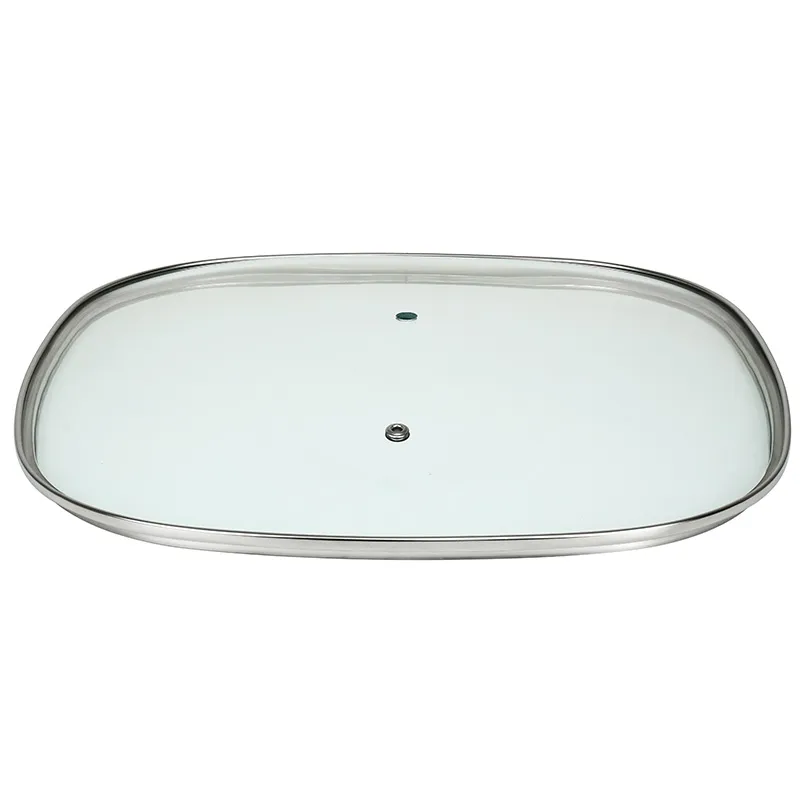
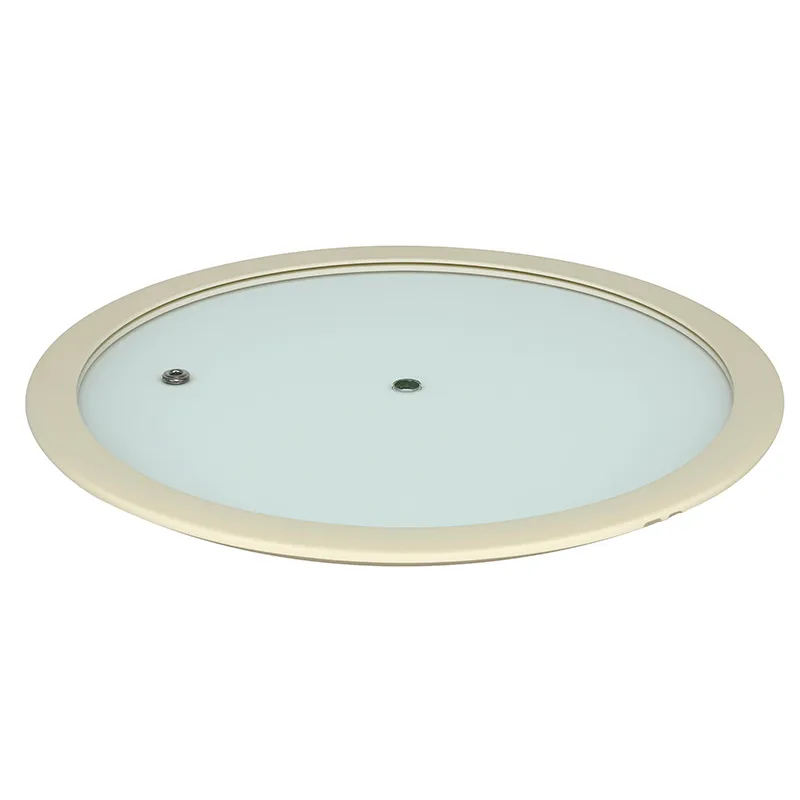
tempered glass lid wholesaler
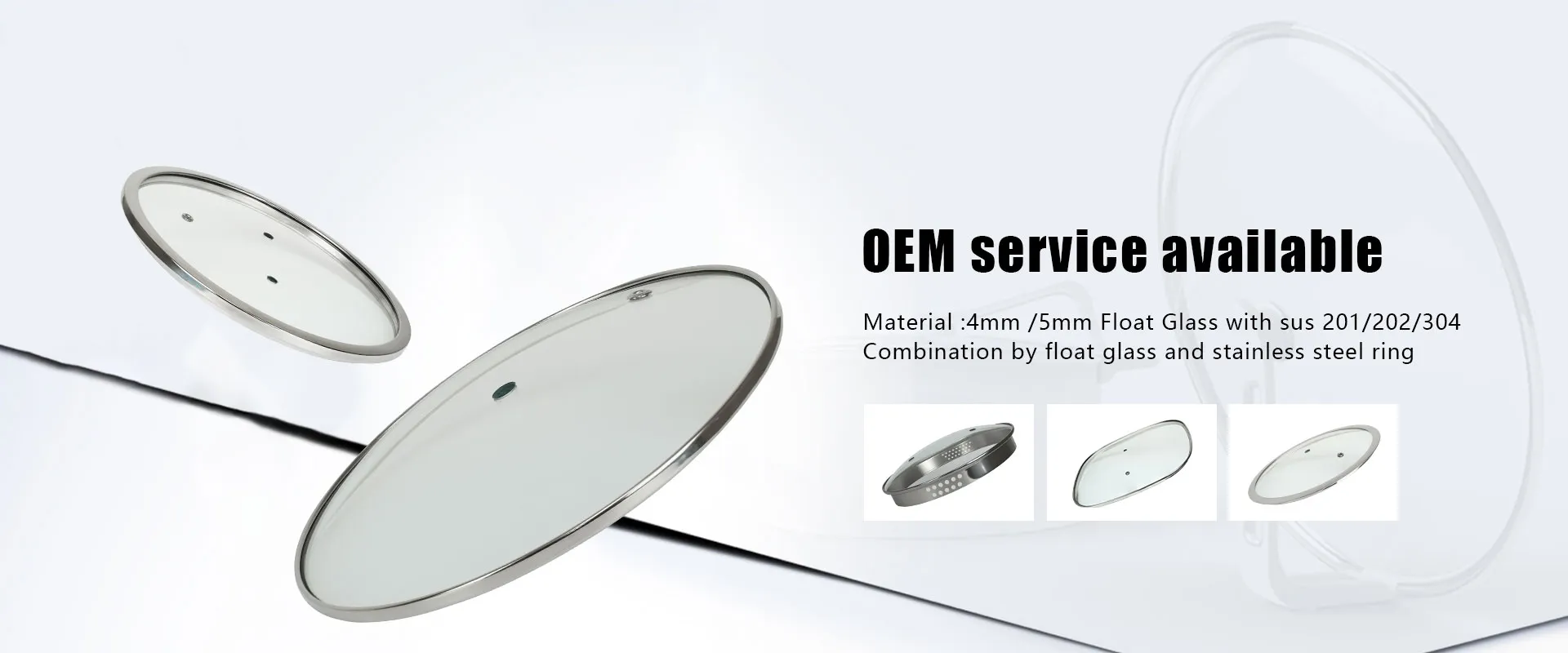
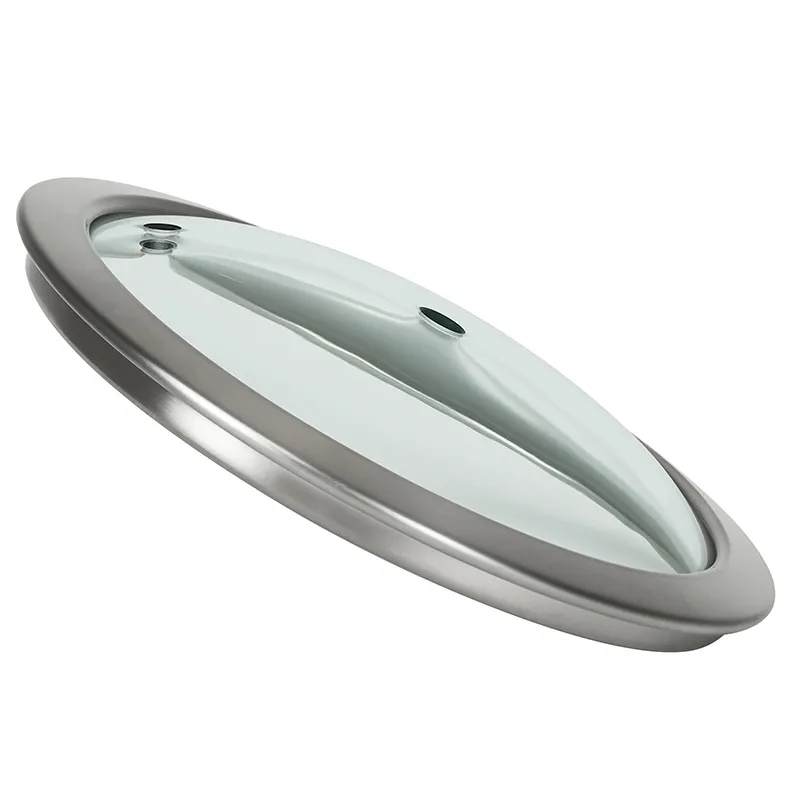
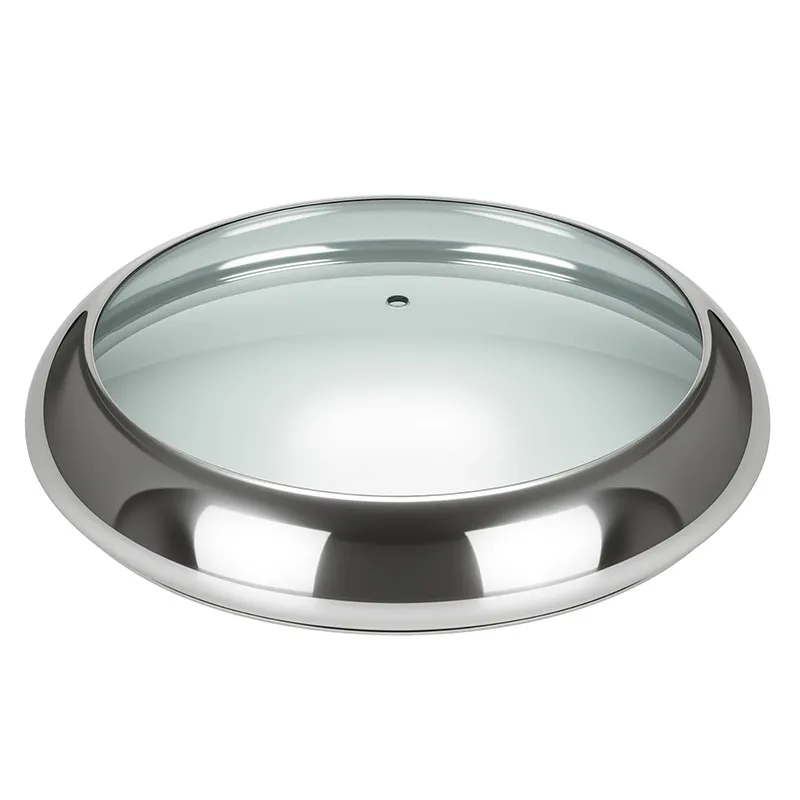
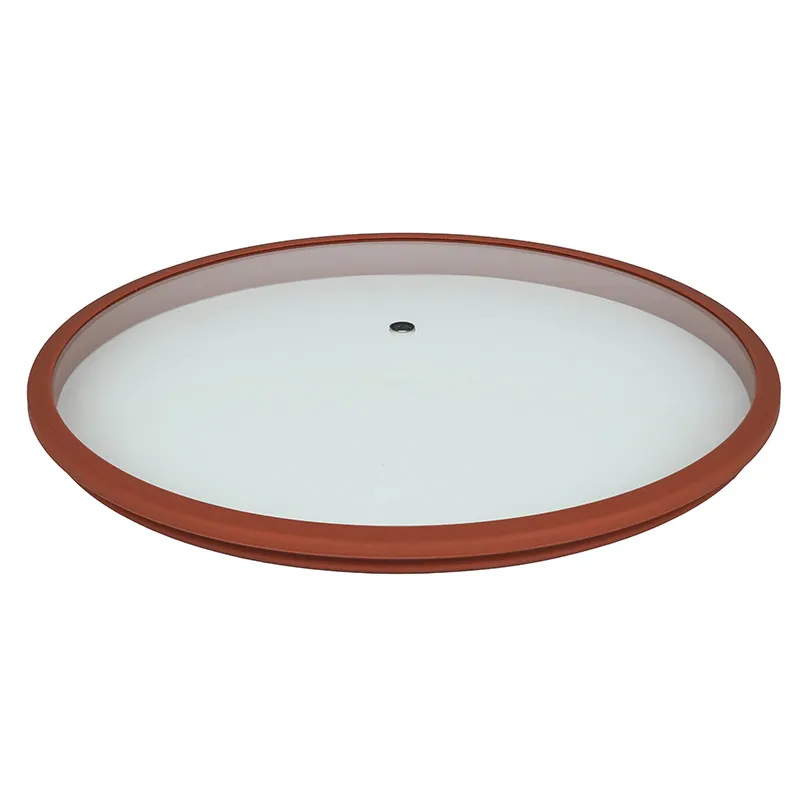
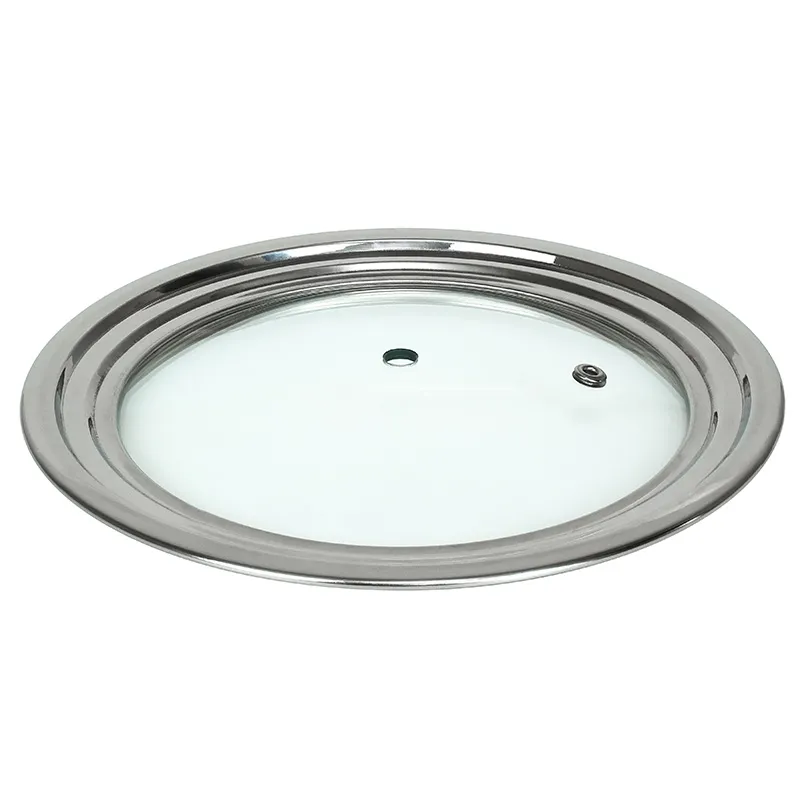
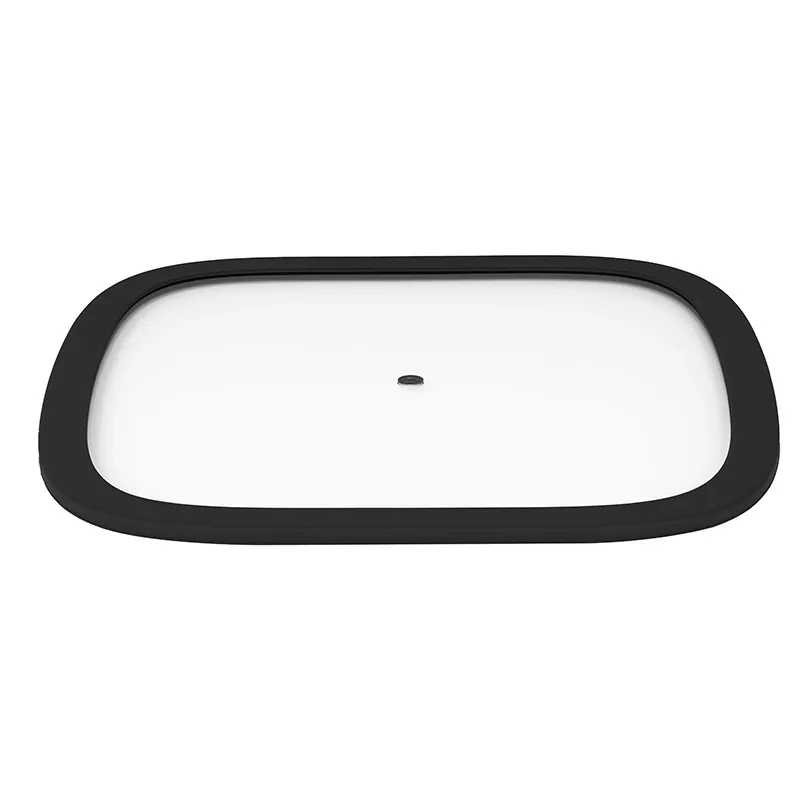
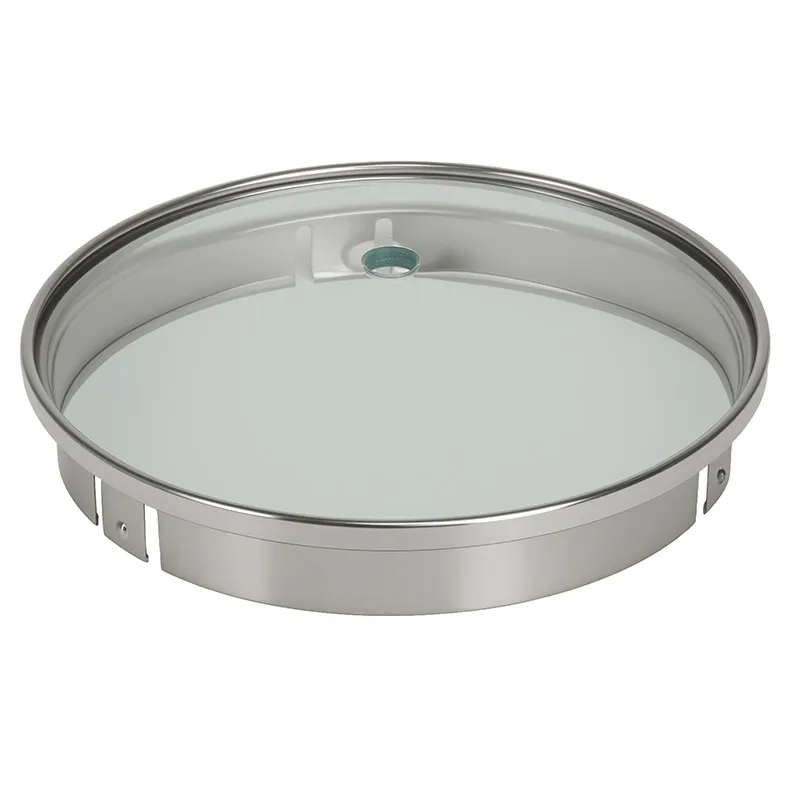
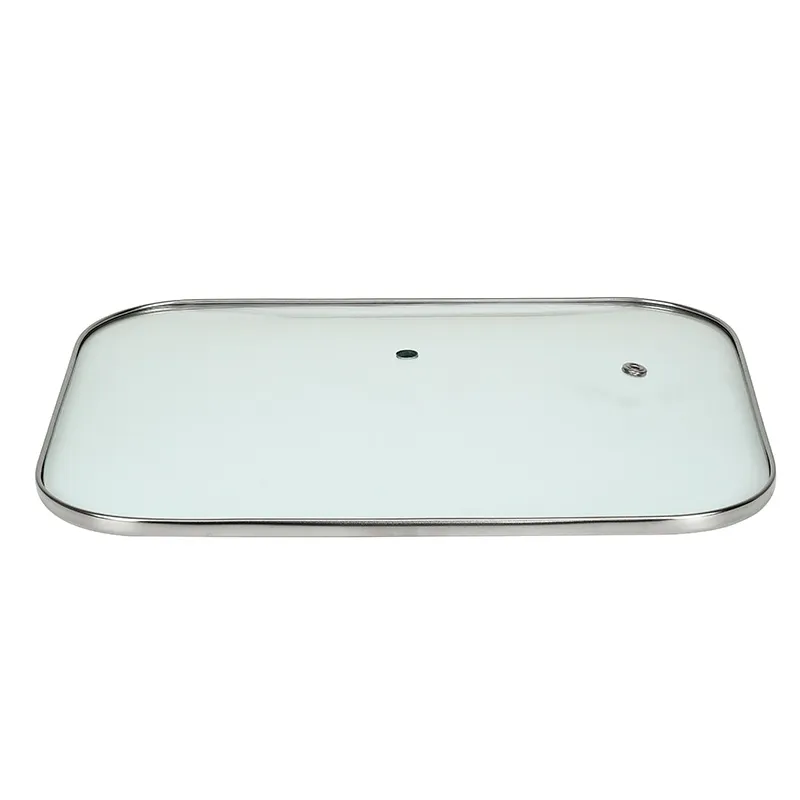
When you type 'tempered glass lid wholesaler' into a search bar, you're likely picturing a straightforward pipeline: find a supplier, get a quote, place an order. The reality, especially when dealing with high-volume exports, is a web of material specs, logistical headaches, and nuanced quality tiers that aren't always apparent on a glossy website. Many importers, particularly those new to kitchenware, make the mistake of prioritizing unit cost above all else, only to get burned by inconsistent annealing or packaging that can't survive a cross-ocean voyage. The true value of a tempered glass lid wholesaler lies not just in price per piece, but in their grasp of these gritty details.
Beyond the Catalog: What Tempered Really Means on the Ground
You see tempered everywhere, but the standard isn't universal. I've had samples pass a basic thermal shock test but then show weakness in the drilled holes for knobs or vents after a few dishwasher cycles. The issue often traces back to the quenching process in the furnace. A competent tempered glass lid wholesaler should be able to discuss their quenching medium and temperature curve with you, not just assure you it's all safety glass. For instance, lids destined for the European market, with its rigorous EN standards, often require a higher surface compression level than those for other regions. It's a spec you have to ask for; it's rarely in the standard product description.
This is where a producer's scale and focus matter. A factory that primarily makes glass tabletops might do lids as a side line, and their process might not be optimized for the thinner, often handled nature of a lid. You want a place where lids are a core product. I recall visiting EUR-ASIA COOKWARE CO.,LTD's facility in Taian. Walking the production line, you could see dedicated stations for lid-specific processes—the precision in grinding the edges of the handle holes was noticeably different from a more generalized glass workshop. That specialization translates directly to consistency in high-volume orders.
Another practical point: glass thickness tolerance. A spec sheet might say 4.0mm thick, but the acceptable range is key. Is it +/-0.2mm or +/-0.5mm? That half-millimeter variation affects weight, thermal performance, and how the lid sits on a pot. A good wholesaler will provide that data upfront. If they hesitate or give a vague answer, it's a red flag. Their production base being in a National High-tech Development Zone, as EUR-ASIA is, often correlates with better process control and adherence to such precise metrics.
The Export Quagmire: Logistics, Packaging, and Hidden Costs
This is where many theoretical deals fall apart. Tempered glass is heavy and fragile. A 20-foot container of glass lids is a monument to both value and risk. The standard packaging is usually a white cardboard sleeve, then into a master carton. But is there a die-cut insert inside the sleeve to prevent lid-to-lid contact? How many layers of corrugated board is the master carton? I learned this the hard way years ago with a shipment to Poland where we skimped on packaging to hit a target price. The breakage rate upon arrival was catastrophic. The loss on the goods, plus the customer chargebacks, far outweighed the initial savings.
Now, I always ask for packaging drop-test results. A serious supplier like the one behind https://www.glass-lid.com will have these. Their annual output of over 15 million pieces means they've had to solve these problems at scale. Their export footprint—to Germany, Italy, Brazil, Japan, etc.—is a testament to their logistics chain's resilience. Different destinations have different handling realities; a shipment to Switzerland (notorious for careful handling) versus one to a port with rougher infrastructure requires forethought. A wholesaler deeply embedded in export understands this and can advise on palletization and container loading patterns to minimize in-transit movement.
Then there's the documentation and compliance maze. REACH, FDA, Prop 65... it's alphabet soup. A true partner-level tempered glass lid wholesaler doesn't just provide a generic material safety sheet. They should be able to furnish test reports from accredited labs relevant to your target market. For their EU exports, for instance, you'd expect clear documentation on heavy metal migration and overall food contact compliance. This isn't just paperwork; it's your ticket through customs and onto retail shelves without liability issues.
Tiers, Finishes, and the Reality of Low-Medium-High
The company intro mentions low, medium, and high-level products. This isn't marketing fluff; it's a crucial segmentation. The level often refers to the edgework, clarity, and finish quality. A low-tier lid might have a ground edge that's functional but not polished to a high sheen, and the glass might have minor, acceptable inclusions or a slight greenish tint (from the iron content in the soda-lime glass). It's perfectly safe and functional for a value brand.
A high-tier lid, often destined for brands in Germany or Japan, will have edges that are seamed and polished to an almost invisible, smooth finish. The glass clarity is higher, often using low-iron ultra-clear glass, which is more expensive. The printing or silk-screening for measurement markers or brand logos is sharper, with better adhesion. The difference is visible side-by-side. When sourcing, you must align your price point and brand positioning with the correct tier. Trying to get high-tier quality at a low-tier price is a fool's errand that leads to factories cutting corners to meet your number.
EUR-ASIA's range across these tiers is actually a strength. It shows they understand the market's segmentation and have the production flexibility to cater to different channels. A discounter in Brazil and a premium kitchenware brand in Denmark have vastly different needs. A wholesaler that only offers one level is often a one-trick pony, limiting your ability to develop a product portfolio.
The Human Element: Communication and Problem-Solving
Finally, all the tech specs and logistics mean nothing if communication breaks down. You're not just buying glass; you're buying a relationship with a team that can solve problems. The 90+ employees at a place like EUR-ASIA aren't just line workers; it includes QC staff, logistics coordinators, and sales engineers. Can you get a direct line to the QC manager when a batch has an issue? Or do you get stuck in a loop with a sales rep who only knows how to apologize?
I value suppliers who are proactive. Once, a factory (not EUR-ASIA, to be clear) noticed a slight variation in the tint of a glass batch mid-production and paused the line to inform me, with photos, asking for direction. That saved a much bigger headache down the road. That level of engagement is priceless. It stems from a company culture focused on long-term export partnerships, not just transactional sales. When over 90% of output is exported, as with EUR-ASIA, that culture isn't optional; it's a survival necessity.
The website glass-lid.com is a starting point, a digital brochure. The real test is in the email chains, the sample evaluation, and the way they handle a mid-production hiccup. Do they take ownership, or do they make excuses? The best tempered glass lid wholesaler acts as an extension of your own sourcing department, thinking ahead about the challenges you might not even see coming.
Wrapping It Up: Sourcing as a Strategic Choice
So, finding a tempered glass lid wholesaler isn't about picking the cheapest option on page one of search results. It's a strategic sourcing decision. You're evaluating their material science, their production specialization, their export logistics muscle, their quality tiering honesty, and their communication backbone. It's a multi-dimensional check.
A company like EUR-ASIA COOKWARE CO.,LTD, with its dedicated production base and massive export volume, represents one type of reliable player in this field: the scaled specialist. They've likely seen every possible issue across millions of lids shipped worldwide. That institutional knowledge is a huge asset.
The key is to move beyond the keyword and into the detailed dialogue. Ask about quenching parameters, packaging test reports, and tier differentiation. Their answers—or lack thereof—will tell you far more than any website catalog ever could. Your goal isn't just to buy glass lids; it's to secure a supply chain that's robust, transparent, and adds real value to your business beyond a simple line item on a purchase order.
Related Products
Related Products