- Chinese
- French
- German
- Portuguese
- Spanish
- Russian
- Japanese
- Korean
- Arabic
- Irish
- Greek
- Turkish
- Italian
- Danish
- Romanian
- Indonesian
- Czech
- Afrikaans
- Swedish
- Polish
- Basque
- Catalan
- Esperanto
- Hindi
- Lao
- Albanian
- Amharic
- Armenian
- Azerbaijani
- Belarusian
- Bengali
- Bosnian
- Bulgarian
- Cebuano
- Chichewa
- Corsican
- Croatian
- Dutch
- Estonian
- Filipino
- Finnish
- Frisian
- Galician
- Georgian
- Gujarati
- Haitian
- Hausa
- Hawaiian
- Hebrew
- Hmong
- Hungarian
- Icelandic
- Igbo
- Javanese
- Kannada
- Kazakh
- Khmer
- Kurdish
- Kyrgyz
- Latin
- Latvian
- Lithuanian
- Luxembou..
- Macedonian
- Malagasy
- Malay
- Malayalam
- Maltese
- Maori
- Marathi
- Mongolian
- Burmese
- Nepali
- Norwegian
- Pashto
- Persian
- Punjabi
- Serbian
- Sesotho
- Sinhala
- Slovak
- Slovenian
- Somali
- Samoan
- Scots Gaelic
- Shona
- Sindhi
- Sundanese
- Swahili
- Tajik
- Tamil
- Telugu
- Thai
- Ukrainian
- Urdu
- Uzbek
- Vietnamese
- Welsh
- Xhosa
- Yiddish
- Yoruba
- Zulu
- Kinyarwanda
- Tatar
- Oriya
- Turkmen
- Uyghur

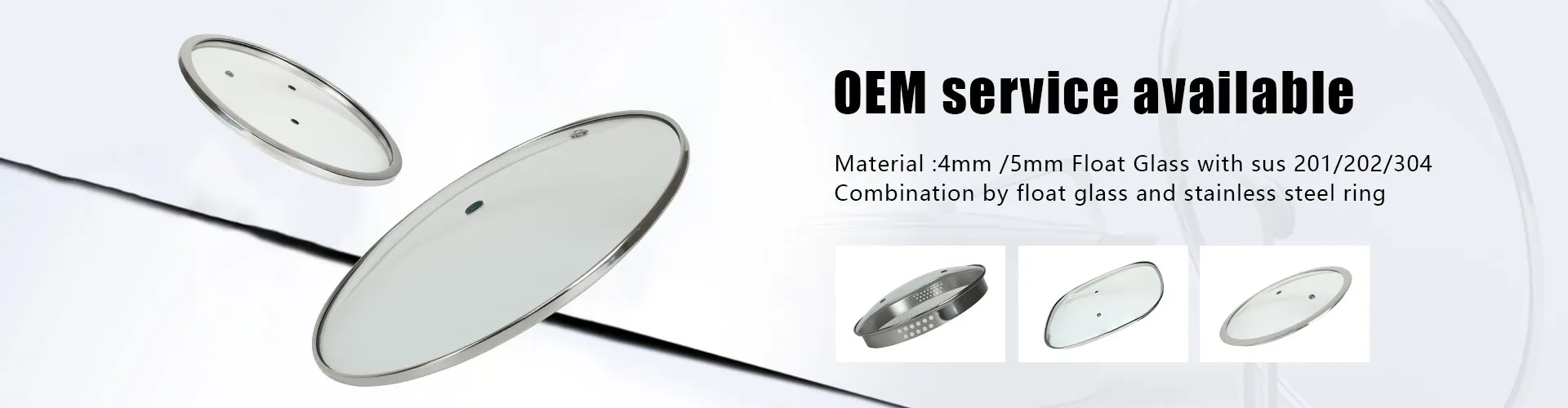
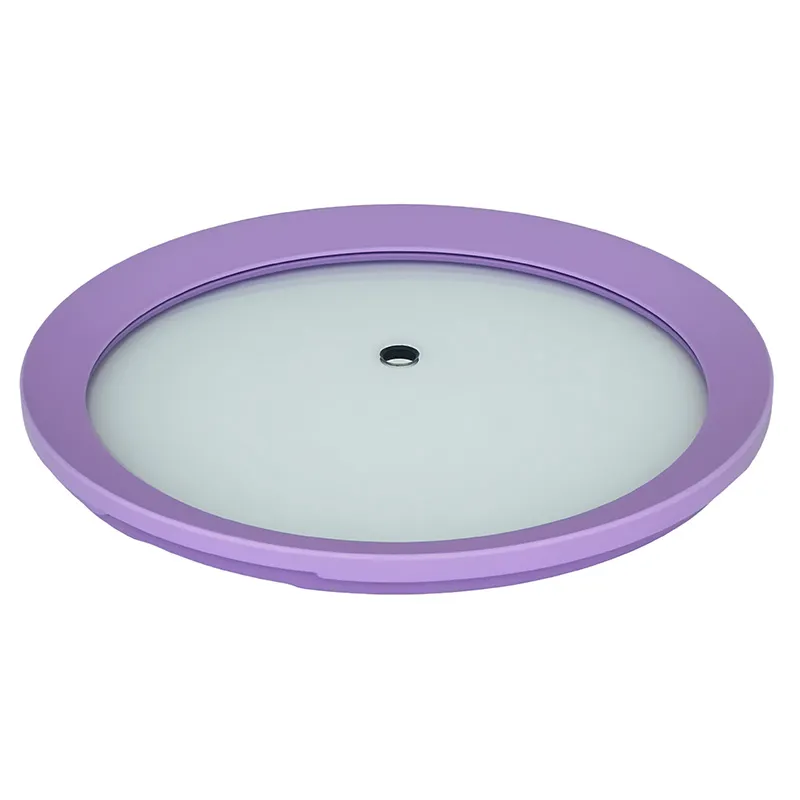
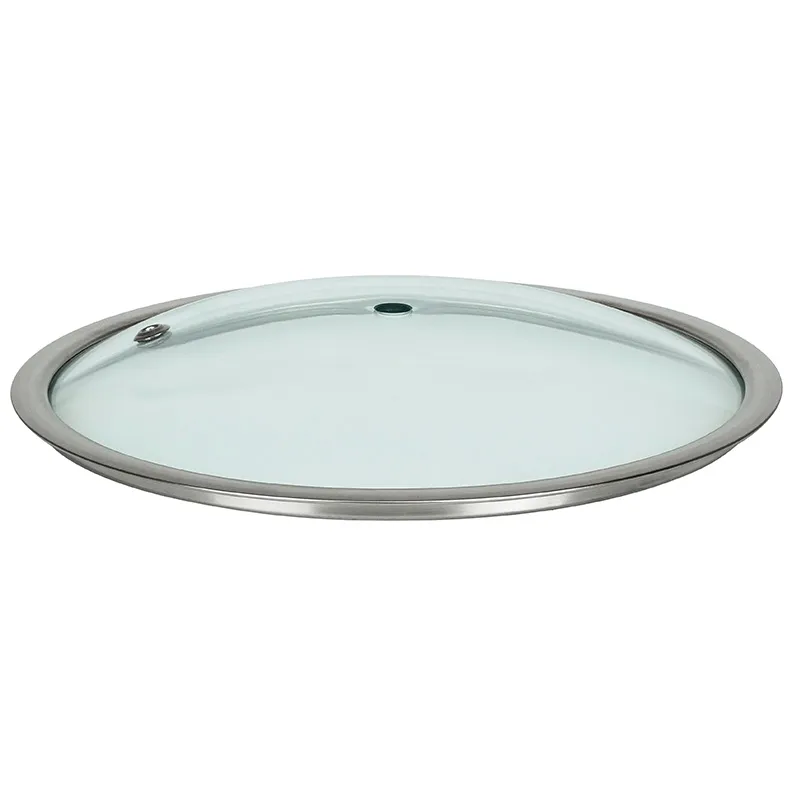
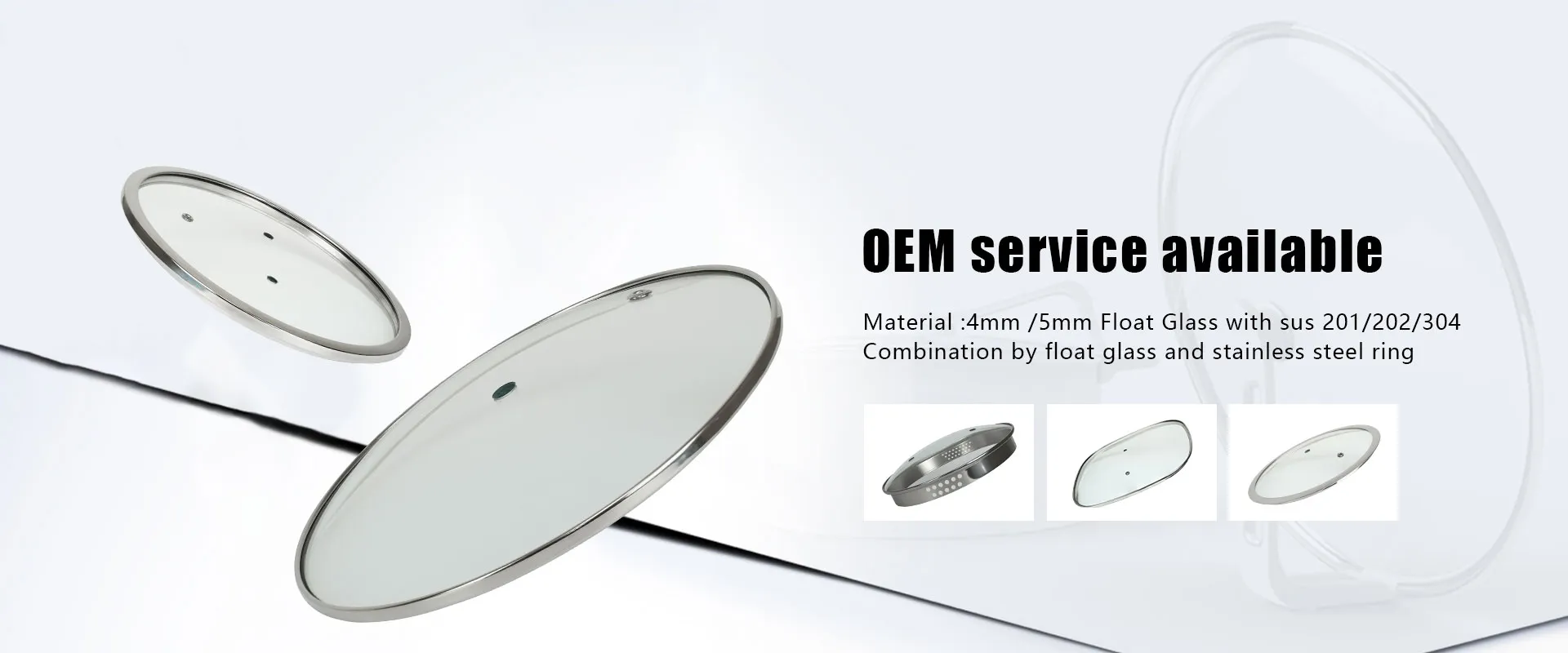
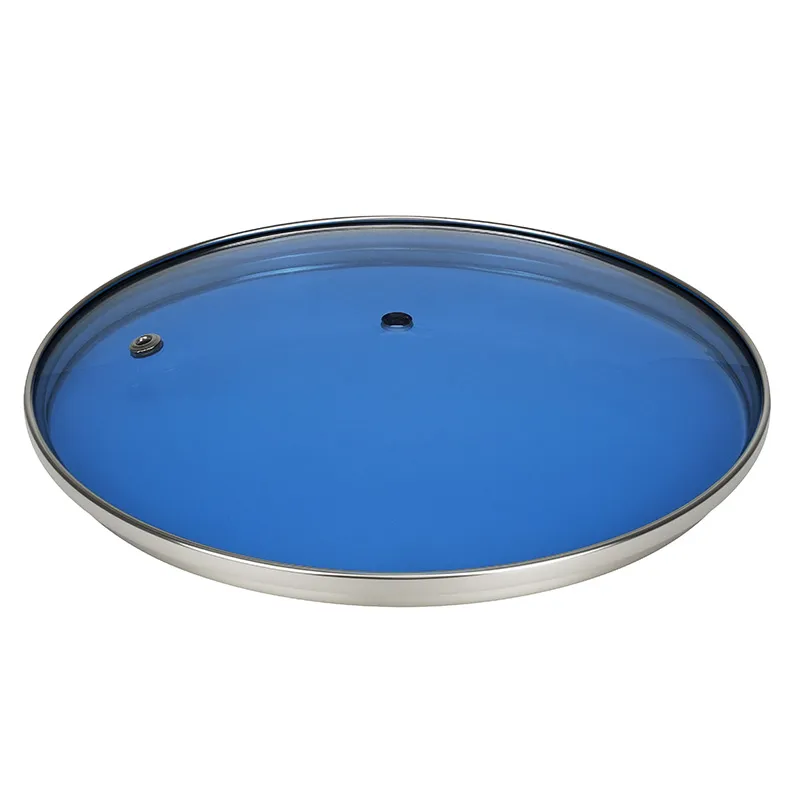
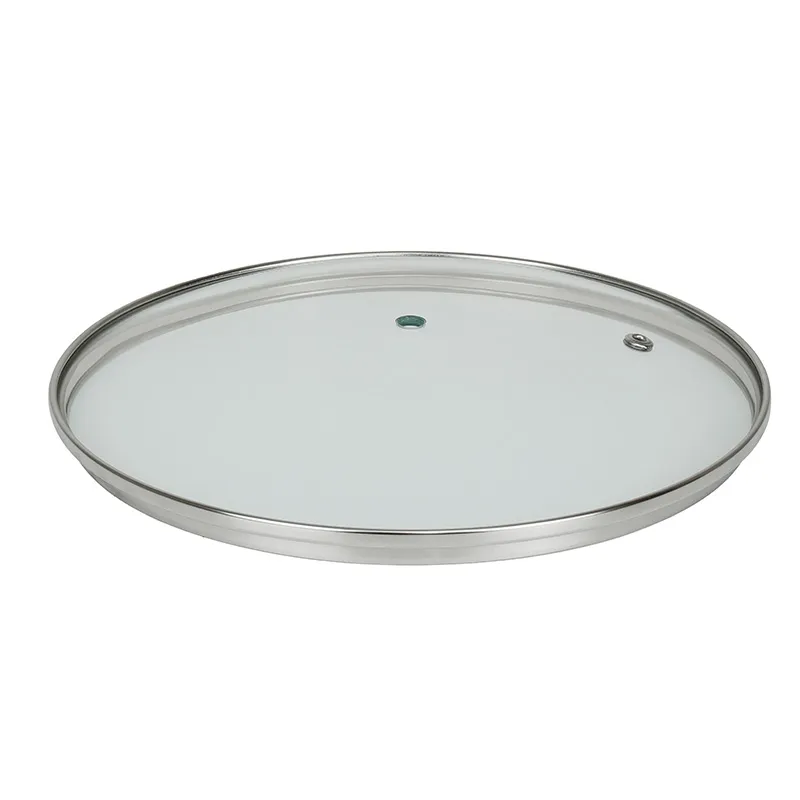
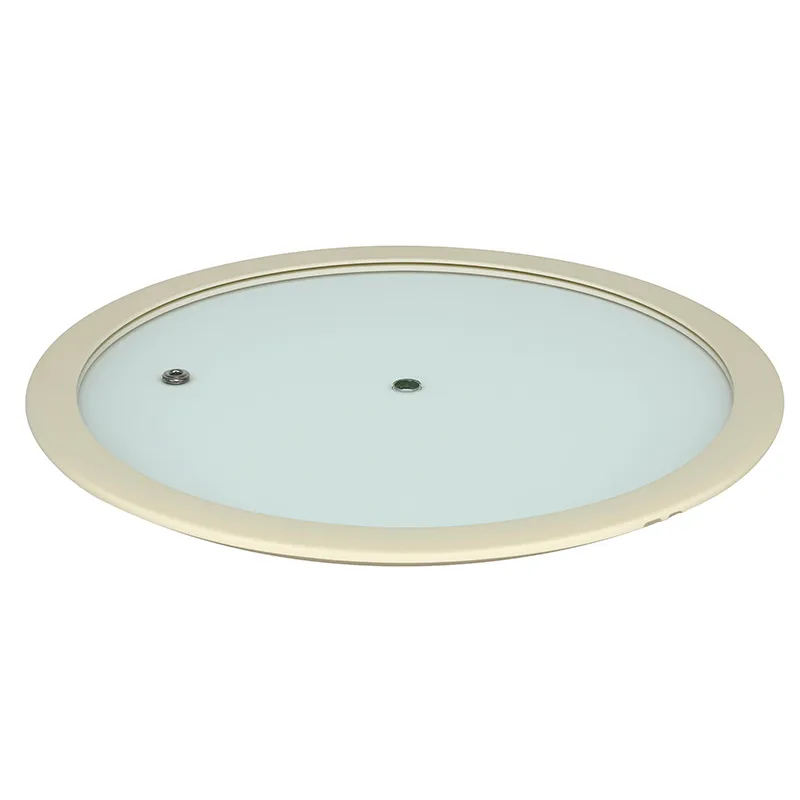
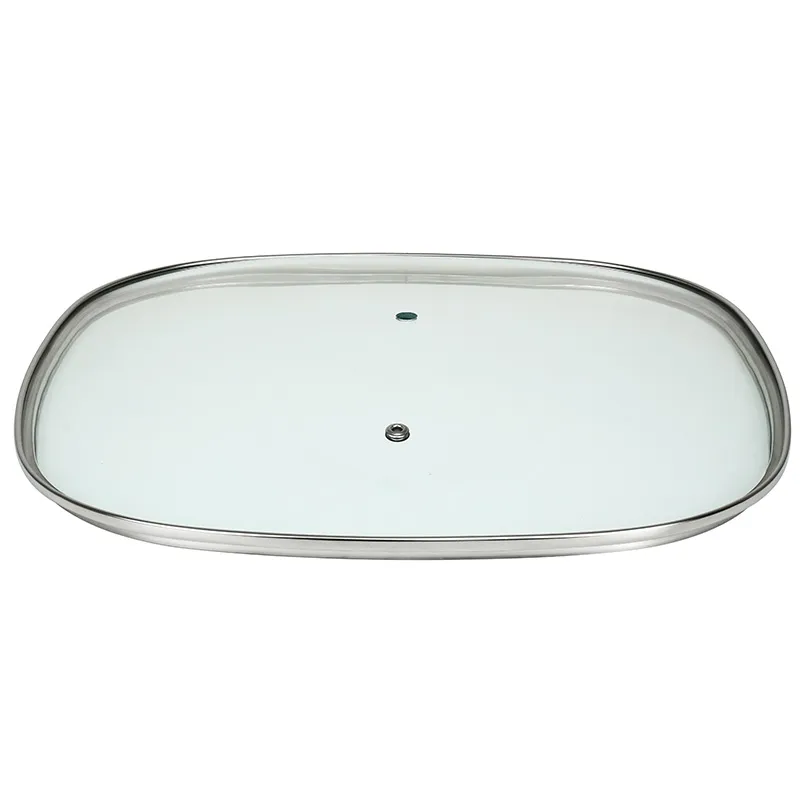
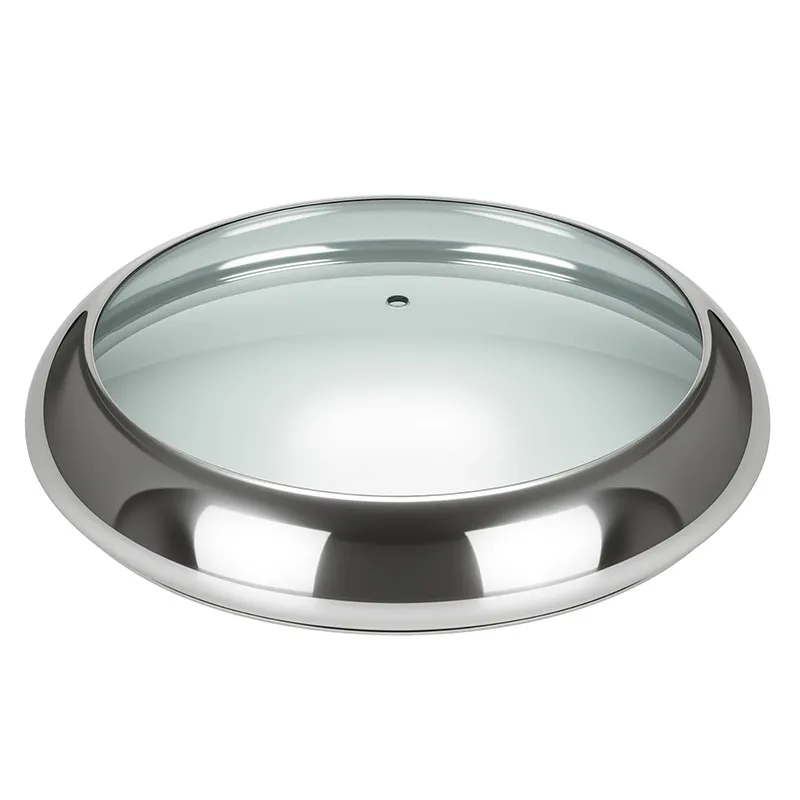
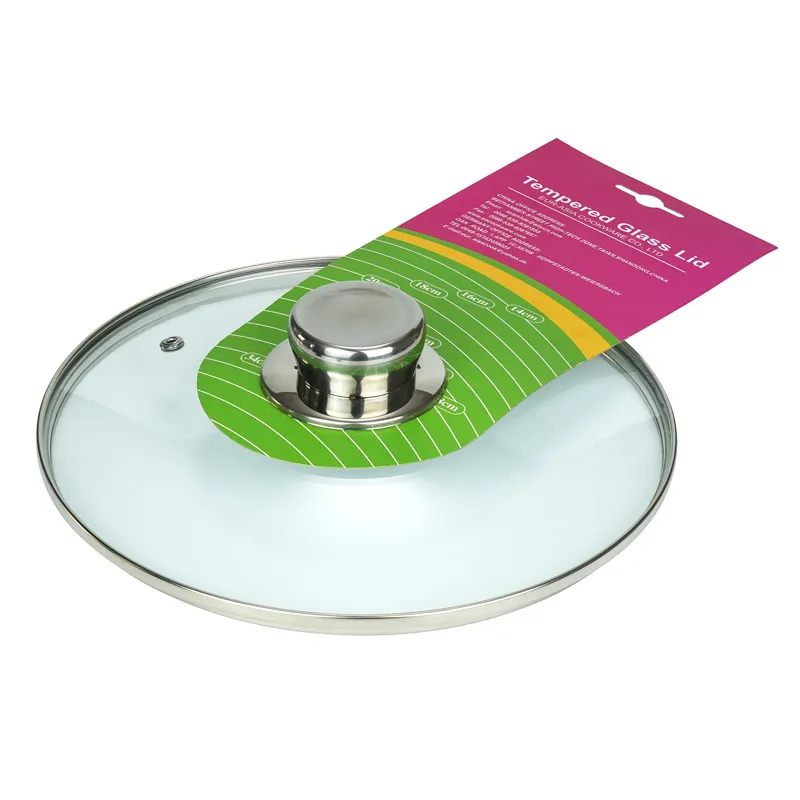
tempered glass lid with handle
When you hear 'tempered glass lid with handle', most people picture a simple, clear cover for a pot. That's the surface. The reality, especially when you're sourcing millions of them, is a web of material science, ergonomic failure points, and logistical headaches that most product designers never see. The biggest misconception? That it's a commodity item. It's not. The difference between a lid that lasts for years and one that shatters in a year—or worse, during thermal shock—often comes down to details most catalogs don't even mention.
Beyond Transparency: The Core of Tempering
Let's start with the glass itself. 'Tempered' isn't just a buzzword; it's a specific thermal process that induces surface compression. We run batches through furnaces at our Taian facility, heating them to around 620°C then quenching them with high-pressure air jets. The goal is a uniform stress profile. If the cooling isn't even, you get weak spots. I've seen lids pass a basic impact test but then fail spectacularly when placed on a slightly damp, cold granite countertop straight from a hot stove. That's thermal shock, and it's a brutal quality gate.
This is where specs get real. A common pitfall is focusing only on thickness—say, 4mm or 5mm—without asking about the tempering level. We measure it in surface compression (often aiming for a minimum of 69 MPa) and sometimes fragment count in a break test. A properly tempered lid should crumble into small, blunt pieces, not shard. I recall a batch for a client in Poland where we had to adjust the quenching parameters three times because their test involved a specific, rapid temperature delta from a 200°C oven to an ice bath. It was extreme, but it defined their standard.
The handle's attachment point is the other critical stress concentrator. You can't just glue or clamp a handle onto tempered glass. The metal bracket (usually stainless steel) needs a specific shape and radius to distribute the clamping force without creating a pinpoint of pressure. We use a high-temperature silicone gasket between the bracket and the glass. Not just any silicone—it needs to retain elasticity after repeated cycles up to, say, 230°C. A competitor we analyzed used a cheaper compound that became brittle; handles started rattling after a few months of use.
The Handle: Where Engineering Meets the Hand
The handle seems trivial, but it's the main user interface. The biggest mistake is making it an afterthought. We've moved away from simple, stamped metal loops. The trend, especially for European markets like Germany and Italy, is towards ergonomic, molded phenolic or heat-resistant nylon handles. They need to stay cool enough to grab with a bare hand, but the material must also withstand dishwasher detergents without fading or cracking.
Attachment is everything. We use a screw-and-nut system through the metal bracket, with a locking mechanism (like a nylon-insert lock nut) to prevent loosening from vibration during shipping and handling. I've had to troubleshoot complaints where the handle spun freely—turned out the supplier used a standard nut that vibrated loose in transit. A simple, cheap fix, but it caused a whole container to be flagged at the destination port. Logistics nightmares often start with a 2-cent component.
Then there's the 'knob' vs. 'handle' debate. For larger lids, over 24cm, a full handle is necessary for safe, balanced lifting. For smaller saucepans, a knob might suffice. But we advise clients at EUR-ASIA COOKWARE CO.,LTD to consider the cooking action. If you're constantly lifting a lid to check a simmer, a handle is simply more secure and comfortable than a knob. It's a small detail that affects the perceived quality of the entire cookware set.
Fit, Finish, and the Dreaded Warping
A lid must sit flush. This sounds obvious, but achieving it with glass on a metal pot rim is tricky. The glass edge is ground and polished after tempering. The curvature (the 'dome') has to be precise. We've had failures where lids fit the sample pot perfectly but then, in mass production, a slight variation in the pot rim's rolling caused a slight rock. The result? Steam escapes unevenly, and the customer thinks the lid is warped. Sometimes, it is—if the glass is cooled too quickly on one side during tempering, it can induce a slight permanent bend. It's a reject.
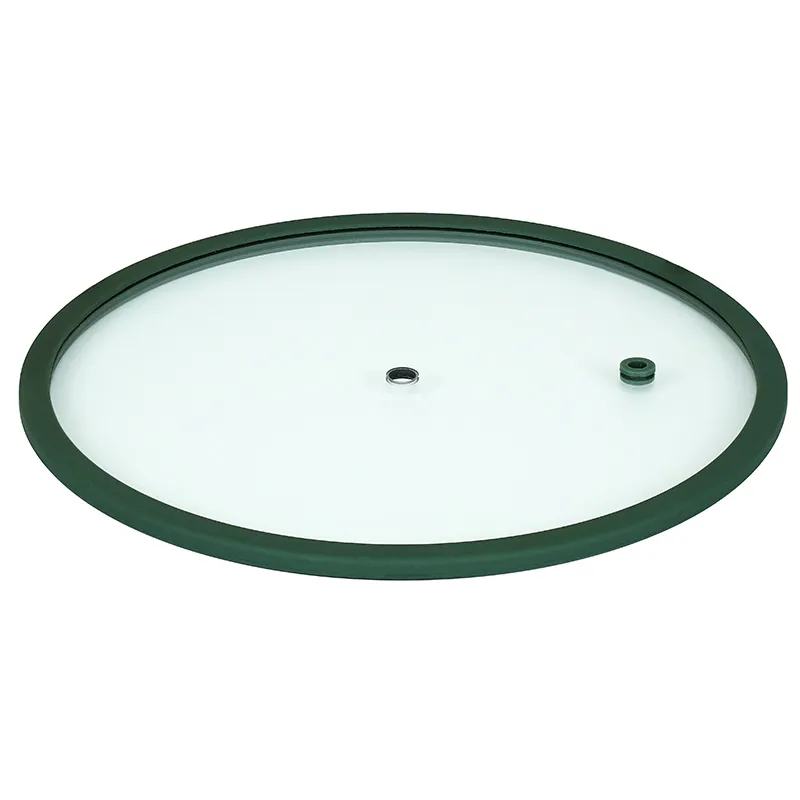
The silicone sealing ring around the perimeter is another unsung hero. It's not always for a full seal; sometimes it's just to prevent metal-on-glass contact and noise. The color (usually clear or black) and durometer (softness) matter. A too-soft silicone can pinch and tear; a too-hard one won't conform. We source ours from a specialized supplier, and it's a constant dialogue to match the compound to the client's expected use case—rapid boiling, slow baking, etc.
Logistics: The Silent Quality Killer
Producing 15 million pieces a year, as we do at our facility in Shandong's High-tech Development Zone, is one thing. Getting them to partners in France, Brazil, or Japan intact is another. Packaging is a dedicated science. Each lid needs to be separated. We use cardboard dividers with die-cut slots, not just loose in a box. The handle must be oriented to not bear weight. I've seen beautifully made lids arrive with micro-fractures around the handle bracket because of vertical stacking pressure during a rough sea voyage. Now, our cartons have clear, idiot-proof icons showing THIS SIDE UP and max stacking layers.
Export compliance is another layer. For the EU, we need full material breakdowns for REACH and food contact. The glass, the silicone, the metal bracket, the handle polymer—all must be documented. A retailer in Denmark once delayed an order because we couldn't immediately provide a test report for a specific phthalate in the silicone (it was phthalate-free, but we needed the paper trail). It taught us to have all that documentation pre-emptively digitized and ready, a lesson that now serves all our clients.
The EUR-ASIA Evolution: From Part to Partner
When we started, we were just a production base making to spec. Now, with over 90% export to demanding markets, we've had to become problem-solvers. A client from South Korea wanted a lid with a integrated steam vent that could be opened with a thumb-press on the handle. It required a tiny stainless steel spring and a moving part in the glass—a nightmare for dishwashers and thermal expansion. We prototyped it, but ultimately advised against it for longevity, proposing a simpler, side-mounted vent instead. They took our advice. That trust is harder to earn than any single order.
Our website, https://www.glass-lid.com, lists our capabilities, but the real work happens in the sample room and on the production line. It's about knowing that a tempered glass lid with handle for the Brazilian market might need a brighter, more colorful handle option, while the Swiss market prefers minimalist, all-stainless handles. It's about understanding that an annual output of 15 million pieces means we've probably seen every possible failure mode and, hopefully, engineered most of them out.
So, what makes a good one? It's the sum of these invisible choices: the controlled tempering cycle, the right bracket geometry, the specified silicone, the ergonomic handle tested for grip, and packaging that treats the product as fragile, even though it's technically 'safety glass'. It's a component that should be forgotten by the user—quiet, reliable, and clear. That's the goal, and it's never as simple as it looks.
Related Products
Related Products