- Chinese
- French
- German
- Portuguese
- Spanish
- Russian
- Japanese
- Korean
- Arabic
- Irish
- Greek
- Turkish
- Italian
- Danish
- Romanian
- Indonesian
- Czech
- Afrikaans
- Swedish
- Polish
- Basque
- Catalan
- Esperanto
- Hindi
- Lao
- Albanian
- Amharic
- Armenian
- Azerbaijani
- Belarusian
- Bengali
- Bosnian
- Bulgarian
- Cebuano
- Chichewa
- Corsican
- Croatian
- Dutch
- Estonian
- Filipino
- Finnish
- Frisian
- Galician
- Georgian
- Gujarati
- Haitian
- Hausa
- Hawaiian
- Hebrew
- Hmong
- Hungarian
- Icelandic
- Igbo
- Javanese
- Kannada
- Kazakh
- Khmer
- Kurdish
- Kyrgyz
- Latin
- Latvian
- Lithuanian
- Luxembou..
- Macedonian
- Malagasy
- Malay
- Malayalam
- Maltese
- Maori
- Marathi
- Mongolian
- Burmese
- Nepali
- Norwegian
- Pashto
- Persian
- Punjabi
- Serbian
- Sesotho
- Sinhala
- Slovak
- Slovenian
- Somali
- Samoan
- Scots Gaelic
- Shona
- Sindhi
- Sundanese
- Swahili
- Tajik
- Tamil
- Telugu
- Thai
- Ukrainian
- Urdu
- Uzbek
- Vietnamese
- Welsh
- Xhosa
- Yiddish
- Yoruba
- Zulu
- Kinyarwanda
- Tatar
- Oriya
- Turkmen
- Uyghur


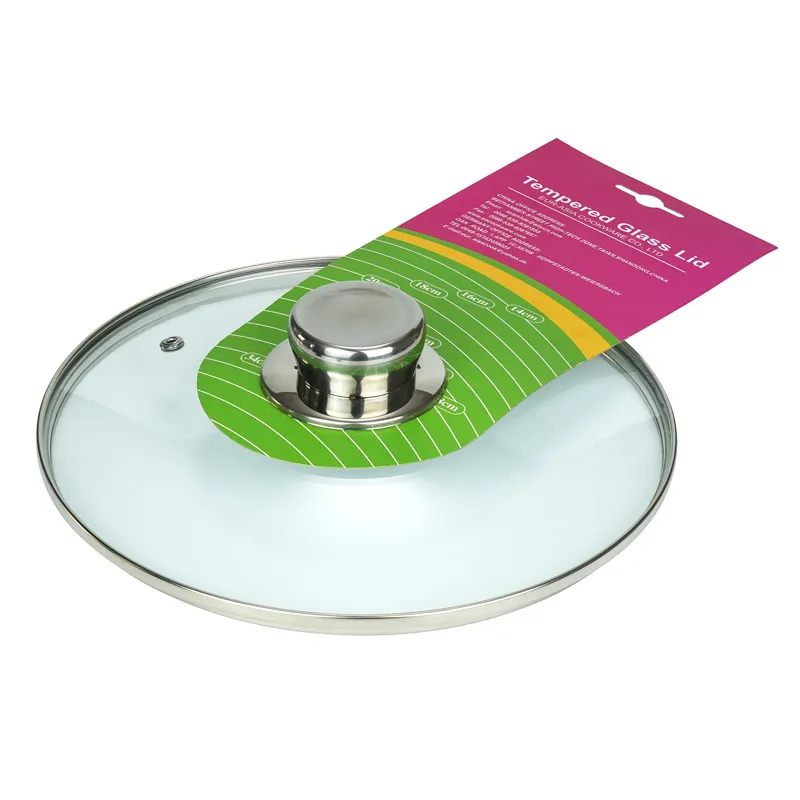
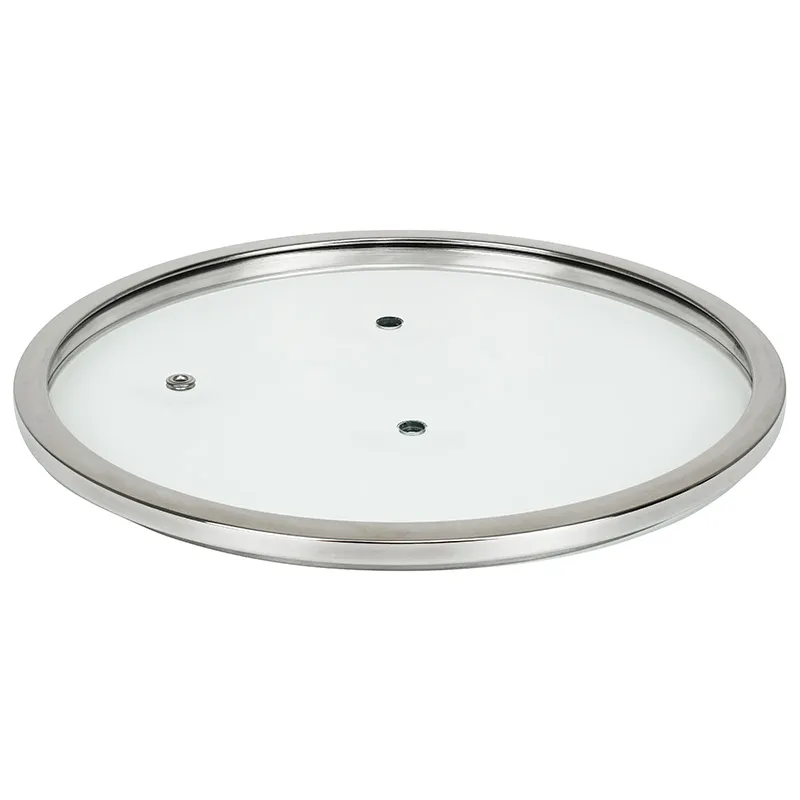
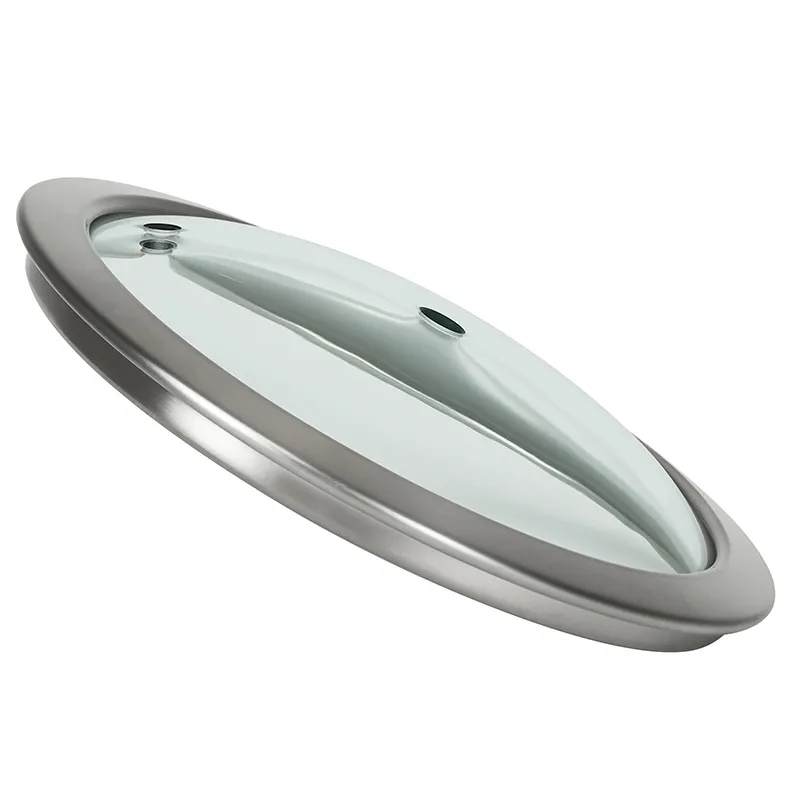
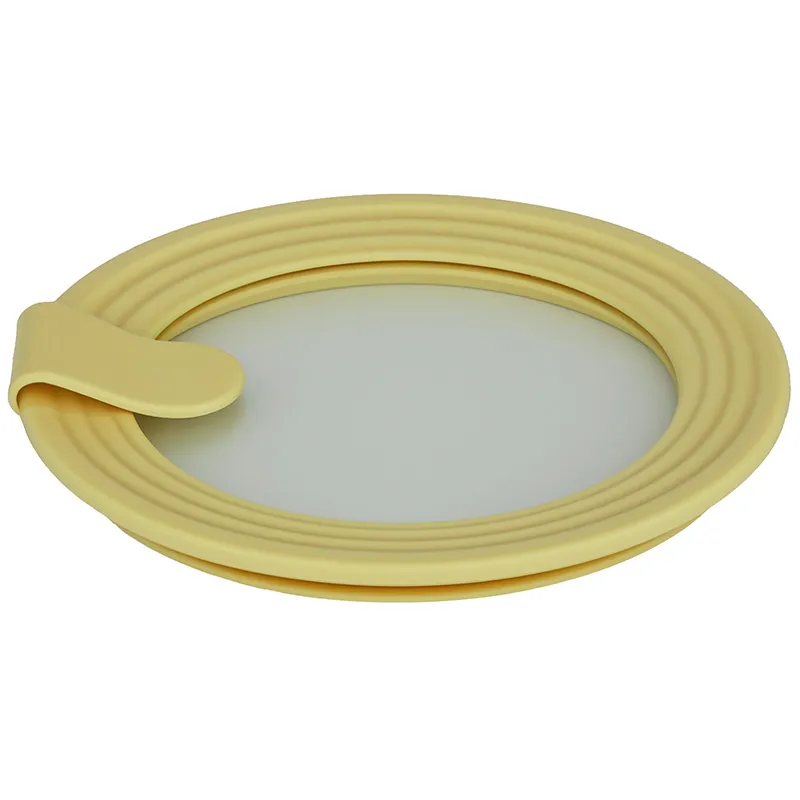
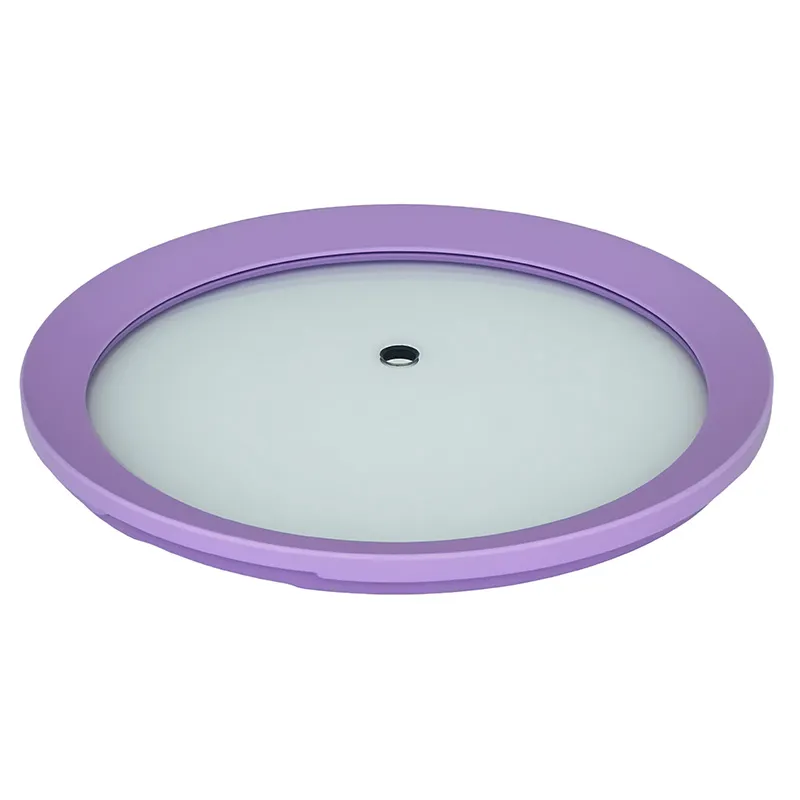
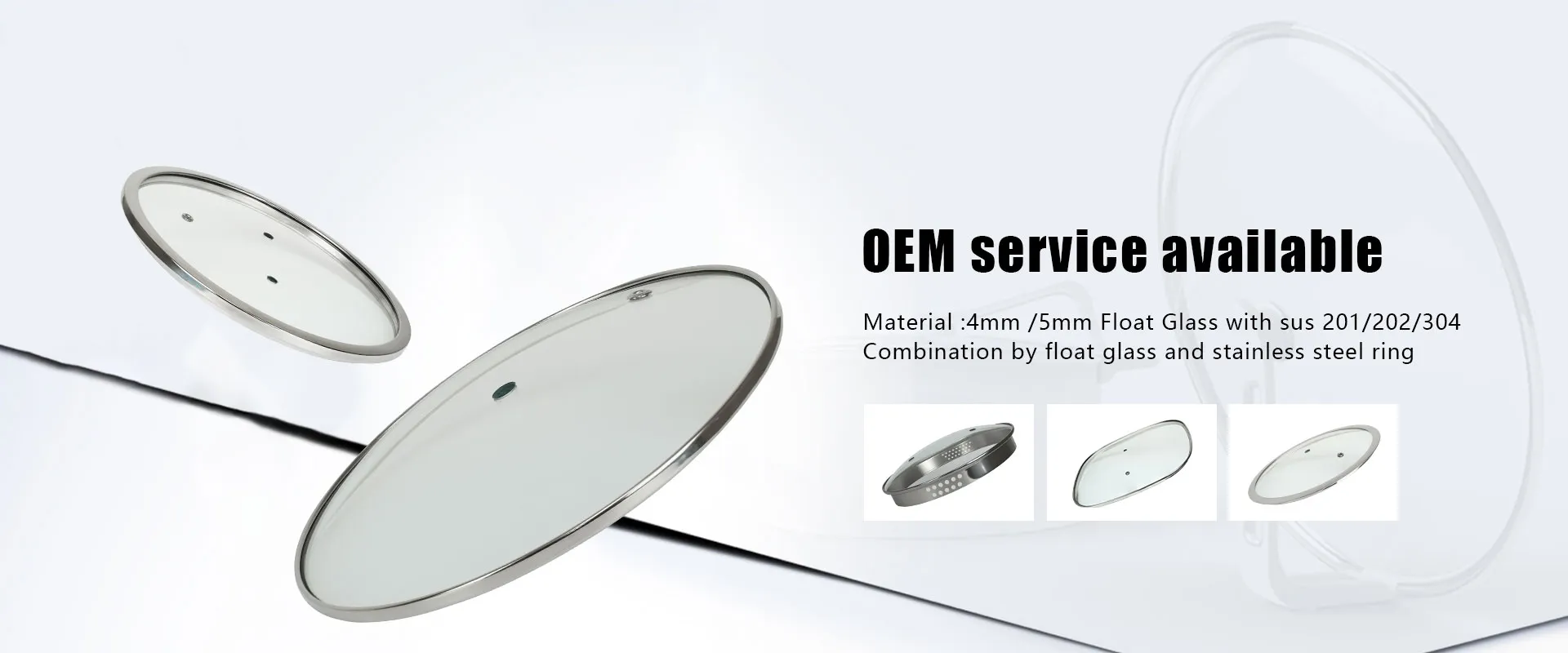
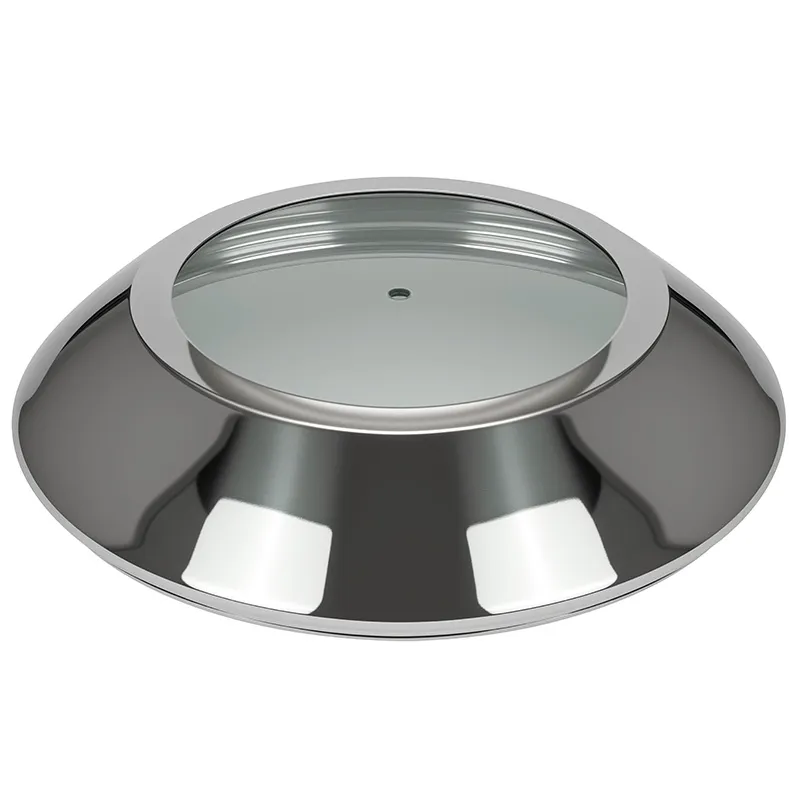
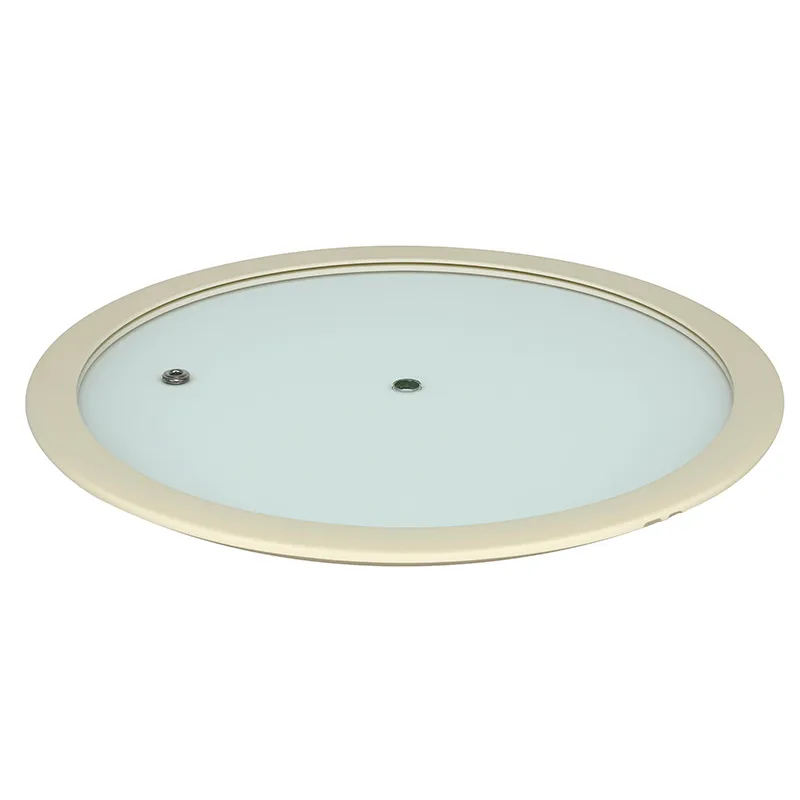
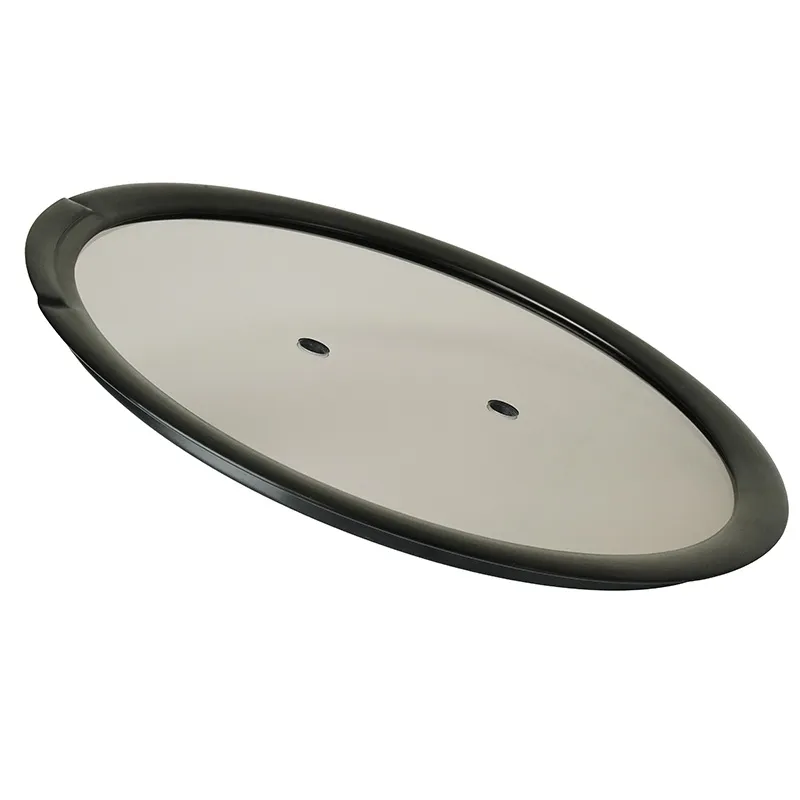
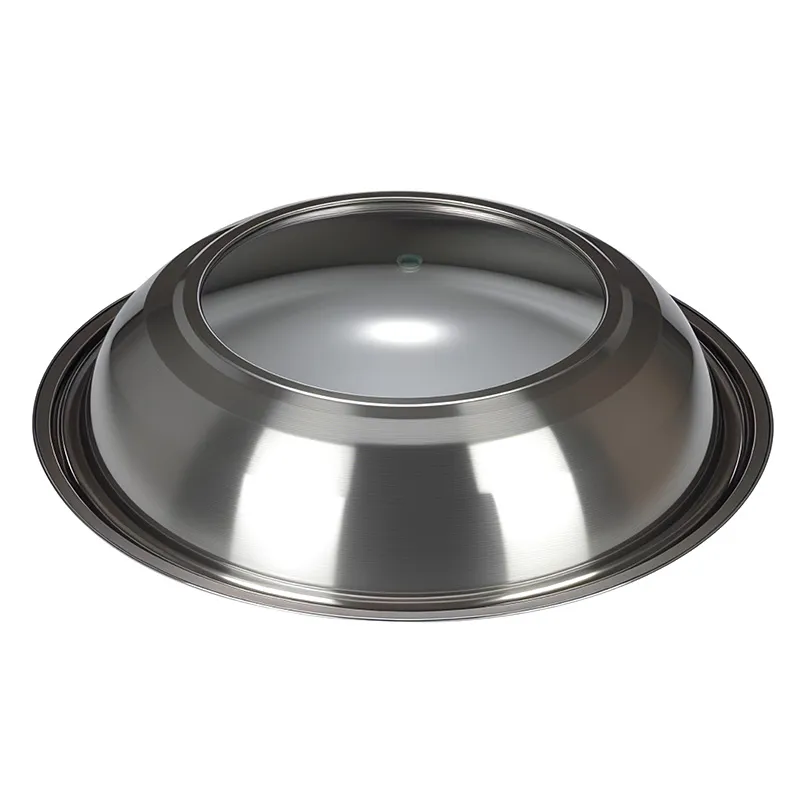
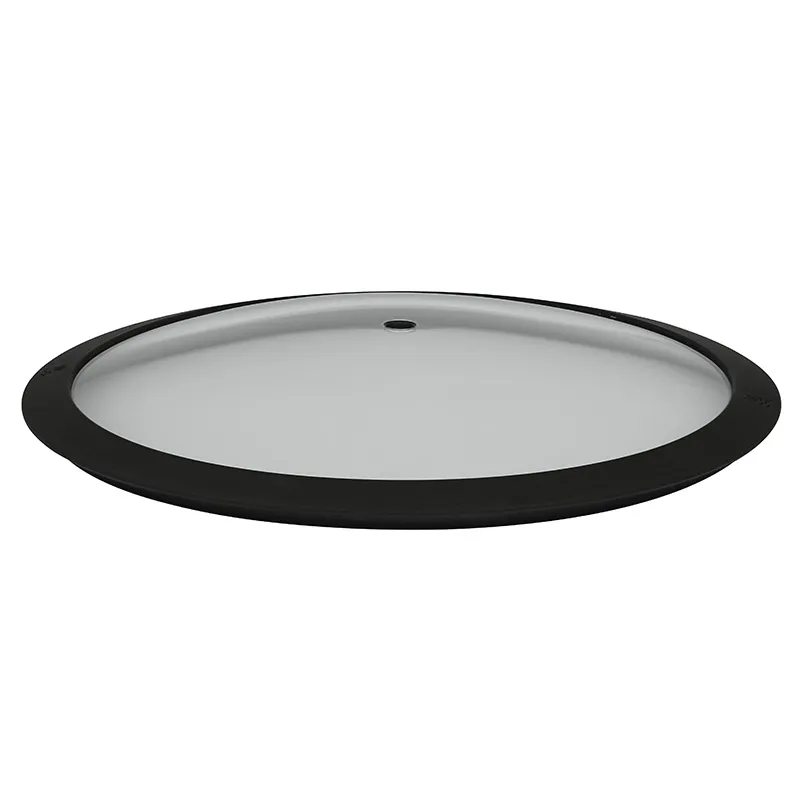
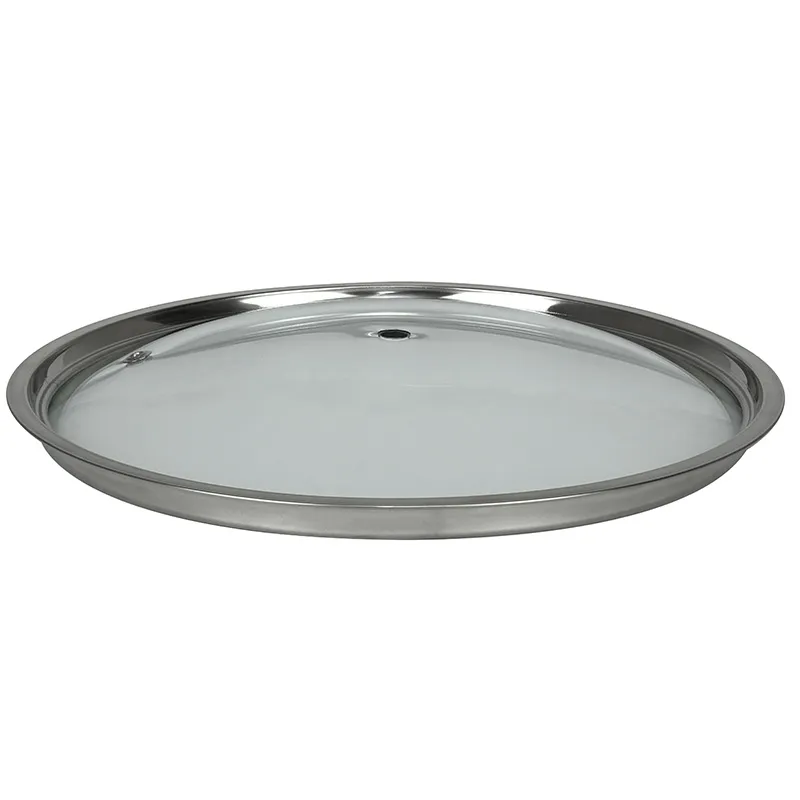
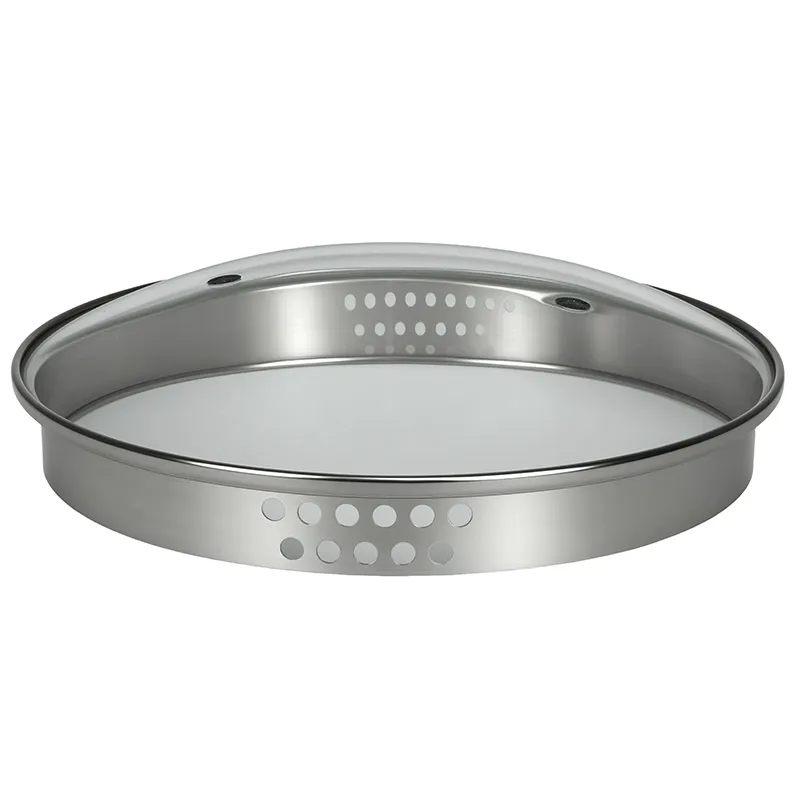
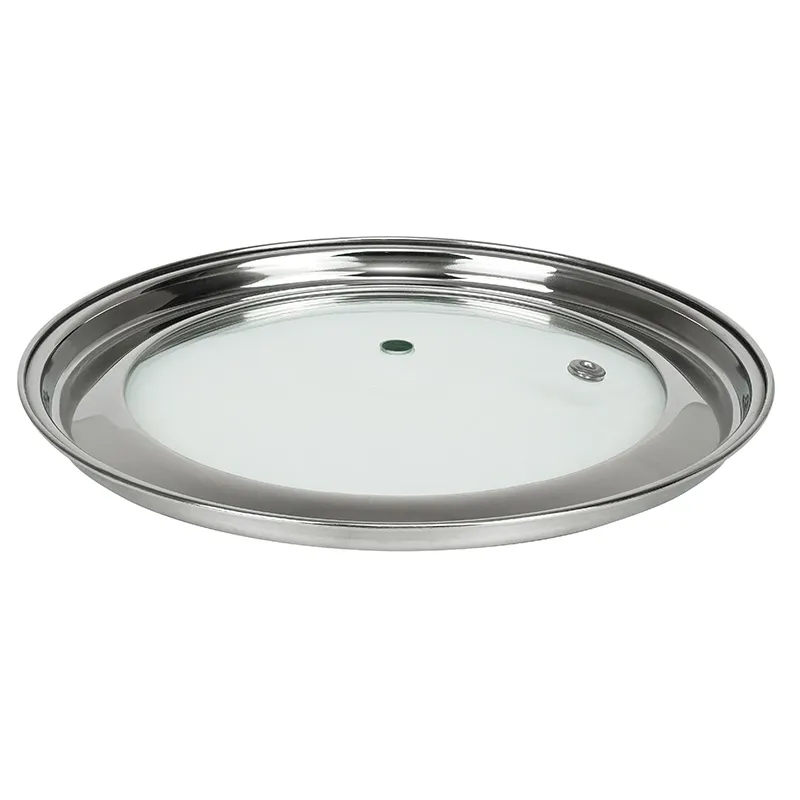
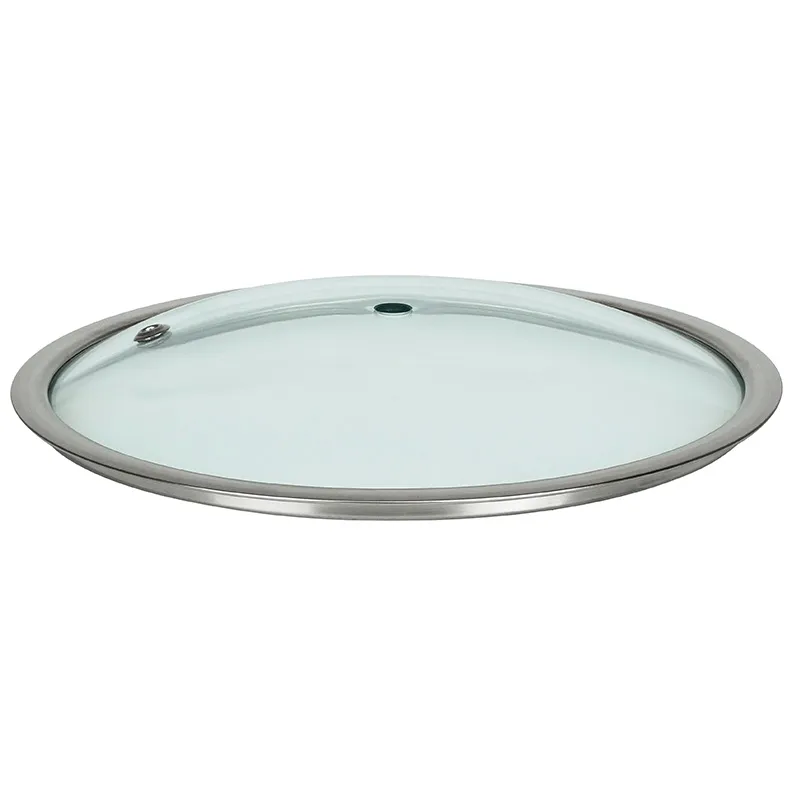
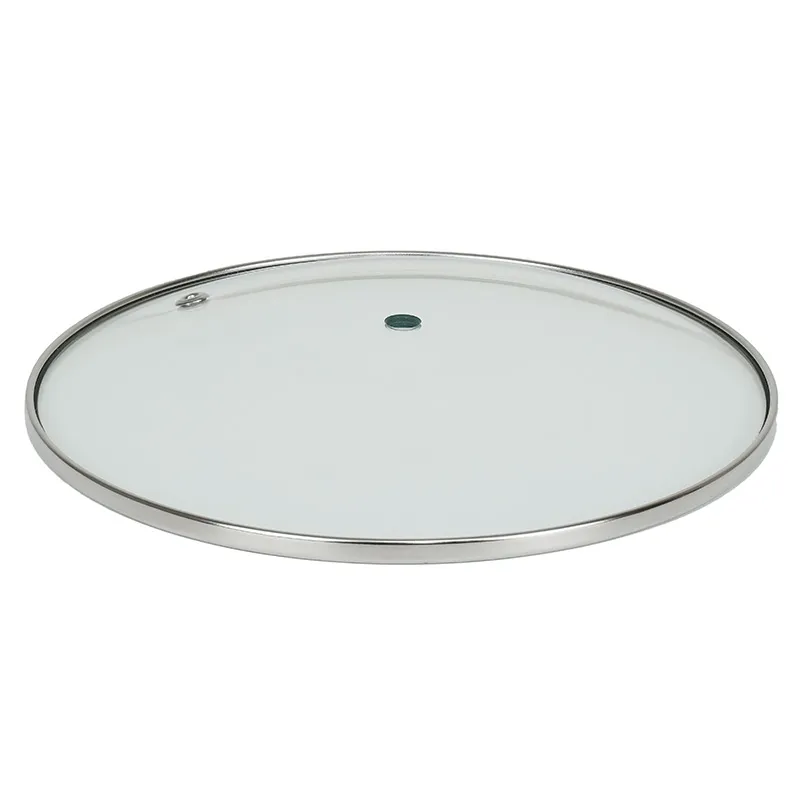
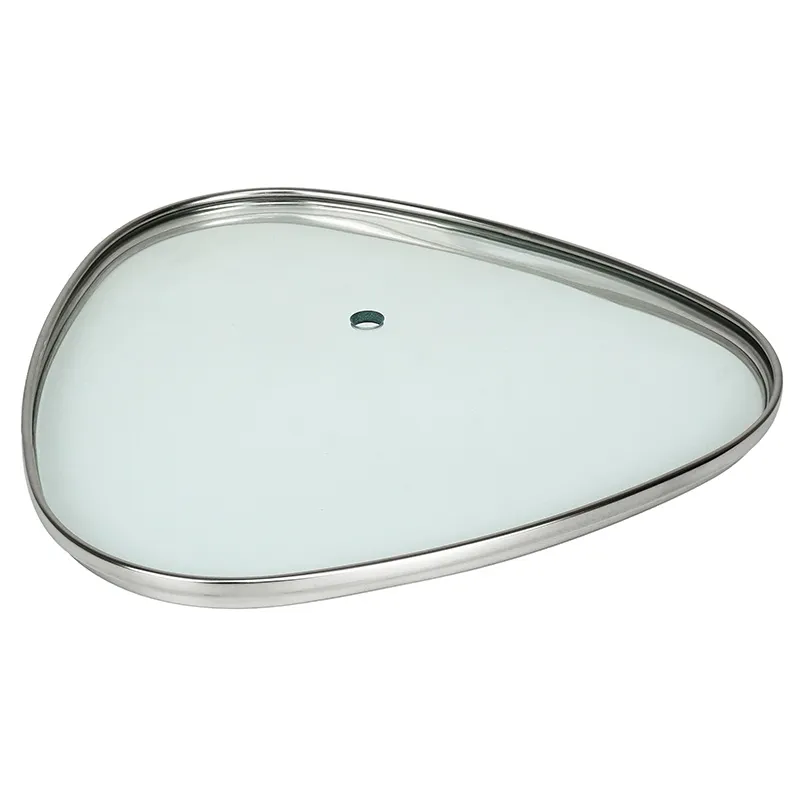
tempered glass lid with silicone rim
When you hear 'tempered glass lid with silicone rim,' most folks picture a simple, clear cover for a pot. That's the surface-level truth, but it's also where the common industry misconception starts—assuming it's just a piece of toughened glass with a rubber band slapped on. The reality, the part that keeps production managers up at night, is the marriage of two materials with wildly different thermal behaviors and the silent, constant negotiation between seal, safety, and longevity. It's never just a lid.
The Core Tension: Glass Meets Silicone
The fundamental challenge isn't tempering the glass—that's a well-established process. It's the rim. The silicone gasket must create a solid seal to retain moisture and heat, but it also acts as the primary shock absorber, cushioning the glass from direct metal-on-glass impacts. Get the durometer (hardness) wrong, and you have a lid that either doesn't seal properly or one where the gasket is so stiff it transmits force directly to the glass edge, the weakest point. I've seen batches where the glass passed every drop test, but failed in real use because the silicone rim was a mere 5 Shore A too hard.
Then there's adhesion. You can't just rely on friction. The bond between the tempered glass and the silicone has to withstand repeated thermal cycling—from freezer to oven, or a hot wash to a cold counter. We moved away from simple adhesive tapes years ago. The reliable method involves a primer treatment on the glass perimeter before the silicone is injection-molded directly onto it. But even then, humidity on the production floor can affect the primer's efficacy. I recall a quality incident with a client in Denmark where lids delaminated after a particularly humid summer month in our Shandong facility. The root cause? Ambient moisture control in the bonding area was overlooked. It's these minutiae that separate a product that survives from one that thrives.
This is where a manufacturer's focus shows. A company like EUR-ASIA COOKWARE CO.,LTD, with their stated annual output of over 15 million pieces, has to have this process dialed in. Their specialization in low to high-level household glass products suggests they encounter the full spectrum of market demands, from basic sealing needs to high-end thermal performance. The scale they operate at—90 employees, 15,000㎡ of building area—means they've likely seen every failure mode I just described and have processes, hopefully robust ones, to mitigate them.
Beyond Clarity: The Unspoken Specs of Tempering
Everyone talks about safety glass shattering into small, blunt pieces. That's a given. But the tempering process for a lid is different from a building's glass panel. The curvature, the handle hole (or holes), and the thin profile create stress points. The quenching phase has to be meticulously calibrated. An under-tempered lid might not break into safe pieces; an over-tempered one can develop surface ripples or even spontaneous breakage from nickel sulfide inclusions—a rare but catastrophic flaw.
We learned this through a painful batch for the South Korean market. The lids were beautifully clear, passed the initial impact tests, but started spontaneously fracturing in warehouses. The culprit was a contaminated batch of glass raw material with higher-than-tolerable nickel sulfide. It taught us that sourcing matters as much as process control. Now, for any high-volume production, like what you'd see at a facility supplying Europe and Japan, incoming material inspection for such inclusions is non-negotiable. It's a cost center, but the alternative is a recall that destroys trust.
The thickness is another spec that's often glossed over. A 3mm lid feels substantial, but for larger diameters (say, over 26cm), it can bow under its own weight when hot, breaking the seal. Moving to 4mm solves the bowing but increases weight and cost. There's no perfect answer, only a series of trade-offs based on the target price point and use case. A lid for a premium Dutch oven line will have different parameters than one for a budget stockpot.
The Silicone Formulation: It's Not All Rubber
Food-grade silicone is a start, but it's a vast category. The key additives are what make or break the rim. Pigments for color must be heat-stable; otherwise, you get fading or bleeding after dishwasher cycles. Some manufacturers use fillers to reduce cost, which can compromise elasticity and lead to the rim taking a set or permanent deformation over time.
The cross-linking process during molding is critical. Incomplete curing leaves behind volatile siloxanes, which can cause that faint, off-putting chemical smell new lids sometimes have—a major complaint in markets like Germany or Japan with sensitive consumers. Proper post-curing (often a heated aging process) is essential to drive off these volatiles. It's a time and energy cost that some skip, but the market eventually notices. The product pages for companies exporting globally, accessible through portals like https://www.glass-lid.com, might list 'odor-free' as a feature, and that's a direct result of nailing this post-production step.
We also experimented with different surface textures on the silicone's sealing face. A smooth surface seals best initially, but can create a vacuum lock, making the lid hard to remove. A slightly textured or ribbed pattern reduces suction but requires higher clamping force from the pot's rim to seal. Again, trade-offs. Most mass-market tempered glass lid designs now use a subtle rib pattern as a pragmatic compromise.
Fit and the Forgotten Variable: The Pot
This is the biggest source of field returns, bar none. You can make a perfect lid, but if it doesn't account for the wild tolerances in cookware rims, it fails. We design lids to fit a range, but that range has limits. A pot rim that's slightly out-of-round, or has a rolled edge with a wider-than-expected channel, will leak steam or, worse, allow the lid to rattle and chip.
Our most instructive failure was with a line of lids for a Brazilian client. We designed to their provided pot samples. Production went smoothly. Then the complaints rolled in: lids not fitting. It turned out their pot supplier had changed the rolling mill for the stainless steel, altering the rim profile by less than half a millimeter—an insignificant change for the pot, but a deal-breaker for the lid's silicone rim engagement. The solution wasn't to make our lid sloppier, but to deepen our collaboration, sharing tolerance stack-up analyses. Now, we ask for not just samples, but the technical drawings of the pot's rim cross-section and its manufacturing tolerance.
This is likely a core competency for a specialist exporter like EUR-ASIA COOKWARE CO.,LTD. Their success in markets from Italy to Poland to Turkey hinges on their ability to adapt their lid specs to fit the diverse cookware produced in these regions. Their company intro mentions specialization across levels, which in practice means having the engineering bandwidth to manage hundreds, if not thousands, of these subtle fit variations.
Assembly and the Human Factor
Fully automated assembly sounds ideal, but for a product combining glass and a flexible gasket, a degree of manual inspection is often irreplaceable. The final step—inspecting the bond for micro-gaps, ensuring the silicone isn't pinched or twisted—is best done by a trained eye and hand. At our peak, we tried a fully automated vision system. It was great for detecting large voids but missed slight kissing defects where the silicone touched the glass but lacked full adhesive strength.
We reverted to a hybrid model: automated application and curing, followed by a 100% manual inspection station for the bond line. It added labor cost, but our return rate for delamination dropped by over 70%. In a high-volume environment, this balance between automation and human judgment is constant. With over 15 million pieces annually, the company behind glass-lid.com would have a highly optimized line, but I'd wager there's still a critical point where someone physically checks the integrity of that tempered glass lid with silicone rim union.
The packaging is the final safeguard. You can't just throw these into a box. The lid must be supported to prevent point loads on the glass during shipping. We use a molded pulp insert that cradles the glass surface and isolates the rim. Cheap out on packaging, and you'll pay for it in breakage, regardless of how well-tempered the glass is. This is a silent cost of doing business that directly impacts the bottom line for an export-focused operation.
Looking at the Field: What Actually Breaks
Post-market analysis is humbling. The failures are rarely dramatic explosions. They're mundane. The most common is edge chipping from careless handling—being knocked against a faucet or another pot. The second is silicone degradation from contact with inappropriate cleaning agents or extreme direct heat (like resting the lid on a hot burner without a pot). The glass itself, if properly tempered, is remarkably resilient.
This informs design. We've started adding a slight bevel or cushion to the very outer edge of the glass, beyond the silicone, to make it less prone to chipping on first impact. It's a tiny change that adds machining time but improves perceived durability enormously. For the silicone, we now include clearer care icons—a simple no direct flame pictogram can prevent a lot of melted-rim returns.
In the end, a tempered glass lid is a consumable item in a kitchen. It won't last forever. But the goal is to have it fail from years of honest wear, not from a hidden flaw in the marriage between the glass and its rim. Getting that right is the quiet, unglamorous work of engineering and production control. It's what allows a product to quietly do its job on stoves from Switzerland to Brazil, without anyone ever giving it a second thought—which is the highest compliment a piece of kitchenware can receive.
Related Products
Related Products