- Chinese
- French
- German
- Portuguese
- Spanish
- Russian
- Japanese
- Korean
- Arabic
- Irish
- Greek
- Turkish
- Italian
- Danish
- Romanian
- Indonesian
- Czech
- Afrikaans
- Swedish
- Polish
- Basque
- Catalan
- Esperanto
- Hindi
- Lao
- Albanian
- Amharic
- Armenian
- Azerbaijani
- Belarusian
- Bengali
- Bosnian
- Bulgarian
- Cebuano
- Chichewa
- Corsican
- Croatian
- Dutch
- Estonian
- Filipino
- Finnish
- Frisian
- Galician
- Georgian
- Gujarati
- Haitian
- Hausa
- Hawaiian
- Hebrew
- Hmong
- Hungarian
- Icelandic
- Igbo
- Javanese
- Kannada
- Kazakh
- Khmer
- Kurdish
- Kyrgyz
- Latin
- Latvian
- Lithuanian
- Luxembou..
- Macedonian
- Malagasy
- Malay
- Malayalam
- Maltese
- Maori
- Marathi
- Mongolian
- Burmese
- Nepali
- Norwegian
- Pashto
- Persian
- Punjabi
- Serbian
- Sesotho
- Sinhala
- Slovak
- Slovenian
- Somali
- Samoan
- Scots Gaelic
- Shona
- Sindhi
- Sundanese
- Swahili
- Tajik
- Tamil
- Telugu
- Thai
- Ukrainian
- Urdu
- Uzbek
- Vietnamese
- Welsh
- Xhosa
- Yiddish
- Yoruba
- Zulu
- Kinyarwanda
- Tatar
- Oriya
- Turkmen
- Uyghur


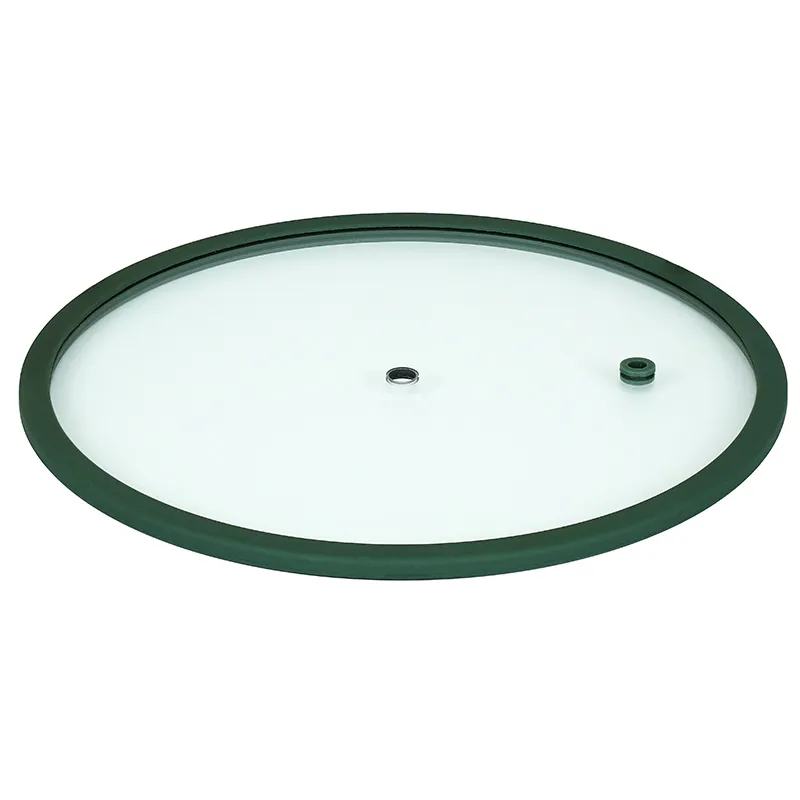
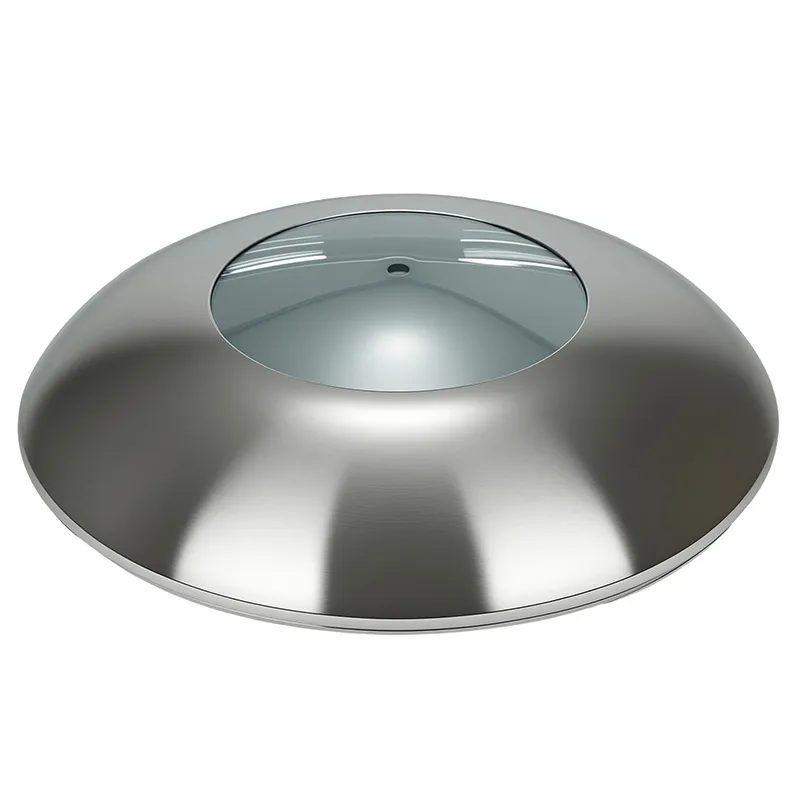
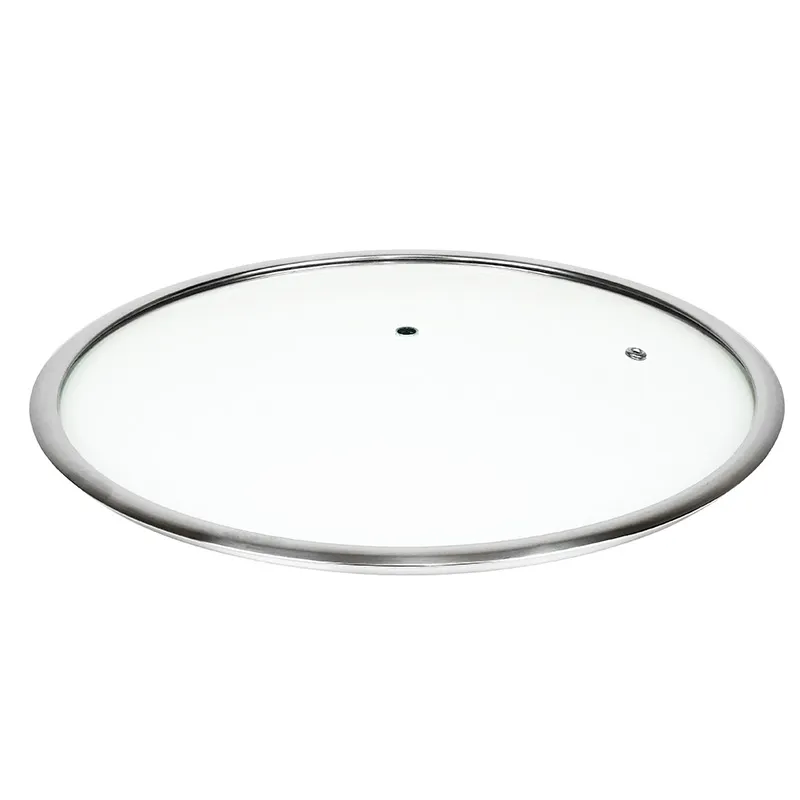
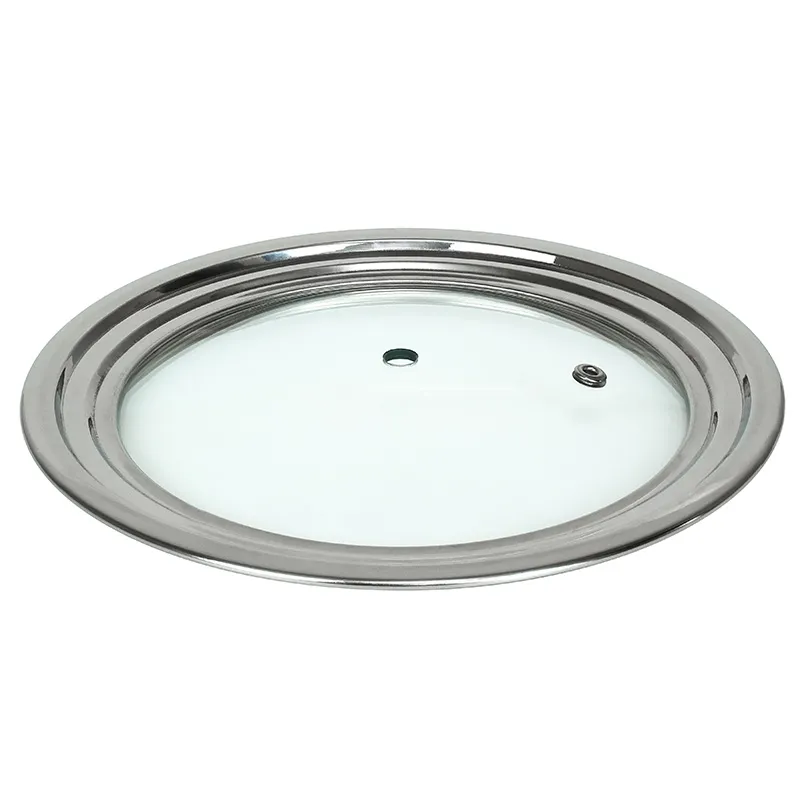
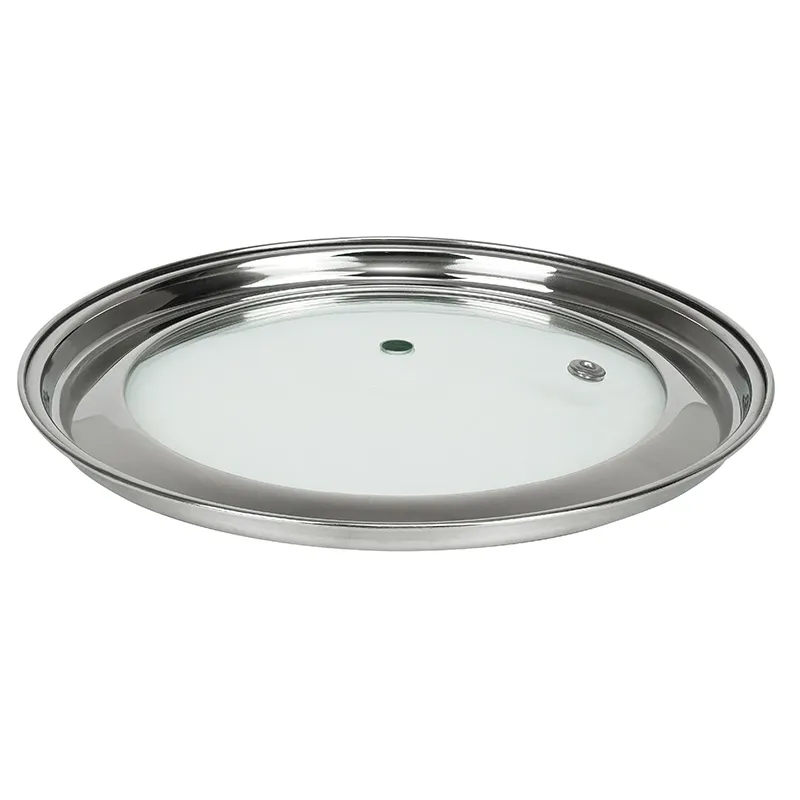
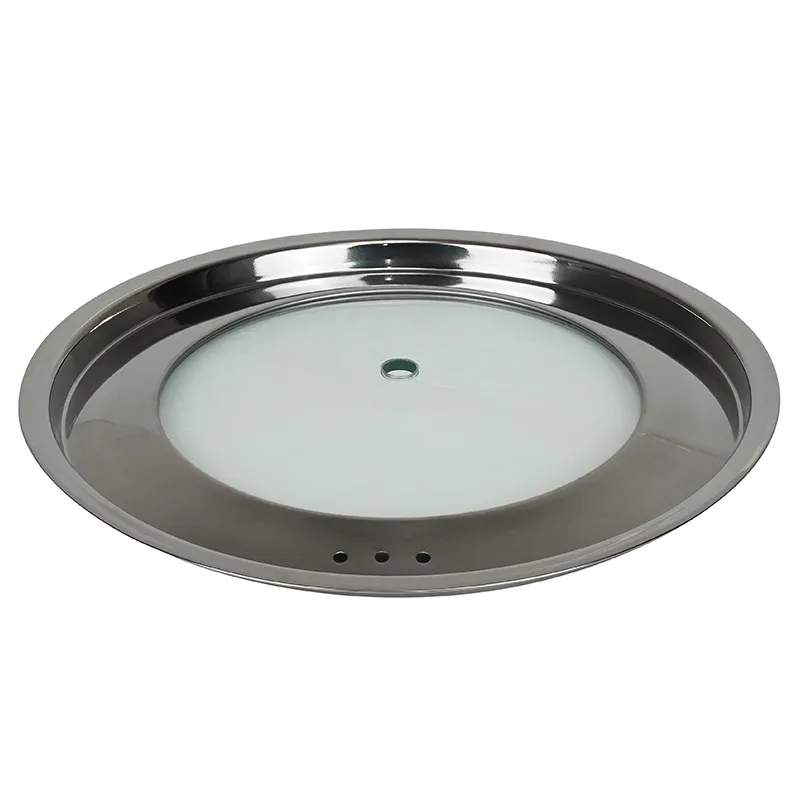
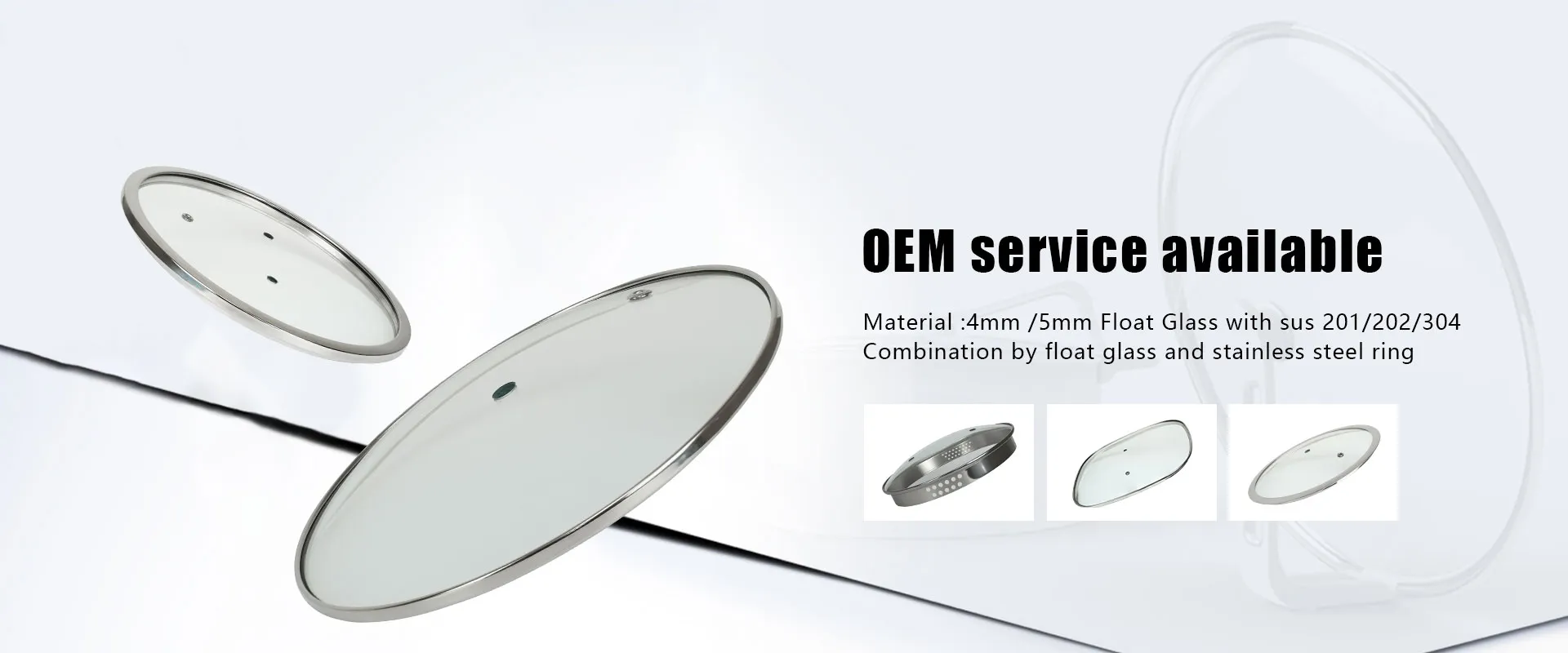
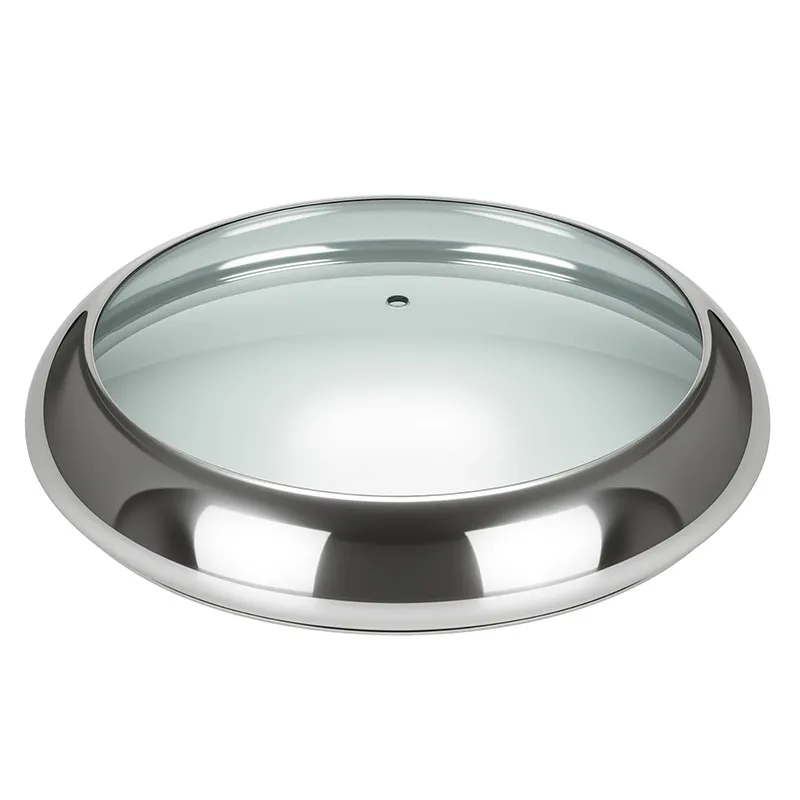
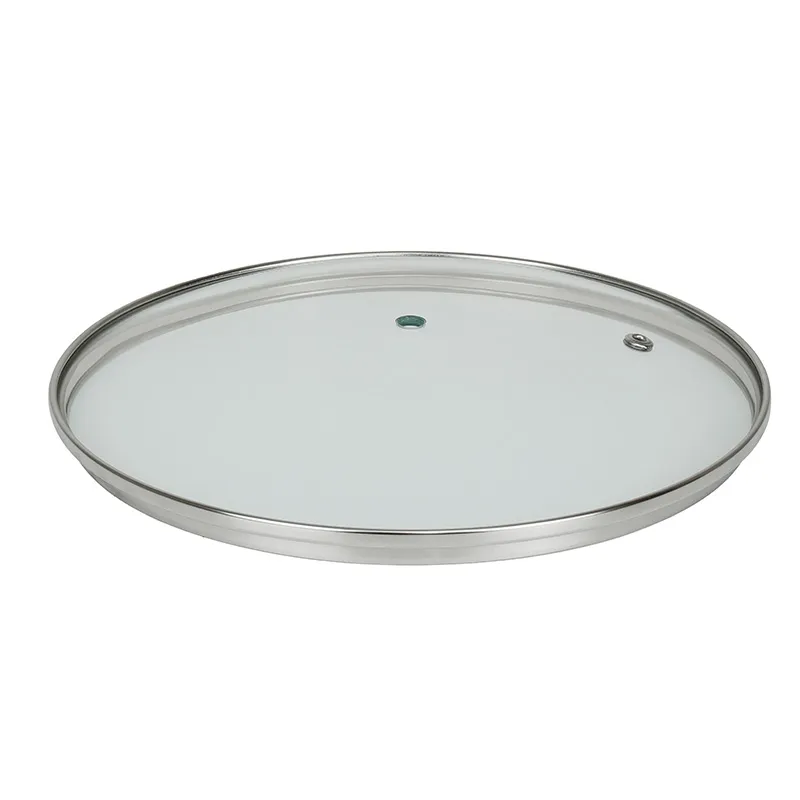
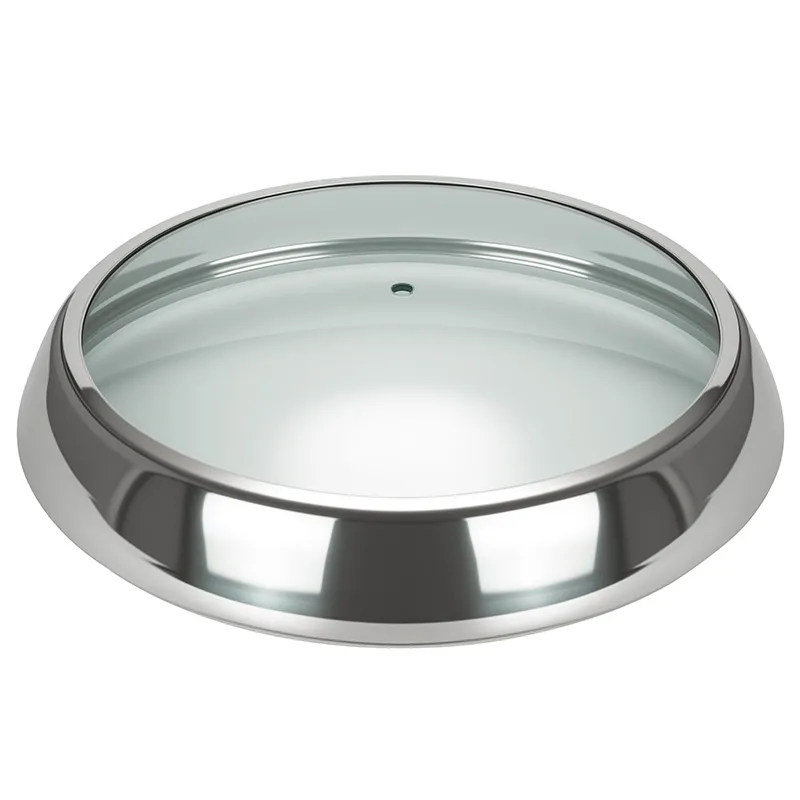
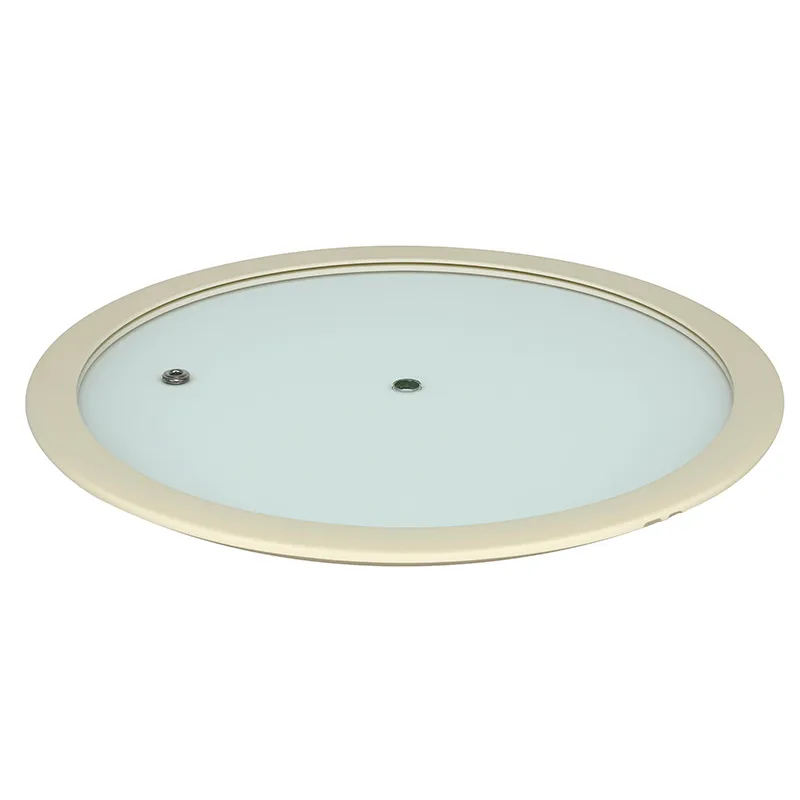
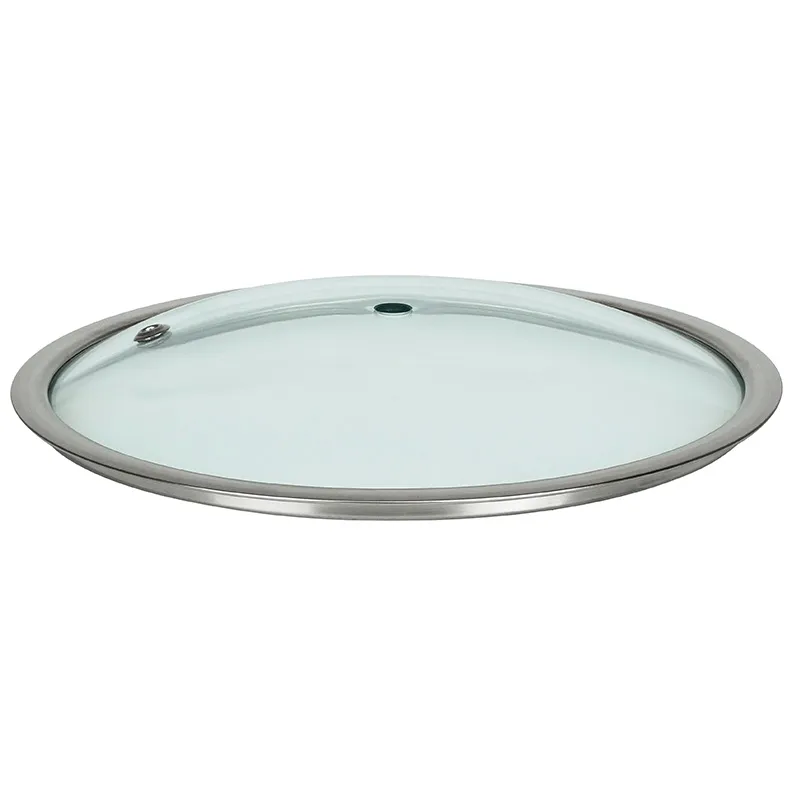
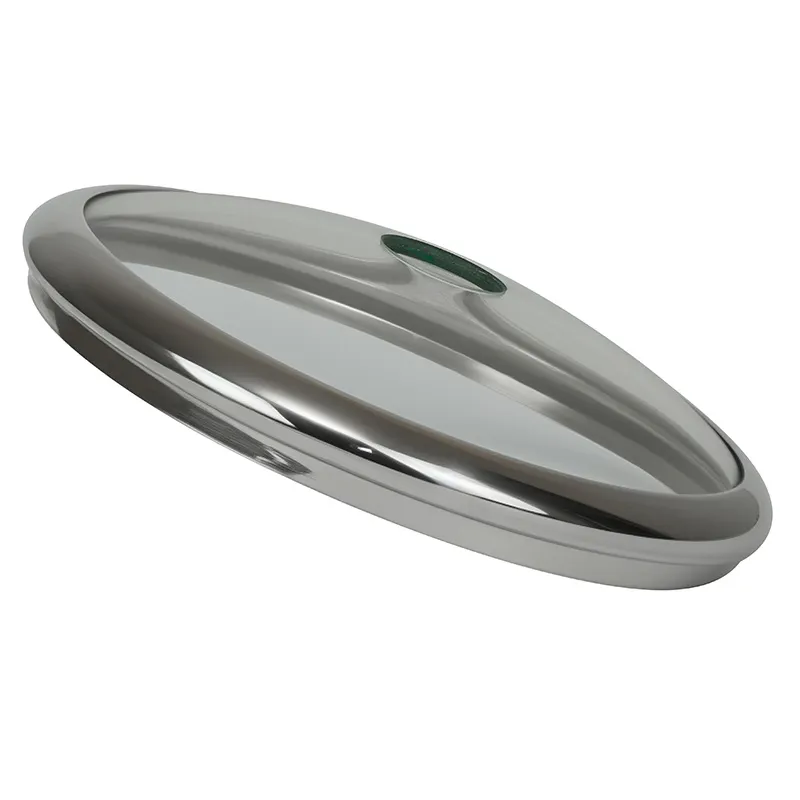
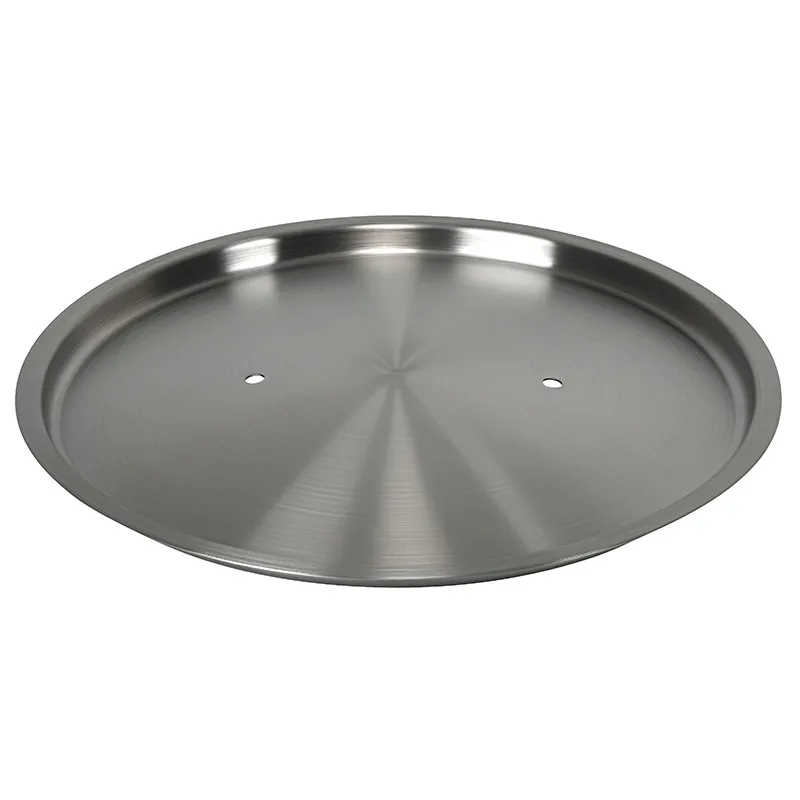
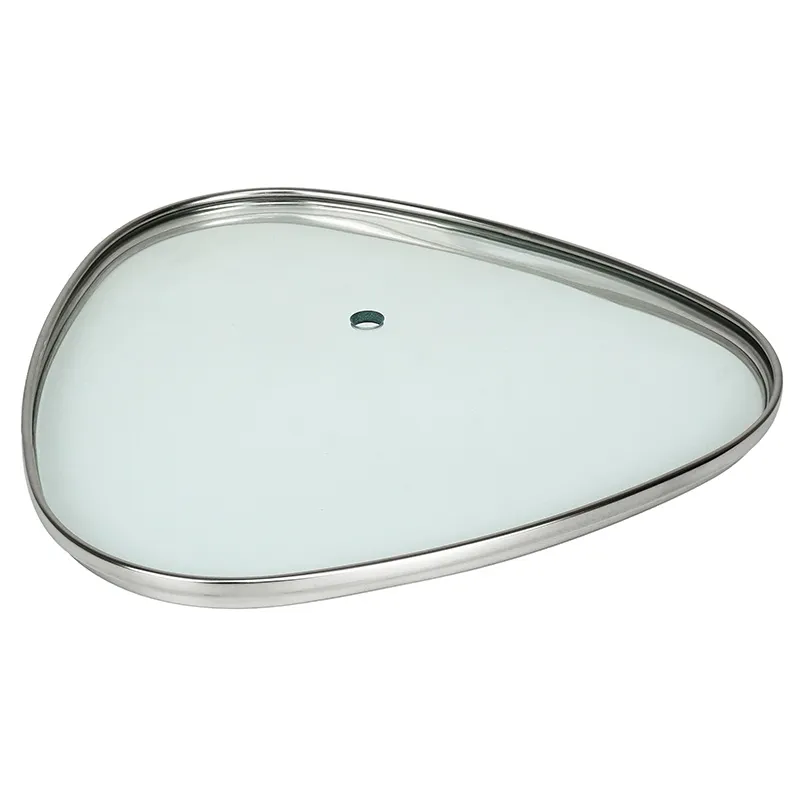
tempered glass lid with stainless steel ring
When you hear 'tempered glass lid with stainless steel ring', most people picture a simple, durable cover. The industry, however, is rife with oversimplification. The real story isn't just about glass and metal meeting; it's a constant negotiation between thermal shock resistance, sealing efficiency, and the brutal reality of high-volume manufacturing. Many assume the stainless steel ring is merely a frame, but its role in stress distribution and user safety is criminally underrated. I've seen designs fail not from the glass itself, but from a poorly engineered ring-to-glass interface.
Deconstructing the Simple Assembly
The process starts long before the assembly line. Sourcing the right borosilicate or soda-lime glass is one thing, but the tempering process parameters for a lid are different from, say, a baking dish. The curvature, if any, and the placement of the handle mounting points create inherent stress zones. You can't just run any cut glass through a standard tempering oven and expect it to play nice with a clamping ring. We learned this the hard way on an early batch for a European client—a 3% failure rate upon ring fitting, with spontaneous cracks originating from the handle holes. The issue wasn't the glass strength, but the localized heating during tempering not accounting for those perforations.
Then comes the stainless steel ring. 201 or 304? It's not just a cost decision. For lids destined for dishwashers (which is almost all of them in the EU market), 304 is non-negotiable for corrosion resistance. But the forming of that ring—the precision of the diameter and the flatness—is what makes or breaks a seal. A ring out of true by even half a millimeter won't sit flush, leading to rocking, steam escape, and eventually, consumer complaints. The welding of the ring's ends is another subtle art; a rough or bulky weld seam prevents a continuous seal and looks cheap.
The assembly seems straightforward: place the glass into the ring and crimp. But the crimping pressure is everything. Too much, and you induce new stress points on the tempered glass edge, creating a future fracture risk. Too little, and the lid is loose, rattling on the pot. We use calibrated pneumatic presses, but even then, ambient temperature and humidity can affect the metal's behavior. It's a tactile skill the line operators develop—they can often hear a bad crimp. This is where a company like EUR-ASIA COOKWARE CO.,LTD leverages its volume. Running 15 million pieces a year means you see every failure mode imaginable, and your process controls become incredibly refined. You can find their approach detailed on their site, glass-lid.com, which reflects their export-focused, specification-driven mindset.
The Devil in the Details: Handles, Seals, and Heat
Take the handle, often an afterthought in descriptions. It's typically a phenolic resin knob screwed into a metal post welded to the stainless steel ring. The thermal expansion coefficients of plastic, metal, and glass are all different. In a lid that goes from a cold cupboard to a boiling pot, that handle post is a conduit for heat into the central glass area. We've had cases where rapid heating caused the metal post to expand slightly faster than the glass around it, leading to a tell-tale star crack. The fix was counter-intuitive: slightly loosening the crimp tension in the immediate vicinity of the handle posts to allow for micro-movement.
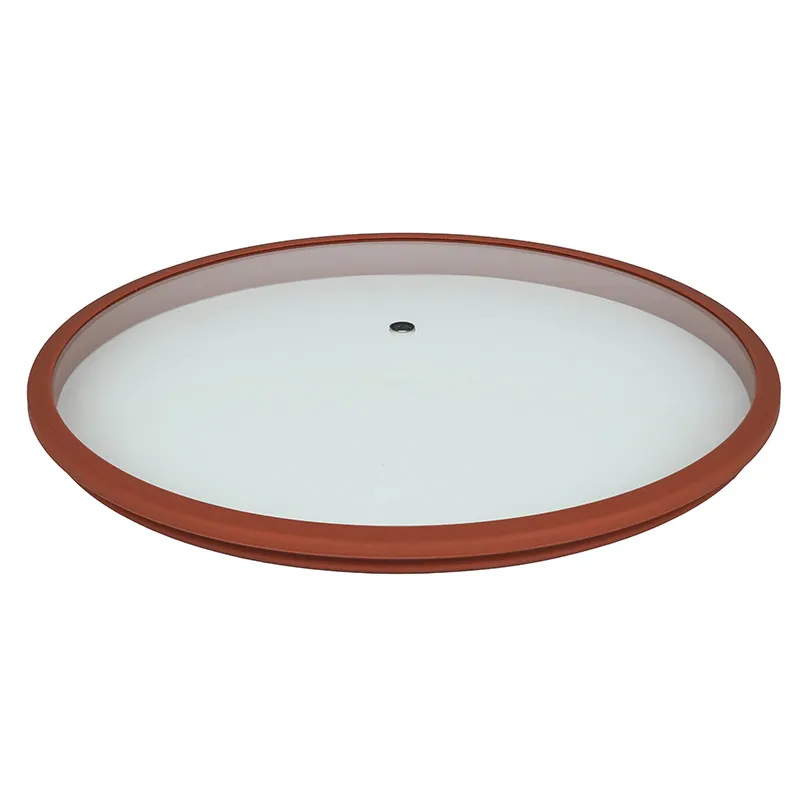
The seal is another point of contention. Most tempered glass lid designs have a silicone gasket seated in a channel on the ring's inner lip. The common mistake is specifying a gasket that's too thick for the channel, causing the glass to dome upwards when crimped. Or too thin, which fails to compensate for minor pot rim imperfections. The gasket also ages. Cheap silicone compounds can become brittle or discolor after repeated dishwasher cycles. Sourcing a food-grade, high-temperature silicone that retains elasticity is a key part of the BOM cost that separates low-tier from medium/high-tier products, a segmentation EUR-ASIA COOKWARE explicitly addresses in their production range.
And then there's the condensate issue. A good tempered glass lid doesn't just cover; it manages moisture. The slope of the glass, the depth of the drip rim (that ridge on the underside), and even the texture of the polishing on the underside all affect whether condensate drips back neatly into the pot or rolls messily off the edge when you lift it. It's a small detail that defines user experience. I recall a batch where a change in glass polishing compound led to a slightly more hydrophobic surface, causing water to bead and run off unpredictably. The lids functioned, but the messiness generated returns.
Export Realities and Failure Analysis
With over 90% of production exported, as with EUR-ASIA's flow to Germany, Japan, Brazil and others, you're not just making a product; you're navigating a minefield of regional standards. CE marks, LFGB compliance, FDA food contact materials—each adds a layer of documentation and material traceability. A stainless steel ring for the German market might need a specific alloy certificate that a South American buyer doesn't ask for, but you standardize on the higher spec to streamline production. The packaging itself becomes critical. Stacking lids for shipping can transmit point loads through the glass if the cardboard inserts aren't designed correctly. We once had a container arrive in Poland with a 5% breakage rate purely from vertical compression during transit.
Failure analysis is a routine part of the job. A lid comes back cracked. Is it a manufacturing defect, user misuse (like thermal shock from placing a hot lid on a cold granite counter), or a design flaw? The fracture pattern tells the story. A classic butterfly pattern with an origin point at the edge usually points to impact. A series of cracks radiating from the center suggests thermal stress. This forensic skill is built from seeing thousands of broken lids. It directly informs design tweaks, like slightly rounding a previously sharp glass edge or adding a subtle thermal break in the handle design.
The push for cost-optimization is relentless. Can we reduce the gauge of the stainless ring by 0.1mm? It saves tonnes of metal annually. But then you run simulations and physical tests: does it affect rigidity? Does it change the harmonic vibration during dishwashing, potentially increasing noise? Every change has a ripple effect. The specialization of a factory, with its 20,000㎡ facility and focused output, is in managing these ripples at scale, turning what seems like a commodity item into a reliably engineered kitchen tool.
Beyond the Lid: System Thinking
You rarely sell a tempered glass lid with stainless steel ring in isolation. It's part of a cookware system. The lid must interface with pots from a dozen different manufacturers, each with slightly different rim diameters and profiles. The industry standard sizes (16cm, 20cm, 24cm) have tolerances. So, your lid's actual sealing diameter is often designed to the lower end of that tolerance to ensure it fits the widest range of pots, albeit sometimes with a slightly looser fit on pots at the upper limit. It's a compromise.
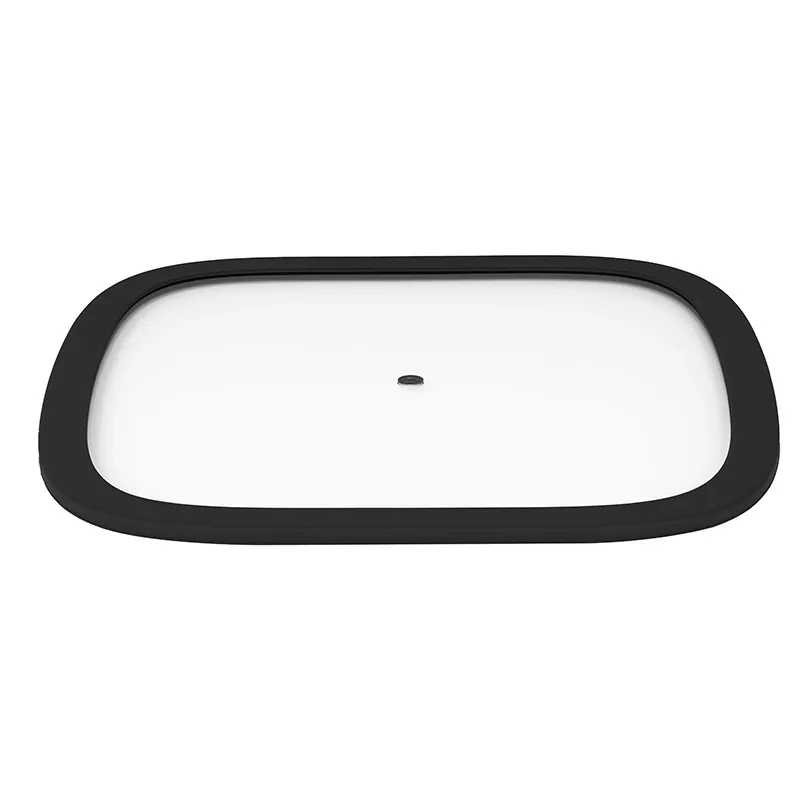
Looking forward, the trends are about integration and aesthetics. Induction compatibility is a given, but now there's interest in lids with integrated steam vents or even simple temperature sensors. The challenge is integrating these features without compromising the structural integrity of the tempered glass or making the ring overly complex. The other trend is finish: brushed vs. polished stainless rings, colored silicone seals to match cookware lines. These are value-adds that move a product into the high-level category that companies like EUR-ASIA COOKWARE cater to, where the kitchen accessory is also a design statement.
In the end, it's a product that embodies industrial pragmatism. It's not glamorous, but its success is measured in its absence—the lack of complaints, the absence of returns. When you pick up a well-made lid, it feels solid, sits flush, and quietly does its job. That feeling is the sum of a hundred small, correct decisions in material selection, process control, and design tolerance, hammered out on a factory floor producing millions of units. It's the difference between a part and a product.
Related Products
Related Products