- Chinese
- French
- German
- Portuguese
- Spanish
- Russian
- Japanese
- Korean
- Arabic
- Irish
- Greek
- Turkish
- Italian
- Danish
- Romanian
- Indonesian
- Czech
- Afrikaans
- Swedish
- Polish
- Basque
- Catalan
- Esperanto
- Hindi
- Lao
- Albanian
- Amharic
- Armenian
- Azerbaijani
- Belarusian
- Bengali
- Bosnian
- Bulgarian
- Cebuano
- Chichewa
- Corsican
- Croatian
- Dutch
- Estonian
- Filipino
- Finnish
- Frisian
- Galician
- Georgian
- Gujarati
- Haitian
- Hausa
- Hawaiian
- Hebrew
- Hmong
- Hungarian
- Icelandic
- Igbo
- Javanese
- Kannada
- Kazakh
- Khmer
- Kurdish
- Kyrgyz
- Latin
- Latvian
- Lithuanian
- Luxembou..
- Macedonian
- Malagasy
- Malay
- Malayalam
- Maltese
- Maori
- Marathi
- Mongolian
- Burmese
- Nepali
- Norwegian
- Pashto
- Persian
- Punjabi
- Serbian
- Sesotho
- Sinhala
- Slovak
- Slovenian
- Somali
- Samoan
- Scots Gaelic
- Shona
- Sindhi
- Sundanese
- Swahili
- Tajik
- Tamil
- Telugu
- Thai
- Ukrainian
- Urdu
- Uzbek
- Vietnamese
- Welsh
- Xhosa
- Yiddish
- Yoruba
- Zulu
- Kinyarwanda
- Tatar
- Oriya
- Turkmen
- Uyghur

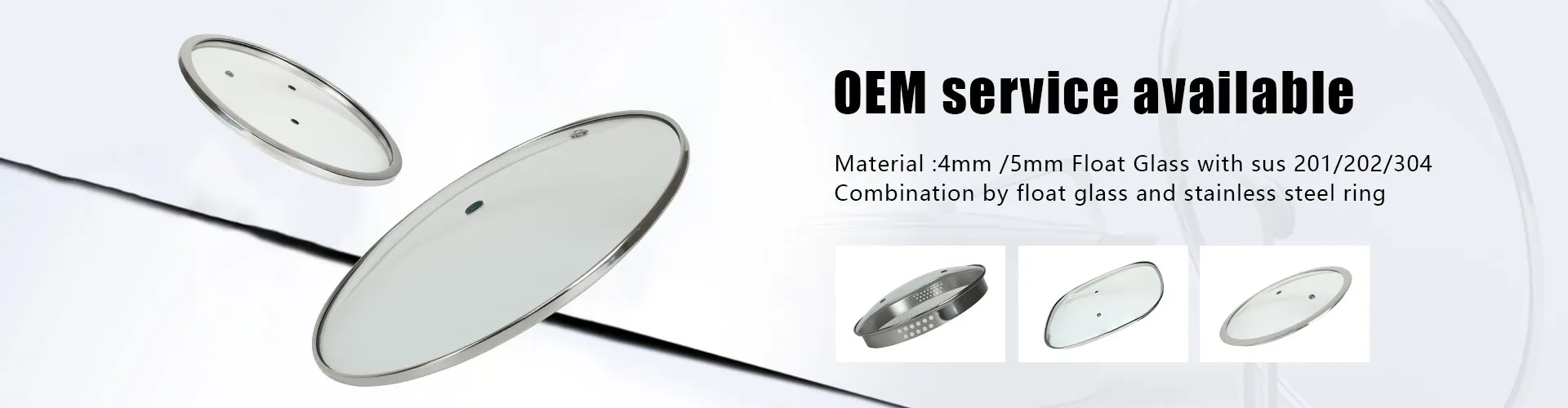
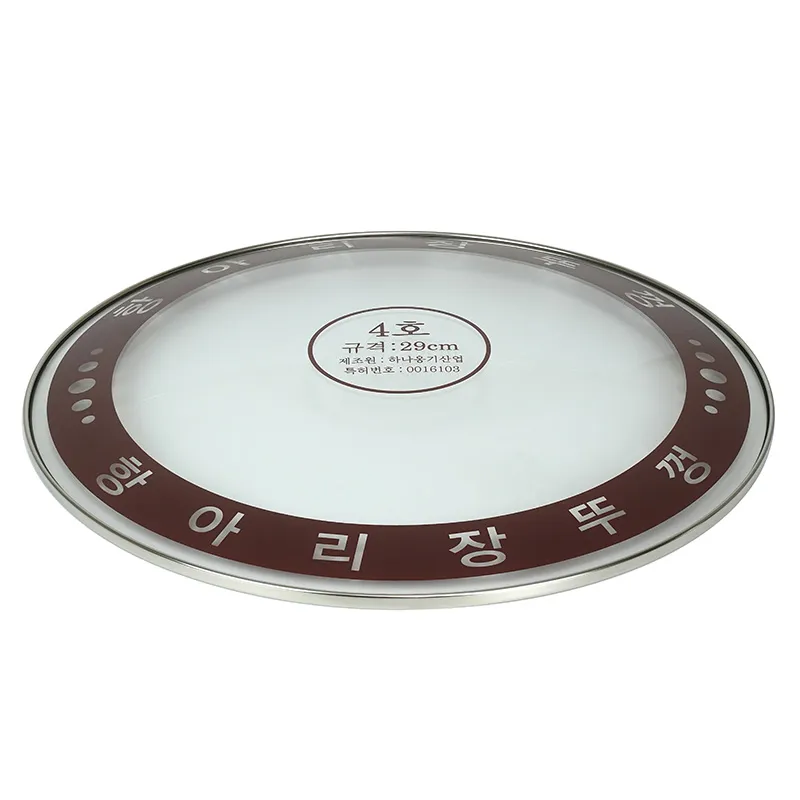
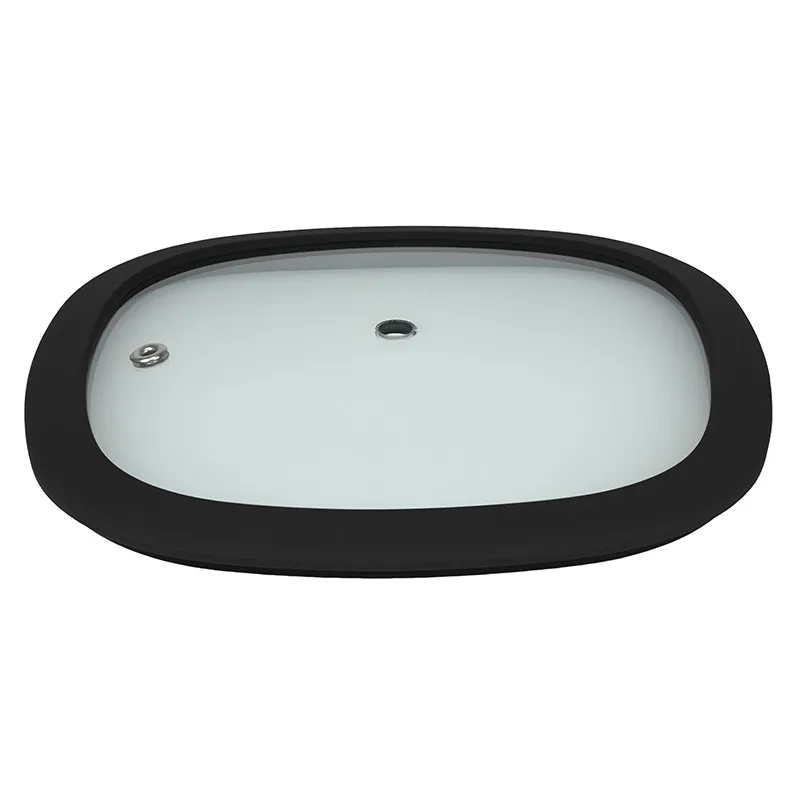
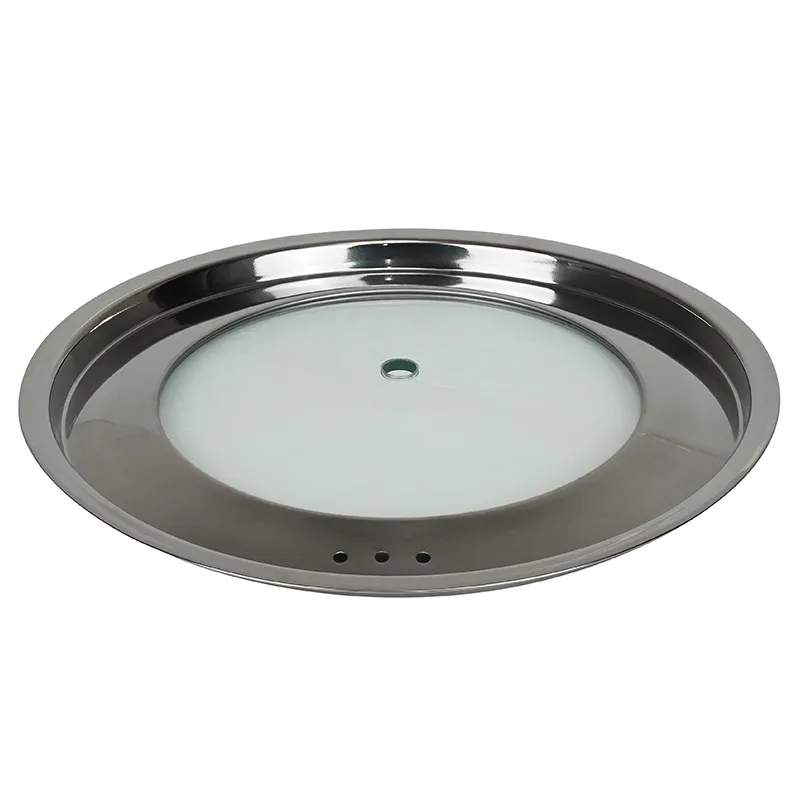
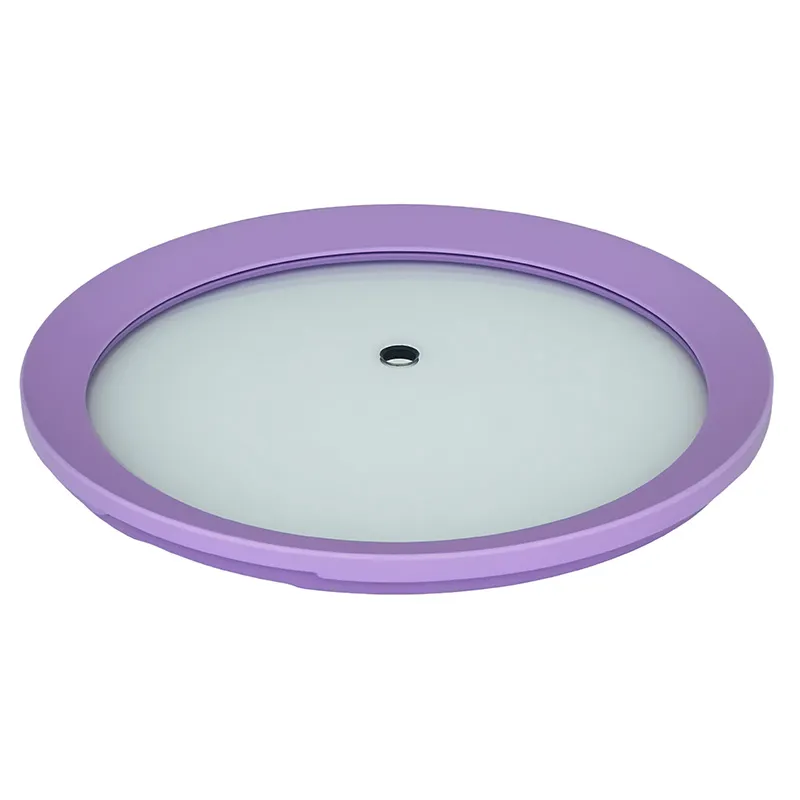
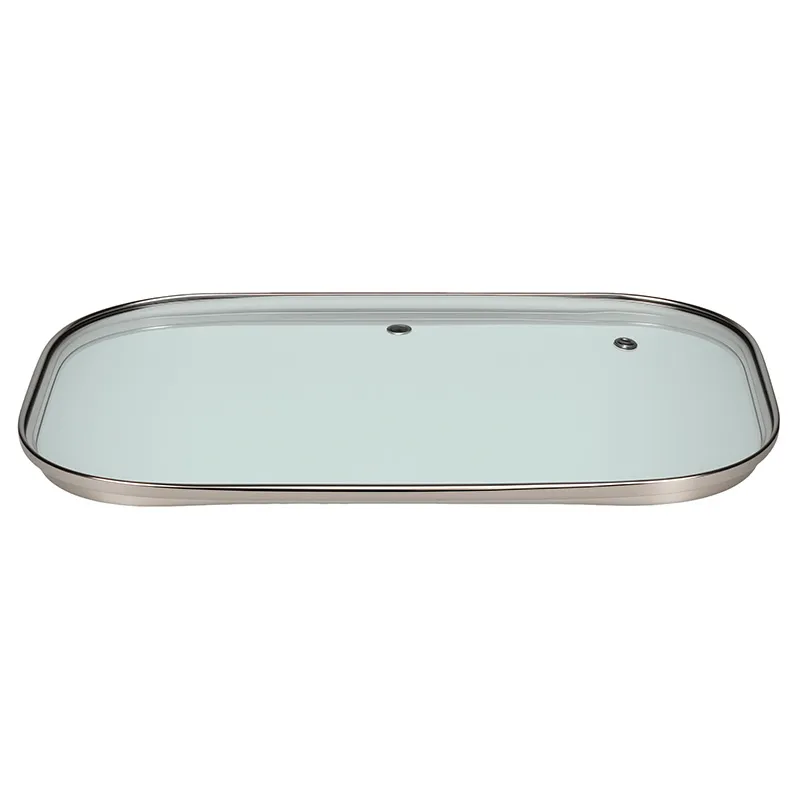
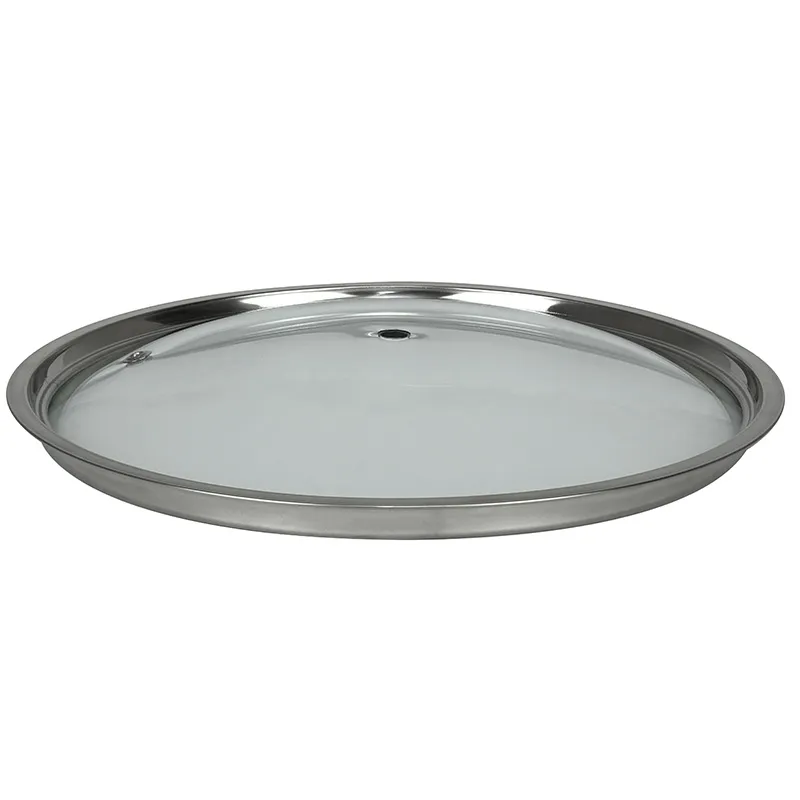
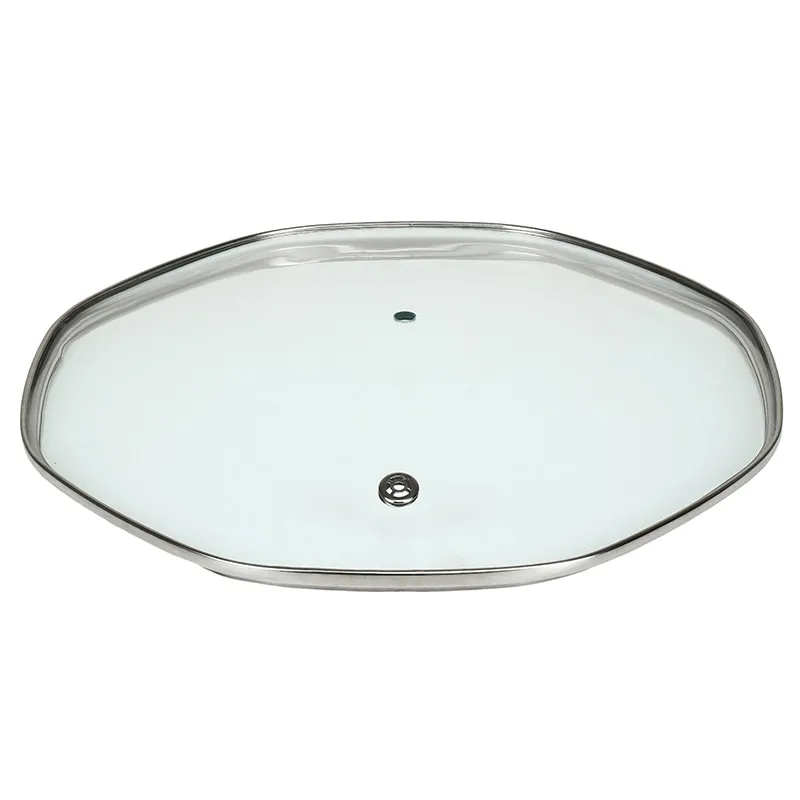
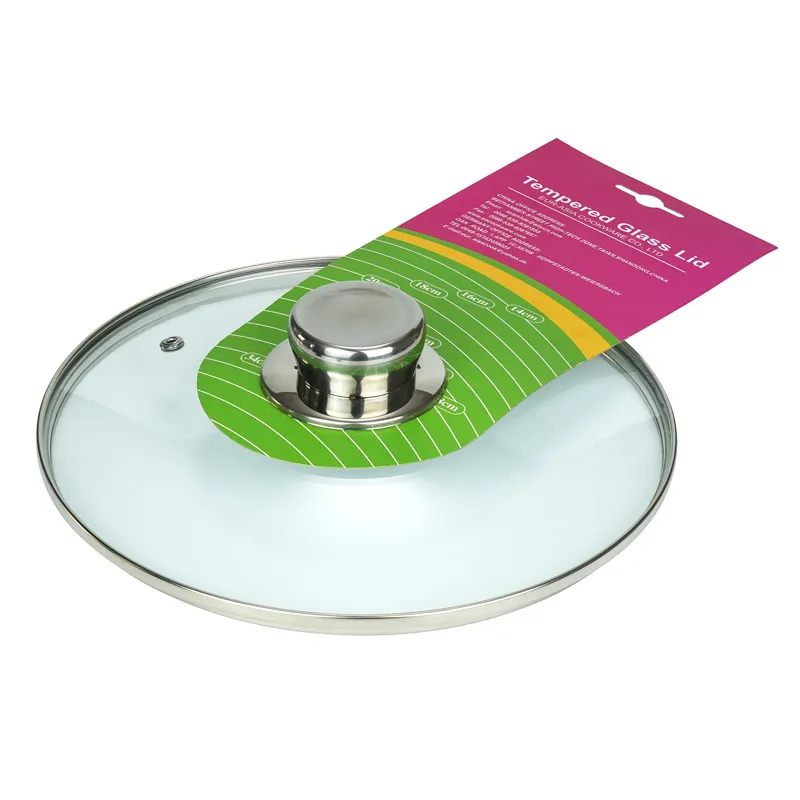
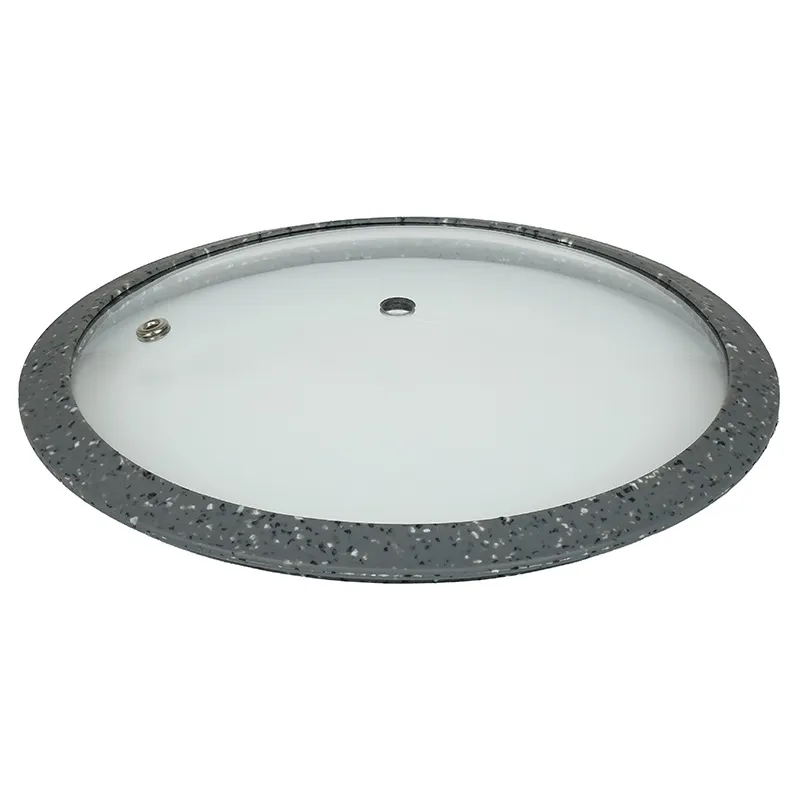
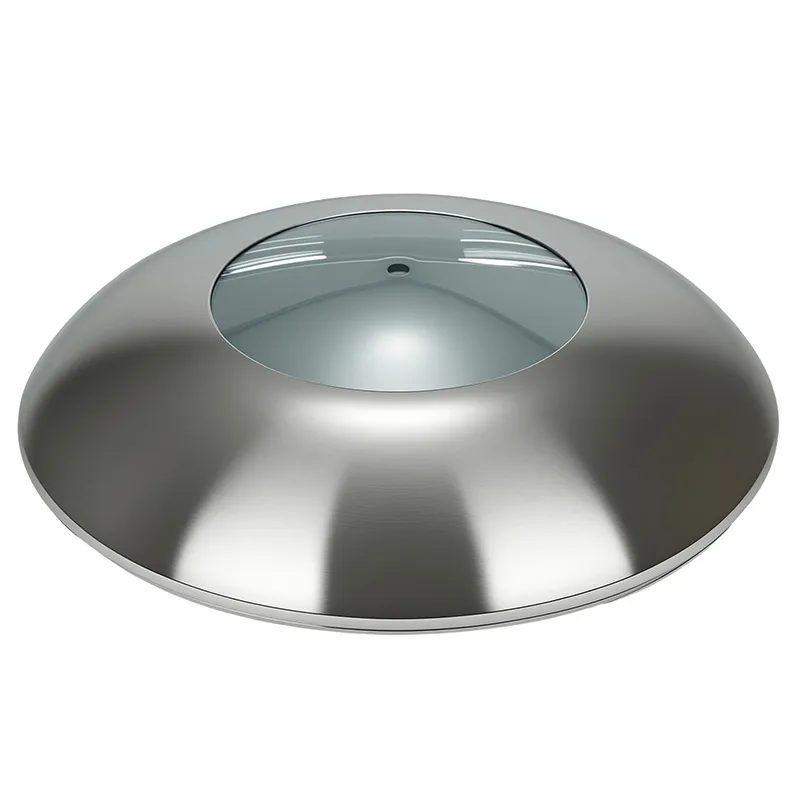
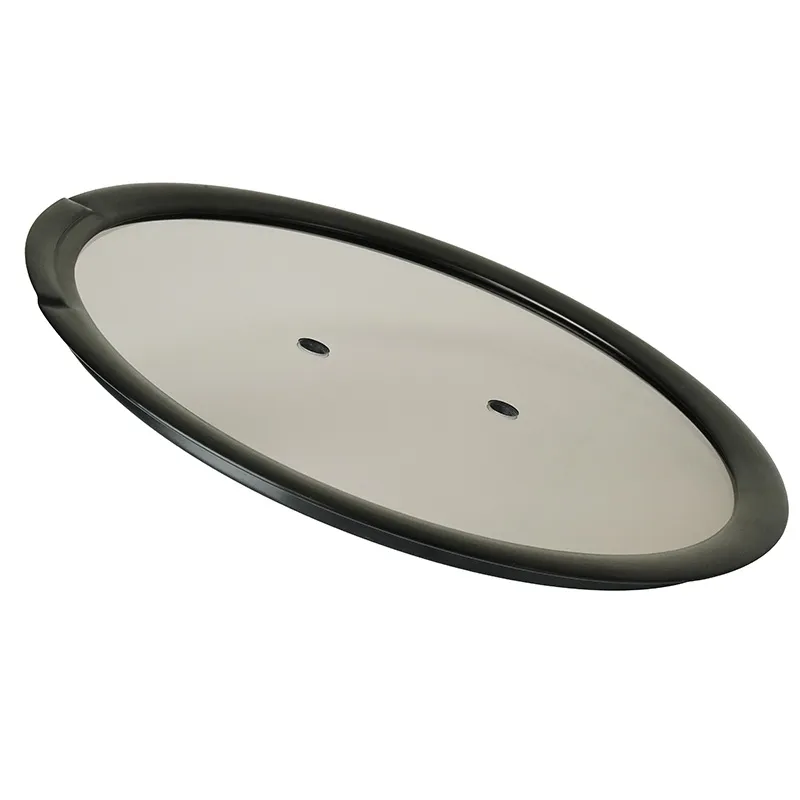
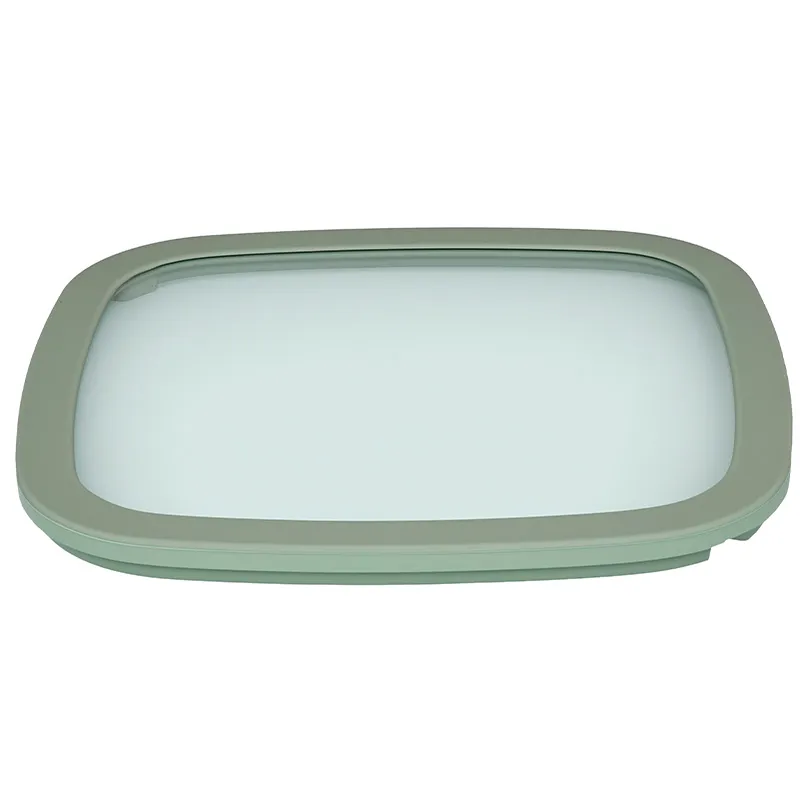
tempered glass lids
Look, when most people hear 'tempered glass lids', they think 'see-through, won't shatter, good'. That's the marketing baseline. But the real story—the one that determines if a lid lasts two years or ten, if it sits perfectly or rocks on a pot—is in the details most specs sheets gloss over. It's not just about being tempered; it's about how it's tempered, for what specific use, and the frankly annoying number of things that can go subtly wrong between the furnace and the kitchen cabinet. I've seen batches that passed every standard lab test but still developed a slight, persistent haze after a few dishwasher cycles, or ones where the edge grinding was a fraction off, leading to a fit that was just... unsatisfying. That gap between the theoretical 'safety glass' and the practical, daily-use item is where the actual work happens.
The Tempering Process: Where the Magic and Mishaps Happen
Everyone in the trade knows the basic principle: heat the cut and edged glass to around 620-650°C, then quench it with high-pressure air jets to rapidly cool the surface. This creates surface compression and interior tension, giving it that strength. The textbook stuff. But walk the line at a place like EUR-ASIA COOKWARE CO.,LTD, and you see the variables. The consistency of the furnace heat, the calibration and cleanliness of the air nozzles, the speed of the conveyor belt—a hiccup in any of these doesn't always mean catastrophic failure. Sometimes it just means a slight variation in the bow or warp of the lid. A warp you might not even see until you place it on a perfectly flat pot and notice it spins too easily, or has a tiny, persistent rock.
I recall a shipment for a German client—they're notoriously precise—where we had a reject rate spike. The lids met the 5mm steel ball drop test, no problem. But their QC was using a laser level to check flatness on a granite table. We were measuring to a standard tolerance, they were measuring to a tighter one. The root cause? A gradual drift in the quenching zone's air pressure balance. It was creating a barely perceptible differential cooling. Fixing it wasn't about a major overhaul, just rigorous, hourly checks on the compressor outputs. That's the kind of mundane, unglamorous detail that defines quality.
Then there's the glass itself. Not all soda-lime float glass is equal. Minor impurities or inconsistencies in the raw material can lead to localized stress points after tempering. Under most conditions, it's fine. But thermal shock—taking a lid from a boiling pot and placing it on a cold marble counter—can sometimes exploit these. It's rare for a properly tempered lid to just explode, but I've seen 'spiderweb' cracks originate from a tiny, nearly invisible inclusion near the handle rivet point. That's a failure, but one that tells a story about material sourcing and pre-tempering inspection.
The Devil in the Details: Edges, Handles, and Fit
If the tempering is the heart, the finishing is the soul of a good lid. The edge. You can have the strongest tempered glass in the world, but if the edge is poorly ground, it feels cheap and can even chip. The progression of grinding wheels—from coarse to fine, often ending with a polished or felt wheel finish—is crucial. A sharp, seamed edge is a sign of rushing the process. A smooth, uniformly rounded edge that feels cool and substantial to the touch? That's where you see the difference in manufacturing priority. I prefer a fully polished edge; it resists staining from hard water and oils better than a matte-seamed finish.
Handle attachment is another critical stress point. Most use a stainless steel knob or bail handle secured with a nut and a pressure-distributing washer (often plastic or phenolic). The torque on that nut is critical. Overtighten, and you risk creating a focal point of stress on the tempered glass lid that can lead to a radial crack down the line. Undertighten, and the handle becomes wobbly. The best practice is a calibrated torque wrench and a thread-locking compound. I've seen failures where the wrong washer material was used—one with a different thermal expansion rate than the metal and glass—leading to loosening after repeated heating/cooling cycles.
Fit is subjective but measurable. The 'overhang' or 'undercut' of the lid skirt relative to the pot rim. Too much overhang, and it's clumsy, catches on things. Too little, and it doesn't seat securely. This requires precise mold design for the glass cutting. For a company like EUR-ASIA, which exports globally, they're not making one universal lid. They're producing to the exact specifications of a Swiss brand's cookware line or a Korean manufacturer's pot series. The tolerances can be under half a millimeter. You can find their range and how they address these fit specifications on their site, glass-lid.com, which details their focus on producing for international markets. It's this kind of contract manufacturing that demands absolute precision.
Thermal Performance and Misconceptions
A common misconception is that a tempered glass lid is somehow an insulator. It's not. Its primary function is to contain heat and moisture, not to contribute to heating. Its thermal mass is low. The real performance factor is the seal it creates. A well-designed lid will have a subtle, intentional concavity (a slight dome upwards when cold) so that when heated, it flattens out to create a better seal with the pot rim. If it's convex when cold, it'll just get worse when hot and let all the steam out.
Then there's the condensation ridge. The best lids have a continuous, pronounced inner ridge to channel condensation back into the pot, not let it drip off the edge and onto the stovetop. It's a small feature, but its absence is glaringly obvious in use. I've tested lids where the ridge was discontinuous near the handle, creating a perfect drip path right onto the gas burner. A design flaw that should have been caught in prototyping.
Browning under high, direct heat (like under a broiler) is another thing. While the glass itself won't degrade, residues from cooking—oils, sauces—can bake onto the surface if exposed to intense radiant heat from above. It's not a defect of the lid, but a user expectation issue. No tempered glass product is meant to be routinely used as a broiling pan. The clarity can diminish over years of this treatment.
Quality Tiers and Market Realities
The market for these is stratified. You have the low-cost, high-volume segment where the priority is hitting a price point. The glass might be thinner (2.5-3mm), the edge grinding might be simpler, the handle a basic plastic knob. They function, but the feel and longevity differ. Then you have the medium and high tier, where companies like EUR-ASIA COOKWARE operate, producing for brands that sell in European or Japanese department stores. Here, thickness moves to 3.5mm, 4mm, or more. The edges are fully polished. The handles are stainless steel with secure, often oven-safe, attachments. The annual output they mention—over 15 million pieces—speaks to this volume in the mid-to-high range, not the bargain basement.
Export compliance is a huge part of this. A lid sold in Germany needs to pass not just basic safety tests, but also material migration tests (ensuring no heavy metals leach from paints or prints under heat) and stringent packaging requirements. The fact that over 90% of their output goes to markets like Germany, France, Denmark, and Japan is a testament to their production standards meeting these diverse and strict regulations. It's not something a fly-by-night factory can manage. Japan, for instance, has incredibly high expectations for finish and packaging presentation.
Failure analysis is telling. When a lid comes back cracked, the fracture pattern is a fingerprint. A classic 'butterfly' pattern with two distinct pieces? That's a classic tempering stress failure, often from an impact. A single radial crack emanating from the edge or a handle point? That's likely a point stress issue, either from a manufacturing flaw (like a micro-chip on the edge) or from misuse (like striking the edge on a hard faucet). In the factory, they should be doing regular 'destructive' testing—not just sample drop tests, but actually over-torquing handles or deliberately creating thermal shocks—to find the weak points in their process.
The Unseen: Logistics, Packaging, and the Final Mile
Manufacturing is only half the battle. A perfectly made tempered glass lid can be destroyed in transit. Packaging is critical. It's not just a cardboard box. It needs a formed plastic clamshell or high-density foam that cradles the lid, preventing any point contact during shocks. The boxes themselves need to be stacked and palletized correctly to avoid crushing. I've seen entire pallets rejected because the shipping container experienced a severe vertical shock (a hard drop), and the packaging, while adequate for normal bumps, wasn't rated for that. The lids were intact but the stress patterns showed they'd been compromised.
Storage matters too. Glass is inert, but the packaging isn't. Storing boxes in a humid warehouse can weaken cardboard, leading to box collapse and broken lids. Or, if the lids are stacked flat for long periods under weight, even the slight warp I mentioned earlier can become permanent. Good practice is to store them on edge, in climate-controlled conditions. It's these supply chain details that separate a reliable supplier from a problematic one.
So, when you look at a tempered glass lid, you're not just looking at a piece of hardened glass. You're looking at the endpoint of a chain involving material science, mechanical engineering, precision manufacturing, quality control, and logistical planning. The best ones fade into the background of cooking—reliable, clear, fitting perfectly. That invisibility is the mark of something done very, very well. It's what outfits like the one in Taian, with their 20,000㎡ facility and focus on export markets, are built to achieve. It's less about flashy innovation and more about relentless, boring consistency across millions of pieces. And in this business, boring consistency is the hardest thing to deliver.
Related Products
Related Products