- Chinese
- French
- German
- Portuguese
- Spanish
- Russian
- Japanese
- Korean
- Arabic
- Irish
- Greek
- Turkish
- Italian
- Danish
- Romanian
- Indonesian
- Czech
- Afrikaans
- Swedish
- Polish
- Basque
- Catalan
- Esperanto
- Hindi
- Lao
- Albanian
- Amharic
- Armenian
- Azerbaijani
- Belarusian
- Bengali
- Bosnian
- Bulgarian
- Cebuano
- Chichewa
- Corsican
- Croatian
- Dutch
- Estonian
- Filipino
- Finnish
- Frisian
- Galician
- Georgian
- Gujarati
- Haitian
- Hausa
- Hawaiian
- Hebrew
- Hmong
- Hungarian
- Icelandic
- Igbo
- Javanese
- Kannada
- Kazakh
- Khmer
- Kurdish
- Kyrgyz
- Latin
- Latvian
- Lithuanian
- Luxembou..
- Macedonian
- Malagasy
- Malay
- Malayalam
- Maltese
- Maori
- Marathi
- Mongolian
- Burmese
- Nepali
- Norwegian
- Pashto
- Persian
- Punjabi
- Serbian
- Sesotho
- Sinhala
- Slovak
- Slovenian
- Somali
- Samoan
- Scots Gaelic
- Shona
- Sindhi
- Sundanese
- Swahili
- Tajik
- Tamil
- Telugu
- Thai
- Ukrainian
- Urdu
- Uzbek
- Vietnamese
- Welsh
- Xhosa
- Yiddish
- Yoruba
- Zulu
- Kinyarwanda
- Tatar
- Oriya
- Turkmen
- Uyghur


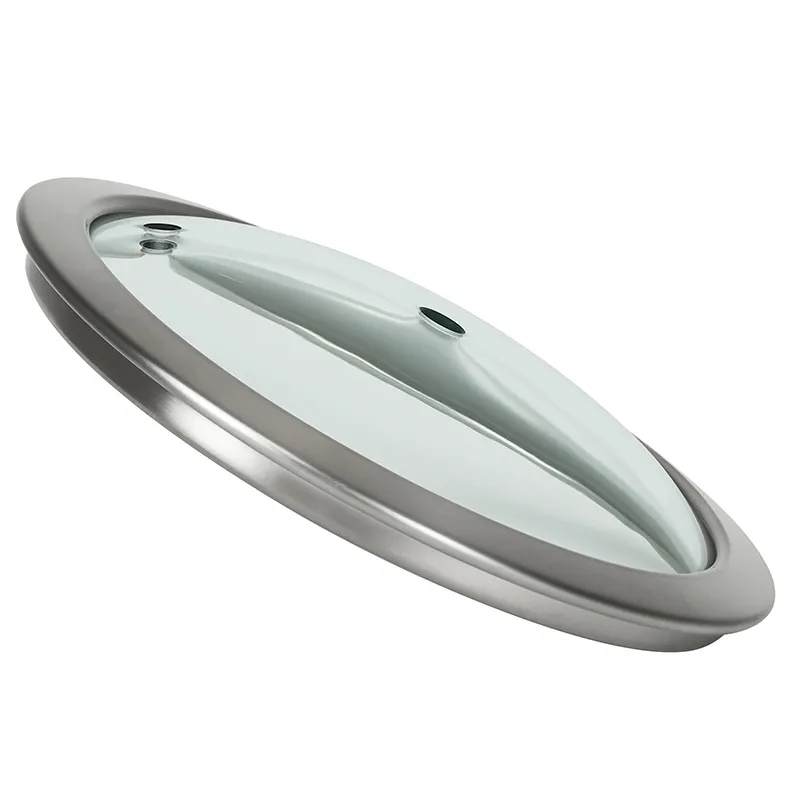
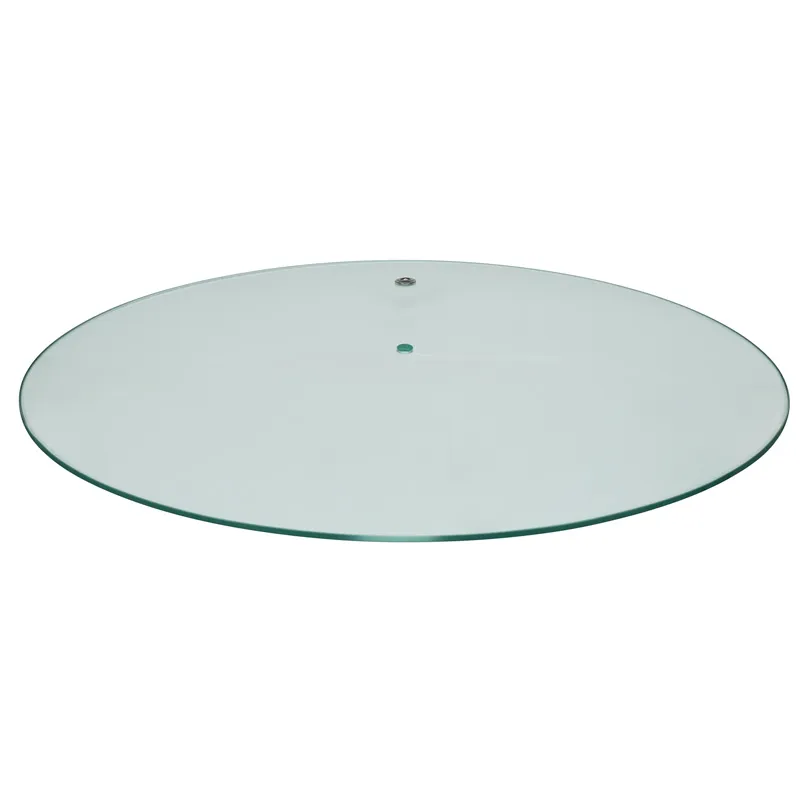
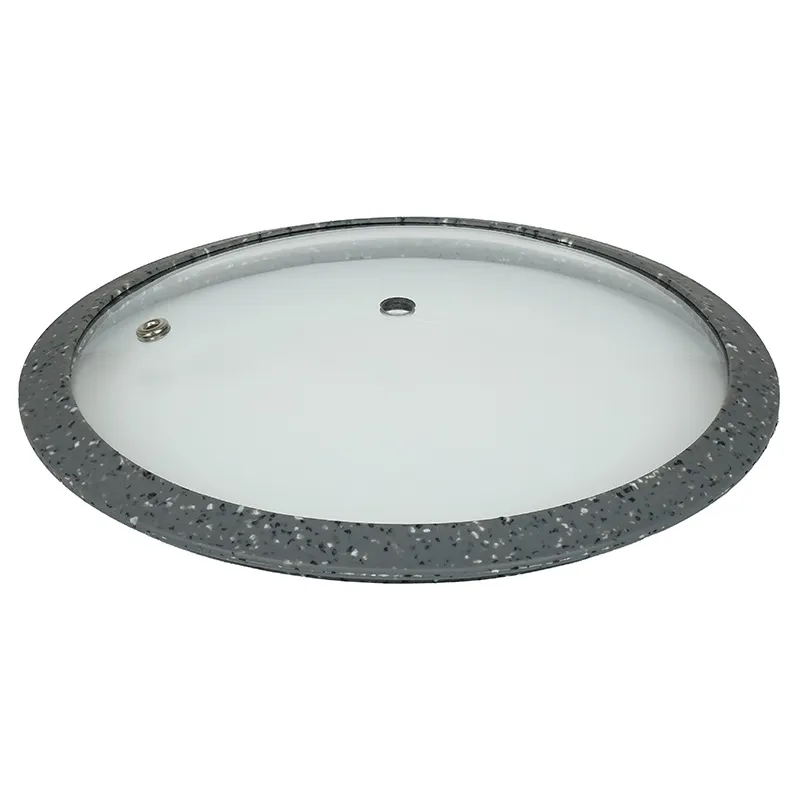
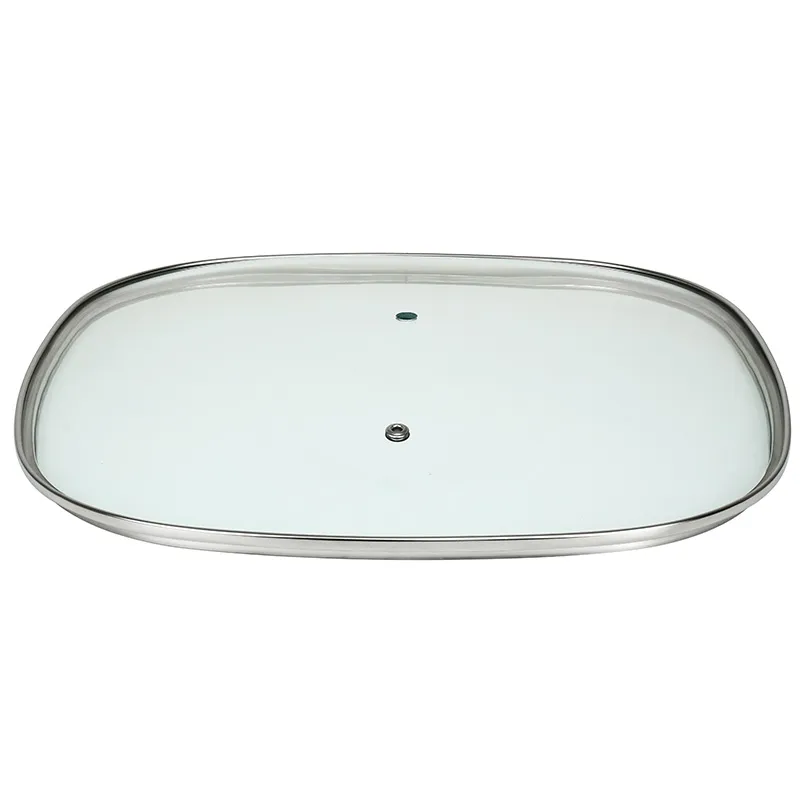
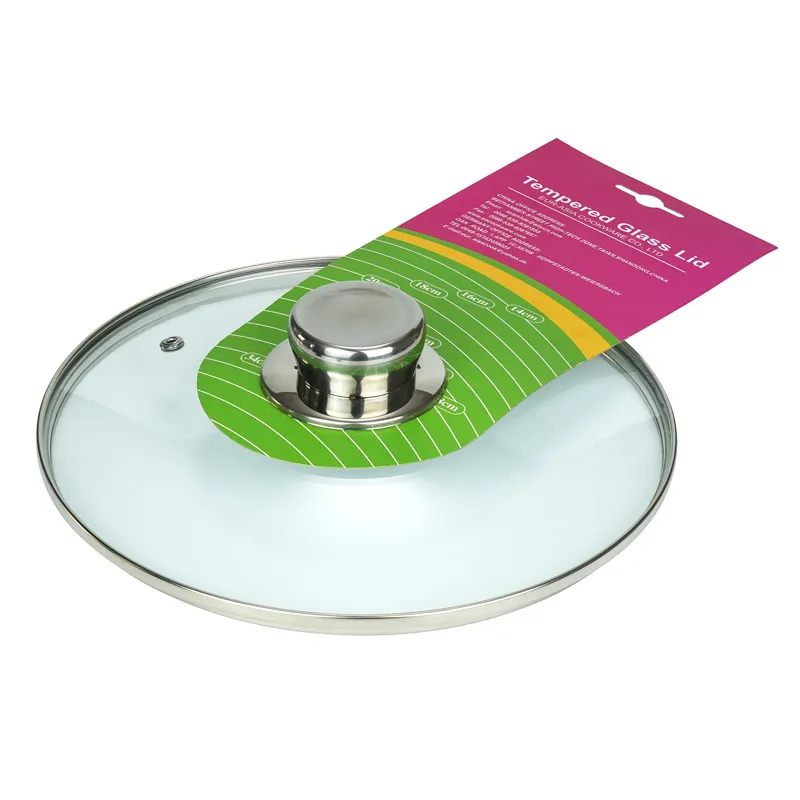
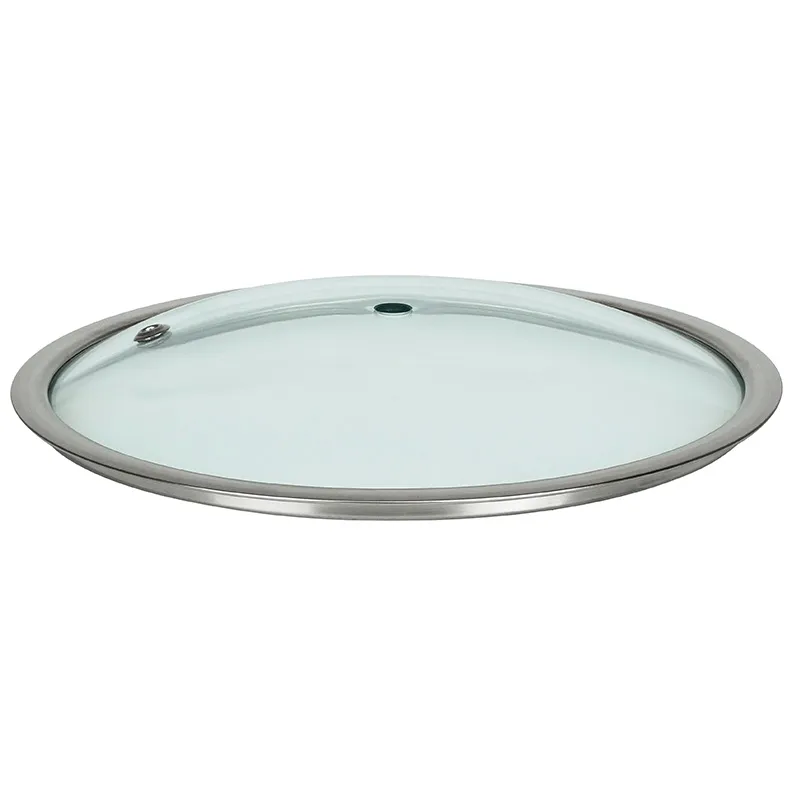
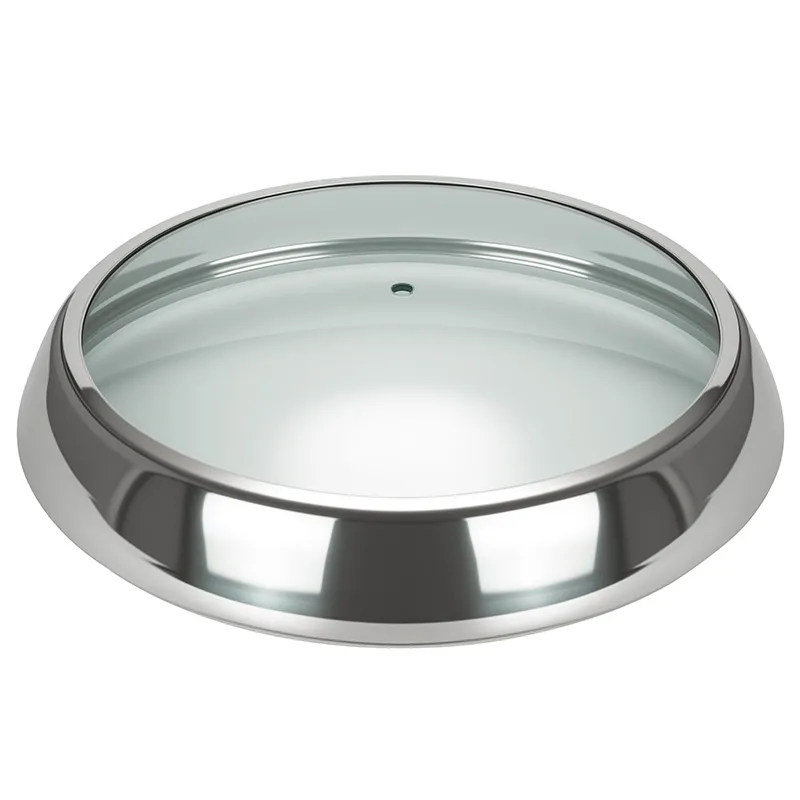
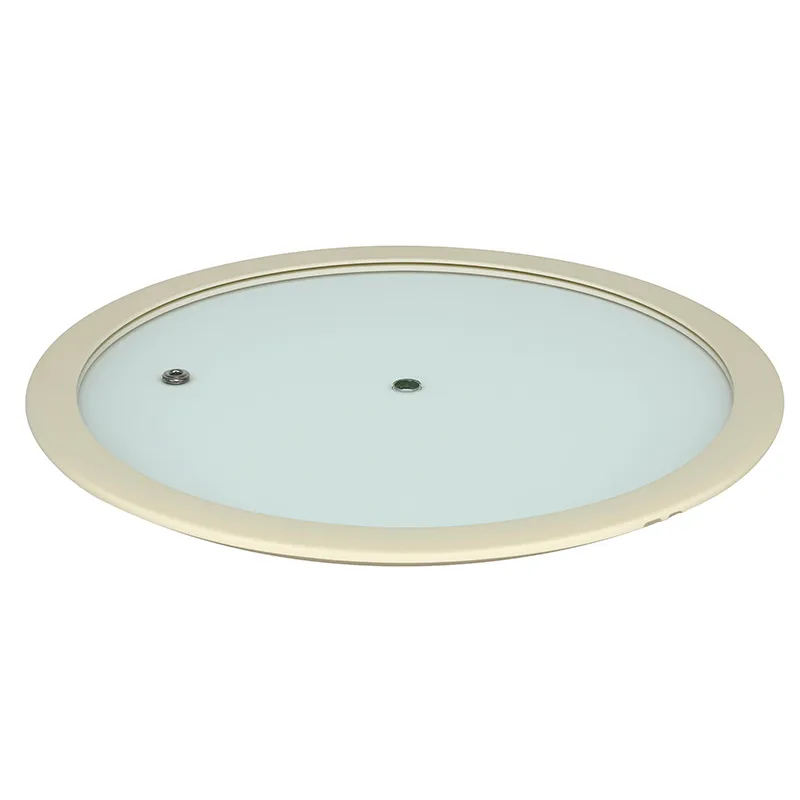
tempered glass lids for cookware
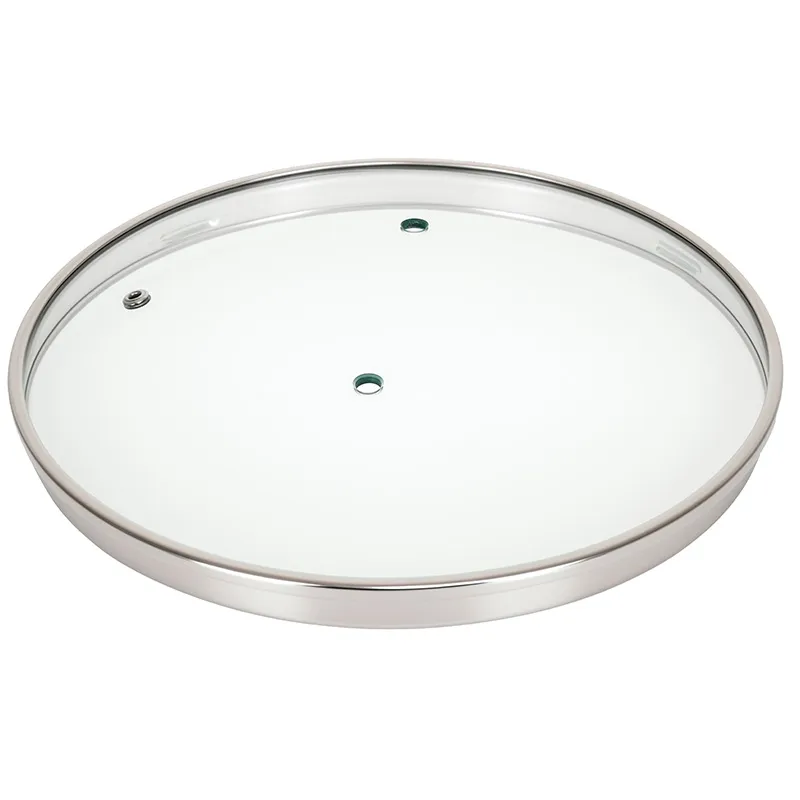
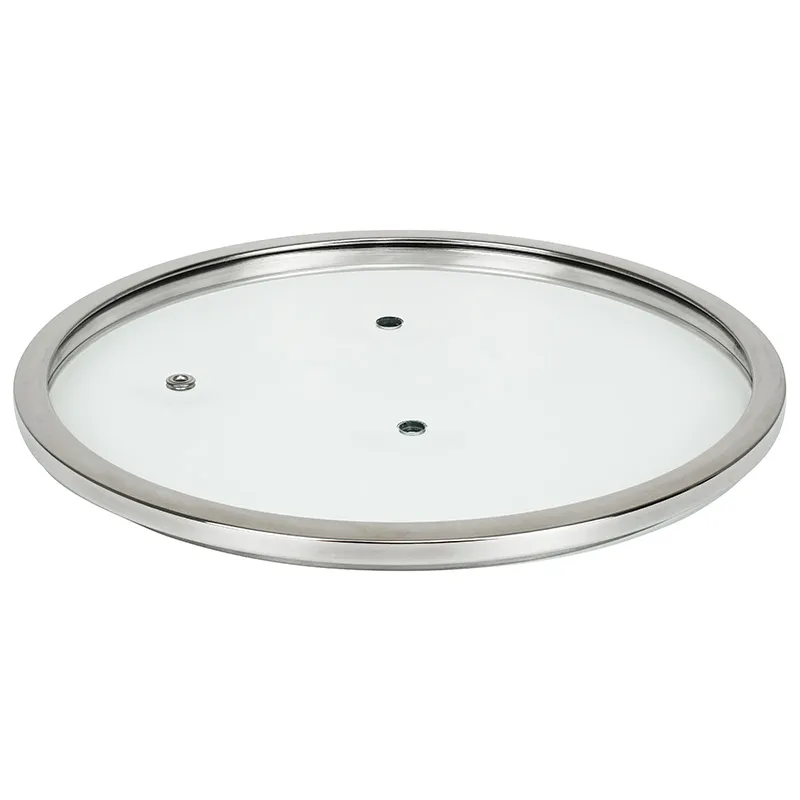
Let's talk about tempered glass lids for cookware. Most people just see a clear piece of glass on a pot, but that's where the misconceptions start. It's not just about being see-through. The real story is in the tempering process, the fit, and the frankly surprising number of ways a good lid can go wrong before it even leaves the factory. I've seen too many buyers focus solely on price per unit, only to get burned—sometimes literally—by lids that shatter under thermal shock or warp over time. It's a component that's often an afterthought, but it shouldn't be.
The Core: What Tempered Really Means Here
When we say tempered, we're not talking about a light treatment. It's a controlled thermal or chemical process that puts the outer surfaces into compression and the interior into tension. This is what gives it that strength and, crucially, causes it to break into small, granular chunks instead of sharp shards. But the key variable is the quality of the raw glass. If you start with glass that has impurities or inconsistencies in thickness, the tempering oven will find them. I've watched batches where the stress pattern, viewed through a polariscope, looked like a chaotic spiderweb—a sure sign of future failure. That's why a supplier's control over their raw material sourcing is the first thing I ask about.
The tempering curve is another thing. Ramping the heat too fast or quenching unevenly can build in hidden stress points. We learned this the hard way years ago. A large order for a European client had what we thought was a standard 4mm lid. They passed the standard 220°C thermal shock test in our lab, but the client's own more rigorous test—involving rapid cycling from a freezer to a hot cooktop—showed a 5% failure rate. The culprit? Minor inconsistencies in the oven's airflow, causing slight variations in the tempering on the very edges of the lids. It was a costly lesson in precision.
That's why at a facility like EUR-ASIA COOKWARE CO.,LTD, the scale of operation matters. With an annual output topping 15 million pieces, the process has to be dialed in to a science. Their production base in Taian isn't just a factory; it's a system where controlling variables like oven temperature uniformity and quenching pressure isn't optional. It's the baseline for getting a product that consistently performs in a German kitchen or a Brazilian restaurant.
Fit and Function: More Than Just a Cover
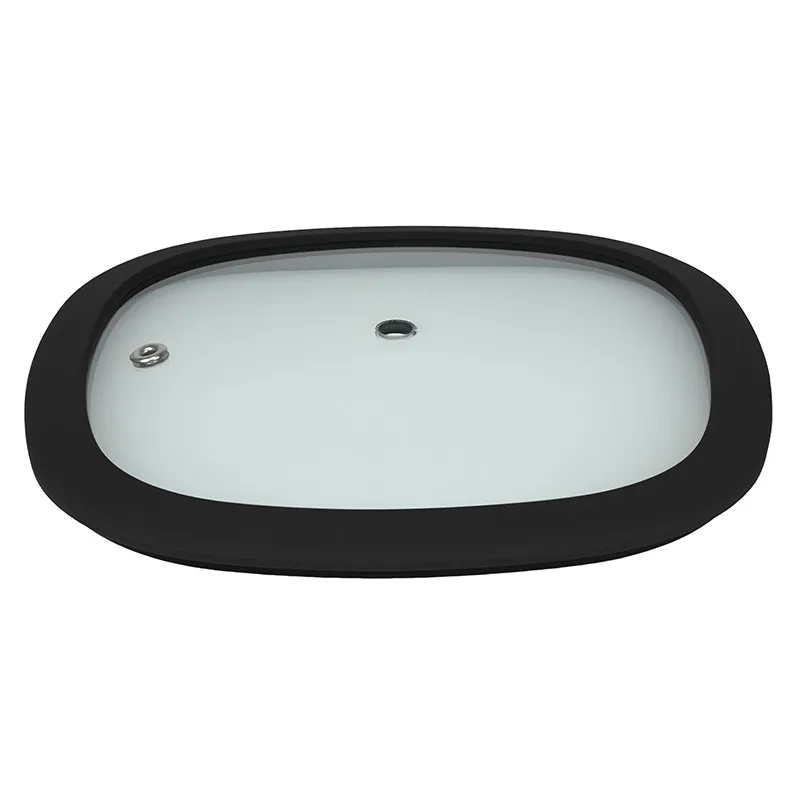
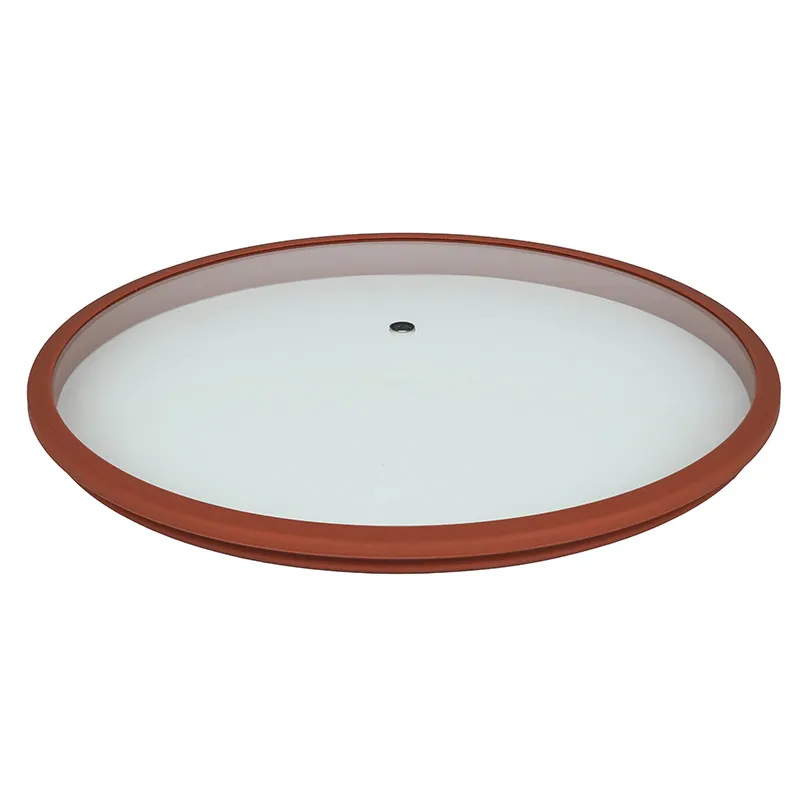
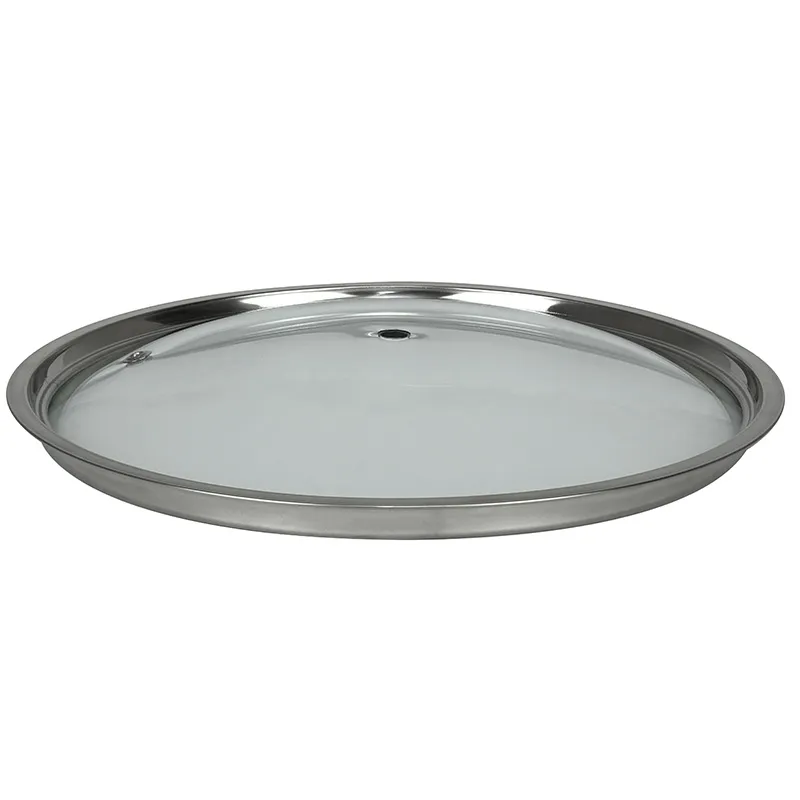
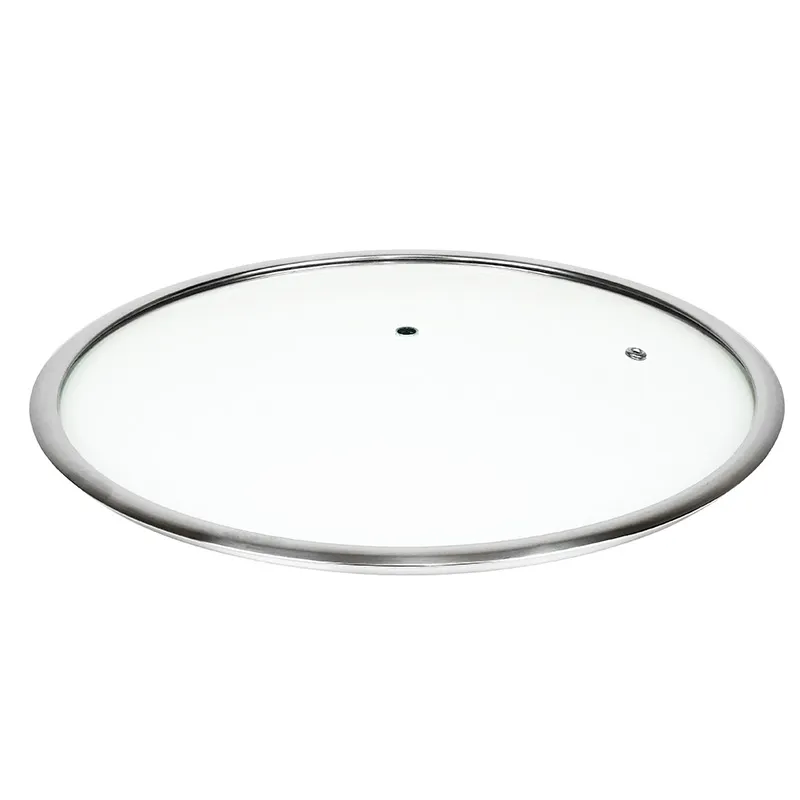
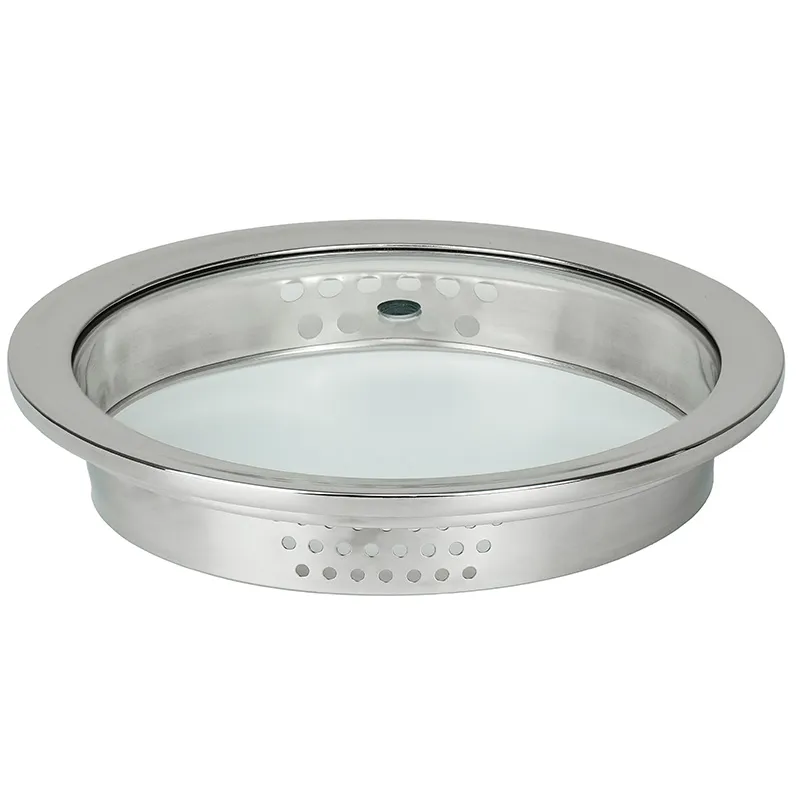
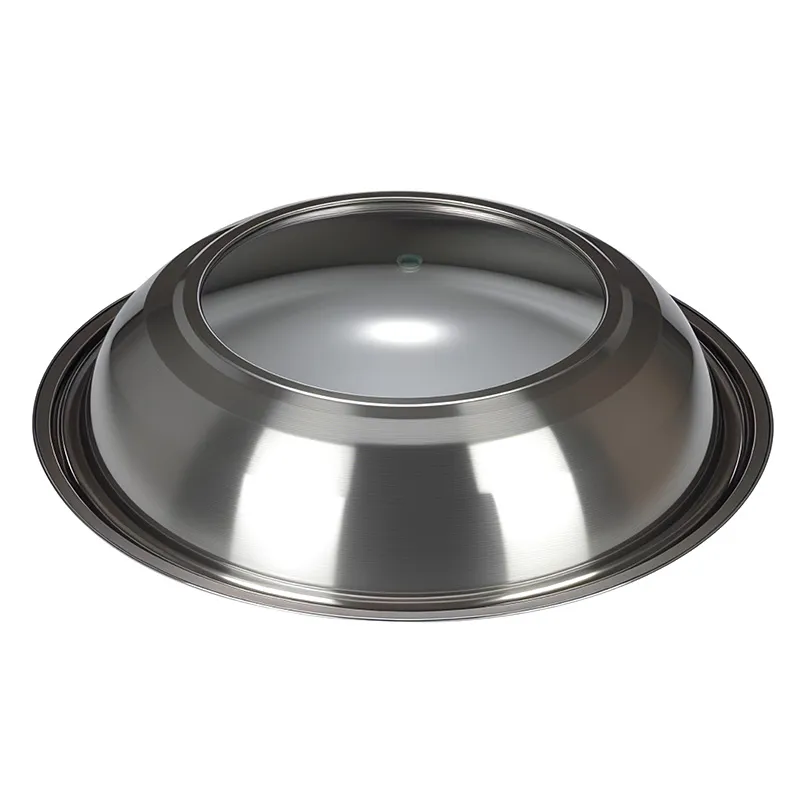
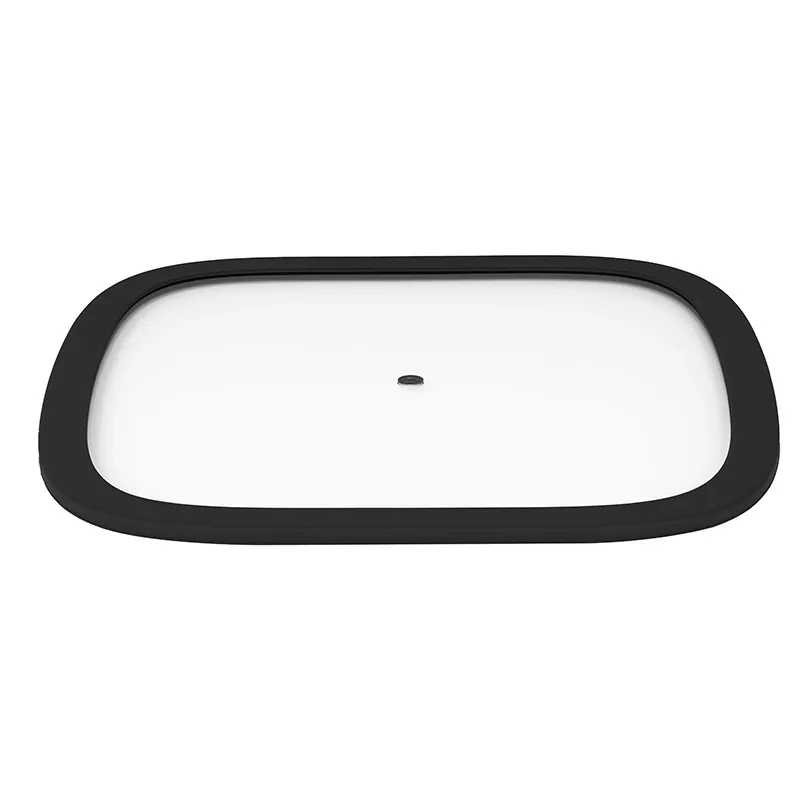
You can have the strongest, most perfectly tempered glass in the world, but if the lid doesn't sit right on the pot, it's useless. The fit is a nightmare of tolerances. The stainless steel rim, the silicone gasket (if there is one), the height of the knob—all of it has to work together to create a seal that's tight enough to retain moisture but loose enough to allow a slight vapor release. Too tight, and pressure builds, potentially cracking the glass or making it impossible to remove. Too loose, and you lose cooking efficiency.
The knob is its own engineering challenge. It's not just glued on. A proper high-temperature epoxy is used, and the bonding surface area and preparation are critical. I've seen lids where the knob simply detached after a few dishwasher cycles because the bonding process wasn't validated for that specific combination of glass, metal, and chemical exposure. It's a small part that causes massive customer complaints. The companies that get it right, like those supplying major European brands, often source their knobs and epoxies from specialized suppliers and have rigorous pull-test protocols.
This is an area where a specialized manufacturer's experience shows. A company focused on tempered glass lids and kitchen accessories, like the one behind https://www.glass-lid.com, will have encountered countless pot designs. They develop a library of rim profiles. When a new cookware designer sends them a pot sample, they're not starting from zero; they're matching it to a known profile or adapting one, which saves time and reduces fit failure. Their export focus to markets like Germany and Italy means their tolerance standards are built to meet some of the strictest expectations globally.
The Unseen Test: From Factory to Stovetop
Lab tests are one thing. Real-world abuse is another. A good lid needs to survive a few predictable but harsh scenarios. The first is the cold lid on hot pot mistake. A user takes a lid from the cupboard and slaps it on a boiling pot. That's a massive, localized thermal shock. The second is the dry heating accident—an empty pot left on high heat with the lid on. The temperature can skyrocket, testing the absolute limits of the glass and the epoxy on the knob.
We used to think our lids were great until we got a batch of returns from a client in South Korea. The issue wasn't breakage, but a gradual hazing or cloudiness on the underside after a few months of use. It turned out to be a combination of hard water minerals and certain acidic vapors from cooking (like from vinegar-heavy dishes) microscopically etching the glass surface. The solution wasn't just about the tempering; it involved a slight adjustment to the surface composition of the glass to increase its chemical resistance. It's these niche, region-specific problems that you only learn from moving millions of units worldwide.
This is where the export portfolio of a manufacturer becomes a proxy for reliability. When you see that over 90% of a company's products, like those from EUR-ASIA COOKWARE, are shipped to countries with diverse cooking habits and high consumer standards—from the precise simmering in Japan to the robust stovetop cooking in Turkey—it implies their product has been stress-tested by the market itself. They've had to solve these real-world problems to keep those clients.
Material and Cost: The Balancing Act
Not all glass lids are created equal, and the price point dictates the material story. The low-end market is flooded with lids made from soda-lime glass that's been minimally tempered. They work, but they're heavier, less resistant to thermal shock, and often have optical distortions. Borosilicate glass is the gold standard for its low thermal expansion coefficient, but it's more expensive and harder to work with in high-volume tempering. Most of the high-performance lids you see on premium cookware brands use a form of it.
Then there's the thickness. 3mm, 4mm, 5mm... each has its place. A 3mm lid is lighter and cheaper, perfectly adequate for a small saucepan. A 5mm lid for a large Dutch oven provides the mass and rigidity to handle higher heat and creates a better seal. But slapping a thick, heavy lid on every pot just to market it as premium is a mistake—it makes the pot cumbersome to use. The art is in matching the thickness and material to the pot's intended use and price segment.
Walking the factory floor of a large-scale producer, you see this segmentation in action. They're not making one lid. They're running lines for different grades. The line producing lids for a budget supermarket chain in Poland will have different specs and checks than the line fulfilling an order for a high-end brand in Switzerland. The specialization in low- medium- high level products, as noted in EUR-ASIA's intro, isn't just marketing—it's a practical acknowledgment of these different market tiers and the precise engineering required for each.
Final Thought: The Lid as a Critical Component
So, after all this, what's the takeaway? A tempered glass lid is a deceptively complex piece of kitchen hardware. Its success hinges on a chain of processes: sourcing consistent raw glass, mastering the tempering curve, engineering a precise fit, and anticipating real-world abuse. It's a component where cost-cutting is immediately apparent in performance and longevity.
When evaluating a supplier, don't just look at the sample. Ask about their failure rate on thermal shock tests. Inquire about their knob adhesion test protocol. Find out if they have experience with your target market's cooking styles. The depth of their answers will tell you more than any glossy brochure.
In the end, a good lid silently does its job for years—letting you see your food, helping control the cooking environment, and surviving the occasional mishap. That reliability is the result of a thousand small details being got right, back in a factory like the one in Taian, long before the pot ever hits the stove. It's the kind of thing you only truly appreciate when you've seen how many ways it can go wrong, and what it takes to make it right.
Related Products
Related Products