- Chinese
- French
- German
- Portuguese
- Spanish
- Russian
- Japanese
- Korean
- Arabic
- Irish
- Greek
- Turkish
- Italian
- Danish
- Romanian
- Indonesian
- Czech
- Afrikaans
- Swedish
- Polish
- Basque
- Catalan
- Esperanto
- Hindi
- Lao
- Albanian
- Amharic
- Armenian
- Azerbaijani
- Belarusian
- Bengali
- Bosnian
- Bulgarian
- Cebuano
- Chichewa
- Corsican
- Croatian
- Dutch
- Estonian
- Filipino
- Finnish
- Frisian
- Galician
- Georgian
- Gujarati
- Haitian
- Hausa
- Hawaiian
- Hebrew
- Hmong
- Hungarian
- Icelandic
- Igbo
- Javanese
- Kannada
- Kazakh
- Khmer
- Kurdish
- Kyrgyz
- Latin
- Latvian
- Lithuanian
- Luxembou..
- Macedonian
- Malagasy
- Malay
- Malayalam
- Maltese
- Maori
- Marathi
- Mongolian
- Burmese
- Nepali
- Norwegian
- Pashto
- Persian
- Punjabi
- Serbian
- Sesotho
- Sinhala
- Slovak
- Slovenian
- Somali
- Samoan
- Scots Gaelic
- Shona
- Sindhi
- Sundanese
- Swahili
- Tajik
- Tamil
- Telugu
- Thai
- Ukrainian
- Urdu
- Uzbek
- Vietnamese
- Welsh
- Xhosa
- Yiddish
- Yoruba
- Zulu
- Kinyarwanda
- Tatar
- Oriya
- Turkmen
- Uyghur


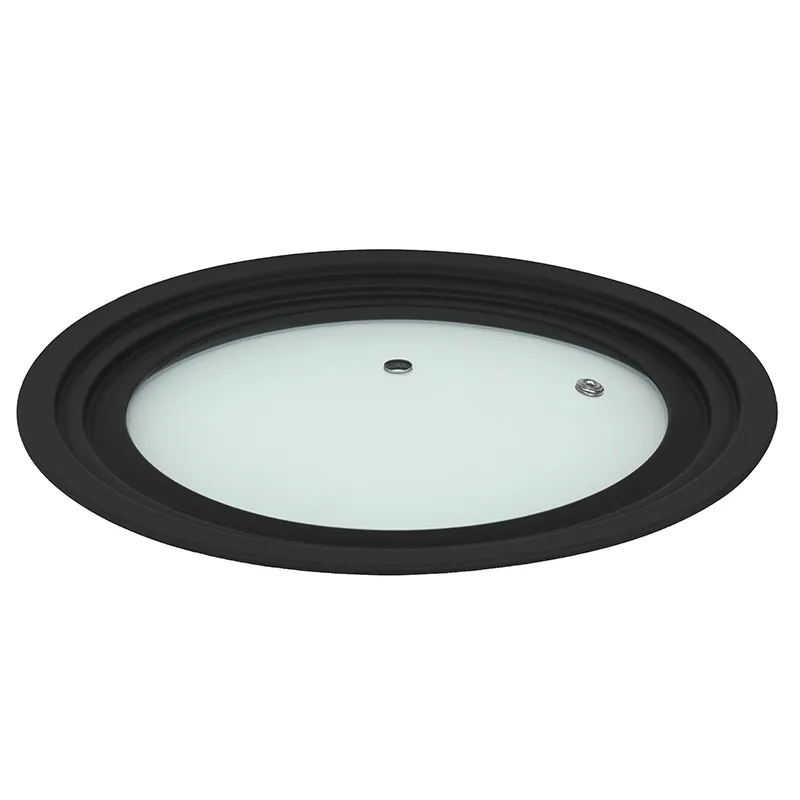
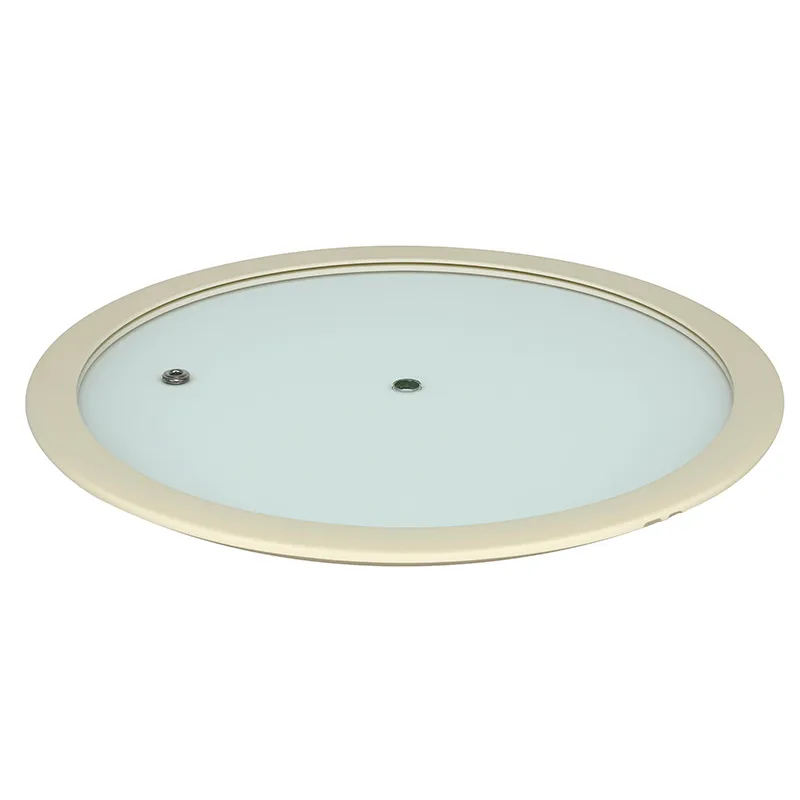
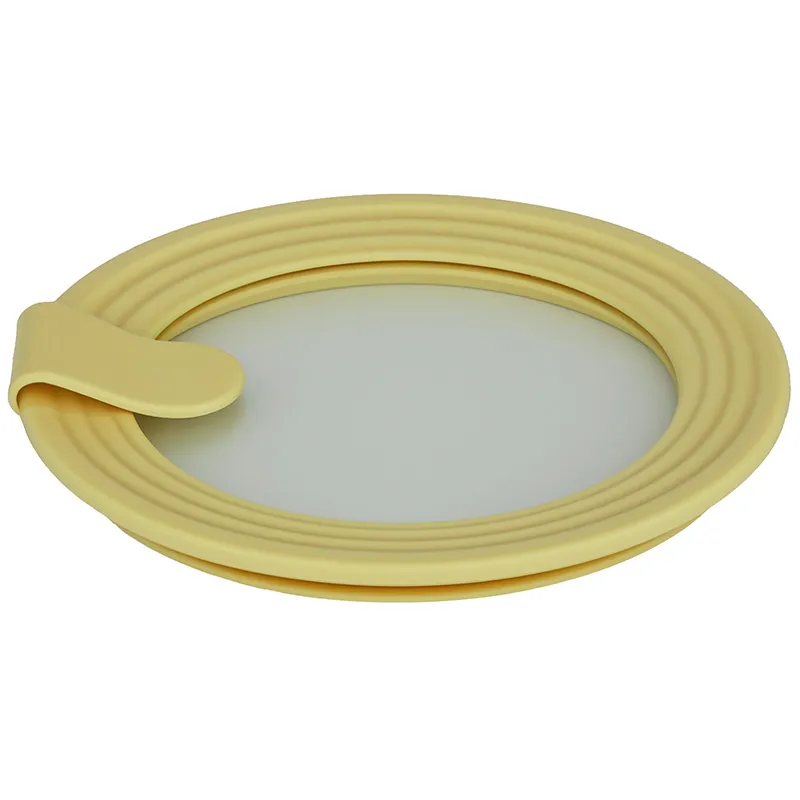
tempered silicone glass cover
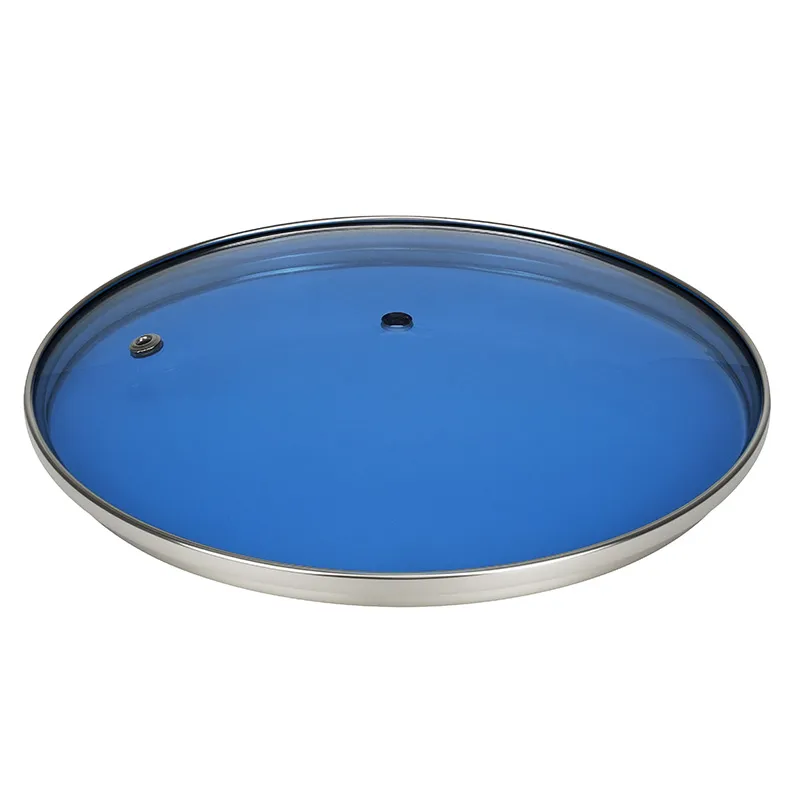
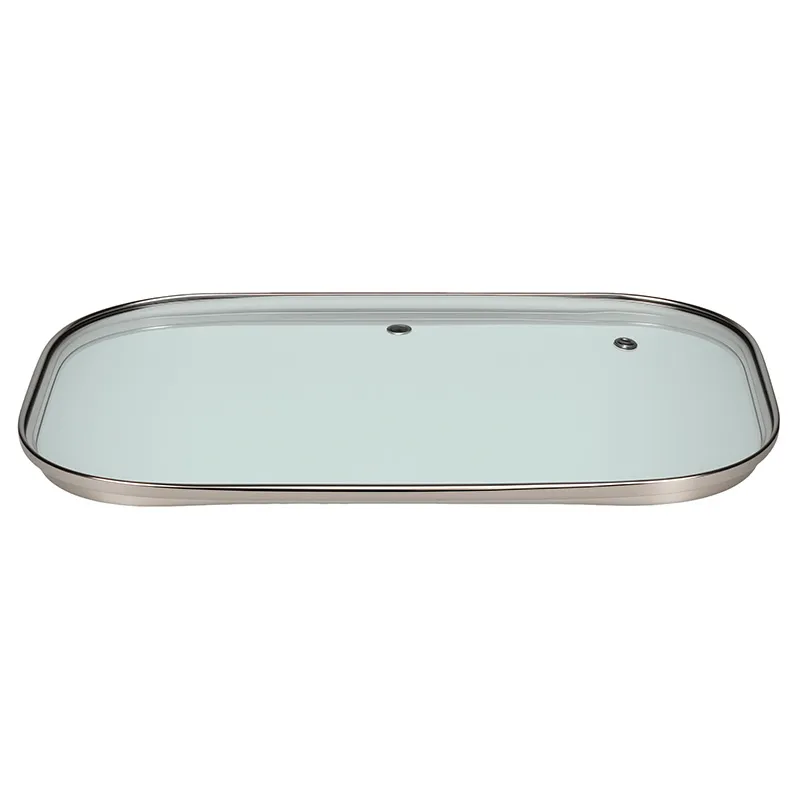
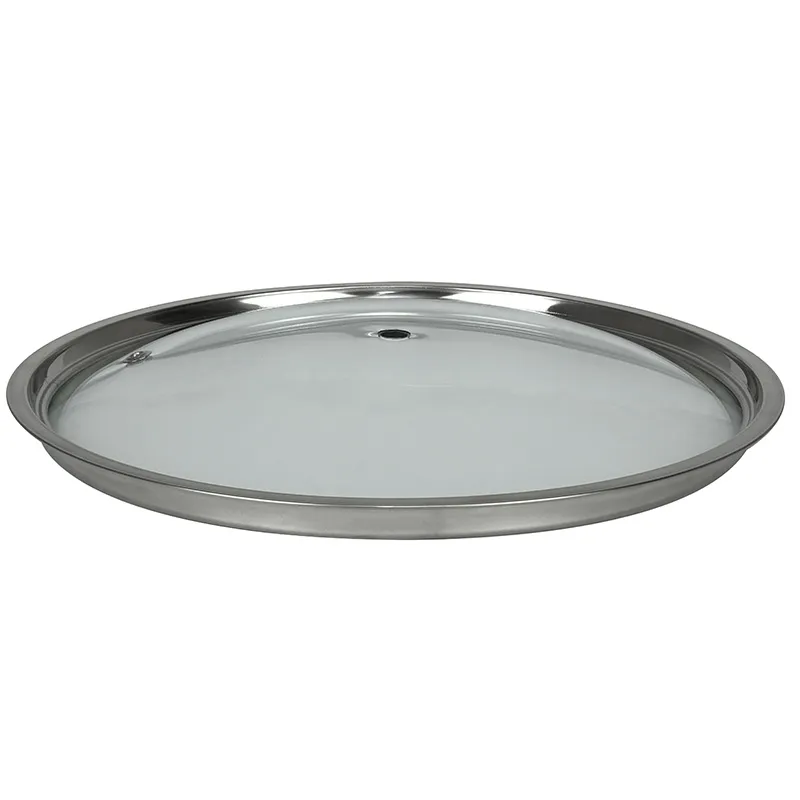
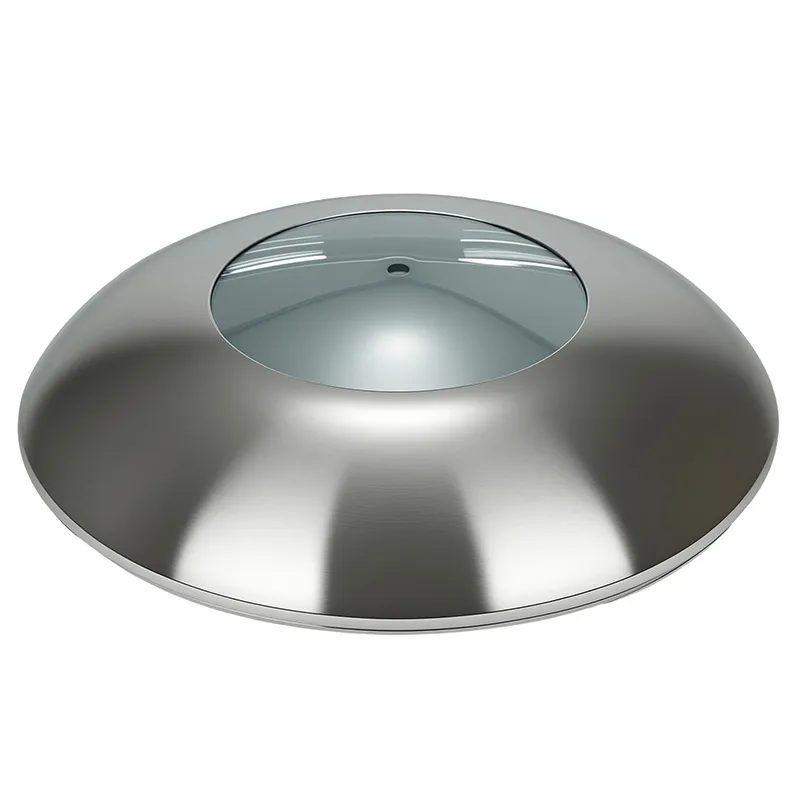
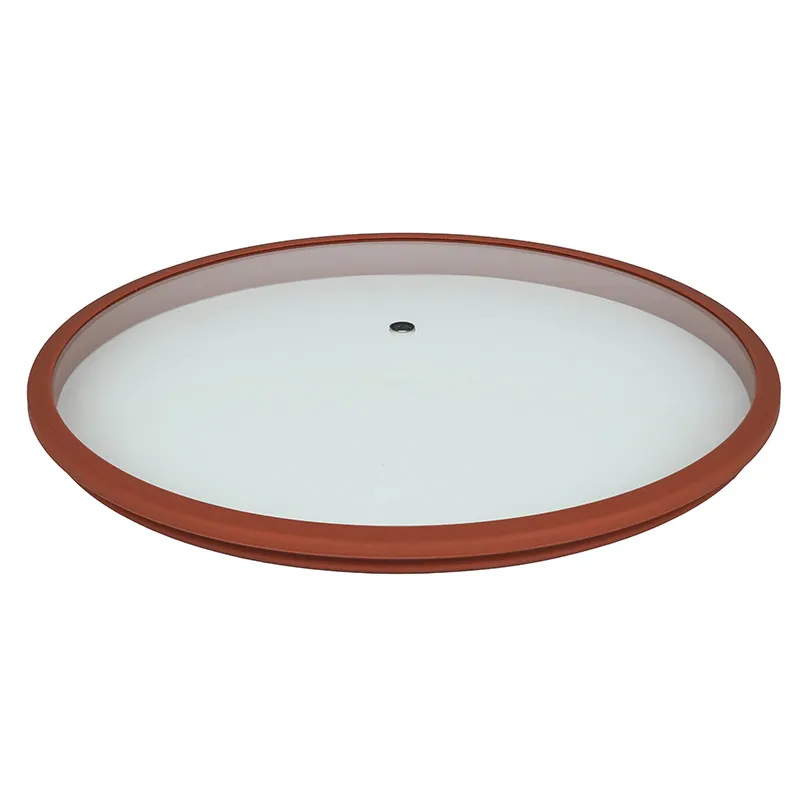
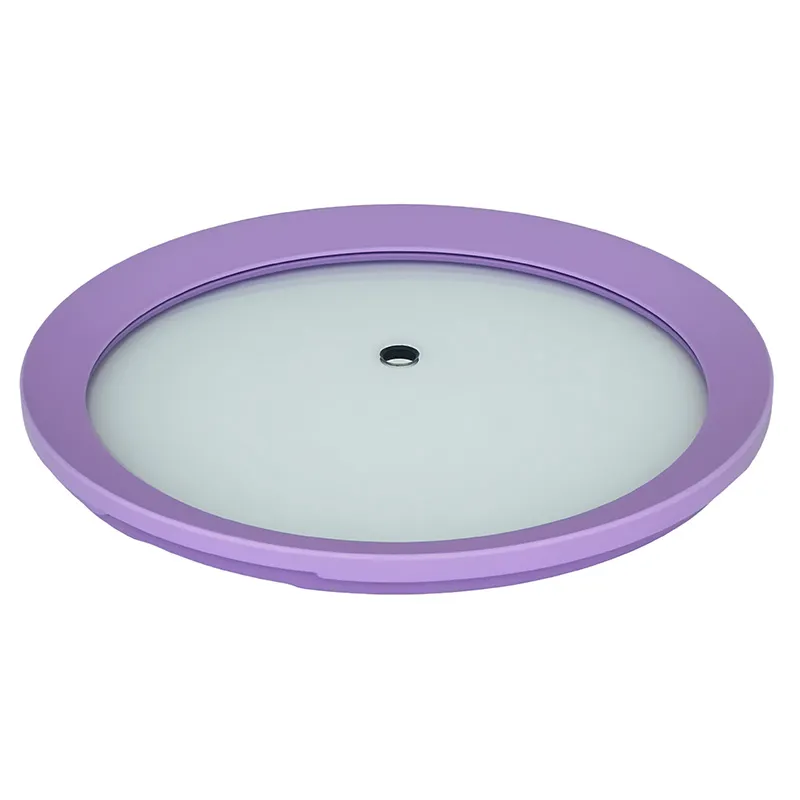
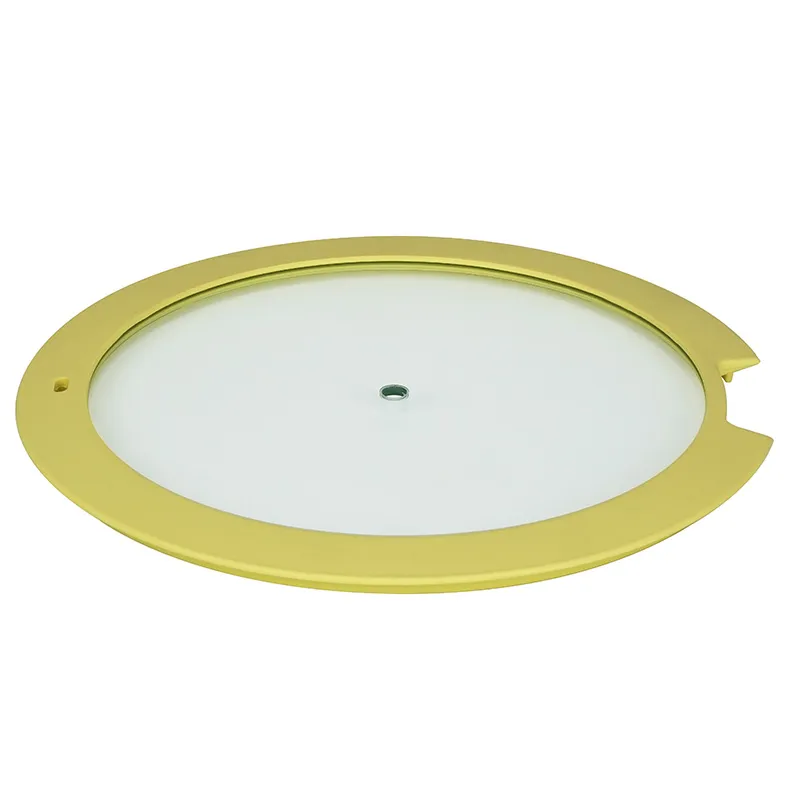
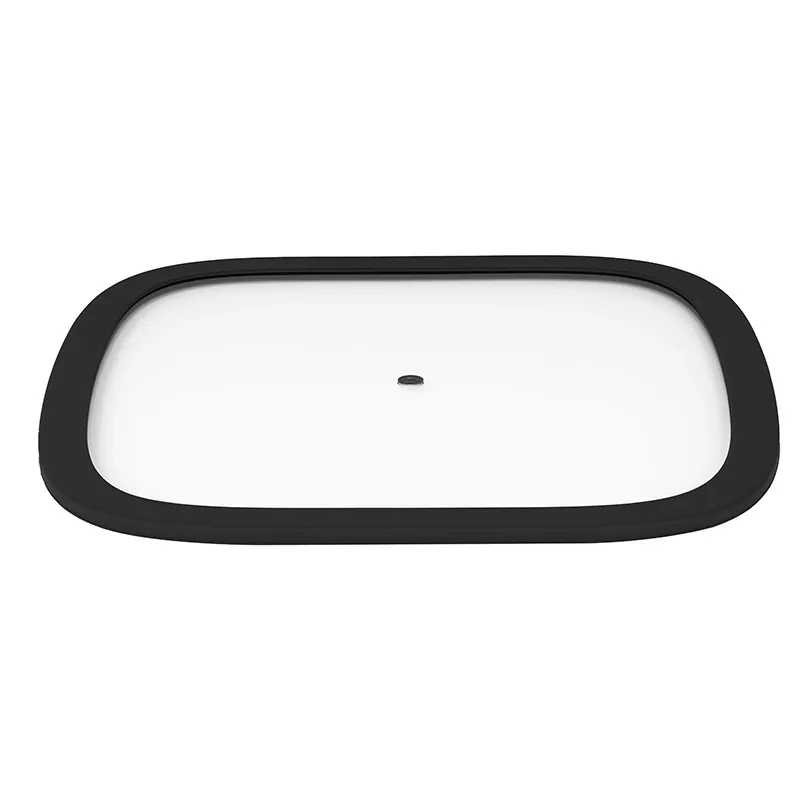
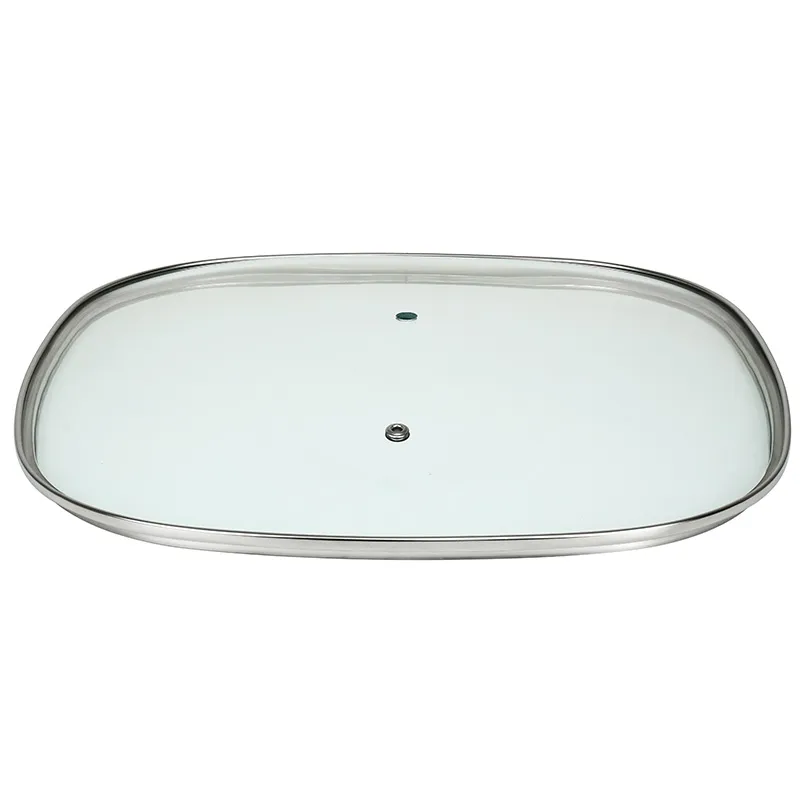
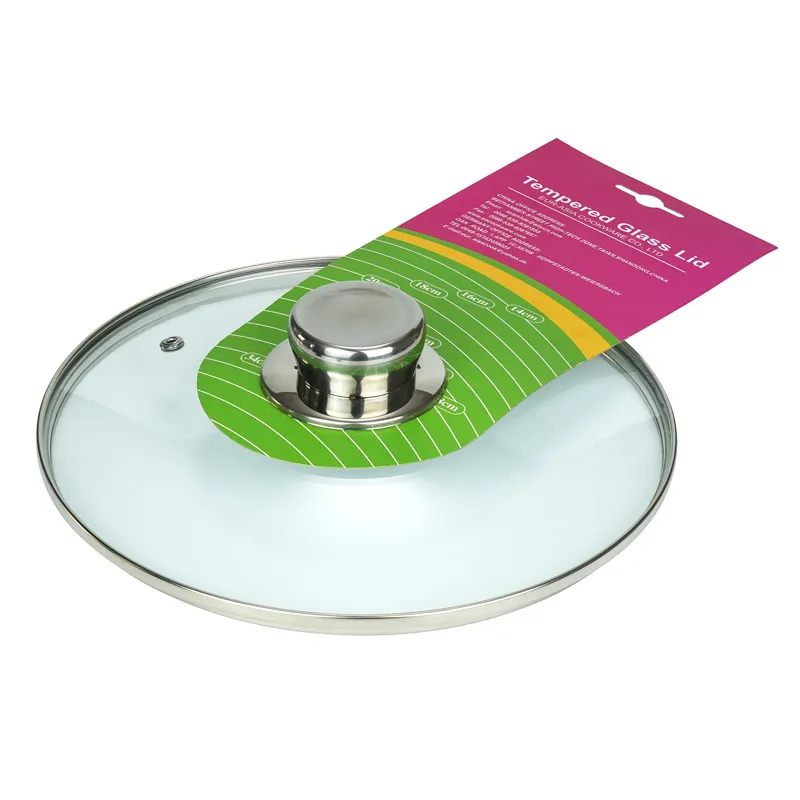
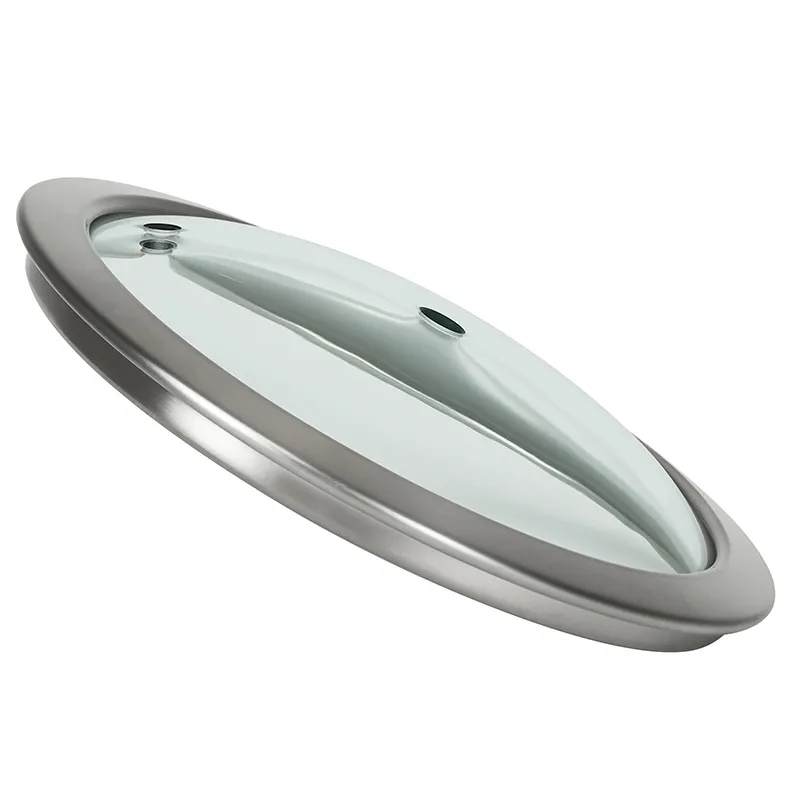
When you hear 'tempered silicone glass cover', most think it's just a fancy lid. The reality is more nuanced. It's a composite product where the performance hinges on the marriage of two materials—tempered glass and food-grade silicone—and frankly, many suppliers get that marriage wrong. I've seen covers where the silicone ring peels after a few dishwasher cycles, or the glass, though 'tempered,' chips on the rim because the edgework was rushed. The term itself can be misleading; it's not a glass cover coated in silicone, but a tempered glass lid with a bonded silicone sealing ring or gasket. That distinction is where the quality battle is won or lost.
The Core: Material Integrity and Manufacturing Pitfalls
The glass isn't just any glass. It needs to be properly tempered—heated and quenched to create surface compression. I recall a batch from a few years back where the quenching process was uneven. The lids passed the basic impact test but would spontaneously fracture under rapid temperature change, like going from a hot dishwasher to a cold granite countertop. That's a classic failure mode indicating poor tempering. The annealing lehr temperature and conveyor speed are critical here; even a 10-degree Celsius variance can compromise the entire batch.
Then there's the silicone. Food-grade is a must, but its durometer (hardness) and thermal stability are often overlooked. A silicone seal that's too soft won't provide a secure fit on a pot rim; too hard, and it compromises the seal, letting steam escape. The bonding process is another headache. Simply applying an adhesive won't cut it. High-quality manufacturers use a combination of surface priming and heat curing to vulcanize the silicone to the glass edge. I've visited factories where the silicone pulls away cleanly after a boil test—a sure sign of inadequate bonding.
Consider the sourcing. Not all silica sand is equal for clarity, and not all silicone polymer bases have the same longevity against oils. A company like EUR-ASIA COOKWARE CO.,LTD, with a dedicated production base, typically has better control over this pipeline. Their specialization in low to high-end household glass products suggests they've likely dialed in their raw material specs over time, which is half the battle.
The Sealing Challenge: It's Not Just About Sticking
The primary function is to seal. But 'seal' means different things for a simmering pot versus a storage container in the fridge. For cooking, the seal must contain steam pressure slightly without becoming a safety hazard—a slight venting is often designed into the silicone's lip. For storage, it needs an airtight seal to keep food fresh. Achieving both in one design is tricky.
We tried a design with a double-lipped silicone gasket, aiming for a universal fit. It failed in practice. The extra lip created a gap on shallower cookware rims, causing condensation to drip down the outside of the pot. Back to the drawing board. The successful profiles are usually simpler: a single, slightly angled silicone bead that can compress and adapt to minor irregularities in the pot's rim. This is where tooling precision for the glass edge grind becomes paramount.
The diameter tolerance is another silent killer. A cover that's just 1mm too large in outer diameter won't sit flush on some pots; 1mm too small, and it falls in. High-volume producers, like the one behind glass-lid.com, have to maintain incredibly tight tolerances across millions of pieces to ensure compatibility with various OEM cookware sets from European and Asian brands. Their export focus to markets like Germany and Japan, known for stringent standards, implies their tolerance controls are probably robust.
Heat and Cold: The Real-World Stress Test
Lab tests are one thing; a home kitchen is another. The real stress is thermal cycling. Moving from a 200°C oven to a wet sink, or from freezer to microwave (without the metal rim, of course). The coefficient of thermal expansion between the glass and the silicone must be compatible. If not, the bond stresses and eventually fails. I've seen lids where the silicone ring appears intact but has microscopically detached, creating a channel for leaks.
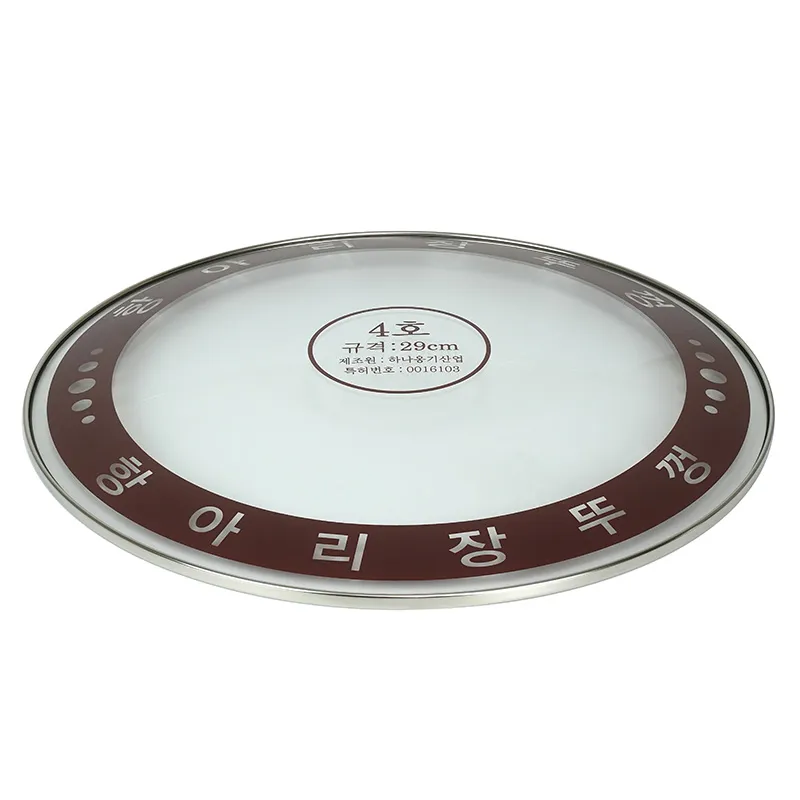
Microwave safety is a big selling point, but it's not automatic. Any metallic printing or poor-quality pigment in a logo on the glass can cause arcing. The best practice is to keep any decoration on the external periphery, away from the food surface, or use ceramic-based inks that are microwave-safe. This is a detail many budget covers ignore.
Dishwasher safety is another minefield. The combination of hot water, aggressive detergents, and high-pressure sprays can degrade lower-quality silicone, making it sticky or brittle. It also tests the bond integrity repeatedly. A product that survives 500+ dishwasher cycles is in a different league than one that fails at 50. This durability is what allows a company to confidently offer long-term guarantees to distributors in regions like the EU.
Aesthetics and Ergonomics: The Overlooked Factors
It's not all about physics and chemistry. The handle or knob is a critical user interface. A poorly designed plastic knob can get too hot to touch, or feel flimsy. Some designs integrate the knob into the glass (molded during pressing), which is sleek but increases manufacturing complexity and cost. Others use stainless steel or heat-resistant phenolic resin screws. The fastener must not corrode or loosen over time.
Clarity and optical quality matter more than you'd think. A wavy, distorted glass lid frustrates users who want to monitor their food without lifting it. High optical quality requires good-quality glass blanks and precise control during the thermal tempering process to minimize distortion. It's a sign of a mature manufacturing process.
Stackability is a logistical and retail concern. Covers that nest neatly save warehouse and shelf space. This often means a specific curvature profile on the top side. It's a small detail that speaks volumes about the designer's consideration for the entire supply chain, from the factory floor in Shandong to the supermarket aisle in Poland.
The Business of Covers: Scale, Customization, and Trust
Producing 15 million pieces annually, as EUR-ASIA COOKWARE's intro suggests, isn't just about volume. It's about mastering the logistics of customization. Retailers and cookware brands want their own sizes, colors (silicone ring color, knob color), and logos. Managing hundreds of SKUs without mixing them up is a operational feat. It requires a solid ERP system and disciplined production line management.
The export focus mentioned—over 90% to countries with strict consumer goods regulations—is a testament to passed audits and consistent quality. Selling to Germany or Japan means complying with LFGB or Food Sanitation Act standards, which have specific migration limits for substances from both glass and silicone. This isn't something a fly-by-night factory can easily achieve; it requires documented material traceability and batch testing.
Finally, the relationship between supplier and buyer is built on trust and problem-solving. When a retailer reports that a certain percentage of lids are cracking in transit, the analysis begins: packaging design? glass edge stress points? palletization method? A reliable supplier doesn't just replace the stock; they do the root cause analysis and implement a corrective action. That's the difference between a commodity vendor and a specialized partner like the entity behind https://www.glass-lid.com. Their long-term presence in the zone suggests they've navigated these issues repeatedly.
So, the next time you evaluate a tempered silicone glass cover, look past the marketing. Pick it up. Feel the weight and balance. Inspect the smoothness of the glass edge and the uniformity of the silicone bond. Flex the knob gently. These are the tangible results of the myriad decisions, tests, and corrections that happen halfway across the world in a facility focused on making this seemingly simple product actually work, year after year.
Related Products
Related Products