- English
- Chinese
- French
- German
- Portuguese
- Spanish
- Russian
- Japanese
- Korean
- Arabic
- Irish
- Greek
- Turkish
- Italian
- Danish
- Romanian
- Indonesian
- Czech
- Afrikaans
- Swedish
- Polish
- Basque
- Catalan
- Esperanto
- Hindi
- Lao
- Albanian
- Amharic
- Armenian
- Azerbaijani
- Belarusian
- Bengali
- Bosnian
- Bulgarian
- Cebuano
- Chichewa
- Corsican
- Croatian
- Dutch
- Estonian
- Filipino
- Finnish
- Frisian
- Galician
- Georgian
- Gujarati
- Haitian
- Hausa
- Hawaiian
- Hebrew
- Hmong
- Hungarian
- Icelandic
- Igbo
- Javanese
- Kannada
- Kazakh
- Khmer
- Kurdish
- Kyrgyz
- Latin
- Latvian
- Lithuanian
- Luxembou..
- Macedonian
- Malagasy
- Malay
- Malayalam
- Maltese
- Maori
- Marathi
- Mongolian
- Burmese
- Nepali
- Norwegian
- Pashto
- Persian
- Punjabi
- Serbian
- Sesotho
- Sinhala
- Slovak
- Slovenian
- Somali
- Samoan
- Scots Gaelic
- Shona
- Sindhi
- Sundanese
- Swahili
- Tamil
- Telugu
- Thai
- Ukrainian
- Urdu
- Uzbek
- Vietnamese
- Welsh
- Xhosa
- Yiddish
- Yoruba
- Zulu
- Kinyarwanda
- Tatar
- Oriya
- Turkmen
- Uyghur


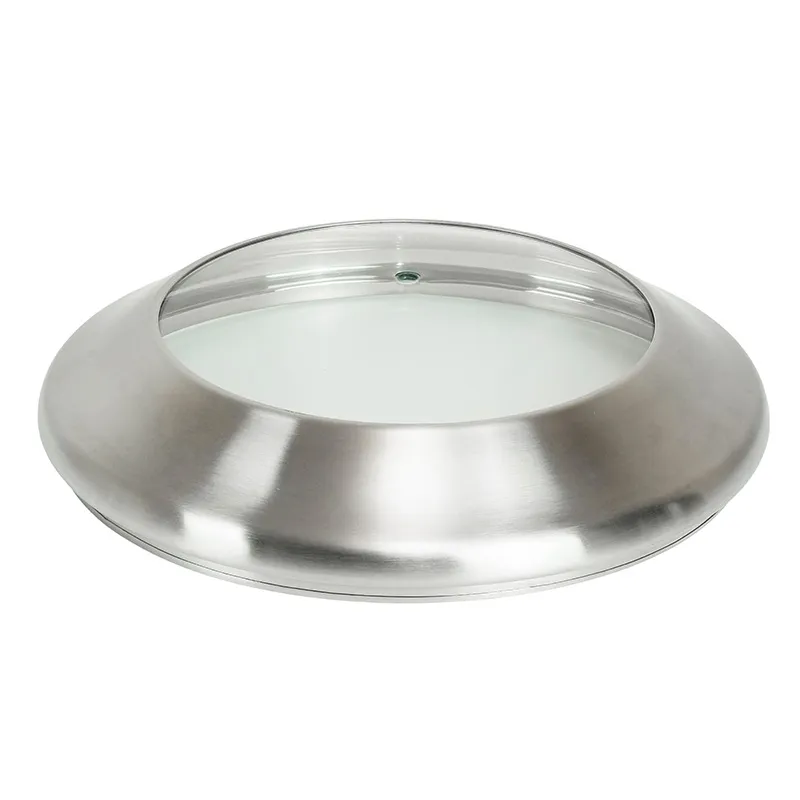
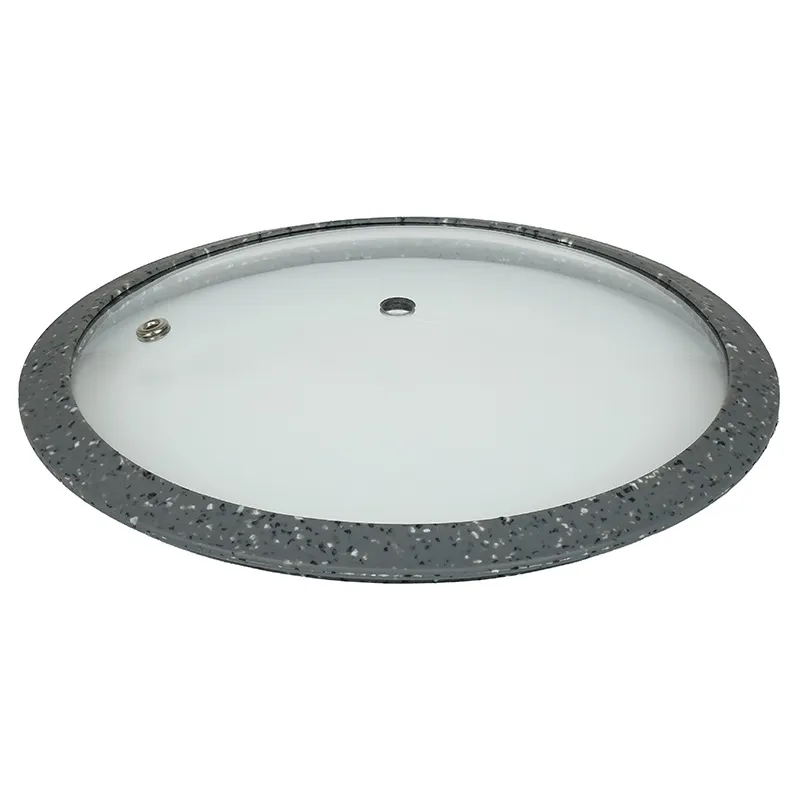
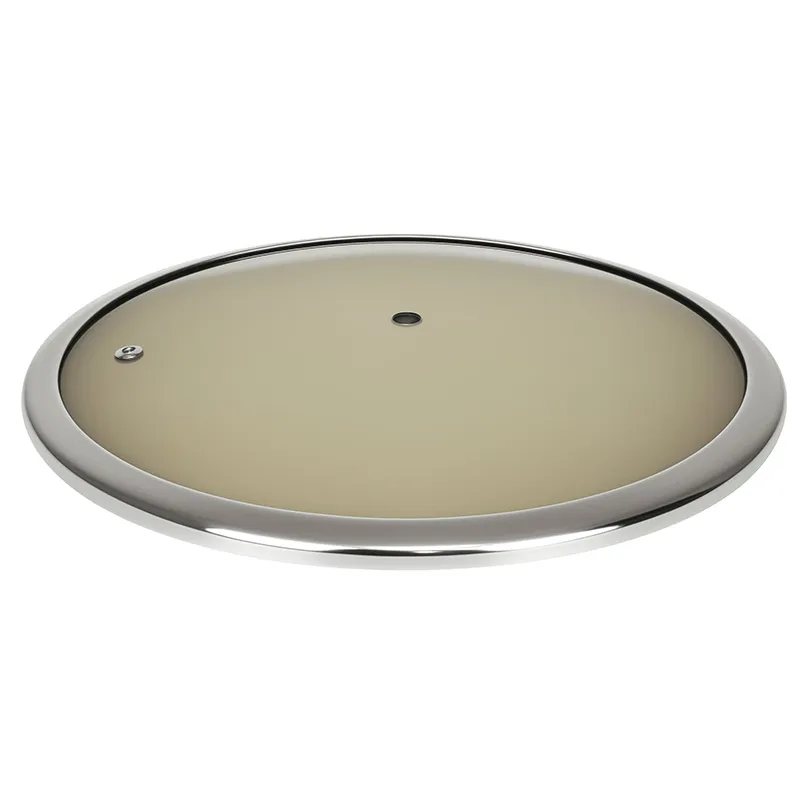
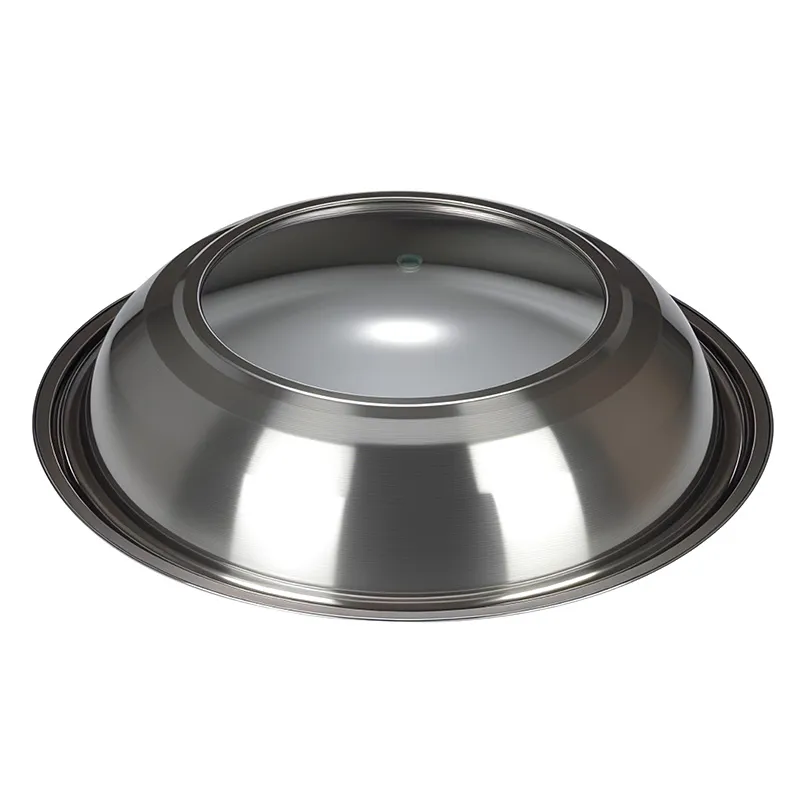
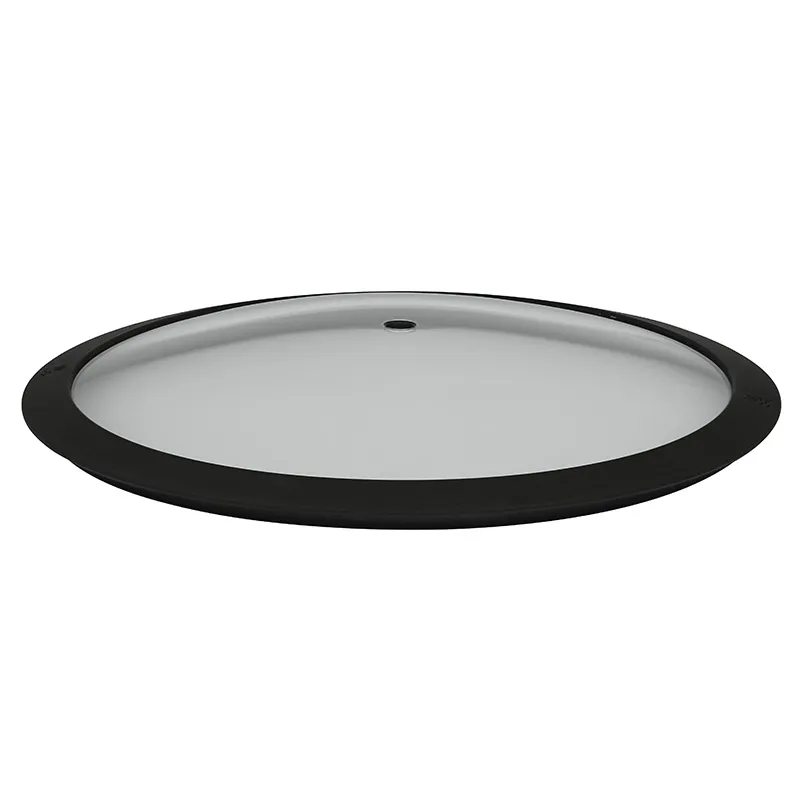
Сарпӯши шишаи Чин
Вақте ки шумо "Сарпӯши шишаи чинӣ" -ро мешунавед, фикри фаврӣ барои аксари харидорон, бахусус онҳое, ки барои харидорӣ нав ҳастанд, ҷузъи оддӣ ва камхарҷ аст. Он аксар вақт ҳамчун ашёи молӣ баррасӣ карда мешавад - танҳо як пораи шишаи гармшуда. That's the first and biggest mistake. The reality is, the term encompasses a universe of nuance, from the composition of the raw glass batch to the precision of the edge grinding, which directly dictates whether you get a reliable kitchen workhorse or a logistical nightmare of returns. I've seen too many projects stall because someone picked a supplier based solely on a low FOB price per piece, without understanding what goes into a cover that can withstand thousands of thermal cycles in a European kitchen.
Воқеияти истеҳсолӣ: Ин на танҳо дар бораи табларза аст
Биёед мушаххас гӯем. Темпинг барои бехатарӣ ғайриимкон аст, аммо назорати раванд ҳама чиз аст. I recall visiting a factory—not a trade show booth, the actual workshop—where they were running Сарпӯши шишаи Чин production. The critical point wasn't the tempering furnace itself, but the cold-end handling. After exiting the furnace, the covers are moved on rollers. Агар ҳамворкунӣ ҳатто чанд миллиметр хомӯш бошад, шумо дар кунҷҳо микрочипҳо мегиред. Инҳо ҳангоми санҷиш дар як нигоҳ ноаёнанд, аммо ба консентратсияи стресс табдил меёбанд. Дар тӯли чанд моҳ дар хонаи истеъмолкунанда, он сарпӯш метавонад аз таъсири ночиз афтад. Аз ин рӯ, ҳисоботҳои аудиторӣ, ки мушоҳидаҳои равандро дар бар намегиранд, барои шиша қариб бефоидаанд.
Тафсилоти дигаре, ки аз ҳама пазмон мешавад, сӯрохи тугма ё даста мебошад. Ин як сӯрохи пармашуда аст, ки баъдан сайқал дода мешавад ва ба таври термикӣ ҳамвор карда мешавад. A poorly finished hole edge is the most common point of failure I've witnessed. Ман фиристодани як муштарӣ дар Лаҳистонро дар ёд дорам, ки дар он ҷо мо 3% нокомӣ аз тарқишҳо аз сӯрохи даста паҳн мешудем. Сабаби аслӣ? Таъминкунанда таъминкунандаи пармакунаки худро ба арзонтар иваз кард ва сифати абразивӣ паст шуд. Ислоҳ гарон набуд, аммо муайян кардани он қадам ба қадам вайрон кардани раванди истеҳсолиро талаб мекард.
Ин аст, ки ширкатҳои дорои таваҷҷӯҳи махсус фарқиятро ба вуҷуд меоранд. Take EUR-ASIA COOKWARE CO.,LTD, for instance. Their specialization in household glass products means their entire production line, from the 20,000㎡ facility in Shandong's High-tech Zone, is configured for this specific product ecology. An annual output of over 15 million pieces isn't just a volume number; it implies a level of process repetition and refinement that a general glass factory can't match. Their export footprint across Europe and Japan is a de facto stress test—those markets have stringent safety and durability standards that filter out inconsistent manufacturers.
The Design & Fit Conundrum
Here's a practical headache: dimensional tolerance. А сарпӯши шиша маҳсулоти мустақил нест; он бояд бо дег ё танӯр, ки аксар вақт аз ҷониби як корхонаи дигар сохта шудааст, комилан мувофиқ бошад. The industry might work with a ±1mm tolerance on paper, but in reality, for a snug, rattle-free fit on a stainless steel pot, you need that tolerance tighter, especially on the curvature. I've been involved in projects where the lid sample was perfect, but mass production resulted in a slight spring because the bending during tempering wasn't perfectly calibrated to the client's CAD model. The lids would sit with a slight gap.
This is where the dialogue between design and manufacturing gets real. A good manufacturer won't just accept a drawing; they'll feedback on manufacturability. For example, a very sharp, angular corner on a rectangular cover is aesthetically pleasing but increases breakage risk post-tempering and is harder to grind smoothly. A slight radius, almost imperceptible, improves yield and safety dramatically. Маҳз ҳамин танзимоти хурд мебошанд, ки маҳсулоти функсионалӣро аз маҳсулоти олӣ ҷудо мекунанд.
Material pairing is another subtlety. The type of glass, often soda-lime silica, must have a thermal expansion coefficient that's compatible with the common knob materials (like phenolic resin or stainless steel). If mismatched, the differential expansion can crack the glass around the fixing point. The fact that EUR-ASIA's products are shipped to countries with extreme climatic variations, from Scandinavian winters to Mediterranean summers, suggests their material science and assembly protocols have been validated in real-world conditions.
Логистика: Қотили сифат
You can have a perfect сарпӯши шиша coming off the production line, and still end up with a 10% breakage rate by the time it reaches the distribution center. Бастабандӣ худ як интизом аст. Стандарт қолаби селлюлоза ё қисмҳои кафкеи EPE мебошад, аммо тарроҳӣ муҳим аст. Он бояд фишори амудии амудиро ҳисоб кунад, на танҳо зарбаи паҳлуӣ. A common failure I've seen is using a partition that's too shallow, allowing the glass surface to touch the cardboard box above when pallets are stacked high in a container. The constant vibration during ocean freight does the rest.
We learned this the hard way years ago. A shipment to Brazil had unacceptable damage. Upon investigation, we found the packaging passed standard drop tests, but didn't account for the specific resonance during long-haul sea freight. The solution involved adding a thin, corrugated pad on top of the glass within the partition—a minimal cost increase that saved thousands in replacements. A professional supplier understands this. Онхо website, glass-lid.com, highlights their export focus; such a operation inherently develops robust packaging protocols because their business depends on goods arriving intact in Germany, Italy, or Japan.
Furthermore, container loading matters. Are the cartons interlocked? Is the palletization stable? Истеҳсолкунандаи хуб дорои диаграммаи стандартии боркунӣ барои пешгирии ҳаракат дар транзит мебошад. This isn't glamorous work, but it's where the rubber meets the road for landed cost quality.
Сатҳи нофаҳмӣ: паст, миёна, баланд
Таъминкунандагон ба монанди EUR-ASIA истеҳсоли маҳсулоти паст, миёна ва баландро қайд мекунанд. Ин мағзи маркетинг нест; it translates to tangible differences. A low-level cover might use a standard glass batch with more inherent impurities (tiny bubbles, slight green tint), have simpler edge grinding (maybe just seamed, not polished), and a basic plastic knob. Он барои бозори ҳассос ба нарх кор мекунад.
Сарпӯши сатҳи баланд аз шишаи равшантар ва сафедтар оғоз меёбад. The edges are fully polished to a smooth, glossy finish—a process that adds cost but eliminates cutting hazards and looks premium. The hole finishing is meticulous. Тугма метавонад тарҳи вазндор ва аз пӯлоди зангногир барои мувозинати беҳтар бошад. The tolerance control is stricter. These are the units destined for chain stores in Western Europe where visual appeal and tactile feel are part of the product value. Иқтидори ширкат дар ҳама сатҳҳо воқеан як қувват аст; он нишон медиҳад, ки онҳо сегментҳои гуногуни бозорро мефаҳманд ва метавонанд сифатро мувофиқи он назорат кунанд, на равиши як андоза, ки ҳеҷ касро қонеъ намекунад.
Андешаҳои ниҳоӣ: Сарчашма ҳамчун шарикӣ
Ultimately, procuring China glass covers ба таври эътимоднок камтар дар бораи пайдо кардани фурӯшанда ва бештар дар бораи муайян кардани шарики истеҳсолӣ. It's about their willingness to engage on technical details, their transparency on process control, and their experience in navigating the pitfalls of a fragile, yet demanding product category. Ҳаҷм ва таърихи содироти як истеҳсолкунандаи махсус барои ин қобилият эътимоди қавӣ доранд. Ин маънои онро дорад, ки онҳо эҳтимолан мушкилотеро, ки шумо дучор мешавед, ҳал кардаанд - аз санҷиши фишори гармӣ то бастабандии мувофиқ - зеро тиҷорати онҳо бо мизоҷон дар Олмон ё Дания аз он вобаста аст.
Мақсад ин нест, ки мутлақи арзонтарин, балки аз ҳама қобили пешгӯӣ бошад. Сарпӯше, ки пайваста дар ошхонаи истеъмолкунанда кор мекунад, эътибори бренди шуморо муҳофизат мекунад, ки арзиши он аз чанд сенти сарфашуда барои як воҳид хеле зиёд аст. The real cost is in the failures, not the initial purchase price. Ин дарси шумост, ки шумо пас аз дидани рад кардани якчанд контейнер ё бадтар аз он пас аз бозхонди маҳсулот меомӯзед. Он нуқтаи назари шуморо аз хариди мол ба манбаи техникӣ иваз мекунад.
Пас, дафъаи оянда шумо а сарпӯши шиша молрасон, назар гузашта каталоги. Ask about their tempering curve parameters, their in-line inspection for edge defects, their packaging compression test results, and their historical breakage rate at destination. Ҷавобҳо ё набудани онҳо ба шумо ҳама чизеро, ки шумо бояд донед, нақл мекунанд.
марбут Маҳсулот
Маҳсулоти марбут