- Chinese
- French
- German
- Portuguese
- Spanish
- Russian
- Japanese
- Korean
- Arabic
- Irish
- Greek
- Turkish
- Italian
- Danish
- Romanian
- Indonesian
- Czech
- Afrikaans
- Swedish
- Polish
- Basque
- Catalan
- Esperanto
- Hindi
- Lao
- Albanian
- Amharic
- Armenian
- Azerbaijani
- Belarusian
- Bengali
- Bosnian
- Bulgarian
- Cebuano
- Chichewa
- Corsican
- Croatian
- Dutch
- Estonian
- Filipino
- Finnish
- Frisian
- Galician
- Georgian
- Gujarati
- Haitian
- Hausa
- Hawaiian
- Hebrew
- Hmong
- Hungarian
- Icelandic
- Igbo
- Javanese
- Kannada
- Kazakh
- Khmer
- Kurdish
- Kyrgyz
- Latin
- Latvian
- Lithuanian
- Luxembou..
- Macedonian
- Malagasy
- Malay
- Malayalam
- Maltese
- Maori
- Marathi
- Mongolian
- Burmese
- Nepali
- Norwegian
- Pashto
- Persian
- Punjabi
- Serbian
- Sesotho
- Sinhala
- Slovak
- Slovenian
- Somali
- Samoan
- Scots Gaelic
- Shona
- Sindhi
- Sundanese
- Swahili
- Tajik
- Tamil
- Telugu
- Thai
- Ukrainian
- Urdu
- Uzbek
- Vietnamese
- Welsh
- Xhosa
- Yiddish
- Yoruba
- Zulu
- Kinyarwanda
- Tatar
- Oriya
- Turkmen
- Uyghur


threshold glass jar and metal lid
When most people hear 'threshold glass jar and metal lid', they picture a simple container. In reality, that term, especially 'threshold', hints at a critical performance benchmark in thermal shock resistance—a spec that separates decent jars from ones that won't crack when you pour boiling jam into them. It's not just about looks; it's about surviving the transition from sterilizer to pantry shelf. A lot of importers get hung up on design and price per unit, glossing over the material science that makes a jar reliable. I've seen orders get returned because the 'tempered' glass couldn't handle the thermal gradient, a failure that often traces back to an unclear or unverified threshold standard between the glass body and its sealing partner, the metal lid.
The Threshold Isn't Just a Number
Defining this threshold is messy. It's not a single industry-wide figure. For a glass jar meant for hot-fill canning, the threshold might be resisting a ΔT of 120°C. For one destined for dry storage, it could be lower. The problem is, many factories will claim high thermal resistance without providing the test protocol. Was it tested using the ISO 718 standard for kitchenware, or a simpler, less rigorous in-house method? The difference is huge. I recall a batch for a European client where the jars passed a basic hot-to-cold water test but failed miserably in real-world use when a cold jar was placed directly into a low oven for a baking project. The failure point? The specific thermal profile of that scenario exceeded the actual, unstated threshold of the glass.
This is where the metal lid becomes a co-conspirator, not just a closure. The coefficient of thermal expansion between the borosilicate or soda-lime glass and the tinplate or aluminum lid must be considered. If they expand and contract at wildly different rates during processing, you either get seal failure or, worse, stress fractures in the glass rim. It's a marriage of materials. I've worked with suppliers who treat them as separate components, which is a fundamental error. The sealing compound in the lid gasket also has its own heat tolerance threshold, creating a three-material system that needs to harmonize.
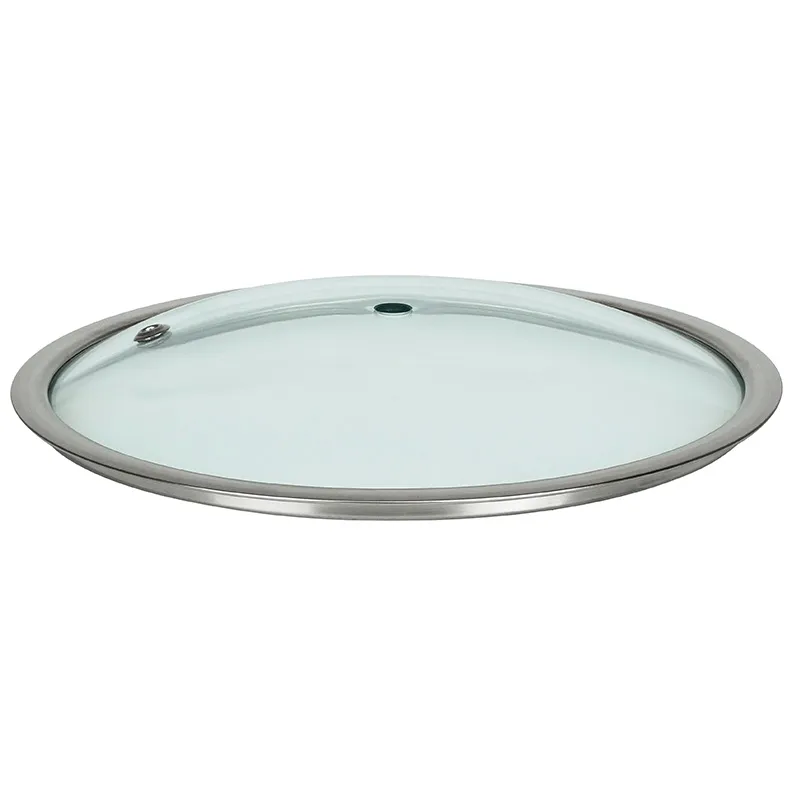
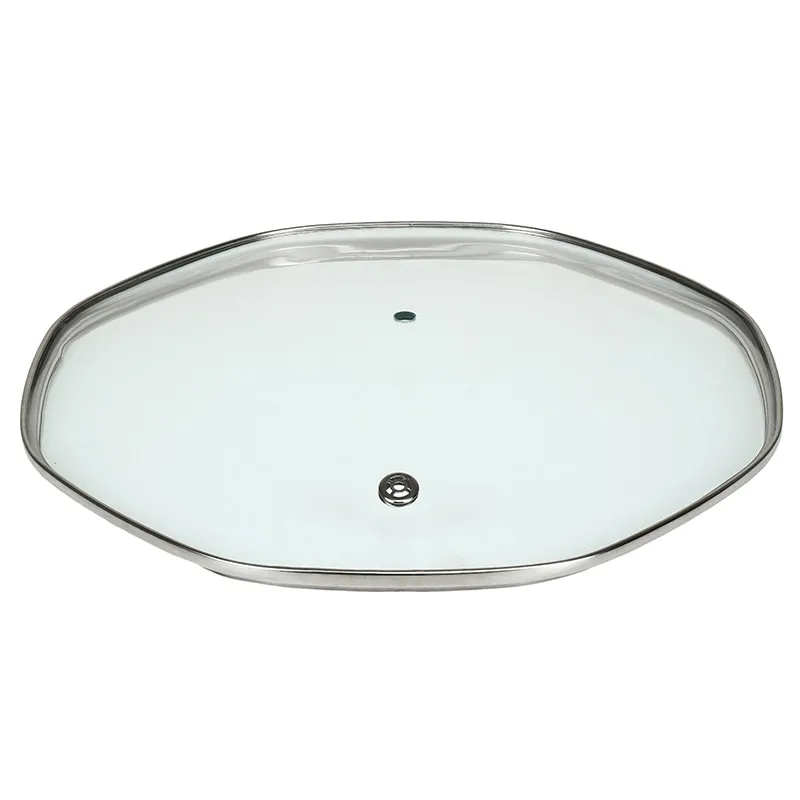
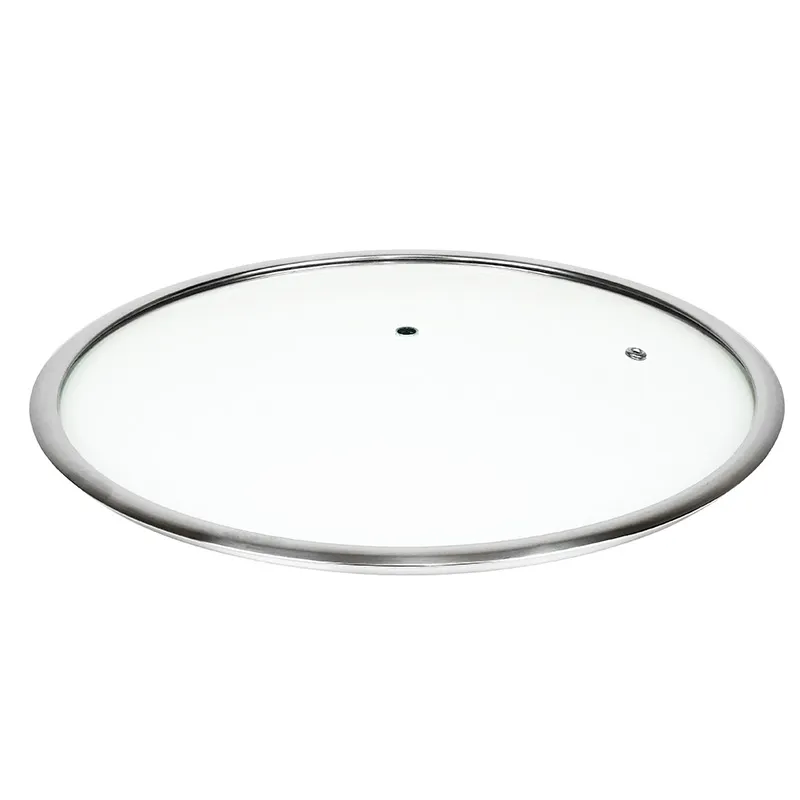
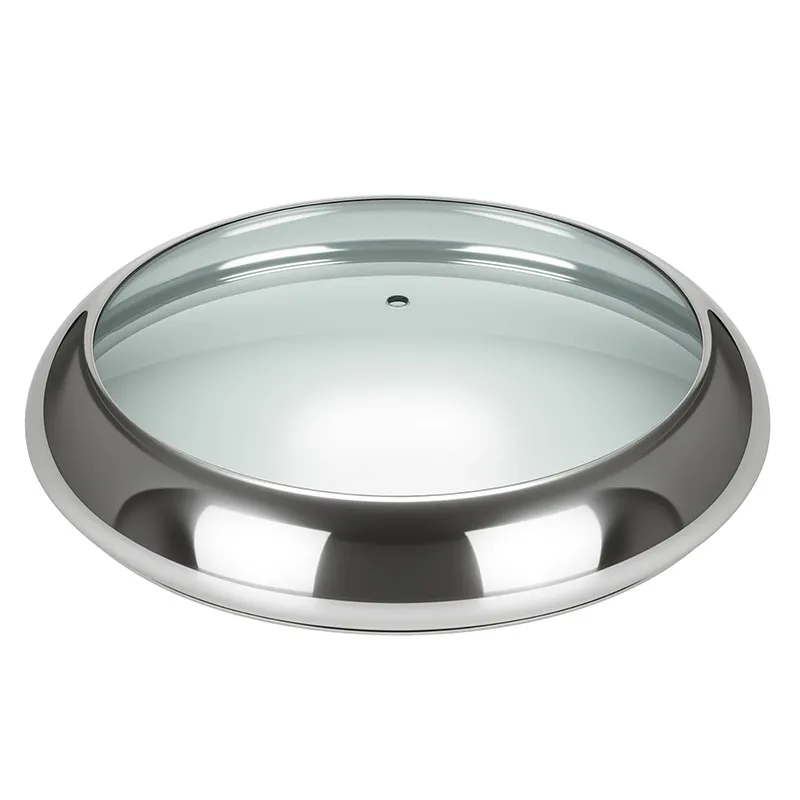
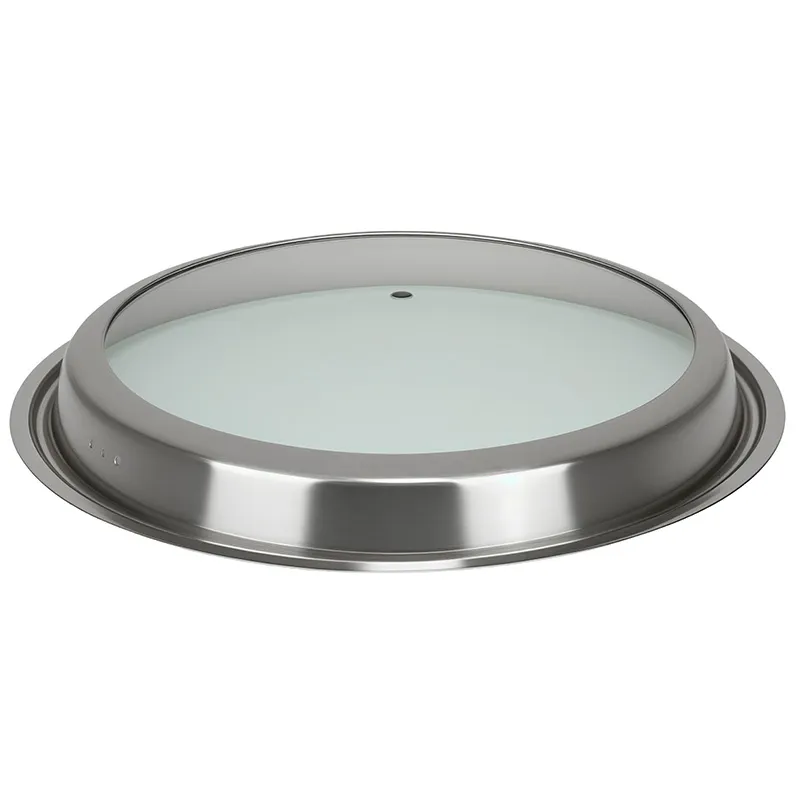
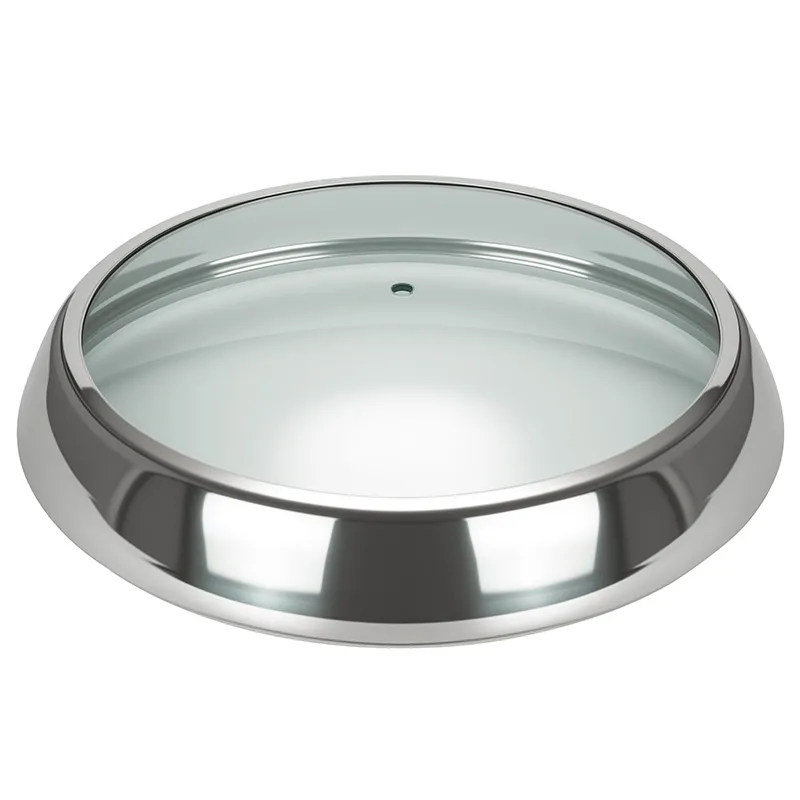
For a producer like EUR-ASIA COOKWARE CO.,LTD, whose production base in Shandong's high-tech zone pumps out over 15 million tempered glass lids and related products annually, getting this right at scale is the real challenge. Their focus on export markets like Germany and Poland means their products are routinely subjected to the stringent due diligence of European buyers. These buyers don't just accept a spec sheet; they audit the quenching process in the tempering furnace. The threshold is built during quenching—rapid cooling that puts the glass surface into compression. If the temperature curve or air pressure is off by a small margin, the resulting stress profile is inadequate, and the jar's practical threshold plummets.
Sealing: The Interface Where Theory Meets Practice
The moment of truth is the seal. You can have a perfect jar and a perfect lid, but if the sealing surface—the 'finish' on the glass jar's rim—has microscopic inconsistencies from molding or grinding, you'll have leakage. The metal lid's curl must engage this finish perfectly. One persistent issue we encountered was with vacuum sealing. After hot filling, the jar cools, contracting the headspace air and pulling the lid down. If the glass rim has even a slight high spot, the metal lid's sealant can't flow evenly to bridge the gap. The result is a weak seal that pops prematurely.
We learned this through a painful batch of 500ml jars. They sealed beautifully in the factory's QC check with a vacuum tester. But after shipping to a humid climate, a significant percentage lost seal. The culprit was traced back to the glass rim's topography. It wasn't smoothness in a macro sense, but the micro-profile. The solution wasn't more polishing, which could weaken the rim, but tighter control over the mold temperature and the pressing parameters during the jar's formation. It was a process fix, not a component fix.
This is why visiting a facility matters. On https://www.glass-lid.com, you see the capability—the scale, the export markets. But on the floor, you watch the operator at the sealing station. Are they checking the application torque of the capping machine every hour? Is there a water bath for testing seal integrity on a statistical sampling basis? That's where the promise of a threshold glass jar and metal lid system becomes a tangible, shippable product. EUR-ASIA's mention of producing low to high-level products speaks to this gradient of control; a high-level line for them likely means automated optical inspection of glass rims and climate-controlled storage for the sealing compound.
Failures That Inform the Process
Not every experiment works. There was a push a few years back for ultra-lightweighting in glass jars to save on shipping. We tried a design with thinner walls but maintained the same diameter. While it technically passed the thermal threshold test in a lab (a sudden, single shock), it failed in endurance. Repeated thermal cycles, like those in a dishwasher, caused fatigue. The metal lid, now acting on a less rigid structure, would subtly distort the rim over time. The failure mode wasn't a dramatic crack, but a gradual increase in seal failure rate after 20-30 cycles. It taught us that the threshold isn't just for a one-off event; it's for the product's entire lifecycle stress.
Another common pitfall is assuming all metal lids are equal. The plating matters immensely for food contact and corrosion resistance. A lacquered tinplate lid for acidic preserves is different from an aluminum lid for dry goods. We once sourced lids from a new vendor for a line of pickle jars. The glass was fine, the sealing compound was standard, but the lacquer inside the lid had a slightly lower glass transition temperature. During hot-fill, it softened just enough to allow acidic vapor to migrate and attack the metal underneath, leading to pinhole corrosion and seal failure months later. The glass jar was blameless, but the system failed.
These failures underscore why companies with integrated production, like EUR-ASIA, which handles both the tempered glass lid (a key component itself) and the related jar production, have an advantage. They control more variables of the system. When a lid and jar are made in the same ecosystem, troubleshooting is faster. You're not stuck in a blame game between a glass supplier and a lid supplier, which can grind a project to a halt.
The Export Reality: Standards as a Moving Target
Selling to Germany versus Brazil versus South Korea means navigating a labyrinth of standards, both formal and informal. The German market might de facto require compliance with LFGB and a specific thermal shock test, while a buyer in Brazil might prioritize impact resistance over extreme thermal cycling. The threshold thus becomes a flexible target. For a producer, this means having the engineering flexibility to adjust the tempering process or the glass composition batch to shift the performance curve. It's not one-size-fits-all.
This is where the 90% export statistic for EUR-ASIA becomes a testament to their adaptability. Managing logistics and specifications for over a dozen major export countries forces a granular understanding of requirements. It's not just about making a strong jar; it's about documenting the process to prove it, batch after batch. The paperwork—the test reports, material certifications, and factory audits—is as much a part of the product as the glass itself. A buyer from Switzerland will dissect that paperwork with the same rigor they apply to the physical product.
Ultimately, the conversation about threshold glass jar and metal lid systems ends with reliability. It's about delivering a container that performs invisibly. The user shouldn't have to think about thermal stress or seal integrity. When they open a pantry a year later, the seal should still be concave, the contents preserved. Achieving that invisibility is the complex, unglamorous work of defining, testing, and controlling thresholds at every stage—from the furnace in Taian City to the kitchen shelf in Copenhagen. It's less about a single brilliant innovation and more about the relentless, detailed execution of known principles, which is often the harder task.
Related Products
Related Products