- Chinese
- French
- German
- Portuguese
- Spanish
- Russian
- Japanese
- Korean
- Arabic
- Irish
- Greek
- Turkish
- Italian
- Danish
- Romanian
- Indonesian
- Czech
- Afrikaans
- Swedish
- Polish
- Basque
- Catalan
- Esperanto
- Hindi
- Lao
- Albanian
- Amharic
- Armenian
- Azerbaijani
- Belarusian
- Bengali
- Bosnian
- Bulgarian
- Cebuano
- Chichewa
- Corsican
- Croatian
- Dutch
- Estonian
- Filipino
- Finnish
- Frisian
- Galician
- Georgian
- Gujarati
- Haitian
- Hausa
- Hawaiian
- Hebrew
- Hmong
- Hungarian
- Icelandic
- Igbo
- Javanese
- Kannada
- Kazakh
- Khmer
- Kurdish
- Kyrgyz
- Latin
- Latvian
- Lithuanian
- Luxembou..
- Macedonian
- Malagasy
- Malay
- Malayalam
- Maltese
- Maori
- Marathi
- Mongolian
- Burmese
- Nepali
- Norwegian
- Pashto
- Persian
- Punjabi
- Serbian
- Sesotho
- Sinhala
- Slovak
- Slovenian
- Somali
- Samoan
- Scots Gaelic
- Shona
- Sindhi
- Sundanese
- Swahili
- Tajik
- Tamil
- Telugu
- Thai
- Ukrainian
- Urdu
- Uzbek
- Vietnamese
- Welsh
- Xhosa
- Yiddish
- Yoruba
- Zulu
- Kinyarwanda
- Tatar
- Oriya
- Turkmen
- Uyghur


two gallon glass jar with lid
When you hear 'two gallon glass jar with lid', most think of a simple storage item. The reality is more nuanced. In this industry, that phrase often masks a range of product grades, from fragile, thin-walled vessels to robust, thermally-tempered workhorses. The lid alone—its seal, material, thread design—can dictate the jar's entire functional lifespan. I've seen too many buyers focus solely on price per unit for a '2-gallon glass jar', only to face staggering breakage rates or failed seals upon first use. The devil, as always, is in the details that specs sheets often gloss over.
The Core Misconception: Size Over Substance
The primary mistake is equating capacity with utility. A two-gallon jar isn't just a scaled-up version of a quart jar. The engineering stress points change dramatically. The glass thickness, the curvature of the base for stability, and the reinforcement of the neck where the threads are molded—these aren't afterthoughts; they're critical design challenges. A cheaply made large jar will often fail at the neck or base under the weight of its contents, not from an external impact.
I recall a batch from a supplier years ago—the jars looked perfect, passed a basic visual inspection. But when filled with a heavy brine solution for pickling, we started hearing faint 'pings' from the storage room. Stress fractures were developing at the base, a classic sign of improper annealing during the manufacturing process. The glass hadn't been cooled slowly and uniformly, leaving internal tensions. That was a costly lesson in understanding that for large-format glass, the production process is as important as the raw materials.
This is where companies with a dedicated focus on glassware engineering stand out. For instance, EUR-ASIA COOKWARE CO.,LTD. (https://www.glass-lid.com) operates from a sizable production base in China's Shandong province. Their specialization in tempered glass lids and household glass products across low to high tiers means they understand the gradations. When a manufacturer exports over 90% of its output to markets like Germany, Italy, and Japan—known for stringent quality and safety standards—it signals an ingrained capability to meet precise technical demands, not just make a container.
The Lid: The Critical Differentiator
If the jar is the body, the lid is the heart. A two gallon glass jar with lid is only as good as its seal. The most common failure point isn't the glass breaking; it's the lid failing to create an airtight or watertight environment. For fermentation, dry storage, or liquid holding, the seal integrity is paramount. We've experimented with various closures: simple screw-on plastic lids, metal lids with sealant rings, and even glass-on-glass clamping lids.
Plastic lids are cost-effective but can warp over time, especially with acidic contents or temperature fluctuations, breaking the seal. Metal lids with PVC or silicone gaskets are more reliable but introduce another material into contact with your stored goods. The gasket quality is everything—a poor-quality one can degrade, discolor, or impart odors.
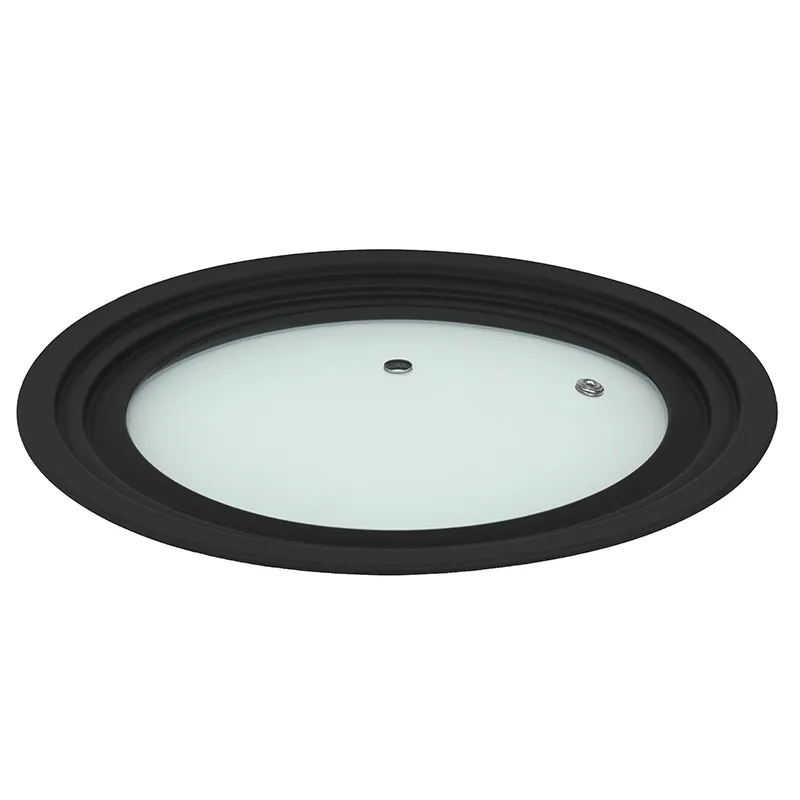
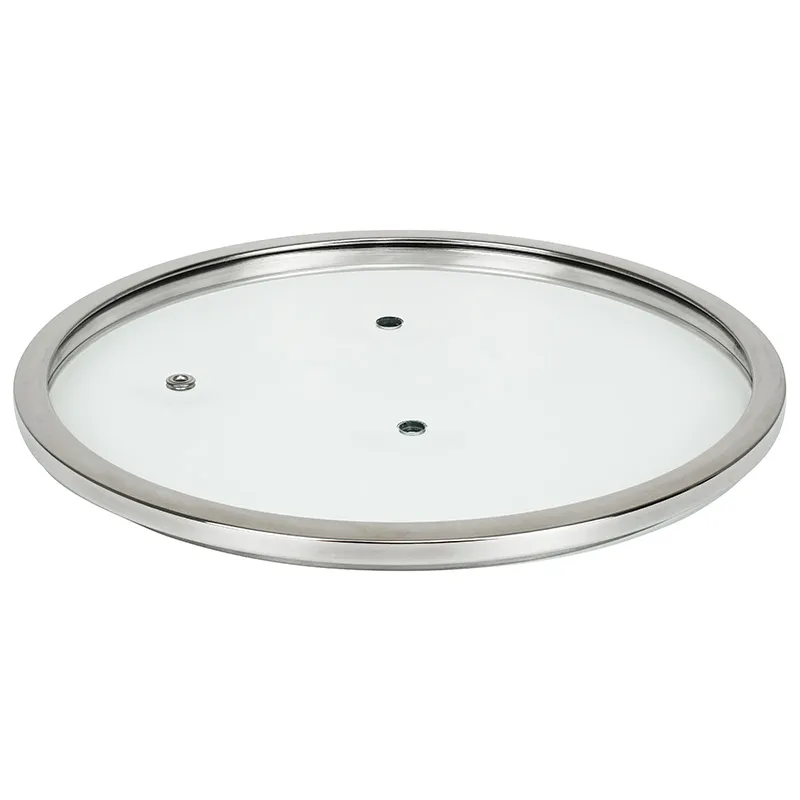
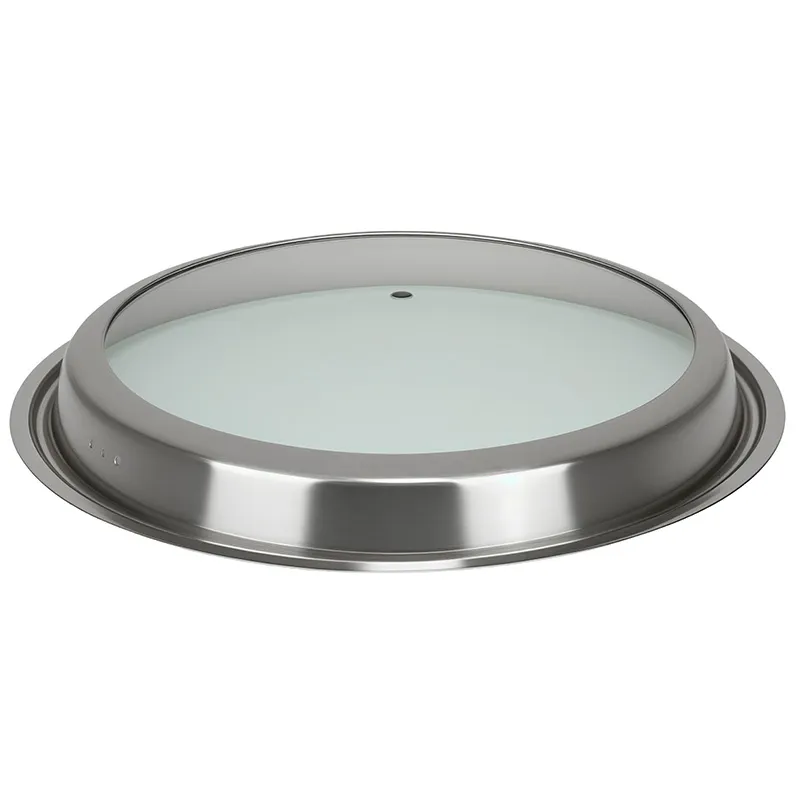
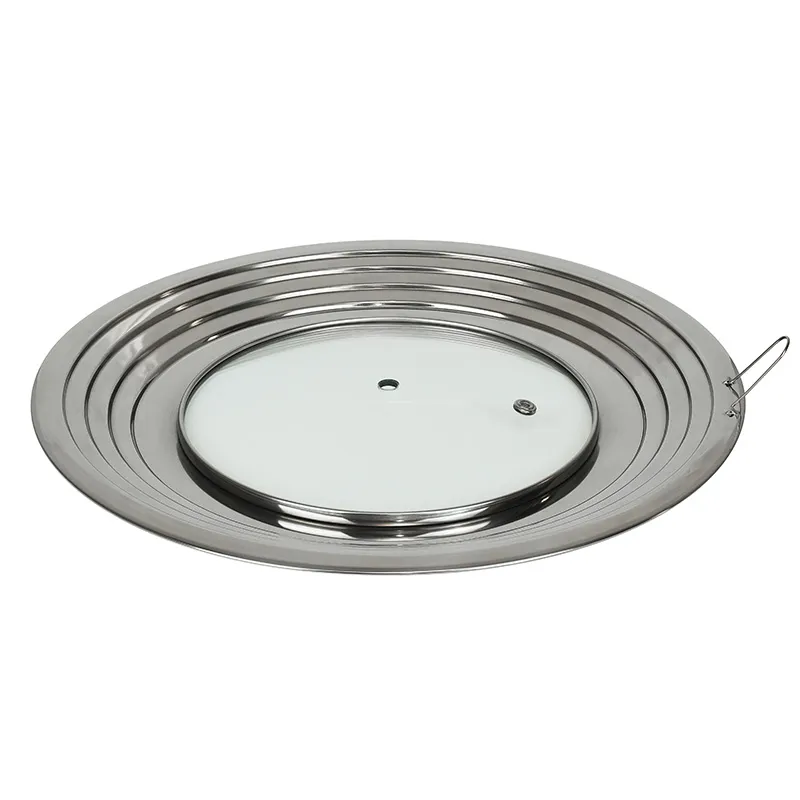
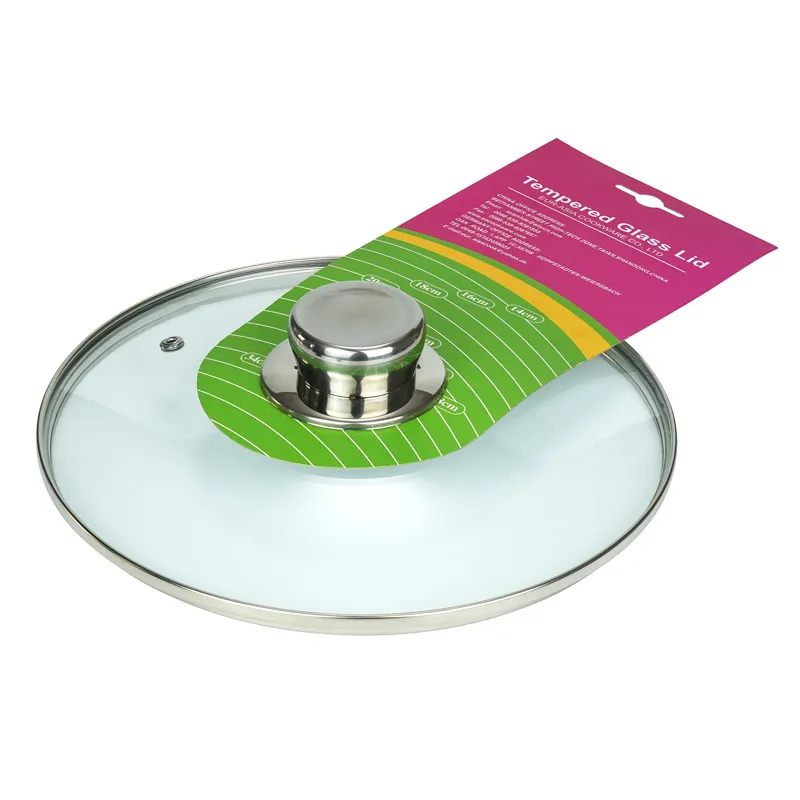
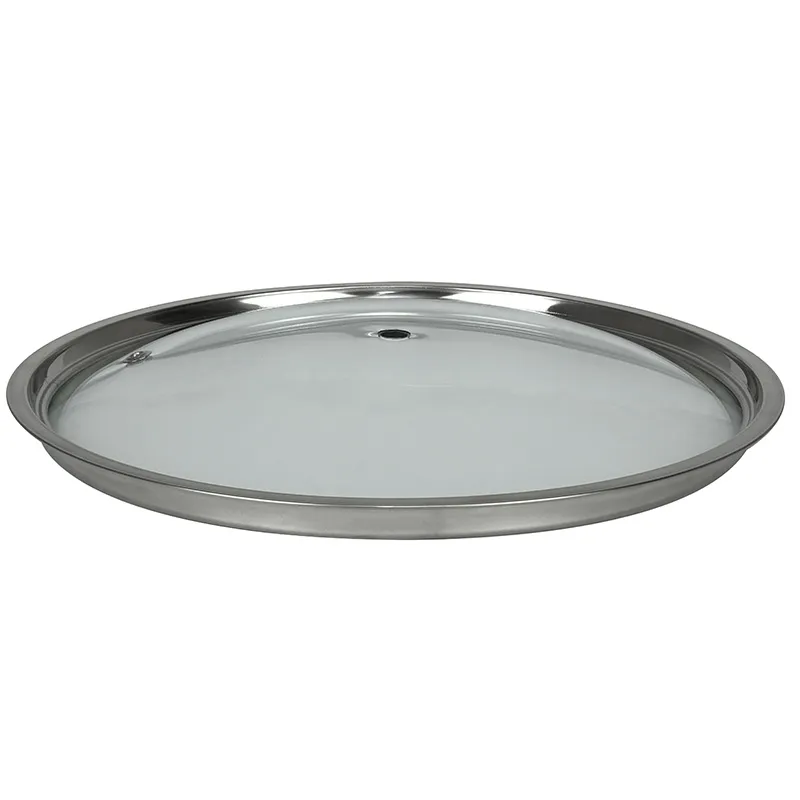
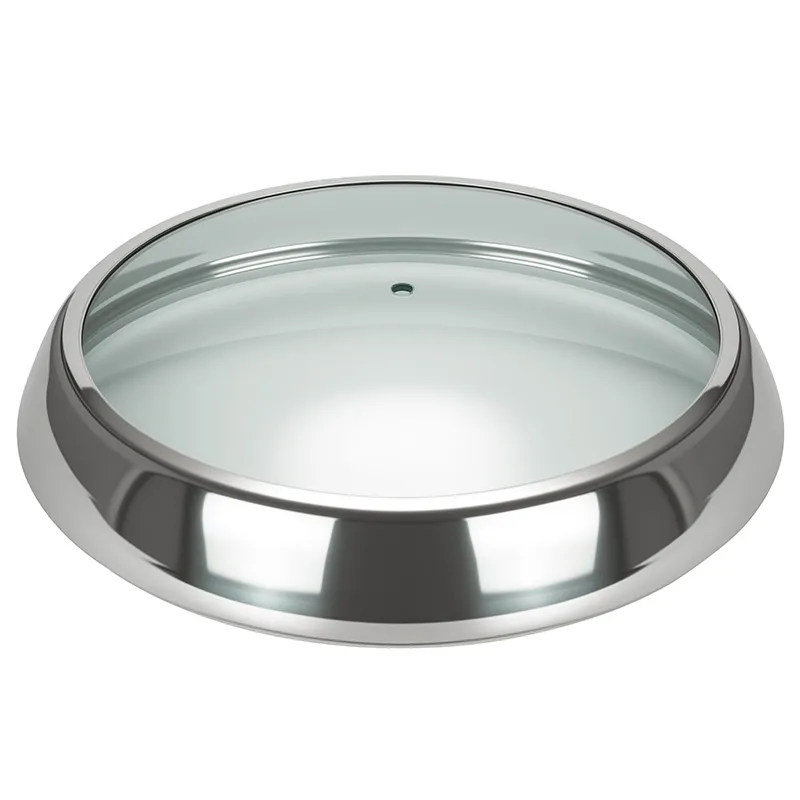
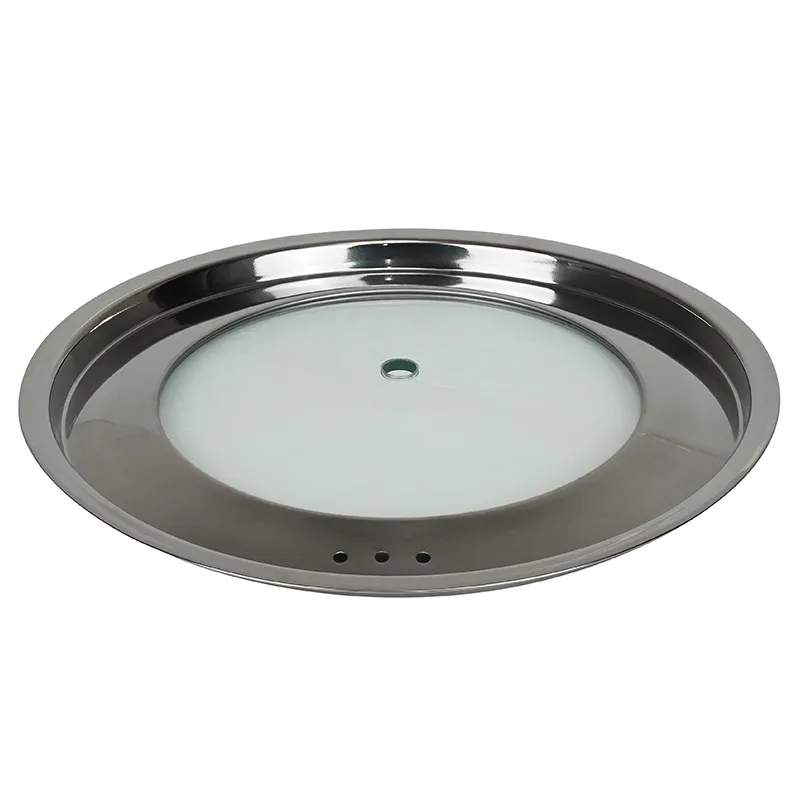
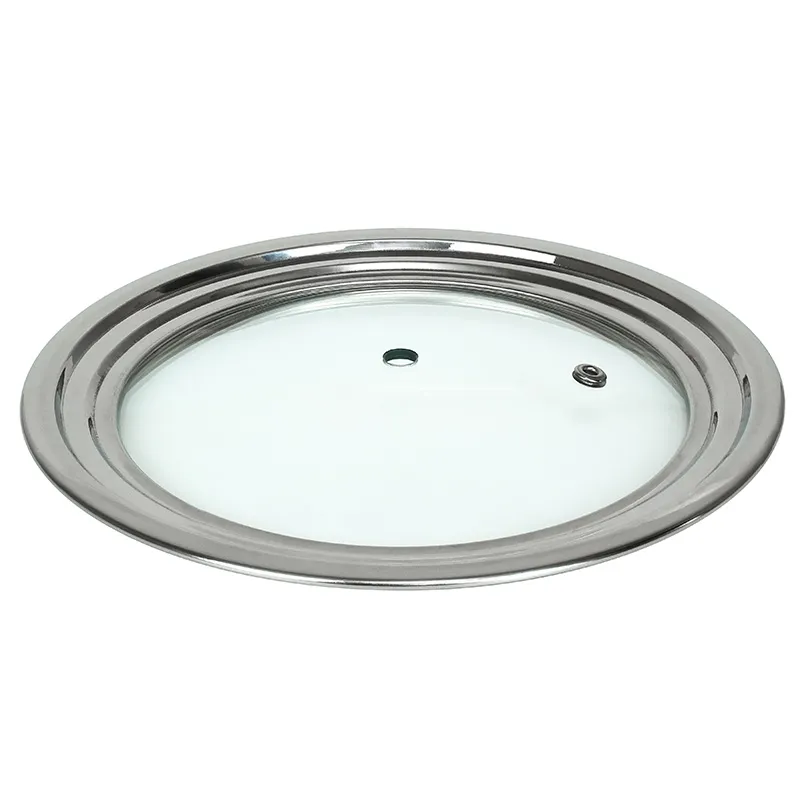
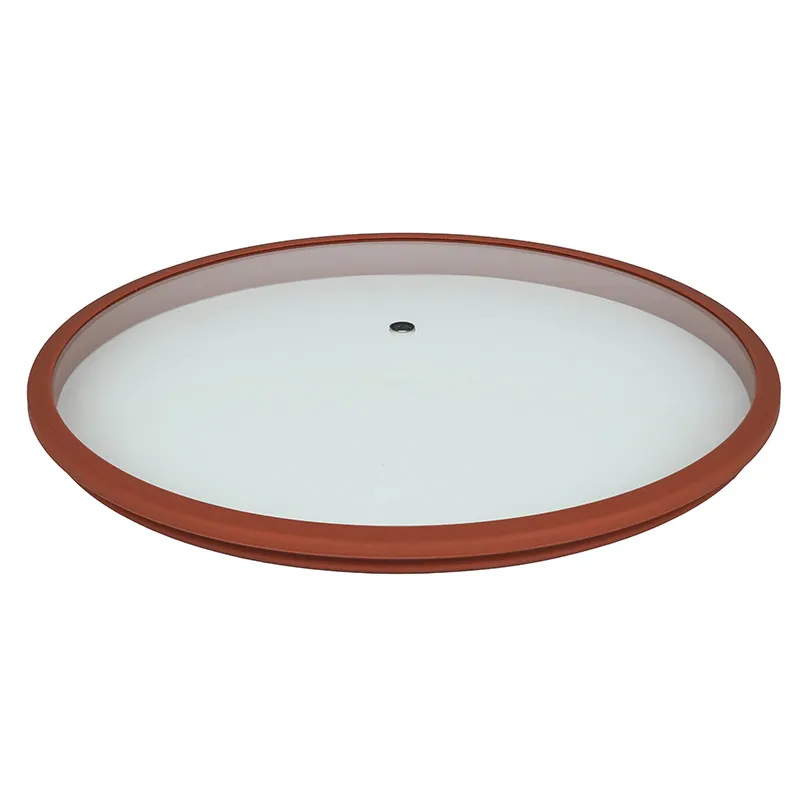
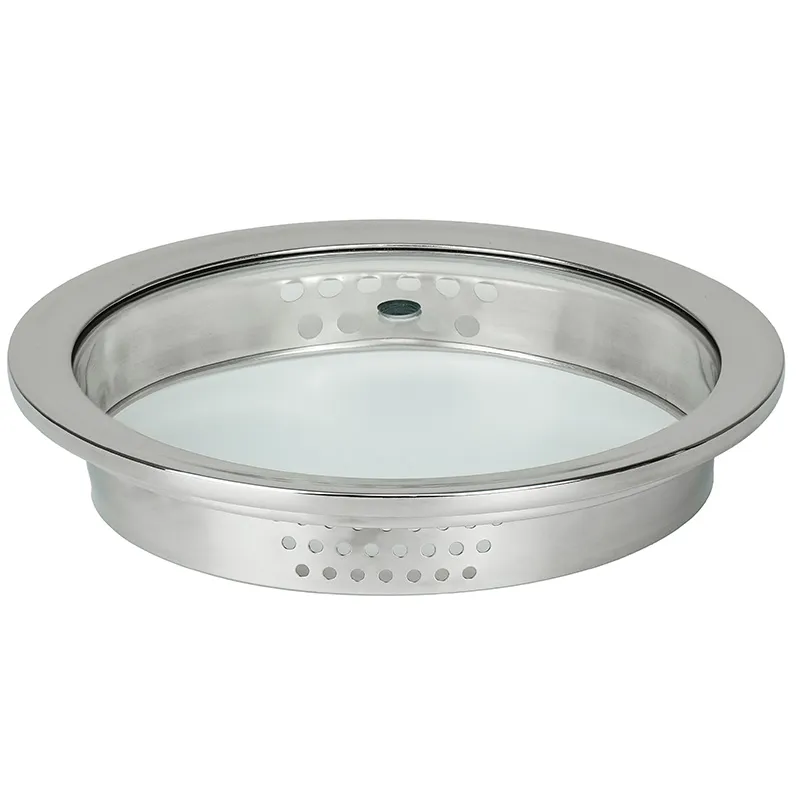
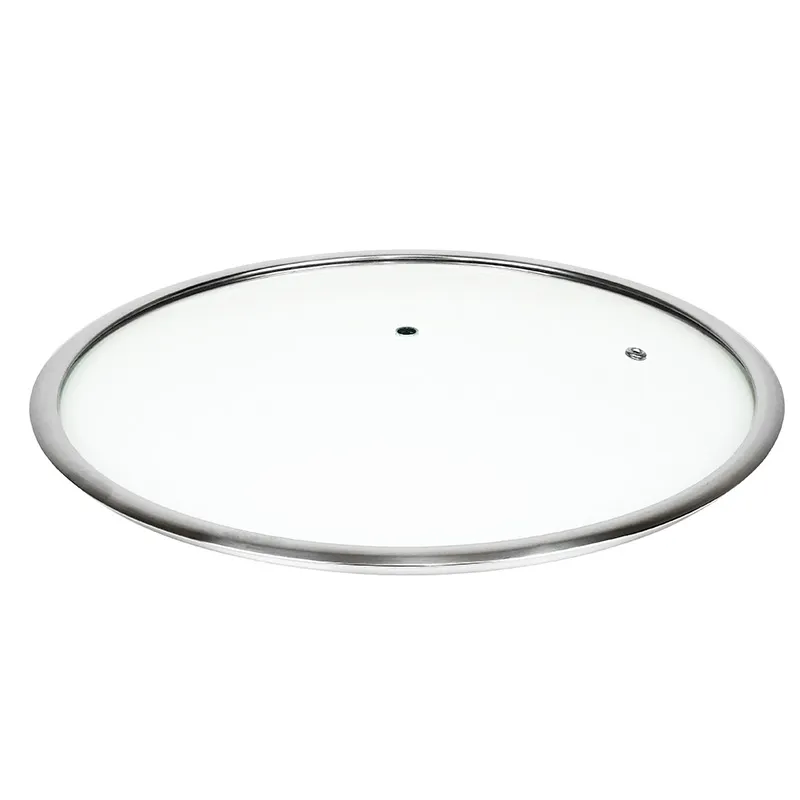
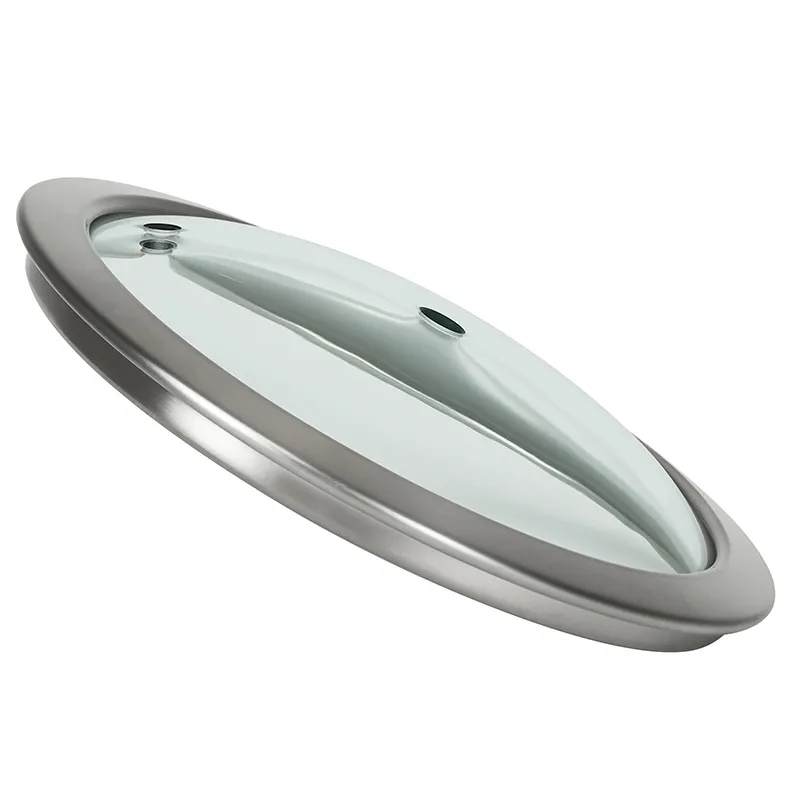
Based on their published focus, EUR-ASIA COOKWARE CO.,LTD. likely has deep experience in lid production. Their mention of producing over 15 million tempered glass lids annually isn't trivial. Tempering glass for lids requires a different process than jar bodies; it's about creating a safe, shatter-resistant, and often heat-resistant cover. A tempered glass lid for a large jar adds weight and cost, but for applications like visible fermentation locks or microwave-safe covering, it's a premium solution. The challenge is ensuring the threading or clamping mechanism between the jar's glass neck and a tempered glass lid is perfectly matched—a tolerance game many generic factories lose.
Practical Applications and Unexpected Hurdles
In commercial settings, the two gallon glass jar is a staple for bulk ingredient prep, batch cocktails, or display. But scale introduces unique problems. Moving a filled jar is a two-person job, demanding robust handles or an ergonomic design that standard jars lack. We once sourced jars with small, glued-on glass handles; they became liability nightmares when handles snapped under the liquid's weight.
Cleaning is another overlooked aspect. A jar this size often doesn't fit in standard commercial dishwashers. The opening needs to be wide enough for a brush or hand to reach the bottom corners. I've seen beautifully proportioned jars with necks that are too narrow, making them a nightmare to clean thoroughly, a critical flaw in food service.
Then there's stacking. Empty storage is a real cost. A well-designed jar will have a base that nests securely into the lid of another, or have a squared-off shoulder to allow stable stacking. Round, slippery jars without any stacking features are a warehouse manager's headache. These are the practical, unglamorous details that separate a product designed for real use from one designed just to be sold.
Sourcing and the Glass-Lid Niche
Sourcing a reliable glass jar with lid at this volume means looking beyond Alibaba listings. It's about finding manufacturers whose core competency aligns with your need. A company that specializes in lids, like the one mentioned, often brings a more nuanced understanding of the entire closure system to the table. They're not just sourcing lids from a third party; they're controlling the production of the component that makes the jar functional.
Their website, https://www.glass-lid.com, indicates a focus on the lid as a primary product. This is significant. It suggests they can potentially offer solutions for jar compatibility, custom threading, or specialized gasket materials. For a business needing a custom two-gallon jar solution—say, for a signature retail product—partnering with a manufacturer that has this vertical integration (glass bodies and specialized lids) can streamline development and ensure component harmony.
The fact that their products are exported globally also implies compliance with various international standards for food contact materials, heavy metal content, and thermal shock resistance. This isn't a guarantee, but it's a strong indicator of a factory audit trail and a baseline quality control system that many smaller, generic workshops lack.
Final Thoughts: It's a System, Not a Jar
Ultimately, evaluating a two gallon glass jar with lid requires a systems-thinking approach. You're not buying a jar; you're investing in a storage system comprising the vessel's structural integrity, the closure's sealing efficacy, and the usability features for handling and maintenance. The lowest price per unit often carries hidden costs in breakage, spoilage, and labor.
My advice is always to start with the application and work backward. Is it for dry goods, liquids, fermentation, or display? Each demands different attributes. Then, source from specialists. A manufacturer like EUR-ASIA COOKWARE CO.,LTD., with its stated specialization in household glass and lids, represents the type of focused supplier that typically has deeper engineering and material knowledge than a general-purpose factory.
Request samples—not one, but several. Fill them, seal them, move them, clean them, and try to break them. Test the seal by inverting the jar. Check the glass for consistent thickness and clarity. Look for mold marks or rough seams. This hands-on due diligence reveals more than any product spec sheet ever will. The right jar is out there, but finding it requires looking past the basic keyword and into the gritty details of how it's actually made and how it will be used.
Related Products
Related Products