- Chinese
- French
- German
- Portuguese
- Spanish
- Russian
- Japanese
- Korean
- Arabic
- Irish
- Greek
- Turkish
- Italian
- Danish
- Romanian
- Indonesian
- Czech
- Afrikaans
- Swedish
- Polish
- Basque
- Catalan
- Esperanto
- Hindi
- Lao
- Albanian
- Amharic
- Armenian
- Azerbaijani
- Belarusian
- Bengali
- Bosnian
- Bulgarian
- Cebuano
- Chichewa
- Corsican
- Croatian
- Dutch
- Estonian
- Filipino
- Finnish
- Frisian
- Galician
- Georgian
- Gujarati
- Haitian
- Hausa
- Hawaiian
- Hebrew
- Hmong
- Hungarian
- Icelandic
- Igbo
- Javanese
- Kannada
- Kazakh
- Khmer
- Kurdish
- Kyrgyz
- Latin
- Latvian
- Lithuanian
- Luxembou..
- Macedonian
- Malagasy
- Malay
- Malayalam
- Maltese
- Maori
- Marathi
- Mongolian
- Burmese
- Nepali
- Norwegian
- Pashto
- Persian
- Punjabi
- Serbian
- Sesotho
- Sinhala
- Slovak
- Slovenian
- Somali
- Samoan
- Scots Gaelic
- Shona
- Sindhi
- Sundanese
- Swahili
- Tajik
- Tamil
- Telugu
- Thai
- Ukrainian
- Urdu
- Uzbek
- Vietnamese
- Welsh
- Xhosa
- Yiddish
- Yoruba
- Zulu
- Kinyarwanda
- Tatar
- Oriya
- Turkmen
- Uyghur


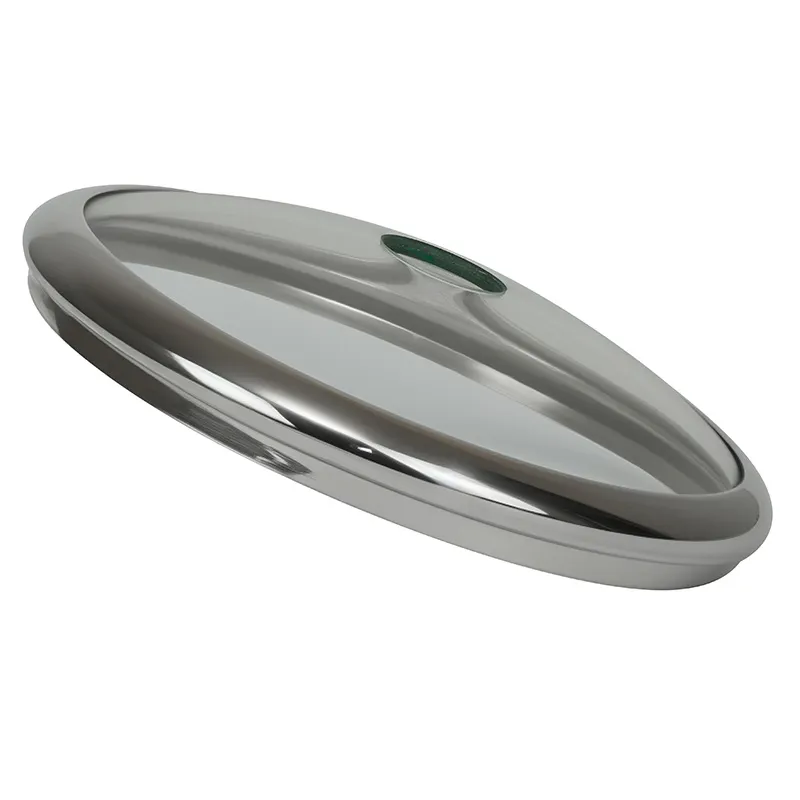
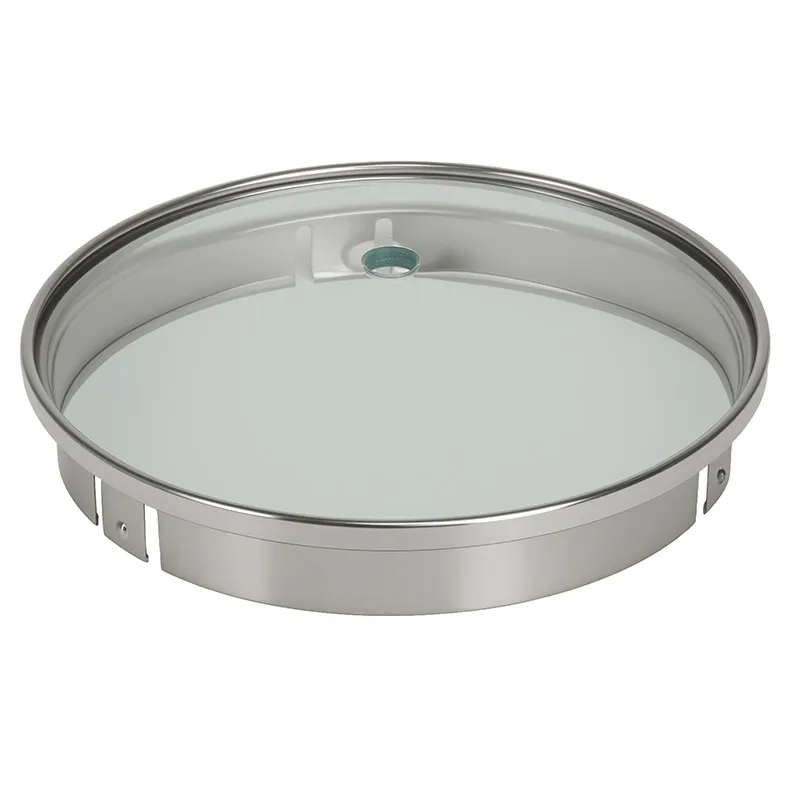
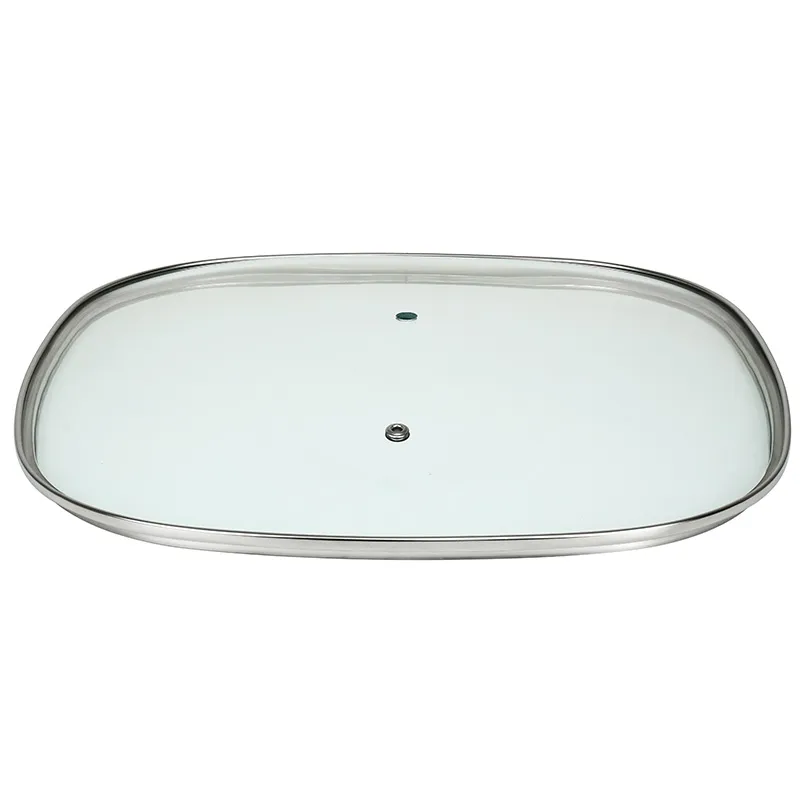
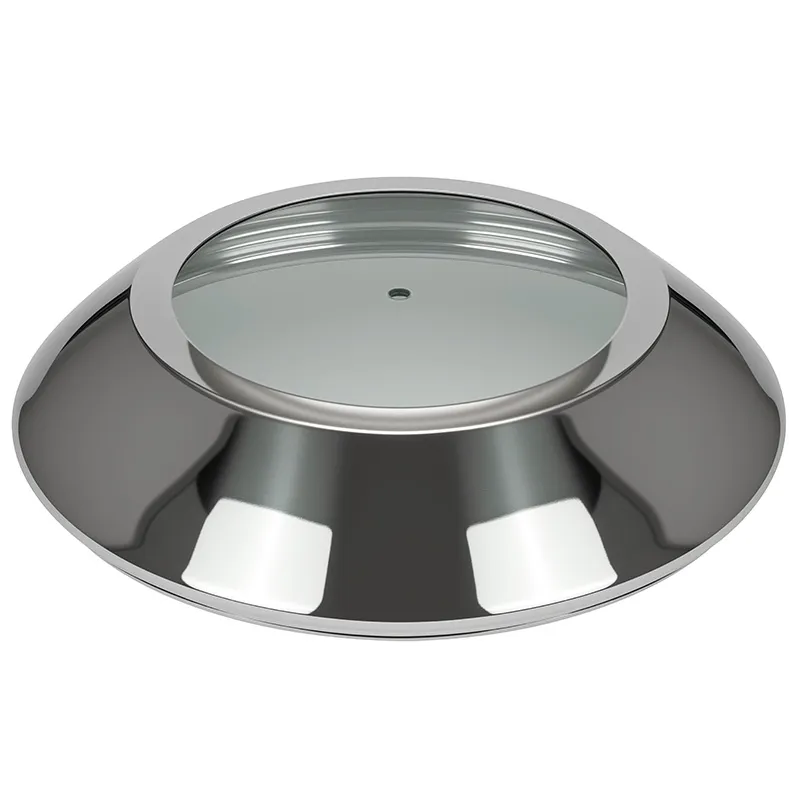
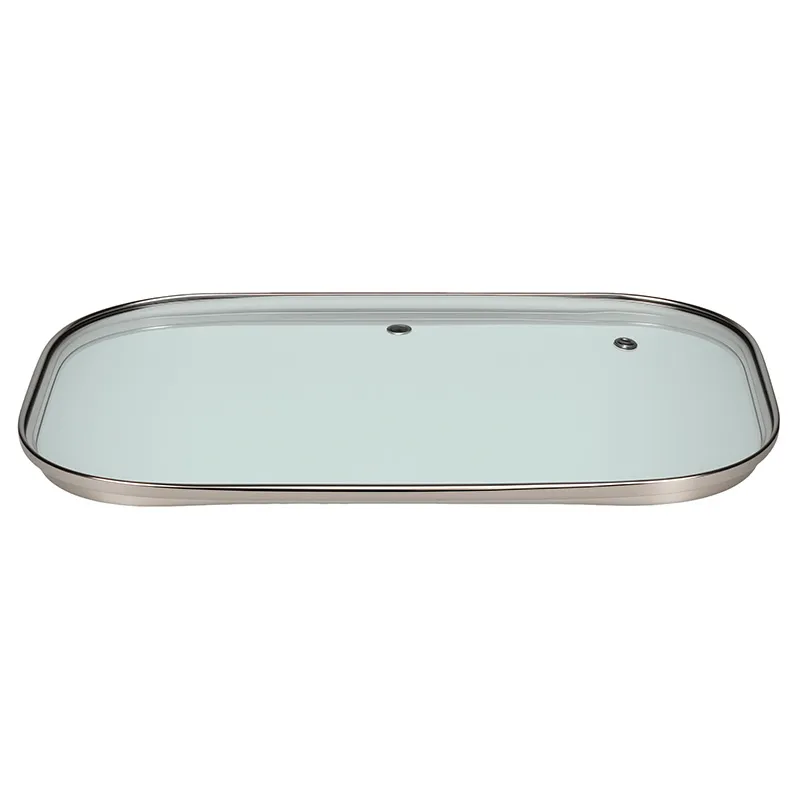
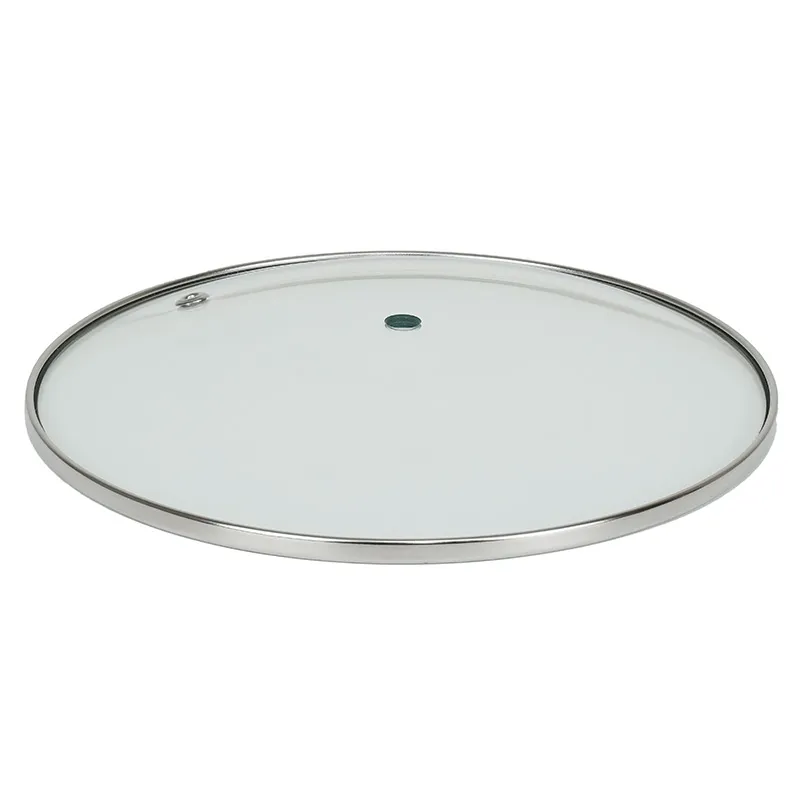
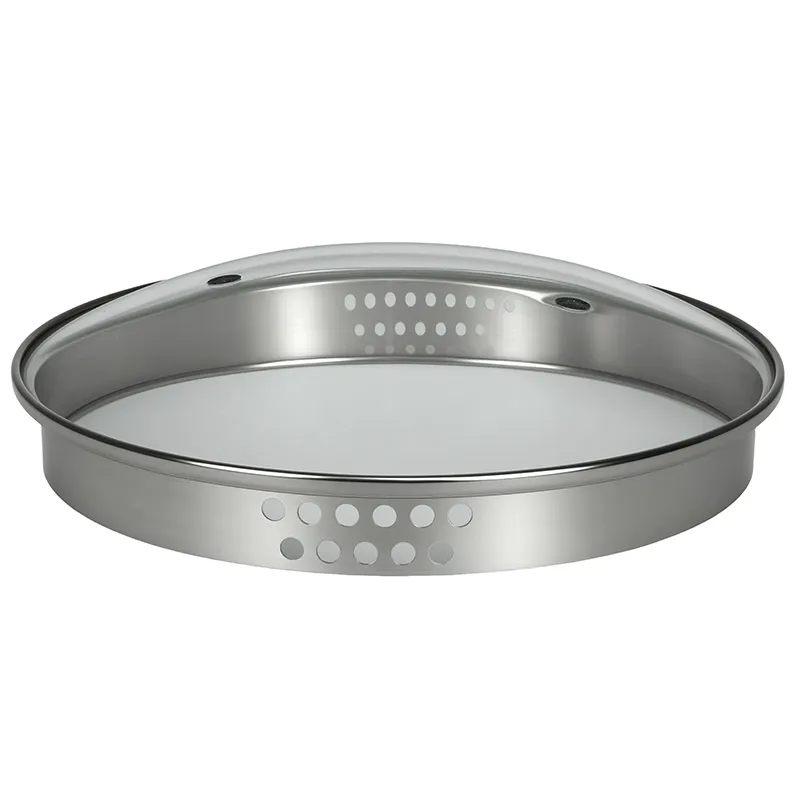
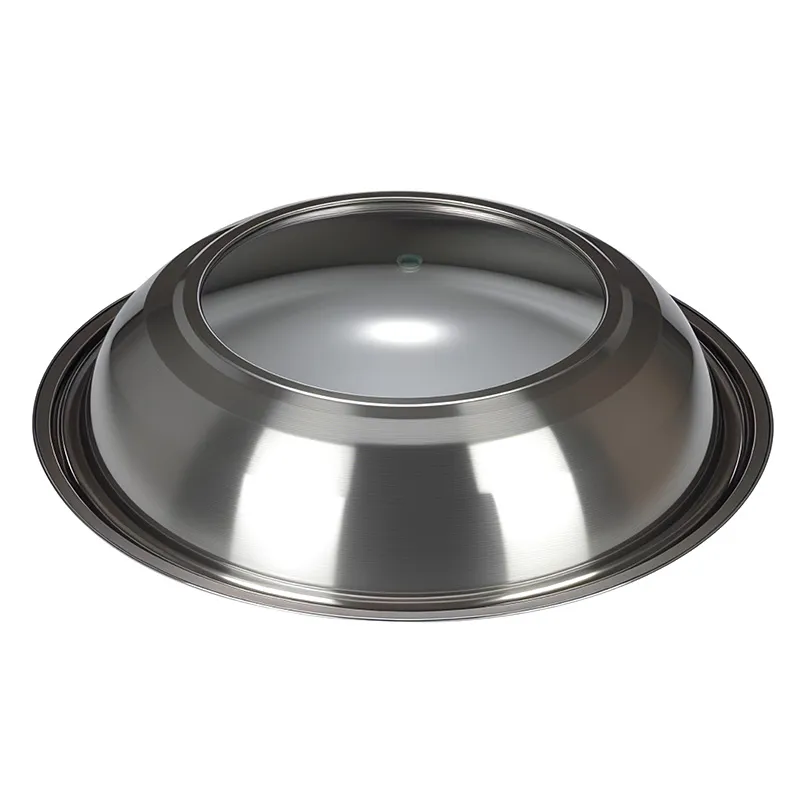
universal cookware lids
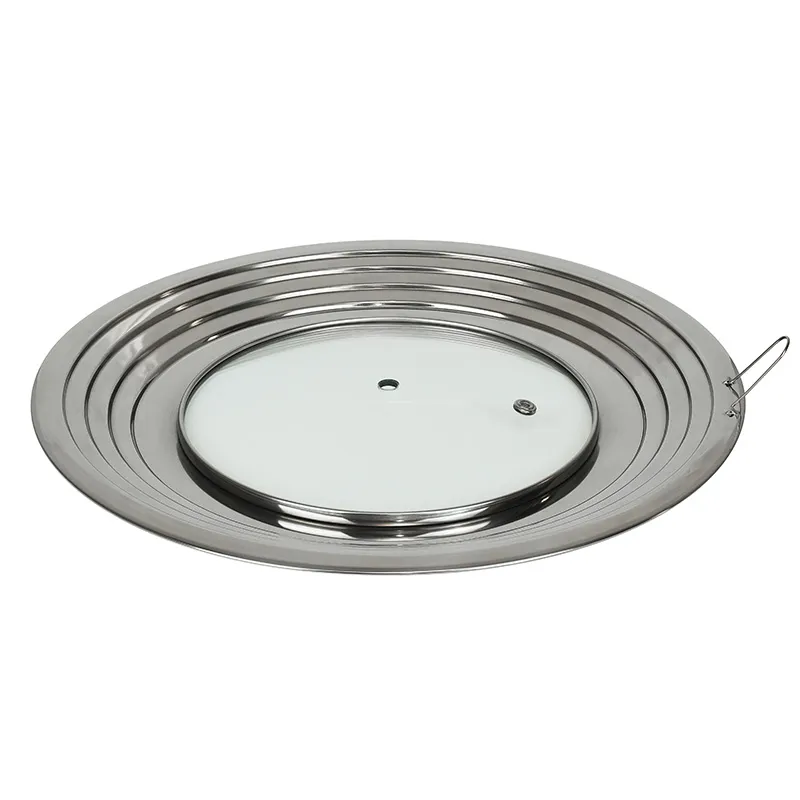
You hear 'universal cookware lids' and most people, even some buyers, think it's just about a piece of glass or steel that fits on top of a pot. That's the first mistake. It's not about a one-size-fits-all magic cover; it's about creating a universal cookware lids system that actually works across different brands, materials, and heat sources without warping, cracking, or becoming a safety hazard. The industry is littered with products that claim universality but fail in the real world—where a customer tries it on their old ceramic casserole one day and a new induction-ready saucepan the next.
The Core Challenge: What Universal Really Demands
True universality isn't a marketing gimmick. It's an engineering puzzle. The lid must handle thermal shock from a blazing gas flame to a cool granite countertop. It needs a handle that stays cool but is attached to a rim that might hit 250°C. The sealing isn't about being airtight—that's for pressure cookers—but about managing moisture and heat efficiently enough to work on a thin stainless steel pot as well as a thick cast iron Dutch oven. I've seen lids shatter because the tempering process was off by a few degrees, or handles that loosened after a dozen dishwasher cycles. The failure point is rarely the center; it's almost always the edge or the handle fixture.
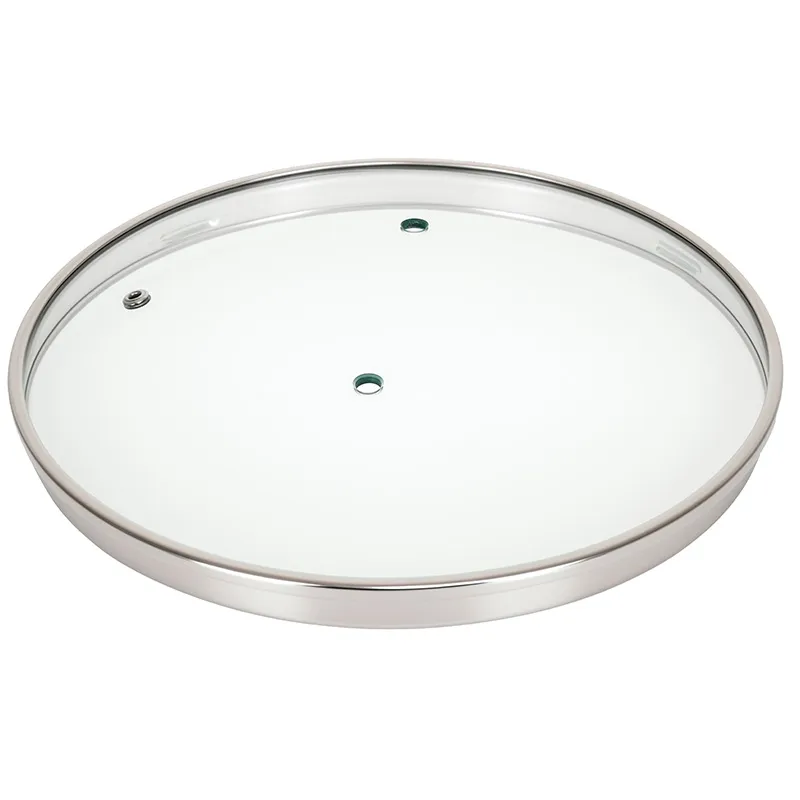
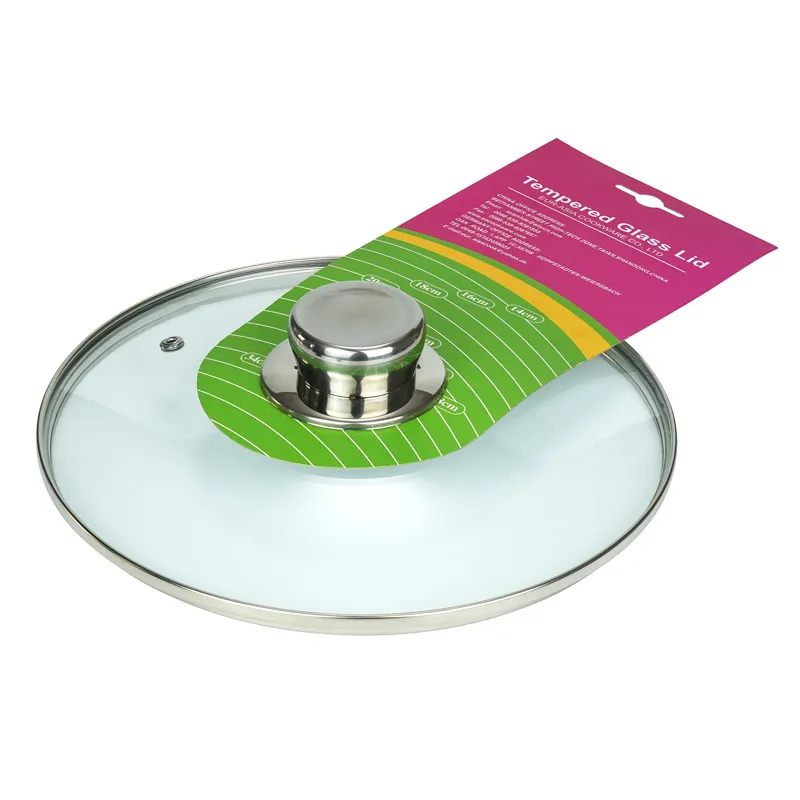
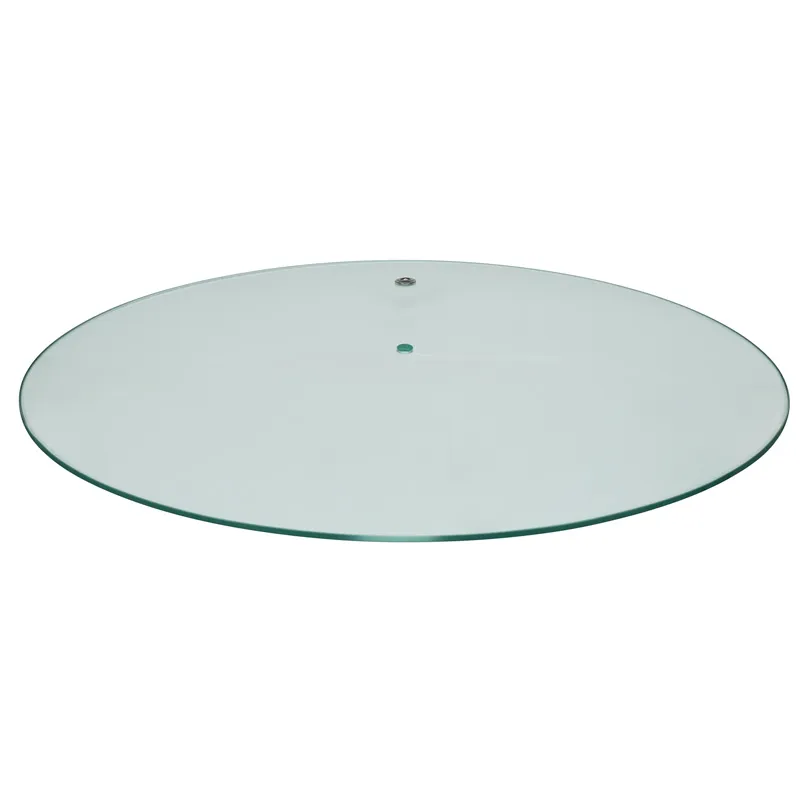
Take borosilicate glass, for instance. It's the go-to material for a reason—good thermal resistance, transparency. But not all borosilicate is equal. The formula and the tempering cycle are everything. A supplier like EUR-ASIA COOKWARE CO.,LTD (you can find their focus at glass-lid.com) has built their entire operation around this specificity. Their production base in Taian's High-tech Zone, pumping out over 15 million tempered glass lids annually, isn't just about scale. It's about controlling that process for consistency across massive batches destined for markets from Germany to Japan, where standards are unforgiving.
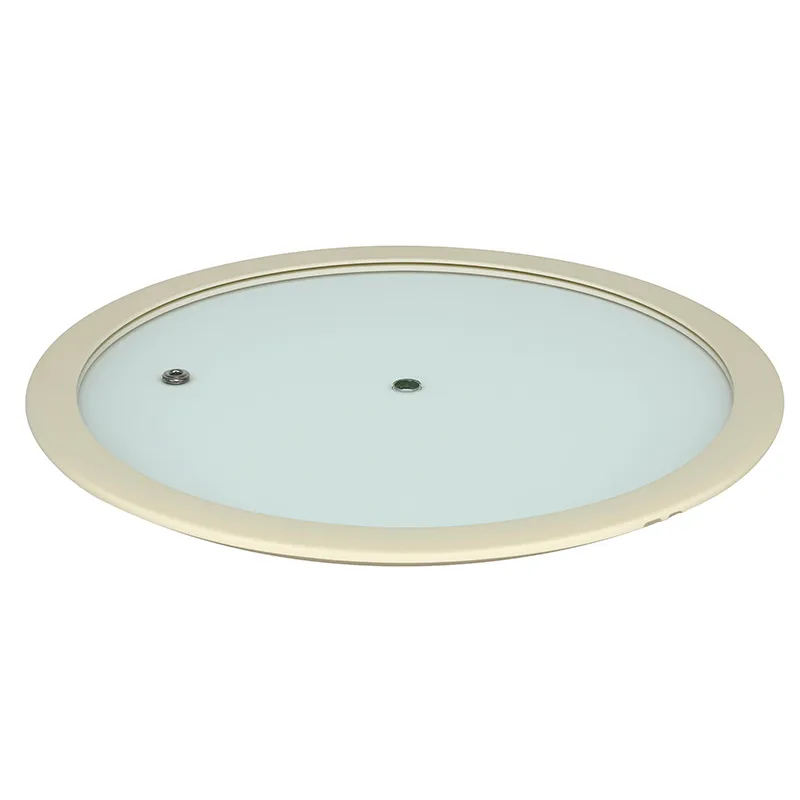
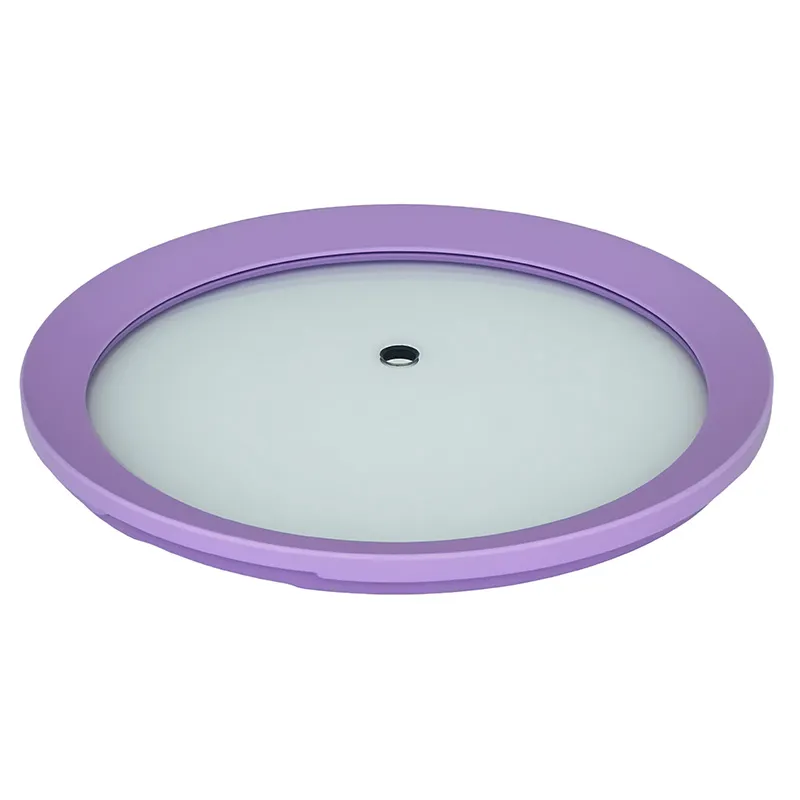
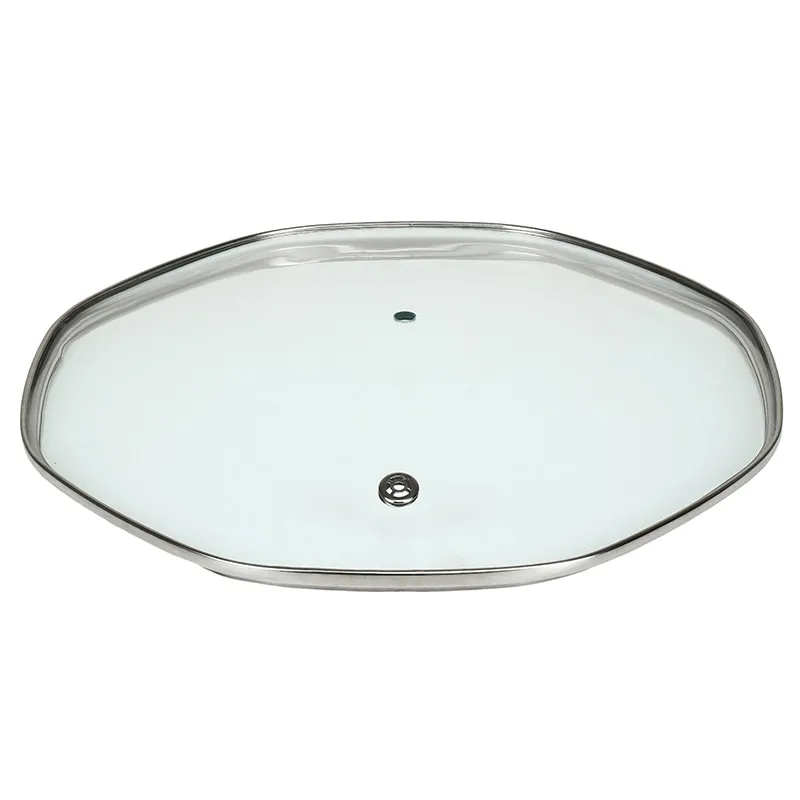
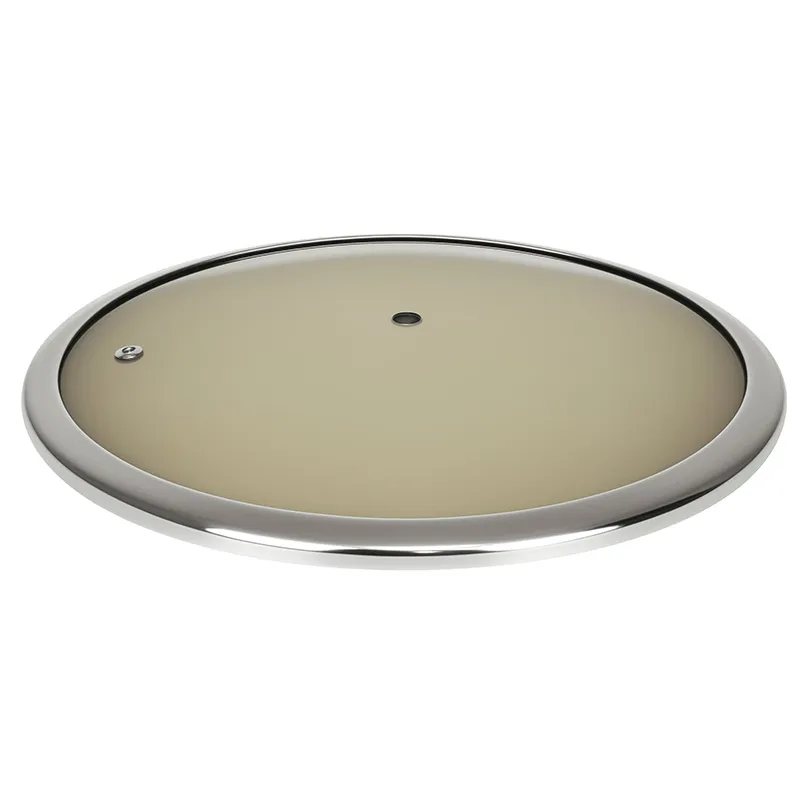
The rim design is another silent battleground. A rolled stainless steel rim? It's durable and gives a clean finish, but it adds cost and weight. A fired-on ceramic rim? Looks great, avoids metal-on-metal scratching, but is a chip-risk in commercial kitchens. There's no perfect answer, only trade-offs based on the target price point and use case. The universal claim hinges on this rim fitting securely enough on a curved Le Creuset lip and a straight-edged IKEA pot without wobbling.
Handle and Vent: The Devil in the Details
If the glass is the body, the handle is the heart. Screwed-on metal knobs are classic, but the screw posts create stress points. We moved to bonded phenolic handles—the kind that feel like a smooth, cool plastic—for a while. The bond failed under repeated high-heat, high-humidity scenarios. Back to the drawing board. Now, look at higher-end lids. You'll often see a stainless steel handle secured with a wide-base nut and a high-temp silicone gasket underneath. It distributes stress and insulates. It's a small part that costs ten times more than a simple screw, but it's what prevents a warranty return.
The vent. It seems trivial—a hole or a notch. But its placement is critical. A central vent lets steam out directly onto the handle, which can be a burn risk if the handle isn't perfectly insulated. An offset vent is smarter, but it can't be too close to the edge or it compromises the rim's integrity. I recall a batch where the vent was stamped (not drilled) after tempering. Micro-cracks formed, leading to a 5% failure rate in the field. A costly lesson that you temper the glass after all the holes are made.
And material compatibility? A lid for an aluminum pot needs different considerations than for induction-ready steel. Aluminum heats and cools fast, demanding a glass that can match that rapid delta-T. Induction heats the pot ferociously fast, and the lid is heated secondarily by the trapped steam and ambient heat from the pot walls. It's a less direct but still intense thermal load. A lid that works fine on gas might develop hot spots on induction that eventually cause it to crack. This is where lab testing meets real-world chaos.
The Manufacturing Reality and Export Hurdles
Visiting factories like EUR-ASIA's, you see the scale needed to make this work. 15,000 sq.m. of building space isn't for show. It houses cutting lines, tempering furnaces with precise thermal curves, rim-application stations, and handle assembly. The low- medium- high level segmentation in their portfolio is key. A low-end lid might use a thinner glass gauge and a simpler, clipped-on handle for a budget supermarket line. The high-end version for the European market will have thicker, chemically strengthened glass, a forged handle, and packaging that screams premium. They're not the same product.
Exporting 90% of your output, as they do, is a masterclass in logistics and compliance. A lid for the German market needs to pass stringent safety tests (GS, LFGB). The packaging needs multilingual instructions. The shipping must ensure zero breakage, which means innovative foam cradles, not just cardboard dividers. For Brazil, you might need a different rim finish to resist higher humidity. For South Korea, the preferred diameter might skew smaller to match common pot sizes. Universal doesn't mean identical; it means adaptable within a controlled framework.
One persistent issue is the finish on the glass edge after tempering. It can sometimes feel sharp, a quality defect. The best processes involve a secondary edging or firing to smooth it out. It's a step that adds cost, and you can tell the priority of a brand by whether they specify it. When you handle thousands of lids, your fingertips learn to detect the difference instantly.
Case in Point: When a Universal Design Failed
Early in my sourcing days, we championed a truly universal lid with a silicone gasket built into the rim. The theory was brilliant: the silicone would conform to any pot lip, creating a better seal. Reality was a disaster. The silicone degraded after exposure to oils and high heat, becoming sticky and eventually tearing. It was a nightmare to clean. Food particles got trapped between the silicone and the glass. We had a container of returns sitting in a warehouse, a monument to an over-engineered solution. We went back to a simple, well-machined glass edge. Sometimes, the simplest interface—glass on metal—is the most reliable if both surfaces are finished correctly.
Another lesson was about weight. We made a lid too heavy with a thick glass and a solid brass handle. It was premium, sure. But customers complained it was cumbersome, and more critically, it would unbalance lighter-weight pots, especially when full. A good universal cookware lids needs to be a considerate partner to the pot, not a domineering one. We shaved grams off the glass thickness and switched to a hollow stainless handle. Performance didn't suffer, usability improved dramatically.
These failures are more instructive than any success. They force you back to first principles: heat management, mechanical stress, user interaction. A lid isn't a passive component; it's an active participant in cooking.
The Future: Smarter, Not Just More Universal
The conversation is slowly shifting from passive universality to smart compatibility. I'm not talking about Bluetooth lids, but about design intelligence. Think lids with built-in steam channels that direct condensation back into the pot, or integrated temperature sensors in the handle (not the glass) that give a rough heat range. The challenge is integrating this without breaking the bank or complicating cleaning.
For manufacturers like EUR-ASIA COOKWARE, the evolution lies in material science and process refinement. Can they develop a hybrid glass-ceramic that's even more resistant to impact? Can the tempering process be made more energy-efficient without sacrificing strength? Their role as a specialist OEM/ODM supplier means they have to be ready for these asks from brands looking to differentiate.
Ultimately, the perfect universal lid is a myth. The goal is a family of lids—like the range you'd see from a dedicated producer—that covers 95% of the cookware out there with a few well-chosen sizes and profiles. It's about reliability, safety, and silent performance over years of use. When a customer doesn't have to think about their lid, when it just works on whatever pot they pull out, that's when the engineering has truly succeeded. It's a humble piece of kitchenware, but getting it wrong is glaringly obvious, and getting it right is quietly profitable.
Related Products
Related Products