- Chinese
- French
- German
- Portuguese
- Spanish
- Russian
- Japanese
- Korean
- Arabic
- Irish
- Greek
- Turkish
- Italian
- Danish
- Romanian
- Indonesian
- Czech
- Afrikaans
- Swedish
- Polish
- Basque
- Catalan
- Esperanto
- Hindi
- Lao
- Albanian
- Amharic
- Armenian
- Azerbaijani
- Belarusian
- Bengali
- Bosnian
- Bulgarian
- Cebuano
- Chichewa
- Corsican
- Croatian
- Dutch
- Estonian
- Filipino
- Finnish
- Frisian
- Galician
- Georgian
- Gujarati
- Haitian
- Hausa
- Hawaiian
- Hebrew
- Hmong
- Hungarian
- Icelandic
- Igbo
- Javanese
- Kannada
- Kazakh
- Khmer
- Kurdish
- Kyrgyz
- Latin
- Latvian
- Lithuanian
- Luxembou..
- Macedonian
- Malagasy
- Malay
- Malayalam
- Maltese
- Maori
- Marathi
- Mongolian
- Burmese
- Nepali
- Norwegian
- Pashto
- Persian
- Punjabi
- Serbian
- Sesotho
- Sinhala
- Slovak
- Slovenian
- Somali
- Samoan
- Scots Gaelic
- Shona
- Sindhi
- Sundanese
- Swahili
- Tajik
- Tamil
- Telugu
- Thai
- Ukrainian
- Urdu
- Uzbek
- Vietnamese
- Welsh
- Xhosa
- Yiddish
- Yoruba
- Zulu
- Kinyarwanda
- Tatar
- Oriya
- Turkmen
- Uyghur

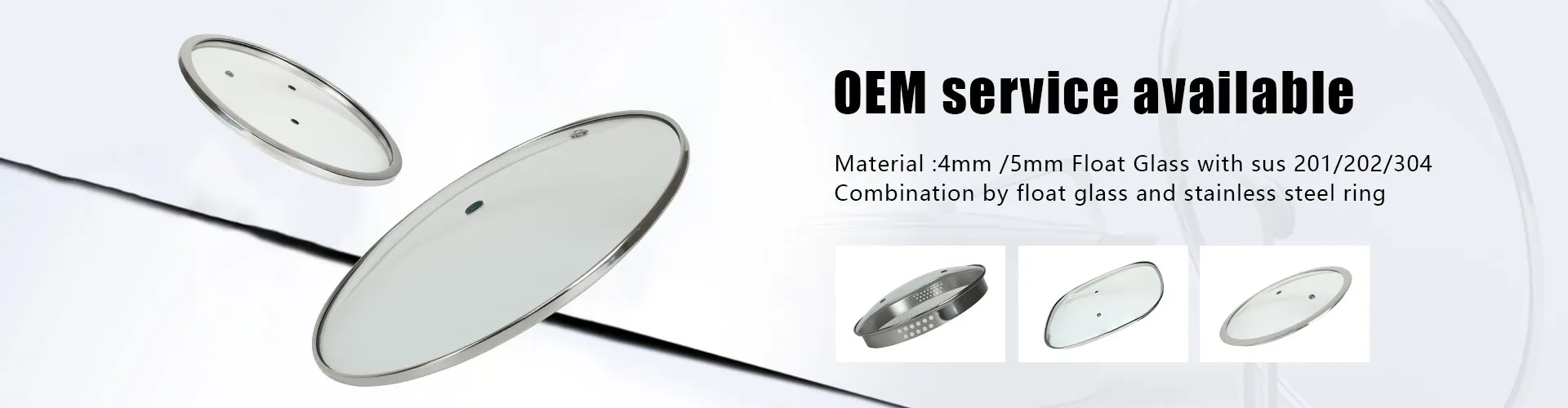
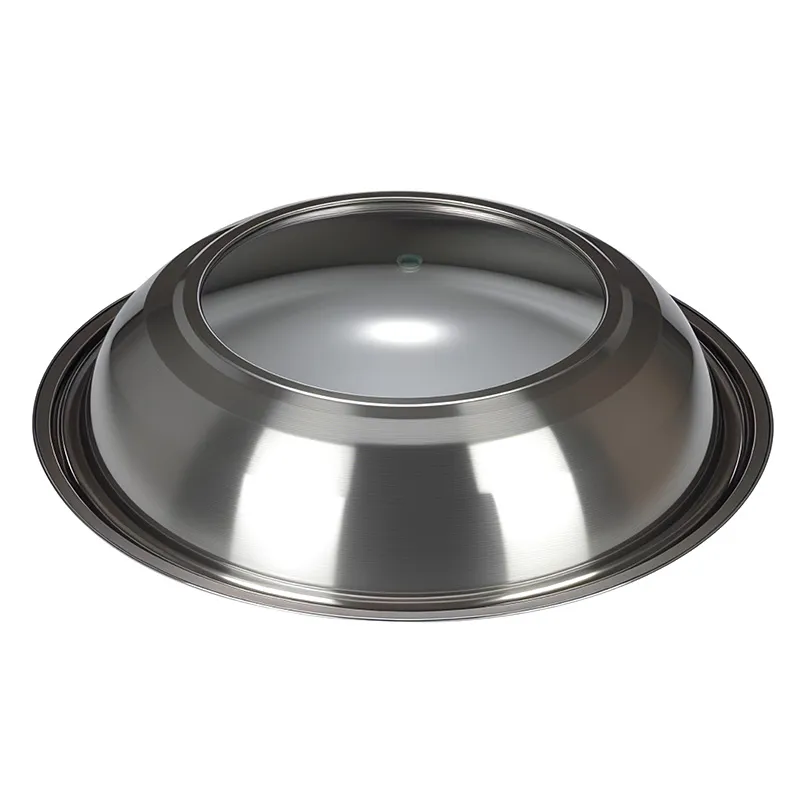
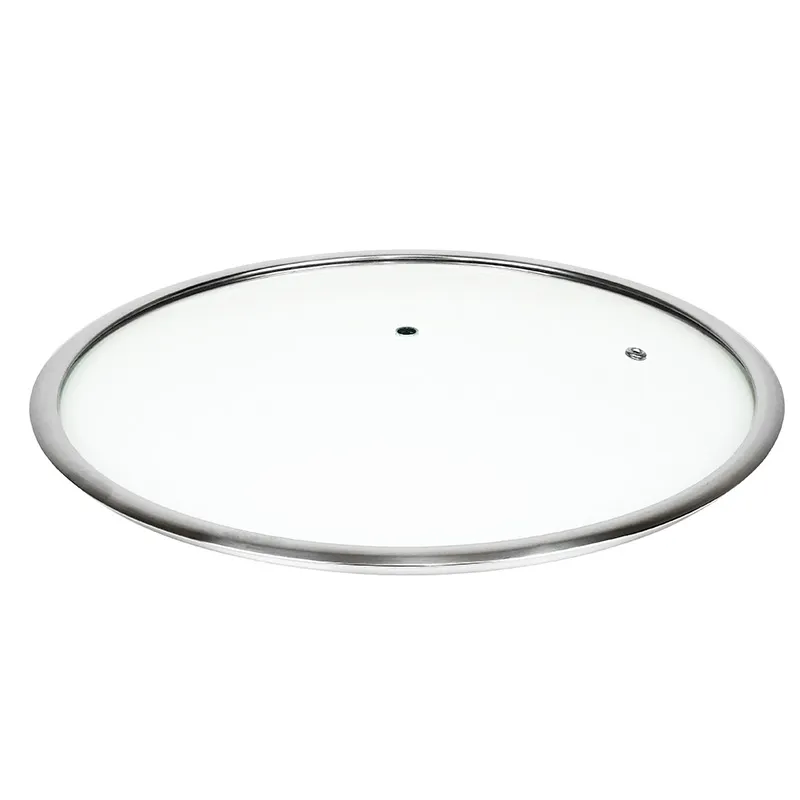
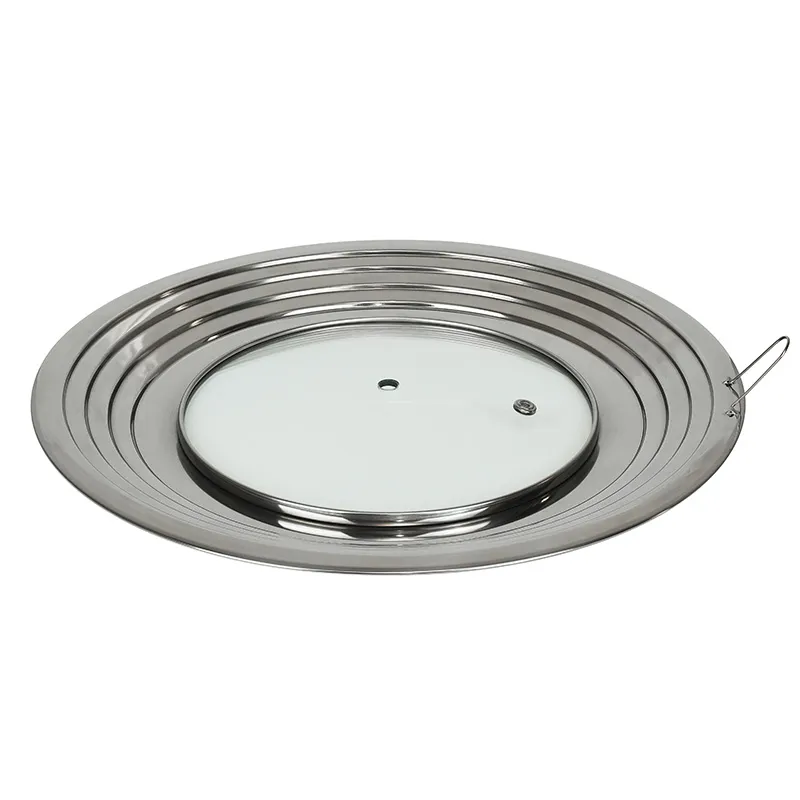
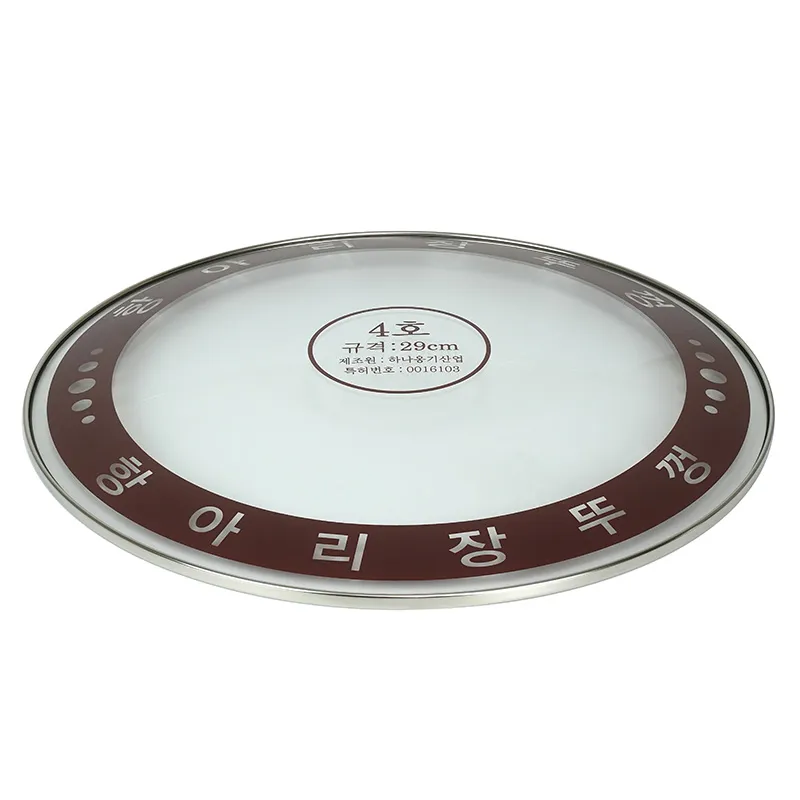
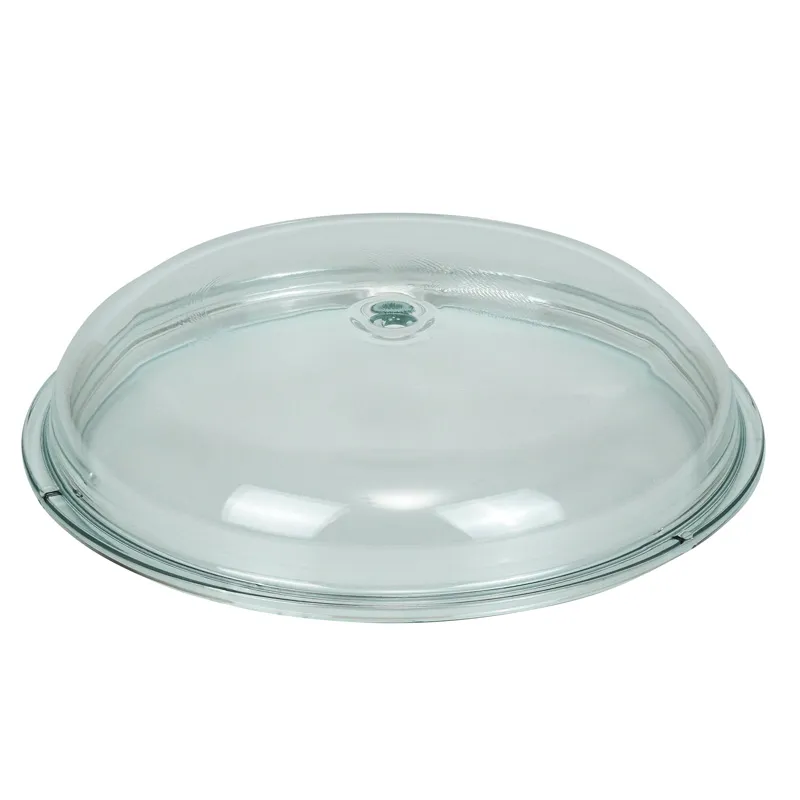
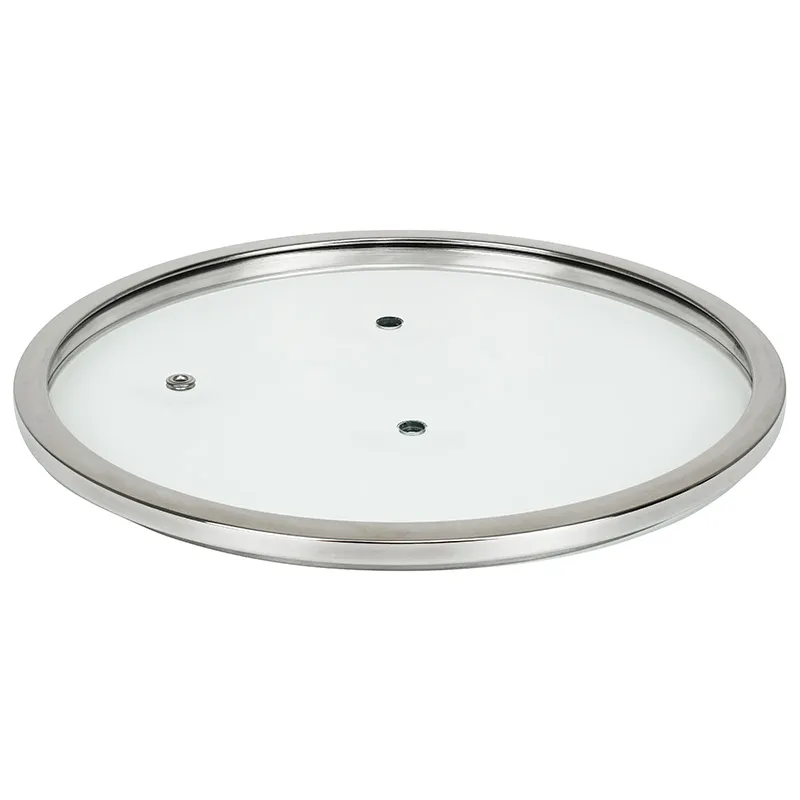
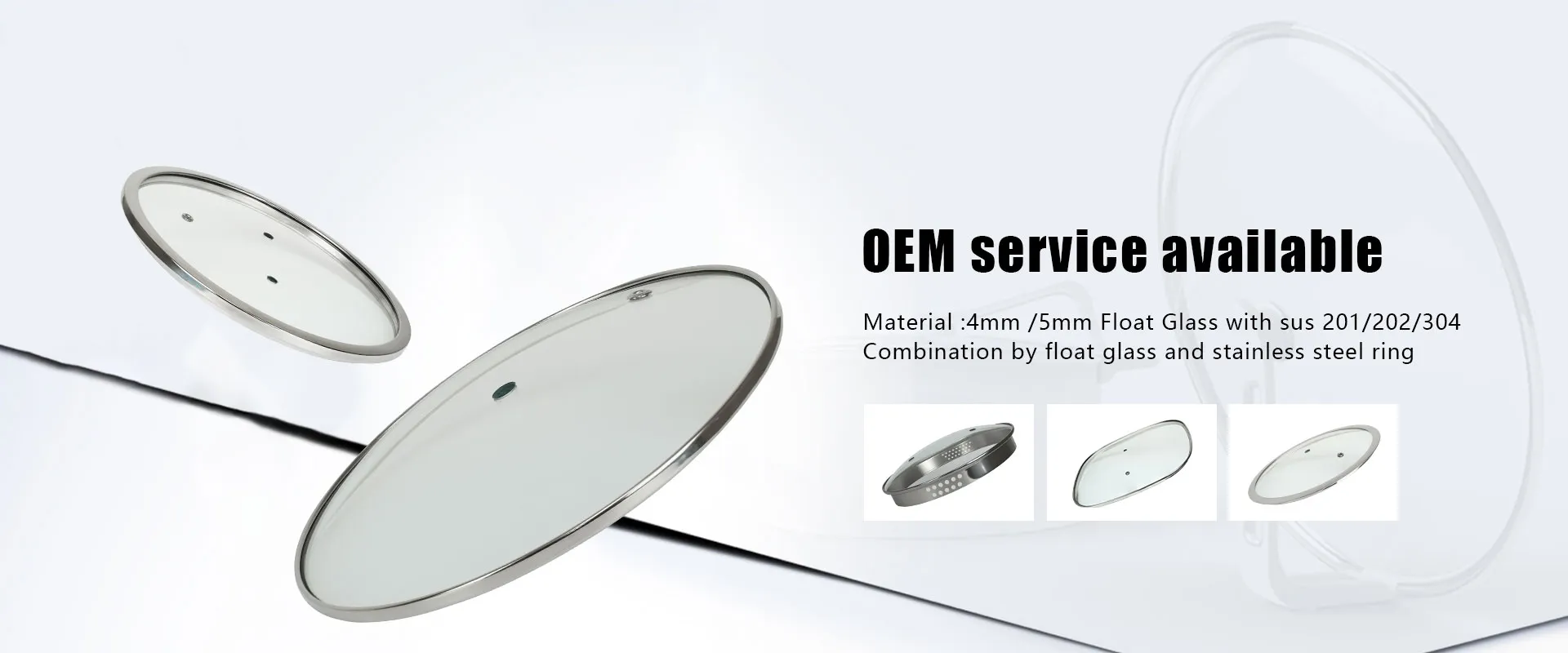
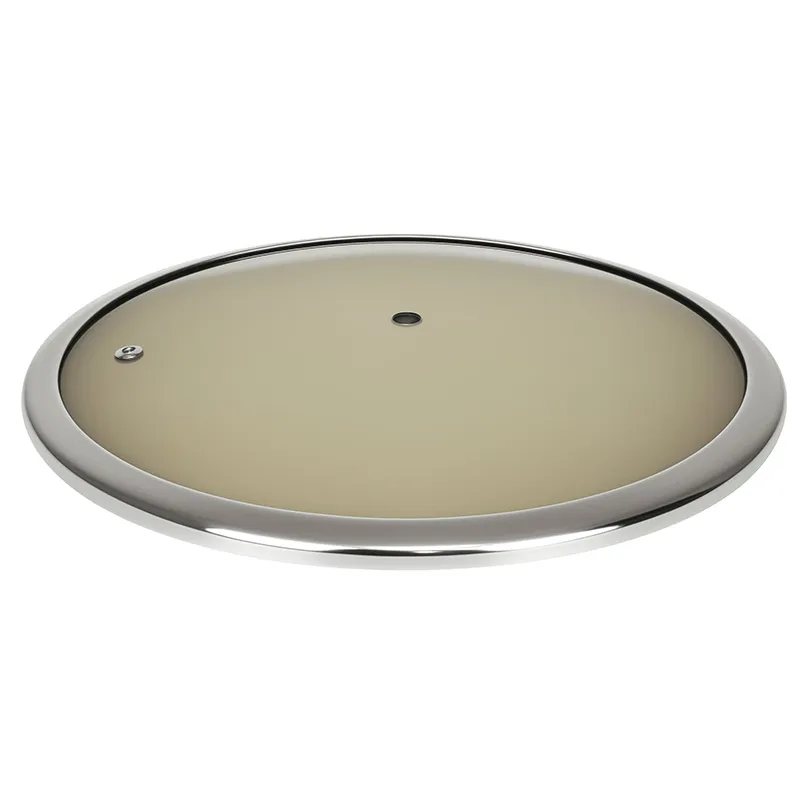
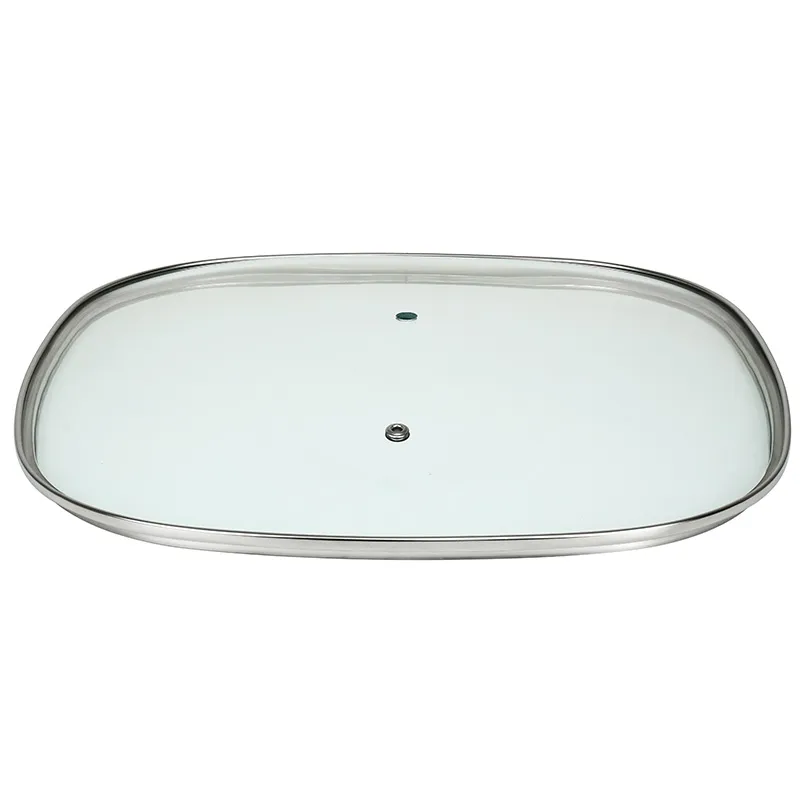
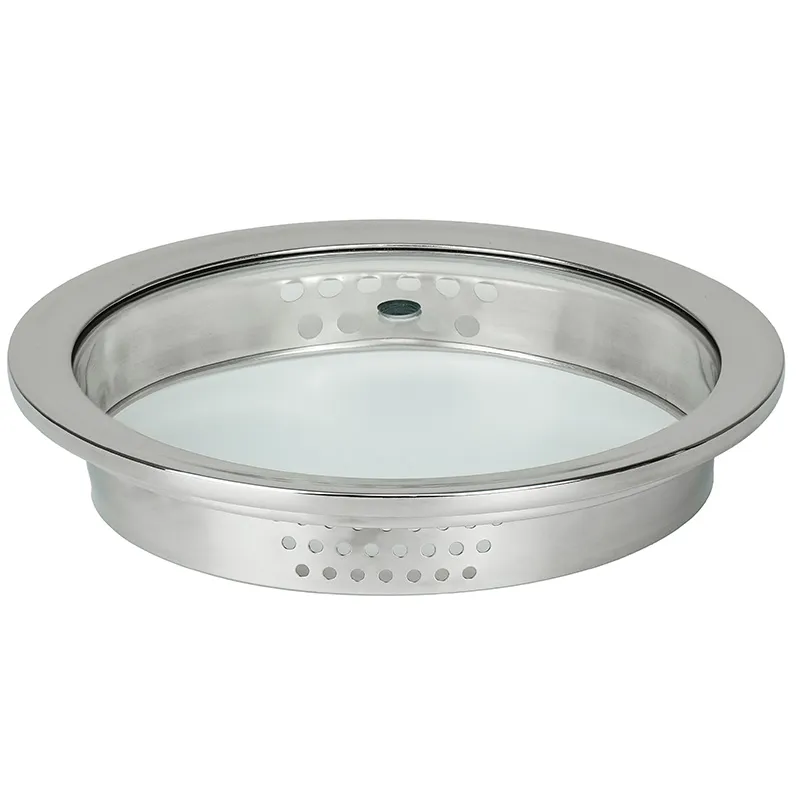
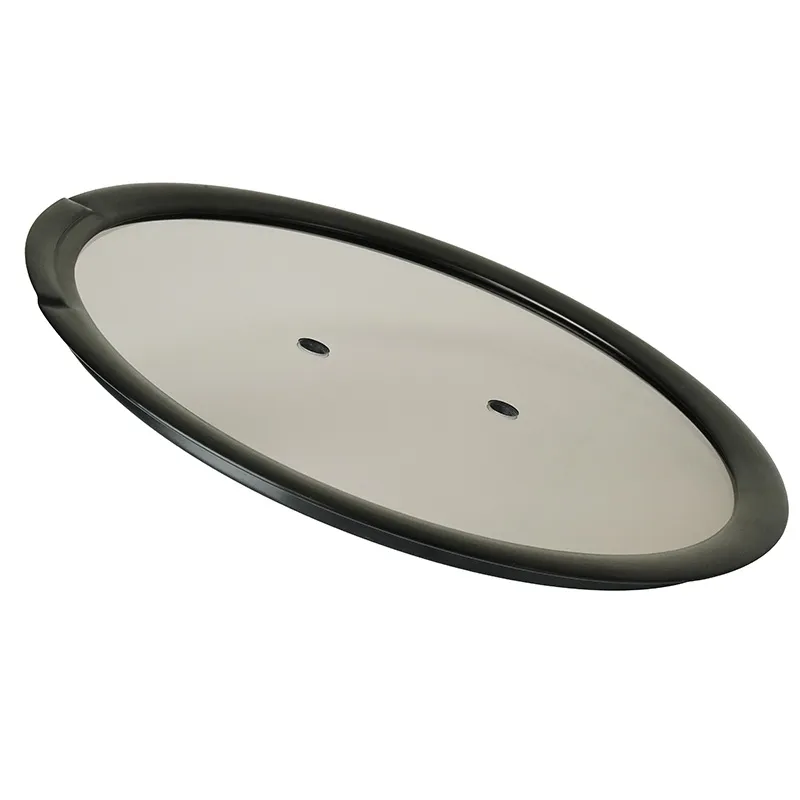
universal glass lid
Let's be honest, the term 'universal glass lid' is a bit of a sales pitch. In the cookware trade, we use it, but we know it's more of a guiding concept than a strict reality. The promise is seductive: one lid fitting a range of pot diameters. But anyone who's actually sourced, tested, or sold these knows the devil is in the millimeters and the curvature. It's not about a single lid magically fitting everything from a 20cm to a 26cm pan; it's about designing a lid that can securely sit on a defined range of sizes, say 24cm to 28cm, without wobbling, venting too much steam, or, worse, cracking under thermal stress. The real skill isn't in making a lid, but in engineering that effective compatibility window.
The Fit and the Frustration
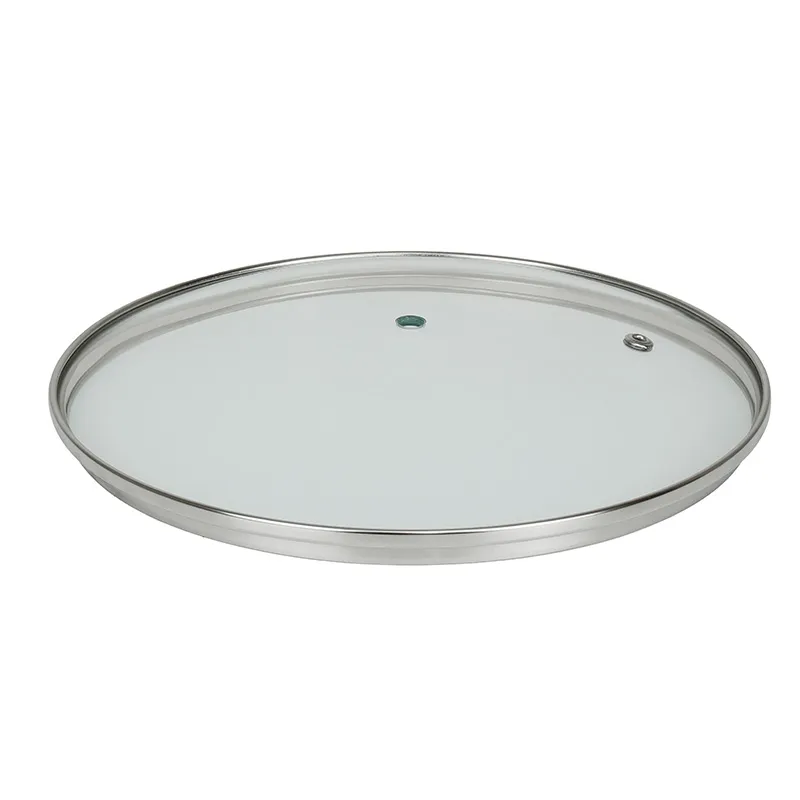
Early on, I saw too many designs fail on the rim. A truly functional universal glass lid doesn't just have a broad outer diameter. Its underside needs a specifically calculated bevel or a stepped design. This allows it to nestle into the inner rim of a smaller pot and sit on the outer rim of a larger one. Get that angle wrong by a few degrees, and you've got a lid that rocks like a seesaw on a 26cm pot, letting all the heat escape. I recall a batch from a few years back where the tempered glass was perfect, clarity excellent, but the bevel was too steep. They fit the 28cm beautifully but were dangerously unstable on the 24cm. We had to send the whole lot back. That's a costly lesson in geometry.
Then there's the handle. It seems trivial, but it's a critical balance point. For a larger lid meant to cover bigger pots, a small, dainty knob won't cut it—it gets too hot, and the leverage is wrong for safe lifting. Companies that get this right, like EUR-ASIA COOKWARE CO.,LTD, often use a reinforced, heat-resistant phenolic handle bolted through the glass with a wide metal washer. This distributes the stress. You can see their approach on their site at glass-lid.com—their product shots often show that cross-section, which is a sign they understand the mechanics, not just the aesthetics.
Material thickness is another silent differentiator. A lid that's too thin might be lighter, but it's prone to warping under high heat, breaking the seal. Too thick, and it becomes heavy, expensive, and its thermal mass can cause condensation drip in the wrong patterns. The sweet spot for a durable, mid-range universal lid is around 3.5mm to 4mm of tempered glass. It has enough heft to feel substantial and resist warping, but remains manageable.
Tempering: Where the Magic and Risk Reside
All glass lids for cookware must be tempered. That's non-negotiable. But the quality of tempering is everything. It's what allows the lid to withstand thermal shock from a 200°C oven to a cool granite countertop (within reason). The process involves heating the cut glass to near its softening point and then rapidly cooling it with jets of air. This puts the surface into compression and the core into tension.
The catch? The geometry of a universal glass lid complicates this. Handles, steam vents, and pronounced rims are stress concentrators. If the jets of air aren't calibrated perfectly for that specific shape, you get uneven stress distribution. The lid might pass a basic impact test but fail catastastically in real use when placed slightly askew on a hot, uneven pot rim. I've seen lids explode in testing labs—not from a direct hit, but from a focused, localized heat application near the rim. It's dramatic and underscores why tempering is more art than science.
This is where a specialized manufacturer's volume matters. A factory producing over 15 million pieces annually, like EUR-ASIA's base in Shandong, has the data and process repetition to refine this. They're not making batches of a thousand; they're running constant cycles, which (theoretically) leads to more consistent tempering profiles. Their export focus to markets like Germany and Japan, which have brutal quality standards, forces that rigor. A lid that cracks in a Berlin kitchen is a much bigger problem than one in a less regulated market.
The Universal in Practice: Sizing and Stacking
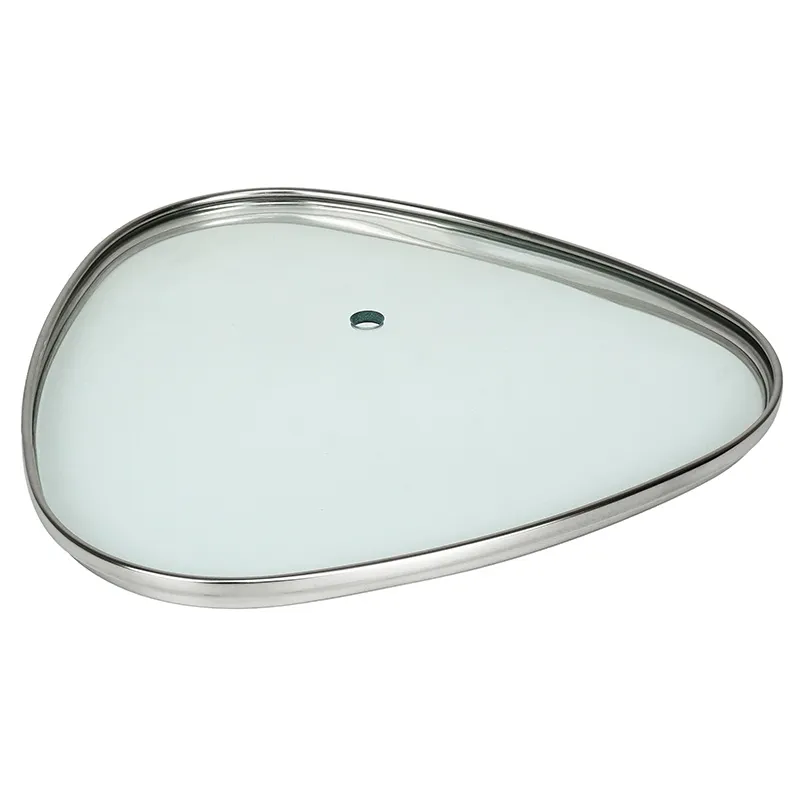
So, what does universal realistically cover? In the industry, it's usually segmented. You'll have a lid for 16-20cm pots, another for 22-26cm, and maybe a large one for 28-32cm. The goal is to minimize SKUs for retailers and simplify life for consumers. The product description on EUR-ASIA's site hints at this segmentation without spelling it out, which is smart. They talk about various types of tempered glass lid, which is trade speak for this range-based system.
Storage and packaging are direct offshoots of this design. A good universal lid often has a feature that allows safe stacking—either a recess in the handle or a molded bump on the top surface. This prevents direct glass-on-glass contact during transport or in a cupboard, which is a primary cause of chips and micro-fractures before the product is even used. It's a small detail that shows forethought.
The steam vent is another subtle but vital feature. A single, small hole is common, but its placement is key. It should be off-center, closer to the edge, not the center. Why? Because when the lid is on, the hottest, most pressurized steam rises to the center of the dome. A vent in the center releases too much pressure and moisture too quickly. An edge vent allows for a more controlled, gentle release, which is better for cooking. It's a nuance most consumers never notice, but it separates a thoughtful design from a basic one.
Case in Point: The Export Reality Check
Working with a manufacturer like EUR-ASIA COOKWARE CO.,LTD., whose output is 90%+ exported, exposes you to the real benchmarks. A universal lid shipped to Switzerland has to meet different expectations than one for a local market. The European buyers, especially from Germany and Denmark, are obsessive about a few things: the clarity of the glass (must be virtually distortion-free), the finish of the polished edge (smooth to the touch, no sharpness), and the compliance markings (like the fork-and-glass symbol for oven safety).
I remember a shipment to a Polish client where the issue wasn't the lid's function, but its labeling. The oven-safe temperature icon was silk-screened using a paint that couldn't withstand repeated dishwasher cycles. After a few washes, the icon faded, making the product non-compliant with EU directives. The entire batch was technically unsellable. It was a failure of the accessory, not the core product, but it had the same result: chargebacks and lost trust. It taught me that a universal glass lid isn't just a piece of engineered glass; it's a complete product system including its markings and packaging.
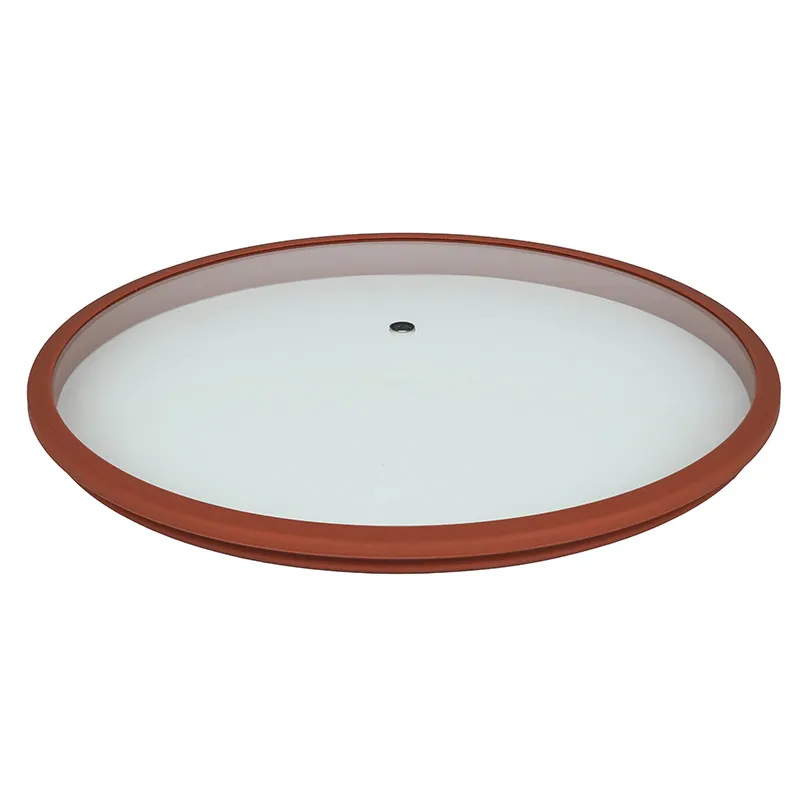
This export pressure drives innovation in mundane areas. For instance, the silicone gasket (if used on some models for a tighter seal). In high-volume production, gluing a perfect ring of silicone that remains food-safe, heat-resistant, and adhesive after years of steam and washing is a huge challenge. The factories that succeed here are the ones investing in automated application and curing ovens, not manual assembly.
Wrapping It Up: The Professional's Take
So, where does that leave us on the universal glass lid? It's a workhorse product that seems simple but is deceptively complex to get right. Its success hinges on a series of small, correct decisions: the rim geometry, the tempering recipe, the handle attachment, the vent placement. When these align, you get a lid that genuinely adds value—reducing cabinet clutter, performing reliably, and lasting for years.
Companies that specialize, like the one behind glass-lid.com, with their focus on the full spectrum from low to high-end and a massive export footprint, are often a safer bet. Their survival depends on meeting these granular, international standards daily. It doesn't guarantee perfection every time, but it raises the probability immensely.
In the end, the universal tag is a useful shorthand. But for those of us in the thick of it, it's a reminder to always look past the marketing. Check the rim. Feel the handle. Look at the tempering lines under polarized light if you can. The difference between a good lid and a great one isn't always visible at first glance, but it's absolutely tangible in daily use, year after year. That's the real test.
Related Products
Related Products