- Chinese
- French
- German
- Portuguese
- Spanish
- Russian
- Japanese
- Korean
- Arabic
- Irish
- Greek
- Turkish
- Italian
- Danish
- Romanian
- Indonesian
- Czech
- Afrikaans
- Swedish
- Polish
- Basque
- Catalan
- Esperanto
- Hindi
- Lao
- Albanian
- Amharic
- Armenian
- Azerbaijani
- Belarusian
- Bengali
- Bosnian
- Bulgarian
- Cebuano
- Chichewa
- Corsican
- Croatian
- Dutch
- Estonian
- Filipino
- Finnish
- Frisian
- Galician
- Georgian
- Gujarati
- Haitian
- Hausa
- Hawaiian
- Hebrew
- Hmong
- Hungarian
- Icelandic
- Igbo
- Javanese
- Kannada
- Kazakh
- Khmer
- Kurdish
- Kyrgyz
- Latin
- Latvian
- Lithuanian
- Luxembou..
- Macedonian
- Malagasy
- Malay
- Malayalam
- Maltese
- Maori
- Marathi
- Mongolian
- Burmese
- Nepali
- Norwegian
- Pashto
- Persian
- Punjabi
- Serbian
- Sesotho
- Sinhala
- Slovak
- Slovenian
- Somali
- Samoan
- Scots Gaelic
- Shona
- Sindhi
- Sundanese
- Swahili
- Tajik
- Tamil
- Telugu
- Thai
- Ukrainian
- Urdu
- Uzbek
- Vietnamese
- Welsh
- Xhosa
- Yiddish
- Yoruba
- Zulu
- Kinyarwanda
- Tatar
- Oriya
- Turkmen
- Uyghur


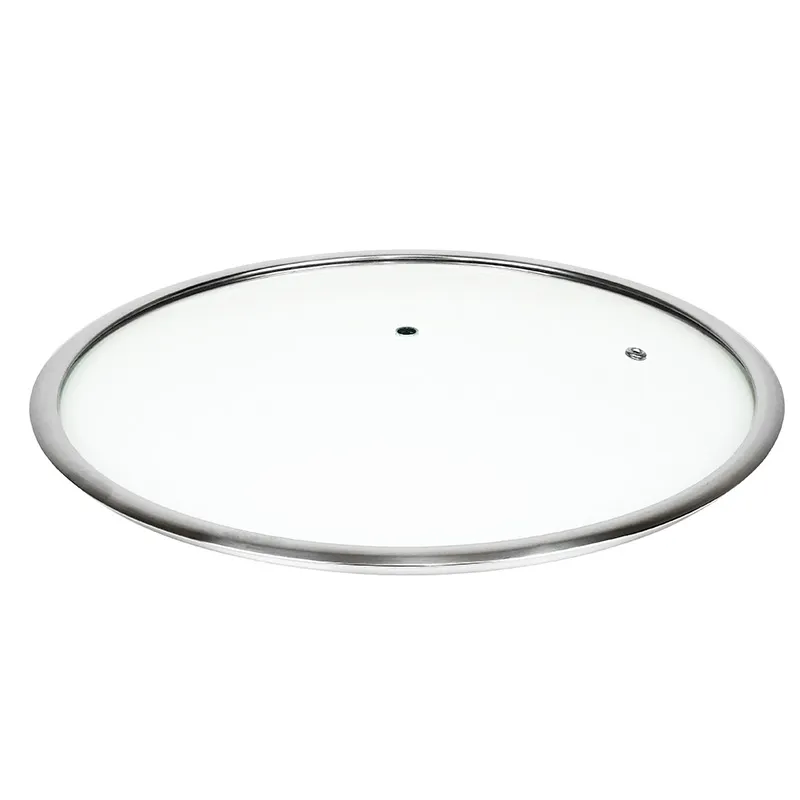
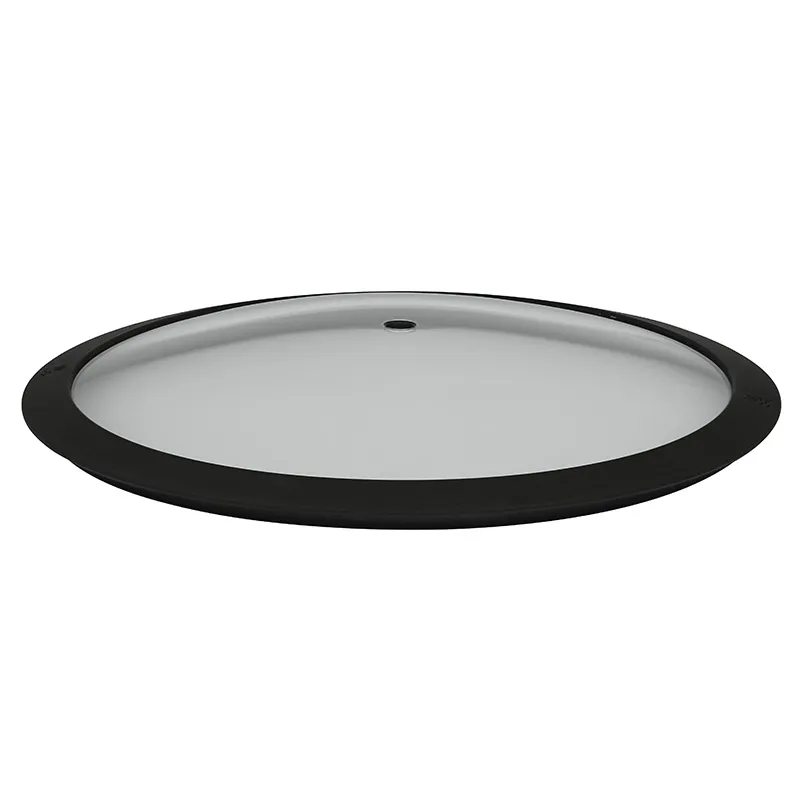
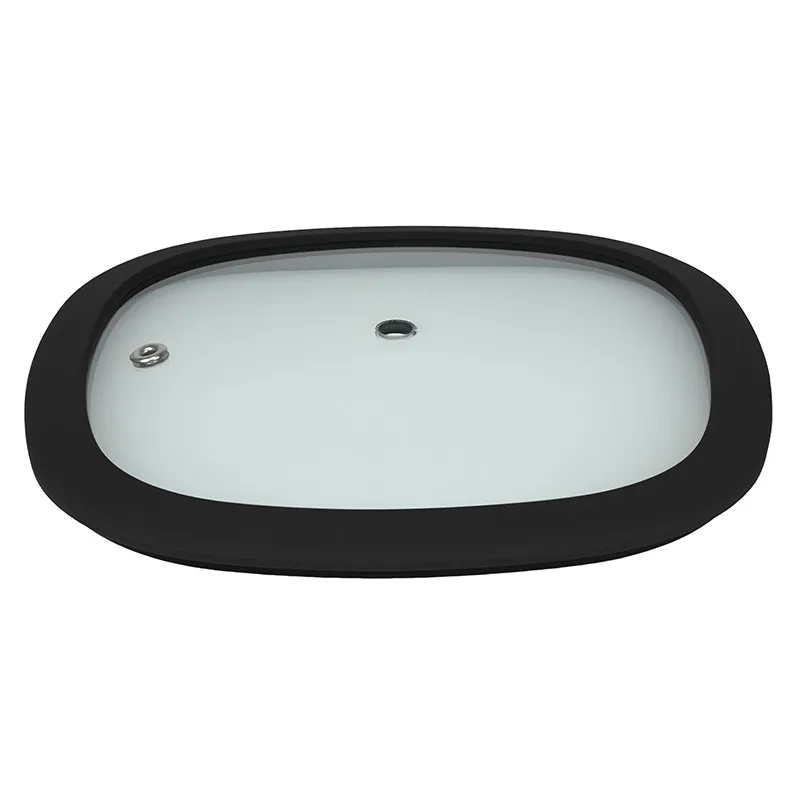
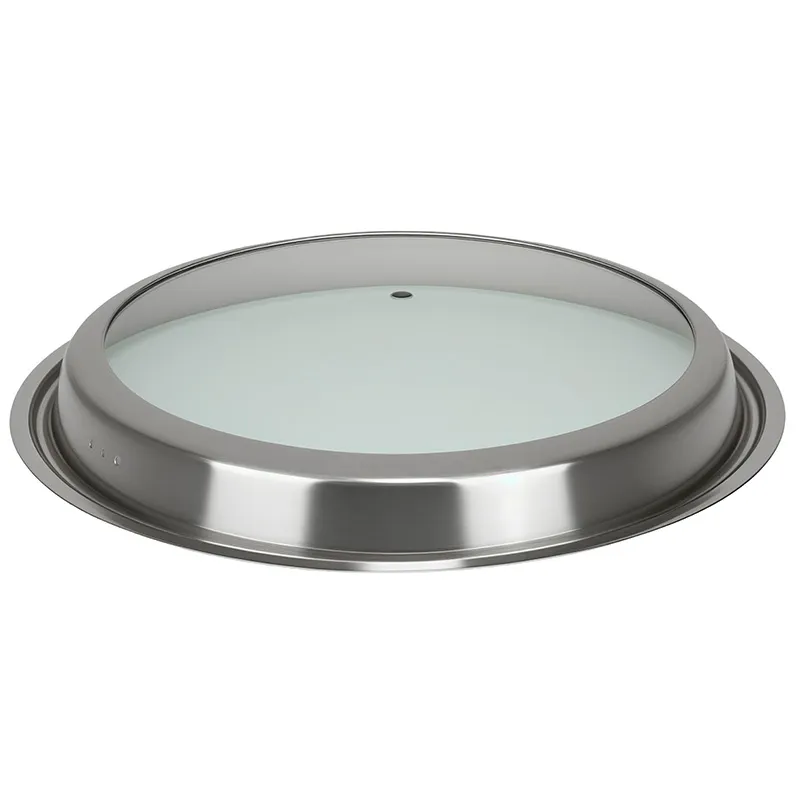
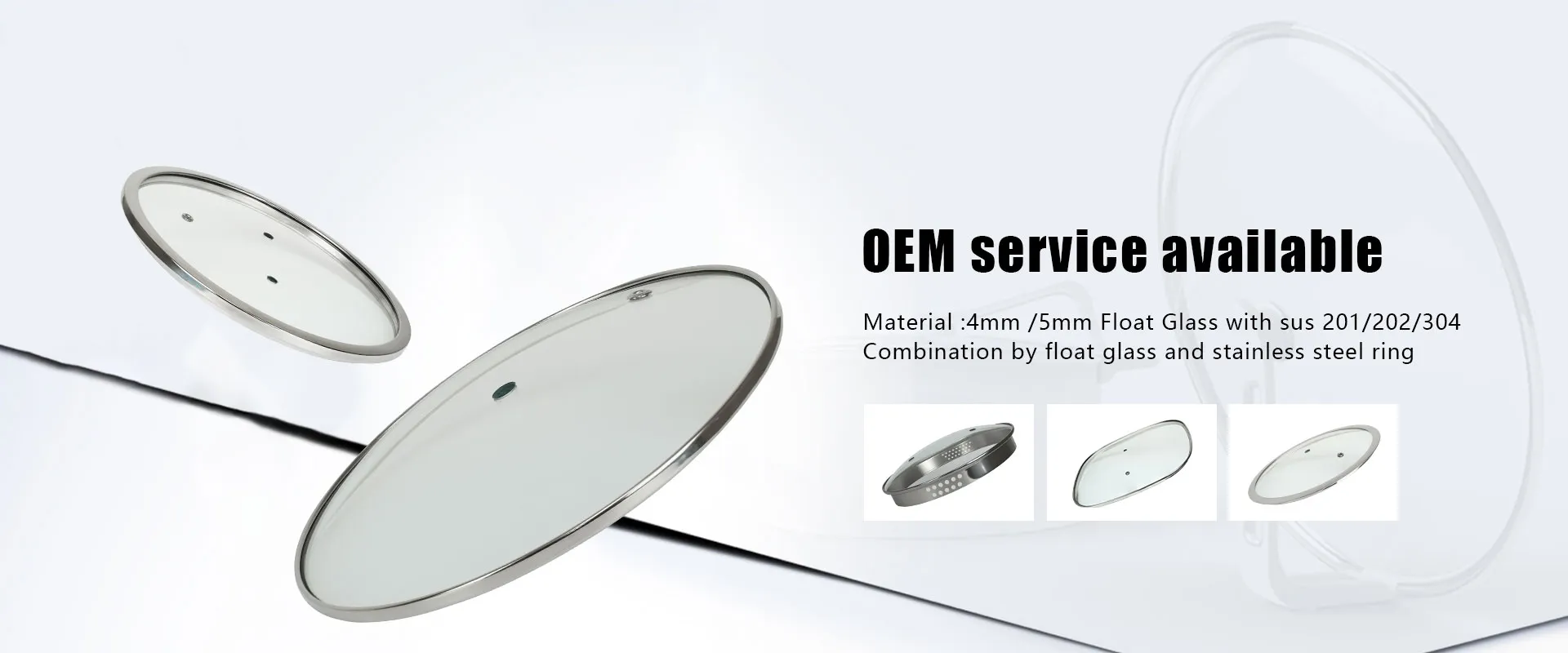
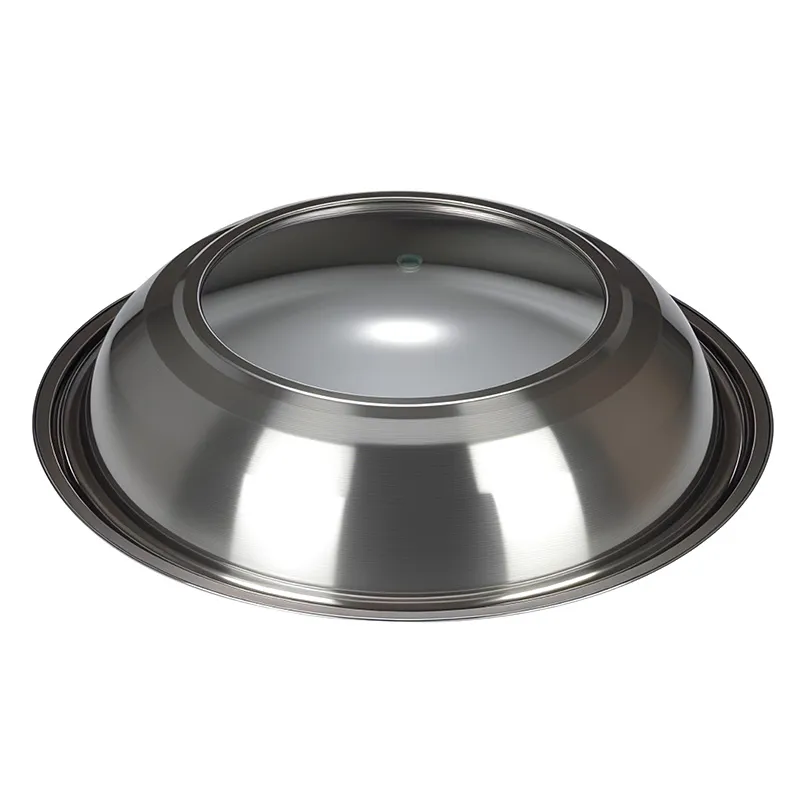
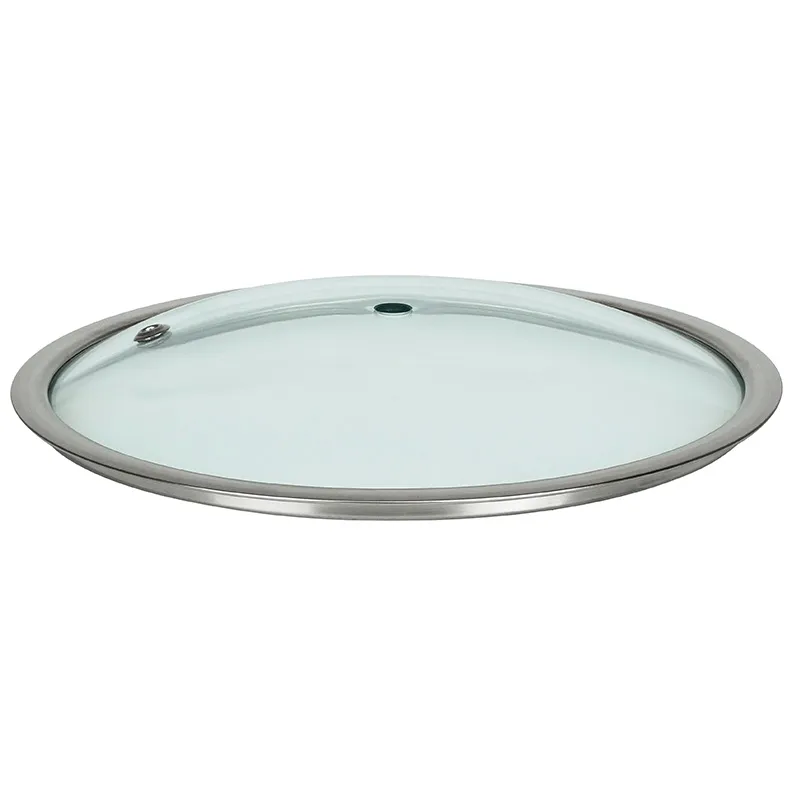
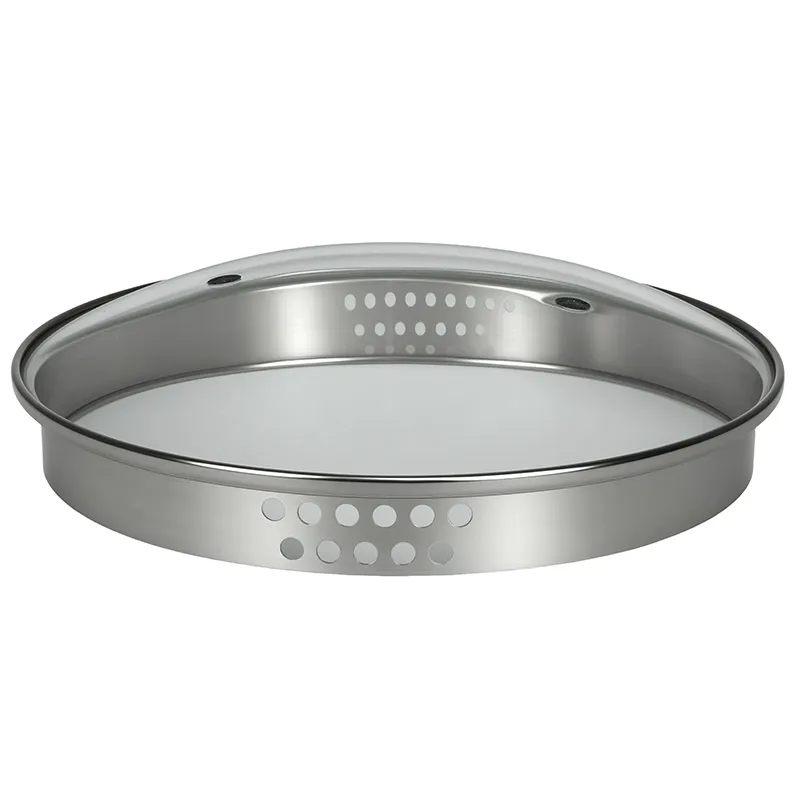
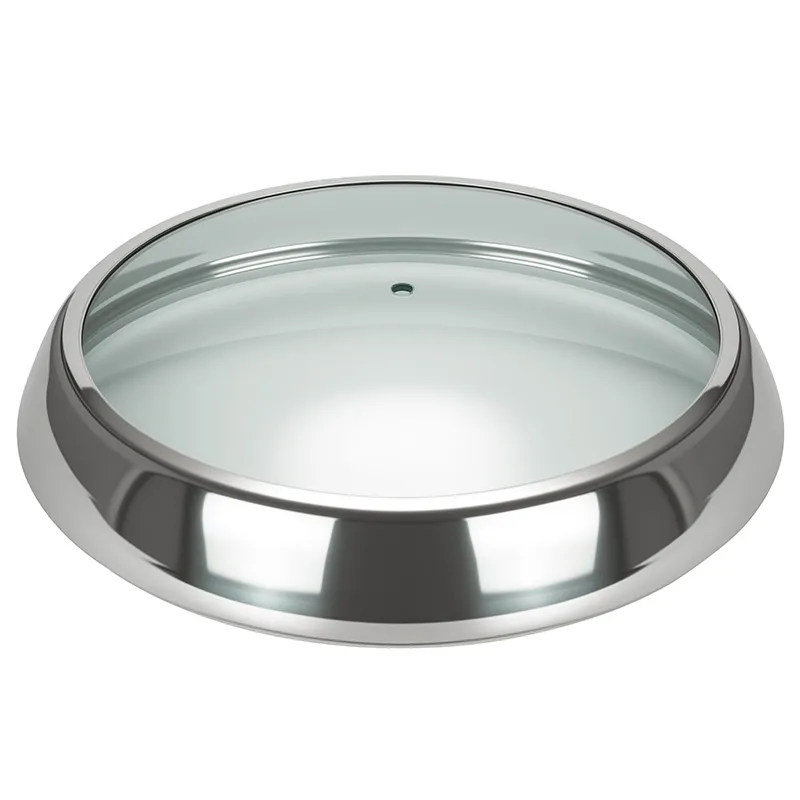
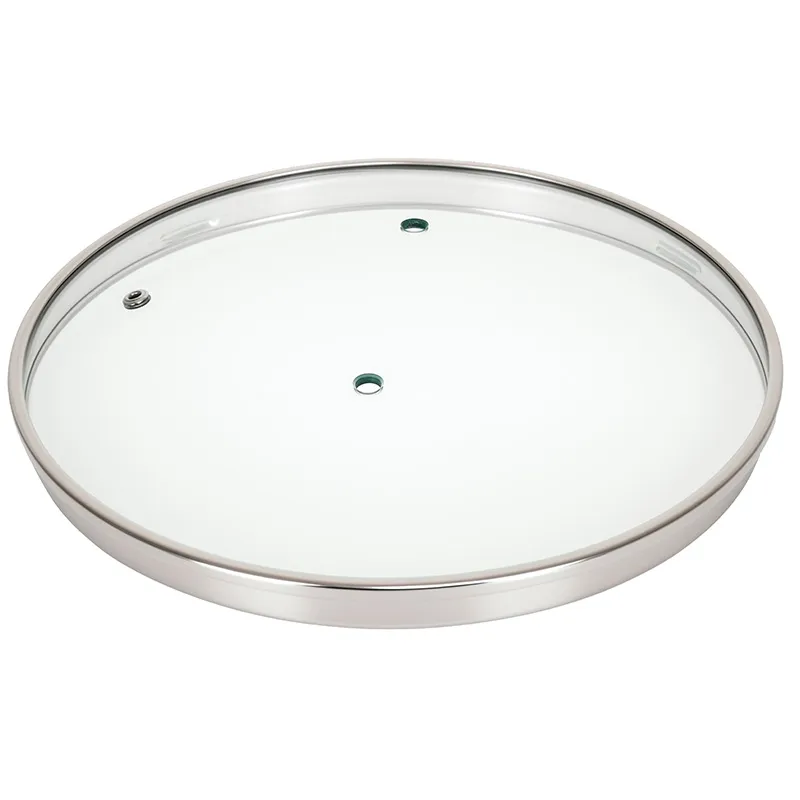
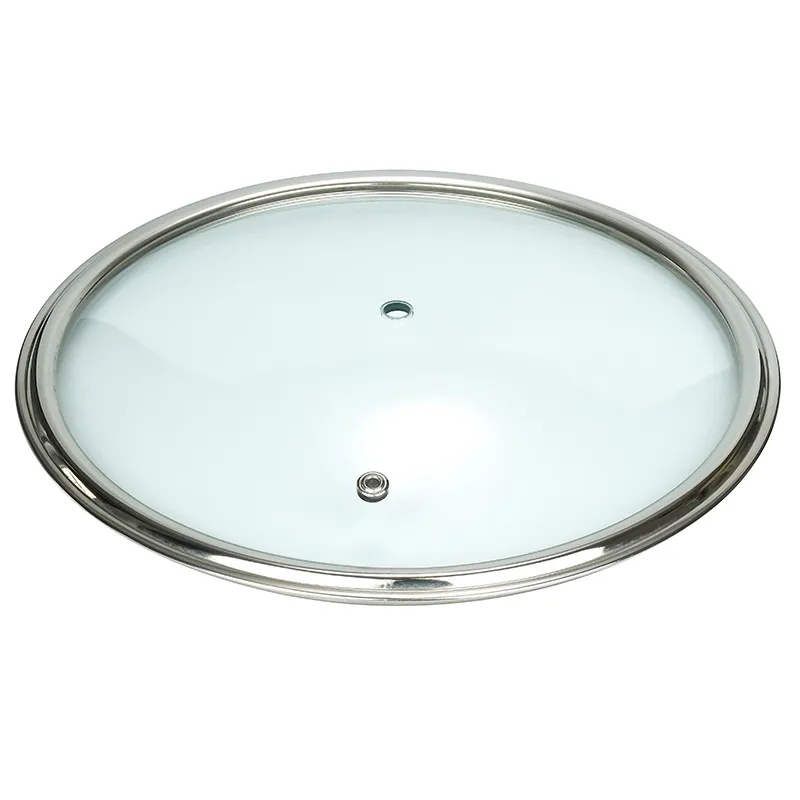
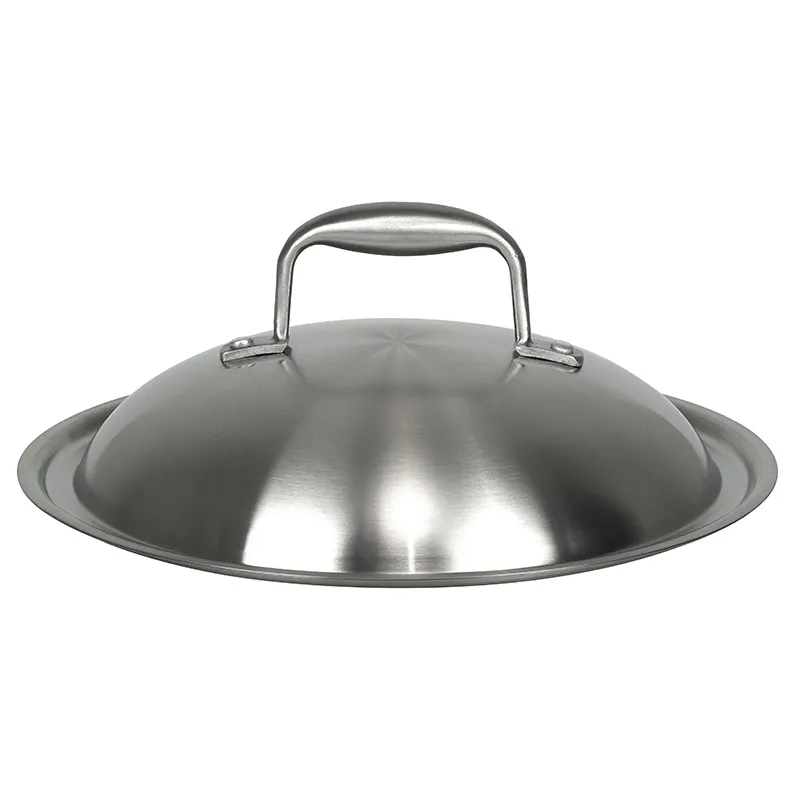
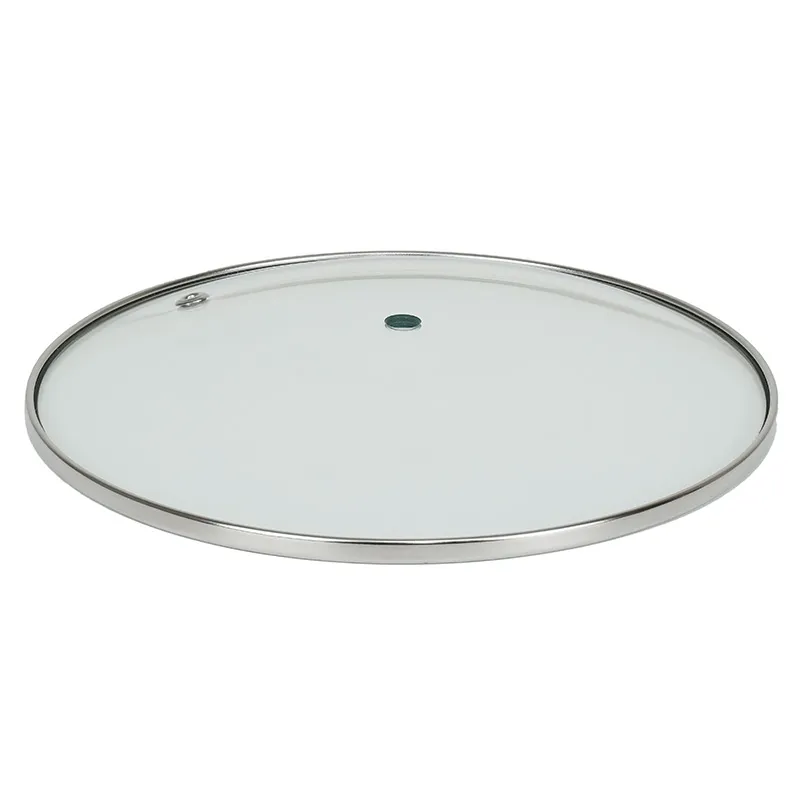
universal lids for cookware
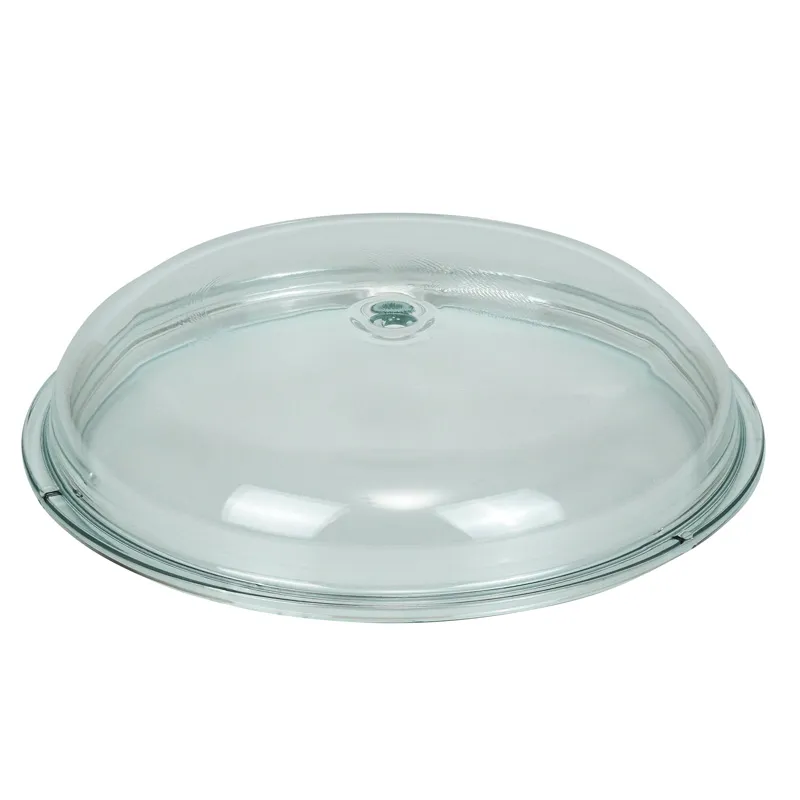
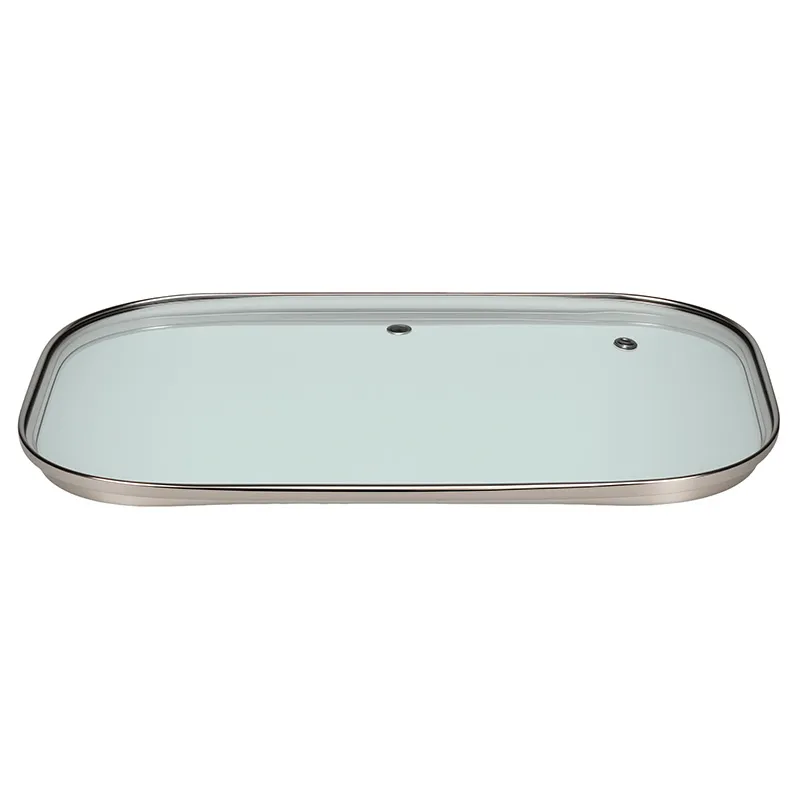
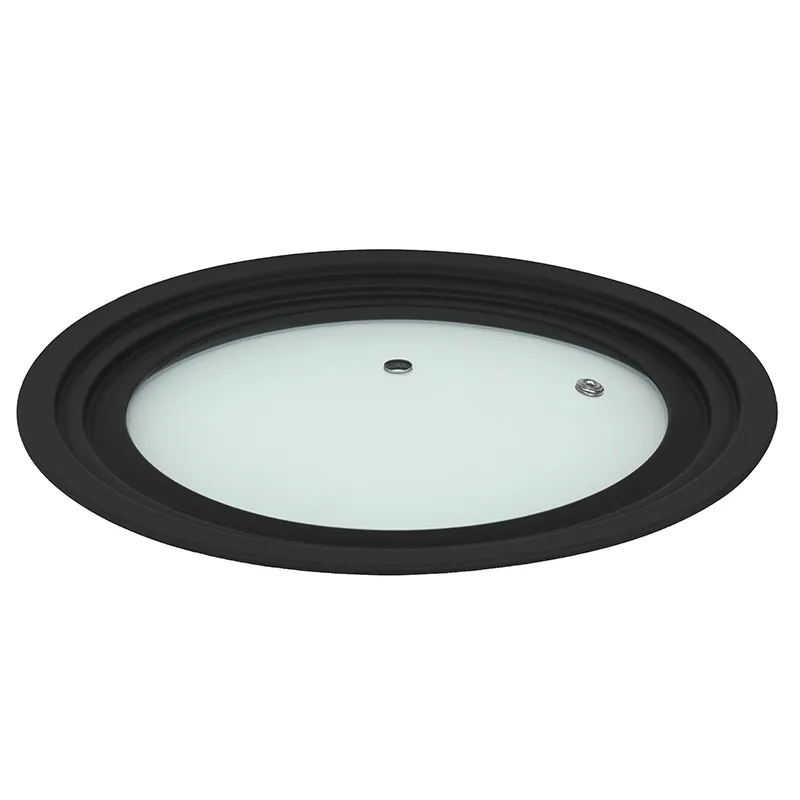
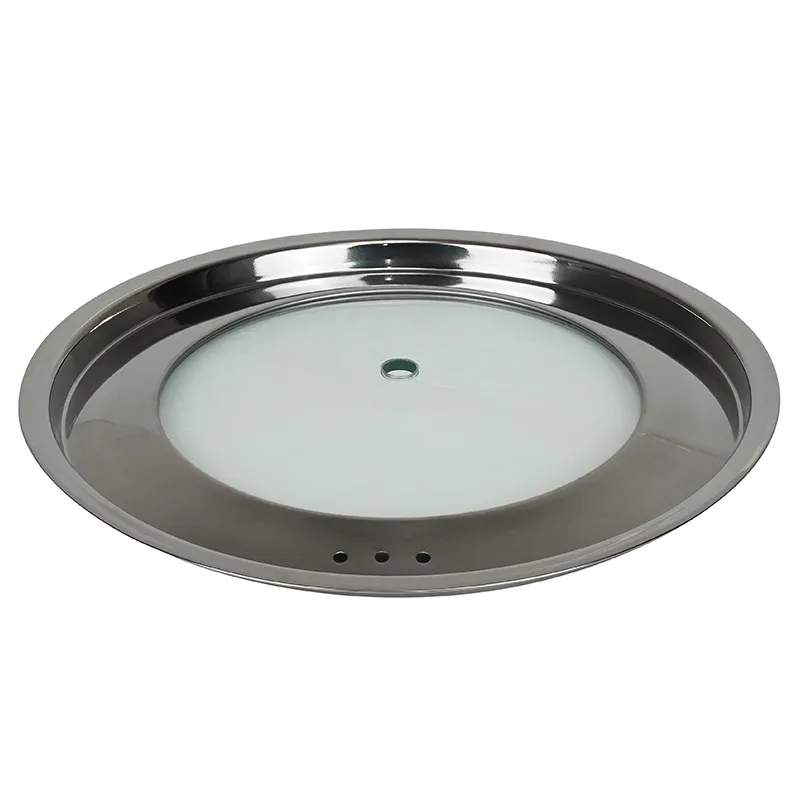
You hear 'universal lids for cookware' and think it's a solved problem, right? A one-size-fits-most piece of tempered glass that sits on any pot. The reality is far messier. The industry often sells the dream of perfect interchangeability, but anyone who's actually sourced, tested, or tried to manufacture these knows the devil is in the millimeters—the rim curvature, the handle clearance, the steam vent placement. It's less about creating a single magical lid and more about engineering a system that can viably cover the top 80% of a market's common pot diameters and styles without constant returns. That's where the real work happens.
The Manufacturing Reality Check
Let's talk about where these things come from. A place like EUR-ASIA COOKWARE CO.,LTD. (you can find them at glass-lid.com) is a classic example of a specialized player. They're not making the pots; they're making the lids that fit other people's pots. Their entire operation in Shandong is geared toward volume production of tempered glass lids—15 million pieces a year is a serious output. That scale tells you something: the demand for replacement and universal lids is massive and global. Over 90% export to Europe and beyond isn't a vanity metric; it's a signal that Western retailers and brands are constantly seeking reliable sources for these accessories.
But high volume doesn't mean low complexity. Their focus on low, medium, and high-level household products hints at the tiered market. A 'universal' lid for a discount supermarket chain in Poland has different cost parameters and fit tolerances than one destined for a mid-tier cookware brand in Germany. The glass tempering process itself is critical—it has to withstand thermal shock from a boiling pot to a cold granite counter. I've seen batches fail in drop tests not from height, but from rapid temperature change, which is a far more common kitchen hazard.
The challenge they, and any similar manufacturer, face is cataloging. To supply a true universal lid program, you need a matrix: not just diameters (18cm, 20cm, 24cm...), but rim types (flat, curved, rolled, with or without a pouring lip). You end up with a 'family' of maybe 6-8 SKUs that are marketed as universal. It's a game of covering the most common bases efficiently. Their export list—Germany, Russia, Italy, Brazil—suggests they've had to adapt this matrix for different regional cookware preferences, which is a deep, often overlooked layer of this business.
Fit and Function: Where Theory Meets Steam
In practice, a universal lid's primary job is to contain heat and moisture reasonably well. Perfection is impossible. The secondary job is to not be a nuisance—easy to grip, stable when tilted for pouring, and clear enough to see the food. The handle is a bigger deal than most admit. A bulky, poorly placed knob can prevent a lid from fitting on a pot with a side handle that curves inward. We learned this the hard way early on, designing a beautiful, ergonomic handle that rendered the lid useless on about 30% of the pots it was supposed to fit.
The steam vent is another subtle trap. A single small hole can cause violent, noisy chatter if the pressure isn't balanced. Multiple smaller holes or a notched design often works better. I recall a project where we copied a competitor's vent pattern exactly, only to find our slightly different glass thickness and curvature created a high-pitched whistle. It took weeks of tiny adjustments to the hole size and angle to kill that whistle. That's the kind of hands-on, iterative troubleshooting you never see in a product catalog.
Then there's the material interplay. A glass lid on a stainless steel pot creates a different seal than on an enameled cast iron pot. The latter often has a more precise, machined rim, leading to a better fit. The former might have slight warping or a less perfect finish, leading to more steam escape. A good universal cookware lid has to perform adequately across these surfaces. It's why the silicone or metal gasket around the rim's edge (if present) is so crucial—it's the compensator for imperfection.
The Commercial Ecosystem and White Label Gaps
Companies like EUR-ASIA operate heavily in the B2B and white-label space. A retailer or cookware brand comes to them with a set of target diameters and a price point. The manufacturer then proposes a lid family from their existing molds or, for large enough orders, develops new ones. The universal claim is often born here, from the retailer's marketing department, not the engineering lab. The manufacturer's data on what pot sizes are most common in which markets is their secret sauce.
This creates a gap. The end-user buys a universal 24cm lid from a store, but their 24cm pot is from a different brand with a slightly different actual outer diameter. Maybe it fits, maybe it's wobbly. The consumer blames the lid, but the fault lies in the lack of a true industry standard. There have been attempts to create such standards, but with the variety of pot designs globally, they've never gained full traction. It's a fragmented market the lid maker has to navigate by aggregation.
Success in this field, as evidenced by a company sustaining 15 million units of annual output, is about logistical and quality control precision. It's about managing thousands of molds, ensuring consistent glass tempering to prevent later kitchen explosions (a real liability nightmare), and packing/shipping a fragile product globally with a return rate low enough to keep margins. Their product line of tempered glass lid and other kitchen accessories suggests they've diversified within the niche to mitigate risk.
On the Ground: Sourcing and Quality Pitfalls
Having been involved in sourcing these, the factory visit is telling. You don't just look at the finished product. You walk the production line for universal lids for cookware. You check the raw glass quality before tempering—any impurities or bubbles will weaken it. You watch the tempering oven's temperature consistency. You inspect the grinding and polishing of the edges post-temper; a sharp edge is a failure point and a customer complaint waiting to happen. EUR-ASIA's mention of a 20,000㎡ facility speaks to housing this entire chain under one roof, which is a major advantage for quality control.
A common pitfall for new buyers is focusing only on the sample. The sample is perfect. The question is, can they hold that standard for container load number 5? I've seen beautiful samples followed by a shipment where the handle alignment was off by a few degrees on 15% of the units. Not enough to fail most tests, but enough to feel cheap and look wrong on the shelf. That's where a mature manufacturer with a large workforce (they cite 90+ employees) and established processes has the edge.
Another practical issue is packaging. A universal lid is often sold in a clamshell or cardboard sleeve. The packaging must protect it in transit but also allow the customer to easily see the size and style. More importantly, it must prevent chips during handling in the store. We once had a brilliant, minimalist package that scored high on sustainability, but in-store stockers hated it because the lids would slip out and shatter. The packaging had to be completely re-engineered. These are the unglamorous details that define success or failure.
Looking Forward: The Universal Niche is Secure
Despite the fit challenges, the market for these lids isn't going away. Pots outlive their original lids. People buy new pots and want matching spares. The trend towards open-shelving kitchens drives demand for nicer-looking, presentable glass lids. The business of companies focused on this, like the one behind glass-lid.com, is fundamentally durable. Their specialization in glass, from low to high end, allows them to pivot across market segments as trends change.
The future isn't about a single, magical, perfectly universal lid. It's about smarter data aggregation to refine the size matrices, better materials for seals and handles, and perhaps more customization through smaller, agile production runs. The goal remains the same: to provide a component that completes the cookware system for the end-user, reliably and affordably. It's a humble product, but getting it right requires a depth of manufacturing patience and market understanding that is anything but simple.
So next time you pick up a universal cookware lid, look at the rim, feel the handle, check the vent. That simple piece of glass represents a thousand decisions, compromises, and lessons learned on factory floors and in kitchens across the world. Its universality is an elegant illusion, built on very specific, very grounded expertise.
Related Products
Related Products