- Chinese
- French
- German
- Portuguese
- Spanish
- Russian
- Japanese
- Korean
- Arabic
- Irish
- Greek
- Turkish
- Italian
- Danish
- Romanian
- Indonesian
- Czech
- Afrikaans
- Swedish
- Polish
- Basque
- Catalan
- Esperanto
- Hindi
- Lao
- Albanian
- Amharic
- Armenian
- Azerbaijani
- Belarusian
- Bengali
- Bosnian
- Bulgarian
- Cebuano
- Chichewa
- Corsican
- Croatian
- Dutch
- Estonian
- Filipino
- Finnish
- Frisian
- Galician
- Georgian
- Gujarati
- Haitian
- Hausa
- Hawaiian
- Hebrew
- Hmong
- Hungarian
- Icelandic
- Igbo
- Javanese
- Kannada
- Kazakh
- Khmer
- Kurdish
- Kyrgyz
- Latin
- Latvian
- Lithuanian
- Luxembou..
- Macedonian
- Malagasy
- Malay
- Malayalam
- Maltese
- Maori
- Marathi
- Mongolian
- Burmese
- Nepali
- Norwegian
- Pashto
- Persian
- Punjabi
- Serbian
- Sesotho
- Sinhala
- Slovak
- Slovenian
- Somali
- Samoan
- Scots Gaelic
- Shona
- Sindhi
- Sundanese
- Swahili
- Tajik
- Tamil
- Telugu
- Thai
- Ukrainian
- Urdu
- Uzbek
- Vietnamese
- Welsh
- Xhosa
- Yiddish
- Yoruba
- Zulu
- Kinyarwanda
- Tatar
- Oriya
- Turkmen
- Uyghur


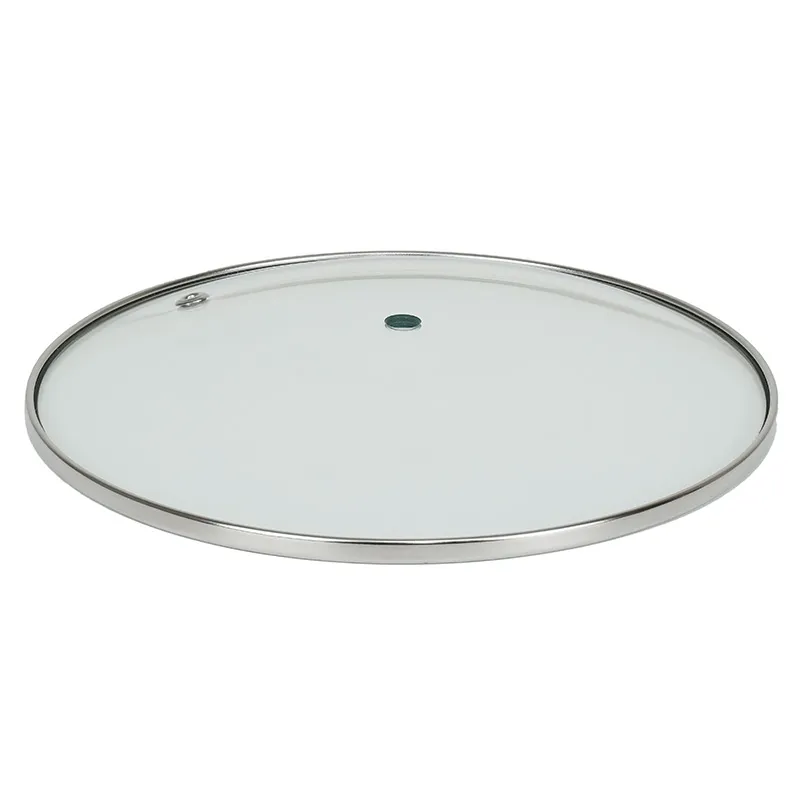
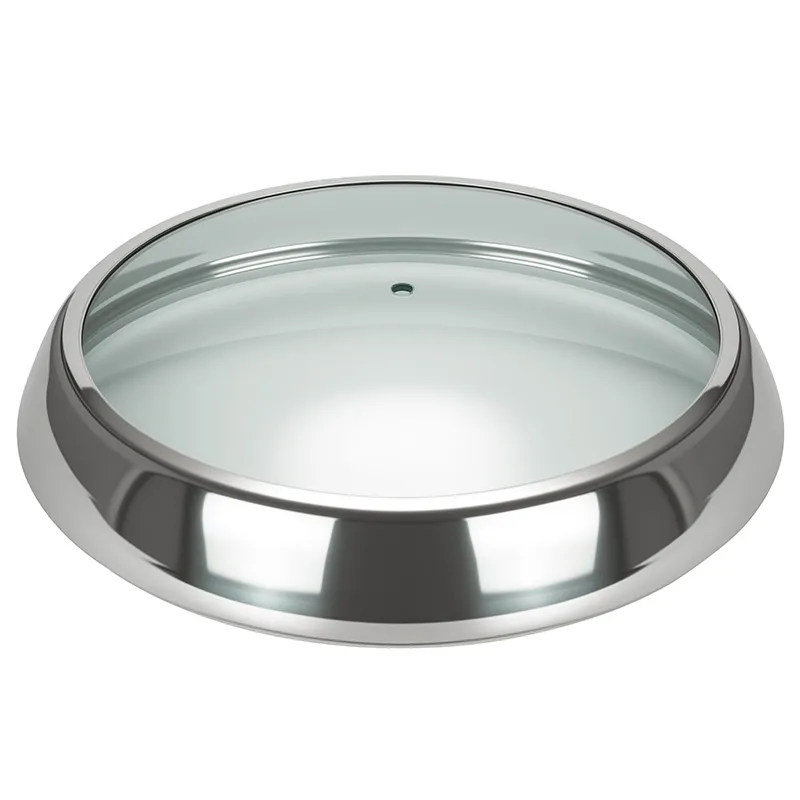
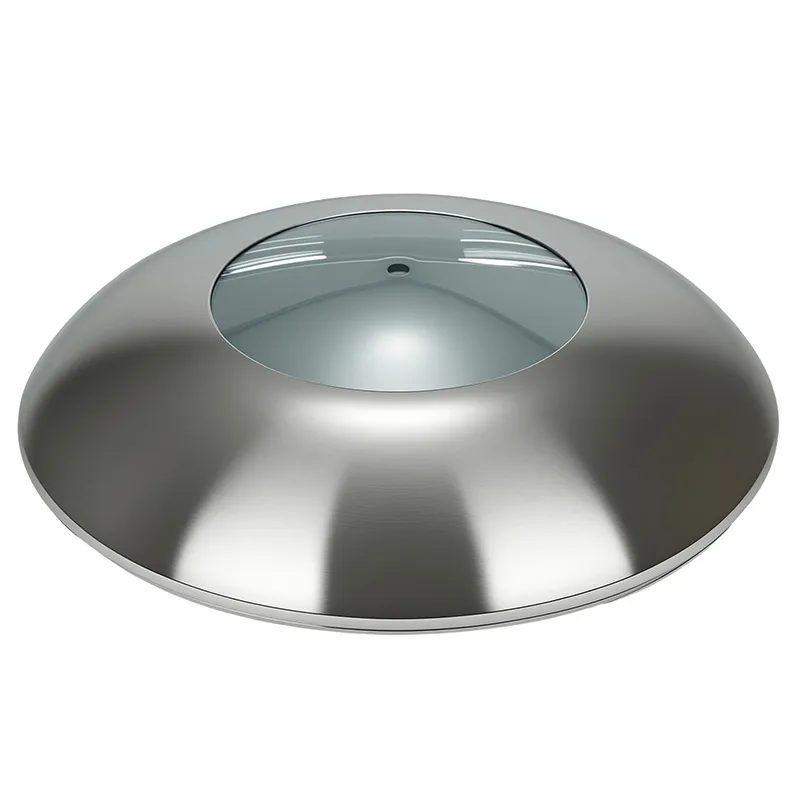
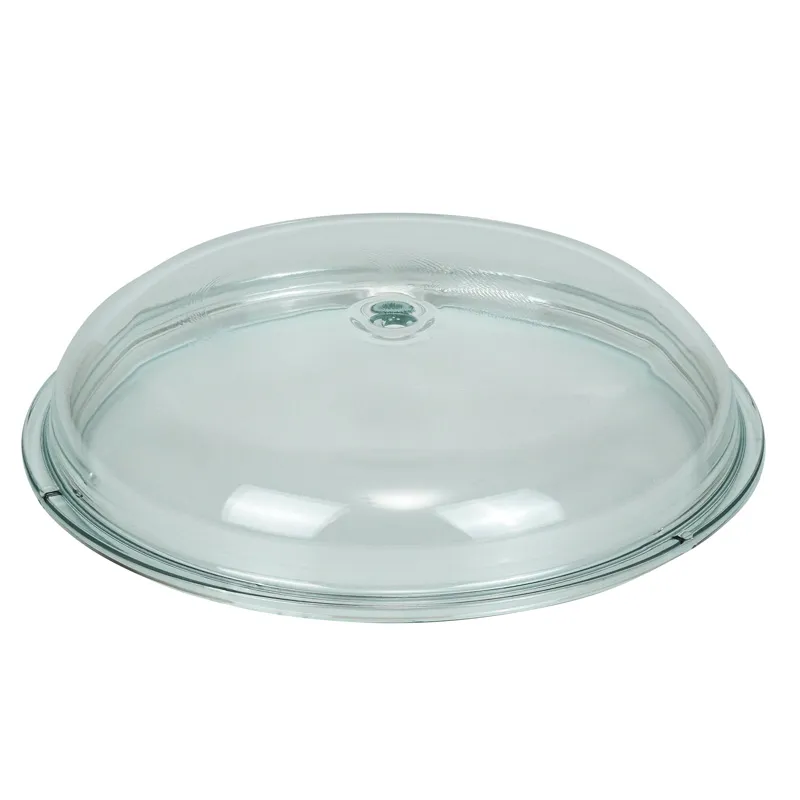
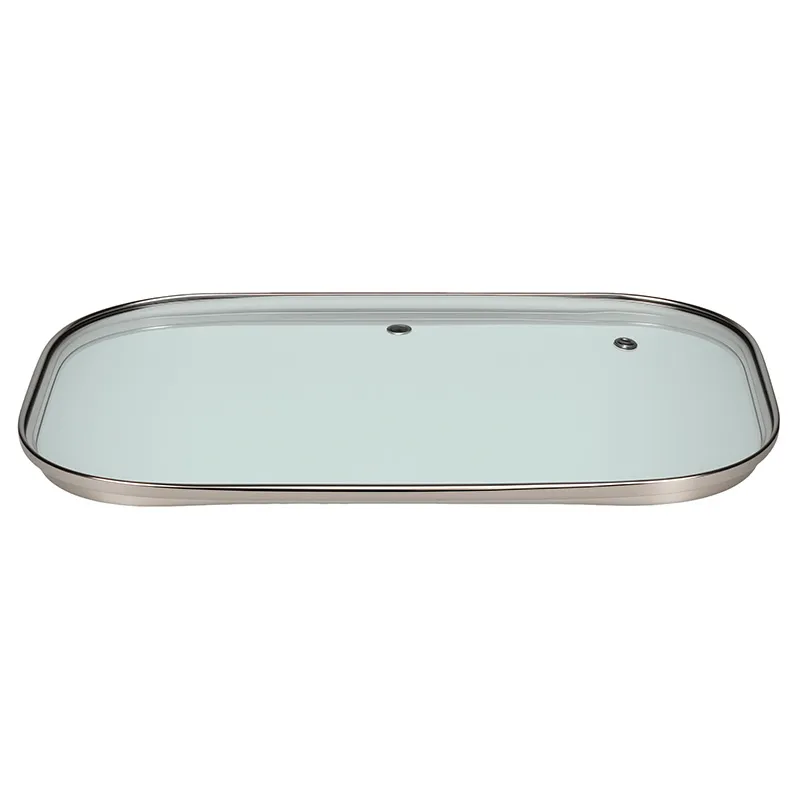
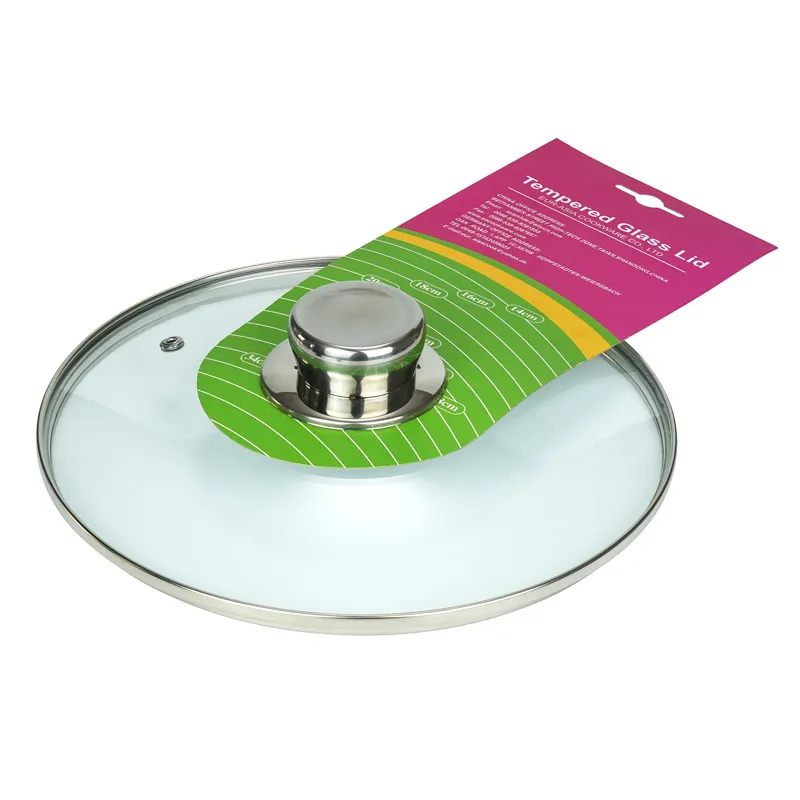
vented lid cookware
Let's be honest, most people think a vented lid is just a lid with a hole in it. That's the biggest misconception. In reality, it's a pressure management system, and getting it wrong means boiled-over pasta, steamed-out flavor, or a lid that rattles like a train. I've seen too many brands treat it as an afterthought, just stamping a hole without considering the cookware's intended use. The truth is, the engineering around that vent—its size, placement, and the lid's overall fit—dictates whether a pot becomes a versatile workhorse or a frustrating kitchen dud.
The Physics of a Simple Hole
It's not about letting steam out. It's about controlling the rate at which it escapes. A large, open vent on a stockpot? Perfect for a rolling boil where you want evaporation. That same vent on a saucepan meant for simmering a delicate sauce? You'll lose too much liquid too quickly, concentrating flavors unevenly and often burning the bottom. I learned this the hard way early on, trying to use a generic vented lid across different pot lines. The customer complaints weren't about the lid failing; they were about the cooking results being inconsistent.
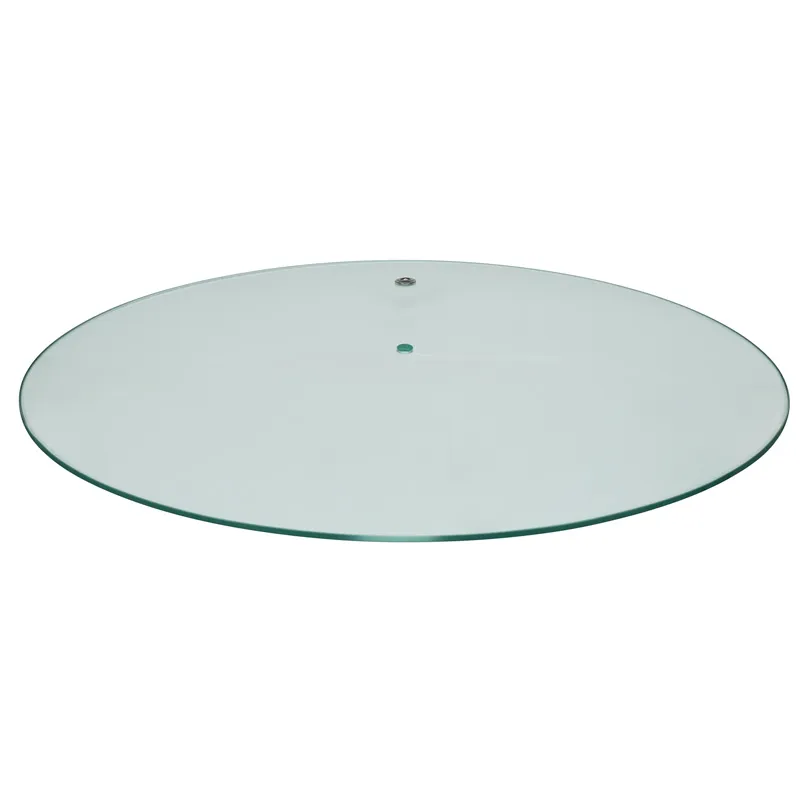
The shape of the vent matters too. A simple drilled hole can create a focused jet of steam, which is inefficient and can even be a minor burn risk. Better designs use a notched or channeled opening, often with a raised rim. This disperses the steam release more gently and prevents condensate from dripping back into the vent and clogging it. I recall a batch from a supplier years ago where the vent channel was too shallow. During slow braises, fat and juices would creep back into the channel and eventually seal it shut, creating a temporary pressure cooker situation. Not ideal.
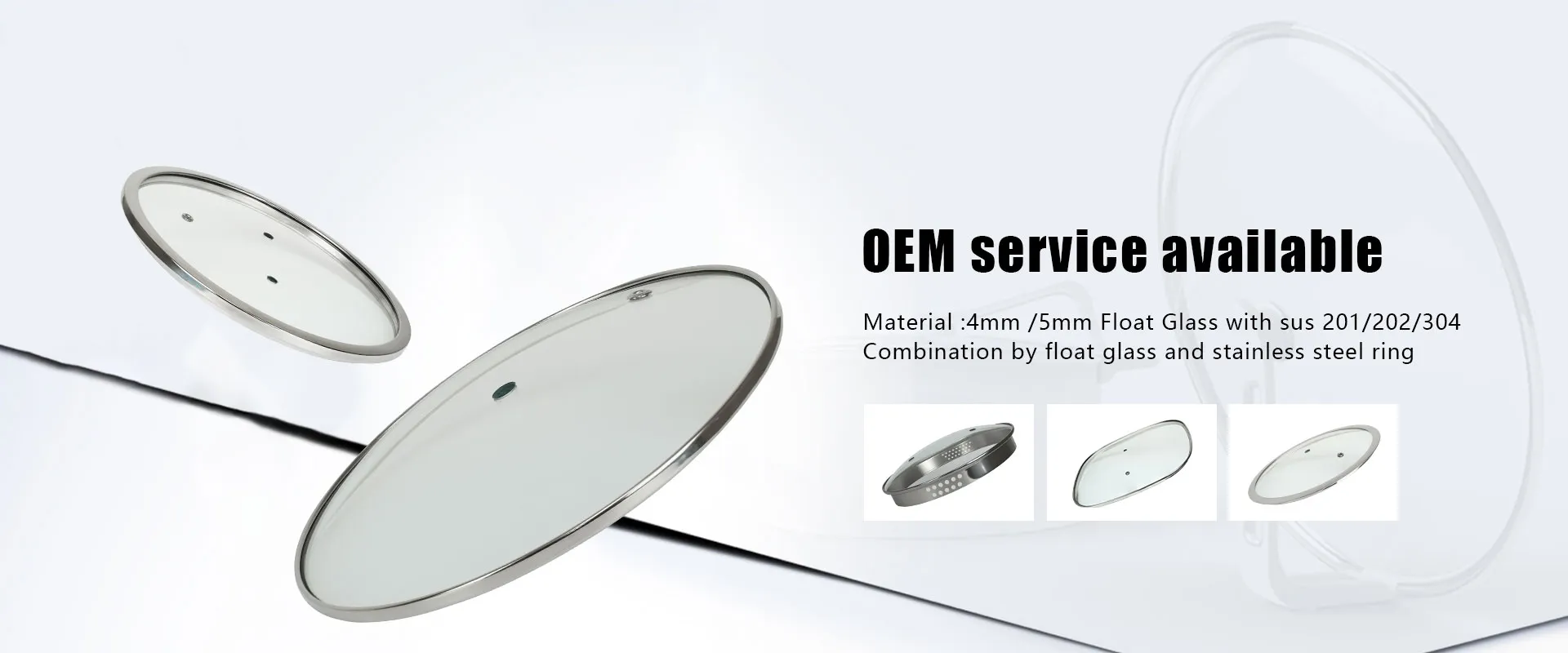
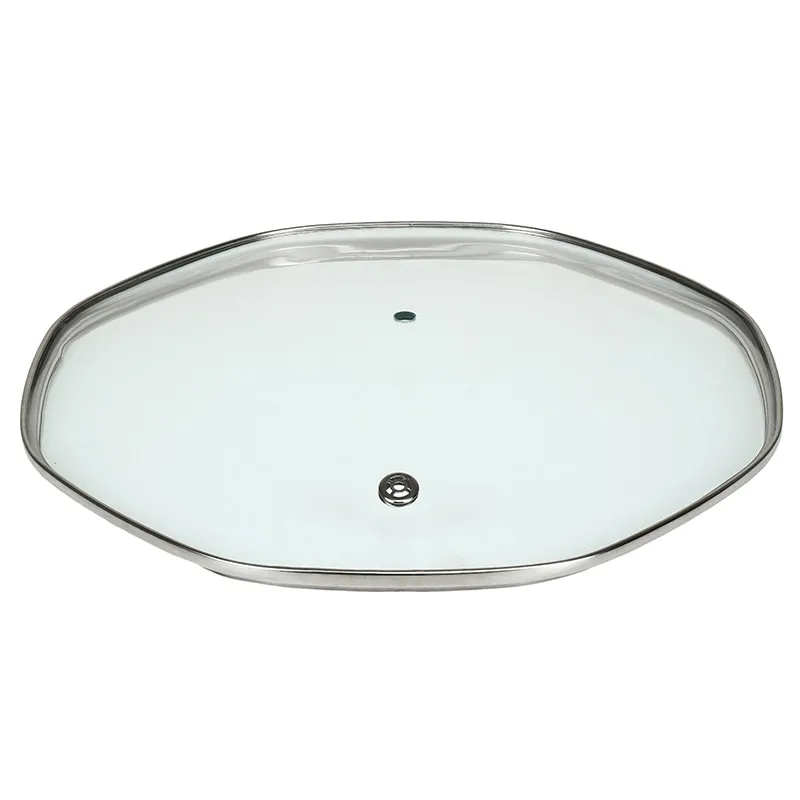
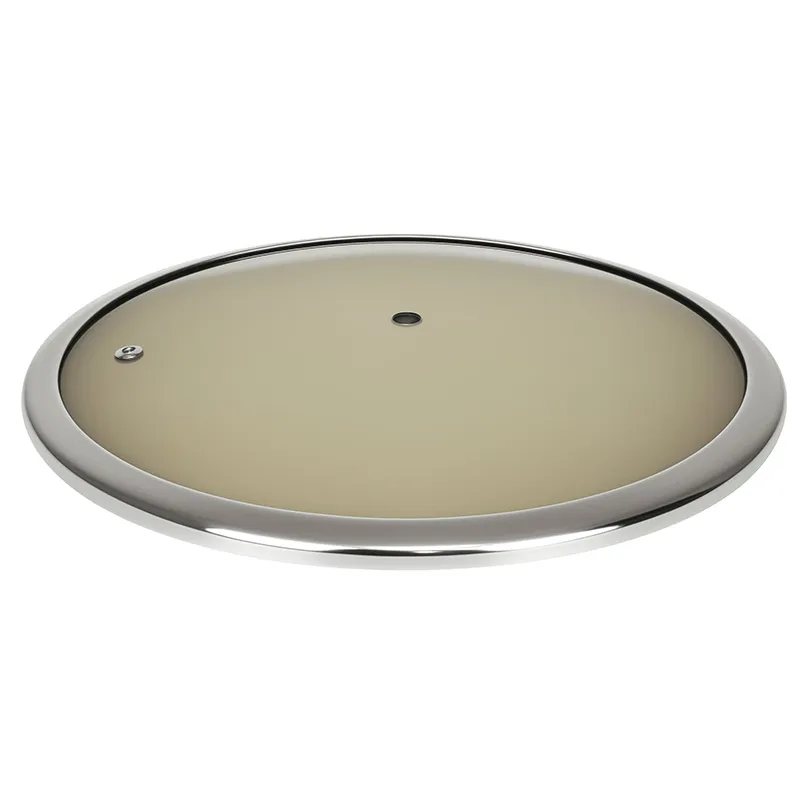
This is where material choice becomes critical. For vented lid cookware, tempered glass is the dominant player, and for good reason. You need to see what's happening inside. But not all glass is equal. The thermal shock resistance is paramount. A pot can go from a high-heat sear to a cold rinse, and the lid has to handle that gradient, especially around the metal rim and vent area where stress concentrates. Companies that specialize, like EUR-ASIA COOKWARE CO.,LTD (you can find their focus at https://www.glass-lid.com), understand this. Their entire operation is built around producing these specific components, which tells you the expertise required isn't trivial.
Fit and Function: Where Theory Meets the Stove
The vent is useless if the lid itself doesn't sit right. A slight warp in the metal rim, an uneven glass seal, and you've got steam escaping from the sides, making the vent redundant. The goal is a near-perfect seal with a single, controlled exhaust point. Achieving this consistently at scale, with millions of units, is the real challenge. It's why high-volume producers need rigorous quality control on lid flatness and diameter tolerance.
In practice, I've found that a well-designed vented lid cookware system has a subtle hiss during a vigorous boil, not a sputtering, erratic escape. For tasks like boiling potatoes or pasta, it should maintain a strong bubble without threatening to boil over. For rice, it allows just enough steam out to achieve that perfect texture without drying out the top layer. It's a balancing act. I often test lids by cooking a simple pot of white rice—it's a brutally honest test of consistent, low-pressure steam management.
Another real-world issue is cleaning. Vents with complex internal channels or very small openings can trap starchy water or grease. If it's not dishwasher-safe or easily reachable with a brush, it becomes a hygiene issue. The best designs have a smooth, accessible vent path. Looking at the portfolio of a specialist like EUR-ASIA COOKWARE CO.,LTD, which exports globally, their designs likely evolve from feedback in markets like Germany and Japan, where both performance and cleanability are non-negotiable.
The Manufacturing Reality and Material Limits
Producing a high-quality tempered glass lid with a precision vent isn't a side business. It requires dedicated lines. The description of EUR-ASIA COOKWARE CO.,LTD's facility—a 20,000㎡ base focused on tempered glass lids with an annual output exceeding 15 million pieces—highlights the industrial scale needed to serve global cookware brands. This isn't a generic glass workshop; it's a focused component manufacturer. Over 90% export rate to stringent markets is a solid testament to meeting specific technical standards, not just making a cheap commodity.
Tempering introduces inherent limitations. Once the glass is cut and the vent hole is made, it's tempered. You cannot drill, grind, or alter it afterwards without causing it to shatter. This means the design, the vent size, the notch shape, everything is locked in before the final heat treatment. There's no room for error or post-production adjustment. This fact alone forces a level of precision in the upstream design and tooling phase that many newcomers to vented lid cookware underestimate.
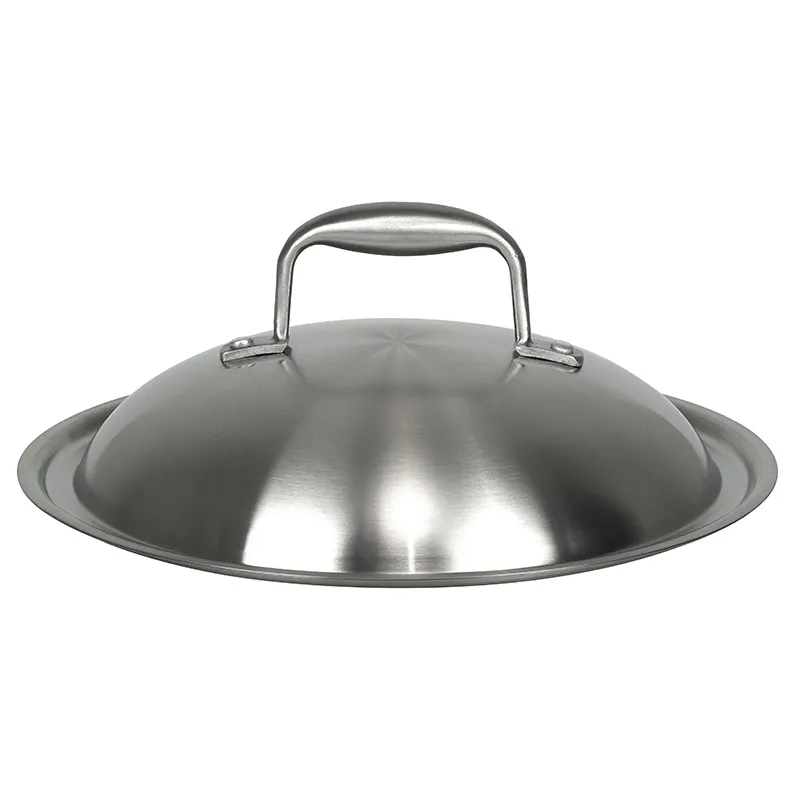
The metal rim, usually stainless steel, also has a role. It's not just a binder. The way it's clinched to the glass affects the seal. Some use a full-wrap rim, others a simpler band. The vent area often requires a special cut-out or formed section in this rim. If this metalwork isn't precise, it can pinch the glass or leave a gap, creating a weak point for thermal stress and potential failure during rapid temperature changes.
Case in Point: The Simmering Sauce Test
Let me give you a concrete example from product testing. We were evaluating a new line of saucepans with lids from a new source. The lids looked fine—clear glass, sturdy rim, a decent-sized vent. But when reducing a tomato-based sauce, we noticed a fine, sticky film building up around the vent opening after about 20 minutes. By the 30-minute mark, the vent was nearly sealed by this residue, pressure built up slightly, and the lid started to chatter lightly on the pot. The vent became ineffective.
The issue? The vent's edges on the glass side weren't smoothly fire-polished. They had microscopic roughness from the cutting process, which gave the reducing sauce something to grab onto. A perfectly fire-polished edge presents a smoother surface, making it harder for residues to adhere so completely. It was a small detail in manufacturing that had a direct functional impact. It's these nuances that separate a component from a factory just hitting quotas from one that understands the end-use.
This is where partnering with a focused manufacturer makes a difference. A company whose main product is the lid itself, like the one behind https://www.glass-lid.com, is incentivized to solve these problems across all their clients' products. They live and breathe lid-specific issues—thermal stress points, vent clogging, rim fit—because that's their core business. A general cookware factory making their own lids might prioritize the pot body and treat the lid as a secondary item.
Beyond the Boil: Unexpected Applications
While boiling and simmering are the obvious uses, a good vented lid has other roles. Try pan-frying dumplings. The classic technique is fry, add water, cover to steam, then uncover to re-crisp. A solid lid traps too much steam, making the dumplings soggy. A solid lid with no vent? Even worse. A vented lid cookware lid allows for a controlled steam environment that cooks the filling through while preserving some texture in the wrapper. It's a minor revelation when you find the right one.
Another is reheating. Reheating pasta or stew in a pot with a solid lid often results in a sudden, violent boil-over the moment you look away. A vented lid mitigates this by bleeding off excess pressure continuously, allowing for a gentler, more even reheat. It's a safety and convenience feature that doesn't get marketed enough.
Ultimately, the vented lid is a bridge between a fully sealed environment (a braiser with a heavy, tight lid) and an open pot. It occupies that crucial middle ground for everyday wet cooking. Its value isn't in being a high-tech feature, but in executing a simple principle flawlessly. When you pick up a lid and the vent design feels considered—the right size for the pot's volume, easy to clean, integrated into the lid's structure—you're holding the result of considerable practical experience, not just a CAD drawing. That's what turns a generic piece of kitchenware into reliable kitchen kit.
Related Products
Related Products