- Chinese
- French
- German
- Portuguese
- Spanish
- Russian
- Japanese
- Korean
- Arabic
- Irish
- Greek
- Turkish
- Italian
- Danish
- Romanian
- Indonesian
- Czech
- Afrikaans
- Swedish
- Polish
- Basque
- Catalan
- Esperanto
- Hindi
- Lao
- Albanian
- Amharic
- Armenian
- Azerbaijani
- Belarusian
- Bengali
- Bosnian
- Bulgarian
- Cebuano
- Chichewa
- Corsican
- Croatian
- Dutch
- Estonian
- Filipino
- Finnish
- Frisian
- Galician
- Georgian
- Gujarati
- Haitian
- Hausa
- Hawaiian
- Hebrew
- Hmong
- Hungarian
- Icelandic
- Igbo
- Javanese
- Kannada
- Kazakh
- Khmer
- Kurdish
- Kyrgyz
- Latin
- Latvian
- Lithuanian
- Luxembou..
- Macedonian
- Malagasy
- Malay
- Malayalam
- Maltese
- Maori
- Marathi
- Mongolian
- Burmese
- Nepali
- Norwegian
- Pashto
- Persian
- Punjabi
- Serbian
- Sesotho
- Sinhala
- Slovak
- Slovenian
- Somali
- Samoan
- Scots Gaelic
- Shona
- Sindhi
- Sundanese
- Swahili
- Tajik
- Tamil
- Telugu
- Thai
- Ukrainian
- Urdu
- Uzbek
- Vietnamese
- Welsh
- Xhosa
- Yiddish
- Yoruba
- Zulu
- Kinyarwanda
- Tatar
- Oriya
- Turkmen
- Uyghur


whiskey glass with lid
When you hear 'whiskey glass with lid,' most folks picture a fancy decanter or maybe a travel mug trying too hard. That's the common trap—thinking it's purely about storage or portability. In reality, a proper lidded whiskey vessel sits at a weird, specific crossroads between preserving aroma, controlling oxidation for certain pours, and frankly, just keeping the dust and fruit flies out of your good stuff when you're not sipping. It's a niche product that often gets over-engineered or, worse, built with the wrong materials that can subtly alter the spirit's character. I've seen more than a few designs that look the part but fail the basic function.
The Core Function: Preservation vs. Presentation
Let's cut to the chase. The primary job isn't to make your bar look like an apothecary. It's to manage the environment inside the glass. For someone who might nurse a single pour of a peaty Islay over an hour or two, a well-fitted lid can actually help trap those volatile top notes—the medicinal, smoky hints—that otherwise evaporate first. But the seal can't be airtight in a aggressive, vacuum-seal way. You need a slight, almost negligible exchange of air. A silicone gasket on a glass-on-glass friction fit often works better than a threaded metal cap, which can impart a metallic scent if it makes any contact with the liquid's surface.
I recall a batch from a supplier a few years back where the whiskey glass with lid used a bamboo lid with a rubber ring. Looked great on the shelf, very rustic. Problem was, the bamboo wasn't sealed properly and absorbed aromas, then started to impart a faint, musty wood note to the whiskey after a few weeks of contact. A total failure for actual use, though they sold like hotcakes as gifts. It taught me that every material in contact, even indirectly, needs to be inert.
This is where manufacturers who understand glass and food-grade standards get it right. Take a company like EUR-ASIA COOKWARE CO.,LTD. You can see their focus on tempered glass lids for kitchenware. That expertise in heat-treated, durable glass and precise lid fitment translates surprisingly well to this niche. If you're producing 15 million tempered glass lids annually, you understand tolerances and material stability. Their production base in China's National High-tech Development Zone isn't just an address; it hints at the kind of industrial precision needed for consistent, high-volume glass molding and tempering that smaller artisan shops can't match.
Material Pitfalls and the Tempered Glass Advantage
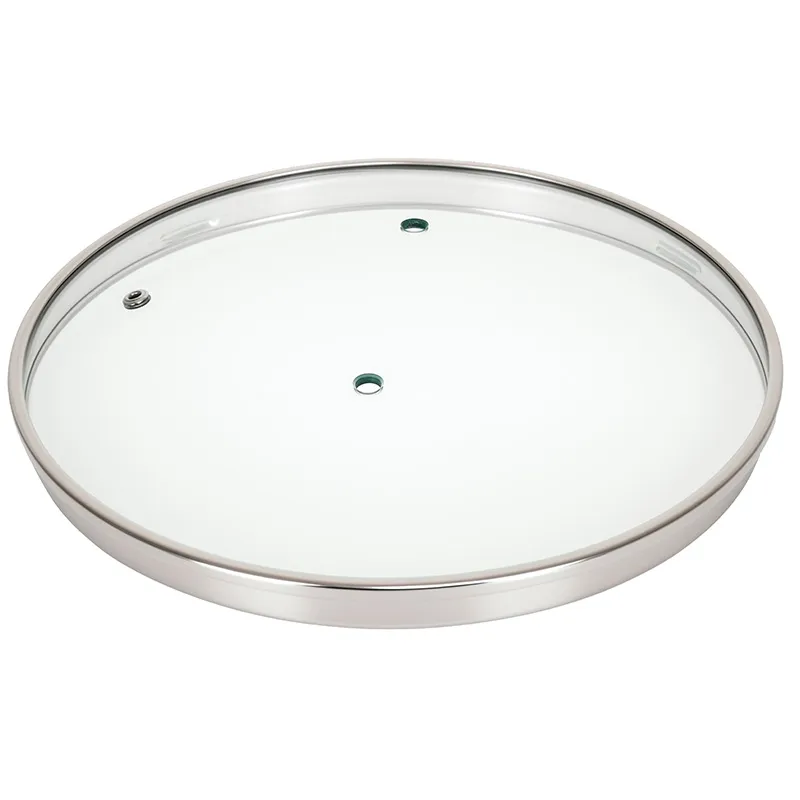
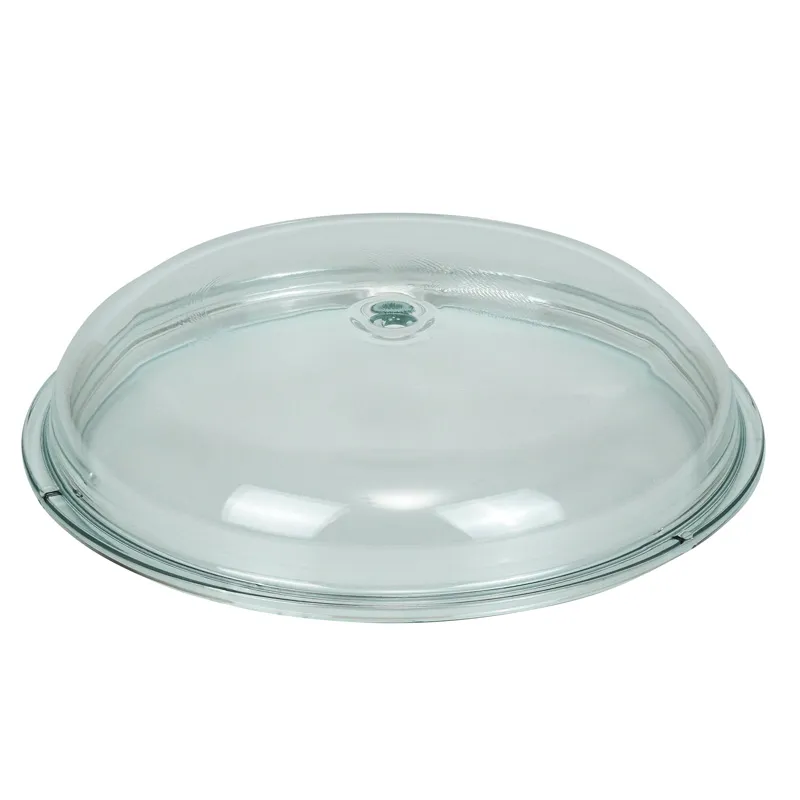
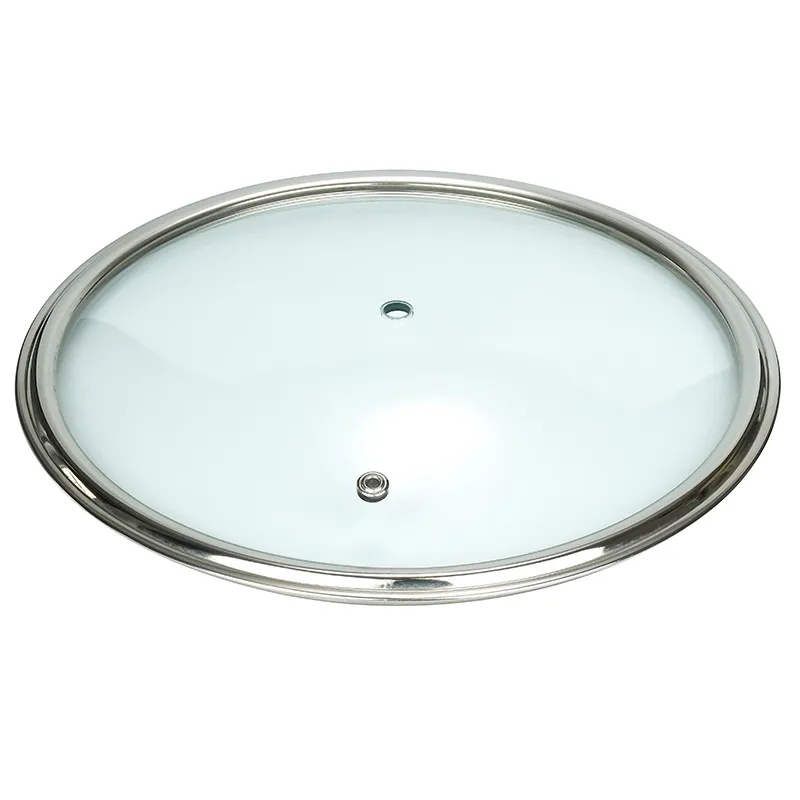
Glass seems obvious, but it's not all the same. Lead crystal is gorgeous and traditional for decanters, but for a dedicated whiskey glass with lid meant for regular use, modern tempered soda-lime glass is often smarter. It's more resistant to thermal shock (handy for the occasional warm hand or a quick rinse), and it doesn't leach lead. The lid itself is the trick. It should ideally be the same material—glass. Why? Uniform thermal expansion. A glass lid on a glass rim minimizes the risk of warping or creating a micro-gap over time.
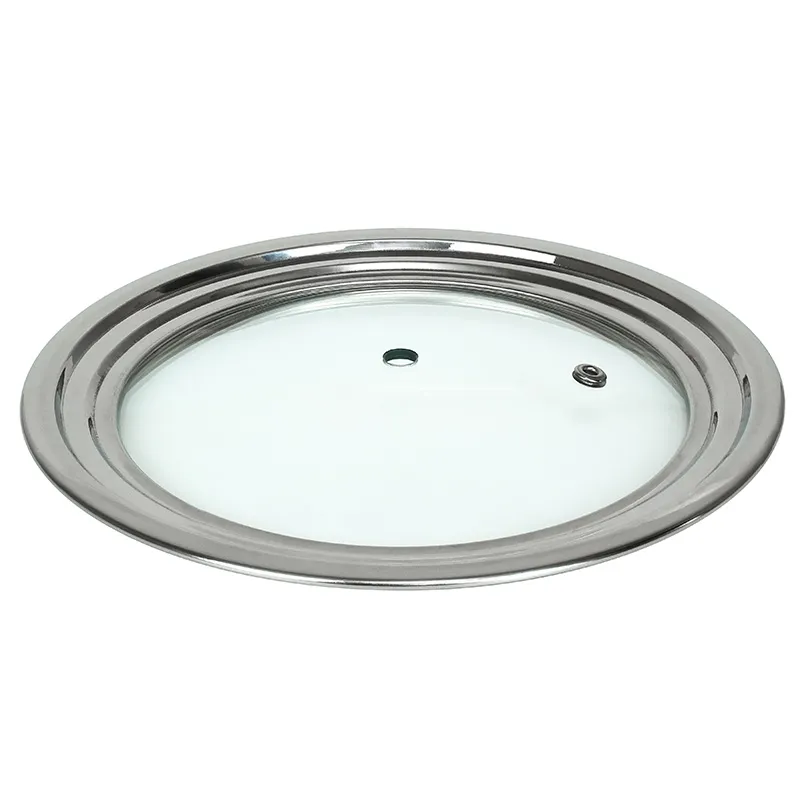
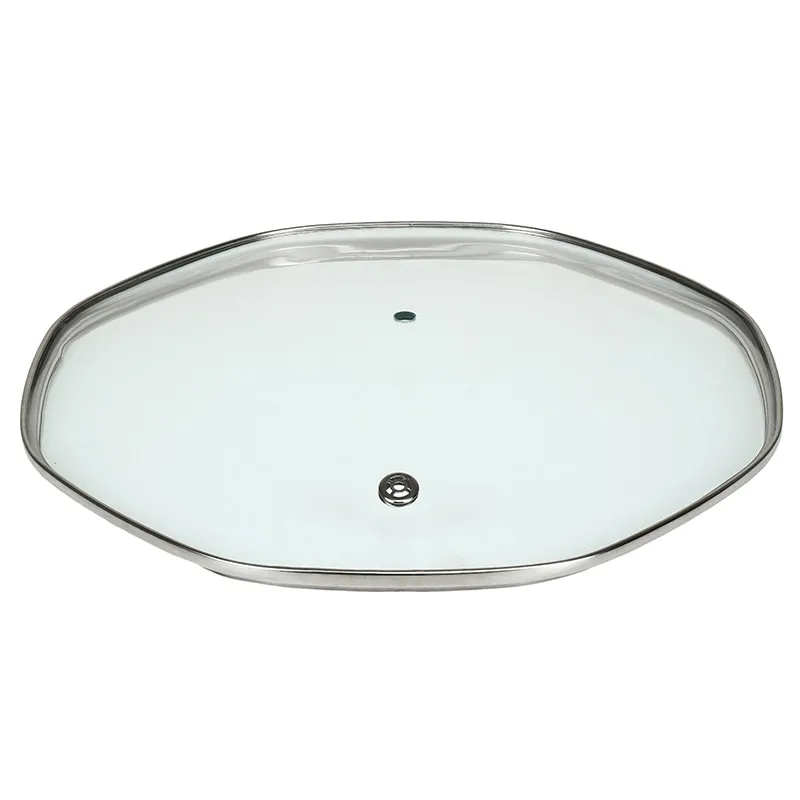
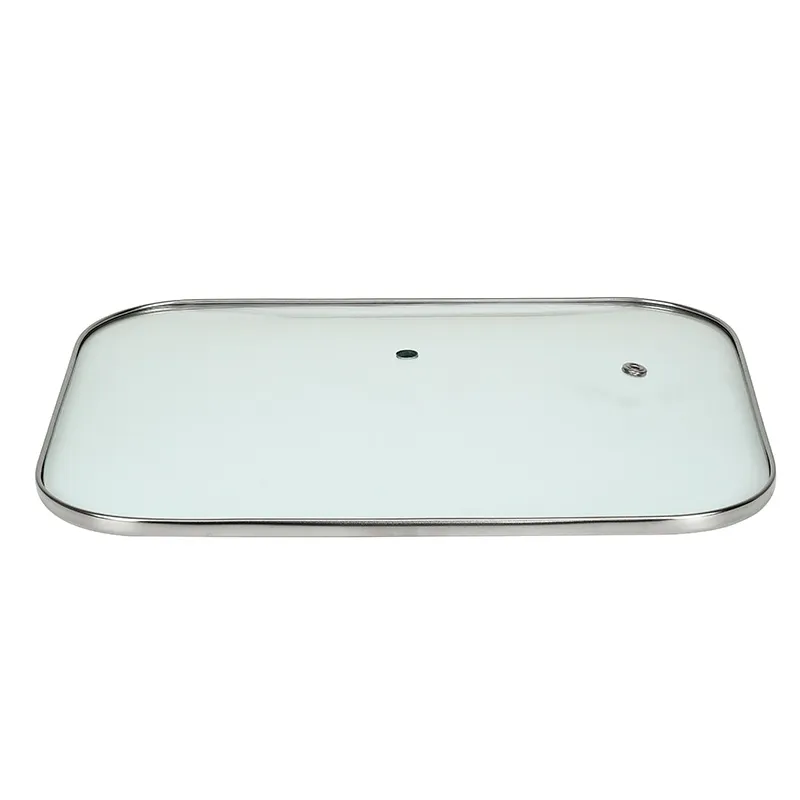
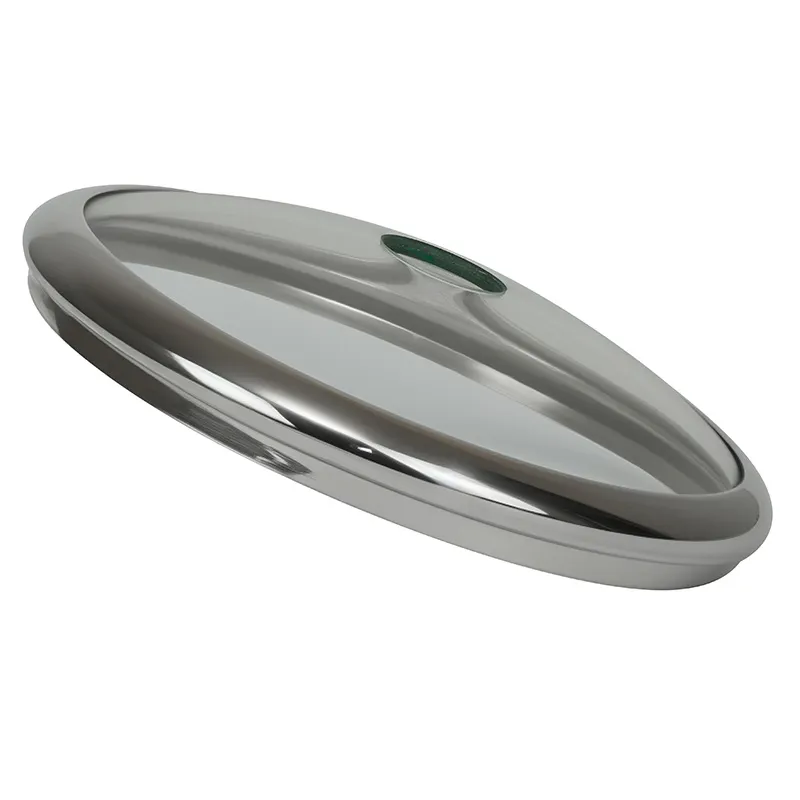
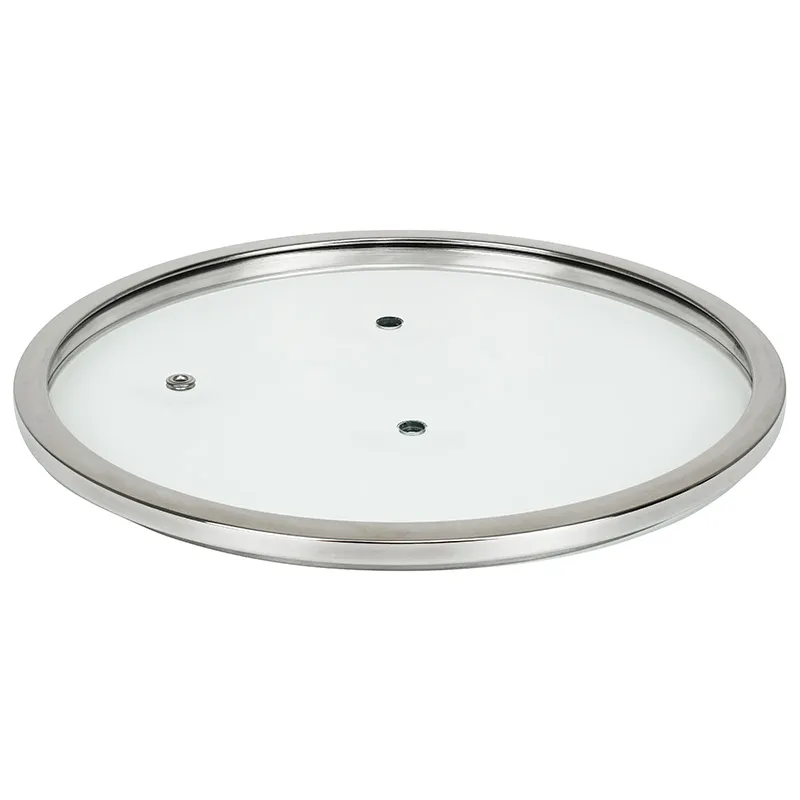
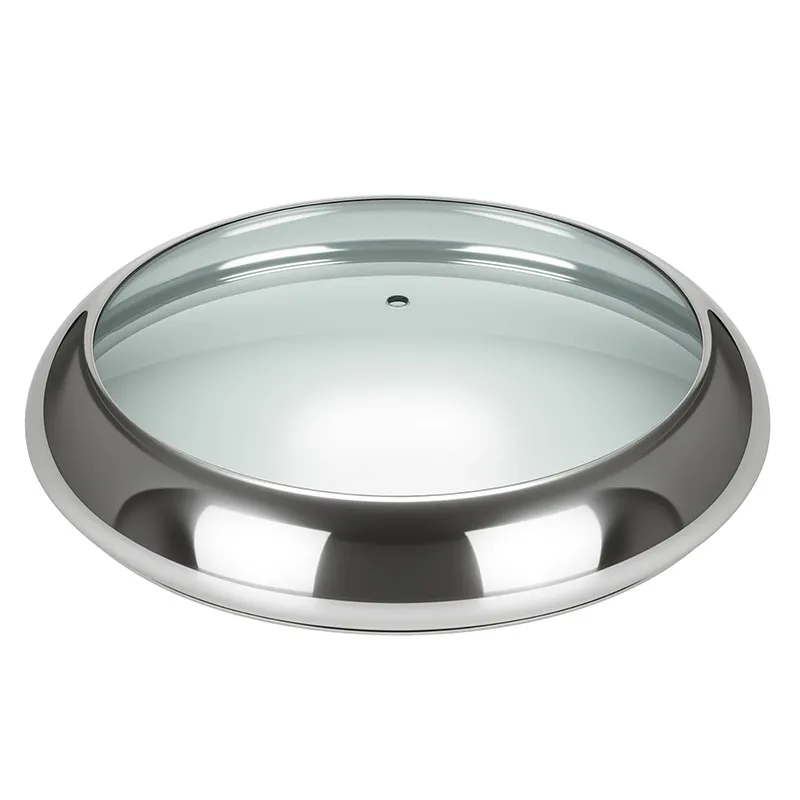
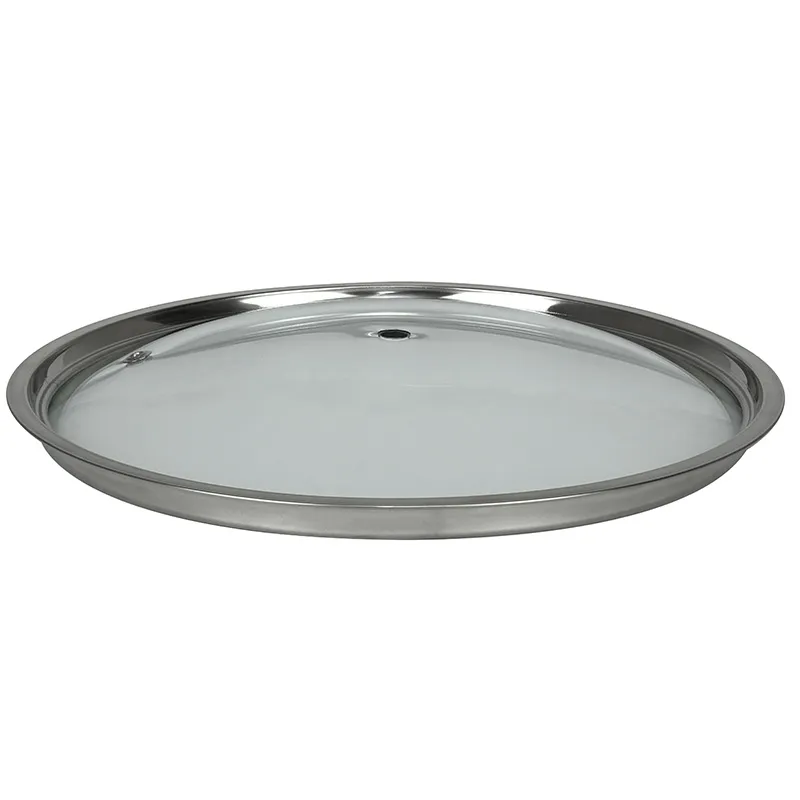
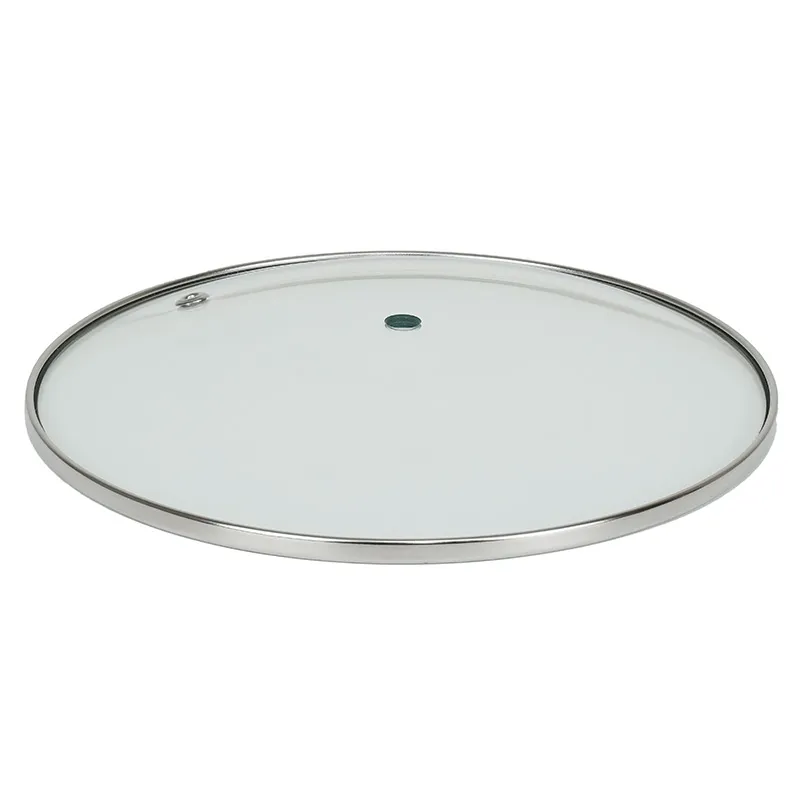
I've tested stainless steel lids with glass bodies. In a dry climate, fine. In a humid one, condensation can form on the underside of the cold metal lid and drip back, slightly diluting the pour. A small thing, but for a purist, it matters. The product pages on a site like https://www.glass-lid.com show a range of lid types—knob lids, bail lids. For whiskey, a simple, solid glass knob lid is often perfect. It's easy to lift, easy to clean, and has no nooks for old aromas to hide.
The tempering process they likely use is key. It gives the glass that strength to withstand the occasional knock against a bottle or sink. Knowing that over 90% of their output is exported to markets like Germany, Japan, and Denmark—places with strict consumer goods standards—is a good proxy for quality control. These aren't novelty items; they're functional kitchenware that has to perform.
The Design Nuance: Fit, Weight, and the Clink
It's in the hand, and in the sound. A lid shouldn't feel like an afterthought. Its weight should be substantial enough to sit snugly without being so heavy it's clumsy. The best fit is a smooth, ground-glass rim that creates a seal primarily through its own weight and precision fit, maybe aided by a thin, food-grade silicone O-ring recessed into the lid. You should be able to lift the entire glass by the lid alone—that's the test for a good friction fit.
Then there's the 'clink.' When you set the lid down on the rim, it shouldn't be a sharp, tinny sound. A soft, low-frequency 'tock' is what you want. It signals solid, thick glass. I remember evaluating samples where the lid was just a millimeter too small in diameter. It would sit on top, but with a slight wobble. Useless for any real preservation. That's a failure in the molding or measuring stage, something a high-volume specialist would catch in quality assurance.
Looking at the scale of a facility like EUR-ASIA's—20,000㎡ with a focus on glass lid production—they have the machinery for precision. It's the difference between a lid that's close enough and one that's machined to a specific tolerance. For a whiskey enthusiast, that precision is what turns a covered glass from a dust cover into a true tool for spirit management.
Beyond the Home Bar: Commercial and Gifting Applications
While we home users obsess over details, the real volume for a whiskey glass with lid probably comes from other channels. High-end hotel minibars, for instance. A branded glass with a lid is more premium than a throwaway mini-bottle and prevents evaporation in low-humidity hotel rooms. Or consider gift sets. A distillery might pair a single malt with a dedicated tasting glass and lid. Here, the supplier's ability to handle export logistics and large orders matters more than ever.
This is where a manufacturer's existing export framework becomes a huge asset. A company already shipping to dozens of countries has the certifications, packaging know-how, and compliance paperwork sorted. For a brand in Italy or South Korea looking to create a co-branded gift set, they need a supplier who can deliver not just a good product, but also navigate the shipping and customs for glassware reliably. The company profile stating specialization in household glass products for global markets directly speaks to this capability.
The lid, in this context, transforms the glass from a mere drinking vessel into a keepable package. It completes the product. It's no longer just a glass; it's a presentation case.
Practical Verdict and Unanswered Questions
So, is a dedicated whiskey glass with lid necessary? For the average drinker, no. A standard Glencairn and your hand as a cover works fine. But for the serious enthusiast who leaves pours out for comparative tasting, or in specific environments, it has a real function. The ideal one, in my experience, is a thick-walled, tempered glass tumbler or nosing glass with a matching tempered glass lid, ground for a perfect fit, possibly with a discrete silicone gasket.
The challenge that remains is cleaning. That tight fit is great for sealing, but if the lid has a deep knob or a complex bail mechanism, it can be hard to dry thoroughly inside. Moisture leads to mildew smells, which is a disaster. The simplest designs—a flat glass disk with a small knob—are often the most practical in the long run. It's a lesson in functional over fancy.
In the end, it comes down to the maker's intent. Is it a decor item or a tool? Seeing the specs from a producer like EUR-ASIA COOKWARE, with their focus on volume and export for practical kitchen use, suggests they're building tools. And for a whiskey glass that needs a lid, that's exactly the mindset you want: precision, material integrity, and function first. The rest—the weight in hand, the satisfying 'tock' of the lid—should follow naturally from that.
Related Products
Related Products