- Chinese
- French
- German
- Portuguese
- Spanish
- Russian
- Japanese
- Korean
- Arabic
- Irish
- Greek
- Turkish
- Italian
- Danish
- Romanian
- Indonesian
- Czech
- Afrikaans
- Swedish
- Polish
- Basque
- Catalan
- Esperanto
- Hindi
- Lao
- Albanian
- Amharic
- Armenian
- Azerbaijani
- Belarusian
- Bengali
- Bosnian
- Bulgarian
- Cebuano
- Chichewa
- Corsican
- Croatian
- Dutch
- Estonian
- Filipino
- Finnish
- Frisian
- Galician
- Georgian
- Gujarati
- Haitian
- Hausa
- Hawaiian
- Hebrew
- Hmong
- Hungarian
- Icelandic
- Igbo
- Javanese
- Kannada
- Kazakh
- Khmer
- Kurdish
- Kyrgyz
- Latin
- Latvian
- Lithuanian
- Luxembou..
- Macedonian
- Malagasy
- Malay
- Malayalam
- Maltese
- Maori
- Marathi
- Mongolian
- Burmese
- Nepali
- Norwegian
- Pashto
- Persian
- Punjabi
- Serbian
- Sesotho
- Sinhala
- Slovak
- Slovenian
- Somali
- Samoan
- Scots Gaelic
- Shona
- Sindhi
- Sundanese
- Swahili
- Tajik
- Tamil
- Telugu
- Thai
- Ukrainian
- Urdu
- Uzbek
- Vietnamese
- Welsh
- Xhosa
- Yiddish
- Yoruba
- Zulu
- Kinyarwanda
- Tatar
- Oriya
- Turkmen
- Uyghur

wholesale beer can glass with lid
When you see a search term like 'wholesale beer can glass with lid', it's easy to picture a simple, commoditized product. The reality in sourcing, especially for bulk orders, is far more nuanced. Many buyers, particularly those new to importing glassware, fixate on the unit price per piece and overlook the critical details that determine whether a shipment becomes a profitable SKU or a warehouse headache. The lid, for instance, isn't just an accessory; its fit, seal integrity, and material compatibility with the glass body are where the real cost and quality battles are fought.
The Core Product: More Than Just a Novelty Item
The beer can glass itself, the tall, slender tumbler shaped like an oversized beverage can, has moved from a novelty to a staple in many bars and retail sets. But from a wholesale perspective, the glass's specification is paramount. We're talking about tempered soda-lime glass, with a minimum thickness—often around 4mm—to withstand commercial dishwashing cycles without clouding or cracking prematurely. I've seen samples where the glass felt right, but after three months in a high-turnover pub, they started showing fine scratches and losing clarity. That's a failure in material hardness or the tempering process.
The capacity is another silent spec. Is it a true 16-oz (473ml) fill line, or is it 14 oz to the brim? That discrepancy matters for recipe costing and customer perception. I recall a client who ordered 10,000 units based on a sample, only to find the actual production run held 12% less volume. The supplier had used a thicker base to save on material, altering the internal dimensions. The entire shipment was negotiated down, but the trust was gone.
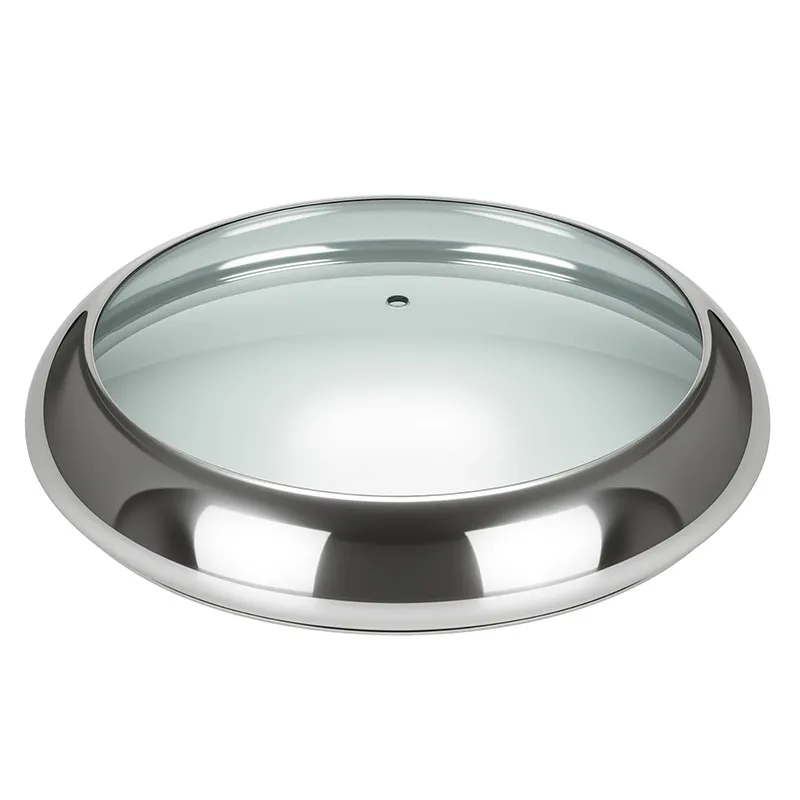
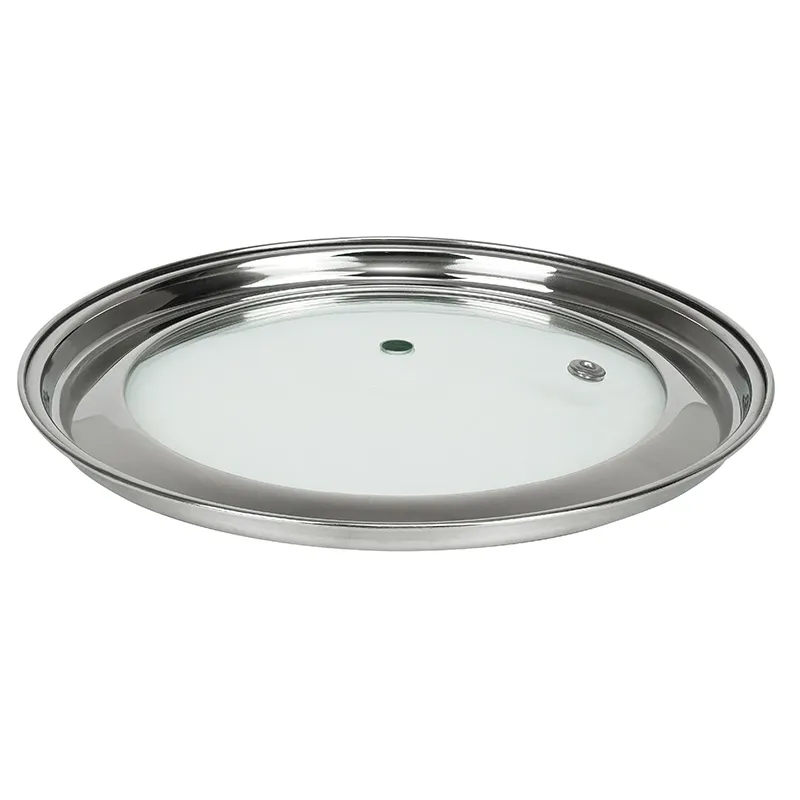
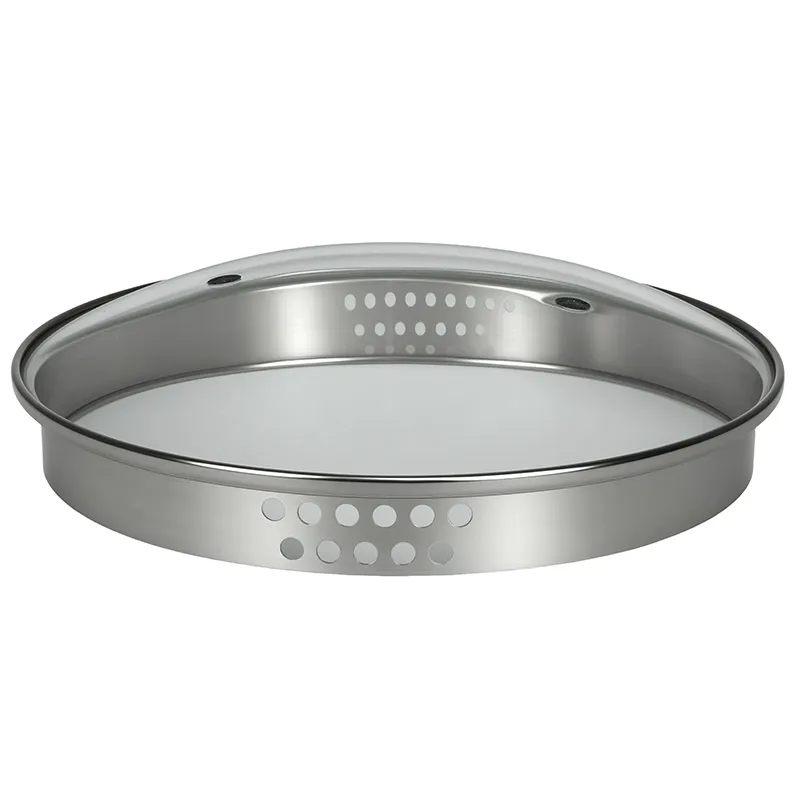
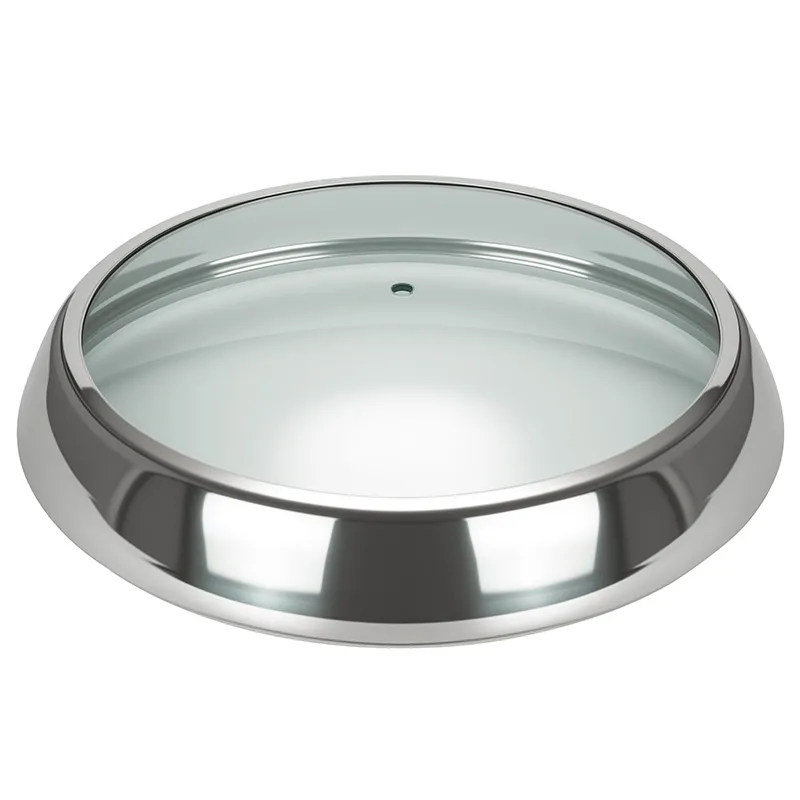
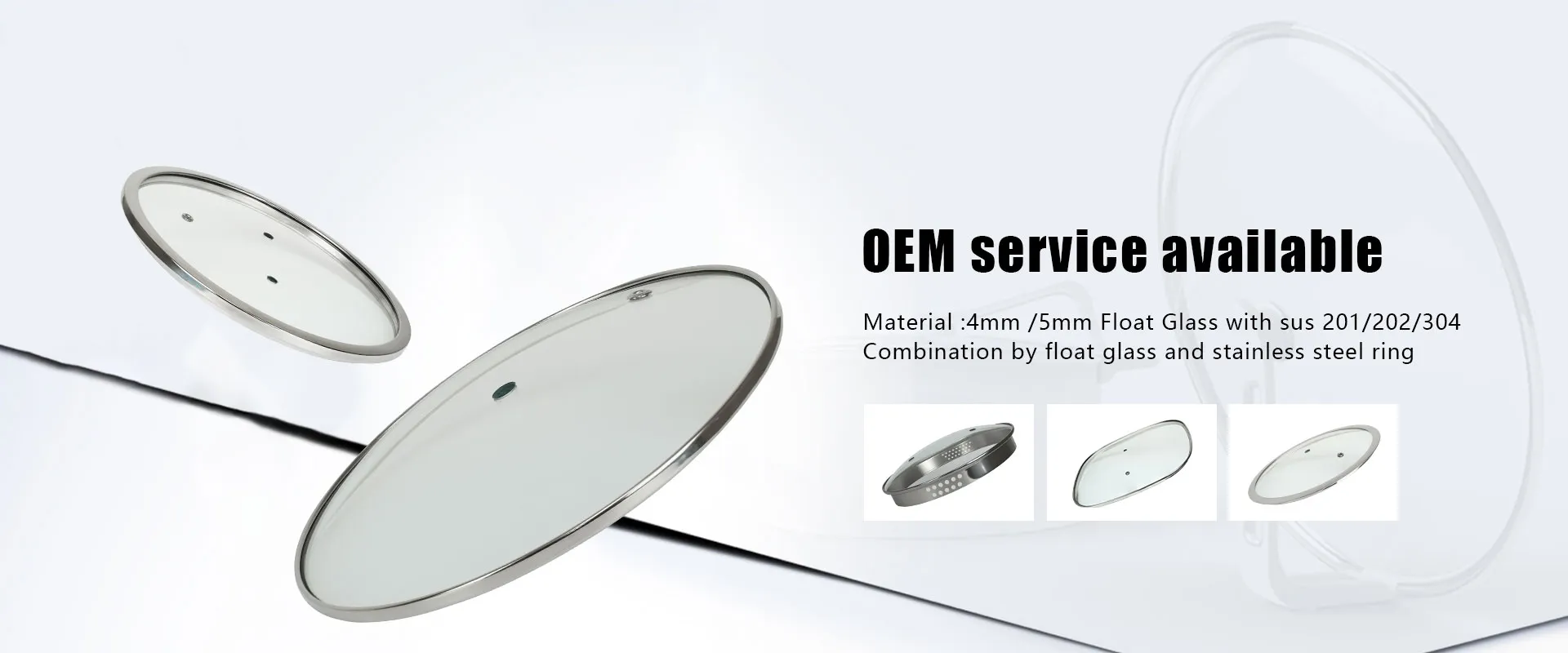
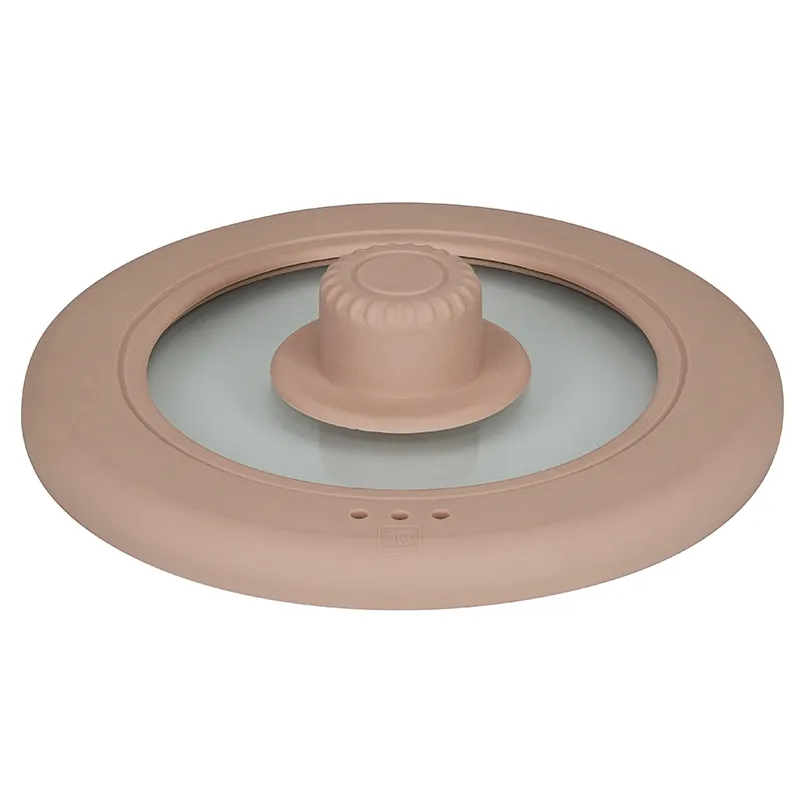
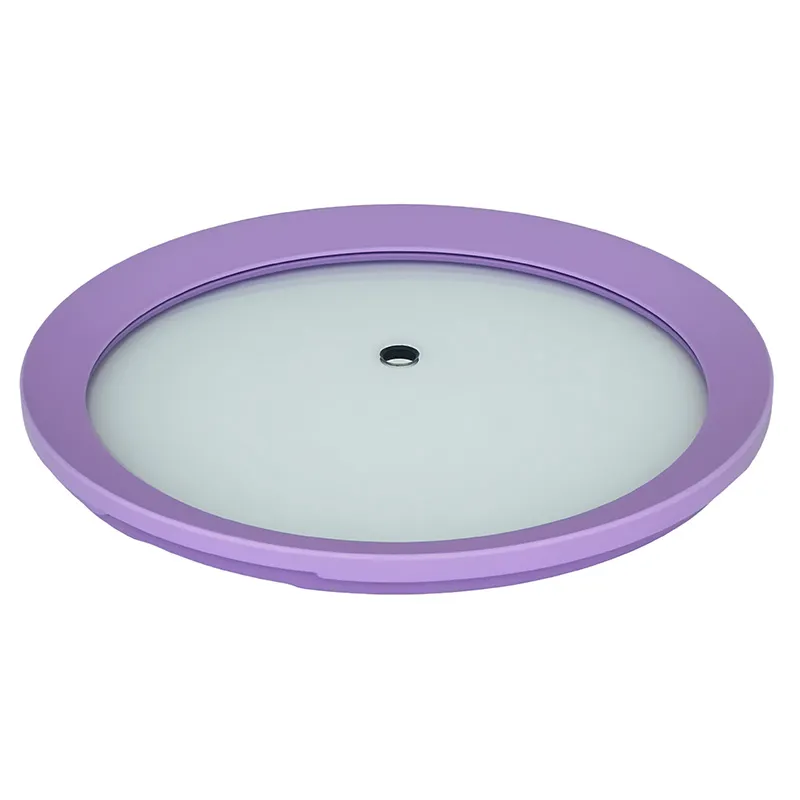
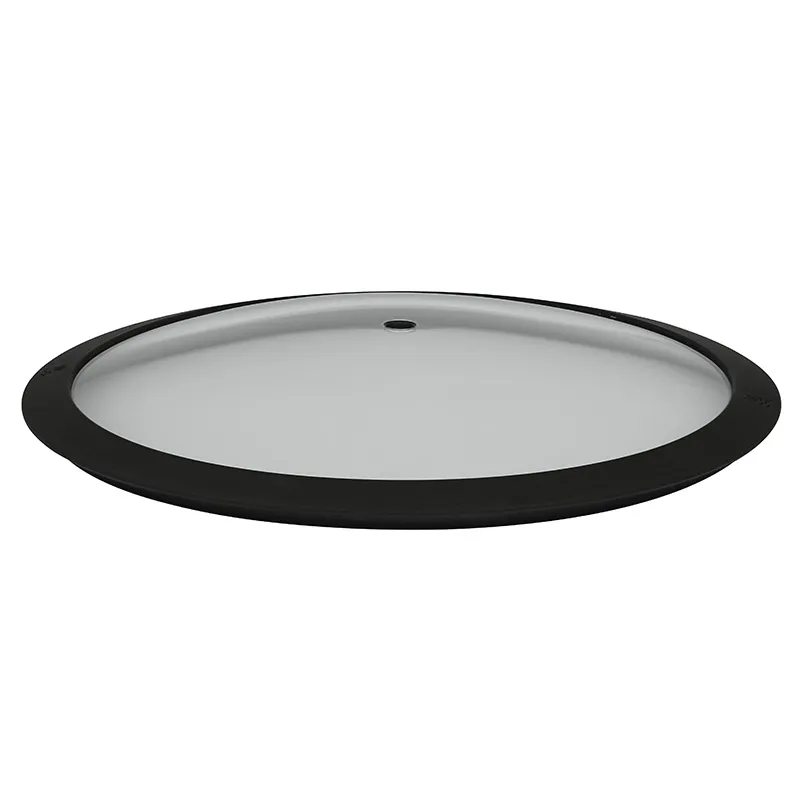
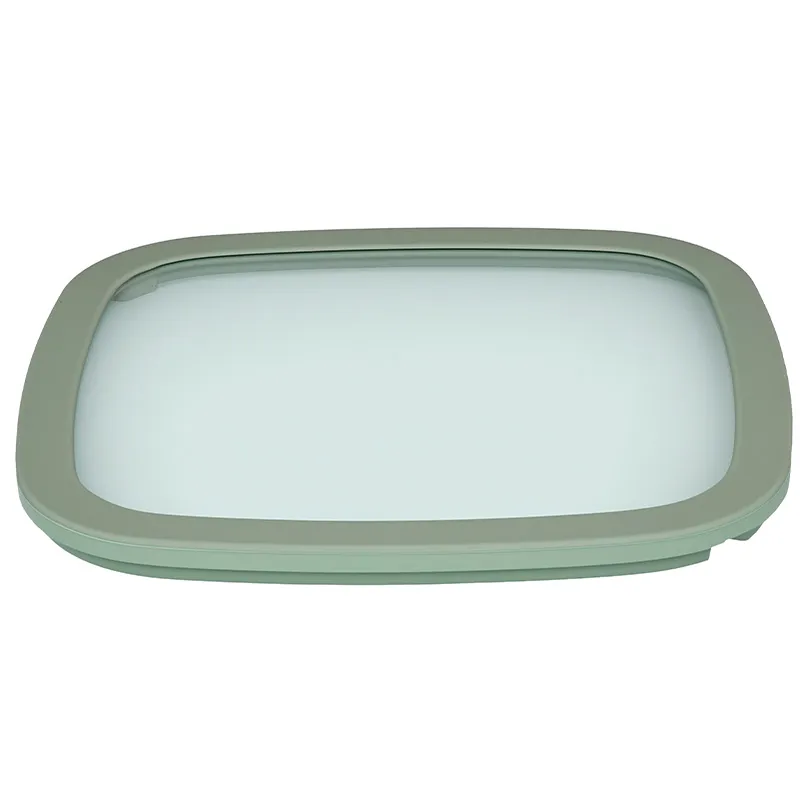
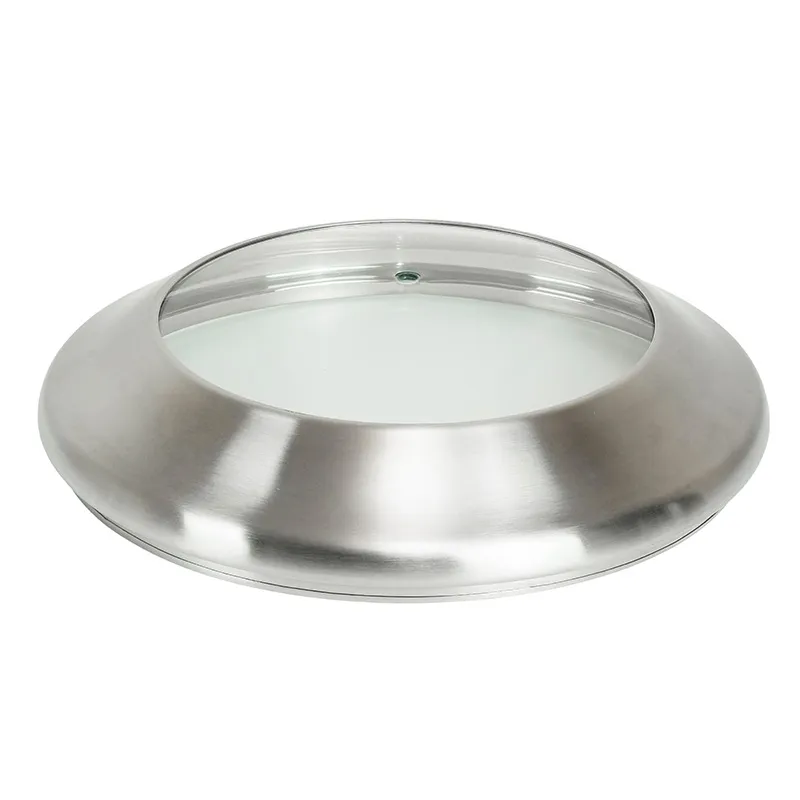
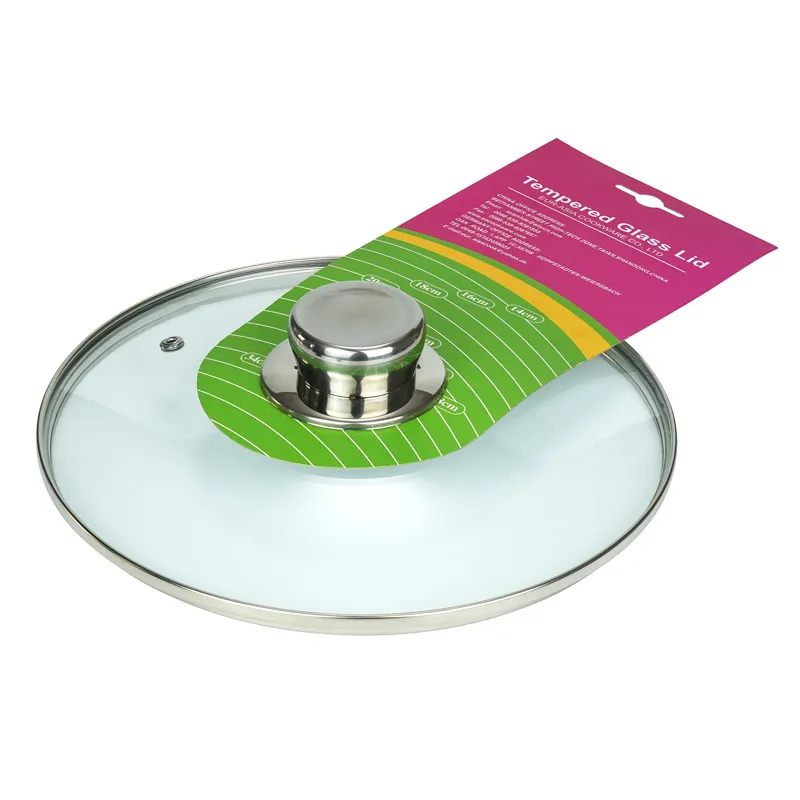
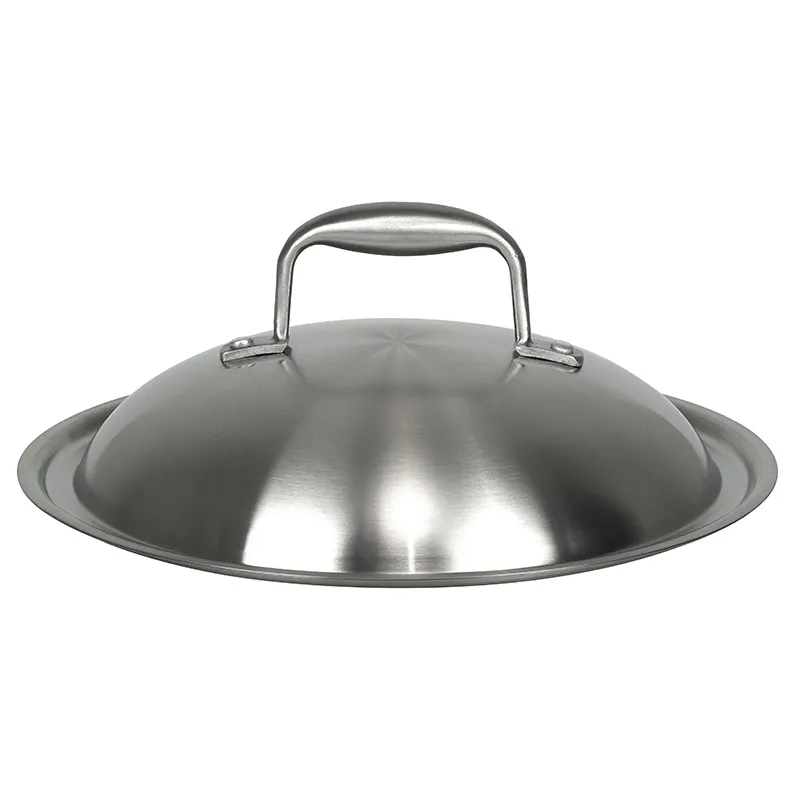
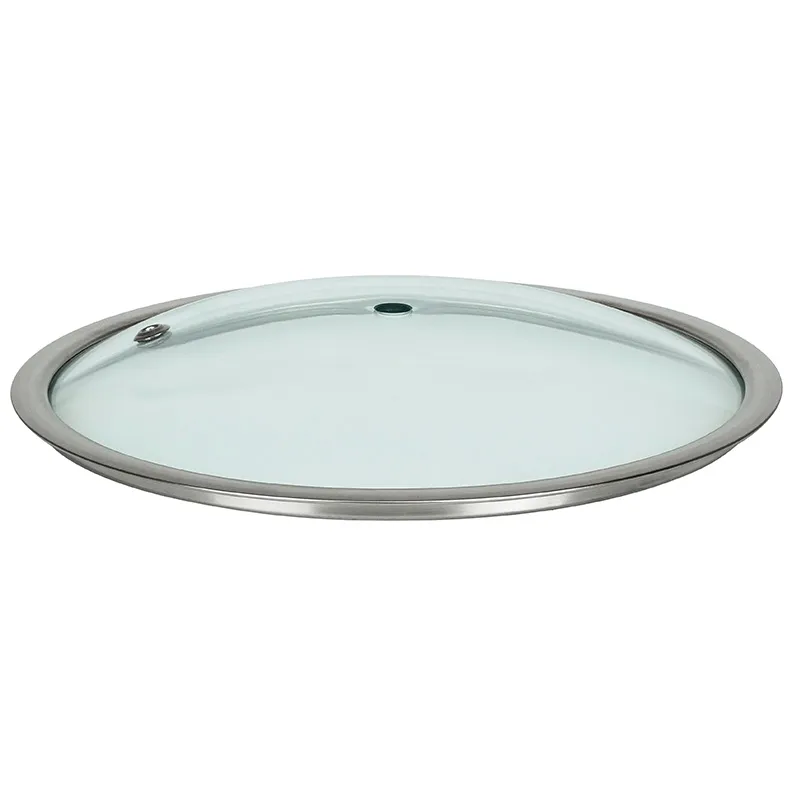
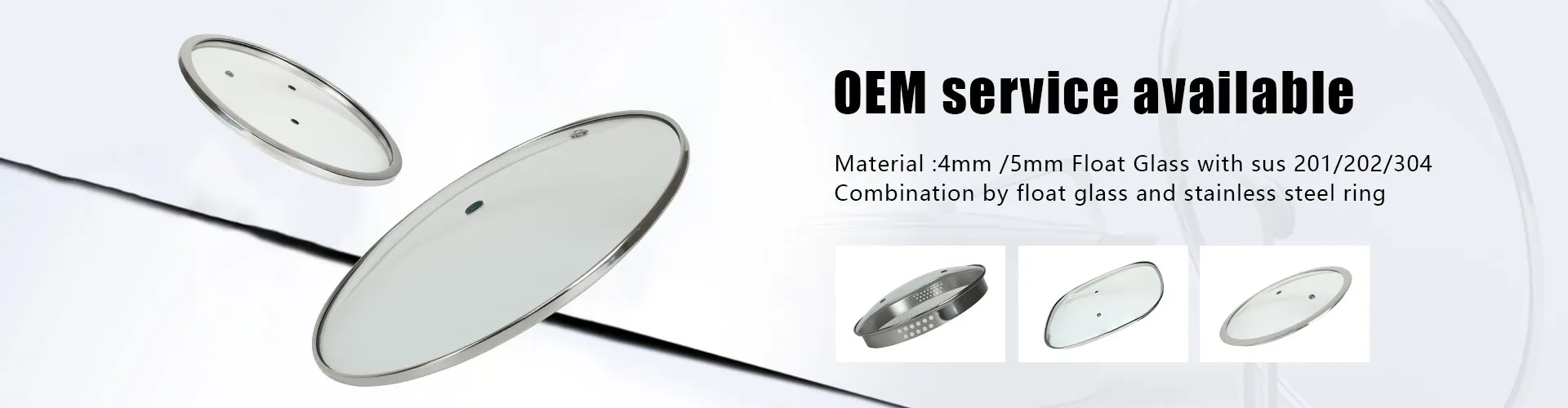
And then there's the lid. The keyword includes 'with lid' for a reason. This is often the most problematic component. A simple plastic snap-on lid might seal fine when new, but after repeated use, the plastic can warp or the sealing ridge can wear down. For a true seal—think for takeaway or to prevent spills—you need a lid with a silicone gasket. This bumps up the cost, complicates the assembly (now you have two components to inventory and assemble), but it's non-negotiable for certain markets. A company like EUR-ASIA COOKWARE CO.,LTD, with its stated specialization in household glass and a production base churning out over 15 million tempered glass lids annually, is positioned to understand this component deeply. Their expertise likely lies in the consistent production of the glass lid itself, which is a different beast from the plastic/silicone lids common for drinkware, but it speaks to a core competency in precision glass molding.
Sourcing and Manufacturing Realities
Going wholesale means engaging directly with manufacturers or large trading companies. The MOQ (Minimum Order Quantity) is the first gatekeeper. For a specialized item like this, a factory might ask for 5,000 to 10,000 pieces per SKU to make the production line setup worthwhile. This is where you need to be clear on your variants: just one size and lid color? Or multiple colors for the glass imprint, the lid, perhaps a straw hole option? Each variant can spike the MOQ and the complexity.
The production lead time isn't just about blowing and tempering the glass. The lid, if sourced from a different sub-supplier (which is common), needs its own timeline. Then there's decoration—screen printing or ceramic decal. This is a major point of failure. I've had shipments where the logo print washed off in the first dishwasher run because the ink formulation or curing temperature was wrong. It's crucial to specify and test for dishwasher safety (commercial grade if needed) and to provide Pantone codes, not just a digital image.
Quality control protocols are everything. You need defined AQL (Acceptable Quality Level) standards for critical defects (cracks, sharp edges), major defects (severe bubbles, misaligned printing), and minor defects (light scratches). Relying on the factory's standard QC is a gamble. For a product like a wholesale beer can glass with lid, a pre-shipment inspection that checks random samples for lid fit, seal, glass thickness, and decoration durability is a wise investment. It's saved me from more than one disastrous container load.
Logistics and the Hidden Costs
Glass is heavy and fragile. The freight cost is a massive part of your landed cost per unit. The packaging is its own science. A good carton will have individual pulp partitions or foam slots for each glass, and the lids need to be packed securely to avoid scratching the glass. I learned this the hard way early on: we used a cheaper pack where lids were bagged separately at the top of the carton. During shipping, they shifted and acted like sandpaper on the glass rims. A 3% breakage rate turned into a 40% defect rate due to scratching.
Duty codes matter. The harmonized tariff code for a glass drinking glass with a plastic lid can be different from one without a lid or with a different material lid. Misclassifying can lead to customs delays or unexpected duties. It's a tedious detail, but getting it right upfront smooths the entire import process.
Market Application and End-User Considerations
Who's the end user? A sports bar using them for draft beer promotions has different needs than a retail brand selling them as part of a cocktail set. The bar needs durability and stackability. The retail buyer cares more about the unboxing experience and visual appeal on a shelf. The lid's function shifts too—for the bar, it might be a dust cover during storage; for retail, it's a key feature for portability marketing.
There's also a trend towards customization beyond just a logo. Some clients want unique lid colors, embossed logos on the glass, or even co-branded sets with specific beer or spirit brands. This requires a supplier with flexible decoration capabilities and the willingness to handle smaller, more complex runs within a larger order. A manufacturer with a diverse export portfolio, like EUR-ASIA COOKWARE, which sends over 90% of its products to markets with stringent quality expectations like Germany, Japan, and Switzerland, is typically better equipped to handle these nuanced requests. Their experience suggests an understanding of international standards, which is a good baseline.
Finally, consider the lifecycle. Are these meant to be single-season promotional items or permanent ware? That decision should feed back into every specification choice, from glass quality to lid material. A cheap lid that cracks after ten uses kills repeat business, even if the glass itself is fine.
Concluding Thoughts: It's a Component Game
So, when you're evaluating a supplier for a wholesale beer can glass with lid, you're not really buying a single product. You're managing the integration of at least two distinct components—the glass vessel and the closure system—each with its own supply chain and quality parameters. The best suppliers are those who either control both in-house or have robust, long-term partnerships with their sub-suppliers for lids.
The website glass-lid.com for EUR-ASIA COOKWARE, as an example, highlights a focus on tempered glass lids. For a beer can glass, this might translate to a proprietary understanding of the glass rim's finish to ensure a perfect seal with a given lid type, even if they don't produce the plastic lid themselves. That's the kind of specific, component-level expertise that separates a reliable partner from a mere order-taker.
In the end, success in wholesale comes down to sweating these details long before the container is loaded. It's about asking the right, boring questions about thickness, seal type, dishwasher cycles, and packing material. The flashy search term gets you in the door, but the gritty, practical specifics are what keep your business—and your glasses—intact.
Related Products
Related Products