- Chinese
- French
- German
- Portuguese
- Spanish
- Russian
- Japanese
- Korean
- Arabic
- Irish
- Greek
- Turkish
- Italian
- Danish
- Romanian
- Indonesian
- Czech
- Afrikaans
- Swedish
- Polish
- Basque
- Catalan
- Esperanto
- Hindi
- Lao
- Albanian
- Amharic
- Armenian
- Azerbaijani
- Belarusian
- Bengali
- Bosnian
- Bulgarian
- Cebuano
- Chichewa
- Corsican
- Croatian
- Dutch
- Estonian
- Filipino
- Finnish
- Frisian
- Galician
- Georgian
- Gujarati
- Haitian
- Hausa
- Hawaiian
- Hebrew
- Hmong
- Hungarian
- Icelandic
- Igbo
- Javanese
- Kannada
- Kazakh
- Khmer
- Kurdish
- Kyrgyz
- Latin
- Latvian
- Lithuanian
- Luxembou..
- Macedonian
- Malagasy
- Malay
- Malayalam
- Maltese
- Maori
- Marathi
- Mongolian
- Burmese
- Nepali
- Norwegian
- Pashto
- Persian
- Punjabi
- Serbian
- Sesotho
- Sinhala
- Slovak
- Slovenian
- Somali
- Samoan
- Scots Gaelic
- Shona
- Sindhi
- Sundanese
- Swahili
- Tajik
- Tamil
- Telugu
- Thai
- Ukrainian
- Urdu
- Uzbek
- Vietnamese
- Welsh
- Xhosa
- Yiddish
- Yoruba
- Zulu
- Kinyarwanda
- Tatar
- Oriya
- Turkmen
- Uyghur

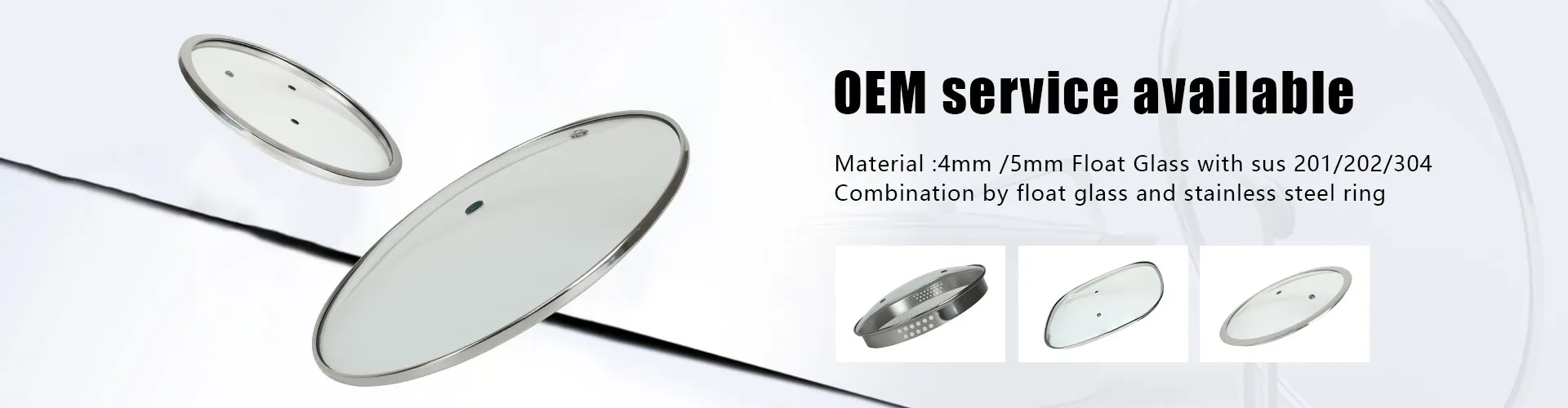
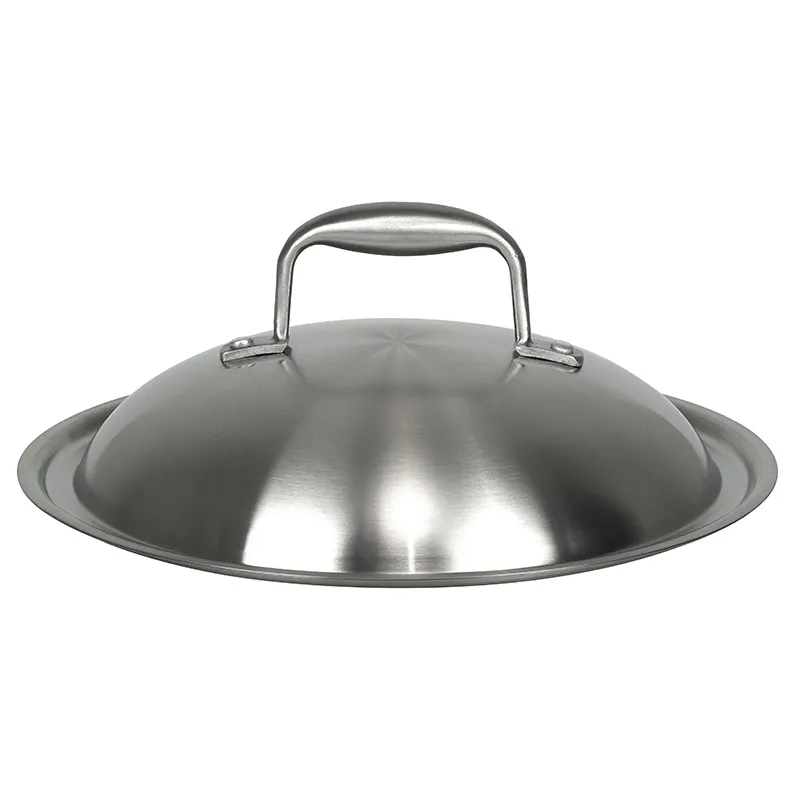
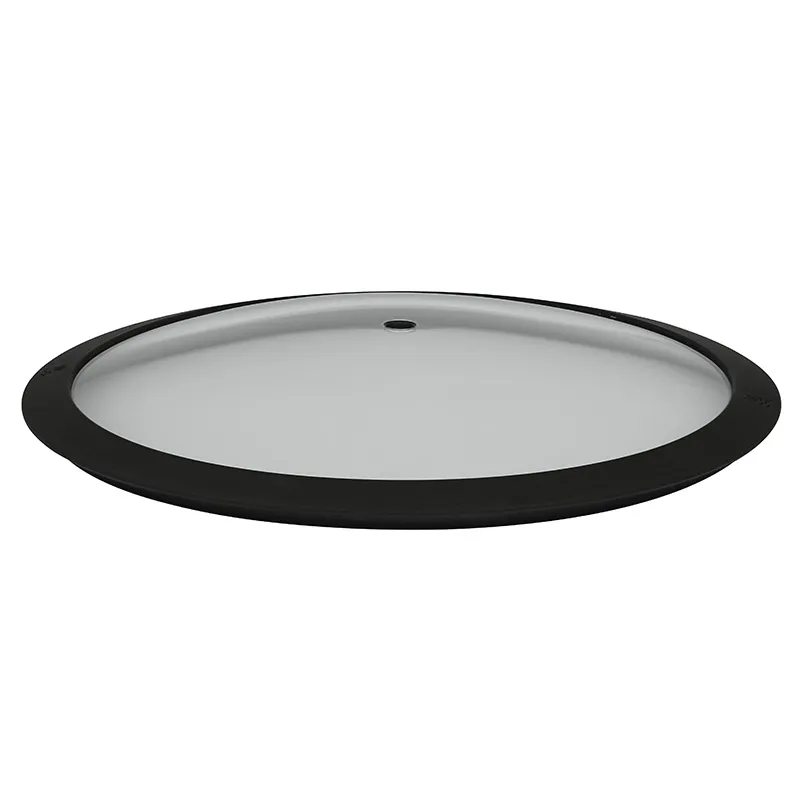
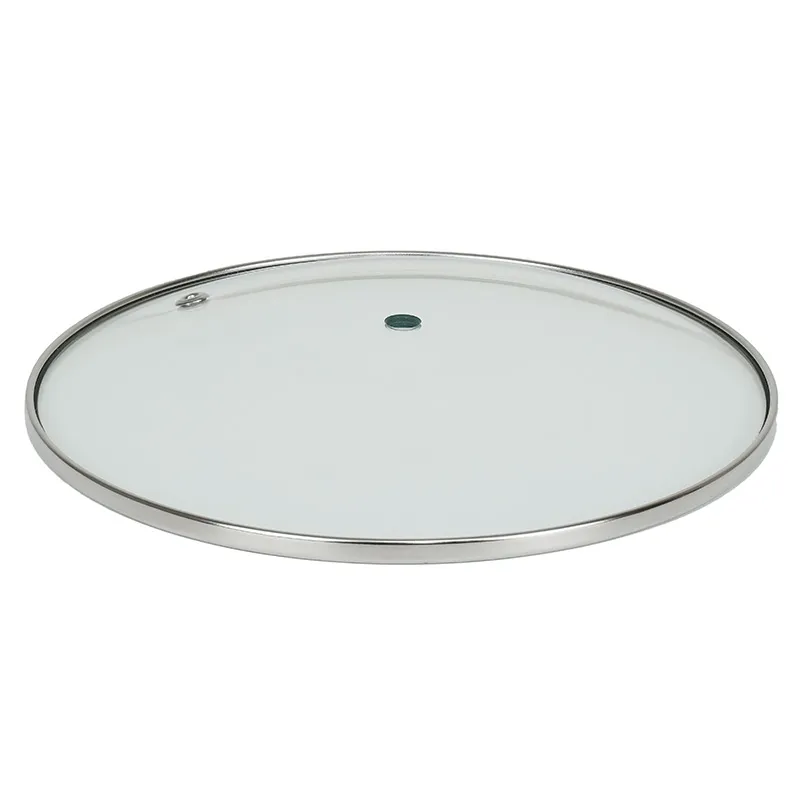
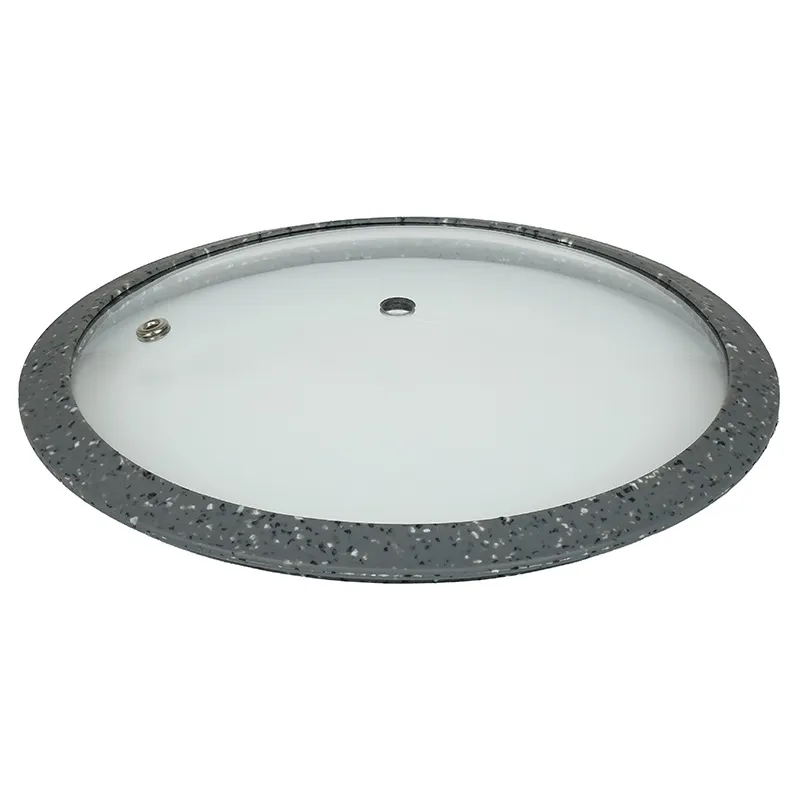
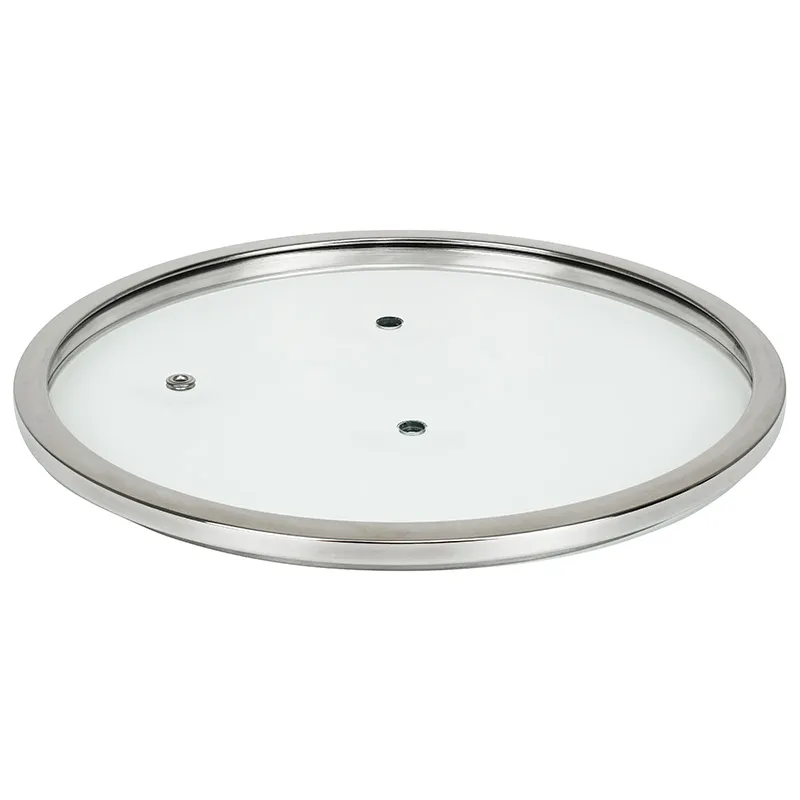
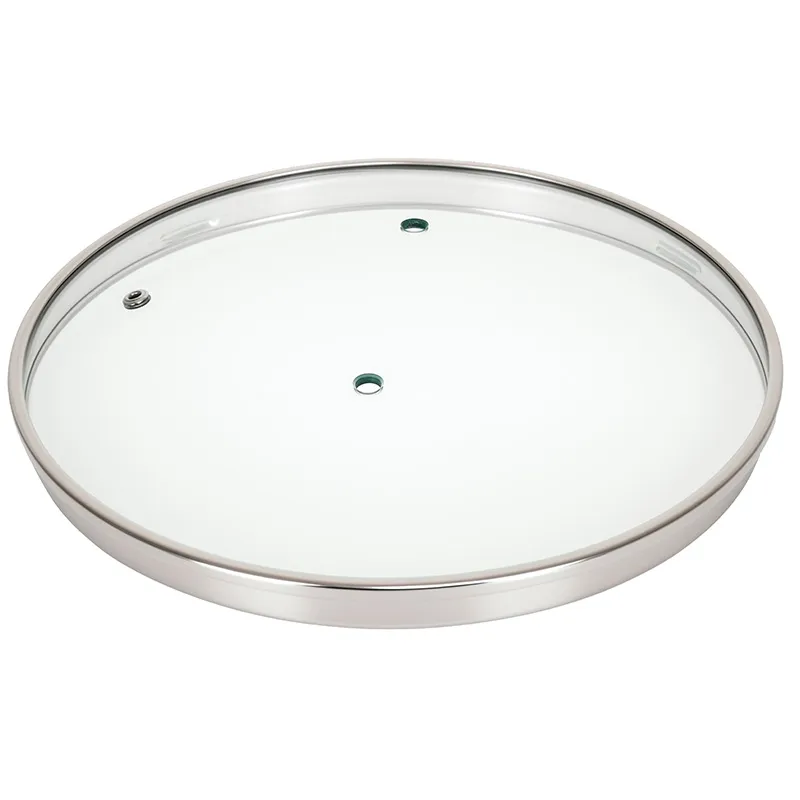
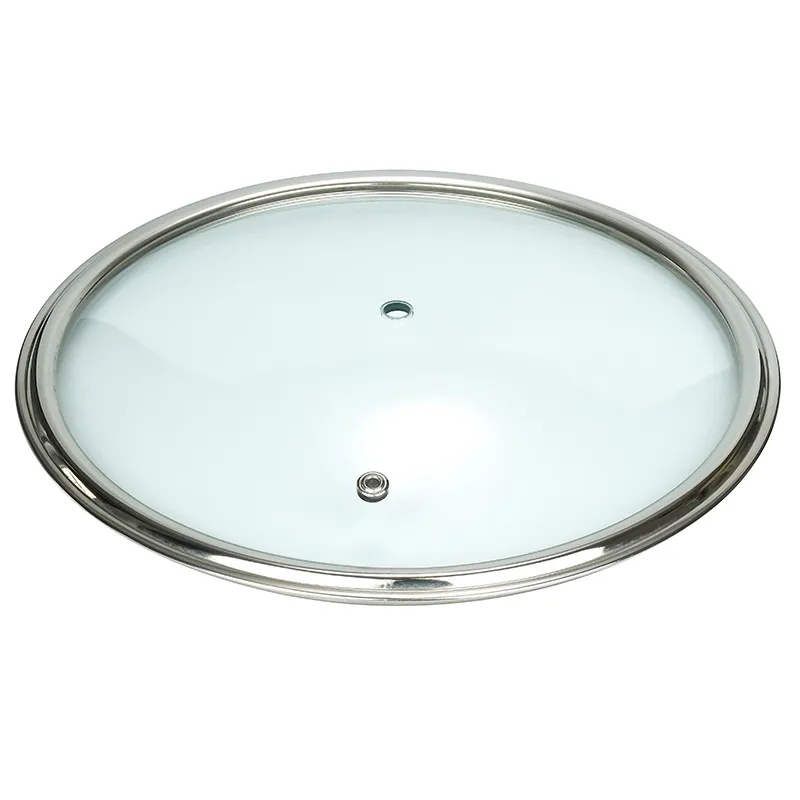
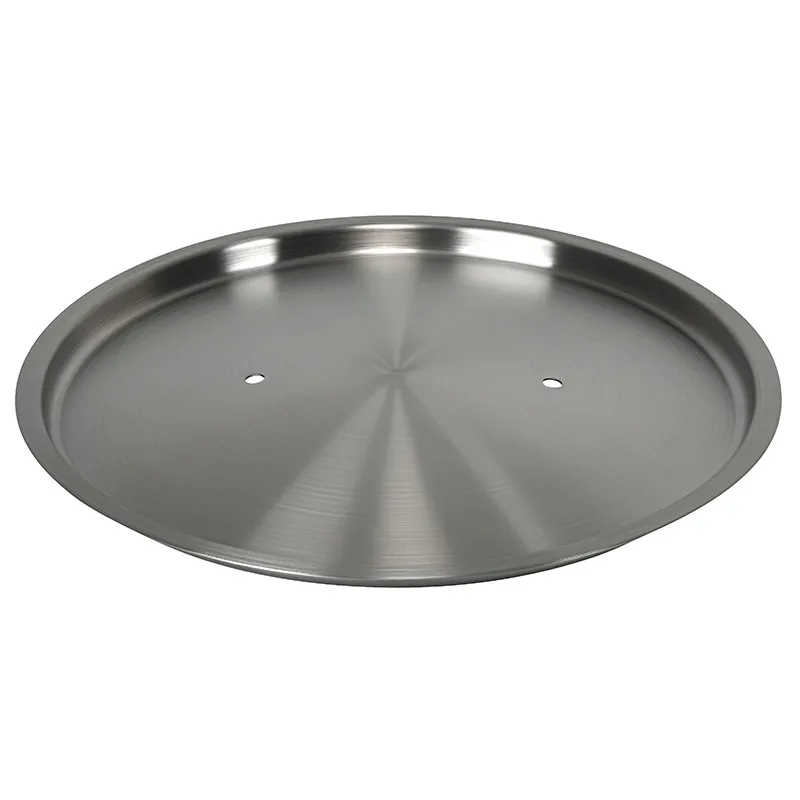
wide rim glass cover
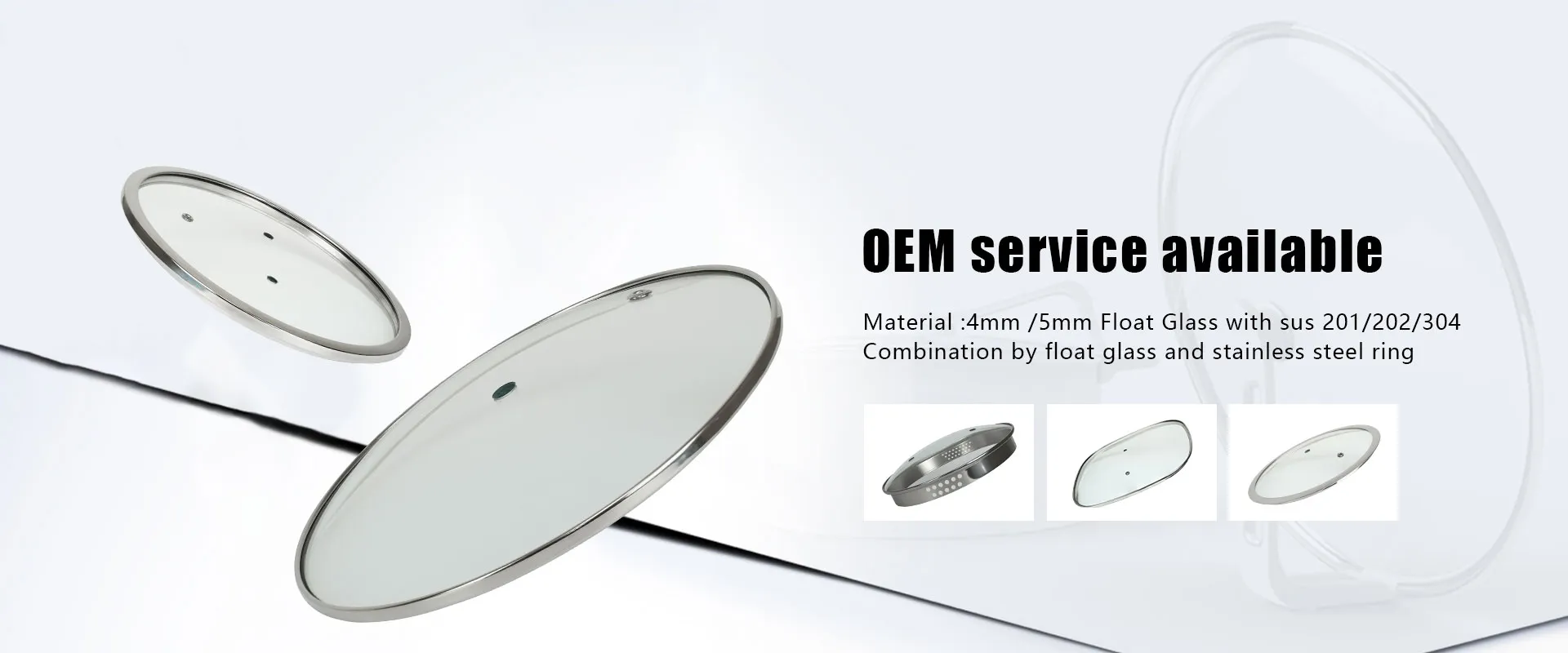
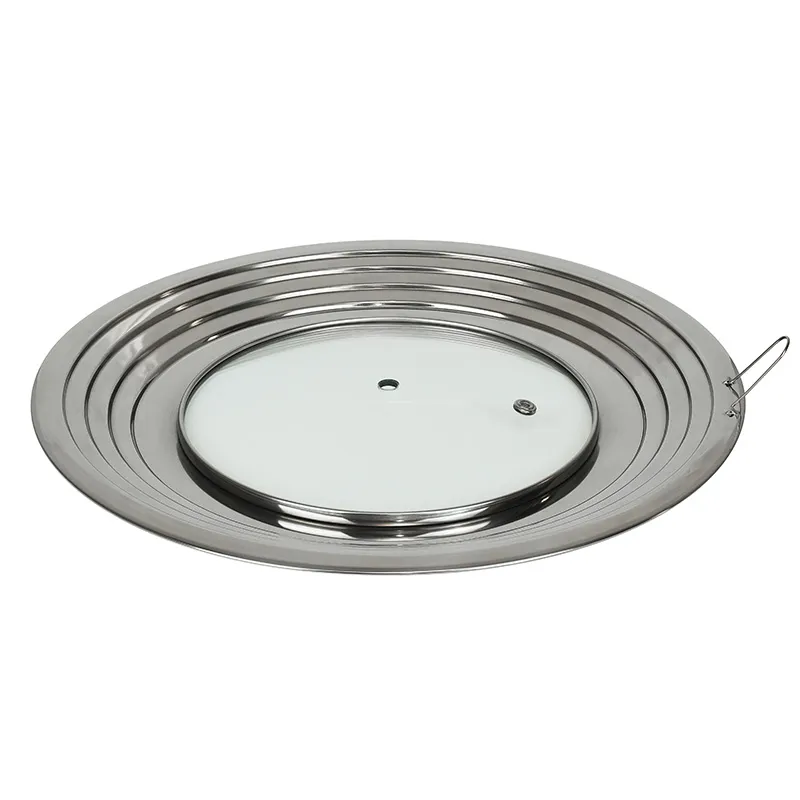
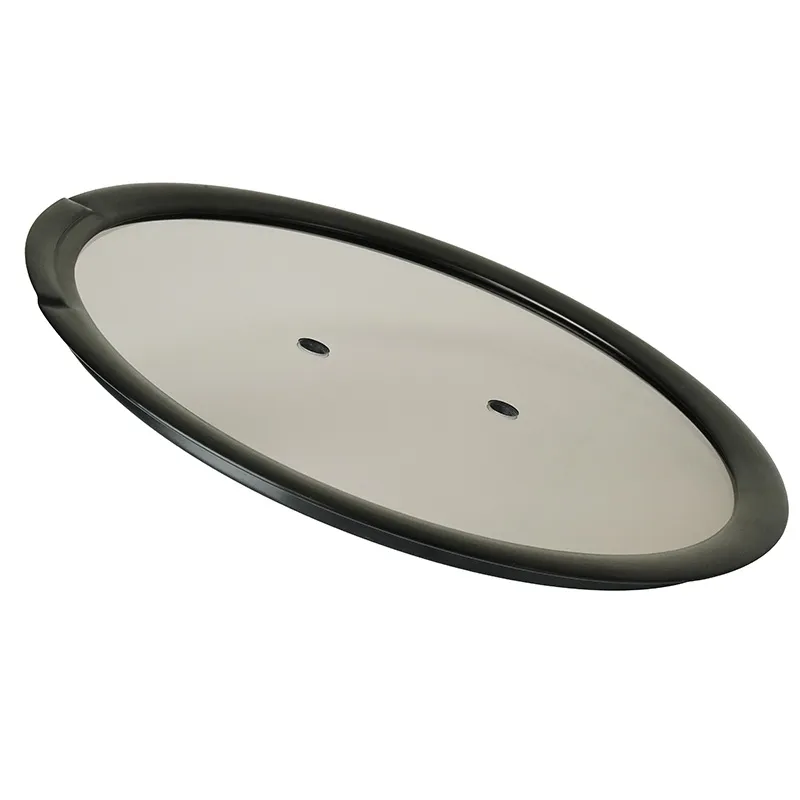
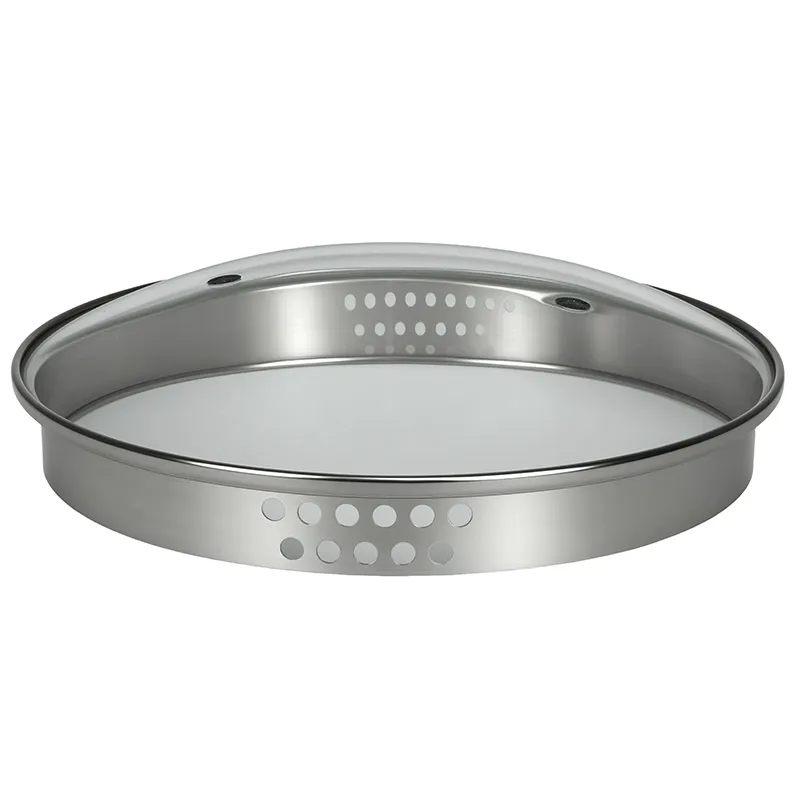
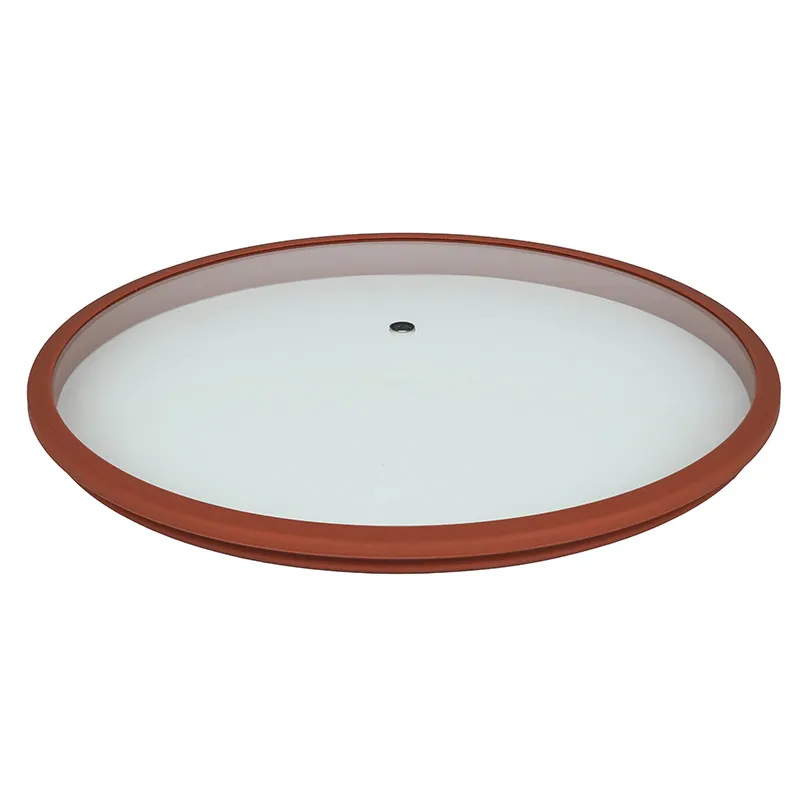
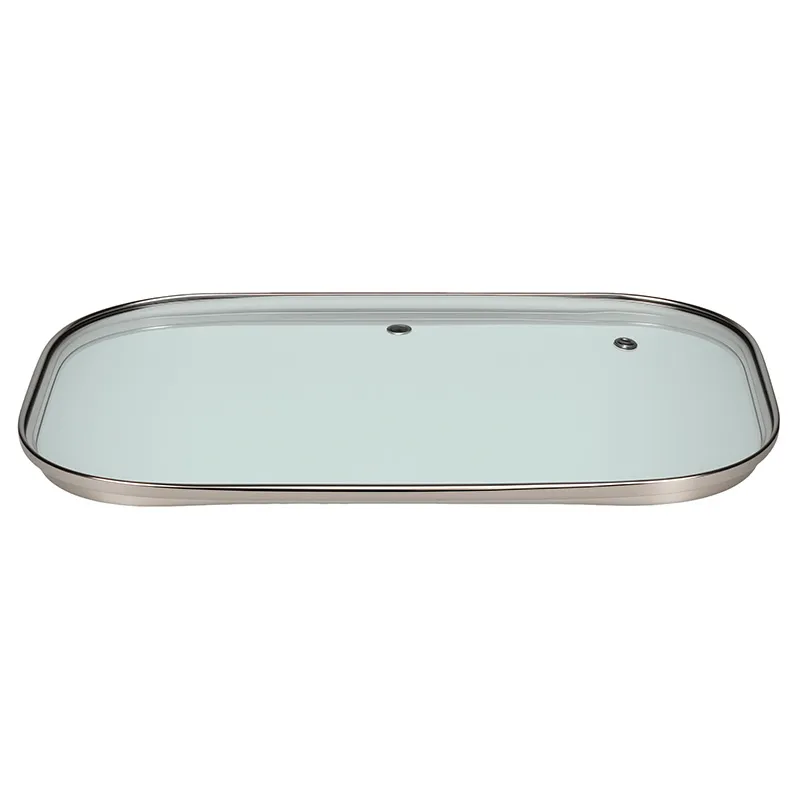
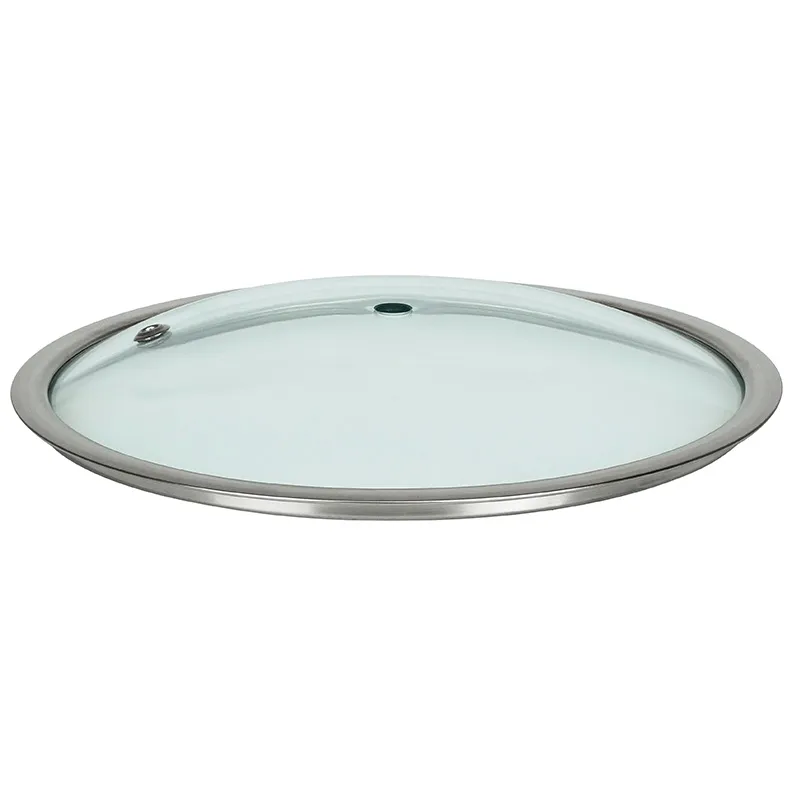
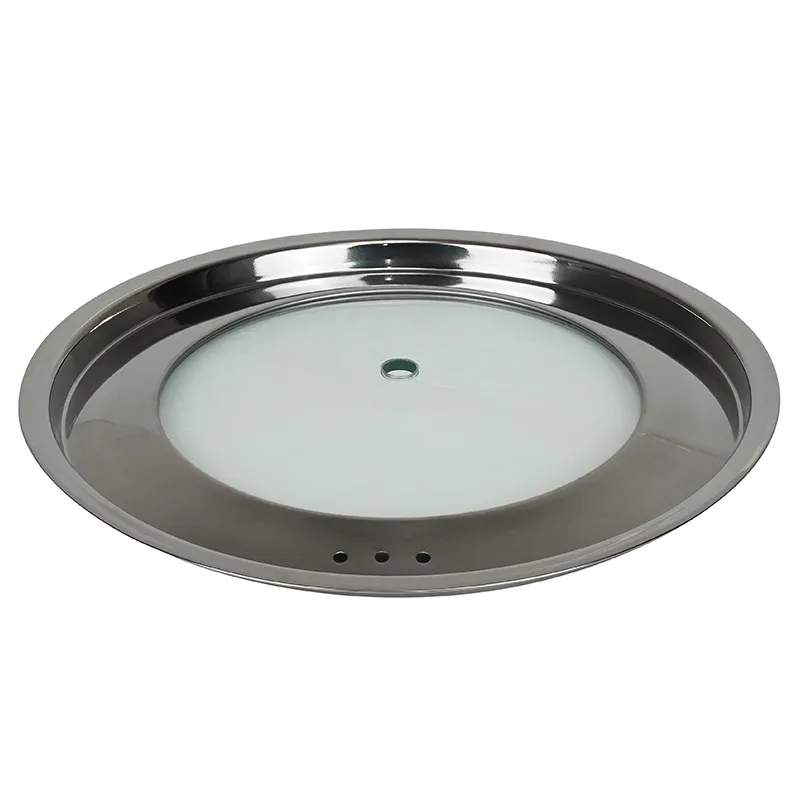
When you hear 'wide rim glass cover', most people picture a simple piece of tempered glass. The industry often treats it as a commodity item, focusing on price per piece. That's a fundamental mistake. The rim—the width, the bevel, the finish—is where the entire functionality and safety of the cover is decided. It's not just a lid; it's the interface between pot and kitchen environment.
The Rim is the Engine
I've seen too many designs fail because the rim was an afterthought. A true wide rim glass cover isn't defined by a measurement alone. It's about the structural lip that provides a stable, overlapping seat on the cookware. Too narrow, and steam pressure can lift it unevenly, causing that annoying 'chatter' and spillage. Too wide or poorly beveled, and it becomes difficult to handle or clean. The sweet spot is a rim wide enough to distribute weight and create a seal, yet tapered for easy grip. Companies that get this, like EUR-ASIA COOKWARE CO.,LTD, build their production around this nuance. Their export volume to European markets suggests they've nailed the tolerance specs that matter for high-end cookware sets.
Material choice for the rim's edge is critical. Polished smooth? Fire-polished? Ground and seamed? Each has trade-offs. A perfectly fire-polished edge on a wide rim looks premium and feels safe, but it's a more delicate process—any inconsistency in the tempering oven can cause micro-fractures. A ground edge is more consistent and durable but lacks that 'luxury' feel. For their mass production output—15 million pieces annually—a company must choose a process that balances quality with yield. I'd guess their line uses automated grinding for consistency, then a secondary fire-polish pass for key product lines. It's the only way to hit those numbers for markets like Germany and Japan, where finish is non-negotiable.
Then there's the thermal expansion differential. Glass and metal (the pot) expand at different rates. A rigid, flat rim will stress and crack. The rim design must accommodate this flex. Some try a full silicone gasket, which solves the seal but is a nightmare for dishwasher safety and degrades. The better solution is a calculated 'play'—the rim's inner contour isn't flat; it has a slight convex curve. This allows for micro-movement without breaking the seal. It's a detail you only learn from field failures. I recall a batch for the Brazilian market where covers kept shattering on cast iron pots. Diagnosis? The rim design was too rigid for the high thermal mass of local cookware. A costly lesson in regional adaptation.
Production Realities and Compromises
Visiting a factory floor like the one EUR-ASIA COOKWARE operates in Taian reveals the challenges. Tempering 15 million glass covers a year isn't just about running glass through an oven. The wide rim complicates everything. During cutting, the outer and inner circles must be perfectly concentric. Any offset means the rim width varies, leading to balance issues. Their 20,000㎡ facility likely uses CNC cutting for this precision, but even then, glass grain can cause minute deviations.
The tempering process itself is where most defects appear. The rim, being the thickest part (if it's a true, robust rim), heats and cools at a different rate than the center panel. If the quench air jets aren't calibrated for this differential, you get tension points. This often manifests as spontaneous breakage weeks later—a distributor's nightmare. A high-tech zone location suggests they might have invested in zone-controlled tempering ovens, which are essential for a product where the rim is the critical stress-bearing component.
Logistics is an unsung hero. A wide rim glass cover is fragile and bulky. Stacking them for shipment without scratching or chipping the rim requires custom spacers. The fact that over 90% of their output is exported tells me their packaging solution is robust. It's not glamorous, but the cost of a container load of broken lids due to poor packaging can wipe out a quarter's profit. You develop a paranoia about corner protectors and foam density.
The Handle Question: An Unsolved Dilemma?
No discussion of the cover is complete without the handle. It's attached to the rim area, the point of highest stress during handling. The common methods—screw-on metal knobs, bonded phenolic, or silicone—all have failure modes. Screws create stress concentration points. Bonded handles can detach in the dishwasher. The trend now is towards one-piece, over-molded silicone handles that grip the rim. It's elegant but requires the rim to have undercuts or textures for the silicone to bond to, which adds cutting complexity. For a producer serving diverse markets, they likely offer all types, as handle preference varies wildly from Italy (stainless steel) to Korea (heat-resistant plastic).
We tried an integrated glass handle once—a loop formed from the same tempered piece. It looked stunning, pure and minimalist. It failed spectacularly in testing. The thermal shock from moving from a hot pot to a cold granite countertop would crack it at the base. The rim, already a complex thermal mass, couldn't handle the additional stress of an integral handle. Sometimes, the simplest solution—a separate, well-designed knob—is best. It's a lesson in not over-engineering.
Market Specificity: One Size Does Not Fit All
The specs for a cover destined for Denmark are not the same as for Brazil. Northern European kitchens often use induction tops with precise, flat-bottomed pots. Their required rim flatness tolerance is under 0.5mm. In Mediterranean or South American markets, where gas cooking and uneven, heavy-bottomed pots are common, the rim needs more forgiveness—a slightly softer bevel to accommodate warped pot edges. A producer like EUR-ASIA, supplying to 12+ countries, must have a modular design system. The base glass cut might be the same, but the rim finishing (the grinding angle, the polish) and even the tempering curve are likely adjusted per market order. This isn't in catalogs; it's in the production manager's run sheets.
This is where the low- medium- high level in their company description becomes real. The high-level product isn't just better glass; it's about these invisible tolerances, the rim finish, and the packaging. The low-level might use the same base glass but with a simpler, narrower rim and a standard tempering cycle for faster, cheaper output. It's all about matching the product tier to the price point and use-case of the target market.
Looking at their export list—Germany, Switzerland, Japan—these are markets with high consumer standards and strict retailer QC. To survive there, your wide rim cover must perform flawlessly for years. It builds a reputation. The fact they've maintained this export mix suggests their core competency is in that mid-to-high range where the rim engineering matters. The volume to Poland or Turkey might be the more price-sensitive, standardized lines that keep the furnaces running.
Closing the Loop on the Rim
So, when evaluating a wide rim glass cover, don't just look through the glass. Pick it up. Run your finger around the rim. Feel its width, its smoothness, its consistency. Look at the bevel from the side. Is it uniform? Place it on a flat surface. Does it rock? That rim is the product's backbone. It determines safety, silence, longevity, and user satisfaction. The companies that thrive, the ones that become OEM suppliers to European brands, are those that treat the rim not as an edge, but as the primary functional component. The production scale and export footprint of a specialist like EUR-ASIA COOKWARE are a testament to getting these gritty, unglamorous details right, batch after batch. It's what separates a commodity lid from a kitchen essential.
Related Products
Related Products