- Chinese
- French
- German
- Portuguese
- Spanish
- Russian
- Japanese
- Korean
- Arabic
- Irish
- Greek
- Turkish
- Italian
- Danish
- Romanian
- Indonesian
- Czech
- Afrikaans
- Swedish
- Polish
- Basque
- Catalan
- Esperanto
- Hindi
- Lao
- Albanian
- Amharic
- Armenian
- Azerbaijani
- Belarusian
- Bengali
- Bosnian
- Bulgarian
- Cebuano
- Chichewa
- Corsican
- Croatian
- Dutch
- Estonian
- Filipino
- Finnish
- Frisian
- Galician
- Georgian
- Gujarati
- Haitian
- Hausa
- Hawaiian
- Hebrew
- Hmong
- Hungarian
- Icelandic
- Igbo
- Javanese
- Kannada
- Kazakh
- Khmer
- Kurdish
- Kyrgyz
- Latin
- Latvian
- Lithuanian
- Luxembou..
- Macedonian
- Malagasy
- Malay
- Malayalam
- Maltese
- Maori
- Marathi
- Mongolian
- Burmese
- Nepali
- Norwegian
- Pashto
- Persian
- Punjabi
- Serbian
- Sesotho
- Sinhala
- Slovak
- Slovenian
- Somali
- Samoan
- Scots Gaelic
- Shona
- Sindhi
- Sundanese
- Swahili
- Tajik
- Tamil
- Telugu
- Thai
- Ukrainian
- Urdu
- Uzbek
- Vietnamese
- Welsh
- Xhosa
- Yiddish
- Yoruba
- Zulu
- Kinyarwanda
- Tatar
- Oriya
- Turkmen
- Uyghur


wine glass with lid
When you first hear 'wine glass with lid,' the reaction in our corner of the glassware trade is often a mix of curiosity and immediate skepticism. The classic purist argument is straightforward: why would you ever cover a wine glass? It defeats the purpose of swirling and nosing the wine. But that's a retail consumer's view, maybe a sommelier's. In the actual logistics of manufacturing, shipping, and real-world use outside a restaurant, the request isn't so bizarre. It speaks to a need for portability, spill prevention, and maybe even a certain style of outdoor entertaining that the traditional stemware world ignores. I've seen this product category evolve from a novelty to a staple for specific exporters.
Bridging the Gap Between Concept and Factory Floor
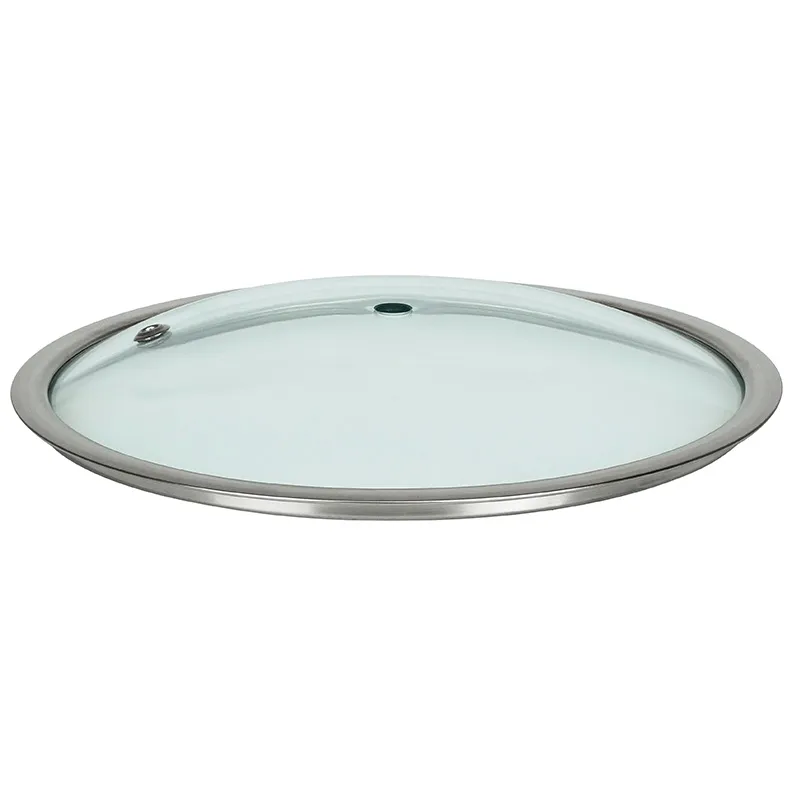
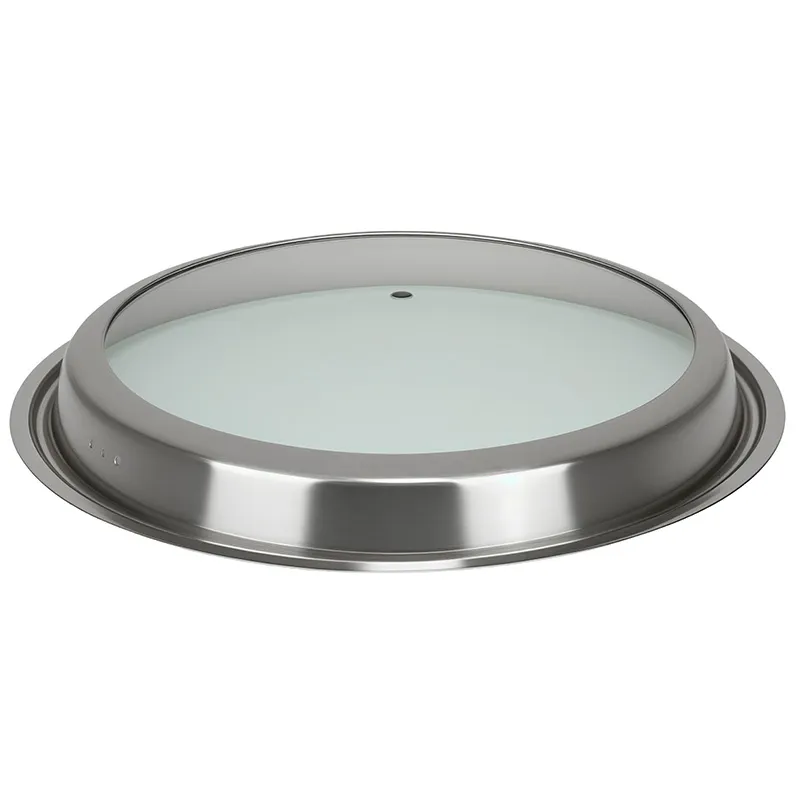
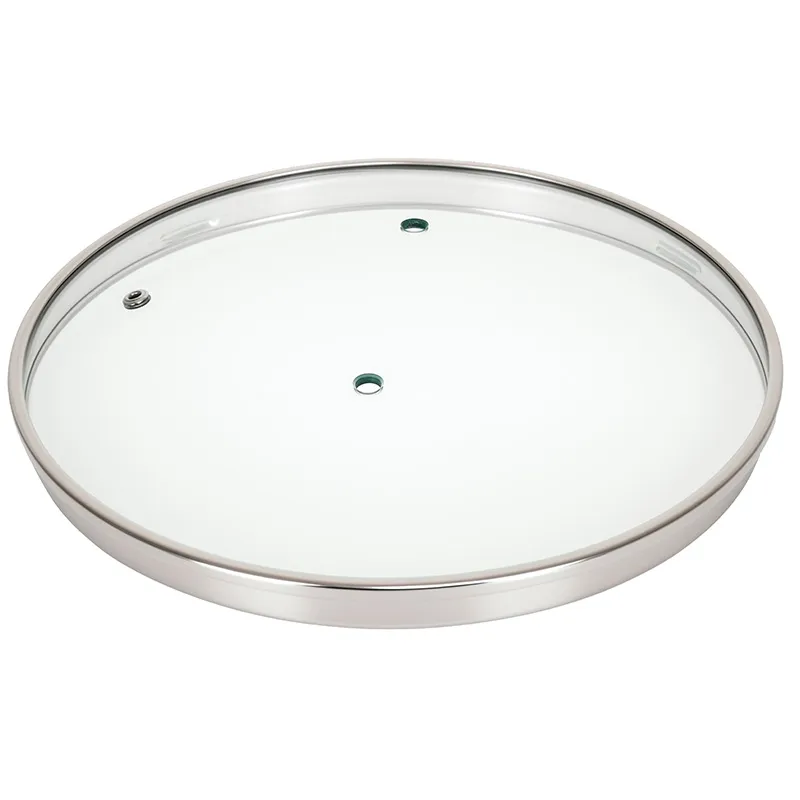
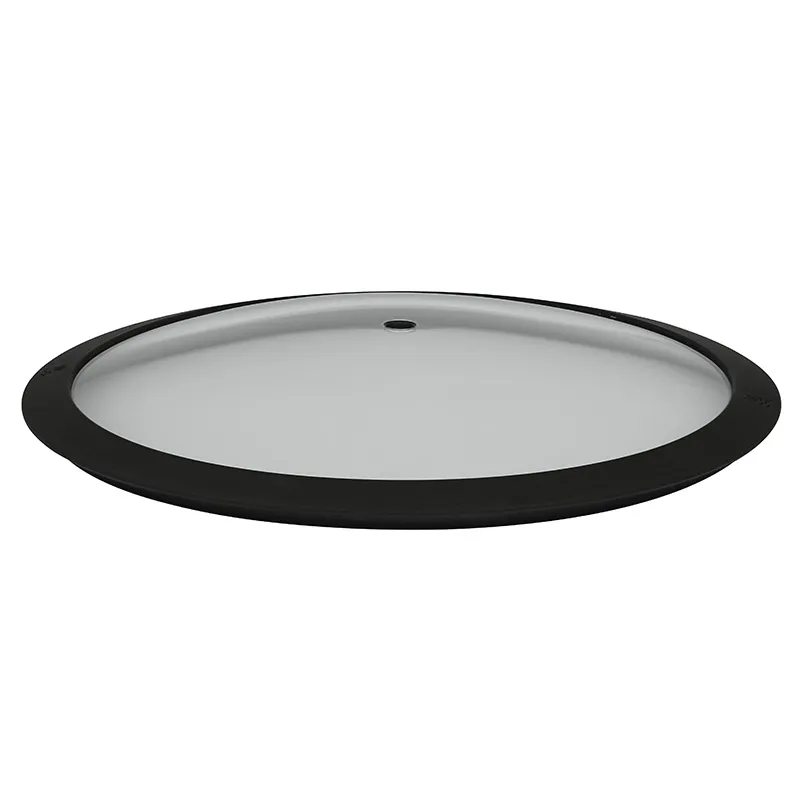
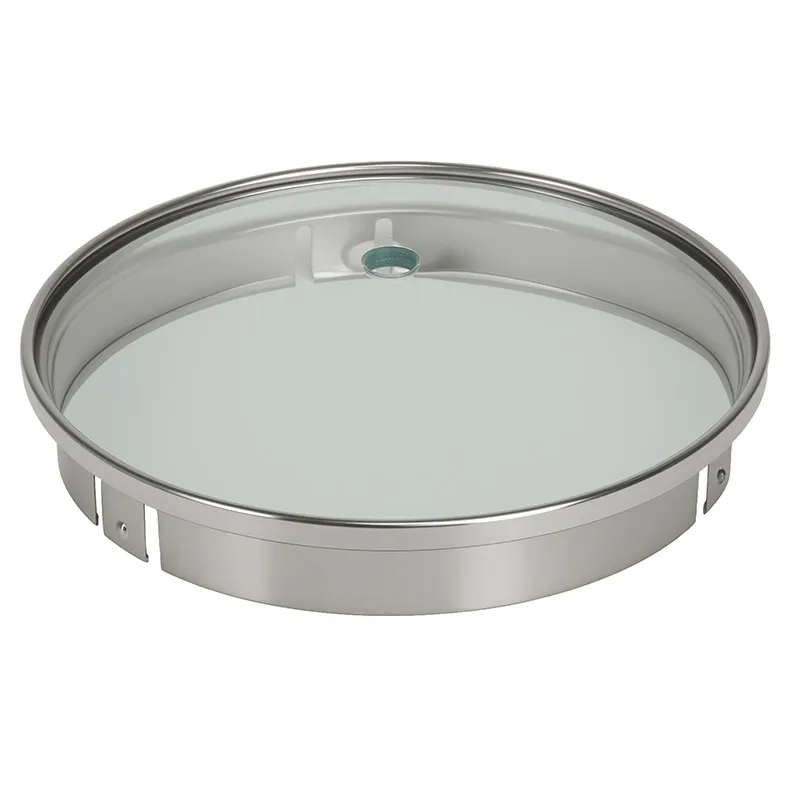
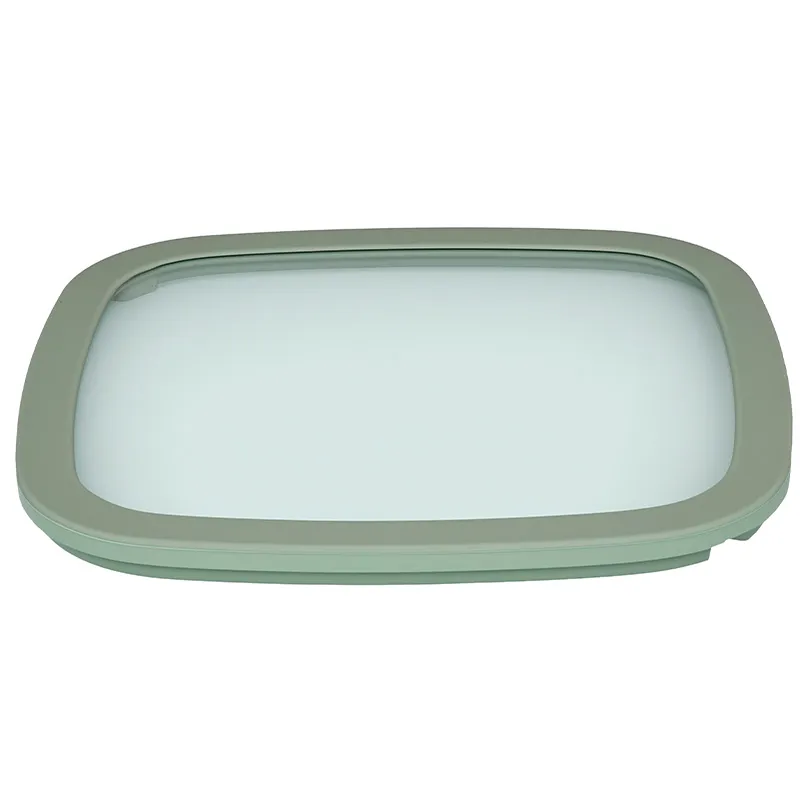
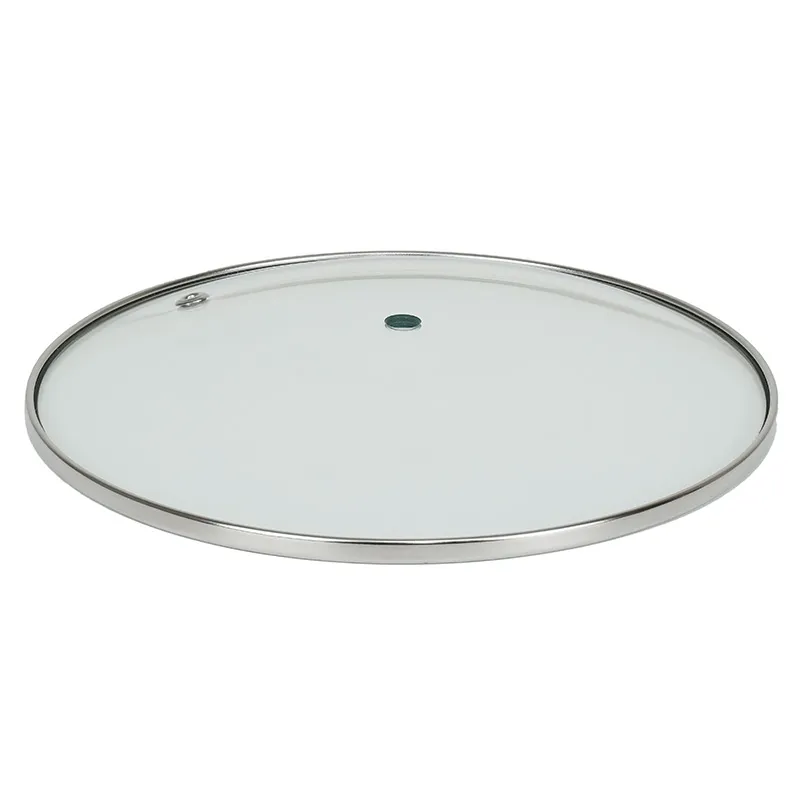
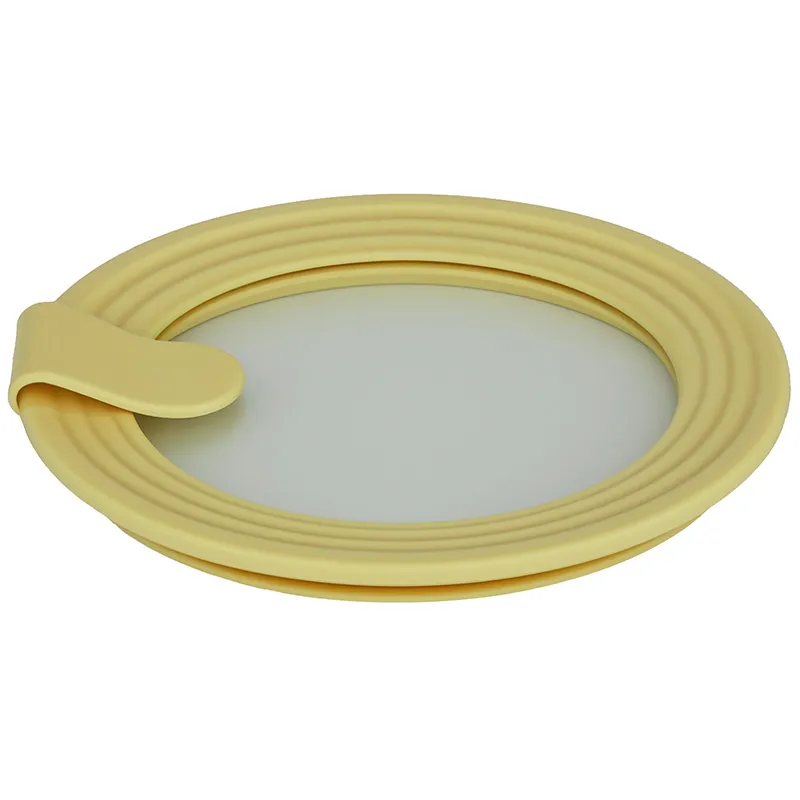
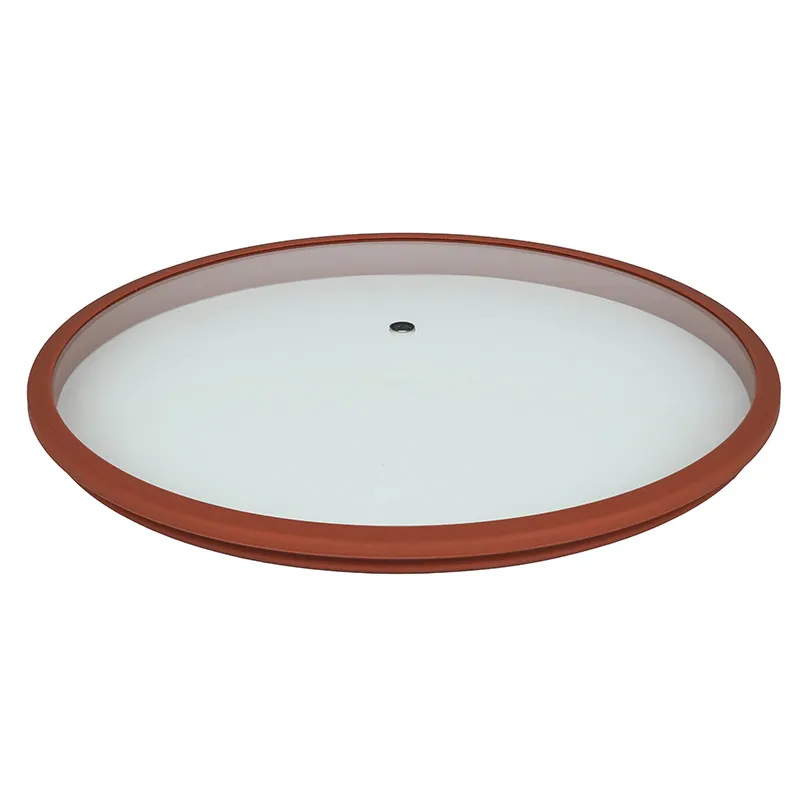
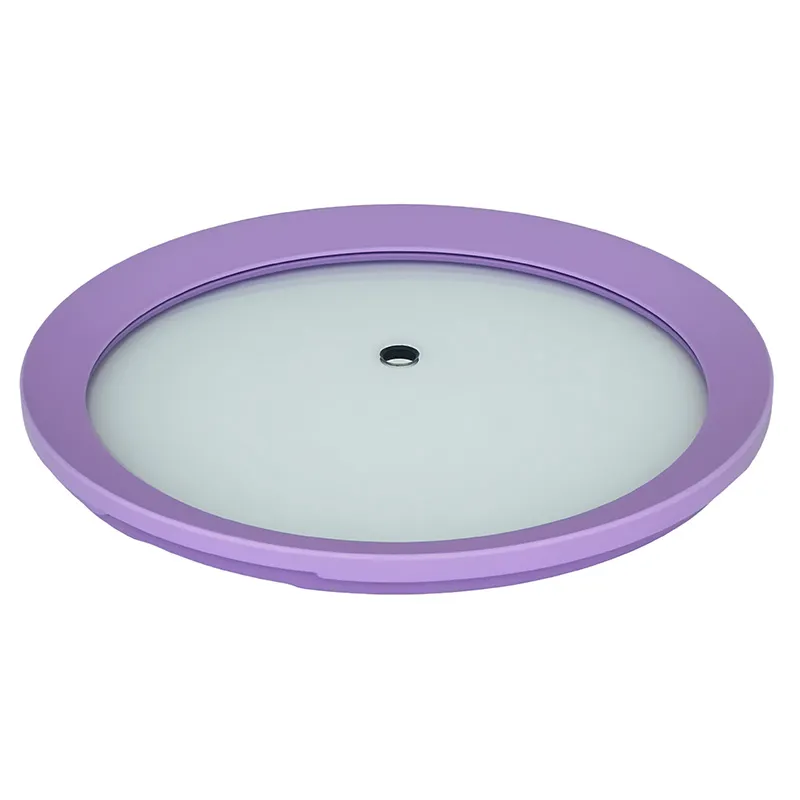
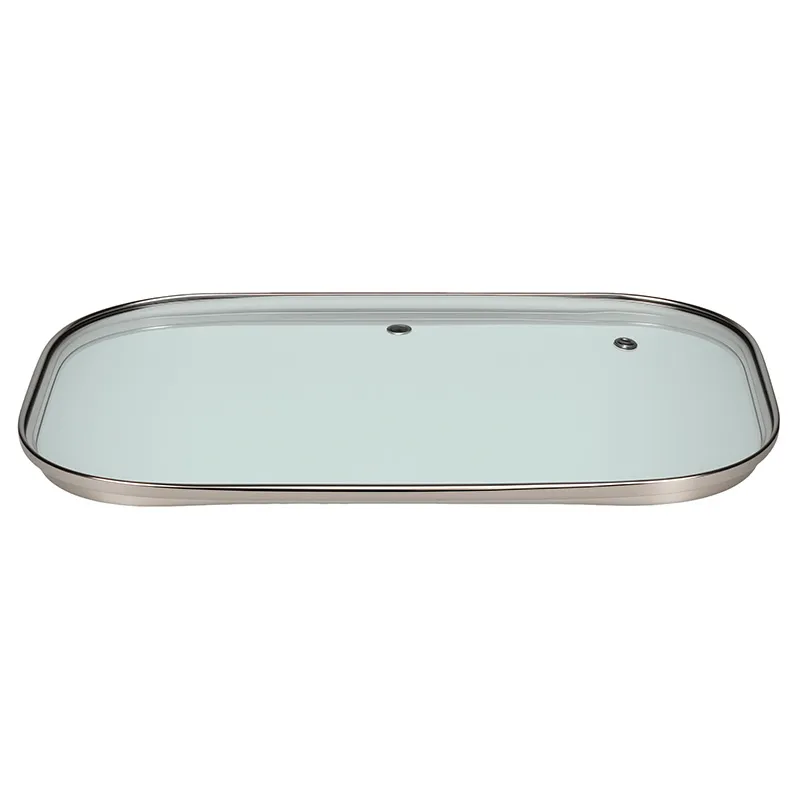
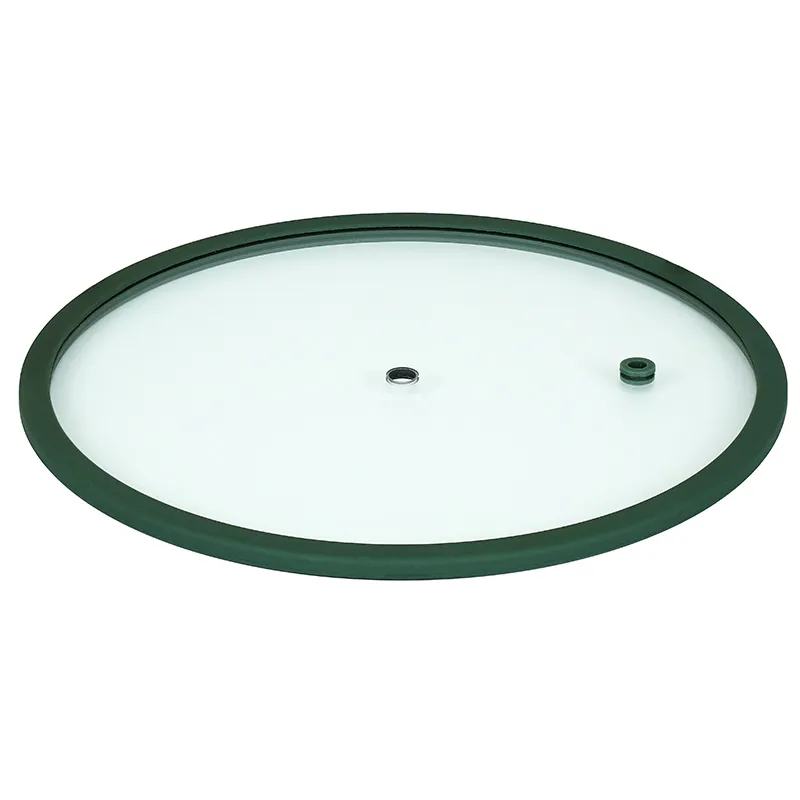
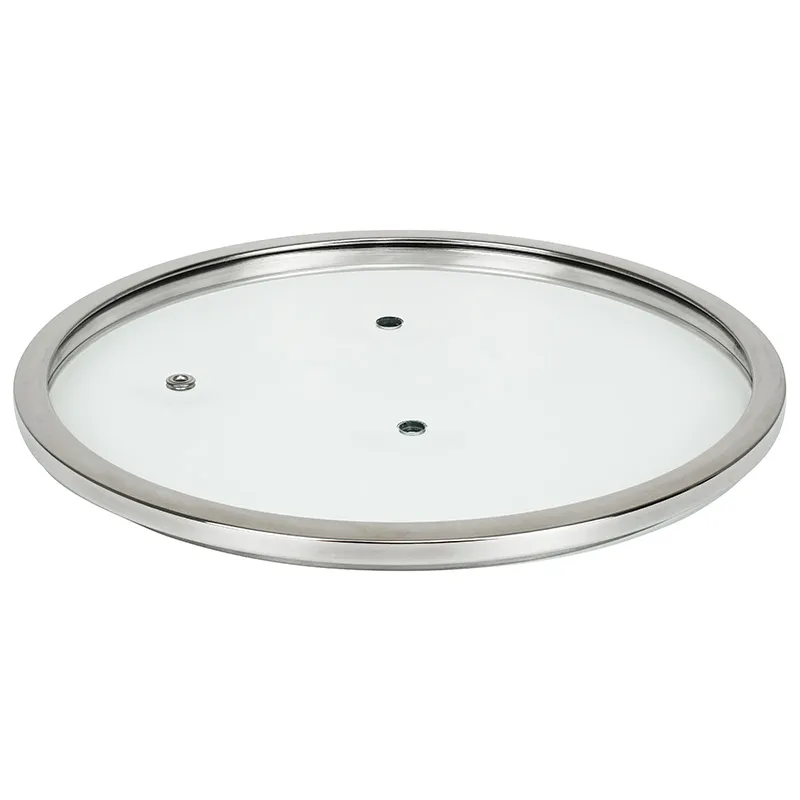
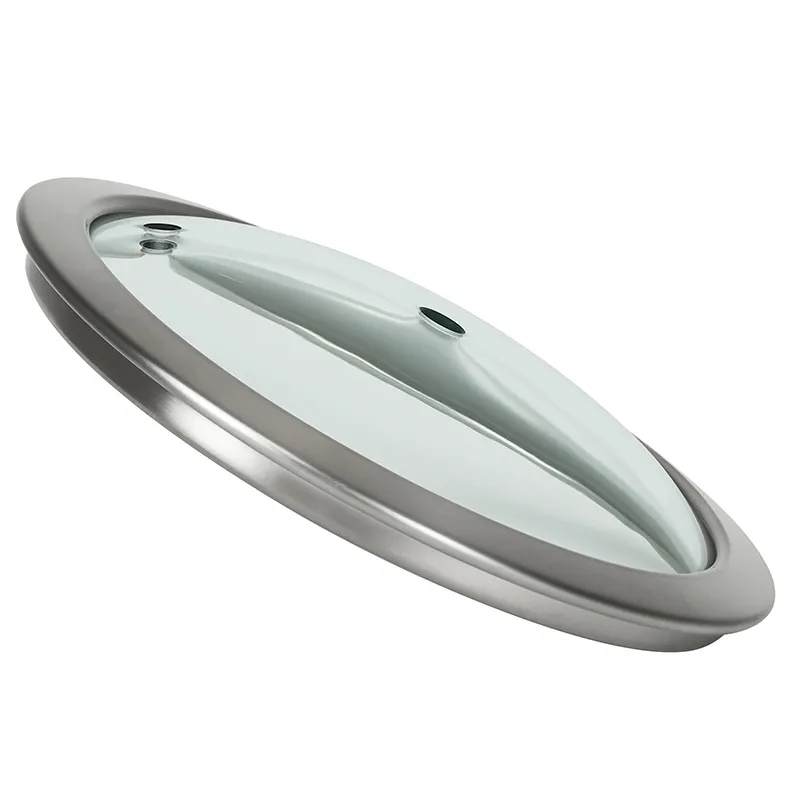
The initial challenge was never the glass itself. Tempering borosilicate glass into a decent wine glass shape is standard procedure for factories like the one run by EUR-ASIA COOKWARE CO.,LTD. in Taian. The real puzzle was the lid. It couldn't just be a flat disc; it needed a seal good enough to prevent leaks in a lunch bag, but not so airtight it created a vacuum. We also had to consider the material. Silicone was the obvious candidate for the gasket, but early prototypes where the entire lid was silicone felt cheap and warped in dishwasher heat. The solution, which seems obvious now, was a hybrid: a tempered glass lid with a thin, food-grade silicone ring fused to the underside. This gave it the heft and clarity to match the glass, while the silicone provided the flex for a snug fit. Getting the curvature of that silicone ring just right took three production batches to perfect.
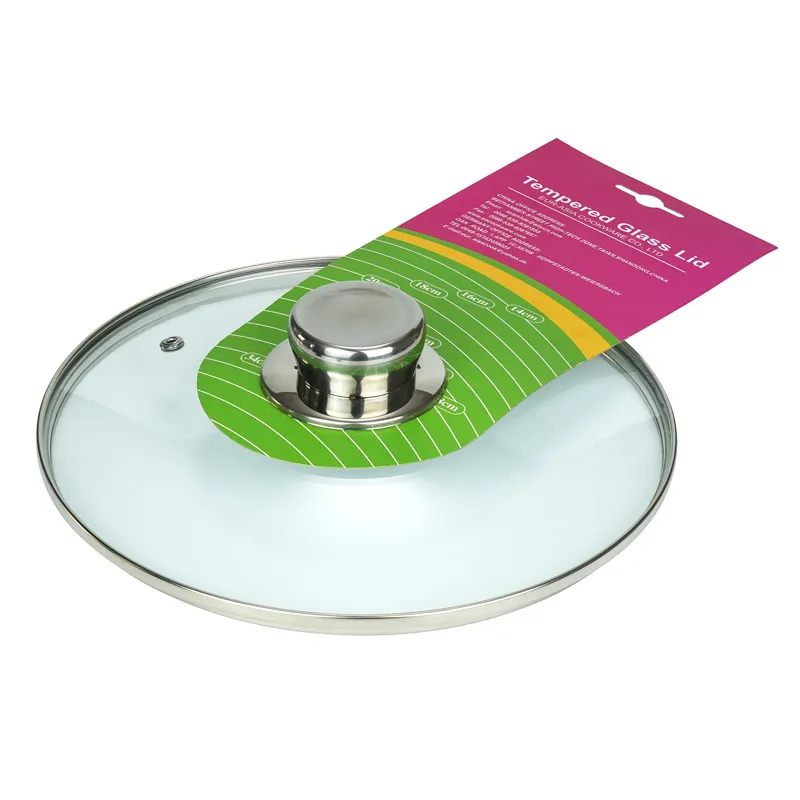
Then there was the lid's resting state. Should it sit flush? Should it have a knob? A flat glass lid is slippery when wet. We experimented with a small, blown-glass knob, but it increased breakage rates during transport and added cost. The compromise was a subtle, fire-polished dimple on top of the lid—enough of a grip for fingers, but not a protrusion that would snag. It's these minutiae that consume weeks in a product manager's life. You can see this evolution in the catalog of a specialist like EUR-ASIA COOKWARE CO.,LTD.; their progression from simple covered jars to more nuanced items like a wine glass with lid shows a practical understanding of these hybrid form factors.
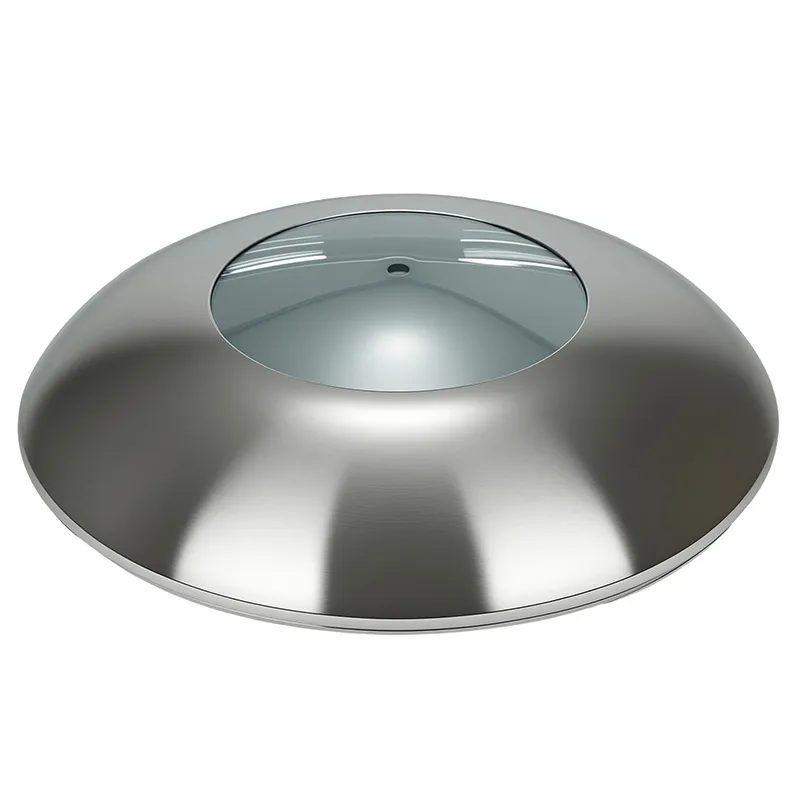
One failed attempt I recall vividly was trying to incorporate a stainless steel clip-on lid. The theory was it would look more premium. In practice, the metal scratched the glass rim over repeated use, created a tinny sound, and the thermal contraction rate difference meant the seal failed if you put a cold glass into warm water. We scrapped 5,000 units. It was a lesson in material compatibility that isn't in any textbook.
The Real-World Use Case: Beyond the Gimmick
So who actually uses these? The data from exporters is clear. It's not for decanting a '82 Bordeaux. The primary markets are for portable, adult-centric picnics, boating, and poolside use. In Southern European markets, there's a demand for them in casual beachfront bars. Another significant, and often overlooked, segment is home users who want to prevent fruit flies or slow down oxidation when they don't finish a bottle. They'll pour a glass, cover it, and put it in the fridge. It's a utilitarian approach to wine that the industry sometimes sniffs at, but it's a genuine daily behavior.
Durability in this context is key. A wine glass with lid isn't just a glass; it's a sealed system. We had to increase the tempering specification slightly for the lid to withstand the pressure changes of being tossed in a cooler and the inevitable bumps. The base glass also tends to be slightly thicker-walled than a fine crystal glass, trading some elegance for resilience. This is where a manufacturer's capability matters. A facility with an annual output of 15 million tempered glass lids, like the one in Shandong, has the process control to make this shift reliably without making the product feel like a lab beaker.
I remember a complaint from a distributor in Switzerland. Customers were putting the sealed glass in a dishwasher, and the lid would sometimes pop off violently during the dry cycle due to trapped steam. It wasn't a breakage issue, but it was alarming. The fix wasn't to redesign the lid, but to add a simple pictogram on the packaging: Remove lid before dishwasher cycle. Sometimes the solution is in communication, not engineering.
Material Sourcing and the Supply Chain Reality
For a product that seems simple, the supply chain is deceptively complex. You need high-quality glass rod stock, food-grade silicone compounds, packaging that protects both components together, and molds for the lid that are precise to a tenth of a millimeter. A disruption in any one element halts the line. Companies embedded in manufacturing hubs, like EUR-ASIA in China's National High-tech Development Zone, have an advantage here. Their proximity to material suppliers and their vertical control over processes from cutting to tempering to packaging (glass-lid.com details this integrated approach) let them iterate quickly and maintain consistency for large orders.
The silicone ring is a perfect example. It's a tiny component, but its durometer (hardness) directly affects the seal and the peel-off effort for the user. Source it from a new vendor to save half a cent, and you risk the entire batch being too tight or too loose. We learned to stockpile a six-month supply of certified compound once the formula was right. This isn't glamorous work, but it's what separates a product that gets one order from one that becomes a repeat line item for retailers in Germany or Japan.
Export logistics also shape the product. A pallet of these glasses, with their separate lids, needs packaging that prevents not just breakage, but also the lids and glasses from grinding against each other. We moved from simple cardboard dividers to a PET plastic clam-shell insert for the higher-end lines. It added cost, but reduced transit damage claims by over 70%. That's a tangible business decision born from seeing too many crushed lids at a warehouse in Rotterdam.
Aesthetic Tensions and Market Fit
There's an inherent tension in designing a wine glass with lid. How do you make it look like it belongs at a stylish gathering while still fulfilling its practical, almost rugged, role? The trend we've seen from European buyers is toward cleaner lines. No ornate etching on the glass, as it weakens the structure. Instead, the elegance comes from the clarity of the glass and the precision of the lid's fit. A perfectly flush, seamless join when closed is the visual hallmark of quality. It whispers purposeful design, not afterthought.
Color is another interesting frontier. While clear remains dominant, we're getting more requests for subtly tinted glasses—smoked grey or soft green—with matching tinted lids. This is almost purely for aesthetic cohesion in outdoor settings. It's a detail that shows the category is maturing beyond pure function. However, it introduces production complexity, as the glass and lid must be fired in the same batch to guarantee a perfect color match. This is where a factory's scale and process control, like having 15,000㎡ of building area dedicated to production, allows them to offer these customizations without exorbitant cost.
The biggest misconception we combat is that this product is a sealed tumbler. It's not. The seal is for spills and bugs, not for creating a vacuum for carbonated drinks. Marketing it incorrectly leads to disappointed customers. The description must be precise: spill-resistant not leak-proof. Honesty in specs builds longer-term trust, especially with B2B clients who are supplying to major retail chains in France or Brazil.
Conclusion: A Niche Validated by Practice
In the end, the wine glass with lid isn't for everyone. It exists in a specific niche born from modern, mobile lifestyles and a pragmatic approach to wine consumption. Its success hinges on nailing a dozen small, unglamorous details: the silicone durometer, the lid dimple's height, the packaging insert, the dishwasher warning label. Watching this product line grow from a speculative sketch to a container-load export item for markets from Poland to South Korea has been a lesson in applied material science and market listening. It’s not about reinventing the wine glass; it’s about adapting a classic form to the messy, unpredictable reality of how people actually live and entertain. And that, perhaps, is the most professional judgment of all: recognizing when a seeming contradiction in terms—like a covered wine glass—actually solves a real problem for a real person, somewhere. The continued production volume at specialized facilities is the only validation that matters.
Related Products
Related Products