
- English
- Chinese
- French
- German
- Portuguese
- Spanish
- Russian
- Japanese
- Korean
- Arabic
- Irish
- Greek
- Turkish
- Italian
- Danish
- Romanian
- Indonesian
- Czech
- Afrikaans
- Swedish
- Polish
- Basque
- Catalan
- Esperanto
- Hindi
- Lao
- Albanian
- Amharic
- Armenian
- Azerbaijani
- Belarusian
- Bengali
- Bosnian
- Bulgarian
- Cebuano
- Chichewa
- Corsican
- Croatian
- Dutch
- Estonian
- Filipino
- Finnish
- Frisian
- Galician
- Georgian
- Gujarati
- Haitian
- Hausa
- Hawaiian
- Hebrew
- Hmong
- Hungarian
- Icelandic
- Igbo
- Javanese
- Kannada
- Kazakh
- Khmer
- Kurdish
- Kyrgyz
- Latin
- Latvian
- Lithuanian
- Luxembou..
- Macedonian
- Malagasy
- Malay
- Malayalam
- Maltese
- Maori
- Marathi
- Mongolian
- Burmese
- Nepali
- Norwegian
- Pashto
- Persian
- Punjabi
- Serbian
- Sesotho
- Sinhala
- Slovak
- Slovenian
- Somali
- Samoan
- Scots Gaelic
- Shona
- Sindhi
- Sundanese
- Swahili
- Tajik
- Tamil
- Telugu
- Thai
- Ukrainian
- Urdu
- Uzbek
- Vietnamese
- Welsh
- Yiddish
- Yoruba
- Zulu
- Kinyarwanda
- Tatar
- Oriya
- Turkmen
- Uyghur


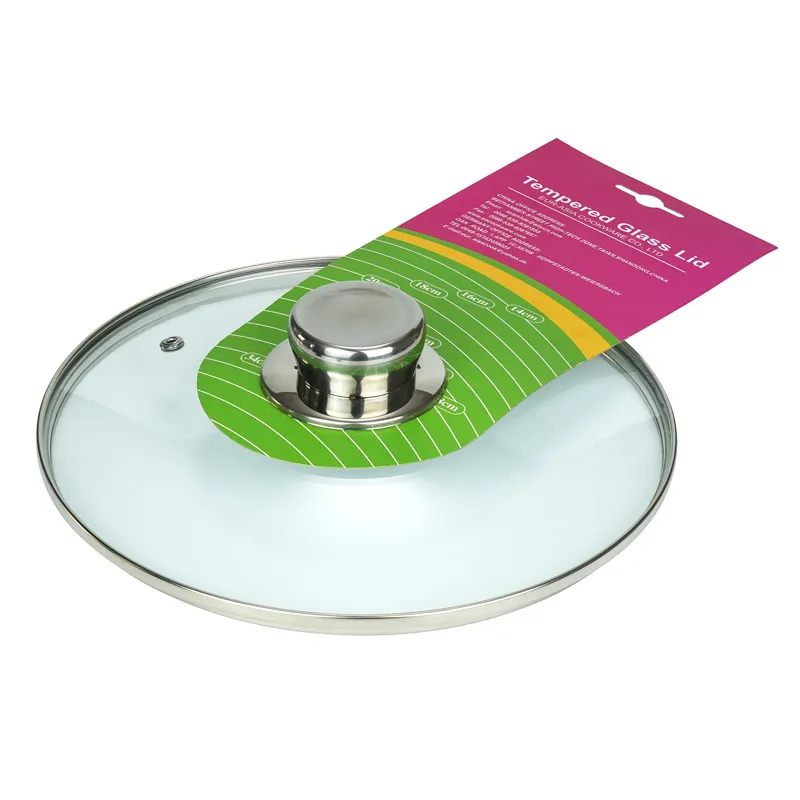
4mm ubukhulu beglasi isiciko
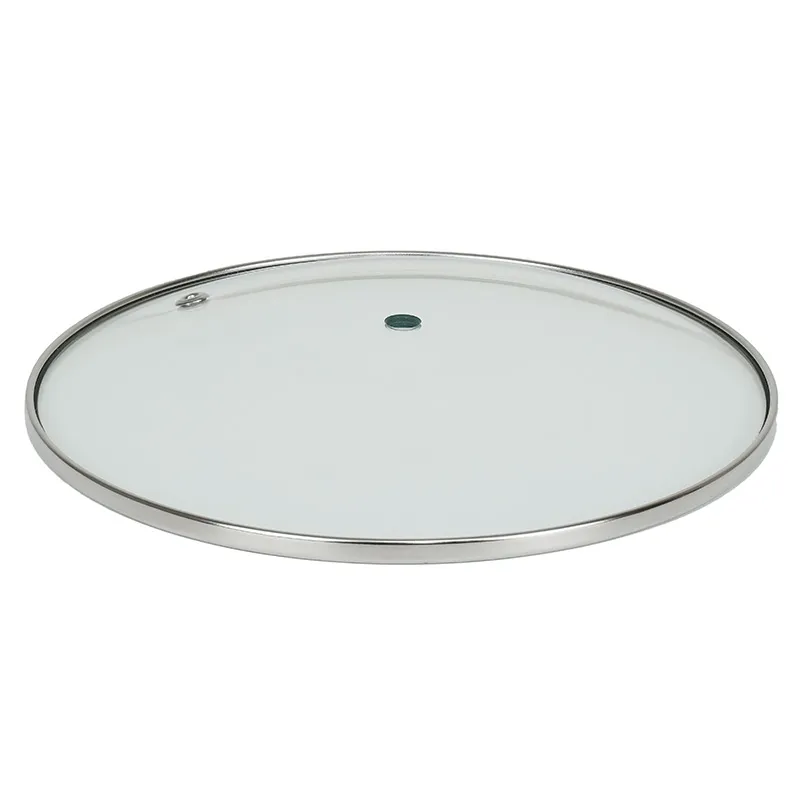
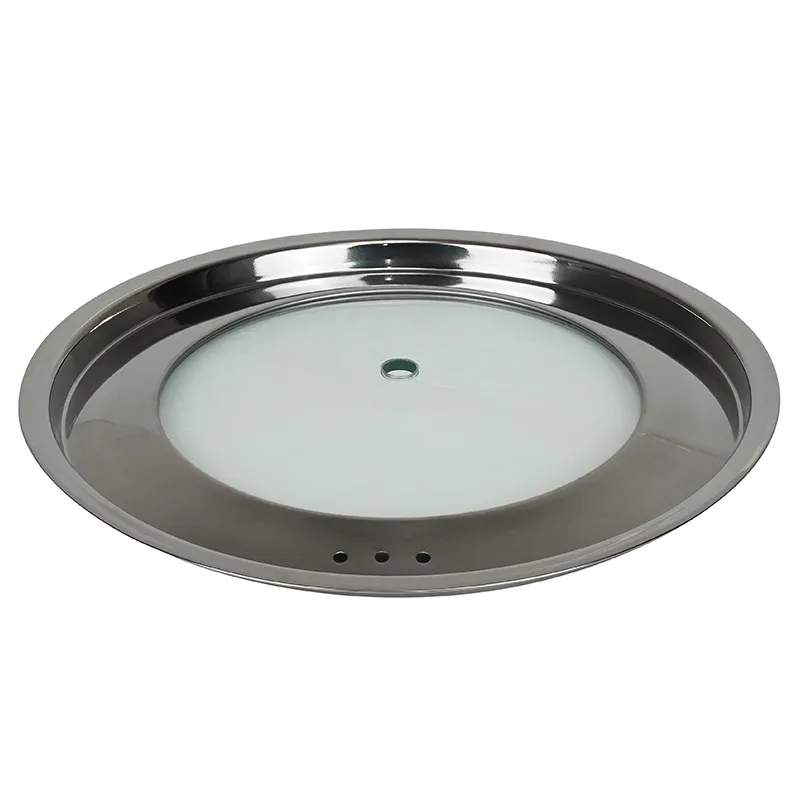
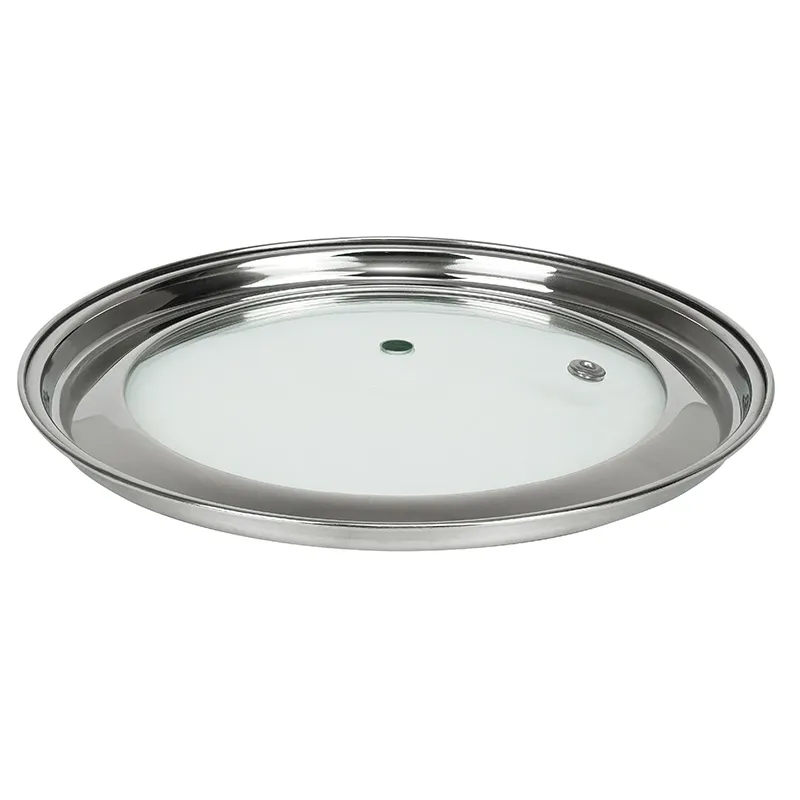
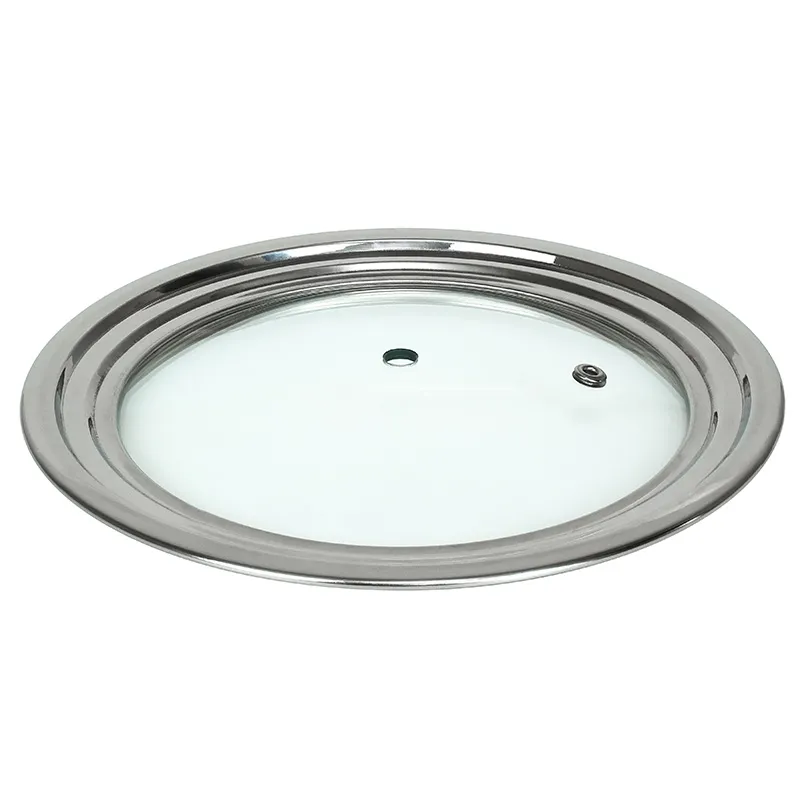
Xa usiva 'isigqubuthelo seglasi esingqingqwa esi-4mm', ivakala ngokuthe ngqo, akunjalo? Inkcazo kwidatha yedatha. Enyanisweni, loo mfanekiso omnye uyalela yonke into ukusuka ekuxhathiseni ukutshatyalaliswa kwe-thermal ukuya kwimvakalelo yokugqibela kwisandla somthengi. Ndibone iiprojekthi ezininzi kakhulu apho oku kwaphathwa njengebhokisi yokukhangela elula, ekhokelela kwiintsilelo ebezinokuthi zithintelwe nge-nuance engakumbi ekuqondeni ukuba i-4mm ithetha ukuthini ngokwenyani kwimveliso kunye nokusetyenziswa kwendawo.
Ingcamango ephosakeleyo yokutyeba okusemgangathweni
Kukho uqikelelo oluqhelekileyo lokuba i-4mm ngumgangatho woshishino lweziciko zeglasi epholileyo, ngoko ke kufuneka ilungile. Kodwa 'umgangatho' awuthethi 'iyunifomu'. Uhambo ukusuka kwiphepha leglasi ekrwada ukuya a 4mm ubukhulu beglasi isiciko involves cutting, edging, tempering, and sometimes printing. Each step can subtly affect the final perceived thickness and, more critically, the stress distribution. Isivalo esilinganisa i-4mm embindini sinokuba notshintsho oluncinci kwimiphetho egobileyo emva kokucaphuka. Ukuba iradiyasi yokugoba iqine kakhulu kobo bukhulu, ubeka umngcipheko wokwenza amanqaku abuthathaka angabonakaliyo de kufike ujingi olukhulu lobushushu.
Ndikhumbula ibhetshi yomxhasi waseYurophu apho izivalo zadibana ne-4mm spec ephepheni kodwa zinezinga eliphezulu lokuqhawuka okuzenzekelayo ngexesha lovavanyo lwabo lwelebhu. Umba yayingebubo ubungqingqwa ngokwawo, kodwa ijiko elijikayo. Iglasi ibifikelela kuxinzelelo lomphezulu olufunekayo, kodwa inkqubo yokupholisa ayizange ilungiselelwe loo jiyometri ithile, idala iindawo ezishushu zangaphakathi. Iluphumelele uvavanyo olusisiseko lwempembelelo kodwa yasilela ukukhwela ibhayisekile eshushu. Kulapho ufunda ukuba i-spec sheet sisiqalo nje sencoko.
Kulapho ukusebenzisana nomenzi okhethekileyo kwenza umahluko obonakalayo. Inkampani efana EUR-ASIA COOKWARE CO.,LTD (ungayifumana ipotifoliyo yabo apha glass-lid.com), egxile kuphela kwiglasi yasekhaya, ngokwesiqhelo ineeprothokholi zabo zokuthambisa ezidayilelwe ubukhulu obuthile kunye neentlobo zemveliso. Their production of over 15 million pieces annually across various markets means they've likely encountered and solved the peculiar failure modes associated with a 4mm ubukhulu beglasi isiciko in cookware applications. Ngalo mthamo wento esebenzayo, ehlala inengxaki yokucombulula ingxaki, amava ahlula iprosesa yeglasi yegeneric kwingcali yekitchenware.
Ukusebenza kweThermal kunye ne-4mm Benchmark
Why 4mm for lids? It's a balance. Thinner glass heats and cools faster, increasing thermal shock risk. Thicker glass is more robust but heavier, changes temperature slower, and costs more. Kwiimeko ezininzi ze-stovetop-to-oven-to-table, i-4mm ibonelela ngokulungelelanisa okulungileyo. It has enough mass to moderate rapid temperature changes when placed on a boiling pot, but it's not so heavy that it becomes cumbersome for a saucepan lid.
The real test is in the transition from a wet, cool dishwasher to a hot, dry stovetop. That's a brutal delta. A properly tempered 4mm lid should handle that. But 'properly' is the key. The annealing during tempering must be flawless to eliminate internal stresses that the thermal cycling will exploit. We once tried to source a cheaper 4mm lid from a non-specialized supplier. Baphumelele iitshekhi zokuqala zomgangatho, kodwa ekusebenziseni intsimi, inani elibalulekileyo liye laphuhlisa iitshiphusi ezincinci zomphetho emva komjikelo ophindaphindiweyo wokuhlamba izitya. The failure analysis pointed to residual stress at the micro-beveled edge—a detail often overlooked.
Ukujonga kwiimarike zokuthumela ngaphandle kwe-EUR-ASIA COOKWARE, njengeJamani kunye neJapan, iyaxela. These are markets with high consumer expectations and rigorous safety standards. The fact that over 90% of their output goes there suggests their process for a 4mm ubukhulu beglasi isiciko is validated against some of the toughest benchmarks. Isiciko esisinda ekusetyenzisweni kwemihla ngemihla ekhitshini laseJamani luphumelele uvavanyo lokwenyani loxinzelelo.
Ubunzima, ukuziva, kunye namava oMsebenzisi
Beyond pure physics, there's ergonomics. A 4mm glass lid has a specific heft. It feels substantial, quality. A 3mm lid can feel tinny, cheap. But it's not just about weight; it's about balance. Umqheba-nokuba yintsimbi engatyiwayo, i-phenolic, okanye i-silicone-kufuneka ibotshwe ukuze isebenze naloo 4mm panel. I've seen designs where a beautiful, heavy-duty handle was specified, but its mounting created a point load on the glass that, over time, caused a crack to propagate from the drilling point. Ubukhulu beglasi buchaza uyilo lwecandelo ngalinye eliqhotyoshelwe kuyo.
The sound it makes when placed down is another subtle cue. A thinner lid has a higher-pitched 'clink'. A good 4mm lid should have a lower, more solid 'clunk'. It's a minor detail, but in the high-end segment, these sensory details contribute to the perceived quality. Abavelisi abafumana eli lungelo, njengabo babonelela ngeempawu zepremiyamu yaseYurophu, bayaqonda ukuba 4mm ubukhulu beglasi isiciko yinxalenye ebalulekileyo yolwimi oluchukumisayo lwemveliso.
Le ngqalelo kuhambo olupheleleyo lwabasebenzisi iyabonakala kumda wengcali. For instance, EUR-ASIA COOKWARE's focus on low- medium- high level household glass products means they aren't just making a commodity. They're engineering a component that fits into a wider ecosystem of kitchenware, where feel and function are inseparable. Their 15,000㎡ facility isn't just for scale; it allows for dedicated lines where parameters for a 4mm lid can be fine-tuned separately from, say, a 3mm baking dish.
ULungiselelo kunye neNdleko: Impembelelo efihlakeleyo yokutyeba
Thickness directly affects packing. Isivalo se-4mm sinzima kune-3mm enye, ngoko ke ulingana neeyunithi ezimbalwa kwibhokisi nganye, ukwandisa iindleko zokuthumela ngenqanawe nganye. The packaging also needs to be more robust to protect the edges during transit. A common failure point in shipping isn't the center of the lid—it's the edges knocking against each other. Even with spacers, the increased mass of a 4mm lid means more momentum during drops. You need a packaging engineer who understands this, not just a standard corrugated box.
Emva koko kukho ixabiso lempahla ekrwada. Ayilonyuso lomgca ukusuka kwi-3mm ukuya kwi-4mm. Isivuno esivela kwiphepha leglasi yomama sitshintsha, kwaye ukusetyenziswa kwamandla okufudumala kuyahluka. Umnikezeli onemveliso ephezulu yonyaka, njengeziqwenga ezizizigidi ezili-15+ ezikhankanywe ngaphambili, kusenokwenzeka ukuba uye wakuphucula ukuthengwa kwezinto ezikrwada kunye nezixhobo zokugcina ixabiso elisemgangathweni. 4mm ubukhulu beglasi isiciko onokhuphiswano. Bathenga iglasi ngokwemiqulu enentsingiselo yobo bukhulu obuthile.
This is a practical advantage. When a kitchenware brand is scaling up, they need a supplier whose entire operation—from sourcing to shipping—is aligned with the product's core specifications. Umzi-mveliso weglasi ngokubanzi unokutshintsha phakathi kwe-2mm yetafile kunye neengcango zeshawari ezi-8mm, ulahlekelwe yimpumelelo. A dedicated cookware glass plant runs a tighter ship.
Iingcinga zokugqibela: Imalunga neNkqubo
So, after all this, is 4mm the magic number? For most tempered glass cookware lids, yes, it's a proven sweet spot. But specifying 4mm thickness glass cover is just the beginning. Ikubophelela kuthotho lwezigqibo malunga nomgangatho wobushushu, umsebenzi osemaphethelweni, ukudibanisa ukusingatha, ukupakishwa, kunye nolwakhiwo lweendleko. The thickness is the backbone of the product's performance profile.
Obona buchule bokwenyani busekufezekiseni loo nkcazo ngokungaguquguqukiyo kwizigidi zeeyunithi, phantsi kwemigangatho eyahlukeneyo yokhuseleko lwehlabathi kunye nemikhwa yabasebenzisi. Yiloo nto eyahlula icandelo kwimveliso ethembekileyo. Xa uvavanya umthombo, awuthengi nje iglasi esikwe kwi-4mm; uthenga ulwazi lwabo oluqokelelweyo lwendlela yokwenza ukuba idimension isebenze kwaye uphile ekhitshini. Uluhlu lwabo lweendawo zokuthumela ngaphandle kunye nomthamo wemveliso yonyaka, njengoko kubonwa kwingcali efana ne-EUR-ASIA COOKWARE, iba ngummeleli woko kuqinisekiswa kwehlabathi lokwenyani.
Ekugqibeleni, injongo kukuba umsebenzisi angaze acinge malunga ne-4mm. Isivalo kufuneka sisebenze, siziva silungile, kwaye sigqibe. Xa oko kusenzeka, kuthetha ukuba zonke iinkcukacha ezisemva kwelo nani-linye libalulwe ngokufanelekileyo.
Ezinxulumeneyo Iimveliso
Iimveliso ezinxulumeneyo

Eyona Ethengiswayo Iimveliso
Iimveliso ezithengiswa kakhulu
Ezinxulumeneyo Khangela
Uphendlo olunxulumeneyo- isiciko se-silicone
- 48 oz ingqayi yeglasi enesiciko
- iglasi isiciko somzi-mveliso
- ingqayi yeglasi ene-bamboo lid kunye necephe
- umenzi wesigqubuthelo seglasi eTshayina
- ikhandlela kwingqayi yeglasi enesiciko
- iglasi yebhiya yeglasi eneseyili yehoseyili
- Uhlobo C umenzi wesigqubuthelo seglasi
- isigqubuthelo seglasi esithambileyo
- ingqayi yeglasi enesiciko 1 kg


