
- English
- Chinese
- French
- German
- Portuguese
- Spanish
- Russian
- Japanese
- Korean
- Arabic
- Irish
- Greek
- Turkish
- Italian
- Danish
- Romanian
- Indonesian
- Czech
- Afrikaans
- Swedish
- Polish
- Basque
- Catalan
- Esperanto
- Hindi
- Lao
- Albanian
- Amharic
- Armenian
- Azerbaijani
- Belarusian
- Bengali
- Bosnian
- Bulgarian
- Cebuano
- Chichewa
- Corsican
- Croatian
- Dutch
- Estonian
- Filipino
- Finnish
- Frisian
- Galician
- Georgian
- Gujarati
- Haitian
- Hausa
- Hawaiian
- Hebrew
- Hmong
- Hungarian
- Icelandic
- Igbo
- Javanese
- Kannada
- Kazakh
- Khmer
- Kurdish
- Kyrgyz
- Latin
- Latvian
- Lithuanian
- Luxembou..
- Macedonian
- Malagasy
- Malay
- Malayalam
- Maltese
- Maori
- Marathi
- Mongolian
- Burmese
- Nepali
- Norwegian
- Pashto
- Persian
- Punjabi
- Serbian
- Sesotho
- Sinhala
- Slovak
- Slovenian
- Somali
- Samoan
- Scots Gaelic
- Shona
- Sindhi
- Sundanese
- Swahili
- Tajik
- Tamil
- Telugu
- Thai
- Ukrainian
- Urdu
- Uzbek
- Vietnamese
- Welsh
- Xhosa
- Yiddish
- Zulu
- Kinyarwanda
- Tatar
- Oriya
- Turkmen
- Uyghur


idẹ gilasi pẹlu ideri dimole
Nigbati o ba gbọ 'idẹ gilasi pẹlu ideri dimole', pupọ julọ eniyan ṣe aworan aṣa aṣa wọnyẹn, awọn apoti ọrẹ-Instagram fun awọn ohun elo ounjẹ tabi awọn iṣẹ ọnà DIY. Ṣugbọn ninu iṣowo, gbolohun naa gbe iwuwo pupọ diẹ sii-ati agbara pupọ diẹ sii fun awọn nkan lati lọ si aṣiṣe. Aronu jẹ nigbagbogbo pe o jẹ ọja ti o rọrun: gilasi, ideri, dimole kan. Otitọ, eyiti Mo ti kọ nipasẹ awọn ọdun ti orisun ati iṣakoso didara, ni pataki pẹlu awọn olupese bi EUR-ASIA COOKWARE CO., LTD, ni pe eṣu wa ni kekere mejila, awọn alaye to ṣe pataki ti o ya sọtọ iṣẹ-ṣiṣe ibi idana ti o gbẹkẹle lati inu ibanujẹ, jo, tabi paapaa nkan ti o lewu ti ijekuje.
Awọn Anatomi ti a Gbẹkẹle Igbẹhin
Let's start with the seal, because that's the entire point. Kii ṣe oruka rọba nikan. Awọn tiwqn ti ti gasiketi ni ohun gbogbo. A cheap silicone or, worse, a PVC-based rubber will off-gas, pick up odors from stored food, and harden or crack within a year. A good supplier will specify food-grade silicone, often with a durometer (hardness) rating that balances flexibility for sealing with rigidity for durability. I've seen batches where the gasket was even a millimeter too thin, leading to a persistent, faint hiss of air when the dimole ideri ti wa ni ifipamo. You only catch that by testing them in a quiet room, not just on a factory floor.
The geometry of the jar's finish—the top rim where the lid sits—is equally crucial. O nilo kan pato, dédé bevel. If the glass tempering process (which EUR-ASIA specializes in) distorts that rim even slightly, you get an inconsistent seal. One jar might be airtight, the one from the same production run, not. We once had a shipment for a European client where the issue wasn't the lid at all; it was a microscopic variance in the glass rim profile from a worn mold. Awọn ideri, idanwo lori awọn pọn miiran, dara.
Ati dimole funrararẹ. Okun waya tabi irin irin kii ṣe orisun omi nikan. The tension has to be calculated to provide enough downward force for the seal without making it impossibly hard for an average person to close, or so weak it pops open under internal pressure from fermentation. The pivot points are failure points—they must be riveted or welded cleanly, with no burrs that chew up the glass or cut the user. Dimole ti o rọ yoo rẹwẹsi ati padanu ẹdọfu. I always bend a few by hand when inspecting a sample; o gba a lero fun awọn irin ká orisun omi-pada.
Gilasi: Kii ṣe Gbogbo Nipa Sisanra
Aṣiṣe ti o wọpọ wa pe gilasi ti o nipọn nigbagbogbo dara julọ. Fun a gilasi idẹ meant for storage, it's about the right kind of strength. Tempered glass, like what EUR-ASIA COOKWARE produces millions of annually, is non-negotiable for safety. It crumbles into small, blunt pieces instead of shattering into sharp shards. Ṣugbọn tempering ṣafihan wahala. I've seen jars spontaneously explode days after production due to internal stress points—nickel sulfide inclusions are a known, if rare, culprit. A reputable factory will have statistical process control to minimize this.
Awọn miiran ifosiwewe ni gbona mọnamọna resistance. If someone takes a jar from the fridge and pours hot liquid into it, or vice-versa, it can crack. This is where the chemical composition of the glass (borosilicate is the gold standard but more expensive) and the quality of the tempering come in. For most household storage, a good soda-lime tempered glass is sufficient, but you must manage customer expectations. Apejuwe ọja lori aaye kan bi gilasi-lid.com yẹ ki o jẹ kedere nipa awọn ifilelẹ rẹ.
Iwọn jẹ awakọ iye owo ti o farapamọ, paapaa. Heavier glass means higher shipping costs, which for a company exporting over 90% of its products globally, is a massive consideration. The design challenge is to make a jar feel substantial and secure without being wasteful. The shoulder design, the base thickness—it all adds up. A well-designed jar has weight where it needs it for stability, not uniformly thick walls.
Otito iṣelọpọ: Awọn ifarada ati Iwọn didun
Working with a high-volume producer like EUR-ASIA COOKWARE CO.,LTD. tan imọlẹ asekale ipenija. They're outputting over 15 million pieces a year. At that volume, consistency is a monumental task. The clamp, the glass, the gasket—each comes from different lines or even different sub-suppliers. Getting them to marry perfectly every time is about tight tolerances and relentless QC.
Mo ranti ibẹwo kan si ile-iṣẹ wọn ni Taian. The pressing thing wasn't the machinery (which was modern), but the inspection stations. Dozens of workers, each with a specific check: running a finger around the glass rim for chips, testing clamp tension with a gauge, submerging sealed jars in water to check for bubble leaks. This human layer is critical for catching what machines miss—a slight discoloration in the glass, a rubber gasket with a barely visible mold line flash that could compromise the seal.
Idojukọ okeere (Germany, Japan, ati bẹbẹ lọ) tumọ si pe wọn saba si awọn iṣedede ọja oriṣiriṣi. Awọn olura ilu Yuroopu le ta ku lori awọn iwe-ẹri ohun elo kan pato fun gasiketi; Awọn olura ilu Japanese ni awọn iṣedede ẹwa ti iyalẹnu giga fun ijuwe gilasi ati ominira lati awọn nyoju tabi awọn irugbin. Ile-iṣẹ kan ti o le ṣe iṣẹ Oniruuru wọnyi, awọn ọja ibeere ti tẹlẹ yanju ọpọlọpọ awọn ọran didara ipilẹ. O di diẹ sii nipa isọdi-awọn ipari dimole kan pato, awọn awọ ideri, awọn agbara gilasi-eyiti wọn dabi pe a ti ṣeto lati mu.
Nibo Awọn ohun elo ṣe asọye ọja naa
A idẹ gilasi pẹlu ideri dimole fun titoju pasita gbigbẹ ni awọn iwulo oriṣiriṣi ju ọkan lọ fun fermenting kimchi. Idẹ kimchi nilo lati jẹ airtight nitootọ lati ṣẹda agbegbe anaerobic, ṣugbọn tun gbọdọ gba laaye fun itusilẹ gaasi lakoko bakteria ti nṣiṣe lọwọ — nitorinaa aṣa fun edidi omi tabi awọn ideri valve. Idẹ dimole boṣewa le ṣiṣẹ fun bakteria, ṣugbọn edidi naa gbọdọ jẹ alailanfani ati awọn clamps logan, nitori titẹ inu le jẹ pataki. Mo ti ni awọn alabara gbiyanju lati lo ohun ọṣọ, awọn idẹ dimole iwuwo fẹẹrẹ fun sauerkraut, nikan lati ni awọn ideri bulge tabi, ninu ọran idoti kan, ṣii ni alẹ moju.
For dry goods, the seal is more about keeping moisture and pests out. Here, the aesthetic becomes a bigger selling point. The clarity of the glass, the elegance of the clamp wire, the overall profile on a shelf. Eyi ni ibi ti apẹrẹ ṣe pataki. A clumsy, overly industrial clamp can ruin the look of a modern kitchen. The best designs make the clamping mechanism look integral, not tacked on.
Then there's commercial use—cafes using them for bulk storage or display. Here, durability and ease of cleaning are paramount. The jar will be handled constantly, washed in commercial dishwashers. The gasket must withstand high heat and detergents without degrading. The clamp's finish must resist corrosion from constant moisture. Eyi ni idanwo gidi ti awọn alaye lẹkunrẹrẹ ohun elo.
Awọn Ikuna ati Awọn ẹkọ ti A Kọ
Ko gbogbo ise agbese lọ laisiyonu. Early on, I sourced a batch of beautiful, heavy-bottomed clamp jars. Awọn ayẹwo wà pipe. Ṣiṣe iṣelọpọ naa? We started getting complaints about lids sticking shut. Turns out, the anodizing on the aluminum clamps in the final batch was slightly different, and in high humidity, it was creating a mild galvanic reaction with the stainless steel hinge pin, effectively welding it stuck. Alaburuku kan. The lesson was to audit not just the main components, but how all metals interact in the final assembly.
Another time, a shipment arrived with a high rate of breakage. The jars were packed in standard dividers, but during ocean transit, a constant, low-frequency vibration had caused the jars to subtly walk and chip each other's rims. The fix was a slightly tighter pack or a different corrugated buffer. It highlighted that the product isn't done when it leaves the factory; o ti ṣe nigbati o jẹ unboxed nipasẹ olumulo ipari. A supplier's experience with export logistics is as valuable as their production skill.
These failures are why deep, technical conversations with a manufacturer are essential. You can't just ask for a glass jar with clamp lid. You need to specify the application, the environment, the expected lifecycle. When you work with a specialized producer, you're leveraging their accumulated knowledge of these failure modes. Iye wọn kii ṣe ni ṣiṣe idẹ nikan; it's in knowing how it will be used, and abused, in the real world.
Awọn Airi Iye ti Pataki
So, when I look at a company profile like EUR-ASIA's—specializing in household glass, with a focused product line and a global export footprint—it tells me they've likely navigated these exact issues. Their specialization in tempered glass lids and related products means they've invested in the specific tooling and knowledge for this niche. They aren't a general glassware factory dabbling in clamp jars; o jẹ a mojuto ọja.
Idojukọ yii tumọ si igbẹkẹle. Their molds for the glass jars will be more precise and better maintained. Their sourcing for clamp wire and gasket material will be more refined. Their quality control protocols are built around the specific failure points of this product category. Fun olura, iyẹn dinku eewu ni pataki.
Ni ipari, o dara idẹ gilasi pẹlu ideri dimole kan lara rọrun ni ọwọ. O tilekun pẹlu itelorun, titẹ to lagbara. O joko ni idakẹjẹ lori selifu, n ṣe iṣẹ rẹ. That simplicity is an illusion, the result of a hundred small, correct decisions in material science, mechanical design, and manufacturing rigor. It's the difference between a commodity and a tool you trust in your kitchen for years. Iyẹn ni ohun ti o n gba gaan.
Jẹmọ Awọn ọja
Jẹmọ Products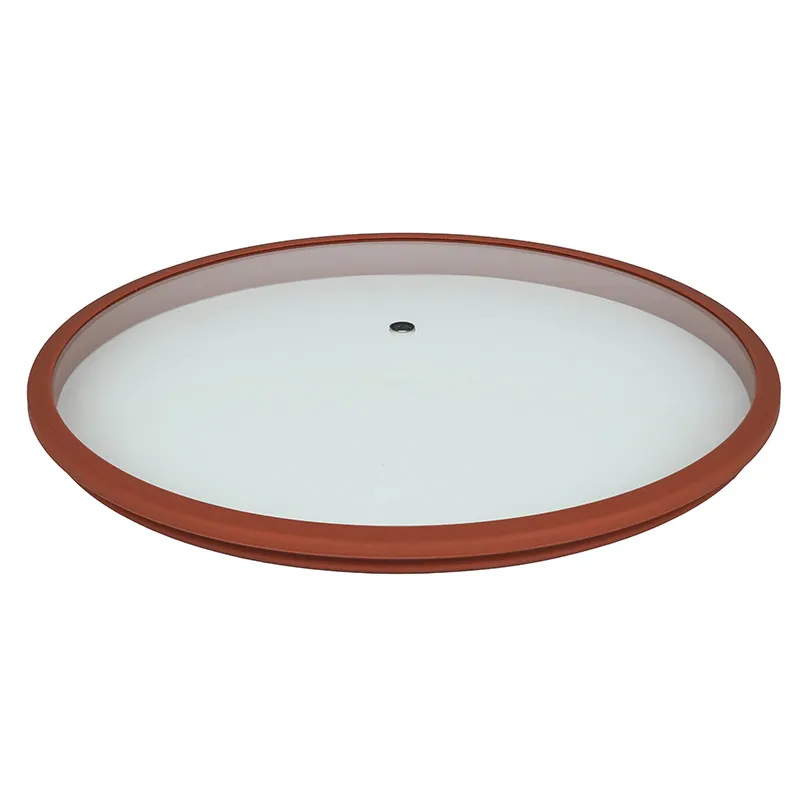
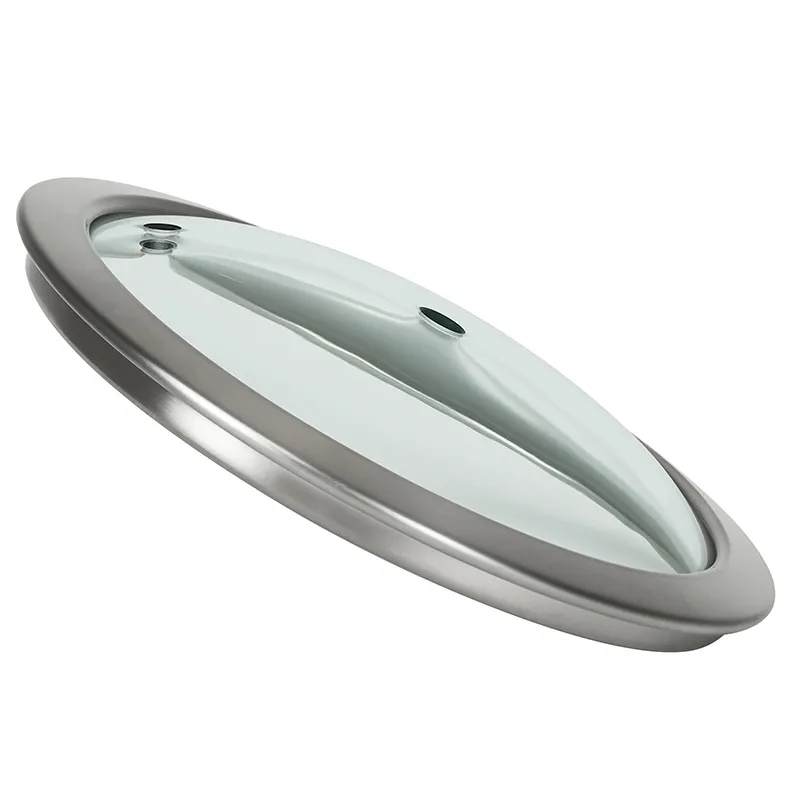
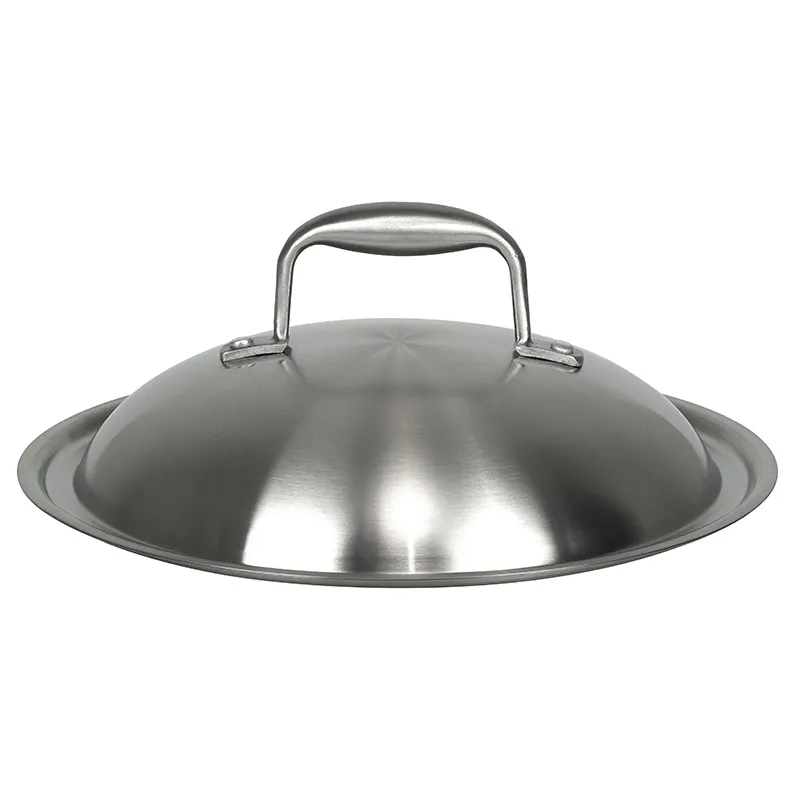

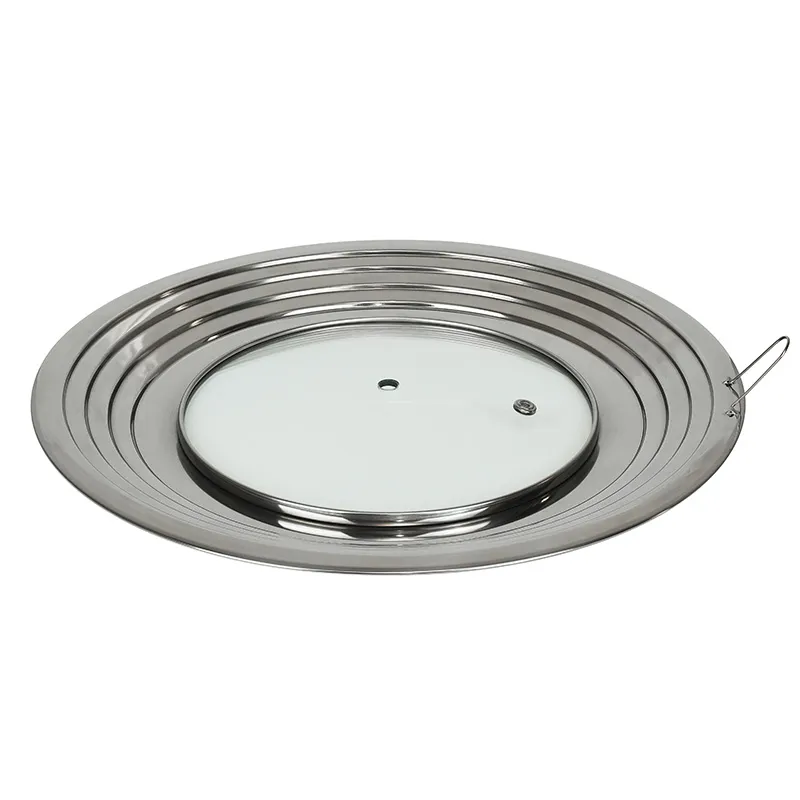
Ti o dara ju Tita Awọn ọja
Awọn ọja Titaja ti o dara julọ
Jẹmọ Wa
Iwadi ti o jọmọ- ọti le gilasi pẹlu oparun ideri osunwon
- ideri gilasi silikoni ti a ṣe ni Ilu China
- alapin tempered gilasi ideri
- tempered gilasi ideri pẹlu irin alagbara, irin oruka
- 12 inch ideri gilasi
- rogodo bojumu Mason idẹ pẹlu gilasi ideri
- Ẹlẹda ideri gilasi silikoni ti China
- G gilasi ideri
- tempered gilasi ideri pẹlu mu
- gilasi ọti le pẹlu ideri ati eni


