- English
- Chinese
- French
- German
- Portuguese
- Spanish
- Russian
- Japanese
- Korean
- Arabic
- Irish
- Greek
- Turkish
- Italian
- Danish
- Romanian
- Indonesian
- Czech
- Afrikaans
- Swedish
- Polish
- Basque
- Catalan
- Esperanto
- Hindi
- Lao
- Albanian
- Amharic
- Armenian
- Azerbaijani
- Belarusian
- Bengali
- Bosnian
- Bulgarian
- Cebuano
- Chichewa
- Corsican
- Croatian
- Dutch
- Estonian
- Filipino
- Finnish
- Frisian
- Galician
- Georgian
- Gujarati
- Haitian
- Hausa
- Hawaiian
- Hebrew
- Hmong
- Hungarian
- Icelandic
- Igbo
- Javanese
- Kannada
- Kazakh
- Khmer
- Kurdish
- Kyrgyz
- Latin
- Latvian
- Lithuanian
- Luxembou..
- Macedonian
- Malagasy
- Malay
- Malayalam
- Maltese
- Maori
- Marathi
- Mongolian
- Burmese
- Nepali
- Norwegian
- Pashto
- Persian
- Punjabi
- Serbian
- Sesotho
- Sinhala
- Slovak
- Slovenian
- Somali
- Samoan
- Scots Gaelic
- Shona
- Sindhi
- Sundanese
- Swahili
- Tajik
- Tamil
- Telugu
- Thai
- Ukrainian
- Urdu
- Uzbek
- Vietnamese
- Welsh
- Xhosa
- Yiddish
- Zulu
- Kinyarwanda
- Tatar
- Oriya
- Turkmen
- Uyghur


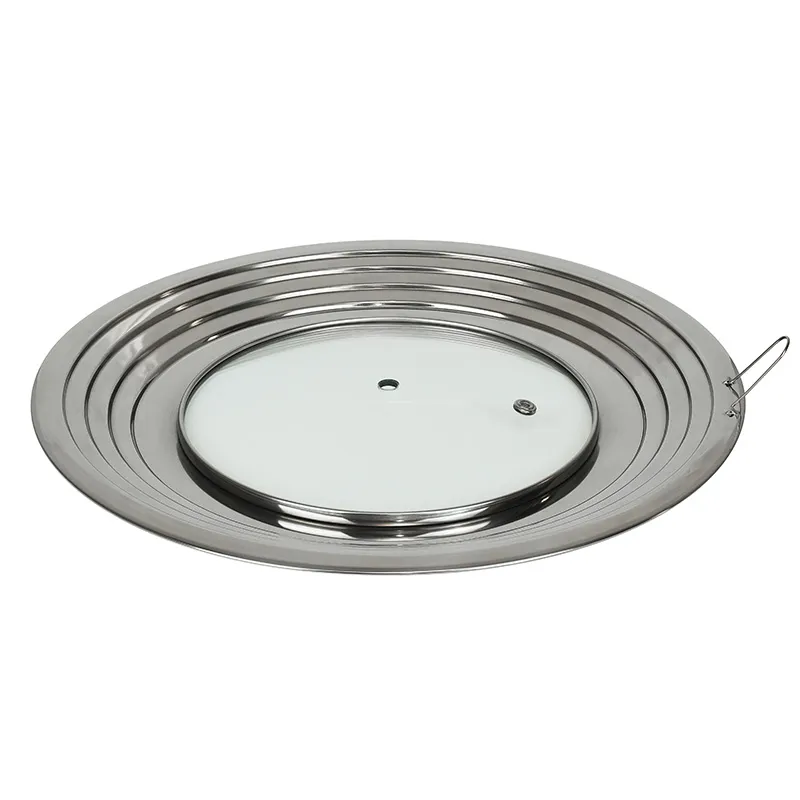
pyrex gilasi cookware pẹlu awọn ideri
Nigba ti o ba gbọ 'pyrex gilasi cookware pẹlu lids', julọ awon eniya ro lẹsẹkẹsẹ ti awon ko o, logan yan awopọ wọn grandma lo. Imọye ti o wọpọ wa pe gbogbo rẹ jẹ pataki kanna-borosilicate, sooro mọnamọna gbona, adiro-si-tabili ailewu. Otitọ ni pq ipese jẹ messier. Oro naa 'Pyrex' funrararẹ, ni gbogbo awọn fila, jẹ orukọ iyasọtọ ti Awọn burandi Instant, ṣugbọn 'pyrex' ni kekere kekere ti di apejuwe jeneriki fun iru iru ounjẹ ounjẹ gilasi-ounmi onisuga, eyiti o huwa yatọ si labẹ aapọn gbona ju agbekalẹ borosilicate Ayebaye. That distinction is crucial, and it's where a lot of importers and even seasoned kitchenware retailers get tripped up. Mo ti rii awọn apoti ti ọja ti a kọ nitori ẹnikan ro pe awọn alaye lẹkunrẹrẹ mọnamọna gbona jẹ gbogbo agbaye. Wọn kii ṣe.
Ohun elo Core: Kii ṣe Gilasi nikan
Okan ti ọrọ naa jẹ akopọ gilasi. Gilasi borosilicate tootọ, pẹlu onisọdipúpọ kekere rẹ ti imugboroosi igbona, jẹ boṣewa goolu fun didimu awọn iyipada iwọn otutu lojiji—ronu gbigba satelaiti kan lati inu firisa ki o ṣabọ sinu adiro ti a ti ṣaju. A lot of the pyrex gilasi cookware you find now, especially at mid-range price points, is made from tempered soda-lime glass. O lagbara ti iyalẹnu ni imọ-ẹrọ ati kọju ijakadi lati awọn ipa daradara, ṣugbọn resistance mọnamọna igbona rẹ kere. O ko le fi si ori si awọn iwọn kanna swings gbona. Eyi kii ṣe abawọn dandan; o jẹ ohun-ini ohun elo ti o sọ ọran lilo ati nilo isamisi ti o han gbangba ati ẹkọ olumulo.
Eyi ni ibiti ṣiṣẹ pẹlu olupese amọja ṣe gbogbo iyatọ. O nilo ile-iṣẹ kan ti o loye awọn nuances wọnyi ati pe o le gbejade nigbagbogbo si alaye ohun elo kan pato. I recall a project where we were sourcing a line of lidded casserole dishes for the European market. The client insisted on the classic borosilicate properties but at a competitive cost. A lọ nipasẹ ọpọlọpọ awọn ayẹwo lati ọdọ awọn oluṣe oriṣiriṣi nibiti o ti wa ni pipaduro, tabi ilana annealing fi awọn aapọn inu inu silẹ, ti o yori si awọn fifọ lẹẹkọkan lakoko idanwo. It was a frustrating, costly process of elimination.
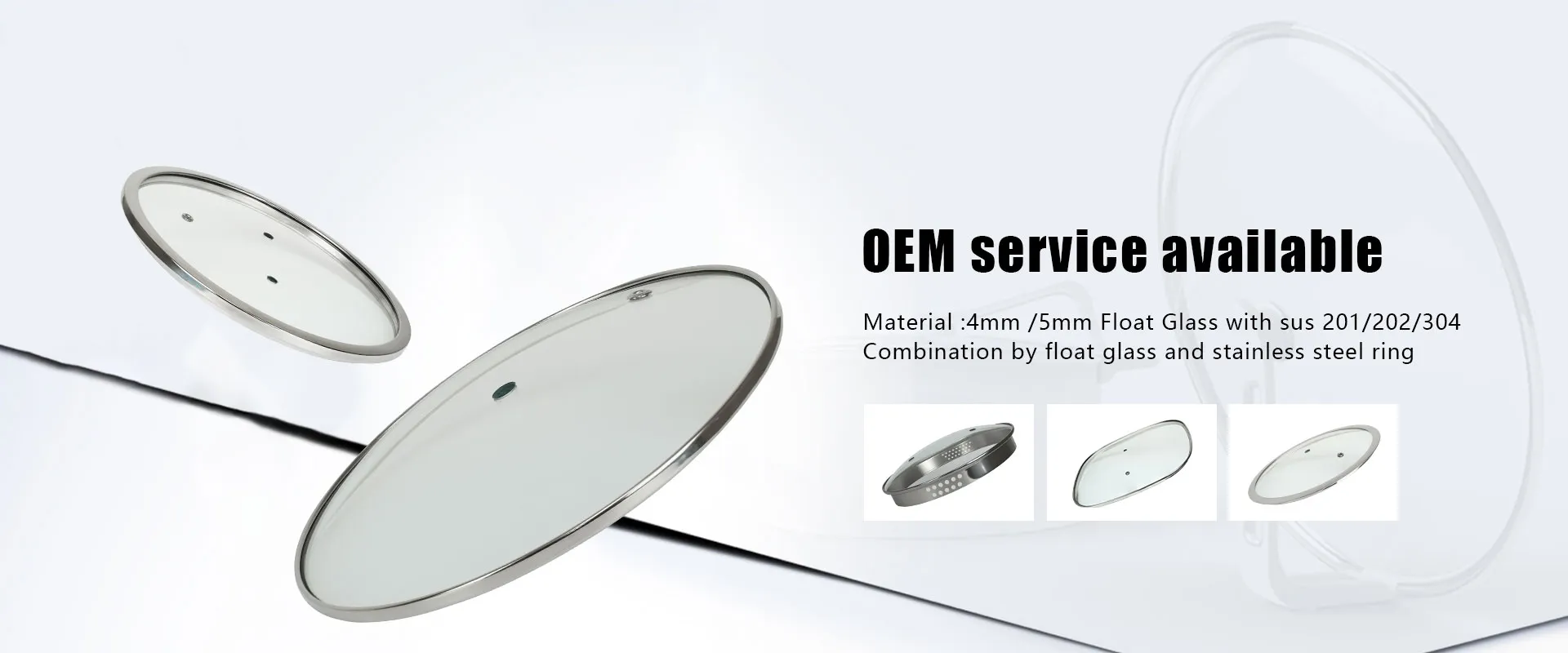
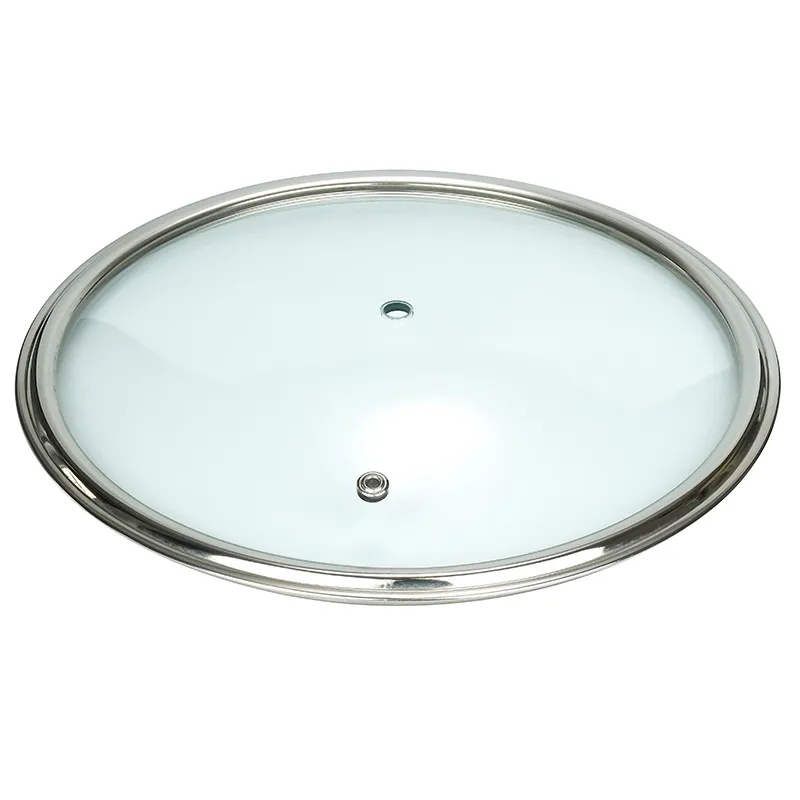
Olupese kan ti o ni deede deede ni EUR-ASIA COOKWARARE CO., LTD. Wọn idojukọ lori tempered gilasi ideri iṣelọpọ jẹ olobo si iyasọtọ wọn. A ideri ni ko kan palolo paati; it undergoes its own thermal cycle, often trapping steam and experiencing a different heat profile than the base. A company that masters lid manufacturing, especially at their scale—over 15 million pieces annually—typically has deep process control. Ṣabẹwo si ile-iṣẹ wọn ni Ilu Taian, o rii tcnu lori awọn laini iwọn otutu ati awọn sọwedowo didara fun ipele kọọkan. It’s this granular focus on a single component category that often translates to expertise in the complete gilasi cookware ṣeto.
Ideri: Nibo ni Imọ-ẹrọ ti ṣẹlẹ Lootọ
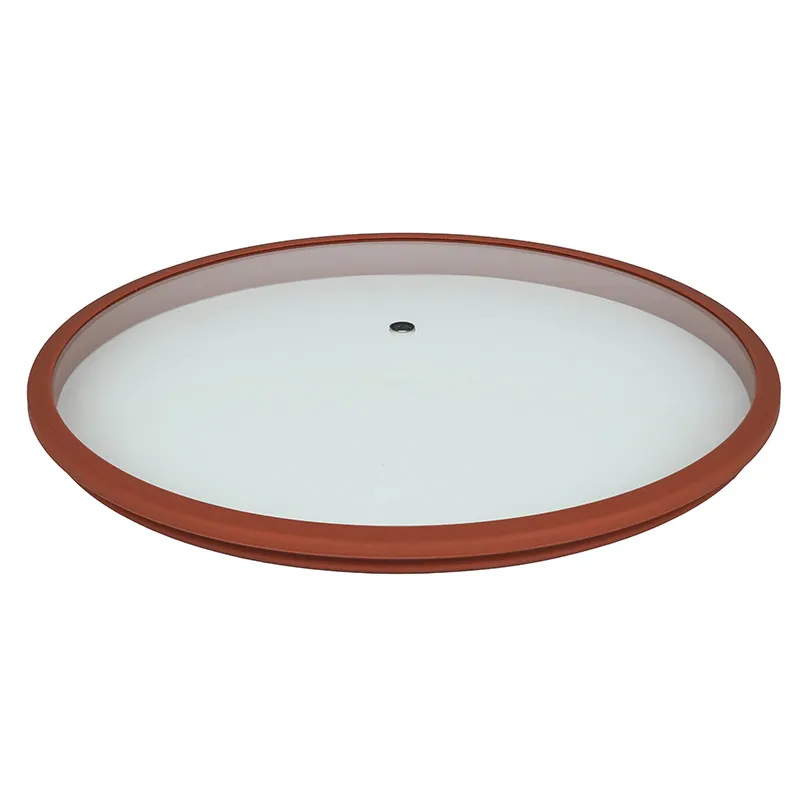
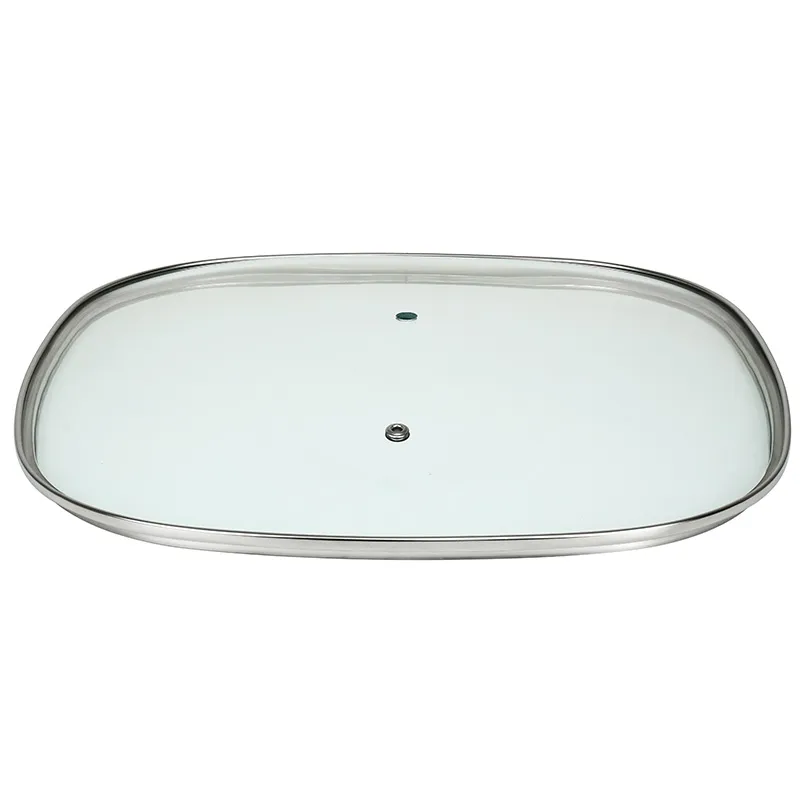
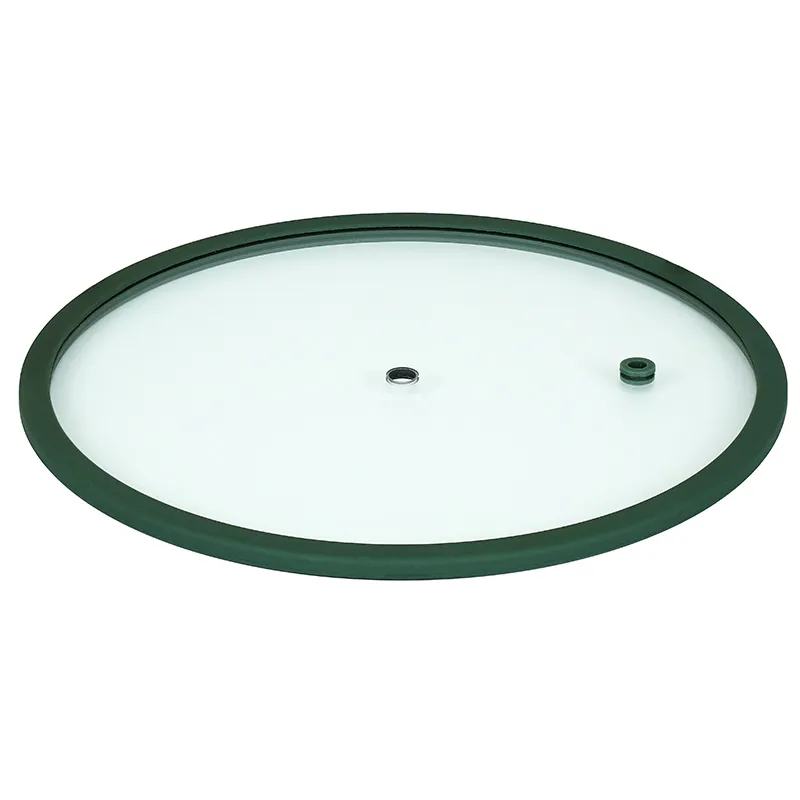
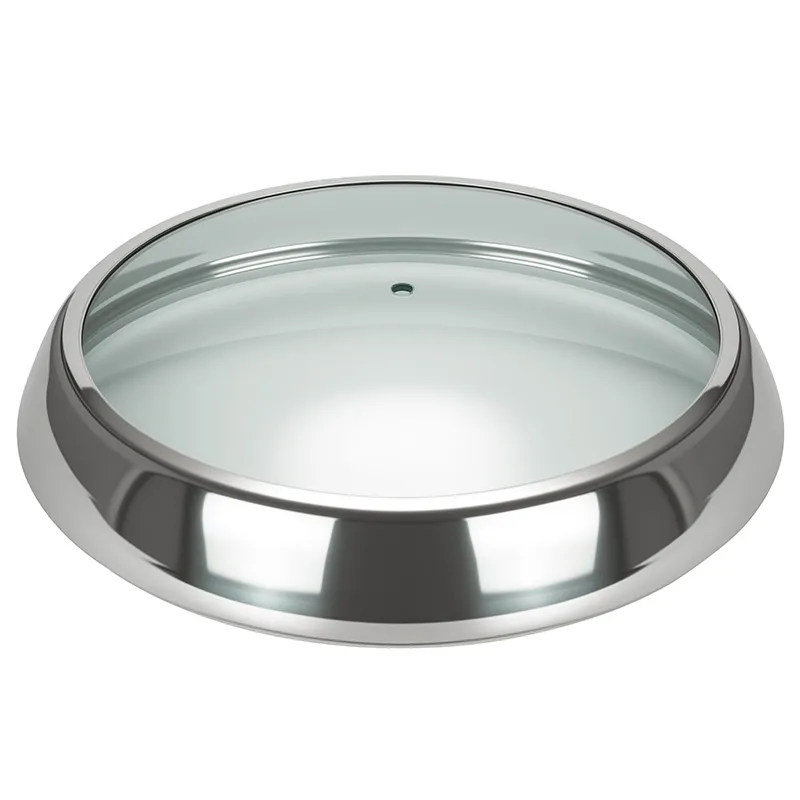
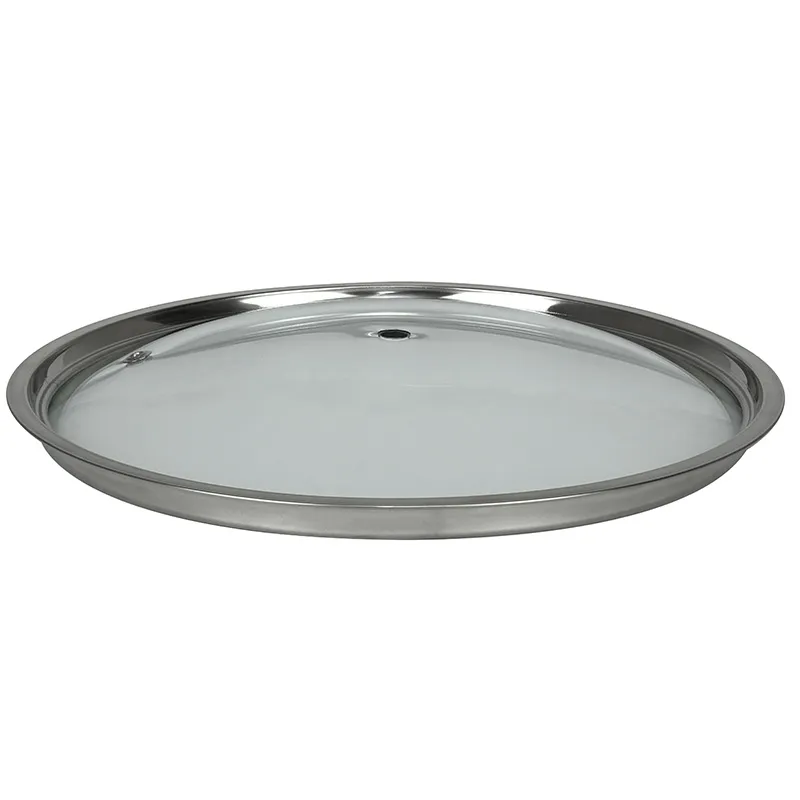
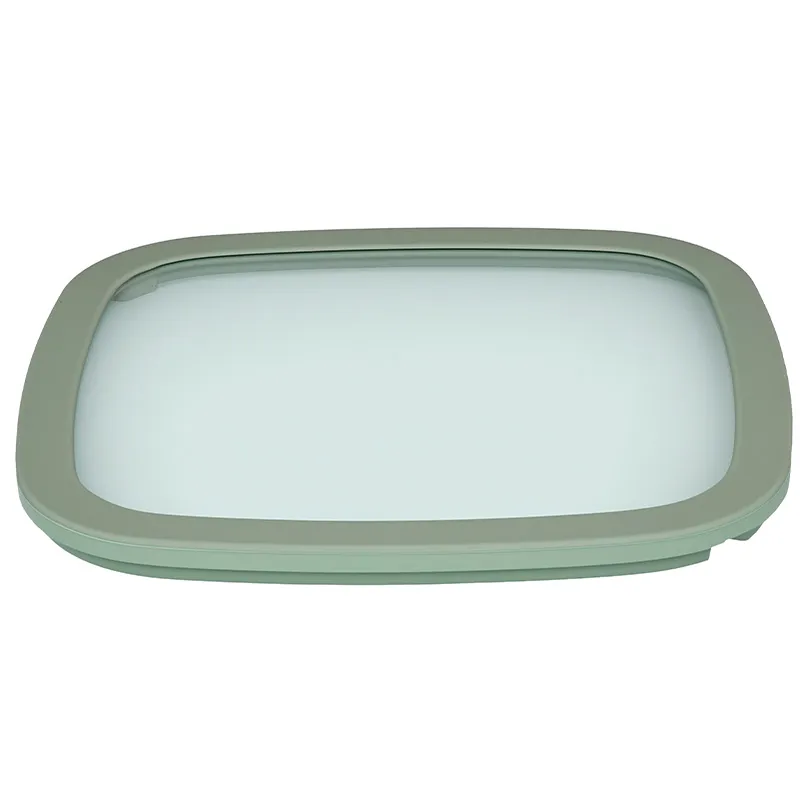
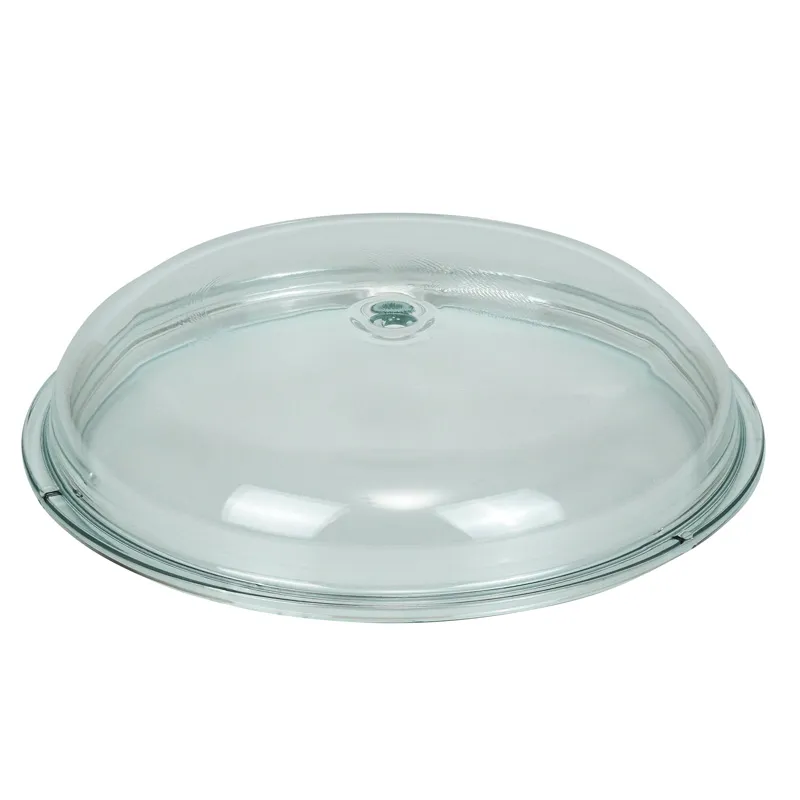
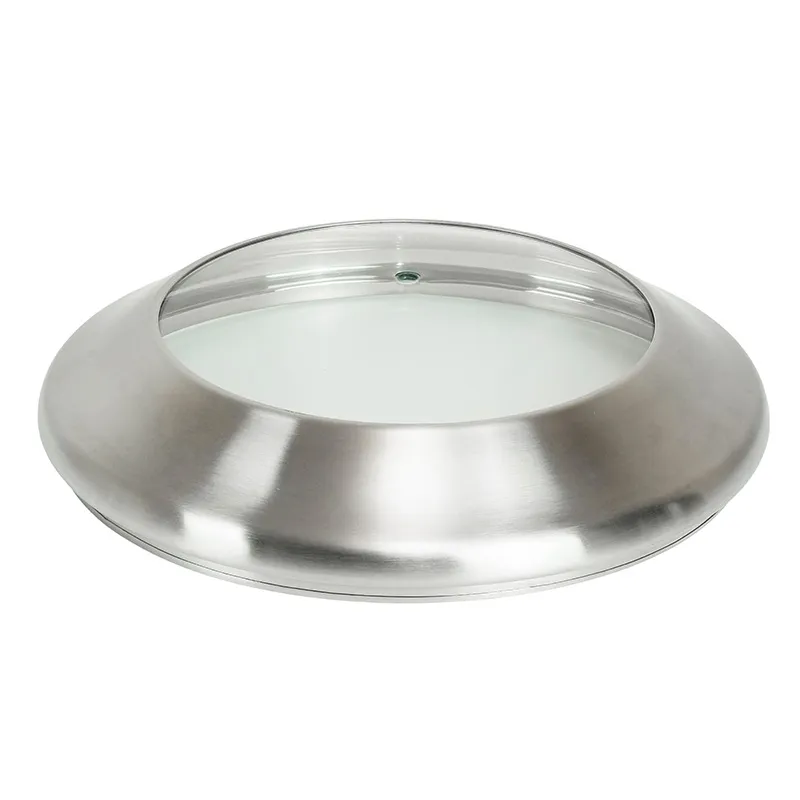
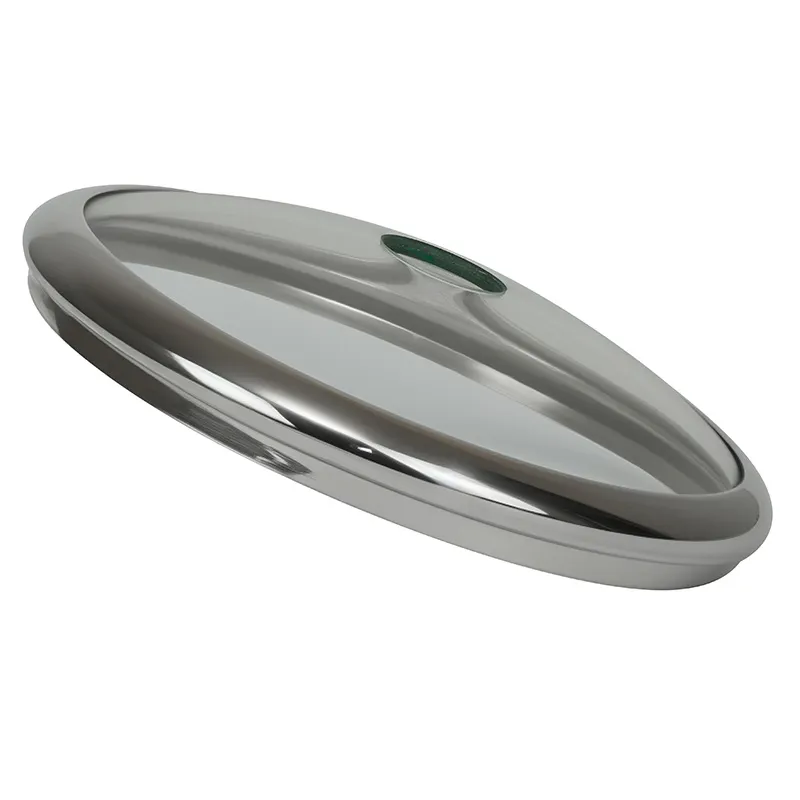
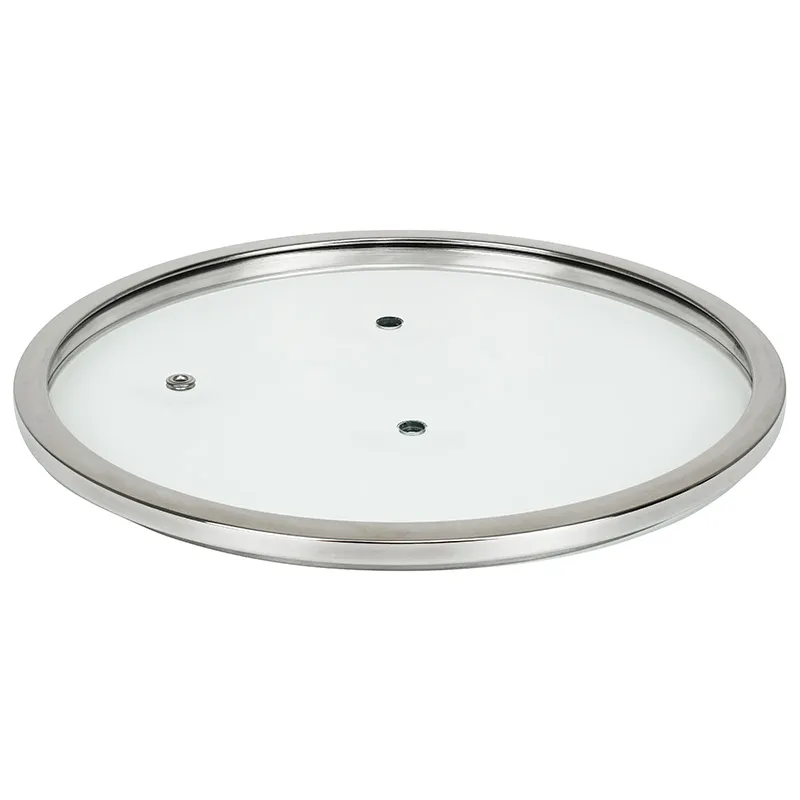
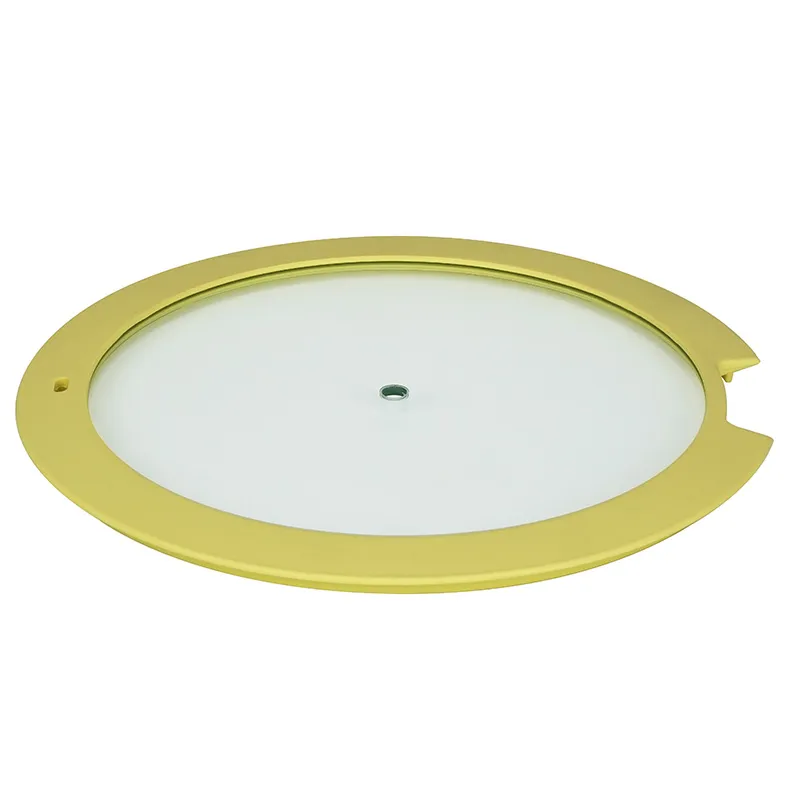
Most of the design and failure points are in the lid, not the dish. A poorly designed lid will warp, crack, or fail to seal. The rim design, the knob material, and the way the glass is shaped to create a seal are critical. Knob jẹ aaye ikuna loorekoore. Cheap plastic knobs can melt or degrade in a hot oven or dishwasher over time. High-temperature phenolic resin or stainless steel knobs are better, but they add cost and complexity to the assembly process.
Mo ti ni idanwo awọn ideri ti o dabi pipe ṣugbọn ti o ṣẹda asiwaju igbale ti o lagbara nigba sise lọra ti o yoo ni ewu fifọ satelaiti ti o ngbiyanju lati yọ kuro. Others had too much play, letting all the moisture escape and defeating the purpose. Awọn bojumu ni kan diẹ, dari venting. Awọn laini ọja EUR-ASIA nigbagbogbo n ṣe afihan ijalu abele tabi ikanni ti o wa ni isalẹ ti rim ideri — alaye kekere kan ti o ṣe idiwọ edidi igbale ni kikun ati gba laaye fun iwọn kekere ti itusilẹ nya si. O jẹ iru ilowo wọnyi, awọn tweaks apẹrẹ ti o ni iriri ti o gba nikan lati ọdọ olupese ti o jinlẹ ni iṣelọpọ OEM fun awọn ọja ti n beere bi Germany ati Japan.
Ifẹsẹtẹ okeere wọn, pẹlu diẹ sii ju 90% ti awọn ọja ti n lọ si Yuroopu, Esia, ati South America, jẹ ẹri lati pade aabo oniruuru ati awọn iṣedede didara. A lid that passes TüV or LFGB testing for the German market isn't just about the glass; it's about the complete assembly, including any sealing gaskets or coatings. This global compliance is a significant operational hurdle that many smaller factories can't clear consistently.
Ninu Ibi idana: Idanwo gidi-aye
Gbogbo awọn alaye lẹkunrẹrẹ jẹ asan ti nkan naa ko ba ṣiṣẹ lori adiro inu ile. Awọn iyipada lati adiro si stovetop jẹ nla kan. Lakoko ti o ti ọpọlọpọ awọn pyrex gilasi cookware pẹlu awọn ideri are marketed as oven-safe, only specific formulations and base designs are suitable for direct flame or electric coil use. Placing a glass dish directly on a high-heat gas burner is a recipe for thermal shock failure, even with tempered glass. Awọn itọnisọna itọnisọna ti o ṣalaye kedere ko si ina taara tabi lilo pẹlu olutọpa ooru wa nibẹ fun idi kan, ti a bi lati itan-akọọlẹ ti awọn ipadabọ ati awọn ẹdun ọkan.
Ìwẹ̀nùmọ́ jẹ́ ìdènà gbígbéṣẹ́ mìíràn. Glass is famously easy to clean, but baked-on grease and stains around the rim or under the lid knob can be stubborn. Awọn apẹrẹ ti o dara julọ ni ideri ti o jẹ ailewu apẹja patapata, pẹlu bọtini kan ti o jẹ boya ti o wa ninu gilasi (ti a ṣe) tabi ti a so pọ pẹlu itọsi otutu ti o ga ati skru irin, kii ṣe ṣiṣu ṣiṣu nikan ti o bajẹ. Lati iriri mi, awọn ọja ti o duro fun awọn ọdun ti awọn iyipo apẹja lojoojumọ ni awọn ibi ti apejọ ideri ti jẹ irọrun — awọn apakan diẹ, awọn aaye ikuna diẹ.
Iwọn iṣelọpọ ati Awọn Itumọ Rẹ
EUR-ASIA's stated capacity—15 million pieces annually—isn't just a big number. It speaks to a highly automated, standardized process. Fun olura, iwọn yii tumọ si aitasera. Gilaasi sisanra, didara iwọn otutu, ifarada onisẹpo ti ibamu ideri-to-satelaiti yoo jẹ aṣọ-iṣọkan kọja iṣelọpọ iṣelọpọ ti awọn ẹya 50,000. This is vital for large retailers who cannot deal with batch-to-batch variation. It also allows for competitive pricing, but it can sometimes mean less flexibility for small, custom runs with unique shapes or colors.
Iyasọtọ wọn ni awọn ọja ipele-kekere-kekere jẹ alaye bọtini. O tumọ si pe wọn le ṣiṣẹ awọn laini iṣelọpọ oriṣiriṣi tabi awọn ipele didara. Ipele giga kan tempered gilasi ideri fun ami iyasọtọ Ere Yuroopu kan le ṣe didan diẹ sii, ni awọn iṣedede mimọ ti o muna, ati lo apejọ koko ti o ga julọ ni akawe si laini eto-ọrọ wọn fun ọja ti o yatọ. As a sourcing professional, you need to specify exactly which tier you're buying into; the base material might be the same, but the finishing and assembly quality will differ.
Ọna tiered yii jẹ iṣowo ọlọgbọn. It allows them to serve a broad market from a single production base of 20,000㎡. They can allocate lines for high-volume, standard items while also dedicating capacity to more complex, value-added assemblies. It's this flexibility that makes a supplier resilient.
Awọn ero Ikẹhin: Alagbase pẹlu Awọn oju Ṣii
Nitorina, nigbati o ba n wo pyrex gilasi cookware pẹlu awọn ideri, yala bi olura tabi onjẹ iyanilenu, gbe kọja aami jeneriki. Beere nipa awọn gilasi iru: borosilicate tabi tempered soda-orombo? Ṣabẹwo apejọ ideri—kini koko ti a fi ṣe, ati bawo ni a ṣe so? Wa awọn iwe-ẹri aabo ti o ni ibatan si ọja rẹ. Ṣe oye lilo ti a pinnu: adiro-nikan, tabi adiro-si-tabili pẹlu iṣọra?
The value of a manufacturer like EUR-ASIA COOKWARE CO.,LTD lies in this vertical focus. They're not making every kitchen item under the sun. They're focused on glass, specifically tempered glass components for cooking. Pataki yẹn, ti o ṣe atilẹyin nipasẹ iriri okeere okeere, tumọ si ọja ti o ti kọja tẹlẹ nipasẹ àlẹmọ ti awọn ibeere gidi-aye lati diẹ ninu awọn ọja to lagbara julọ ni agbaye. It reduces the risk for the next buyer down the chain.
Ni ipari, o dara gilasi cookware is a balance of material science, practical design, and honest labeling. Awọn ideri jẹ idanwo otitọ ti didara. Awọn ile-iṣẹ ti o gba ni ẹtọ, awọn ti o rii pe awọn ọja wọn tun wa ni lilo ọdun mẹwa lẹhinna, jẹ awọn ti o tọju ideri kii ṣe bi ironu lẹhin, ṣugbọn bi ipenija imọ-ẹrọ to ṣe pataki o jẹ. That's the takeaway you won't find in a glossy catalog description.
Jẹmọ Awọn ọja
Jẹmọ Products