- Chinese
- French
- German
- Portuguese
- Spanish
- Russian
- Japanese
- Korean
- Arabic
- Irish
- Greek
- Turkish
- Italian
- Danish
- Romanian
- Indonesian
- Czech
- Afrikaans
- Swedish
- Polish
- Basque
- Catalan
- Esperanto
- Hindi
- Lao
- Albanian
- Amharic
- Armenian
- Azerbaijani
- Belarusian
- Bengali
- Bosnian
- Bulgarian
- Cebuano
- Chichewa
- Corsican
- Croatian
- Dutch
- Estonian
- Filipino
- Finnish
- Frisian
- Galician
- Georgian
- Gujarati
- Haitian
- Hausa
- Hawaiian
- Hebrew
- Hmong
- Hungarian
- Icelandic
- Igbo
- Javanese
- Kannada
- Kazakh
- Khmer
- Kurdish
- Kyrgyz
- Latin
- Latvian
- Lithuanian
- Luxembou..
- Macedonian
- Malagasy
- Malay
- Malayalam
- Maltese
- Maori
- Marathi
- Mongolian
- Burmese
- Nepali
- Norwegian
- Pashto
- Persian
- Punjabi
- Serbian
- Sesotho
- Sinhala
- Slovak
- Slovenian
- Somali
- Samoan
- Scots Gaelic
- Shona
- Sindhi
- Sundanese
- Swahili
- Tajik
- Tamil
- Telugu
- Thai
- Ukrainian
- Urdu
- Uzbek
- Vietnamese
- Welsh
- Xhosa
- Yiddish
- Yoruba
- Zulu
- Kinyarwanda
- Tatar
- Oriya
- Turkmen
- Uyghur


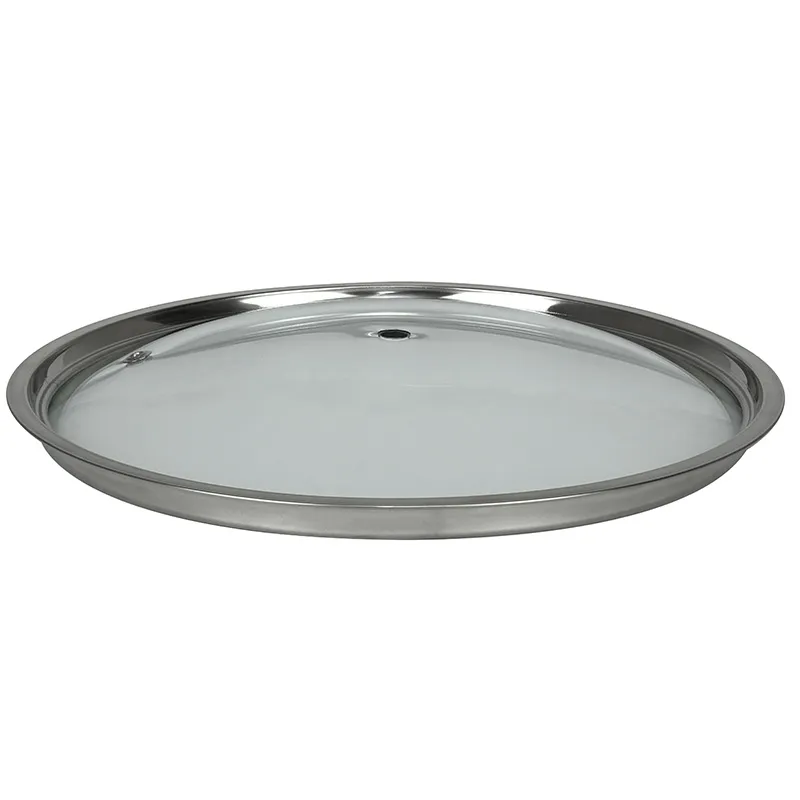
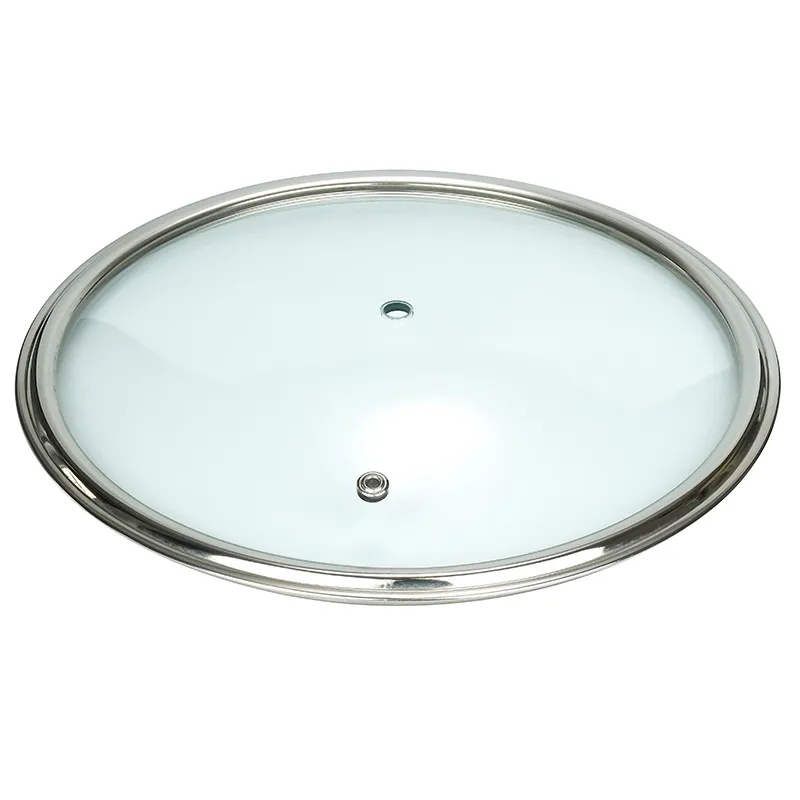
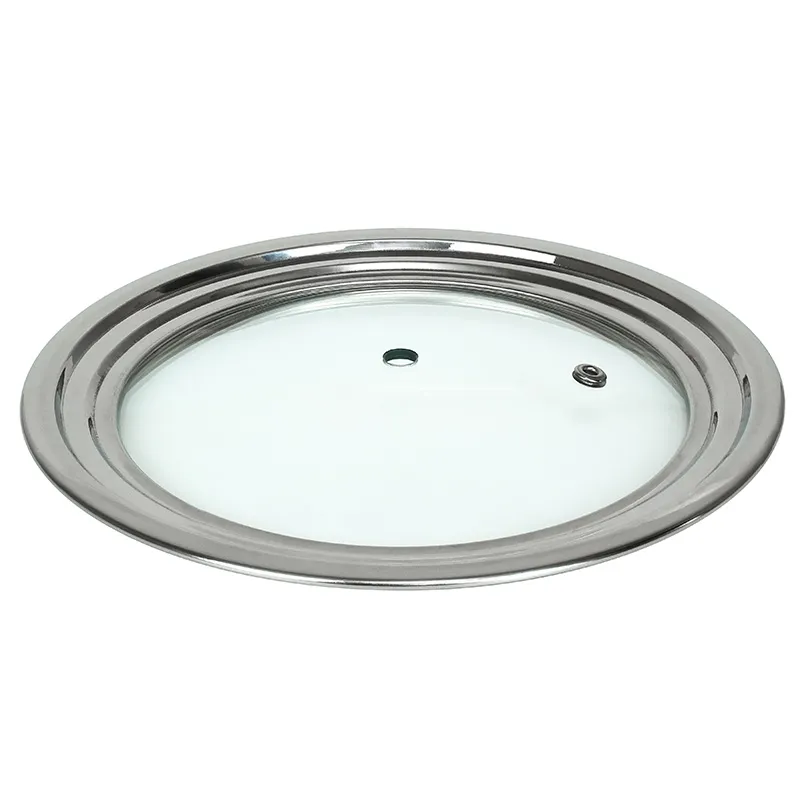
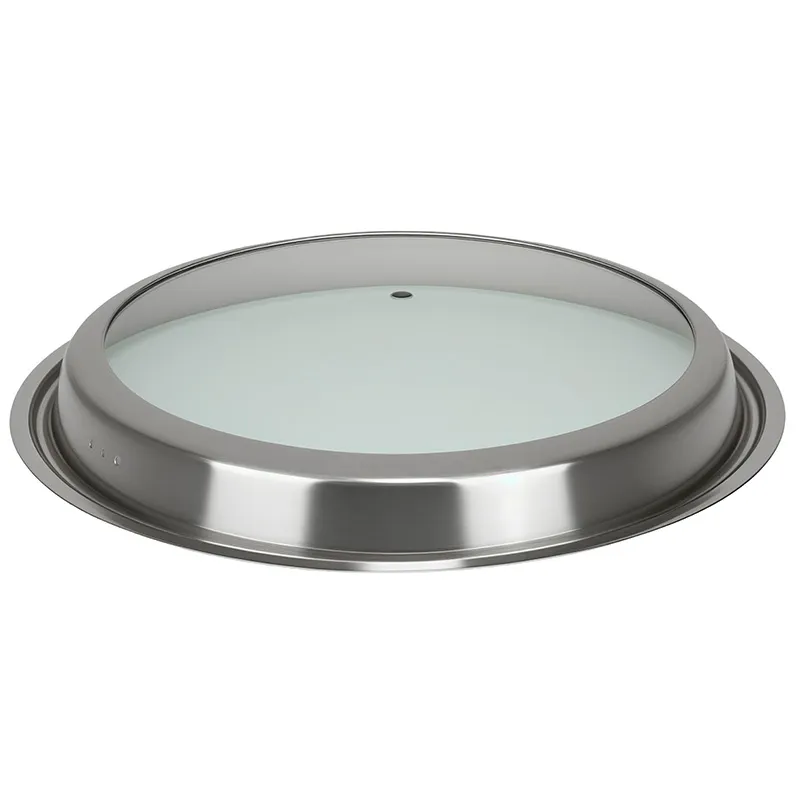
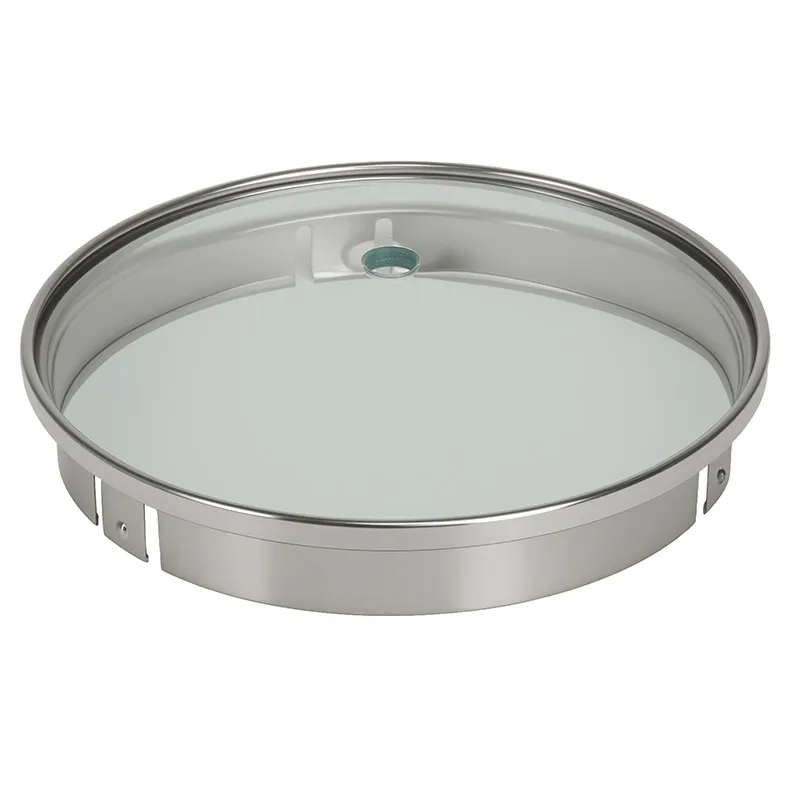
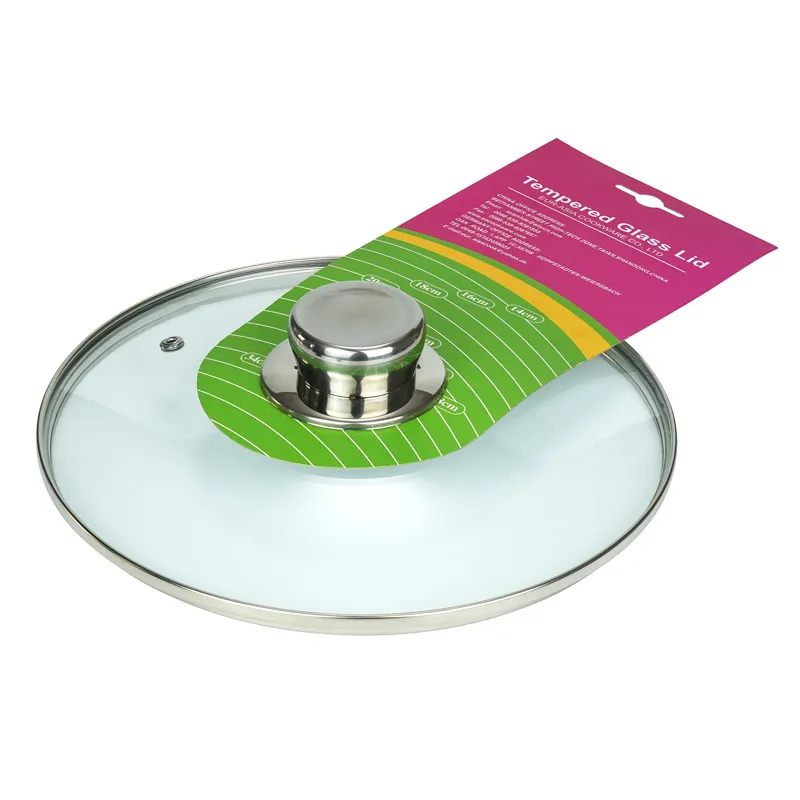
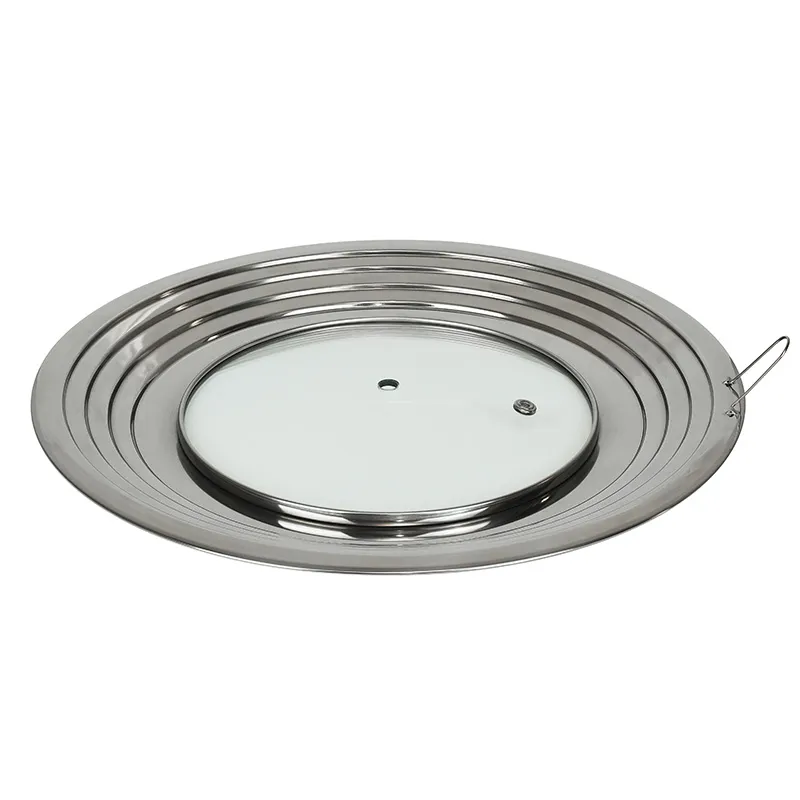
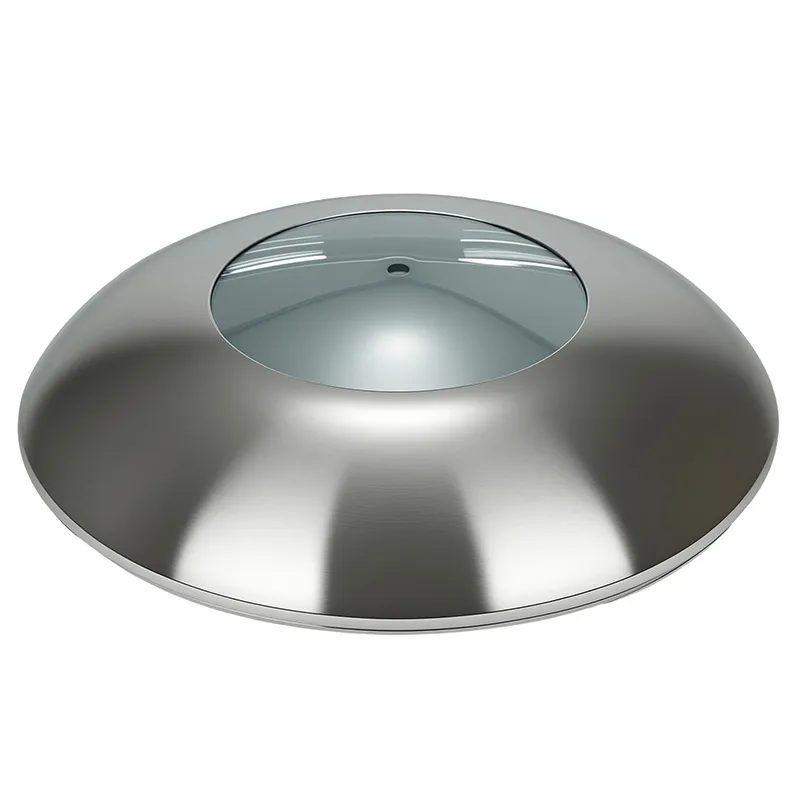
Z glass lid
When you hear 'Z glass lid', most people in the trade immediately think of that standard, slightly curved, tempered glass cover for stock pots. It's become almost a generic term in some catalogs. But that's where the first misconception lies. It's not just one product; it's a category defined by a specific manufacturing challenge—achieving that deep, stable 'Z' bend in tempered glass without creating stress points that lead to spontaneous breakage during thermal shock. Many buyers, even some seasoned ones, just see it as a lid. They miss the engineering nuance entirely, focusing only on price per unit. I've seen orders get messed up because someone assumed all Z lids are created equal. They're not.
The Anatomy of a Reliable Z Lid
Let's break down what actually matters. The critical zone is the vertical flange, the depth of the 'Z'. A shallow bend is easier, cheaper to produce, but it sits poorly on a pot, wobbles, and steam escapes easily. A proper deep flange, say 25mm or more, requires precise control during the tempering process. The glass has to be heated uniformly and then quenched in a way that the bend doesn't become a fracture line. I remember visiting a factory—not EUR-ASIA, another one—where they were struggling with a 20% breakage rate at the bending stage. The problem? Inconsistent air pressure in the quenching jets. The lids looked fine off the line, but would pop in the warehouse or during the first customer use.
Then there's the handle. It seems trivial, but it's a major point of failure. The metal bracket bonded to the glass with silicone. If the bracket's thermal expansion coefficient is a poor match, or if the silicone application is uneven or low-grade, the handle detaches. I've had containers full of lids where the handles just rattled loose in transit. A good supplier will use a specific aluminum alloy for the bracket and a high-temp, food-grade adhesive applied by a calibrated machine, not by hand. The Z glass lid from EUR-ASIA COOKWARE, for instance, their standard model has a noticeably robust bracket attachment. You can feel the difference when you torque it by hand.
The edge finish is another tell. A ground and polished smooth edge isn't just for safety; it indicates the lid was cut from quality, homogenous glass stock before tempering. A rough, seamed edge often means lower-grade material or rushed processing. This directly impacts chipping resistance when the lid clinks against the pot rim.
Sourcing and the Reality of Specs
When you're sourcing these, especially in volume for export markets like Europe, the spec sheet is your bible, but you have to read between the lines. Tempered glass is a minimum. You need to ask about the nominal thickness tolerance (is it 4.0mm ±0.2 or ±0.5?), the surface compressive stress (measured in MPa), and the thermal shock resistance delta-T. Reputable producers like EUR-ASIA COOKWARE CO.,LTD (their site is a good reference: https://www.glass-lid.com) will have this data. Their operation in Taian, with that 15,000㎡ facility and 15 million+ annual output, is geared for this kind of standardized, high-volume production. They're not a job shop.
A common pitfall is ignoring the packaging. A Z glass lid is heavy and fragile. Poor interleaving or flimsy cartons lead to catastrophic losses. I learned this the hard way on an early shipment to Poland. We used standard dividers, but the vertical flange meant the lids had a high center of gravity. They shifted, cracked. Now, I insist on foam corner supports and a tight pack. EUR-ASIA's standard export pack is actually quite good—individual sleeves, then a rigid 5-layer corrugated box. It adds cost, but saves headaches.
Price negotiation is another minefield. Pushing for a 5% lower cost per unit can force the factory to switch glass substrate suppliers. The new glass might have microscopic impurities (nickel sulfide inclusions) that survive tempering and cause delayed, random breaks months later. It's a latent defect you can't inspect for. Trust me, dealing with those customer complaints from Germany or Japan costs far more than that 5% ever saved.
Application Nuances and Market Fit
Not every pot needs a Z lid. Its design is for large-diameter, straight-walled stock pots, braisers, and pasta cookers common in commercial kitchens and high-end home ranges. The deep flange sits inside the pot wall, containing splatter and moisture better than a domed lid. But for a wok or a sauté pan with sloping sides, it's useless. I've had clients try to force the fit, leading to returns.
The European market, which EUR-ASIA's data shows they supply heavily (Germany, Italy, France, etc.), has specific preferences. They often want a completely clear, low-iron glass for maximum clarity, and the handle must have a hole for hanging. The South American market (like Brazil) sometimes prefers a slight tint or a smoked glass for aesthetic reasons. A one-size-fits-all approach fails here. A good supplier will have these variants, or at least the capability to run them.
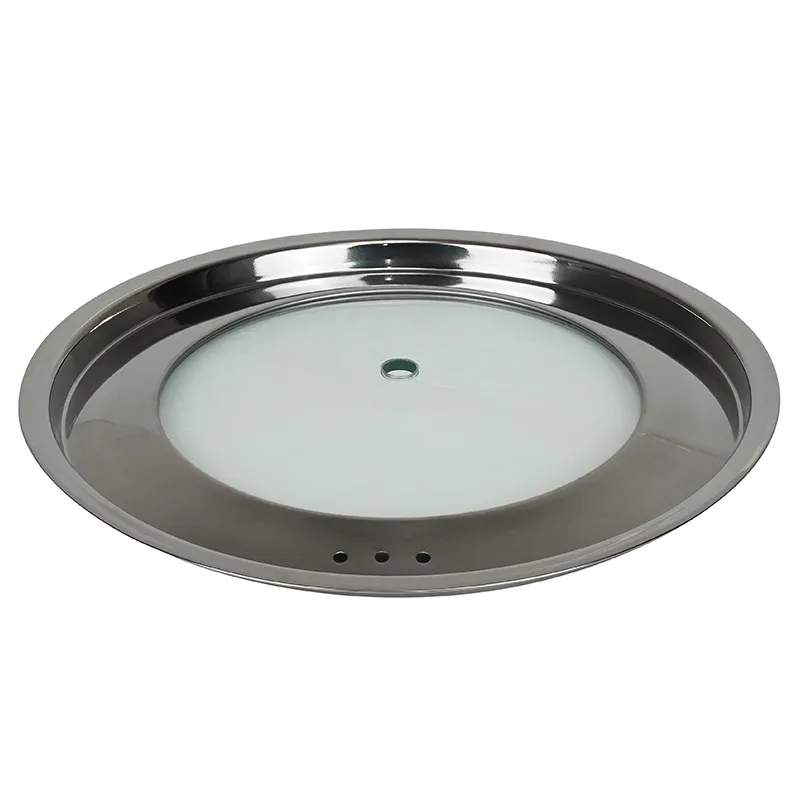
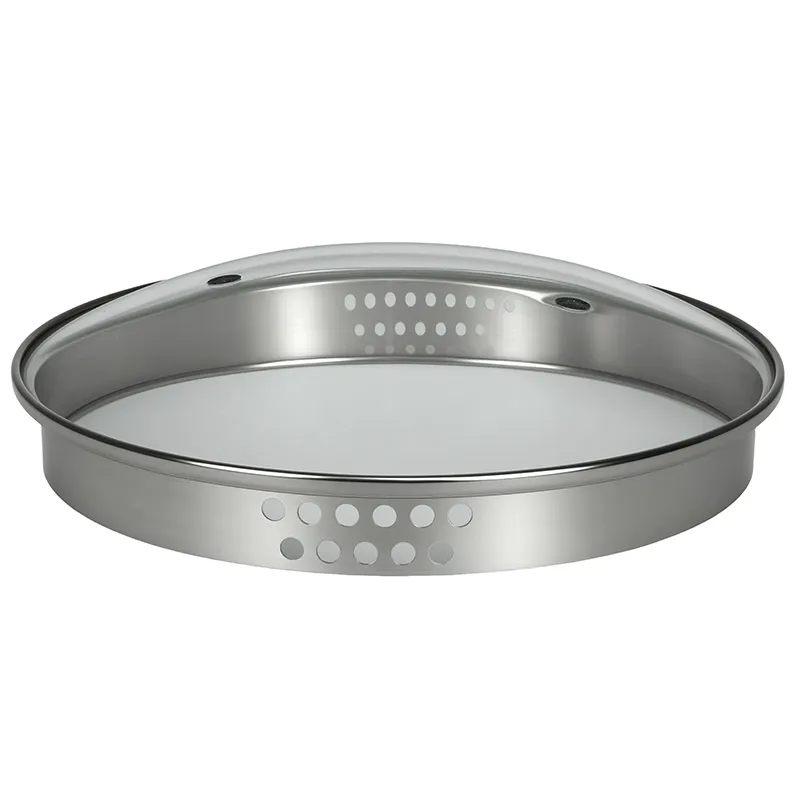
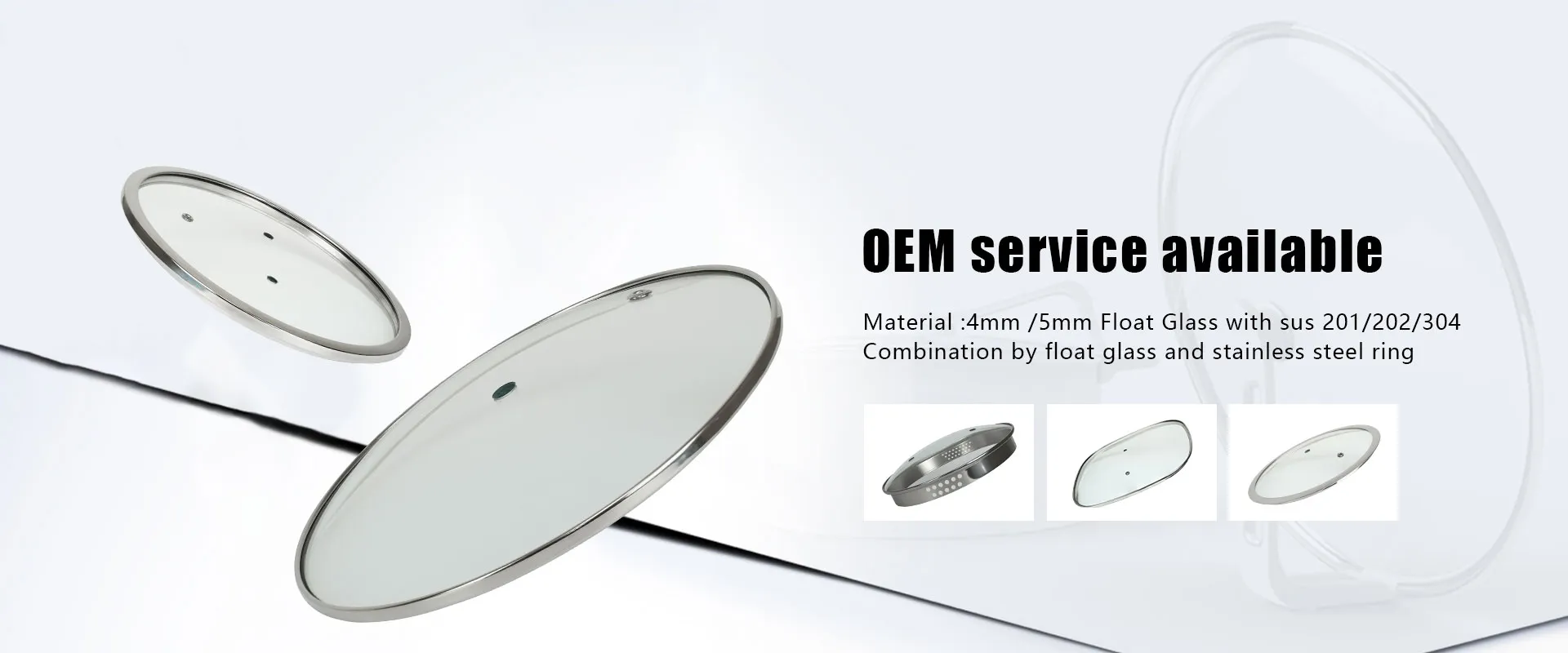
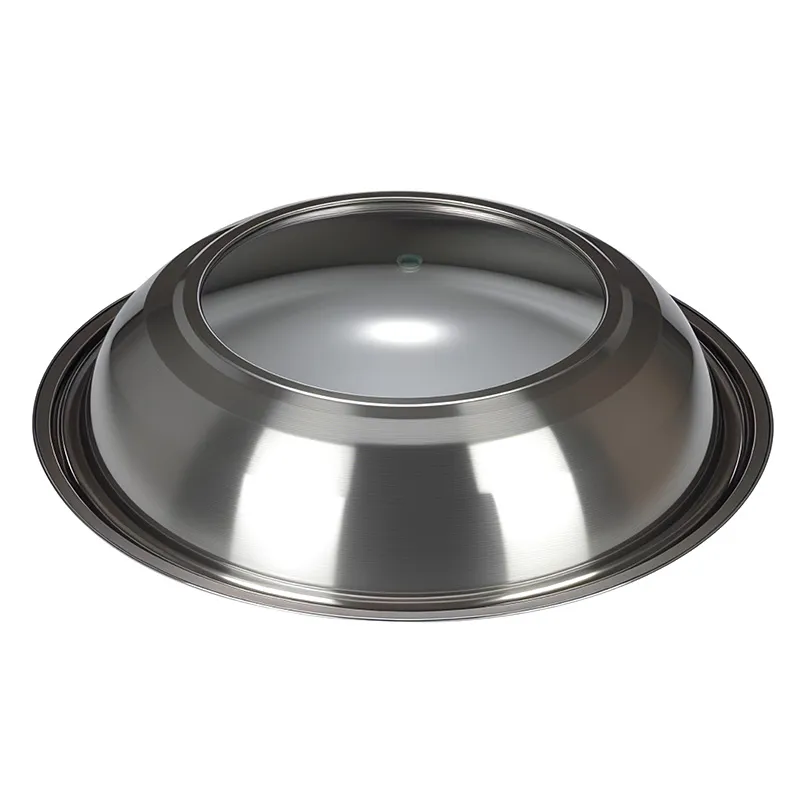
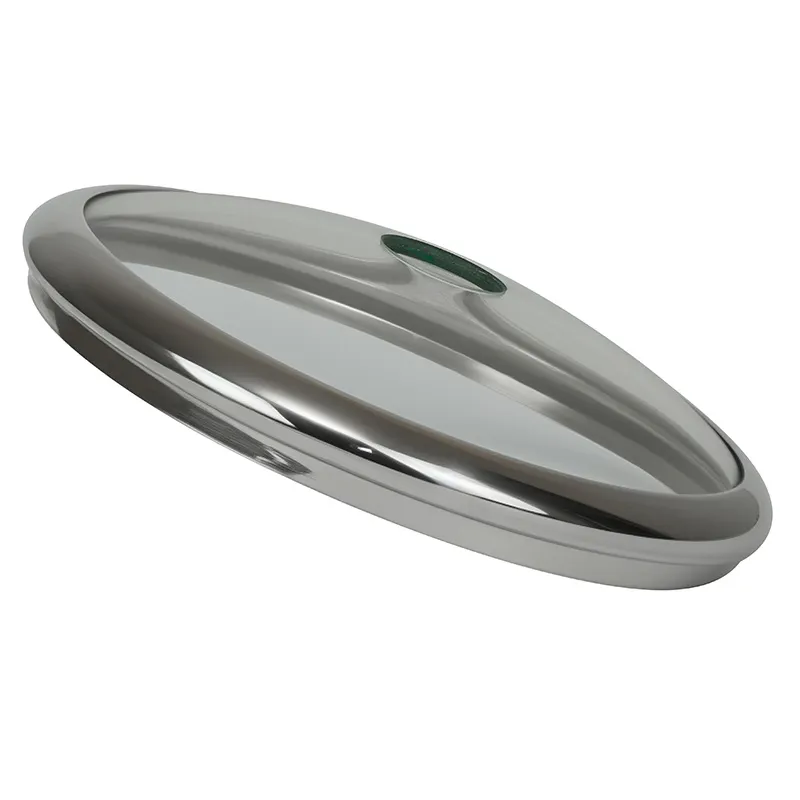
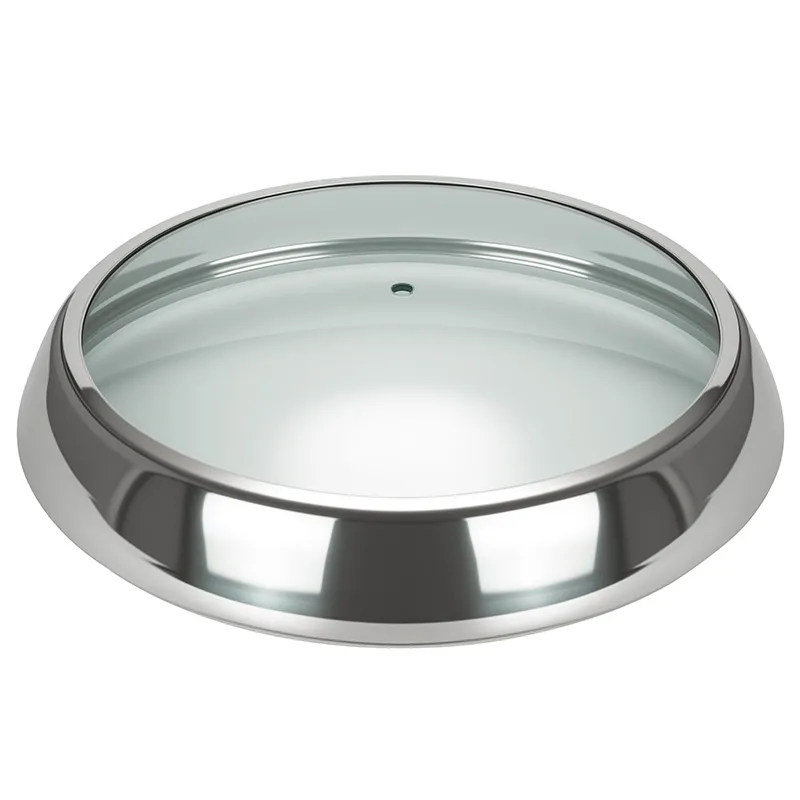
There's also the trend of combo lids—glass with a stainless steel rim. It's more expensive, but addresses the chipping issue at the edge and can offer a tighter seal. It's something EUR-ASIA and similar scale producers are moving into. It's not a classic Z glass lid anymore, but an evolution of it. Whether it's worth the 30-40% price bump depends on your end-user's price sensitivity.
Quality Control on the Ground
You can't just trust the QC report. You need your own checks, or a good third-party inspector. The key tests are simple but revealing. First, the polariscope test. Viewing the lid through crossed polarizing filters reveals stress patterns. A uniform, consistent mosaic pattern is good. Dark spots or strong, localized bands signal uneven tempering. Every serious factory floor should have one of these scopes.
Second, a simple tap test. Suspend the lid by its handle and tap the center with a metal pen. A properly tempered lid will ring with a clear, high-pitched tone. A dull thud suggests poor tempering or internal flaws. It sounds like voodoo, but it's surprisingly reliable for a quick check.
Finally, a batch thermal shock test. Take a random sample from a production run, heat it in an oven to, say, 180°C, then immediately place it on a damp, room-temperature cloth. Do this 5-10 times. If it survives, the batch is likely sound. I've seen lids pass the polariscope but fail this real-world simulation because of edge stress concentrations.
The Future is in Details, Not Disruption
So, where's the Z glass lid going? It's not a product ripe for high-tech disruption. The innovation is incremental and detail-oriented. Better, more environmentally friendly packaging to reduce waste and shipping damage. Improved silicone compounds for the handle that withstand more dishwasher cycles without degrading. Laser etching of measurement markers or brand logos directly onto the glass surface, which is more durable than printing.
For a company like EUR-ASIA COOKWARE CO.,LTD., with their established export channels and production scale, the play is to solidify these details. Their specialization in low-to-high tier products means they can cater to both the budget-conscious buyer and the premium segment that wants low-iron glass and stainless steel rims. The real value isn't in making a lid; it's in making millions of lids that consistently meet a dozen different market specifications without fail, and getting them to Hamburg, Moscow, or Seoul without a 2% breakage rate.
In the end, the Z glass lid is a workhorse product. Its success is invisible—it's the absence of complaints, the lack of returns. It's about mastering a process that looks simple but is riddled with tiny physical pitfalls. When you get it right, nobody notices. When you get it wrong, everyone does. And that's the whole game.
Related Products
Related Products