- Chinese
- French
- German
- Portuguese
- Spanish
- Russian
- Japanese
- Korean
- Arabic
- Irish
- Greek
- Turkish
- Italian
- Danish
- Romanian
- Indonesian
- Czech
- Afrikaans
- Swedish
- Polish
- Basque
- Catalan
- Esperanto
- Hindi
- Lao
- Albanian
- Amharic
- Armenian
- Azerbaijani
- Belarusian
- Bengali
- Bosnian
- Bulgarian
- Cebuano
- Chichewa
- Corsican
- Croatian
- Dutch
- Estonian
- Filipino
- Finnish
- Frisian
- Galician
- Georgian
- Gujarati
- Haitian
- Hausa
- Hawaiian
- Hebrew
- Hmong
- Hungarian
- Icelandic
- Igbo
- Javanese
- Kannada
- Kazakh
- Khmer
- Kurdish
- Kyrgyz
- Latin
- Latvian
- Lithuanian
- Luxembou..
- Macedonian
- Malagasy
- Malay
- Malayalam
- Maltese
- Maori
- Marathi
- Mongolian
- Burmese
- Nepali
- Norwegian
- Pashto
- Persian
- Punjabi
- Serbian
- Sesotho
- Sinhala
- Slovak
- Slovenian
- Somali
- Samoan
- Scots Gaelic
- Shona
- Sindhi
- Sundanese
- Swahili
- Tajik
- Tamil
- Telugu
- Thai
- Ukrainian
- Urdu
- Uzbek
- Vietnamese
- Welsh
- Xhosa
- Yiddish
- Yoruba
- Zulu
- Kinyarwanda
- Tatar
- Oriya
- Turkmen
- Uyghur

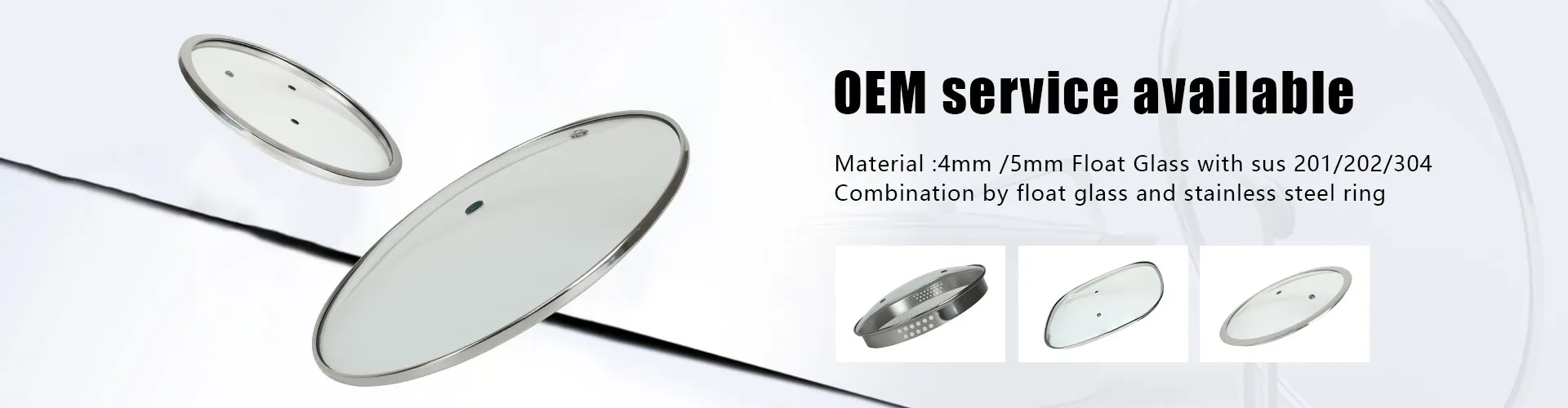
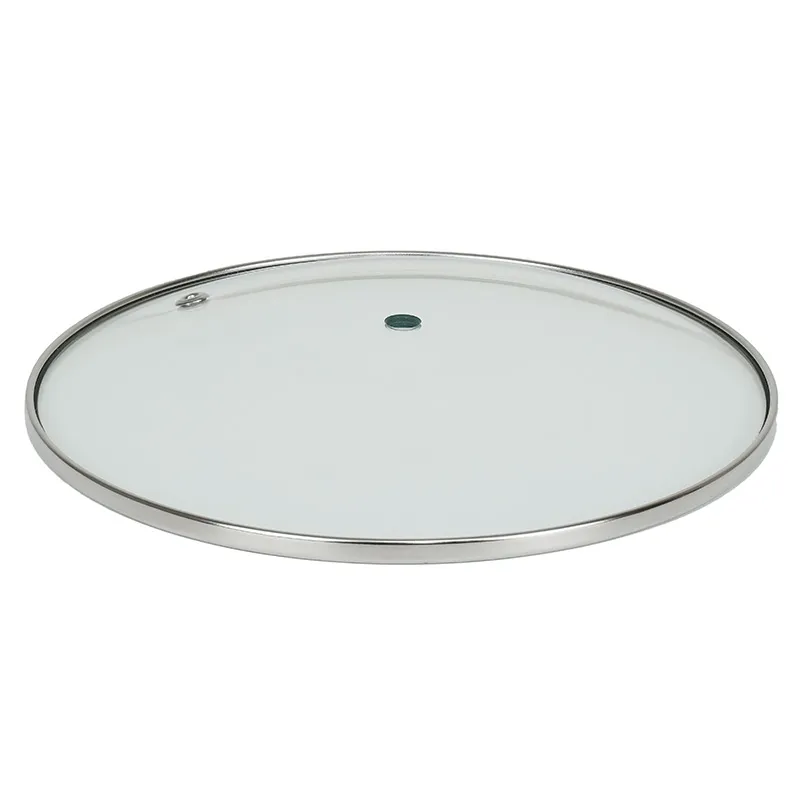
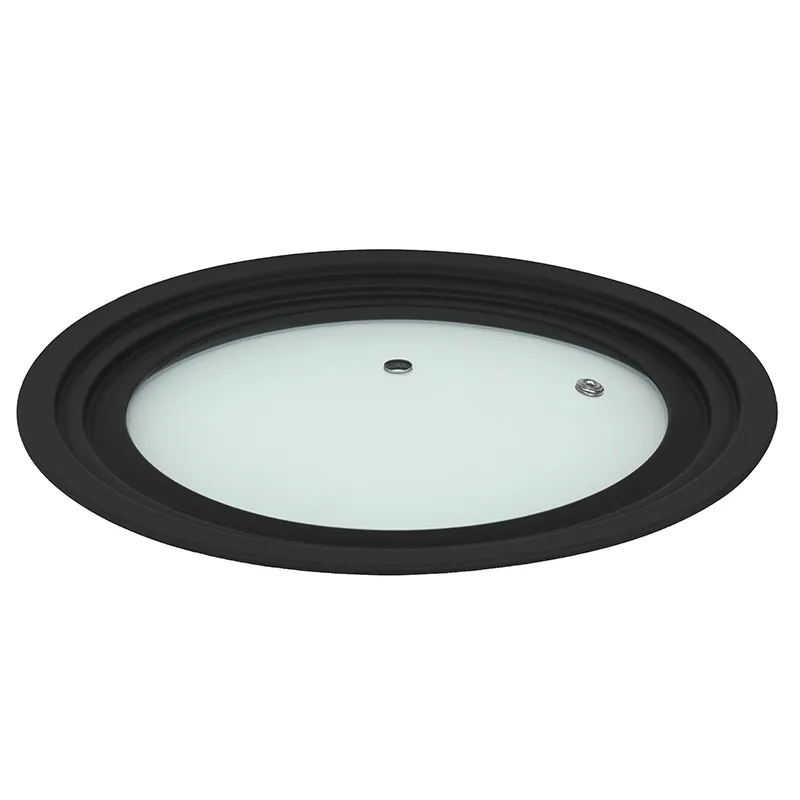
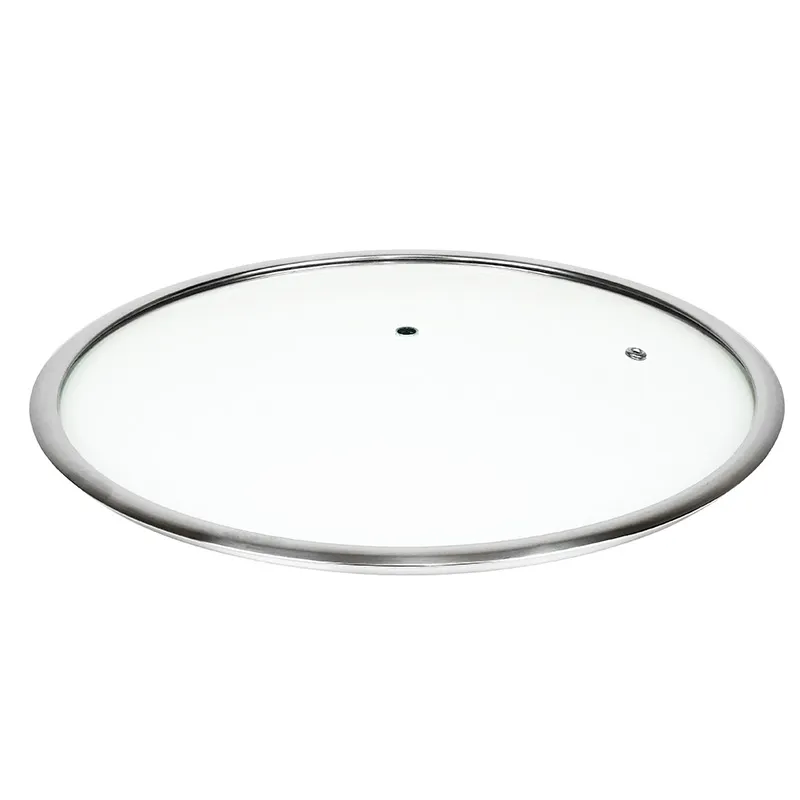
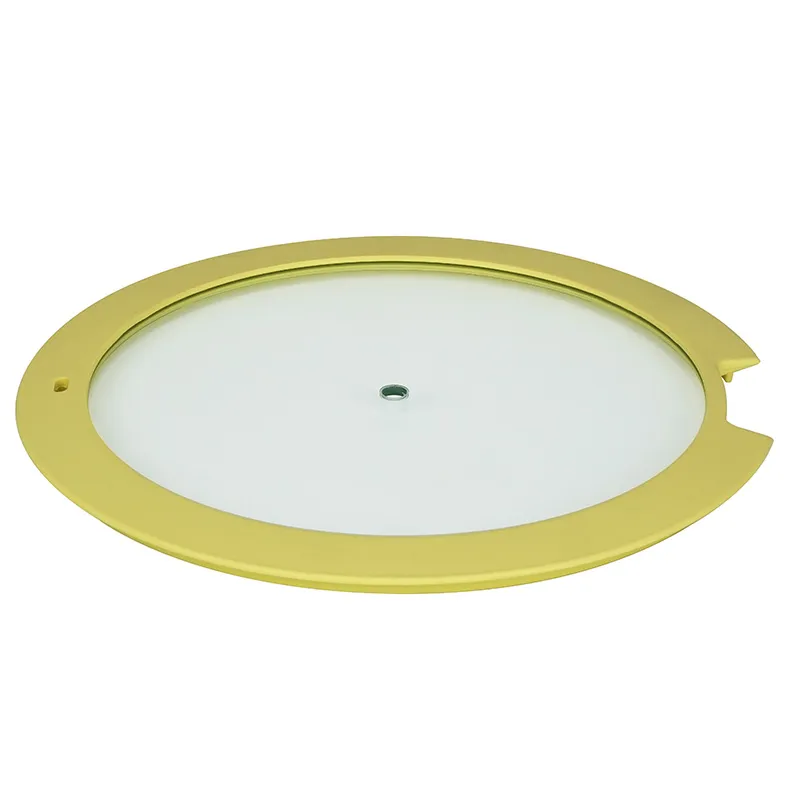
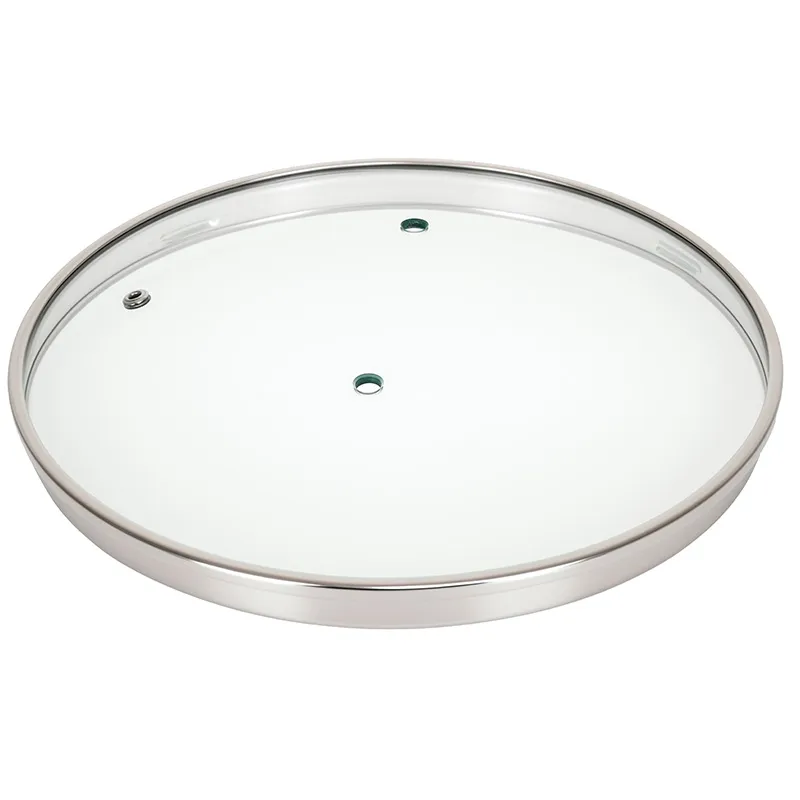
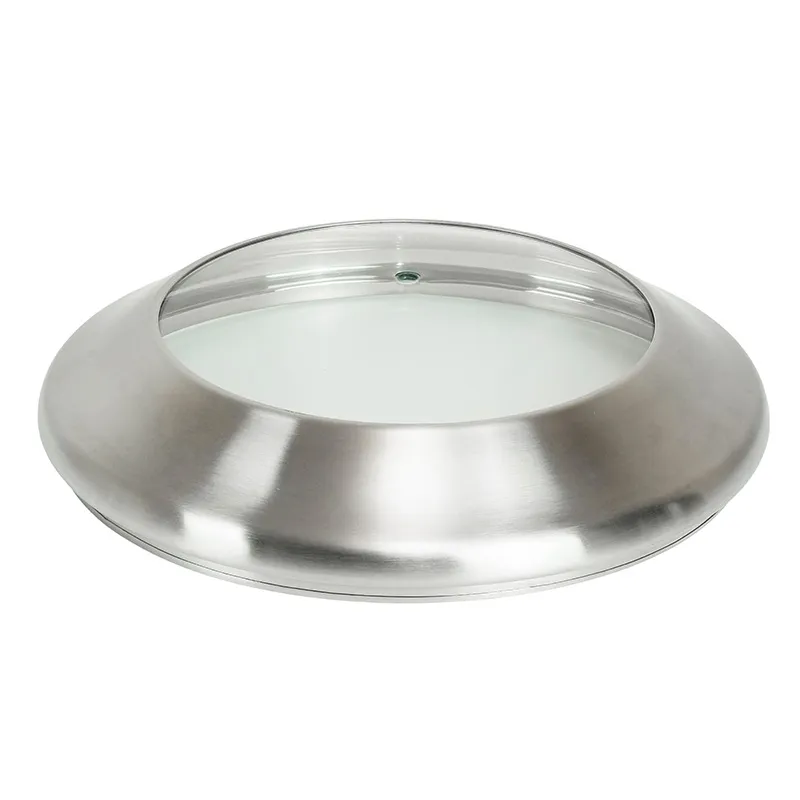
Z type glass lid
When you hear 'Z type glass lid', the immediate mental image is that distinct, angular handle. But if you think that's all there is to it, you're missing the point. The 'Z' isn't just a design quirk; it's a functional solution born from years of trying to solve the universal problem of a hot, slippery, and awkward-to-lift lid. The real story isn't in the silhouette, but in the tempered glass composition, the silicone seal tolerance, and the specific thermal shock resistance needed for that particular handle geometry. Many buyers, even some in procurement, get hung up on the shape as a primary identifier, but the shape actually dictates a whole set of manufacturing and performance parameters that separate a good lid from a liability.
The Anatomy of a Proper Z-Type Lid
Let's break it down practically. The Z type glass lid typically uses a 3-4mm thick tempered glass panel. Not all tempered glass is equal. For a lid with a pronounced, off-center handle like the Z, the stress points during the tempering process are different. The glass needs to be heated and cooled uniformly to prevent weak spots near the handle's base, where the metal clamp grips the glass. I've seen batches where the tempering was slightly off, leading to spontaneous fractures not from impact, but from residual stress when exposed to rapid temperature changes—like moving from a hot stovetop to a cold granite counter.
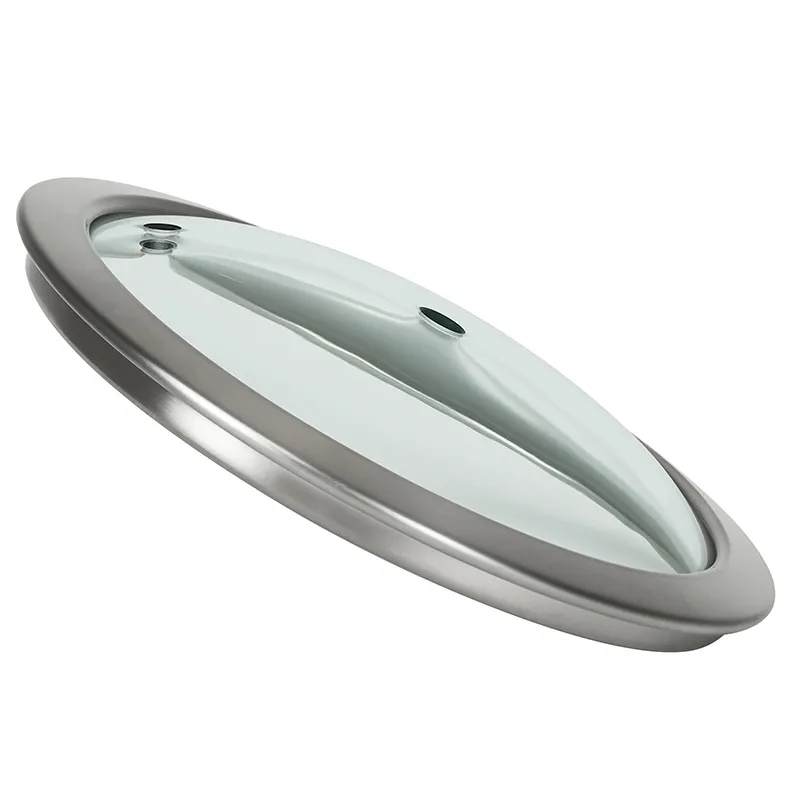
The handle itself is another critical junction. It's usually a two-part stainless steel clamp. The fit here is everything. Too tight, and you risk pinching the glass, creating a microfracture starting point. Too loose, and the handle wobbles, which is not just annoying but dangerous when the lid is hot and heavy with condensation. The best ones I've handled, like those from suppliers with rigorous QC, have a slight rubberized or silicone buffer between the metal clamp and the glass edge. It's a small detail that absorbs minor shocks and prevents metal-on-glass contact.
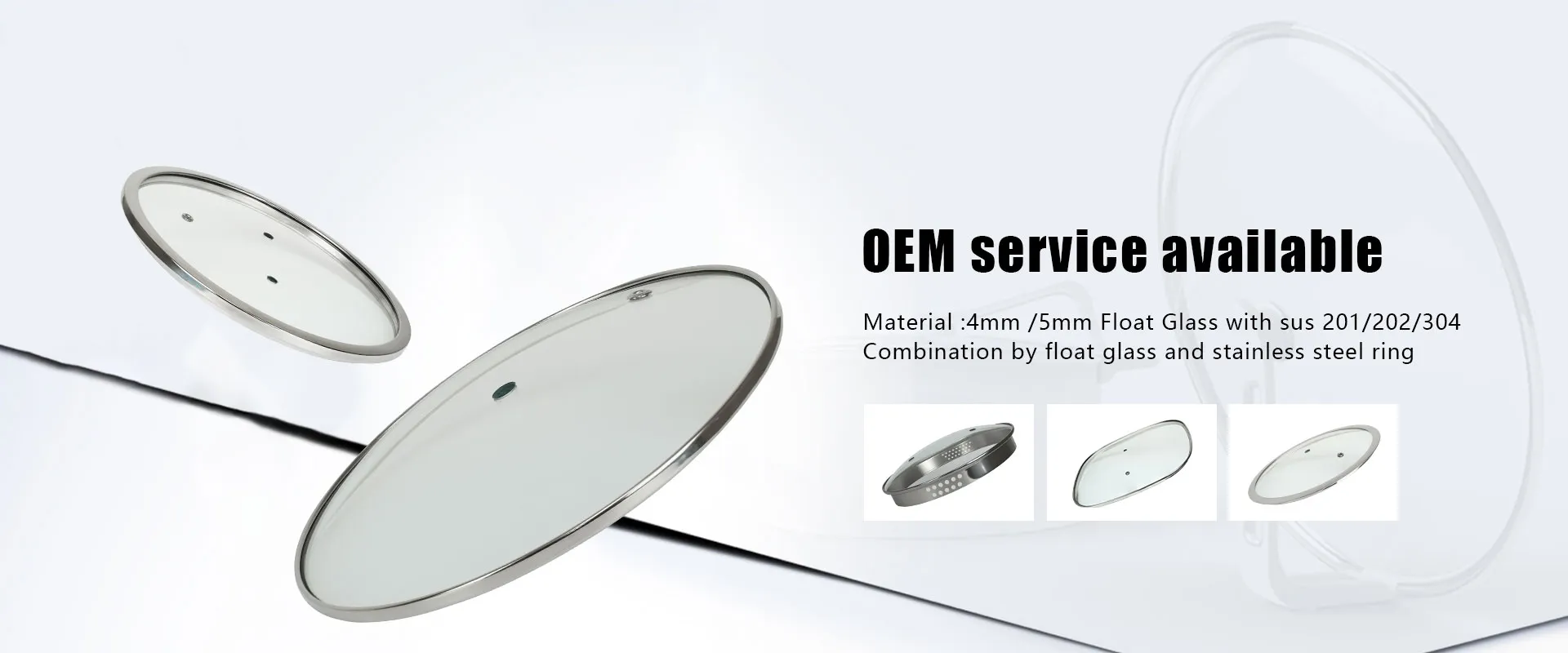
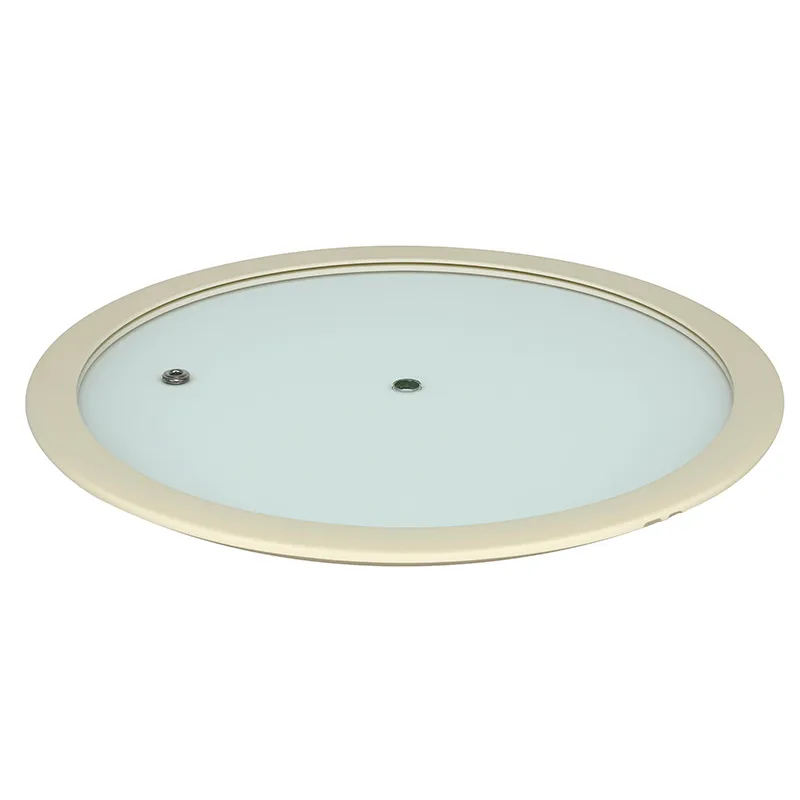
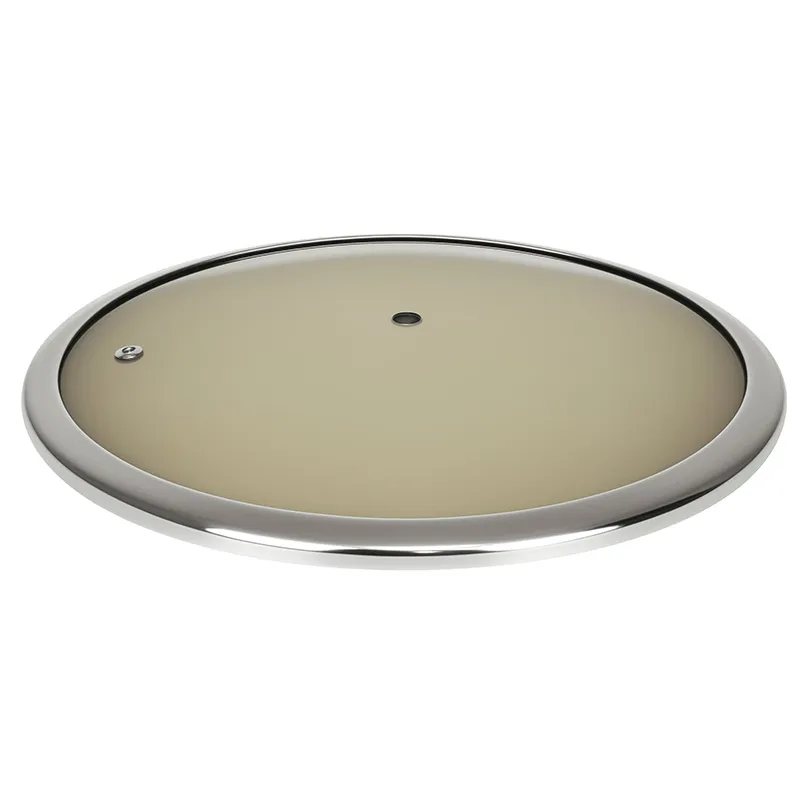
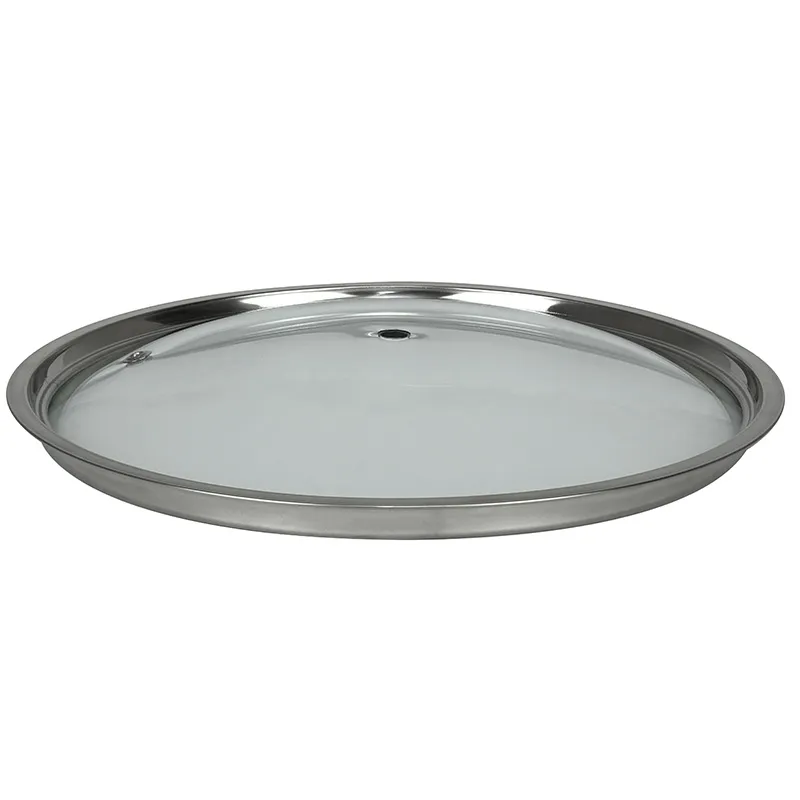
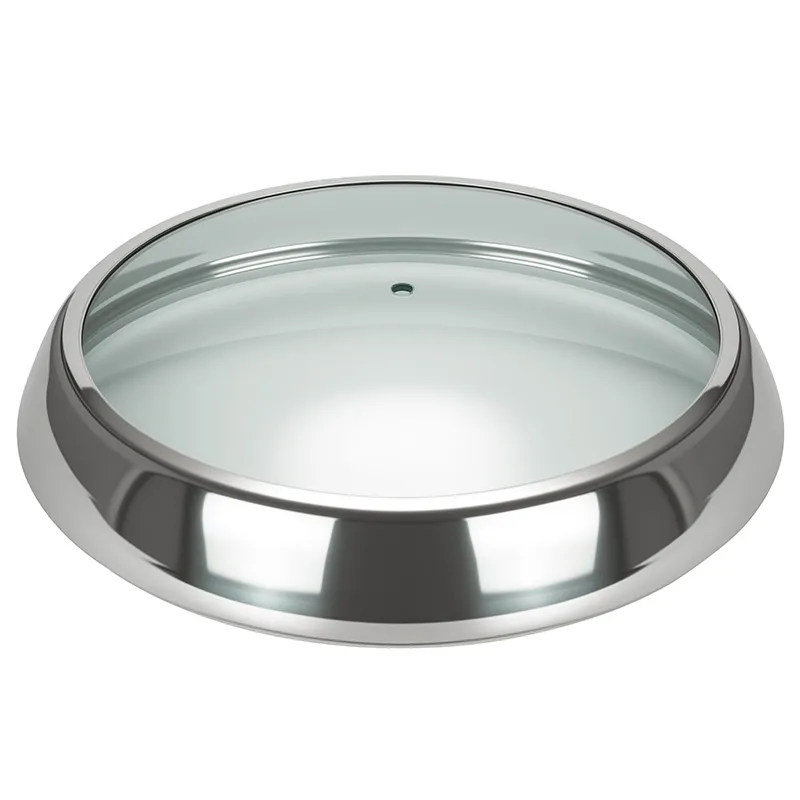
Then there's the rim. Most have a stainless steel band, but the sealing edge is often a food-grade silicone gasket. The effectiveness of this seal is what defines a 'good simmering lid' versus a 'basic cover'. For a Z type glass lid to function well in braising or steaming, the silicone needs to maintain its seal even as the metal band expands with heat. A common failure point is the silicone adhesive degrading after repeated dishwasher cycles, causing the gasket to peel at the corners. It's a longevity test many cheaper lids fail within a year.
Sourcing and Manufacturing Realities
This is where experience on the factory floor matters. I've visited facilities that specialize in these components, like EUR-ASIA COOKWARE CO.,LTD. (https://www.glass-lid.com). Walking their production base in Taian, you see the scale: 15,000 ㎡ dedicated to producing over 15 million tempered glass lids annually. The key takeaway isn't the volume, but the specialization. They're not making everything; they're focused on glass products and kitchen accessories. This focus often translates to better control over the tempering lines and handle assembly jigs specifically for items like the Z type glass lid.
Their export focus—over 90% to markets like Germany, Italy, and Japan—is a de facto quality signal. These markets have stringent safety and material standards. A lid passing German LFGB or French DGCCRF compliance isn't trivial; it demands traceable raw materials and consistent production audits. It means the glass is free of heavy metals like cadmium or lead in the pigments (for colored rims), and the silicones are stable at high temperatures without off-gassing. When a factory's output is geared toward these regions, their baseline quality is often inherently higher.
However, specialization has its limits. One challenge I've encountered is customization. A European client once wanted a specific, slightly larger Z-handle for ergonomic reasons. While the shape was the same, modifying the handle required new casting molds for the metal and recalibrating the glass clamping pressure points. It wasn't just a 'size up' operation. The lead time and MOQ skyrocketed. This is a classic industry hiccup: the Z type glass lid is often a high-volume, standardized item. Major alterations disrupt the entire efficient flow, something a generalist factory might be more flexible on, but potentially at the cost of core competency.
Common Pitfalls in Application and Use
In real-world kitchen use, failures are rarely dramatic. They're subtle. One persistent issue is condensation management. The Z type glass lid, with its large viewing area, is great for monitoring a simmer. But that same glass surface, if not slightly domed (which many are), becomes a channel for condensation to drip directly back into the food in one stream, rather than rolling gently to the edges. This can water down a sauce. It's a design nuance—the curvature of the glass—that's often overlooked in spec sheets but is crucial for performance.
Another pitfall is assuming compatibility. 'Universal fit' is a marketing term. The Z-lid might sit on a pan, but a proper fit means the silicone rim creates a consistent seal around the entire pot rim. I've tested lids on different branded cookware where a millimeter's difference in pot-rim diameter or flatness resulted in a noticeable steam gap. The lesson is always to specify, or better yet, test the lid with the actual pot body if you're bundling them as a set. The handle's Z-offset can also affect balance on smaller-diameter pots, making it prone to tipping if not centered perfectly.
Dishwasher durability is the final, great separator. The triple assault of hot water, harsh detergents, and rapid cooling weakens the adhesive bonding the silicone gasket and can cause oxidation or pitting on cheaper stainless steel rims. The lids that last are the ones where the steel band is properly finished (often a brushed 18/10 stainless) and the silicone is bonded with a high-temperature adhesive. You can't tell this by looking at a product image online. It's a matter of material spec and assembly process, which is why long-term supplier relationships and factory audits are worth their weight.
The Evolution and Niche Justification
So why has the Z-type persisted? It's not the most space-efficient design—the handle protrudes. But its ergonomics are superior for a specific action: lifting a heavy, hot lid with one hand, often with a mitt. The Z-shape provides a natural hook for your fingers and a clear visual and physical indicator of which end to lift, unlike a centered knob. It's a user-experience-driven design that has survived because it works well for its core function.
We're seeing iterations now. Some models integrate a steam vent in the handle base or a built-in spoon rest on the handle's flat section. Others use borosilicate glass instead of standard tempered soda-lime for better thermal shock resistance, though at a higher cost. The evolution is slow because the tooling for glass tempering molds and metal handles is expensive. Innovation happens at the margins: better silicone compounds, more eco-friendly packaging, or slight tweaks to the handle angle for improved stackability.
For a company like EUR-ASIA COOKWARE, their role in this evolution is grounded in volume manufacturing precision. Their capability to produce millions of pieces consistently means they set the accessible quality benchmark for the mass market. When they refine a process—say, improving the annealing cycle to reduce glass tension—it trickles down to a more reliable product for a broad range of brands they supply. Their specialization in glass lid production is a stabilizing force in the market, even if they aren't the ones launching the most avant-garde designs.
Concluding Thoughts: Substance Over Shape
Ultimately, evaluating a Z type glass lid requires looking past the Z. The shape is the entry point, but the value is in the material grades, the manufacturing tolerances, and the testing protocols behind it. It's a deceptively simple product where cost-cutting in any component—the glass, the steel, the silicone, or the adhesive—immediately compromises safety and longevity.
The practical advice? For sourcing or even purchasing, prioritize the supplier's specialization and compliance history over a minor per-unit cost saving. Ask for material certificates, specifically for glass tempering standards and silicone food-contact approval. If possible, get samples and subject them to your own stress test: rapid temperature cycles, dishwasher runs, and a check for handle stability. The good ones will feel solid, with no flex in the handle and a perfectly flush, seamless rim.
In the end, the best Z type glass lid is the one you don't have to think about. It performs its function reliably, cleans easily, and doesn't fail unexpectedly. That reliability isn't an accident; it's the result of focused manufacturing expertise on every component, from the high-tech zone of the tempering furnace to the seemingly simple act of fixing a silicone gasket in place. That's where the real story is.
Related Products
Related Products